Siddhas had left us treasure trove of Knowledge. They are In Tamil. There are a lot of Sampradayas in India on Tantric practiced. The practices in the North and the Guruparampara list has been published in this blog. Though the geographical locations matter to us,they are not to do to Yogis and Siddhas. Sri. Kuzhandaiyananda Swamigal,with whom my family was personally connected with was seen as Trilinga Swamigal in the North. References to Trilinga Swami can be found in Paramahamsa Yogananda ‘ s Book Autobiography of a Yogi.
Siddhas are different in terms of approach to metaphysics and Yoga. Though the ultimate goal is self realisation for all, North or South,the process and the methodology of teaching seems to differ.Siddhas consider that death can be conquered and human body can be retained at Will for second. They consider Siva and Kailash as planes of existence and can guide and take Sadhakas there if Siddhas are so inclined. They also take Vishnu,as Narayana and Devi as Bala in their system of Yogic thought. Siddhas prefer Vaasi Yoga to Asthanga Yoga as they declare that Vaasi begins where Yoga as enunciated by Patanjali ends. Siddhas are like the Avatars of Siva. They come out of nowhere and vanish in a flash. For most of them , we will not be in a position to know their Purvasrama or lineage. They shall appear at their Will for you if your passion to Spirituality is intense and sustained. Even material regarding Siddhas, though in theory is available , one may not be able to access it at one’s Will or even write about it. This has been my experience I was also informed by Siddha ,Sri. Nellai Vasanthan,also an Astrologer of a different calibre. He pinpointed through my friend over phone that I had been planning to write on three subjects for years and among them was Vaasi Yoga. He also conveyed that Vaasi material would be made available when I was ready to receive. And of the three topics, I will not be able to write on one Subject I had in my mind, in this Birth! I find this to be amazing for part of it is proved and am awaiting for other points to be validated whivh I am sure Will Be.
Siddhas,though they consider Siva as the Aadhi Yogi and invoke Siva at all times, they also consider Narayana and Devi as Bala in Yogic practices. The immediate article preceding this article was on how Narayana and Bala Tripura Sundari is invoked by Siddha Valmiki,same Valmiki who compiled Ramayana .Now let’s see what Siddhas say on Devi Yoga.
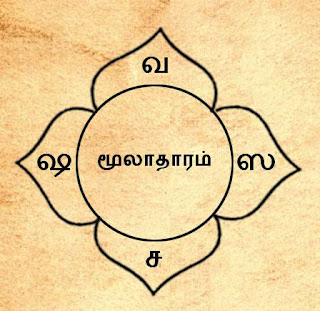
‘Start from Anus,Mooladhara and other chakras proceed to Top of head ,Sahasrara;and in between Tongue 👅,Mouth,Ears ; at each of these points, Meditate on Devi as Mother,and Chant Vedas.Do this as A Japa, without Moving lips and mouth; keeping still remain Silent.When you feel Vaasi, Mind shall become Still and modifications of Mind/ Chitta will cease.
# When he says Vedas, I tend to take the view that it can be any of the Panchasukthas,Sri Rudra or any specific Rik found them.And considering the context, Vaasi here seems to mean Siva. That is if you follow the procedure as explained above, when your Mind becomes Still you will feel Siva, become Siva.And You shall see Devi as Bala Tripurasundari.
நாக்கு வாய் செவிமூக்கு மத்திக் கப்பால் நடுவீதி குய்யமுதல் உச்சி தொட்டுத் தாக்குவாய் அங்கென்றே அதிலே முட்டுத் தாயாரைப் பூசித்து வேதம் ஓது வாக்குவாய் அசையாமல் மவுனங் கொண்டு வாசிவரு மிடத்தில் மனம் வைத்துக் காத்து நீக்குவாய் வாசியொடு மனந்தான் புக்கு நினைவதனி லடங்கிவரும்; வாலை காணே 🔥வால்மீகி. https://www.facebook.com/groups/471697570143349/permalink/941719953141106/
It was amazing to find that Sri Narayana is associated with Yoga!I had written on the fact that there are no known Tantra Sastra texts associated with Sri Narayana except Vaishnava-Sahajiya
I have, as is usual with me,while searching for something else to write on Vaasi Yoga, I landed on information that speaks of Yoga and Sri Narayana in the same breath. Not only that it identified Narayana with Devi as Bala Tripurasundari.. To top it, all this is directly linked to Yoga!
Kamakshi,Bala and Kanchi Periyavar.
I understand the text is from Valmiki Gnana in Tamil. I am checking it. Readers are requested to inform me if they come across the text or Link.I have provided the text from Siva Sambo Group from Facebook. The meaning is as below.
Holding your Body steady,tighten the Anus raise Vaasi, concentrate on the point between Ears,Nose,Mouth( Anahatha located in the forehead),Chant the Ashtakshara ‘Om Namo Naraayanaaya’ directing it to Anahatha.Listen to the sound therein and follow it. Mind shall be overcome and Bliss will Be.That is Devi As Vaalai.( Bala Thiripura Sundari). Bala Worship in Tantra Sastra is very powerful and secretive.Will write what I know.
குதத்தை இறுக்கி அங்கென்று வாசியை ஏற்றி காது மூக்கு வாய் சுவையுணர் நாக்கு யாவிற்கும் மத்தியாய் இருக்கின்ற சுழுமுனை வாசலுக்கு மேலே நட்ட நடுவாக நிற்கின்ற பொருளிலே எட்டெழுத்தை ஓதித் தாக்கி உடல் அசைவற்று மௌனமாய் இருந்து அங்கே எழுகின்ற நாத ஓசையை உற்று உணர்ந்து அது போகும் இடத்தினில் மனதை நிறுத்தி அதையே உற்று கவனிக்க நாதம் மேலோங்கி மனம்தான் அடங்கி அங்கே உணர்வு மட்டுமே நிலை நிற்கும்… அந்த நாதம் மற்றும் உணர்வே வாலையாம் அன்னை பராசக்தி என்றுணர்து பணிந்து அங்கே நின்று வணங்கே இதுவன்றி வேறு பூசை ஏதும் உண்டோ.. வால்மீகி
Where does one concentrate while meditating? In the initial stages, one may keep both eyes open and concentrate on an Idol of his choice,A photo,Or The flame of a Lamp. At an advanced, next level, one is asked to close one’s eyes, as it would shut down external Stimuli. And where to concentrate?
Many concentrate on the spot in by the two eyebrows, the centre of the forehead where Hindus kero their caste mark or Kumkum. This part is associated with Ajna Chakra.Some advice the tip of the nose,while keeping the eyes open as well as keeping them closed( While performing Sandhya vandhana, Pranayama is performing by looking at the top of the nose or both eyes closed)
I have noticed that this practice is disturbing , makes eyes watery.Even while eyes are closed , if you concentrate either in between the eyebrows or at the top of the nose, your eyeballs roll-up,though your eye lids are closed. I had this doubt for quite sometime whether there is any other interpretation.
Siva being the Adi Yogi and the most authentic texts are Thirumandihram by Thirumoolar,which pre dates Patanjali, Agastya’s works I was meaning to check them and also the works of Siddhas.
A Facebook group Siva Sambho in Tamil has provided me the answer. I studied the verses and am convinced that the spot to concentrate ,with eyes closed, is the Pupils of the eyes or pupil of one eye.
Tamil texts by Siddhas mention this. Agasthya says that ‘Do not go after the Center of the eyebrow,( Your ) Eyes are Full of Divine Light and the tip of the nose is The End( that it is the End, I am unable to decipher). What is clear is one should concentrate on the eyes , specifically Pupils of the eyes 👁️ for through the eyes are seen the Light and eyes are the expressions of the Soul and concentrating on them leads to Inner Light.
Thirumoolar says to keep your gaze or attention at the center of the Nose.This seems to indicate the eyes again as when you convey on the Centre of the nose,with your eyes closed, you will find that you are looking at your eyes internally. Here the physical Eyes,which are Karmendriya are not referred to. It the Eye as Gnanendriya is pointed out . It the process and awareness of Seeing knowledge of Seeing.
One must see follow the Inner Light in the eyes, follow it to the heart while meditating.
புருவ மத்தி என்பது எது?
நமது சித்தர்கள் யோகசாதனமுறையை விளங்கும் போது.மனதை புருவ மத்தியில் நிலை நிறுத்துங்கள் என்று கூறுவர்..
புருவமத்தி எது என்று சாதரணமாக யாரிடம் கேட்டாலும் “புருவமத்தி” என்று நாம் நெற்றியில் பொட்டு வைக்கும் இடத்தை கூறுவர்.
இன்று பல யோகா மையங்களும் இதையே தான் கூறுகிறது. புருவமத்தி என்றால் பொட்டு வைக்கும் இடமா என்றால் அது தான் இல்லை? சிறிது சிந்தித்து பார்த்தால் இது புலப்படும்.
அதற்கு முன் அவ்வையார் கூறும் இந்த பாடலை நினைவில் கொள்ளுங்கள் ” “தேவர் குறளும் திருநான் மறை முடிபும் மூவர் தமிழும் முனி மொழியும் – கோவை திருவாசகமும் திருமூலர் சொல்லும் ஒரு வாசகம் என்று உணர்”
திருக்குறள் நான்கு வேதங்கள் தேவாரம் அகத்தியர் முதலான சித்தர் பாடல்கள் திருவாசகம் திருமந்திரம் இவை அனைத்தும் உரைப்பது ஒரு வாசகம். மெய். உண்மை. சத்தியம். மெய்பொருள். ஆக அணைத்து ஞானிகளும் ஒரே இடத்தில் தான் தியானம் செய் என்று கூறியிருப்பார் என்று தெளிவாகிறதல்லவா.
சரி முதலில் புருவ மத்தி எது என்று நாம் சிறிது சிந்திப்போம்? நாம் பொட்டு வைக்கும் இடம் இரு புருவங்களிடையே உள்ளது. ஞானிகள் இரு புருவ மத்தி எனக் கூறவில்லையே?! புருவ மத்தி என்று ஒருமையில் தானே கூறினர். ஒரு புருவம் அதன் மத்தி என்று ஒன்றும் இல்லை, அதன் கீழ் இருப்பது கண்.
இப்படி சிந்திக்க வேண்டும். யூகிக்க வேண்டும். புருவ மத்தி என்று சொன்னார்களே அதன் கீழ் உள்ள கண்ணை பற்றி தானே சொல்லியிருப்பர்.
நாம் சிந்தித்ததை….. சித்தர்கள், ஞானிகள் பாடல்கள் கொண்டு பார்போம். எல்லா சித்தர்களும் , ஞானிகளும் நாம் தியானம் செய்ய வேண்டிய இடம் புருவ மத்தியான கண்ணே என்று நேரடியாகவும், பரிபாசயாகவும் கூறிபிட்டுள்ளனர்.
அதில் சிலவற்றை இதில் பார்போம்.
“புருவ மத்தி எதென்றக்கால் பரப்பிரம்மமானதோர் அண்ட உச்சி” . – சித்தர்
காகபுசந்தர். புருவமத்தி பரப்பிரம்மமான அண்ட உச்சி. அண்டம் போல் அழகான பூமி போல் அழகான கண்மணி, உச்சி என்றால் கண்மணி மத்தியாகும். அது பரப்பிரம்மமானது. அதாவது ஒளியானது புருவமத்தி கண்மணி மத்தியிலுள்ள ஒளி.
கண் நிறைந்த ஜோதியட புருவமத்தி
அலையாதே புருவமத்தி துலையென்றெண்ணி
அப்பனே மூக்கு நுனி அந்தமாச்சே – அகத்தியர்
கண்ணில் நிறைந்த ஜோதியே (அ ) ஒளியே புருவமத்தி என்று தெளிவாக அகத்தியர் பெருமான் நமக்கு உரைக்கிறார்.
வள்ளல் பெருமான் புருவம் கண் என்று தெளிவாக கூறிவிட்டார்.
“கையற விலாத நடுக்கண் புருவபூட்டு கண்டு களி கொண்டு திறந்து உண்டு நடு நாட்டு.” என்று வெட்ட வெளிச்சமாக்கி விட்டார். “நடுக்கண் தான் புருவபூட்டு” இதற்கு விளக்கமும் வேண்டுமோ. மேலும் வள்ளலார் தான் இரு கண்களாலும் செய்த பெரும் தவத்தை தானே வியந்து போற்றுகிறார்.
தன் கண்ணில் தான் தானும் தவம் செய்தேன் என்று வள்ளலாரே குறிபிடுகிறார்: இதை திருமூலர் திருமந்திரத்தில் பரிபாசையாகவும், நேரடியாகவும் குறிபிடுகிறார்: “நாட்டம் இரண்டும் நடுமூக்கில் வைத்திடில் வாட்டம் இல்லை மனைக்கும் அழிவில்லை"
இங்கு திருமூலர் நமது நாட்டம் நடுமூக்கில் வைக்கணும் என்கிறார். ஒரு சித்தர் புருவமத்தி என்றார், இங்கு திருமூலர் நடுமூக்கு என்கிறார். எது சரி.
அவ்வை பிராட்டி கூறிய முதல் பாடலை நினைவு கொள்ளுங்கள்.
நடுமூக்கு – இது பரிபாசை. ஞானத்திற்கு பொருள் காணனும்.! மேலோட்டமாக பார்த்து மூக்கு என்று ஏமாந்து போகாதீர். மூக்கை பார்த்து மோசம் போனவர் ஏராளம்.
இதன் விளக்கம் என்ன?
தண்ணீர் ஊற்றும் பாத்திரம் உண்டல்லவா அதில் நீர் வரும் பகுதியை மூக்கு என்று தானே சொல்வோம்.
நமக்கு கண்ணீர் வரும் கண்ணே மூக்கு அதன் நடுபகுதியே ஊசிமுனை துவாரம் உள்ளதாகும் அதனுள் தான் ஊசிமுனை அளவு ஜோதி உள்ளது! இதில் தான் நம் நாட்டம் இருக்க வேண்டும். கண் என நேரடியாக சொல்லாமல் நடுமூக்கு என்றது நாம் சிந்தித்து தெளிய வேண்டும். குரு மூலம் உபதேசம் பெற்று தெளிய வேண்டும் என்பதற்காக. தான். மேல் கூறிய விளக்கத்திற்கு சான்று மற்றும் ஒரு திருமந்திர பாடலே
நயனம் என்றால் கண். இதற்கு மேலும் விளக்கம் தேவை இல்லை.
மற்றுமொரு பாடல் திருமந்திரத்தில் இருந்து. தவம் எப்படி செய்ய வேண்டும் என்று கூறும் பாடல். இப்பாடலை படிக்கும் முன் “உடலில் உயிர் எங்கு உள்ளது “என்று இந்த லிங்கை படித்த பின் பார்க்கவும்” “நெற்றிக்கு நேரே புருவத் திடைவெளி உற்றுற்றுப் பார்க்க ஒளிவிடு மந்திரம் பற்றுக்குப் பற்றாய் பரம – னிருந்திடம் சிற்றம் பலமென்று சேர்ந்துகொண் டேனே”
நெற்றிக்கு நேரே புருவத் திடைவெளி இதை நாம் உற்று உற்று பார்க்க வேண்டும். கிணற்றை உற்று பார்த்தான் என்றால் கிணற்றில் உள்ளே பார்த்தான் என்று தானே பொருள்.
நெற்றிக்கு நேரே புருவத்திடைவெளி உள்ளே இரு கண்களும் உள்ளே போய் சேருமிடம் நம் ஆத்மஸ்தானம். அதை தான் உற்று உற்று பார்க்க ஒளி விட்டு பிரகாசிக்கும் என திருமூலர் சொல்கிறார்.
அது தான் ஒளி தான் மந்திரம். அந்த நம் ஜீவஸ்தானம் தான் பரமன் இறைவன் இருக்குமிடம். நம் உயிரை பற்றி உடலை பற்றி இருக்கும் இடம். அதுவே சிற்றம்பலம் கோயில் என தெரிந்து கொண்டேன்.
நம் கண்மணியை பற்றியிருக்கும் ஒளி உள் ஒளி அம்சம். கண்மணி ஒளி வழி உள்ளே புக வேண்டும். குரு மூலம் உபதேசம், தீட்சை பெற்று கண் ஒளியை பற்றி உள் போக வேண்டும்.
இதுவே ஞானம். கண்ணை மூடி கொண்டு உற்று உற்று என பார்த்தாலும் மாயை தான் விளையாடும். கண்ணை திறந்து கண்மை ஒளியோடு போ.
மேலும் பல ஞானிகள் புருவமத்தியான கண்ணை இருதயம் என்பர். இருதயம் என்பதை பிரித்து பாருங்கள் இரு+ உதயம் . நம் உடலில் வலது கண் சூரியன், இடது கண் சந்திரன், ஆக இதை தான் இந்த சூரிய , சந்திர உதயத்தை தான் இரு உதயமாக (இருதயமாக) கூறி உள்ளனர் ஞானிகள்.
இதை சிவவாக்கியர் எந்த ஒளிவு மறைவுமில்லாமல் கூறி உள்ளார்.
“வலது கண் சூரியன் இடது கண் சந்திரன்”
கீதையிலும் கிருஷ்ண பகவான் “மந்திரங்களில் நான் காயத்ரி” என்கிறார். காயத்ரி மந்திரத்தின் சாராம்சம் “கடவுளின் ஒளியை தியானிப்போமாக என்பதே.
Right Eye represents Sun,Left, Moon.The flowering of these two is Heart.- Siva Vaakiyar- Siddha.
” கண்ணன் என்ற தமிழ் வார்த்தை நம் உடலில் இறைவன் துலங்குவதை குறிக்கும். கண் + அவன் = கண்ணன்.
Sri Krishna is called Kannan. It means He is Eyes
ஆகா இந்த கண்ணனை – கண் ஒளியை தான் நாம் தியானிக்க வேண்டும். இப்படி அனைவரும் கூறுவது ஒன்றைத்தான்…
There is an excellent group in Facebook called Shiva Shambho,where excellent information is shared. The information is Subtle and one has to understand the essence of Yoga and authentic texts. I shall be sharing information from the group.
Today ,we have so many people and institutions are conducting Yoga classes and Meditation courses. Most of them do not seem to follow the Patanjali Yoga Sutra to the letter. What they teach is what they think will sell. Practices that do not have rigorous procedures are taught. Fir instance, in Patanjali ‘s Ashtanga Yoga, Niyama and Yama, that is Dos and Don’ts are the first two steps before proceeding to, in the order,Asana,Pranayama, Pratyahara,Dhyana and Dharana.Then comes Samadhi, Savikalpa and Nirvikalpa
Yoga is not a physical exercise per se. The physical benefits that accrue are the spinoffs of the Spiritual Endeavour Yoga,which, many have taken tens of years to perfect.Sastras say some Carry forward Sadhana from their previous birth to this birth and take off where they left off in their earlier births.
The Yama are according to Patanjali,
Ahimsa (अहिंसा): Nonviolence, non-harming other living beings.
Satya (सत्य): truthfulness, non-falsehood
Asteya (अस्तेय): non-stealing
Brahmacharya (ब्रह्मचर्य): chastity,marital fidelity or sexual restraint
And there is Niyama, things that are to be done or followed are,
The second component of Patanjali’s Yoga path is niyama, which includes virtuous habits and observances (the “dos”).Sadhana Pada Verse 32 lists the niyamas as:
. (शौच): purity, clearness of mind, speech and body
Santosha (संतोष): contentment, acceptance of others, acceptance of one’s circumstances as they are in order to get past or change them, optimism for self
Svadhyaya (स्वाध्याय): study of Vedas, study of self, self-reflection, introspection of self’s thoughts, speech and actions.
Ishvarapranidhana (ईश्वरप्रणिधान): contemplation of the Ishvara (God/Supreme Being, Brahman, True Self, Unchanging Reality).
Then comes Pranayama.Prana is the Life, verily it is the energy,that is vital that is present in every part of one’s body till it leaves the Body,when it the body becomes Inert or Sava.
For the body to be Siva, Yoga is one of the best methods.
However caution is to be exercised in following Yogic practices.
I have listed a total ten do’s and don’ts here before one attempts to go ahead in Yoga. Yama and Niyama are the first steps, preparing ground , equivalent to ,say,pre KG classes.
In the forth coming articles, I shall share information on other aspects like Prana, where to concentrate, difference between Pratyahara, Dhyana and Dharana. # I had published Explanation of Patanjali ‘s Yoga Sutras upto 32. Shall write more . Published articles are under Yoga Category.
I posted an article,Photo Essay on the nine sleeping poses of Vishnu. Lord Vishnu does not sleep. His sleep is called Yoga Nidra (Sleeping posture i Yoga) or Ari Thuyil(Tamil–sleeping while aware of everything) The Snake Adisehsa is the coiled Cosmic energy in the Solar Plexus(Mooladhaara). The Ksheera Saagara is a representation of the Milky way Galaxy. Please read my Post Vishnu’s’ Conch and Discus in galaxies, filed under Hinduism/Astrophysics. This Yoga Nidra of Lord Vishnu is of Nine types. 1.Vadabadra Sayanam, Srivilliputtur.Moolavar Image…
Such a Manuscript was found in Lhasa, Tibet by the Chinese. ‘the Chinese discovered some sanskrit documents in Lhasa, Tibet and sent them to the University of Chandrigarh to be translated. Dr. Ruth Reyna of the University said recently that the documents contain directions for building interstellar spaceships!
Indian philosophical systems are meant as Paths to Self Realisation and any other benefit like Emotional calmness,physical fitness and well being are only spinoffs of these spiritual practices aimed at realizing Self.Indian philosophy understands the limitations of humans,both physical and mental and so has devised methods that function effectively within the limitations of human frailty and Hinduism never imposes anything that is strenuous either mentally or physically.Sri Krishna says in the Bhagavad Gita that human body is precious and it has to be respected as God resides in it.Ancient Tamil Siddha texts, including Thirumandhiram by Thirumoolar declare that human body is A Temple One can realize Self with the help of this body which has Mind.Krishna declares that those who strain the body are following Rakshasa Tapas,that is one practiced by the powerful with not much of wisdom.It has to be avoided.
A point to note in Hinduism is that Mind unlike in Western philosophy, is considered as a sense organ and is not a separate entity.Mund had to be guided, channelized in a specific manner to achieve Self Realisation.Mind is not to be controlled consciously as the more you try to control, the more it would go out of control.So , the technic is to cheat the Mind,as it were, by appearing to go along with it and direct it subtly towards Self Realisation.This may sound gibberish, which it is not.This can be achieved by Discerning knowledge, Practice and strong Determination ,Gnana,Abhyaasa and Druda Sankalpa.I shall devote a post on this shortly.
In the meantime, let’s note that there are four broad paths suggested for Self Realisation.They are..
Gnana, Knowledge
Karma, Action
Raja,Highly Active physically
Bhakti, Total Surrender.
Gnana yoga is the intellectual approach, Karma Yoga is Rooted in Sacrifice of the fruits of Action,Raja Yoga is a process of disciplining the Mind through Physical exercises and Bhakti is totally emotional approach when one surrenders every thing to God.Though it appears simple Bhakti Yoga is difficult to practice if you do not have the required disposition.
In practice, all these form a whole in realising Self ,that is in every Yoga, the other yogas are present. However, the emphasis differs.So, when one practices Patanjali’s Ashtanga Yoga, the purpose is to stop the modification of the Chitta. To put it in simple world’s, stop the processes of Thoughts.That is the State Of Being.Self Realisation.
In this yoga process , beneficial physical and mental accrue.These are, as I mentioned earlier , are only side effects and not to be given too much importance.Performing Yoga as a Physical Exercise without the goal being Self Realisation is not Yoga.Such an approach is likely to bring in physical and mental problems.
However, there are studies which show that meditation, chanting of OM helps one Mental health,effectively manages Epilepsy.I had also published articles about the benefits of Yoga .
I am providing two views based on the research of the relationship between Yoga ,OM Chanting and Mental health, especially Epilepsy.The result is inconclusive.Whike a study suggests it aids in management of Epilepsy,while other view is that Meditation causes Epilepsy.My view is that we need more specific study on this subject.At the same time, I am of the opinion that if one practices meditation as it ought to be, as a tool for Self Realisation, these issues do not arise and become irrelevant. Don’t attempt to convert a Spiritual Sadhana into a Physical Exercise.
Proponents of meditation tout its ability to reduce seizures in people with epilepsy, while those more skeptical contend that regular practice of meditation could in fact induce epileptic seizures. So, how much of this debate is based on real clinical data and how much on opinion? To answer this question, Epilepsy.com writer, Jenna Martin, interviewed Erik K. St. Louis, M.D., Assistant Professor of Neurology Co-Director, Iowa Comprehensive Epilepsy Program and co-author of the recently published article, “Meditation and epilepsy: A still hung jury” 1 and another forthcoming review on the subject2.
Our interest in this subject was kindled by a young patient that I had seen who developed new onset mesial temporal lobe epilepsy, who lacked other epilepsy risk factors, and had been a lifelong practitioner of meditation. I was aware of recent research that had shown evidence for physiological neuronal hypersynchrony seen on electroencephalograms (EEG) during meditation. While I thought the potential relationship between her meditative practice and her development of epilepsy was probably no more than a chance coincidence, I started to review the literature and was surprised to see that there were a few previous (although nebulously described) case reports of potential associations of epilepsy with meditation.
Conversely, there were also small treatment trials demonstrating possible benefits of seizure reduction with meditative techniques. Coincidentally, a few opinion pieces concerning epilepsy and meditation started to surface in the medical literature around this time last year. There seemed to be two schools of thought on a possible relationship between meditation and epilepsy. Some suggested the possibility that the neuronal hypersynchrony and “psychic” type mental imagery that may accompany meditation may actually reflect the occurrence of simple partial seizures provoked by meditation. On the other hand, many proponents of meditation objected strongly to this suggestion, citing a few small past treatment trials that had suggested that meditation may reduce seizures in those with known epilepsy.https://www.epilepsy.com/article/2014/3/meditation-epilepsy-silent-debate-wages
In this study, significant deactivation was observed bilaterally during ‘OM’ chanting in comparison to the resting brain state in bilateral orbitofrontal, anterior cingulate, parahippocampal gyri, thalami and hippocampi. The right amygdala too demonstrated significant deactivation. No significant activation was observed during ‘OM’ chanting. In contrast, neither activation nor deactivation occurred in these brain regions during the comparative task – namely the ‘ssss’ pronunciation condition.
Conclusion:
The neurohemodynamic correlates of ‘OM’ chanting indicate limbic deactivation. As similar observations have been recorded with vagus nerve stimulation treatment used in depression and epilepsy, the study findings argue for a potential role of this ‘OM’ chanting in clinical practice.
You must be logged in to post a comment.