Category: Tamils

  • Karikal Chola Performed Aswamedha Kumhabhisheka

    Contrary to the Pseudo Tamil protagonists who thrive by spreading the lie that Tamil was independent of Sanatana Dharma and it was imposed by the Aryans from the North,the early Tamil King Karikal Valavan,the great Chola King built temples,introduced the worship of Indra,calling it the Indra Vizha of which the Silappathikaram speaks highly and performed the Aswamedha Yaga!

    240px-aiyarappar_koyil_in_thiruvaiyaru
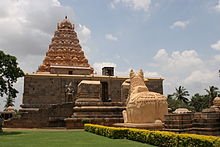
    Aiyarappar temple built by Karikala Chola.Image credit.wiki.


    e0ae95e0aeb0e0aebfe0ae95e0aebee0aeb2e0af8de0ae9ae0af8be0aeb4e0aea9e0af8d-1
    Karikala Chola Sculpture in Ekambaranathar Temple.

    Karikala was a great city & temple builder :
    There is evidence in Purananuru for Karikala Cholas faith in the Vedic Hinduism in the Tamil country. During Karikala’s reign, the capital city was moved to Kaveripattanam from Uraiyur. He made Kanchi a city of palaces. According to historical sources, Karikala Chola a great ruler before proceeding to the Himalayas first set his foot on the divine land of Kanchi. Some say that his conquests and building of Kanchi palaces are as debatable.

    Poompuhar (Kaveripattanam) – a port city of cholas : It was the capital city of Cholas. The ancient Kings like Sembiyan, Musugundhan, Manuneethicholan and Karikala cholan, who carried myths with them, added to the glory of Poompuhar town. Poompuhar grew into a great city during the region of Karikala cholan. The excavation has also been taken up near Champapthi Amman and Pallavaneswaram temples. Remains of a brick building and a boat jetty were discovered at Keezhaiyur area at Poompuhar. Copper coins were also found. These coins are both of rectangular and circular shapes. The chola emblems of the tiger with upright tail and the sun were engraved on them. These coins are considered to be those of KarikalaCholan. Among the Chola kings, King Karikalan renovated and built the renowned port of Poompuhar (located in Nagapattinam district).

    Lord Villiswara Temple : Thiruttani and Velanjeri Copper Plates are perhaps the earliest Chola record to refer to the exploits of Karikala. One more inscription throws a different light about uruthirang kannanar A mandapa was donated to kannanar by Karikala. 16 km north of Coimbatore, houses shrines for Lord Villiswara and His consort Vedanayaki. It is of historical and religious significance. This is an ancient shrine, one of a sacred cluster built in the Kovai region by Emperor Karikala Chola.

    Perur Patteeswaraswamy Temple : This temple was built by KarikalaCholan. It is situated near the river Noyyal and is about 7 kms west of Coimbatore on the Siruvani main road. temple is at its decorative best in march, when the Panguni Uthiram festival is celebrated. This ancient shiva temple built by Karikala Chola early Christian era is having a Swayambumoorthy and is dedicated to Lord Shiva by Karikala. This temple is also known as Mel Chidambaram, the exquisite sculptures in Kanagasabai are the main tourist attraction. There are some priceless sculptures in the Kanagasabai Hall in the temple, which also has a large number of statues. The King Vishnuvardhana of Hoyasala dynasty converted many shiva temples to vishnu temples and became an enemy to Karikala Chola who was a staunt Shivaite and who ruled the country around Srirangam.

    Arulmigu Shree Velayudhaswamy Thirukoil – Senjerimalai is located at 46 KMS from Coimbatore. As Lord Muruga set out with his battalion to subdue the demon Surapadma, Lord Shiva summoned Muruga to the Thenserigiri hills and, initiated him to certain mantras, endowed him with invincible powers to route and destroy the demon and his retinue -this is the legendary origin of this temple. Since then Lord Muruga came to be worshipped as Manthragiri and Sri Velayudhaswami.This temple was originally built by Karikala Chola and renovated by veeraballalai III dates back to 13th Century. A holy spring called ‘Gnanatheertha Sunai’ and a sacred tree known as ‘Karunochi’ can be seen.

    Thirupasur Shiva Temple : It is one such rich shrine that has come to us from a very distant past. Built by Karikal Cholan, it is on the Thiruthani National Highway, about 60 km. away from the city of Chennai, to the east of Thiruvalankadu and west of Thiruvallore Veeraraghava Swamy temple. We have the Sathiamurthy Saagaram on the north and the grand old shrine of Thiruvooral or Thakkolam on the Southeast.

    According to the legend, there was a thick growth of bamboo in this place. The presiding deity of the temple of Thiruppaasur, a Swayambu Lingam, was covered by the wild growth. They were startled when their ‘vaasi’ accidentally hit upon the deity. Their instrument had already caused deep cut-marks on the idol. They rushed to king Karikalan and he constructed a temple for the Lord and consecrated the deity. ‘paasu’ is another name for bamboo and the shrine is therefore known as Thiru-paasu-oor. The holy shrine of bamboo. ‘vEy’ is another name for bamboo. Since the deity was a Swayambu that appeared amidst bamboos, the Lord is known as vey-eendra-naadhar. The Lord born of bamboos.

    Another legend has it that Karikalan, who ruled a vast territory and had a large army, could not withstand the attack of a very minor chieftain. Going into the reason, Karikalan understood that the chieftain was under divine protection of Kali. A devotee of Lord Shiva, Karikalan worshipped the Lord, who sent Veerabadhra along with him. Veerabadhra shackled Kali, thus enabling Karikalan to win the war. There is a deity of the shackled Kali in Thiruppaasur, known as Swarna Kali, in the outer corridor. The statue of Swarna Kali Amman was damaged by the passage of time and another idol was consecrated in June 1986.

    Tiruchattamangai : The Chola King Karikalan is said to have built this temple. This is a shrine closely associated with Tiruneelakka Nayanar. Sambandar is said to have arrived here after visiting Tirunallar, along with Tiruneelakanda Yaazhpaanar. This is a Shivastalam in the vicinity of Tiruppugalur, Tiruchenkattankudi and Tirumarugal and is located in a hamlet surrounded by lush coconut groves. It is located 11 km to the east of Nannilam. It is considered to be the 81st in the series of Tevara Stalams in the Chola kingdom located south of the river Kaveri.

    ‘The Silappatikaram (c. sixth century C.E.) which attributes northern campaigns and conquests to all the three monarchs of the Tamil country, gives a glorious account of the northern expeditions of Karikala, which took him as far north as the Himalayas and gained for him the alliance and subjugation of the kings of the Vajji, Magadha and Avanti countries.

    The Sthalapuranam of Tiruvaiyaru near Tanjore relates that as the king returned after conquering northern India, near Tiruvaiyaru his chariot wheel sank into the mud; when it was being dug out seven idols belonging to Dakshinamurthy, Vishnu, and Saptamātṝkās were discovered. A voice from the sky instructed the king to install them in the Panchanadeswara Temple in Thiruvaiyaru and performed Kumbhabhishekham, which the king personally participated in and completed. There are also epigraphs that relate to this incident. They say that the king commenced his ashvamedha sacrifice and subdued a total of 66 kingdoms all over the world and extended and empire up to the mythological Lokaloka.

    Citations and references.

    https://en.wikipedia.org/wiki/Karikala_Chola

    http://mudiraja.weebly.com/28-king-karikala-cholan.html

  • Silappadikaaram Of Anklet Unique Tamil Epic

    Sanatana Dharma, mistakenly called as Hinduism, has been assigned a date of 5000 BC (Rig Veda Date) by the West.

    silappathikaram-1-2-s-307x512
    Silapathikaaram Tamil Text.

    ‘At the end of the Sangam epoch (second – third centuries CE), the Tamil country was in political confusion. The older order of the three Tamil dynasties was replaced by the invasion of the Kalabhras. These new kings and others encouraged the religions of Buddhism and Jainism. Ilango Adigal, the author of Silappatikaram, probably lived in this period and was one of the vast number of Jain and Buddhist authors in Tamil poetry”
    But the evidence unearthed in Jwalapuram, Kurnool, Andhra Pradesh, India, in Chennai and in Poomphar in Tamil Nadu date the Tamils History from 300 BC to around 75000 years back!
    One finds Tamil Brahmi Script in the  Indus Seals.
    And Lord Shiva the founder, according to Tamil Literature,the founder of the Tamil language is a Pre Sanatana Dharma Deity was worshiped in the South much before the migration of Vaivastha Manu ,the ancestor of Lord Rama to Ayodhya.
    This language Tamil quotes the Vedas and the Vedas , Ramayana, Mahabharata and the Puranas talk of Tamil Kings having been present during the swayamvara of Damayanthi, Lord Rama’s marriage,  Draupadi’s swayamvar,elephant tusks ,pearls and spices being imported from the land of the Tamils!
    Hence Sanatana Dharma and Tamil are much older.
    They go back to at least 75000 years.

    Tamil language is as old as Sanskrit though it is difficult to assign a specific date.
    However this is disputed.
    Tamil has a hoary past and literature of high quality dating back to these times.
    Tamil Literature of ancient times, for convenience of Study has been classified as pre Sangam , Sangam and Post Sangam Period.
    Sangam period is the period when Conclave of Poets were held and honored.
    There three Sangams.


    The Tamil Sangams or Cankams were assemblies of Tamil scholars and poets that, according to traditional Tamil accounts, occurred in the remote past. Scholars believe that these assemblies were originally known as kooṭam or gathering. which was also a name forMadurai. Three assemblies are described. The legend has it that the first two of which were held in cities since “taken by the sea”, and the third of which was held in the present-day city of Madurai. The word sangam has its mention in the sense of an ‘academy’ in several Tamil literary works like Tevaram, Thiruvilayadal puranam, periyapuranam and Irayanar Ahaporul. Also legend has it that Nammazwar’s Thiruvaimozhi was approved in an assembly of 300 poets.

    The Sangam period extended from roughly 350 BC to 300 AD (early chola period before the interregnum), when the earliest extant works of Tamil literature were created (also known as Sangam literature).] However, the name Sangam and the associated legends probably derive from a much later period. Whilst the accounts of first two Sangams are generally rejected as ahistorical, some modern scholars, such as Kamil Zvelebil, find a kernel of truth in them, suggesting that they may be based on one or more actual historical assemblies. Others reject the entire notion as infactual. Nevertheless, legends of the Sangams played a significant role in inspiring political, social, and literary movements in Tamil Nadu in the early 20th century.
    Most of the Literature was destroyed by Tsunamis, called Kadal Kol in Tamil.
    Of the literature that survived is the Cilappadikaaram, one among the Great Five Tamil Epics, Aimperunkaapiyangal.
    The Five Great Epics are,

    Cilappadhikaram

    Manimegalai,

    Civaka Chinthamani,

    Valayapathi and

    Gundalakesi.

    Of these only the Cilappadikaram in non religious epic.

    Manimeghlai snd Kundalakesi were influenced by and propagate Buddhism,, Civaka Chinthamani and Valyapathi have leanings to Jainism .

    Cilappadikaram was written by Ilango Adigal ,  a younger Prince of Chera Dynasty , ruling  ( roughly speaking) the present Kerala in India.

    His brother was Cheran Chenguttuvanbwas a famous ruler and he is reported have extended his Kingdom to North India and made two Kings of North to carry a stone to the south.

    It is stated that  an astrologer reading the horoscope of Ilango Adigal forecast that he would become  famous and be well-remembered by posterity.
    Thinking that the astrologer implied that he would become a King superceding  Chenguttuvan, his brother,the heir to the throne, Ilango Adigal renounced his claim to the throne and became a Buddhist Monk.
    And he composed the Cilappadikaram.
    Ilango Adigal is not his name and it is a nom de plume.

    ILANGO in Tamil means the younger one of the King.

    Ilango had renounced even his name in favor of his brother.

    He penned the real life incident of a  contemporary woman,Kannagi as a great Epic  Cilappadhikaram.
    Cilappadhikaram , though it is translated as THe Story of The Anklet, the nearest translation of the Tamil word Cilappadhikaram is ‘Grown of an Anklet’, indicating that the entire epic is woven around an

    Anklet.
    That is the Anklet of Kannagi and the onevof the Pandyan Queen.

    ​The story of Kannagi.​

    ​Kannagi and Kovalan were born in Poompuhar, belonging to Chola Kingdgdom

    ( the city of Poompuhar, near Mayiladuthurai has been excavated​ from the sea and it has proved that the site is about 20,000 yeras old)

    They belong to Traders Class and they got married.

    after a few years Kovalan became a profligate and had developed intimacy with a Girl named Madhavi and in t

    during the period Kannagi was upset and Kovalan  lost all his wealth.

    ​Embarrassed at having lost his wealth ​and repenting the injustice heaped by him on Kannagi, Kovalan, along with Kannagi left for Madurai, then a part of Pandya Kingdom to seek wealth.

    In Madurai, the King’s goldsmith stole the Queen’s anklet, made of Pearls.

    Kovalan, to make both ends meet, went to sell Kannagi’s Anklet, made of Ribies.

    Seizing the opportunity to escape the Kin’s wrath, who has started checking the theft, the Goldsmith informed the King that he had found the thief, King arrested Kovalan and Kovalan was beheaded.

    Wronged and a vengeful Kannagi presented herself in the King’s court and demonstrated that the Anklet her husband sold was hers and made of  made of Rubies and not the Queen’s , which was made of Pearls.

    To prove it, Kannagi broke the anklets and the Rubies burst out.

    ​And Kannagi stings the King by saying that he was unfit to be a kIng​, who can not adjudicate properly and had sent an innocent man to his Gallows.Gallows. Realizing that he had failed in the administration of Justice, the Pandyan King dies on the spot and his wife also dies.

    Still seething with anger, Kannagi plucks out one of her breasts and burns the city of Madurai.

    Then she proceeded towards Vanchi, Chera Kingdom and cries out for her husband.

    She then ascends Heavens amidst heavenly showers.

    The place she ascended the Heavens is in Kerala Tamil Nadu border and there is a Temple of Kannagi where she is worshiped as an Embodiment of chastity and virtue.

    Features of Cilappadikaaram.

    1.Cilappadikaraam  contains three chapters and a total of 5270 lines of poetry.

    2.The message of Silappadikaaram.

    Arasiyal pizhaithorku aramkootru avathum         

    For those who commit injustice in ruling/politics,
    the justice itself will turn as demon of death.

    Uraisaal pathini uyarnthor yetralum,

    Noble people adore chaste woman

    Oozhvinai uruthtu vantuttum enbathum

    Unrelenting fate plays its hard role in ones life.

    அரசியல் பிழைத்தோர்க்கு அறம் கூற்று ஆவதூஉம்,

    உரைசால் பத்தினிக்கு உயர்ந்தோர் ஏத்தலும்,ஊழ்வினை உருத்து வந்து ஊட்டும் என்பதூஉம்,

    சூழ் வினைச் சிலம்பு காரணமாக,சிலப்பதிகாரம் என்னும் பெயரால்நாட்டுதும் யாம் ஓர் பாட்டு உடைச் செய்யுள்

    -Ilango Adigal in Silappadikaaram.

    3.Silappadikaaram covers all the three Tamil Kingdoms.


    Silappatikaram has three Cantos.:

    • Puharkkandam (புகார்க் காண்டம் – Puhar chapter), which deals with the events in the Chola city of Puhar, where Kannagi and Kovalan start their married life and Kovalan leaves his wife for the courtesan Madavi. This contains 10 cantos or divisions.
    • Maduraikkandam (மதுரைக் காண்டம் – Madurai chapter), is situated in Madurai in the Pandya kingdom where Kovalan loses his life, incorrectly blamed for the theft of the queen’s anklet. This contains 13 cantos.
    • Vanchikkandam (வஞ்சிக் காண்டம் – Vanchi chapter), is situated in the Chera country where Kannagi ascends to the heavens. This contains 7 cantos, and each of them is made of several sub-divisions called kaathais (narrative sections of the chapters).

    4. Literary innovations. It introduces the intermingling of poetry with prose, a form not seen in previous Tamil works. It features an unusual praise of the Sun, the Moon, the river Kaveri and the city of Poompuhar at its beginning, the contemporary tradition being to praise a deity. It is also considered to be a predecessor of the Nigandu lexicographic tradition. It has 30 referred as monologues sung by any character in the story or by an outsider as his own monologue often quoting the dialogues he has known or witnessed. It has 25 cantos composed in akaval meter, used in most poems in Sangam literature. The alternative for this meter is called aicirucappu (verse of teachers) associted with verse composed in learned circles.Akaval is a derived form of verb akavu indicating to call or beckon. Silappatikaram is also credited to bring folk songs to literary genre, a proof of the claim that folk songs institutionalised literary culture with the best maintained cultures root back to folk origin.

    According to the great Tamil commentator Atiyarkkunallar (12th-13th century BCE), poems were of two kinds – Col thodar nilai ceyyuḷ (சொல் தொடர் நிலை செய்யுள்) or poems connected by virtue of their formal properties and Poruḷ toṭar nilai ceyyuḷ (பொருள் தொடர் நிலை செய்யுள்), or poems connected by virtue of content that forms a unity] Cilappatikāram, the Tamil epic is defined by Atiyarkkunallar as Iyal icai nāṭaka poruḷ toṭar nilai ceyyuḷ (இயல் இசை நாடக பொருள் தொடர் நிலை செய்யுள்), poems connected by virtue of content that forms a unity having elements of poetry, music and drama. Such stanzas are defined as kāvya and kappiyam in Tamil. In Mayilainathar’s commentary (14th century CE) on the grammar Nannūl, we first hear the mention of aimperumkappiyam, the five great epics of Tamil literature.

    Each one of these epics have long cantos, like in Cilappatikāram, which has 30 referred as monologues sung by any character in the story or by an outsider as his own monologue often quoting the dialogues he has known or witnessed. It has 25 cantos composed in akaval meter, used in most poems in Sangam literature. The alternative for this meter is called aicirucappu (verse of teachers) associated with verse composed in learned circles. Akaval is a derived form of verb akavu indicating to call or beckon.Cilappatikāram is also credited to bring folk songs to literary genre, a proof of the claim that folk songs institutionalised literary culture with the best maintained cultures root back to folk origin. Manimekalai is an epic in ahaval metre and is noted for its simple and elegant style of description of natural scenery. Cīvaka Cintāmaṇi is one of the earliest works of Tamil literature in long verses called virutha pa’

    To put it in a simple language, one sentence runs through one chapter!

    5. Silappdikaaram throws light on the Sanatana Dharma practices like the performance of Yagnyas and Poojas especially the one offered to Indra, started by the Yadus.

    Sources..

    https://en.wikipedia.org/wiki/Silappatikaram#Structure_of_Silappatikaram

    https://en.wikipedia.org/wiki/Ilango_Adigal

    https://ramanisblog.in/2014/07/09/hindus-lived-74000-years-ago-survey-finds/

    Tripura Samhara Shiva Geological Kurnool Mt.Toba Proof?

    Million Year Old Tamil Quotes Vedas, They Quote Tamil

    Poompuhar Find Sets Tamil,Hinduism By Atleast 20000 Years

    Tamil Sangam Dates 17000 Years Extended To Equator

    https://ramanisblog.in/2014/12/30/manu-ramas-ancestor-migrated-from-south-india-5000-bc/ bsvn

  • Who Has The Courage Of Andal To Address Vishnu Thus

    I have written on the intimate level in which God is held in Hinduism.

    We have many legends historical facts to back this up.

    Sanskrit literature abounds in narrating these instances and , if one is of the right disposition, shall bring tears .

    Andal, Srivilliputtur.jpg
    Andal, Srivilliputtur

    When Tamil takes position on this?

    The result is exquisite.

    There are many who have treated God as a Lover, Meera an example.

    Andal, an Azhwar by her own right steals the show in this lover role Nayaka Nayaki Bhava.

    Her yearning for Vishnu, Krishna is something ephemeral and would melt one’s heart without being erotic.

    Tamil calls the satisfaction  in culmination, consummation of Love as pleasure of the Lowest Order while Realizing Reality or communon with God as ecstasy or Bliss.

    The former is called as Chirinbam(சிற்றின்பம்)

    The latter as Perinbam ( பேரின்பம் )

    Andal of Srivilliputhur has composed many exquisite poems and her father Vishnuchitta, Periyaazhvar in One who Blessed even Vishnu!

    Of most importance is Andal’s Thiruppavai(which incidentally is being celebrated as a function in  South east Asia), thirty poems oozing Bhakthi and Love for Vishnu, Krishna.

    There are such utterances my Andal that bespeaks of her ardent Love.

    She has the Love and audacity (?) to call Krishna/ Vishnu as one who was immersed with his wife Nappinnai and instead of asking him to disengage himself, Andal exhorts Nappinnai, Krishna’s wife?

    This Poem is recited twice when reciting Thiruppavai (Vagak kadla Kadaintha is also recited twice?

    The meaning of the words/sentence in Italics convey more than what has been translated.

    I am sure my readers can understand.

    Tell me, which religion, or Devotee has the courage and conviction to address as Such?

    By the way this is yet another Proof that Lord Krishna married the Pandyan Princess Nappinnai.

    Please read my post on this.

    Rangamannar in the lap of Andal.jpg Rangamannar in the lap of Andal.

    20.முப்பத்து மூவர் அமரர்க்கு முன்சென்று

    கப்பம் தவிர்க்கும் கலியே! துயிலெழாய்;

    செப்பம் உடையாய்! திறலுடையாய்! செற்றார்க்கு

    வெப்பம் கொடுக்கும் விமலா! துயிலெழாய்;

    செப்பன்ன மென்முலை செவ்வாய் சிறுமருங்குல்

    நப்பின்னை நங்காய்! திருவே! துயிலெழாய்;

    உக்கமும் தட்டொளியும் தந்துஉன் மணாளனை

    இப்போதே எம்மை நீராட்டேலோ ரெம்பாவாய்.

    Translation   By Dr. V.K.S.N. Raghavan

    Oh Valiant Lord , who removes the tremblings of the thirty three (crores of) gods , by going to battles (on their behalf) and by being in front of them (in such battles)! Kindly awaken from sleep .Oh Lord , who cares about our protection , and is fully equipped with enormous strength and valour ! Oh Lord , blemishless and pure, and the One who defeats with vigour Your enemies ! Kindly awaken. (now turning to His consort, Nappinnai ) Oh the great Lady Nappinnai , possessing a charming physique –with a jar-shaped soft bosom , enchanting rosy lips and slim waist! Oh the embodiment of Goddess Lakshmi! Be pleased to rise up. May You give us a fan , a mirror and Your Lord as well , and at this time itself , may You help us to take our (ceremonial) bath .

    muppaththu  mUvar  amararkku                 mun cenRu *
    Thirty      three  immortals (gods) (He who) goes to
    
    kappam         thavirkkum            kaliyE                  thuyilezhaay *
    fears (theirs) removes    (You That) heroic one (please) wake up .
    
    ceppam  utaiyaay thiRal      utaiyaay * ceRRaarkku
    Perfect one      omni-potent one        enemies (He who)
    
    veppam   kotukkum                vimalaa           thuyilezhaay *
    burn(s)  gives (up) , (You That) Lord (please) wake up .
    
    ceppenna               men  mulaic  cev vaayc ciRu    maruNGkul *
    Like a perfect vessel  soft breasts red lips  slender waist
    
    nappinnai                            naNGkaay thiruvE            thuyilezhaay *
    (You) nappinnai (The Lord's consort) lady     beautiful (please) wake up .
    
    ukkamum    thattoLiyum than^thu                           un   maNaaLanai *
    Fan (and)  mirror      give (to us) (please also wake up) your husband (The Lord)
    
    ippOthE        emmai       nIraattu
    right now (so) us (we can) bathe .
    
    El                                Or empaavaay
    Come (Let us do) (the penance of) paavai nOmbu
    Citation.
    http://www.ibiblio.org/sripedia/ebooks/tpv/vstp20.html
    
    
  • Secret Chambers Ekambareswara Temple Key To Lost Mu Civilization?

    Secret Chambers Ekambareswara Temple Key To Lost Mu Civilization?

    I have been researching into the origins of Shiva worship in the South.

    I have been referring to, apart from  Sanskrit texts, Tamil Texts,Temple architecture and Temple histories of south and north India.

    In this search,I have noticed that there were at least two tsunamis mentioned in the Tamil Classics.

    The great Flood is present in almost all the civilizations of the world.

    And there are more interesting  nuggets of information.

    1.The Sanatna Dharma spread in South East Asia and Westwards of India seem to have been from the South.

    2.Rama’s ancestor Satyavrata Manu migrated from the South to the North and his son Ikshvaku founded the Ikshvaku Dynasty.

    3.The South Asian spread of Santana Dharma seems to have preceded the spread int he west.

    4.The remains of Tamil Culture is found in all the Asian countries , New Zealand and Australia.

    5.The Incas whose ancestors were Tamils and they came later than the Africans.

    6.The ancestors of the Africans, the Olmecs’ ancestors were Tamils from Godavari Kumtis.

    7.This leads to the discrepancy in dating the Tamils and these Cultures.

    8. Once we are able to distinguish between the Two Floods, we can see some light in this search.

    The Southern part of India, below the Deccan Plateau/ Vindhya/Satpura Mountains seems to have separated from the landmass of India twice, one each at each Flood.

    The earliest one formed the Kumari Kandam, which has been referred to by the Tamil Classics.

    This spread was east wards towards reaching to Australia.

    Later came the Lemuria, which had the Atlantis a part of it.

    I have been trying to find the connection between the Mu Civilization and the Tamils.

    Detailed Post on this follows shortly.

    In the meantime I stumbled on some information I thought worth sharing.

    The theory of the Lost Civilization of Mus was floated by James Churchward, a patented inventor, engineer.

    ‘he had found evidence of a lost civilisation: Mu. Mu was said to have been the Pacific equivalent of Atlantis, though Churchward said it was a colony of Mu. The first man to write about Mu was Augustus LePlongeon, who in archaeological circles has the distinction of being the first to make a photographic record of the ruins of Chichen Itza. In his books “Sacred Mysteries Among the Mayans and Quiches” (1886) and “Queen Moo and the Egyptian Sphinx” (1896), LePlongeon related his decipherment of the so-called “Troano Codex”, which he claimed showed that the Maya were the ancestors of the Ancient Egyptians. The Mayans had originated from a lost civilization, Mu, which was on par with Atlantis, and which had been destroyed by a volcanic eruption. He added that Queen Moo – clearly linked with Mu – had travelled from this continent to Egypt, where she had gone down into the history books under her new name of Isis. Unfortunately, when the Mayan language was deciphered several decades later, it was learned that LePlongeon’s interpretation of this document was completely erroneous, sometimes even using letters that were in fact no such thing. Jack Churchward, a descendent of James Churchward, states that LePlongeon relied on the translation of Brasseur de Bourbourg. Jack Churchward received an email from one of de Bourbourg’s descendants, who stated that the translation was done by channelling a spirit, which explains why LePlongeon erred so much when he interpreted the document based on this translation.
    LePlongeon did put the lost civilization of Mu on the books, but left it to Theosophist Helena Blavatsky to popularize the lost continent, claiming it was the mystical birthplace of occult traditions. But the man who brought Mu from theory and speculation to reality was James Churchward, who claimed to have found hard physical evidence for the continent’s existence, when he was shown a secret library in India…

    Chruchward reported that he found manuscripts signifying the connection between the Tamils and the Mus ina secret chamber in Ekambareswarar Temple, Kanchipuram,Tamil Nadu.

    He had found some Tablets too.

    ‘Churchward’s discovery became famous when a major article on it appeared on November 10, 1924 in the “New York American” newspaper. In it, the central framework of Churchward’s claims about Mu was put forward. The civilisation was labelled “Empire of the Sun”. It was once a civilisation that had 64 million inhabitants, known as the Naacals, the priestly brotherhood, keepers of the sacred wisdom, who lived 50,000 years ago. All known ancient civilisations – India, Egypt and the Mayas – were decayed remnants of its many colonies.
    In 1926, at the age of 75, Churchward published “The Lost Continent of Mu: Motherland of Man”. Where was Mu? It extended from north of Hawaii to the Fijis and Easter Island. Geologists find it hard to imagine dry land here, as the area is crossed by the so-called Andesite Line, making it geologically unlikely there was a landmass here. As Churchward never produced any evidence for his visit to the Naacal Library, several people treat his claims with scepticism.
    So was Churchward a liar, or someone with genuine experiences? To understand the man better, it is noted that some aspects of the Mu legend are original to Churchward, some aren’t. It was LePlongeon who had first written about the “Nacaal”, in 1896, where he identifies them as Maya adepts and missionaries, with the word Naacal meaning “the exalted”. But LePlongeon therefore identified their homeland as Central America, not Mu in the Pacific Ocean, which was specific to Churchward.
    What about his relationship with Blavatsky? They both claimed that in India, they had been exposed to “lost knowledge”. In the case of Blavatsky, her source of lost knowledge was the “Book of Dzyan”, supposedly written in Atlantis and presented to her by the Indian Mahatmas.
    Indeed, though it could be argued that Churchward merely copied from the likes of Blavatsky and LePlongeon in his exploit of Mu, at the same time, it could be said that his story is totally true and that it confirms Blavatsky’s assertions and that Churchward spent several decades cementing his case before he went public and wrote his series of books on the subject.
    Churchward was living in India in the 1880s, before he moved to the United States in 1889. It is during his time in India when he allegedly made contact with these Indian adepts – allowing for a period of roughly a decade where he could befriend, learn and study the language – more than sufficient time. Churchward said he studied the language which was said to be Mankind’s original language, which had labelled “Naga-Maya”, for more than two years
    After having read the Naacal documents, he continued his searches for further information. In Burma, he visited an ancient Buddhist temple in search of the missing records, carrying letters of introduction from the Indian high priests with whom he studied…

    ‘His story truly hinges on whether or not he acquainted an Indian priest and saw numerous rare tablets. As a result, for years, the story of Churchward therefore remained a legend, while his books were reprinted. But never, anything new was found that might change the status quo. That changed when the German independent researcher, author and travel agency manager Thomas Ritter claimed he had entered a “secret library” underneath Sri Ekambaranatha temple in Kanchipuram, India in which he has found evidence of the lost civilisation of Mu.
    He claims that on July 23, 2010, he was contacted by one Pachayappa, who invited him to enter the underground complex – and even allowed him to photograph some of its contents! Ritter states how “at chamber no. 4 the priest only allowed me to take pictures from two tablets, not from all this books there. The two tablets he showed me, are a little bit damaged. But you can see clearly the inscriptions.”
    These two tablets are the so-called Naacal tablets, which James Churchward claimed to have seen many decades before. When Ritter published the material, there was immediately a torrent of disbelief, not helped by the realization that what Ritter apparently showed was a tablet unearthed in Byblos (Lebanon), discovered by French archaeologist Maurice Dunand. Because of the small amount of writing on the tablets, they have so far not been deciphered, though the script is identified – Proto-Byblian – and therefore not related to India. Indeed, the tablet presented by Ritter is in the Beirut Museum (Cat. 16598) and not a secret library in India.
    Ritter claims that in July 2010, he was not welcomed by the usual young priest Narjan, whom he knew well, but an elder man, Pachayappa, who unlike Narjan, did not speak English. Pachayappa took him down into the underground structures of the temple complex. Ritter states: “Before an iron-bound door he stopped and pointed with some gesture to the bottom: ‘Rishi place!’” Then he opened the door, behind which the Nacaal library was located.
    Whether Ritter is lying or not, he has at least specifically identified a temple as the location of the library: the Sri Ekambaranatha Temple in Kanchipuram, in the state of Tamil (India). The gate of the temple complex measures more than sixty metres tall, making it the largest temple tower in Southern India, and is made from granite, decorated with the images of gods, goddesses and heroes. The complex is a Hindu temple dedicated to Lord Shiva and is one of the five major Shiva temples, each of which representing a natural element. The Sri Ekambaranatha Temple represents the element earth. The temple’s history dates back to at least 600 AD, though could be older and is notorious for its “hallway with a thousand pillars”, as the temple’s inner walls are decorated with an array of 1,008 Shiva lingams, a symbol of the male energy.
    But Ritter has drawn attention to the subterranean system of this complex, where he claims there are ten chambers. In nine of these chambers, they stored the tablets. Each room measured 25 meters long and 15 meters wide, with the ceiling quite low – he could touch it when he stretched his arm out. Pachayappa claimed that the inscriptions detailed the Rishi Puranas, the lives of the culture bringers of Ancient India. Inside were black granite tables, and there were tens of thousands of stone tablets. Ritter notes that “both sides of such postcard-sized stone tablets engraved with tiny lines were narrow characters covered in an unfamiliar script. Other plates showed fine geometric patterns on running, technical drawings, maps and astronomical images.” When he asked what they contained, he said it was the legacy of the Seven Sages.
    In the first three chambers, the tablets are made from black granite, in the next three from gold. Each golden tablet was fourteen by ten centimeters, and about two to three milimeters thick and were bound like a book.
    In the final three rooms, he found silver and bronze tablets that were hard to read, so Ritter used a handkerchief to polish the tablet, restoring it to its original state.
    Ritter claims he was only allowed to photograph two tablets. All of these chambers have inscriptions, describing the lives and deeds of the rishis, and has produced photographs of these inscriptions.
    The tenth room was located at the end of the corridor. In the middle of the room rose a column of about 1.50 m high from a solid black material, and according to Pachayappa, the material was not stone. Behind the lingam were statues of the Seven Rishis, placed in a semi-circle, and were made from a shimmering metal, which Ritter thought could be gold or silver-plated. One of them he was able to identify as Aghasthiya, who is always depicted as a dwarf.’

    Kanchipuram Residents, please contribute.

    Citations.

    Secret Chamber in Ekambareswarar Temple

    https://ramanisblog.in/2015/07/31/ancestors-of-africans-olmechs-tamils-komati-from-godavari/

  • Poems That Killed ,Revived Kalidasa Nandhik Kalambakam

    It is the practice of brahmin households to prohibit people from saying words that are inauspicious.

    To drive home this point, it is said that there are Asthu Devatas who say’Asthu’ (May It Be”, and the inauspicious things might take place.

    Yatha Bhaavo That Bhavathi,

    As your dispositions, so are the Happenings.

    Lord Krishna , while talking about Satva, Rajas and Tamo Gunas in the Bhagavad Gita observes that one becomes what one eats and what he thinks.

    Indian culture and Religion repeatedly emphasize the concurrence of Thought and deed.

    In one place, Krishna states that to attract the sin of Killing one need not commit Murder, the very thought would do!

    So one is advised to think , speak and do good.

    On the Philosophical side, Savitri is the Stage when the thoughts remain as thoughts on the verge of becoming words.

    Once Sarasvati touches it, the thoughts become words.

    Please read my Post.

    The primordial sound is Pranava, the First Cause, Brahman is Attributed with it.

    One has to be careful in what he/she utters.

    Words become very powerful in the hands of a Master craftsman like Kalidasa or a Spiritual Leader Liked Swami Vivekananda.

    His famous quote,

    Kalidasa,Sanskrit Poet.jpg Kalidasa,Sanskrit Poet.

    ‘Arise, Awake, Stop not ‘

    became powerful and ushered in resurgence.

    Ordinary words, but when uttered by a spiritual man, they become powerful.

    Let me narrate, quote two incidents from Indian History.

    For me things handed down by my ancestors is History.

    Not what others write from another country.

    I shall not use the term Folk lore as this term now is considered to be a pack of lies or result of Imagination.

    In the cases I am about to mention these verses are facts.

    As to their application the original authors must rise from the Dead.

    Kalidasa and Bhoja(Bhoja is considered to be Vikramadhitya and there is a controversy on this ‘I shall be writing on this.

    ‘The king knew well the talent of Kalidasa as a poet especially the innumerable ways of bringing simile in his poems. He developed a strange interest, knew not why, but he desired Kalidasa to sing the last song for him before he died. Normally the ‘ charama sloka’ is sung only after a person is dead. Kalidasa, therefore made it clear to the king that as he was blessed by Kali Devi if he sang the song, the king ‘s life would come to an end immediately. Bhoja raja got angry with Kalidasa for disobeying his order and banished him from the capital of ‘ Tara’.

    Kalidasa wandered in the city of Tara in the disguise of a hermit . But the King could not get over his strange wish. He launched a search to find Kalidasa’s whereabouts and for this purpose he disguised himself as a ‘ Sooth Sayer ‘ . The king spotted the sanyasi near a mutton shop and to make sure that he was none other than Kalidasa he enquired him, ” You are a Sanyasi, how come you are seen near a mutton shop , Is it not unbecoming of a true sanyasi?”

    Kalidasa, impulsively reacted to the remarks of thr Sooth Sayer but unfortunately let the cat out of the bag by saying, ” Where else a person can go after his banishment by the king?”. On hearing this, the king became sure that he was Kalidasa only. The King decided to play a strategy to make Kalidasa to sing the last song for him. He continued the conversation with Kalidasa.

    In due course Kalidasa also enquired the Sooth Sayer where from he hailed. The Sooth Sayer replied ” Tara” .

    Kalidasa with genuine interest in the welfare of King Bhoj enquired him for the news of Tara and whether the King Bhoj was keeping sound health. The Sooth Sayer replied ,” Oh, what a calamity, Bhoj King is dead as he was unable to bear the separation from his best friend and poet Kalidasa”. Kalidasa was shattered to hear the sad news about his friend and with great grief sang the ‘ charama sloka’ in praise of the departed soul!!

    ” ATHYA TARA NIRATARA NIRALAMBA SARASWATHI;
    PANDITHAHA KANDITHA SARVE BHOJRAJA DIVAM GATHE ”
    ( meaning :- The Kingdom of Tara is now deserted due to the demise of Bhoj Raj. The learned poets would get punished anywhere now as Goddess Saraswathi has lost the grip and interest.)
    The moment Kalidasa sang the charama sloka, the King in thedisguise of the’ Sooth Sayer ‘ fell down on the ground and died. Kalidasa was quick to realise that it was none other than his best friend and the King himself who acted as the Sooth Sayer to hear the charama sloka from him.

    Kalidasa prayed to Kali Devi to spare his friend by singing the same sloka to give the opposite meaning:-

    ” ATYA TARA SADHA TARA SADALAMBA SARASWATHY
    PANDITHA MANDITHA SARVE BHOJ RAJA DIVAM GATHE ”

    Kali Devi was moved by Kalidasa’s poetry and gave a new lease of life to the King but restricted it to a time of 3.75 Nazhi. ( a very short time only)

    Kalidasa embraced the King and told about the short life at his disposal. King Bhoj urged to compose Kalidasa an epic and Bhoj also joined him to make it.The kavya is well-known as” Bhoj Sambu ” ..

    Nandhi Kalambakam, Tamil.

    King Parameshwara Varma, A Pallava, from Kanchipuram died leaving his second wife and her three children uncared for.

    They were driven out by the new King,.

    Those driven out vowed that they would regain the Kingdom.

    While the two elder brothers chose to fight it out, Nandi varman was advised that he could kill the King by Tamil Poem!

    he chose this option and became a scholar in Tamil.

    His fame reached the King.

    He , in the meanwhile lost interest in Kingdom and was totally devoted to Tamil saying that after learning Tamil deeply, these worldly things did not matter and he would pursue Tamil full-time.

    The King called for him and asked him to sing a series of songs on him in the kalambakam format.

    This format is a special one.

    I shall Post separately.

    Nadhivarma informed his brother that his rendering of the 100 poems in kalambakam Format would kill the king.

    The King replied that if by his death, Tamil would gain such a gem of a Poem, he was willing to die.

    So hundred Pandals, Shamianas were erected , 99 were empty and the last one had he King seated.

    As Nandhi Kalambakam by Nadhivarma was in progress, the Pandals caught fire, and turned into ashes at the end of each Poem

    When the last Poem was sung, the King and the last Pandal caught fire and the King died.

    This is the Poem.


    வானுறு மதியை அடைந்ததுன் வதனம்
    மறிகடல் புகுந்ததுன் கீர்த்தி
    கானுறு புலியை அடைந்ததுன் வீரம்
    கற்பகம் அடைந்ததுன் கரங்கள்
    தேனுறு மலராள் அரியிடம் புகுந்தாள்
    செந்தழல் அடைந்ததுன் தேகம்
    நானும் என்கலியும் எவ்விடம் புகுவேம்
    நந்தியே நந்தயா பரனே.

    Rough Translation.

    Your Face become the Moon.

    Fame, the Ocean.

    Valour, the Tiger,

    Hands-the Karpaga vruksha, (that gives whatever one wishes for),

    Wealth, Lakshmi Reached Hari(Vishnu)

    Where would we go,,Me and My Tamil”

    To conclude that this is quite possible and let me narrate an incident from the Great Tamil Poet  Kannadasan’s Life.

    ( I had the honor of knowing him personally)

    When Nehru died , he wrote an eulogy on him in Tamil weekly Kumudam( The magazine is being published even now)

    The next day, his perfectly healthy grand child died.

    Kannadasan said that even while writing the verse I knew that this poem consisted Aram.

    Aram means, in this context, certain words ,though unintended, might harm.

    The general meaning of Aram is Dharma.

    I would never write an eulogy in future.

    He followed this.

    People may be aware that the legendary TMS, TM Soundararajan of Tamil Film industry lost his market after singing a song reluctantly in T.Rajendar’s ‘OruThalai Ragam..

    Such is he power of language!

    Readers from other languages may share similar news involving the language.

    http://www.chennailibrary.com/mis/nandhikalambagam.html