The fact that Tamil and Sanatan Dharma are inseparable has been well established and I have shared historical facts with authentic sources from Sanskrit,Tamil and references from Foreign sources.Yet there is misinformation being spread that Tamil Kings ,Chera, Chola and Pandyas were inimical to Sanatan Dharma and there was a Tamil culture which was independent of Sanatan Dharma.Nothing can be farther from truth. I had written that Sanatan Dharma was a part of Tamil Ethos. As a matter of fact the germ of Vedic thought has its origins in Tamil for Siva is recorded to have founded the Tamil language,along with his son Subramanya, aka Murugan in Tamil, and Sage Agastya . Sanskrit, in the form of Maheswara Suktha and Tamil had sprung simultaneously from the Sound of Siva’s Damaru.Siva presided over Tamil Sangam ,so also Murugan and Agastya.Valmiki who wrote Ramayana was a Siddha and he composed Poems in Tamil. The earliest Tamil Grammar work, Thokkappiyam was written by Tholkaapiyar was well versed in Sanskrit.The references to Sanatan Dharma and it’s practices in Tamil Literature are too numerous to be recounted here. I have written articles on each of these points and more.
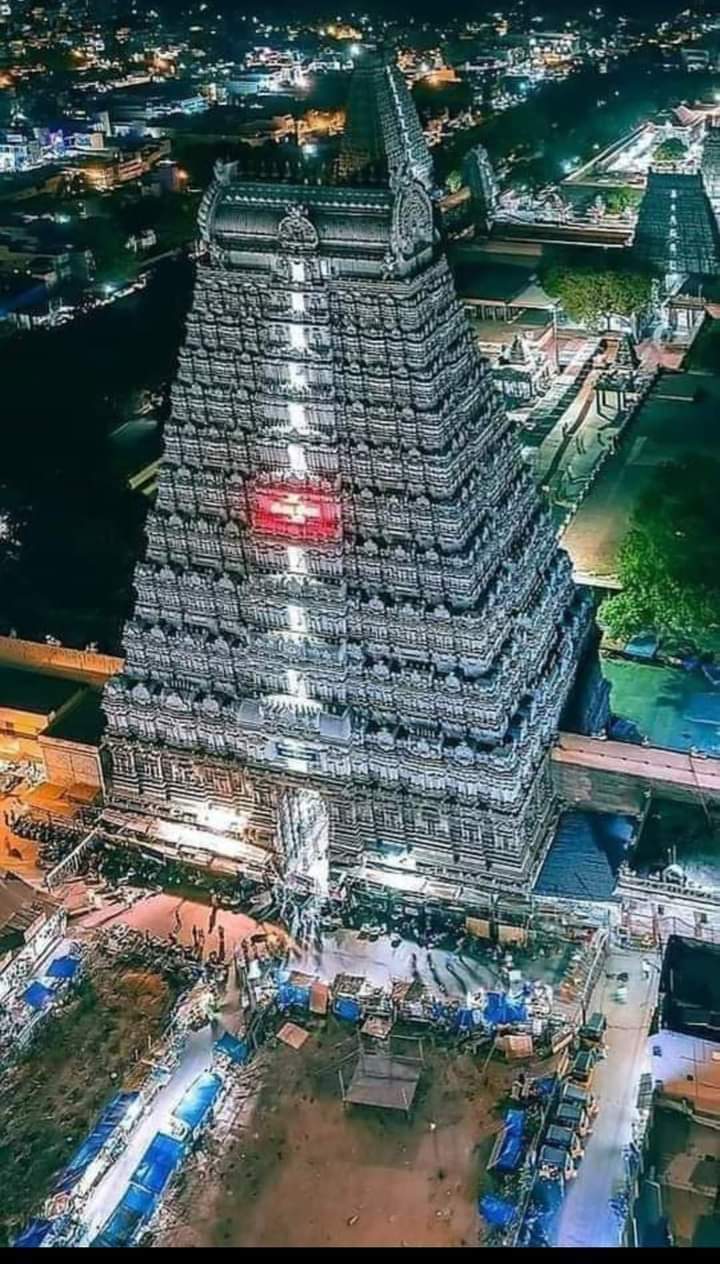
One of the earliest Practices is Kaarthigai Deepam.On this day , which falls on Krithika Nakshatra in the Tamil month of Karthikai, corresponding to English month of November, A huge fire is lit atop of Thiruvannamalai Hills. Women light earthen lamps in front of homes daily during this month.This is followed in most Siva Temples in Tamil Nadu.However it is special in Thiruvannamalai,Tamil Nadu as Thiruvannamalai is one of the Panchabootha Sthalas,of Five basic elements of nature.Thiruvannamalai represents 🔥.
Kaarthigai deepam Thiruvannamalai.
This practice of lighting for Karthikai deepam has been in vogue from Tamil Sangam period.This is recorded ,among others,in Akananaanuru,Kalavazhi Naarpathu, Thevaram ( reference here is Kaarthigai in Kapaleswara temple Chennai).Seevaka Chintamani , one of the five epics in Tamil, speaks of this practice.Of note is that this work Seevaka Chintamani is oriented towards Jain Philosophy.
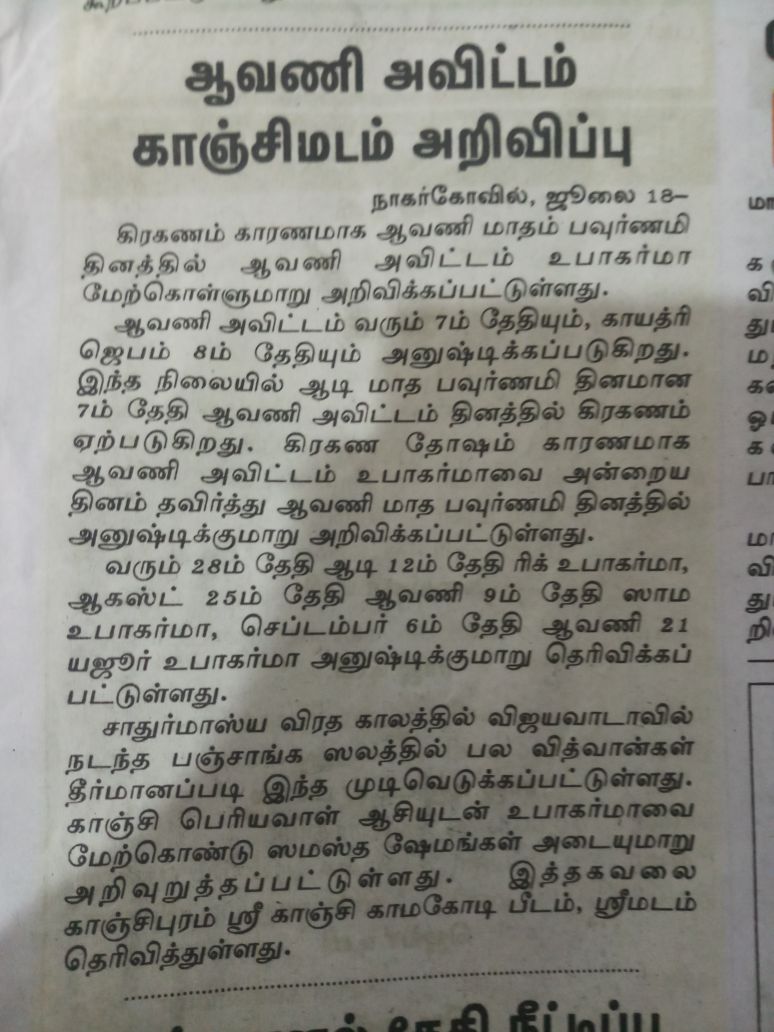
Not only this.That this was celebrated during Rajendra Chola period is evident from the Epigraph found in Srikalahasti. Mention here is made of donation made by one Chalukya Kaalakaalan Kaalappiriyan.
Epigraph at Sri Kalahasthi. ‘உடையார் இராஜேந்திர சோழர் காலத்தில் ஒரு கார்த்திகை விழா – திருக்காளத்தி கல்வெட்டு)
வடதொண்டைநாட்டின் முக்கிய சைவக் கோயிலாக விளங்கும் திருக்காளத்தியில் முதலாம் இராஜேந்திர சோழரின் 12 ஆட்சியாண்டில் கார்த்திகை மாதம் கார்த்திகை நாள் தீபஸ்தம்பம் (விளக்குத்தூணில்) விளக்கேற்றி சிறப்பு வழிபாடுகள் செய்ய சளுக்கிகாலகாலன் காளப்பிரியன் என்பார் l நிவந்தம் கொடு்த செய்தி கல்வெட்டில் பதிவாகியுள்ளது.ஸ்வஸ்தி ஸ்ரீ திருமன்னி வளர..உத்திரலாடமும் வெறிமலர் தீர்த்தநத் தெறிபு நற்கங்கையும் மாப்பொரு தண்டாற் கொண்ட கொப்பரகெசரி பந்மரான ராஜேந்ர சோழ தேவர்க்கு யாண்டு 12 வது ஜயங்கொண்ட சோழமண்டலத்து பெரும்பாணப்பாடி ஆற்றூர் நாட்டுத் திருக்காளத்தி மஹாதெவர்க்கு ஜயங்கொண்ட சோழமண்டலத்து புலியூர் கொட்டத்து மென்மா காடுநாட்டு நியமத்து சளுக்கிகாலகாலன் காளப்பிரியன் திருக்காளத்தி உடையார்க்கு கார்த்திகை கார்த்திகை நாள் தீபஸ்தம்பத்தில் மேல் விளக்கிடவும் அற்றைநாள் உடையாரை பெருந்திருவமுது செய்விக்கவும் தீபத்துக்கு
” References in Akananaanuru.குறுமுயன் மறுநிறங்கிளர மதிநிறைந், தறுமீன் சேரு மகலிருணடுநாண், மறுகு விளக்குறுத்து மாலை தூக்கிப், பழவிறன்மூதூர்ப் பலருடன் றுவன்றிய, விழவுட னயர வருகதி லம்ம” என்று அகநானூற்றிலும்,
“கார்த்திகைச் சாற்றிற் கழிவிளக்கு” என்று களவழிநாற்பதிலும், Kalavazhi Naarpathu
There is confusion regarding the date/date for performing Upakarma,called Avani Avittam .
It is one of the major festivals for Brahmins,though all the three varnas,Brahmana,Kshatriya and Vaisyas must perform.
It is natural for us to get confused about Hindu Festivals,as ,I might add,to my regret,we are familiar with only English Calendar and not our calendar/s.
Hindu calendar follows both Surya Maanasa and Chandra Maanasa,that is Time calculated on the basis of Sun and Moon.
The Gregorian Calendar Calendar underwent a lot of changes,including changing the calendar on the whims of a Ruler(Julius Caesar).
It would be of interest to note that Britain was following Our Hindu Calender!
Now to Upakarma,Avani Avittam dates.
The Yajur Upakarma is to be celebrated on 6th September 2017,as the earlier day happens to be day when Grahana,Eclipse takes place.
Rig Upakarma August 28th,(Aadi12th),
Sama Upakarma,August 25th( Avani 9th),
This decision has been announced by Kanchi Kamakoti Mutt.
Generally,the Rig Vedis,Yajur and Samavedis perform on different days.
Details are given towards the close of this article.
Rigvedis generally follow Suryamaanasa and hence give importance to Nakshatra,in this case,Sravana Nakshatra.
Yajurvedis generally follow Chandra Maanasa,therefore they give importance to Thithi,the waxing and waning of the Moon.
So they perform Upakarma,Avavi Avittam on the Full Moon Day,Pournami.
However,one must remeber that by tradition,Upakarma is not performed if Grahana occurs on the Upakarma Day.
Next Nakshatra or next same Thithi is declared to be auspicious for performing Upakarma.
One may observe that Upakarma is basically equivalent to the beginning of Academic Year,that’s all.
That it should not be performed on Grahana day is something I do not find any Smriti mentioning it.
Readers may send information.
Smritis declare that any new endeavor or Auspicious activity undertaken on Grahana day would be successful and Mantras chanted during Grahana(Eclipse) would yield thousand fold result.
So this practice of changing days on account of Grahana seems not sound,barring the tradition.
For details on Vedic Syllabus and Upakarma.
‘Normally the child is sent for learning at the age of Five after Yagnayopaveeda ceremony to the teacher where the child stays and learns.
The period of study:
Nine years, called Adhama, not very auspicious,
Twelve Years,Madhyaman, Acceptable,
Eighteen Years,Uthamam, The best.
There were also people who were doing the Adyayana, or the learning of the Vedas, for thirty-six years or through out their Life.
One can remain a Brahmachari, without marrying through out Life learning the Vedas.
Indians , contrary to what is being projected,, gave importance to finer emotions of Life.
Chitar FestivalMadurai
Hinduism is not all about asceticism and renunciation..
Yena Festival Nepal,Chariot procession
They have formulated the stages of Life one goes through based on his physical and emotional development.
Indras flag adopted
At the same time they also took into account the social structure into account.
The Stages of Life.
Brahmacharya,The stage of Studies, celibacy and inculcation of self discipline.
Gruhastha, Married Life, with duties laid down towards each other and to society.
Vanprastha,The stage when one reaches a stage in Life where one has discharged his family and social obligations and children are settled.One leaves the running of the family to his sons, and pursues the spiritual path.If one’s wife is willing to travel in this journey she is welcome.Otherwise she is in the care of her sons.One may retire to forests to contemplate.
Sanyas, the stage when one relinquishes everything and is totally engaged in self enquiry.
Each stage is provided with necessary structure to develop that stage .
Sanatana Dharma understood the human feeling ,emotions and imitations of Human Mind and human nature.
So it has provided alternate paths to realize God.One can choose what suits one the best.
Opportunities are provided for Love and marrigae.
Not all marriages , during Sanatana Dharma, were arranged one.
There are many type of marriages. set forth by Santna Dharma, one of them being Gandharva Vivaha, Love marriage.
However another ancient people of India Tamils, intricately connected with Sanatana Dharma, went a step further. Their marriage types are more detailed. Please my articles on these.
The Tamils have devoted n entire chapter for Love and the attendant issues in theier first Grammatical work, Tholkaapiyam.
It is called Kalavozhukkam,it details procedure to be followed, activities during courting.
It my of interest to note that women re given equal right in this process.
To facilitate Courtship and Love, the Tamils have dedicated a day of the Year.
This day is dedicated to Lord Indra, chief of Devas and also known for Love and enjoyment.
He is Bhogi, one who revels in pleasure .
Bhogi festival which precedes Tamil New Year is dedicated to him.
Tamils also fixed a day for revelry and courtship, when one finds his or her love,
This was called Indira Vizha, the festival for for Indra.
This was celebrated to bring in rains as Indra is the God of Thunder.
Failure to propitiate him by Yadavas resulted in a deluge and Lord Krishna had to lift the Govardhan Mountain to save the Yadavas.
When a Choza king stopped it, the harbour city of Kaveripumpattinam in Tamil Nadu was devoured by the sea..
This Festival the Indian Valentines Day was held on the Chitra Pournmi Day.
That is on the day the Nakshatra Chitra( Spica) and a Full Moon fall on the same day.
This is around May 10 of the Gregorian Calendar.
To allow for climate changes this is celebrated around is September 27 in Nepal
This is also the day of Buddha Pournima and Kurma Jayanthi
Unlike the west where Lovers’ day has been named after an individual( which again is open to doubt), the Tamils fixed it on a Celestial event!
Tamil Epics Silappadikaram and Manimekalai detail this festival.
Sangam Tamil literature refers to Indra (Pura Nanuru 182 and 241, Ainkuru. 62, Tirumurugu. 155-59 ) and Amruta (ambrosia of Indraloka) in a lot of places. Didactic books including Tirukkural also refer to Indra and Amruta.
‘
ainkuirunuru 62
இந்திர விழவில் பூவின் அன்ன
புன் தலைப் பேடை வரி நிழல் அகவும்
இவ் ஊர் மங்கையர்த் தொகுத்து, இனி
எவ் ஊர் நின்றன்று மகிழ்ந! நின் தேரே?
Like the cock with its small head
which called for the hens from shady place,
you gathered women of this town
in festival of Indra.
Now towards which town
is your chariot proceeding,
so that you can have more pleasure?
Poet:Orampoki
Translated by me
This poem is uttered by the wife to her husband. This show that Indra Vizha was a popular hunting ground for men to covet lovely young maidens and courtesans.
We will now proceed to best discription of Indra Vizha in Tamil Literature.
The following are excerpts from Indra Vizha chapter from Puhar Kandam in Silapathikaram.
“இளவேனிலும் மலயத் தென்றலும் உலவும் வீதி”
காதல் கொழுநனைப் பிரிந்து அலர் எய்தா
மாதர்க் கொடுங் குழை மாதவி-தன்னோடு
இல் வளர் முல்லை, மல்லிகை, மயிலை,
தாழிக் குவளை, சூழ் செங்கழுநீர்,
பயில் பூங் கோதைப் பிணையலின் பொலிந்து,
காமக் களி மகிழ்வு எய்தி, காமர்
பூம் பொதி நறு விரைப் பொழில் ஆட்டு அமர்ந்து,
நாள் மகிழ் இருக்கை நாள்-அங்காடியில்
பூ மலி கானத்துப் புது மணம் புக்கு,
புகையும் சாந்தும் புலராது சிறந்து,
நகை ஆடு ஆயத்து நல் மொழி திளைத்து,
குரல் வாய்ப் பாணரொடு, நகரப் பரத்தரொடு,
திரிதரு மரபின் கோவலன் போல,
இளி வாய் வண்டினொடு, இன் இளவேனிலொடு,
மலய மாருதம் திரிதரு மறுகில்-
Charmed by the sight of lover’s rapture, the breeze wandered through gardens of delight faintly scented by tender buds too shy to open yet; it roamed through the market noisy with frolic, where it gathered the perfumes of incense and sandal paste and entwining itself with laughter of lovers, it scattered their secrets as it passed. Gently warmed by the young summer, it kept company with wandering bees, whose murmur resemble the illi, the fifth note of the harp. And like the breeze, singers, oboe players, and companions expert seeking adventure.
“வீதியில் உலவும் பரத்தையரை ஆடவர் புகழ்தல்”
கரு முகில் சுமந்து, குறு முயல் ஒழித்து-ஆங்கு,
இரு கருங் கயலொடு இடைக் குமிழ் எழுதி,
அம் கண் வானத்து அரவுப் பகை அஞ்சி,
திங்களும் ஈண்டுத் திரிதலும் உண்டுகொல்!-
One of the young men thus celebrated his beloved lady:
“ The Moon, in fear of Rahu, monster who
devours her on the days of her eclipse,
fled from the sky in search of shelter.
framed in the dark clouds of you hair,
she reappeared then as your pallid face.
she chased away the hairs from your fair cheeks,
painted two soot- black fish- shaped eyes,
and in the middle placed kumil flower,
that since then passes for your pretty nose.”
நீர் வாய் திங்கள் நீள் நிலத்து அமுதின்
சீர் வாய் துவலைத் திரு நீர் மாந்தி,
மீன் ஏற்றுக் கொடியோன், மெய் பெற, வளர்த்த,
வான-வல்லி வருதலும் உண்டுகொல்!
Another lover sang to his love:
“You are a lighting-flash, born in the sky,
that Eros, a fish upon his pennant, hurled
when he descended on this earth in search
of his annihilated body, drinking all the nectar
that the pale Moon distills us drop by drop.”
‘Chitra Pournami – was supposed to have been the Valentine’s day as
per Ancient Tamil Culture – followed with Indira Vizha!
It was rather Valentine’s month till next Pounrnami! Greeks
present in such functions carried this custom to their country and
then spread to France and thus Feb 14th.. !
‘The festival usually commenced with a group beating drums and
announcing to the people the start of the celebrations. The citizens of
the town then cleaned the streets and roads and redecorate the city,
with each house being adorned with many decorations. The officials of
the kingdom would pay their respects to the king and wish him and the
kingdom well. Musical performances would be held and the fire oblations
offered in many temples for Siva, Vishnu and other deities. The festival
ended with people bathing in the sea with the members of the family. It
was generally believed that this festival was actually a prayer to
Indra, and would remove the difficulties and dangers to those who
celebrate it. “
Who Started the Indira Vizha.
‘
Mahabharata says it was started by Uparichara Vasu. The life story of Uparichara Vasu itself is interesting. He was given an aeroplane and a garland of never fading lotus flowers by Indra. He married Girika but he was asked to go to a forest where his seed (semen) fell at the thought of his wife. It was devoured by a fish and Matsya (satyavati) was born to the fish. Each one of his sons started a separate dynasty in India. He was credited with some engineering feats such as breaking down a hill to create a new river (Please read my post GREAT ENGINEERS OF ANCIENT INDIA).
Jain scriptures link Indra festival with Rishabadeva, the first Thirthankara. Tamil epic Silappadikaram (Kathai 5) says that one choza king Thungeyil Erintha Thodithot Sembiyan started this festival. Both may be correct if we take one started it in the north and another started in the south of India. Interestingly Chozas themselves claimed that their ancestors ruled north India. All their ancestors were mythological characters mentioned in Mahabharata and Ramayana. The very word Sembiyan came from Sibi Chakravarthy of the famous pigeon story (Sibi=Saibya=Sembiya). The story of Sibi is in Sangam Tamil literature, Pancha Tantra and Tamil epic Silappadikaram.
The details of the celebrations were given in Silappadikaram (5: 141-4) and Manimekalai (1:27-72, 2:1-3, 1:1-9, 24: 62-69, 25: 175-200). The drummer will announce that the festival began and then people will assemble to hoist the Indra Dwaja (Banner). The whole town wore a festive look with lot of decorations. Indra was bathed with holy water. It started on a full moon day in Chitra month (coinciding with April). Other deities were also decorated. Dance and Music were the highlights.
According to Maimekalai, Agastya asked the Sembian (Choza) king to start this festval. In Nepal, it is celebrated in September. In Tamil Nadu, the festival Bogi, celebrated on the eve of Makarasanranti/ Pongal also linked with Indra. Bogi itself means Indra.
Indira Vizha in Nepal.
The rare coincidence between the Tamils and the Nepalese is that both of them install a pole and hoist the Indra flag. In Nepal it is celebrated for 8 days but in Tamil Nadu it was celebrated for 28 days.
Yenya, Nepl Indir vizha.
Indra Jātrā as it is most commonly known or Yenyā (Nepal Bhasa: येँयाः) is the biggest religious street festival in Kathmandu, Nepal. Yenya means “Kathmandu festival” in Nepal Bhasa. The celebrations consist of two events. Indra Jātrā is marked by masked dances of deities and demons, displays of sacred images and tableaus in honor of the deity Indra, the king of heaven. The other event isKumāri Jātrā, the chariot procession of the living goddess Kumari.
Family members deceased in the past year are also remembered during the festival. The main venue of the festivities is Kathmandu Durbar Square. The celebrations last for eight days from the 12th day of the bright fortnight to the 4th day of the dark fortnight ofYanlā (ञला), the eleventh month in the lunar Nepal Era calendar.
Indra Jatra was started by King Gunakamadeva(गुणकामदेव) to commemorate the founding of the city of Kathmandu in the 10th century. Kumari Jatra began in the mid-18th century. The celebrations are held according to the lunar calendar, so the dates are changeable. The 2016 date is September 27.
The Devout in the US face this problem of finding out the dates of Hindu Festivals,Thithis, Amavasya,Upakarma ,Gayatri Japa and other Festivals like
Deepavai Makara Sankaranthi.
Time Calculation by The Hindus
The general practice as I understand from the US and UK is that the priests there use some kind of Calculators, convert the days /dates directly and arrive at the Information.
I received some information on this,
“ Let us consider the recent lunar eclipse which was observed in USA (15 April 2014) and not in India. It should occur only on a full moon day even in USA as it is in India. According to Srirangam punchangam the pournami was approximately from 2pmMonday(14th April) to2pmTuesday in Srirangam. This puts the middle of Poornima about 2am on Tuesday in Srirangam. The total lunar eclipse occurred about2am central time, Tuesday, in USA. This clearly shows that we should apply Indian timings as they are to correspond to the same timings with sun rise correction in USA.
I was taken aback when some temples in USA observed Gayathri Japam on the day when lunar eclipse was going on about 4, 5 years back asking followers to wait to do the japam until the eclipse came to an end instead of doing Upakarma on that day ( that day being a pournami as predicted in Indian punchangam ). Gayathri japam should be done early morning after Sandya vandam on the following day of Upakarma. There are no Doshams attached to this.
The USA temple priests are not punchanga nirnayam experts eventhough they are asked to act like one. The Indian astrologers still believe the earth to be flat and at the center of our planetary system. So their opinions to translate the timings to suite other geographical regions are not acceptable.”
Dr.K.P Sarathy.
Valid Point.
What is the correct procedure?
Find the time of Sun Rise.
Check the Panchaangam for Thithi , Nakshatra presence in the day in Naazhkai.
Covert the Naazhikai into normal time.(One Naazhikai-24 minutes)
In conjunction with the Sunrise find out the presence of Thithi on a particular day.
Those who follow Chaandramaana,(Lunar Calendar), must celebrate the function on the day when the Thithis is least(Thithi should be less than 51 Naazhikai)
For more on this please refer my posts on this subject under Hinduism/Time.
The reason to say that direct conversion is incorrect is that our Panchanga Timings are not Absolute.
The largest congregation of Women in a single place at one time was witnessed in Attukallu BhagavathyAmman Temple, Kerala,India.
Attukkal Bhagavathy Temple, Attukkal
The Legend.
A few centuries ago, the head of Mulluveettil family was met with a young girl who asked him to help her cross the Killi river in which he was performing his ritualistic prayers. The Karanavar (family head) knew it was no ordinary girl, because of her charm and charisma. He bowed before her and willingly took her to the other side of the river. He invited her to his home nearby and the whole family was preparing to receive this girl. However, they couldn’t find her as she had disappeared by the time Mulluveettil family was ready to receive her.
The Karanavar and his family were a little puzzled. The Karanavar saw the girl once again in his dream, in the same day as he saw the little girl. The girl appeared as an icon and told him to give her an abode in the nearby Kavu (a grove where shrubs and wild animals including snakes are left undisturbed). She told him that he would see three lines at a specific point in the kavu and she wanted her abode erected there.
With joy, the old man reached the Kavu and to his surprise, he found three lines marked on the ground. He knew it was a sacred spot and he wasted no time erecting a temple. The temple became the abode of the goddess, who later came to be known as Attukal Devi (Attukal Amma). Local devotees offered their prayers in this temple and soon the fame of this temple spread far and wide.
The people also offered to renovate the temple and a bigger temple with a new icon was installed. The goddess was represented as a woman with four arms, each bearing a spear, sword, skull and shield. The then high priest of Badarinath Temple led the consecration ceremony.
The girl that appeared before the Karanavar of Mulluveettil family is known to be Kannagi (Kannaki). Kannagi is the famous heroine of Chipathikaram, a Tamil epic written by Elenkovadikal. She is the incarnation of Sree Parvathy, the consort of Lord Siva
Attukal Pongala (Attukal Ponkala) is the most reputed festival of this temple, which attracts devotees from all parts of India. Tens of hundreds of women devotees throng together on the day of Pongala with their offerings to the Goddess and to seek blessings. The festival commences on Karthika day of Malayalam month Makaram-Kumbham (February-March).
Attukal Pongala
Pongala festival is a ten-day long festival and on the 9th day of the festival is the famous Pongala. On that day, tens of hundreds of women throng to the temple to offer pongala in earthen pots. Pongala is a rice porridge, which boils over. The rush of women is so intense that the Pongala ground spreads outside the temple premises and into the public roads, and the courtyards of houses, government offices, bus and train station, etc…
Women offer pongala in a radius of about 7 Km, essentially turning the whole of Thiruvananthapuram City into the holy grounds for the women to offer Pongala. All the transport buses plying from the city are reserved for women on Pongala day. No number of words can do justice to frenzy of the day’s festivities, which wholly belongs to women devotees.
The Attukal Pongala festival also reached Guinness Book of World Records of largest annual gathering of women, when 1.5 million (15 Lakhs) women offered pongala in February 23, 1997 and its achieved by 2.5 million (25 Lakhs) women offered pongala on March 10, 2009. It is estimated that about 3.7 million (37 Lakhs) women offered pongala in February 26, 2013. The number of women devotees reaching this place increases every year.
How to Reach.
Attukal Bhagavathy Temple is just 2 Km from the main city of Trivandrum (Thiruvananthapuram) and is located at a rural-looking area, although the surroundings are highly urbanized.
By Road : Trivandrum Central Bus Station located at Thampanoor is about 2 Km from the shrine and the City Bus Station located at EastFort is about 1.5 Km form the shrine.
By Air : The nearest airport is Thiruvananthapuram International Airport, located at Valiyathura is about 7 Km from the shrine. Many international air carriers operate daily international flights to Middle East, Male and Sri Lanka from Thiruvananthapuram.
Considered the biggest congregation of women in the world, Attukal Pongala is popularly referred to as the Sabrimala of women. While the Attukal temple is overflowing with devotees, women across the city can also be found with their makeshift brick stoves and earthen pots, cooking their offerings. A sweet dish called “payasam” with rice, jaggery and banana are part of the offerings.
You must be logged in to post a comment.