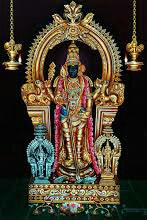
Tag: Subramanya

  • Skanda Tamil Reference 20,000 years ago

    Skanda Tamil Reference 20,000 years ago

    There was a comment to my article on Siva Worship in Tamil asking me to write an article on the worship of Skanda in Vedic literature and in Tamil.

    This seems to be a reaction to Self styled Rationalists/Tamil scholars, who have taken a vow to denigrate Hinduism/ Sanatana Dharm , divide India as North and South and insult Hindu Gods in filthy language. It is worth noting that these persons are not even Hindus!

    It is an irony that the kings who had built massive temples for Hindu gods are insulted thus.And the funniest point that these persons do not know either Tamil or Sanskrit,much less about Culture in general and Indian culture specifically.

    I shall write in detail about Skanda Worship in Vedas in another article.Here I answer those who claim that Murugan is different from Skanda and that Brahmins have converted Murugan into Subramanya!

    The practice of Kavadi for Lord Murugan is essentially a Tamil custom.Kavadi is found in Harappa.

    I have provided the meaning of the term Skanda,from Brittanica as many anglophiles look down on Indian sources!

    The earliest reference is in Chandogya Upanishad about Skanda.

    In Tamil literature Skanda reference is in Thirumurukatruppadai by Nakkerar.The poem belongs to Sangam Period which is dated around three thousand years ago. But my researches prove that Silappadikaram,one of the Five Great Epics in Tamil can be dated back to 16,000 years ago based on the Archeological Find in Poompuhar Tamil Nadu.Based on this Sangam literature can be dated to 20,000 years ago.

    So the reference to Skanda is 20000 years old.

    Encyclopedia Britannica small logo

    It is worth noting that Tholkappiyam marks Murugan as the God of Hilly terrain,Kurinji.And Muruga is described vas Red in color, which is the same description found in Sanskrit.Again Skanda means to leap ,to fight

    He is described as the senapati or The General of Devas in both Tamil and Sanskrit.Much impressed by His valour Indra,Chief of Devas ,gave his daughter Devasena to Murugan. This is found in Tamil literature and One of the six special abodes of Muruga,Arupadai veedu,is Thirupparankundram,near Madurai,where Murugan is found with His consorts Valli and Devasena.

    And Tamil literature worships Indira as God of rain and Indra vizha was celebrated in His honour by the Tamils.

    And Arunagirinathar in Kandhar Alankaaram calls Skanda as Kaadhip poru padaik kandhan..காதிப் பொரு படைக் கந்தன்.

    And you have Kandhar Kortam temple in Chennai which is quite ancient.

    Skanda

    Hindu deityWRITTEN BYThe Editors of Encyclopaedia BritannicaEncyclopaedia Britannica’s editors oversee subject areas in which they have extensive knowledge, whether from years of experience gained by working on that content or via study for an advanced degree….See Article HistoryAlternative Titles: Kārttikeya, Kumāra, Subrahmaṇya

    Skanda(Sanskrit: “Leaper” or “Attacker”)also called Karttikeya, Kumara, or Subrahmanya, Hindu god of war who was the firstborn son of Shiva. The many legends giving the circumstances of his birth are often at variance with one another. https://www.britannica.com/topic/Skanda

    வந்த வினையும் வருகின்ற வல்வினையும்
    கந்தன் என்ற சொல்லக் கலங்கிடுமே
    செந்தில் நகர் சேவகா என்று திருநீறு அணிவார்க்கு
    மேவ வராதே வினை.
    (நக்கீரர் பாடிய திருமுருகாற்றுப்படை வெண்பா) https://www.dinamalar.com/aanmeegamnews_detail.asp?news_id=12485

    https://securepubads.g.doubleclick.net/gampad/ads?iu=%2F1028307%2FDinamalar_MobileSite_ROS_ATF_Top_300x250&adk=138680509&sz=300×250&output=html&impl=ifr&ifi=2&msz=374x-1&psz=374x-1&fws=4&adf=190587403&nhd=1&adx=37&ady=90&oid=2&gdfp_req=1&sfv=1-0-37&u_sd=2.8812501430511475&artc=807&ati=2&ard=prebidappnexus&is_amp=3&amp_v=2007242032001&d_imp=1&c=337703005549&ga_cid=5auhIM4hmTNRSLgf26BlY9Uy7f3H3UFY_XzBOls3M7Mkzx7VNbDLfhHBpoS03epG&ga_hid=5549&dt=1596681928534&biw=375&bih=630&u_aw=375&u_ah=813&u_cd=24&u_w=375&u_h=813&u_tz=330&u_his=7&isw=375&ish=630&vis=1&scr_x=0&scr_y=0&bc=7&url=https%3A%2F%2Ftemple.dinamalar.com%2Fnews_detail.php%3Fid%3D13485&top=www.google.com&loc=https%3A%2F%2Fm-dinamalar-com.cdn.ampproject.org%2Fv%2Fs%2Fm.dinamalar.com%2Ftemple_detail.php%3Fid%3D13485%26amp_js_v%3D0.1%26usqp%3Dmq331AQFKAGwASA%3D%23origin%3Dhttps%253A%252F%252Fwww.google.com%26prerenderSize%3D1%26visibilityState%3Dprerender%26paddingTop%3D32%26p2r%3D0%26csi%3D1%26aoh%3D15966819017740%26viewerUrl%3Dhttps%253A%252F%252Fwww.google.com%252Famp%252Fs%252Ftemple.dinamalar.com%252Fnews_detail.php%25253fid%253D13485%26history%3D1%26storage%3D1%26cid%3D1%26cap%3DnavigateTo%252Ccid%252CfullReplaceHistory%252Cfragment%252CreplaceUrl%252CiframeScroll&ref=https%3A%2F%2Fwww.google.com%2F&bdt=109&dtd=847&aet=n&__amp_source_origin=https%3A%2F%2Fm.dinamalar.com

    திருமுருகாற்றுப்படை

    பதிவு செய்த நாள்: செப் 26,2012 15:27

    Dinamalar tamil news


    1. திருப்பரங்குன்றம் உலகம் உவப்ப வலன்ஏர்பு திரிதரு
    பலர்புகழ் ஞாயிறு கடற்கண் டாஅங்கு
    ஓவற இமைக்கும் சேண்விளங்கு அவிரொளி
    உறுநர்த் தாங்கிய மதனுடை நோன்றாள்
    செறுநர்த் தேய்த்த செல்லுறழ் தடக்கை . 5 மறுவில் கற்பின் வாணுதற் கணவன் 
    கார்கோள் முகந்த கமஞ்சூல் மாமழை
    வாள்போழ் விசும்பில் வள்ளுறை சிதறித்
    தலைப்பெயல் தலை இய தண்ணறுங் கானத்து
    இருள்படப் பொதுளிய பராரை மராஅத்து 10 உருள்பூந் தண்டார் புரளும் மார்பினன் 
    மால்வரை நிவந்த சேணுயர் வெற்பிற்
    கிண்கிணி கவைஇய ஒண்செஞ் சீறடி,
    கணைக்கால் வாங்கிய நுசுப்பின், பணைத்தோள்,
    கோபத் தன்ன தோயாப் பூந்துகில், 15 பல்காசு நிரைத்த சில்காழ் அல்குல்,
    கைபுனைந்து இயற்றாக் கவின்பெறு வனப்பின்,
    நாவலொடு பெயரிய பொலம்புனை அவிரிழை,
    சேணிகந்து விளங்கும் செயிர்தீர் மேனி,
    துணையோர் ஆய்ந்த இணையீர் ஓதிச் 20 செங்கால் வெட்சிச் சீறிதழ் இடையிடுபு
    பைந்தாட் குவளைத் தூவிதழ் கிள்ளித்
    தெய்வ வுத்தியொடு வலம்புரி வயின்வைத்துத்
    திலகம் தைஇய தேங்கமழ் திருநுதல்
    மகரப் பகுவாய் தாழமண் ணுறுத்துத் 25 துவர முடித்த துகளறு முச்சிப்
    பெருந்தண் சண்பகஞ் செரீஇக் கருந்தகட்டு
    உளைப்பூ மருதின் ஒள்ளிணர் அட்டிக்
    கிளைக்கவின்று எழுதரு கீழ்நீர்ச் செவ்வரும்பு 
    இணைப்புறு பிணையல் வளைஇத் துணைத்தக 30 வண்காது நிறைந்த பிண்டி ஒண்டளிர்
    நுண்பூண் ஆகம் திளைப்பத் திண்காழ்
    நறுங்குறடு உரிஞ்சிய பூங்கேழ்த் தேய்வை
    தேங்கமழ் மருதிணர் கடுப்பக் கோங்கின்
    குவிமுகிழ் இளமுலைக் கொட்டி விரிமலர் 35 வேங்கை நுண்டாது அப்பிக் காண்வர
    வெள்ளிற் குறுமுறி கிள்ளுபு தெறியாக்
    கோழி ஓங்கிய வென்றடு விறற்கொடி
    வாழிய பெரிöதன்று ஏத்திப் பலருடன்
    சீர்திகழ் சிலம்பகம் சிலம்பப் பாடி 40 சூரர மகளிர் ஆடும் சோலை 
    மந்தியும் அறியா மரன்பயில் அடுக்கத்துச்
    சுரும்பும் மூசாச் சுடர்ப்பூங் காந்தட்
    பெருந்தண் கண்ணி மிலைந்த சென்னியன் 
    பார்முதிர் பனிக்கடல் கலங்கவுள் புக்குச் 45 சூர்முதல் தடிந்த சுடரிலை நெடுவேல் 
    உலறிய கதுப்பின் பிறழ்பற் பேழ்வாய்ச்
    சுழல்விழிப் பசுங்கண் சூர்த்த நோக்கின்
    கழல்கட் கூகையொடு கடும்பாம்பு தூங்கப்
    பெருமுலை அலைக்கும் காதின் பிணர்மோட்டு 50 உருகெழு செலவின் அஞ்சுவரு பேய்மகள்
    குருதி ஆடிய கூருகிர்க் கொடுவிரற்
    கண்தொட் டுண்ட கழிமுடைக் கருந்தலை
    ஒண்டொடித் தடக்கையின் ஏந்தி வெருவர
    வென்றடு விறற்களம் பாடித்தோள் பெயரா 55 நிணம்தின் வாயள் துணங்கை தூங்க 
    இருபே ருருவின் ஒருபே ரியாக்கை
    அறுவேறு வகையின் அஞ்சுவர மண்டி
    அவுணர் நல்வலம் அடங்கக் கவிழிணர்
    மாமுதல் தடிந்த மறுவில் கொற்றத்து 60 எய்யா நல்லிசைச் செவ்வேற் சேஎய் 
    சேவடி படரும் செம்மல் உள்ளமொடு
    நலம்புரி கொள்கைப் புலம்புரிந் துறையும்
    செலவுநீ நயந்தனை யாயின், பலவுடன்
    நன்னர் நெஞ்சத்து இன்னசை வாய்ப்ப 65 இன்னே பெறுதிநீ முன்னிய வினையே 
    செருப்புகன்று எடுத்த சேணுயர் நெடுங்கொடி
    வரிப்புனை பந்தொடு பாவை தூங்கப்
    பொருநர்த் தேய்த்த போரரு வாயில்
    திருவீற் றிருந்த தீதுதீர் நியமத்து 70 மாடமலி மறுகின் கூடற் குடவயின் இருஞ்சேற்று
    அகல்வயல் விரிந்துவாய் அவிழ்ந்த முட்டாள்
    தாமரைத் துஞ்சி வைகறைக்
    கட்கமழ் நெய்தல் ஊதி எற்படக்
    கண்போல் மலர்ந்த காமர் சுனைமலர் 75 அஞ்சிறை வண்டின் அரிக்கணம் ஒலிக்கும்
    குன்றமர்ந்து உறைதலும் உரியன். அதாஅன்று 
    வைந்நுதி பொருத வடுவாழ் வரிநுதல்
    வாடா மாலை ஓடையொடு துயல்வரப்
    படுமணி இரட்டும் மருங்கின் கடுநடைக். 80 கூற்றத்து அன்ன மாற்றரு மொய்ம்பின்
    கால்கிளர்ந் தன்ன வேழ மேல்கொண்டு 
    ஐவேறு உருவின் செய்வினை முற்றிய
    முடியொடு விளங்கிய முரண்மிகு திருமணி
    மின்உறழ் இமைப்பின் சென்னிப் பொற்ப 85 நகைதாழ்பு துயல்வரூஉம் வகையமை பொலங்குழை
    சேண்விளங்கு இயற்கை வாண்மதி கவைஇ
    அகலா மீனின் அவிர்வன இமைப்பத்
    தாவில் கொள்கைத் தந்தொழில் முடிமார்
    மனனேர்பு எழுதரு வாள்நிற முகனே. 90 மாயிருள் ஞாலம் மறுவின்றி விளங்கப்
    பல்கதிர் விரிந்தன்று ஒருமுகம்;ஒருமுகம்,
    ஆர்வலர் ஏத்த அமர்ந்தினி தொழுகிக்
    காதலின் உவந்து வரங்கொடுத் தன்றே ஒருமுகம்,
    மந்திர விதியின் மரபுளி வழாஅ 95 அந்தணர் வேள்விஓர்க் கும்மே;ஒருமுகம்,
    எஞ்சிய பொருள்களை ஏமுற நாடித்
    திங்கள் போலத் திசைவிளக் கும்மே ஒருமுகம்,
    செறுநர்த் தேய்த்துச் செல்சமம் முருக்கிக்
    கறுவுகொள் நெஞ்சமொடு களம்வேட் டன்றே ஒருமுகம். 100 குறவர் மடமகள் கொடிபோல் நுசுப்பின்
    மடவரல் வள்ளியொடு நகையமர்ந் தன்றே.
    ஆங்குஅம் மூவிருமுகனும் முறைநவின்று ஒழுகலின் 
    ஆரம் தாழ்ந்த அம்பகட்டு மார்பின்
    செம்பொறி வாங்கிய மொய்ம்பின் சுடர்விடுபு 105 வண்புகழ் நிறைந்து வசிந்துவாங்கு நிமிர்தோள்
    விண்செலல் மரபின் ஐயர்க்கு ஏந்தியது
    ஒருகை; உக்கம் சேர்த்தியது ஒருகை;
    நலம்பெறு கலிங்கத்துக் குறங்கின்மிசை அசைஇயதொருகை;
    அங்குசங் கடாவ ஒருகை,இருகை 110 ஐயிரு வட்டமொடு எஃகுவலந் திரிப்ப,
    ஒருகை மார்பொடு விளங்க ஒருகை
    ஒருகை தாரொடு பொலிய, ஒருகை
    கீழ்வீழ் தொடியொடு மீமிசைக்கொட்ப, ஒருகை
    பாடின் படுமணி இரட்ட, ஒருகை 115 நீனிற விசும்பின் மலிதுளி பொழிய, ஒருகை
    வானர மகளிர்க்கு வதுவை சூட்ட,
    ஆங்குஅப் பன்னிரு கையும் பாற்படஇயற்ற 
    அந்தரப் பல்லியம் கறங்கத் திண்காழ்
    வயிர்எழுந் திசைப்ப, வால்வளை ஞரல 120 உரந்தலைக் கொண்ட உருமிடி முரசமொடு
    பல்பொறி மஞ்ஞை வெல்கொடி அகவ,
    விசும்பஆ றாக விரைசெலல் முன்னி,
    உலகம் புகழ்ந்த ஓங்குயர் விழுச்சீர்
    அலைவாய்ச் சேறலும் நிலைஇய பண்பேஅதான்று 125 சீரை தைஇய உடுக்கையர் சீரொடு
    வலம்புரி புரையும் வால்நரை முடியினர்
    மாசுஅற இமைக்கும் உருவினர் மானின்
    உரிவை தைஇய ஊன்கெடு மார்பின்
    என்புஎழுந்து இயங்கும் யாக்கையர் நன்பகல். 130 பலவுடன் கழிந்த உண்டியர் இகலொடு
    செற்றம் நீக்கிய மனத்தினர் யாவதும்
    கற்றோர் அறியா அறிவினர் கற்றோர்க்குத்
    தாம்வரம்பு ஆகிய தலைமையர் காமமொடு
    கடுஞ்சினம் கடிந்த காட்சியர் இடும்பை 135 யாவதும் அறியா இயல்பினர் மேவரத்
    துனியில் காட்சி முனிவர் முற்புக 
    புகைமுகந் தன்ன மாசில் தூவுடை
    முகைவாய் அவிழ்ந்த தகைசூழ் ஆகத்துச்
    செவிநேர்பு வைத்த செய்வுறு திவவின். 140 நல்லியாழ் நவின்ற நயனுடை நெஞ்சின்
    மென்மொழி மேவலர் இன்னரம்பு உளர 
    நோயின்று இயன்ற யாக்கையர் மாவின்
    அவிர்தளிர் புரையும் மேனியர் அவிர்தொறும்
    பொன்னுரை கடுக்கும் திதலையர் இன்னகைப் 145 பருமம் தாங்கிய பணிந்தேந்து அல்குல்
    மாசில் மகளிரொடு மறுவின்றி விளங்க 
    கடுவொடு ஒடுங்கிய தூம்படை வால்எயிற்று
    அழலென உயிர்க்கும் அஞ்சுவரு கடுந்திறல்
    பாம்புபடப் புடைக்கும் பல்வரிக் கொடுஞ்சிறைப் 150 புள்ளணி நீள்கொடிச் செல்வனும், வெள்ளேறு
    வலைவயின் உயரிய பலர்புகழ் திணிதோள்
    உமையமர்ந்து விளங்கும் இமையா முக்கண்
    மூவெயில் முருக்கிய முரண்மிகு செல்வனும்,
    நூற்றுப்பத்துஅடுக்கியநாட்டத்துநூறுபல் 155 வேள்வி முற்றிய வென்றடு கொற்றத்து
    ஈரிரண்டு ஏந்திய மருப்பின் எழில்நடைத்
    தாழ்பெருந் தடக்கை உயர்த்த யானை
    எருத்தம் ஏறிய திருக்கிளர் செல்வனும், 
    நாற்பெருந் தெய்வத்து நன்னகர் நிலைஇய 160 உலகம் காக்கும் ஒன்றுபுரி கொள்கைப்
    பலர்புகழ் மூவரும் தலைவ ராக
    ஏமுறு ஞாலந் தன்னில் தோன்றித்
    தாமரை பயந்த தாவில் ஊழி
    நான்முக ஒருவற் சுட்டிக் காண்வர 165 பகலிற் றோன்றும் இகலில் காட்சி
    நால்வேறு இயற்கைப் பதினொரு மூவரொடு
    ஒன்பதிற்று இரட்டி உயர்நிலை பெறீஇயர் 
    மீன்பூத் தன்ன தோன்றலர் மீன்சேர்பு
    வளிகிளர்ந் தன்ன செலவினர் வளியிடைத் 170 தீயெழுந் தன்ன திறலினர் தீப்பட
    உரும்இடித் தன்ன குரலினர் விழுமிய
    உறுகுறை மருங்கிந்தம் பெறுமுறை கொண்மார்
    அந்தரக் கொட்பினர் வந்துடன் காணத் 
    தாவில் கொள்கை மடந்தையொடு சின்னாள் 175 ஆவினன்குடி அசைதலும் உரியன்: அதான்று, 
    இருமூன்று எய்திய இயல்பினின் வழாஅது
    இருவர்ச் சுட்டிய பல்வேறு தொல்குடி
    அறுநான்கு இரட்டி இளமை நல்லியாண்டு
    ஆறினிற் கழிப்பிய அறன்நவில் கொள்கை 180 மூன்றுவகைக் குறித்த முத்தீச் செல்வத்து
    இருபிறப் பாளர் பொழுதறிந்து நுவல, 
    ஒன்பது கொண்ட மூன்றுபுரி நுண்ஞாண்
    புலராக் காழகம் புலர உடீஇ,
    உச்சிக் கூப்பிய கையினர் தற்புகழ்ந்து 185 ஆறெழுத்து அடக்கிய அருமறைக் கேள்வி
    நாஇயல் மருங்கில் நவிலப் பாடி
    விரையுறு நறுமலர் ஏந்திப் பெரிந்துஉவந்து
    ஏரகத்து உறைதலும் உரியன்: அதான்று, 
    பைங்கொடி நறைக்காய் இடையிடுபு வேலன் 190 அம்பொதிப் புட்டில் விரைஇக் குளவியொடு
    வெண்கூ தாளம் தொடுத்த கண்ணியன்
    நறுஞ்சாந்து அணிந்த கேழ்கிளர் மார்பின்
    கொடுந்தொழில் வல்விற் கொலைஇய கானவர்
    நீடமை விளைந்த தேக்கள் தேறல் 195 குன்றகச் சிறுகுடிக் கிளையுடன் மகிழ்ந்து
    தொண்டகச் சிறுபறைக் குரவை அயர 
    விரலுளர்ப்பு அவிழ்ந்த வேறுபடு நறுங்கால்
    குண்டுசுனை பூத்த வண்டுபடு கண்ணி
    இணைத்த கோதை அணைத்த கூந்தல் 200 முடித்த குல்லை இலையுடை நறும்பூச்
    செங்கால் மராஅத்த வாலிணர் இடையிடுபு
    சுரும்புணத் தொடுத்த பெருந்தண் மாத்தழை
    திருந்துகாழ் அல்குல் திளைப்ப உடீஇ
    மயில்கண் டன்ன மடநடை மகளிரொடு 205 செய்யன் சிவந்த ஆடையன் செவ்வரைச்
    செயலைத் தண்டளிர் துயல்வருங் காதினன்
    கச்சினன் கழலினன் செச்சைக் கண்ணியன்
    குழலன் கோட்டன் குறும்பல் லியத்தன்
    தகரன் மஞ்ஞையன் புகரில் சேவலங் 210 கொடியன் நெடியன் தொடியணி தோளன்
    நரம்பார்த் தன்ன இன்குரல் தொகுதியொடு
    குறும்பொறிக் கொண்ட நறுந்தண் சாயல்
    மருங்கிற் கட்டிய நிலன்நேர்பு துகிலினன்
    முழவுறழ் தடக்கையின் இயல ஏந்தி 215

    மென்றோட் பல்பிணை தழீஇத் தலைத்தந்து
    குன்றுதொ றாடலும் நின்றதன்பண்பே; அதான்று, 
    சிறுதினை மலரொடு விரைஇ மறியறுத்து
    வாரணக் கொடியொடு வயிற்பட நிறீஇ
    ஊரூர் கொண்ட சீர்கெழு விழவினும், 220 ஆர்வலர் ஏத்த மேவரும் நிலையினும்,
    வேலன் தைஇய வெறியயர் களனும்,
    காடும் காவும் கவின்பெறு துருத்தியும்,
    யாறும் குளனும் வேறுபல் வைப்பும்,
    சதுக்கமும் சந்தியும் புதுப்பூங் கடம்பும், 225 மன்றமும் பொதியிலும் கந்துடை நிலையினும் 
    மாண்டலைக் கொடியொடு மண்ணி அமைவர
    நெய்யொடு ஐயவி அப்பி ஐதுரைத்துக்
    குடந்தம் பட்டுக் கொழுமலர் சிதறி
    முரண்கொள் உருவின் இரண்டுடன் உடீஇச். 230 செந்நூல் யாத்து வெண்பொரி சிதறி
    மதவலி நிலைஇய மாத்தாட் கொழுவிடைக்
    குருதியொடு விரைஇய தூவெள் ளரிசி
    சில்பலிச் செய்து பல்பிரப்பு இரீஇச்
    சிறுபசு மஞ்சளொடு நறுவிரை தெளித்துப் 235 பெருந்தண் கணவீர நறுந்தண் மாலை
    துணையற அறுத்துத் தூங்க நாற்றி
    நளிமலைச் சிலம்பின் நன்னகர் வாழ்த்தி
    நறும்புகை எடுத்துக் குறிஞ்சி பாடி
    இமிழிசை அருவியொடு இன்னியம் கறங்க. 240 உருவப் பல்பூதத் தூஉய் வெருவரக்
    குருதிச் செந்தினை பரப்பிக் குறமகள்
    முருகியம் நிறுத்து முரணினர் உட்க
    முருகாற்றுப் படுத்த உருகெழு வியல்நகர் 
    ஆடுகளம் சிலம்பப் பாடிப் பலவுடன் 245 கோடுவாய் வைத்துக் கொடுமணி இயக்கி
    ஓடாப் பூட்கைப் பிணிமுகம் வாழ்த்தி
    வேண்டுநர் வேண்டியாங்கு எய்தனர் வழிபட
    ஆண்டாண்டு உறைதலும் அறிந்த வாறே 
    ஆண்டாண்டு ஆயினும் ஆக; காண்தக. 250 முந்துநீ கண்டுழி முகனமர்ந்து ஏத்திக்
    கைதொழூஉப் பரவிக் காலுற வணங்கி,
    நெடும்பெருஞ் சிமையத்து நீலப் பைஞ்சுனை
    ஐவருள் ஒருவன் அங்கை ஏற்ப
    அறுவர் பயந்த ஆறமர் செல்வ! 255 ஆல்கெழு கடவுட் புதல்வ! மால்வரை
    மலைமகள் மகனே! மாற்றோர் கூற்றே!
    வெற்றி வெல்போர்க் கொற்றவை சிறுவ!
    இழையணி சிறப்பின் பழையோள் குழவி!
    வானோர் வணங்குவில் தானைத் தலைவ! 260 மாலை மார்ப! நூலறி புலவி!
    செருவில் ஒருவ! பொருவிறல் மள்ள!
    அந்தணர் வெறுக்கை! அறிந்தோர் சொல்மலை!
    மங்கையர் கணவ! மைந்தர் ஏறே!
    வேல்கெழு தடக்கைச் சால்பெருஞ் செல்வ! 265 குன்றம் கொன்ற குன்றாக் கொற்றத்து
    விண்பொரு நெடுவரைக் குறிஞ்சிக் கிழவ!
    பலர்புகழ் நன்மொழிப் புலவர் ஏறே!
    அரும்பெறல் மரபின் பெரும்பெயர் முருக!
    நசையுநர்க்கு ஆர்த்தும் இசைபே ராள! 270 அலந்தோர்க்கு அளிக்கும் பொலம்பூண் சேஎய்!
    மண்டமர் கடந்தநின் வென்றாடு அகலத்துப்
    பரிசிலர்த் தாங்கும் உருகெழு நெடுவேஎள்!
    பெரியோர் ஏத்தும் பெரும்பெயர் இயவுள்! https://www.google.com/amp/s/temple.dinamalar.com/news_detail.php%3fid=13485

    ‘கந்தன் – சிவபெருமாளின் நெற்றிகண்ணீல் இருந்து வெளிபட்ட தீ பொறி பொற்றாமரை குளத்தில் உள்ள தாமரை மலரின் நடுவே உள்ள கந்தகத்தில் பட்டு முருகன் குழந்தையாக தொன்றியதால் கந்தகமூலவன் அல்லது கந்தன் என்று பெயர். https://ta.m.wikipedia.org/wiki/%E0%AE%AE%E0%AF%81%E0%AE%B0%E0%AF%81%E0%AE%95%E0%AE%A9%E0%AF%8D

  • Shasti Vrata For Children How To Follow

    I have posted some Mantras on Santhana Gopala Mantras for being Blessed with Children.


    I included in the post Mantras to prevent abortion.


    A little earlier I posted an article on Karbha Rakshmbigai for easy , natural delivery.


    Many readers wanted  to know more on this subject.


    Murugan with Valli and Devasena
    Lord Subramanya with Valli and Devasena. image credit.http://temple-of-secrets.blogspot.in/


    To begin with I am providing information on how to follow the Shasti Vrata for Lord Subrahmnya for begetting children.


    I have observed, personally,that this Vrata has blessed the couple with children, in one case after 12 years and in another after six years.

    As on 25th October, 2017, Seventeen have been blessed with  CHILD after following the procedure. 

    This speaks of their faith and meticulous following of the procedure. 


    Have a Subrahmanya Idol/Photo at Home.


    Choose the sixth day of the Waxing moon, Shukla Shasti.


    Take  two one rupee or five rupees coins , have them tied up in a new white cloth tinged with turmeric powder.


    Pray your Family Deity for child.


    Keep these coins in the pooja room or in front of the Deity at Home.


    ( all these are to be performed after taking bath and with out taking food).


    Preferable if the husband wears Pancha kachcha and ladies Madisar,


    Perform the Astotra of Lord Subramanya.


    As Naivedya, offer Milk Payasam ot Sakkarai pongal.

    Or A teaspoon of honey or dry fruits.


    On this day the couple are not to eat anything.


    They should take fruits in the night.


    The couple should be together in the night.


    This Vrata has to be performed for 45 days( on every Shasti, both Shukla and Krishna Shasti)


    Ensure that you do not disclose to others that you are following this Vrata.


    I have noticed that woman conceive after the second observance, that is after the first shukla shasi when they have started the Vrata.


    If it possible, one may visit the Family Deity and Lord Subramanya in any of His Arupadai veedu, His Six Abodes , before the starting the Vrata.


    Or one may visit after the child is born and offer the Coins they have kept at Home before the Vrata.


    Sri Subrahmanya Ashtottara Sata Nâmavali:

    The 108 Names of Lord Skanda Kumara

    Nandikeswarar instructed this incantation to Sage Agastya

    Ôm namô Skandâya namaha
    Hail Skanda! Vanquisher of the mighty foes!

    Ôm namô Guhâya namaha
    Praise be to the Invisible Lord – He who abides in the hearts of devotees true!

    Ôm namô Shanmukhâya namaha
    Praise be to the six-faced one!

    Ôm namô Bâlanetrasutâya namaha
    Praise be to the Son of the Three-Eyed Siva!

    Ôm namô Prabhave namaha
    Praise be to the Lord Supreme!
    Ôm namô Pingalâya namaha
    Praise be to the golden-hued one!

    Ôm namô Krittikâsunave namaha
    Hail to the Son of the starry maids!

    Ôm namô Shikhivâhanâya namaha
    Hail to the rider on the peacock!

    Ôm namô Dvinadbhujâya namaha
    Hail to the Lord with the twelve hands!

    Ôm namô Dvinannetrâya namaha
    Hail to the Lord with the twelve eyes!

    Ôm namô Shaktidharâya namaha
    Hail to the wielder of the Lance!

    Ôm namô Pisidâsaprabhajanâya namaha
    Praise be to the destroyer of the Asuras!

    Ôm namô Târakâsurasamhârine namaha
    Praise be to the slâyar of Târakâsuran!

    Ôm namô Raksobalavimardanâya namaha
    Praise be to the Victor of the Asuric forces!

    Ôm namô Mattâya namaha
    Praise be to the Lord of felicity!

    Ôm namô Pramattâya namaha
    Praise be to the Lord of bliss!

    Ôm namô Unmattâya namaha
    Hail Oh passionate One!

    Ôm namô Surasainyasuraksakâya namaha
    (Suralangasya Rakshithre Namaha); Hail Saviour of the Devas!

    Ôm namô Devasenâpataye namaha
    Hail Commander of the Heavenly hosts!

    Ôm namô Pragnya namaha
    Hail, Lord of Wisdom!

    Ôm namô Kripalave namaha
    Hail Compassionate One!

    Ôm namô Bhaktavatsalâya namaha
    Lover of devout ones, Praise be to Thee!

    Ôm namô Umâsutâya namaha
    Son of Uma – Praise be to Thee!

    Ôm namô Shaktidharâya namaha
    Mighty Lord-Praise be to Thee!

    Ôm namô Kumârâya namaha
    Eternal youth-Praise be to Thee!

    Ôm namô Krauncadharanâya namaha
    He who reft asunder the Kraunca Mount – Praise be to Thee!

    Ôm namô Senânye namaha
    Praise be to the Army Chief!

    Ôm namô Agnijanmane namaha
    To the effulgence of Fire, all Hail!

    Ôm namô Viskhâya namaha
    To Him who shone on the astral Visakha – All Hail!

    Ôm namô Shankarâtmajâya namaha
    Thou Son of Sankara – All Hail!

    Ôm namô Sivasvâmine namaha
    Thou Preceptor of Siva – All Hail!

    Ôm namô Ganaswâmine namaha
    On Lord of the Ganas – All Hail

    Ôm namô Sarvasvâmine namaha
    On Lord, God Almighty, All Hail!

    Ôm namô Sanâtanâya namaha
    Oh Lord eternal, Praise be to Thee!

    Ôm namô Anantasaktaye namaha
    Thou potent Lord, Praise be to Thee!

    Ôm namô Aksobhyâya namaha
    Unsullied by arrows art Thou – Praise be to Thee!

    Ôm namô Parvatîpriyanandanâya namaha
    Thou beloved of Parvati, Praise be to Thee!

    Ôm namô Gangasutâya namaha
    Oh, son of Goddess Ganga – Praise be to Thee!

    Ôm namô Sarodbhutâya namaha
    Thou who did’st nestle in the Saravana Lake!

    Ôm namô Atmabhuve namaha
    Thou Unborn Lord!

    Ôm namô Pavakatmajâya namaha
    Thou who art born of Fire!

    Ôm namô Mâyâdharâya namaha
    Energy Art Thou-Praise be to Thee!

    Ôm namô Prajrimbhâya namaha
    Praise be to thee Auspicious One! (Blissful)!

    Ôm namô Ujjrimbhâya namaha
    Praise be to the Invincible One!

    Ôm namô Kamalâsanasamstutâya namaha
    Praise be to the Lord extolled by Brahma!

    Ôm namô Ekavarnâya namaha
    The one Word art Thou-All Hail!

    Ôm namô Dvivarnâya namaha
    In Two Art Thou-All Hail!

    Ôm namô Trivarnâya namaha
    Thou Art the Three-All Hail!

    Ôm namô Sumanoharâya namaha
    Thou Stealer of pure hearts-All Hail!

    Ôm namô Caturvarnâya namaha
    In four Art Thou-All Hail!

    Ôm namô Pancavarnâya namaha
    In five letters Art Thou-All Hail!

    Ôm namô Prajapataye namaha
    Father of all Creation-All Hail!

    Ôm namô Trumbâya namaha
    Praise be to Thee, Oh Peerless One!

    Ôm namô Agnigarbhâya namaha
    Thou who dost sustain the fire!

    Ôm namô Samigarbhâya namaha
    Hail Thou who arose out of the Vanni flame! (Fire of the Suma tree)!

    Ôm namô Visvaretase namaha
    Thou glory of the Absolute Paramasivam, All Hail!

    Ôm namô Surarighne namaha
    Oh, Subduer of the foes of the Devas, All Hail!

    Ôm namô Hiranyavarnâya namaha
    Thou resplendent One, All Hail!

    Ôm namô Subhakrite namaha
    Thou Auspicious One-All Hail!

    Ôm namô Vasumate namaha
    Thou Oh Splendour of the Vasus- (a class of Gods) All Hail!

    Ôm namô Vatuvesabhrite namaha
    Praise be to Thee, Oh lover of celibacy!

    Ôm namô Bhûshane namaha
    Thou Luminous Sun-All Hail!

    Ôm namô Kapastaye namaha
    Thou Effulgence divine, All Hail!

    Ôm namô Gahanâya namaha
    Thou Omniscient One-All Hail!

    Ôm namô Chandravarnâya namaha
    Thou Radiance of the Moon – Praise be to Thee!

    Ôm namô Kâladharâya namaha
    Thou who adorns the crescent-Praise be to Thee!

    Ôm namô Mâyâdharâya namaha
    Engergy art Thou-Praise be to Thee!

    Ôm namô Mahâmâyine namaha
    Great Artist of Deception too art Thou, Praise be to Thee!

    Ôm namô Kaivalyâya namaha
    Everlasting joy of attainment-Praise be to Thee!

    Ôm namô Sahatatmakâya namaha
    Art all-pervading-All Hail!

    Ôm namô Visvayônaye namaha
    Source of all Existence-All Hail!

    Ôm namô Ameyatmane namaha
    Oh, Supreme Splendour, All Hail!

    Ôm namô Tejonidhaye namaha
    Illumination divine-All Hail!

    Ôm namô Anâmâyaya namaha
    Savior of all ills-All Hail!

    Ôm namô Parameshtine namaha
    Thou art Immaculate Lord, Praise be to Thee

    Ôm namô Parabrahmane namaha
    Thou Transcendant One, Praise be to Thee!

    Ôm namô Vedagarbhâya namaha
    The Source of the Vedas art Thou, Praise be to Thee!

    Ôm namô Viratsutâya namaha
    Immanent Art Thou in the Universe, Praise be to Thee!

    Ôm namô Pulindakanyâbhartre namaha
    Praise be to the Lord of Valli, the Vedda belle!

    Ôm namô Mahâsarasvatavradâya namaha
    Praise be to the source of Gnosis

    Ôm namô Âsritâ Kiladhâtre namaha
    Praise be to Him who showers grace on those who seek his solace!

    Ôm namô Choraghnâya namaha
    Praise be to Him who annihilates those who steal!

    Ôm namô Roganasanâya namaha
    Praise be to the divine Healer

    Ôm namô Anantamûrtaye namaha
    Praise be Thine whose forms are endless!

    Ôm namô Ânandâya namaha
    Praise be Thine, Oh Thou infinite Bliss!

    Ôm namô Shikhandîkritagedanâya namaha
    Praise be Thine, Thou Lord of peacock banner!

    Ôm namô Dambhâya namaha
    Praise be Thine, Oh lover of gay exuberance!

    Ôm namô Paramadambhâya namaha
    Praise be Thine, Thou lover of supreme exuberance!

    Ôm namô Mahâdambhâya namaha
    Praise be Thine, Oh Lord of lofty magnificence!

    Ôm namô Vrishakâpaye namaha
    Thou who art the culmination of righteousness-All Hail (Dharma)!

    Ôm namô Karanopâtadehâya namaha
    Thou who deigned embodiment for a cause-All Hail!

    Ôm namô Kâranâtita Vigrahâya namaha
    Form transcending causal experience

    Ôm namô Anîshvarâya namaha
    Oh Eternal peerless plentitude, All Hail

    Ôm namô Amritâya namaha
    Thou Ambrosia of Life-All Hail!

    Ôm namô Pranâya namaha
    Thou life of life, Praise unto Thee!

    Ôm namô Pranâyamaparâyanâya namaha
    Thou support of all beings-Praise unto Thee!

    Ôm namô Vritakandare namaha
    Praise unto Thee who subjugates all hostile forces!

    Ôm namô Viraghnâya namaha
    Thou vanquisher of heroic opponents, Praise unto Thee!

    Ôm namô Raktashyamagalâya namaha
    Thou art Love, and of crimson beauty- Praise unto Thee!

    Ôm namô Mahate namaha
    Oh Consummation of glory, All Praise to Thee!

    Ôm namô Subrahmanyâya namaha
    We praise Thee, Oh effulgent Radiance!

    Ôm namô Paravarâya namaha
    Oh Supreme (Sovereign) Goodness, Praise unto Thee!

    Ôm namô Brahmanyâya namaha
    We praise Thee, luminous wisdom serene!

    Ôm namô Brahmanapriyâya namaha
    Thou who art beloved of seers-Praise unto Thee!

    Ôm namô Loka Gurave Namaha
    Oh universal Teacher, All Praise to Thee!

    Ôm namô Guhapriyâya Namaha
    We praise Thee, Indweller in the core of our hearts!

    Ôm namô Aksâyaphalapradâya namaha
    We praise Thee, Oh bestower of indestructible results ineffable!

    Ôm namô Shrî Subrahmanyâya namaha
    We praise Thee, most glorious effulgent Radiance!

    Om Saravanabhava Om!

    Subrahmanya Astotra Download in Sanskrit and other Languages


    Enhanced by Zemanta
  • Best Brahmin Subrahmanya Gayatri Maha Mantras

    Based on the functionality of the Trinity of Indian Pantheon, Lord Siva is a Brahmin, Vishnu a Kshatriya because He has Kshama , He sustains and

    protects.


    Subramanya, called as Muruga in Tamil (means Sublime Beauty)Kaarthikeya is mentioned in the Vedas as Skanda.


    Even the most important God of Hinduism,Ganesha, is referred to as the Elder brother of Skanda,


    ‘Skanda Poorvaja: ‘


    Lord Subrahmanya is the best among Brahmins because he explained the Pranava to His father Shiva.


    Hence he is  called as Su-Brhamanya, best among Brahmins, among those who realized the Brahman.


    Lord Muruga
    Lord Subramanya


    He is venerated as the embodiment of Knowledge and Tamil language.


    Main Alphabets in Tamil are 12, called ‘Uyir Ezhthu’, Soul letters


    Muruga has 12 hands.


    Consonants 18.


    Consonants are called the ‘body’ (mei) letters. The consonants are classified into three categories: vallinam (hard consonants), mellinam (soft consonants, including all nasals), and idayinam (medium consonants


    Muruga’s Face (6) and hands total 18.


    Basic Consonants are 6.(ka, Cha, Ta, Tha,Pa, Ra)


    Muruga has Six faces.


    He has the Ichcha Sakti, Kriya Sakthi and Gnana Sakthi as His Weapon,(Vel, His Spear).


    Subramanya Upasna is recognised by Shankaracharya and he has established the Worship of Subramanya as Kaumaaram.


    I am furnishing The  Subramanya Gayatri and Subramanya Maha Mantra .


    The Mahamantra is to be practice after receiving instruction from the Guru.


    Subrahmanya Gayatri


    Gayatri Mantra

    Om Tat Purushaya Vidhmahe
    Maha Senaya Dheemahe
    Tanno Shanmuga Prachodayaath.


                                                                                                                               Moola Mantra

    Om Sharavana-bhavaya Namaha !

    GYaanashaktidhara skanda valliikalyaaNa sundara
    devasenaa manaH kaanta kaartikeya namo.astute
    OM subrahmaNyaaya namaH !

    [Adorations to Lord Subrahmanya!
    Adoratiosn to Lord Kartikeya who is known as Skanda, Who holds the
    staff of wisdom, who is the beautiful beloved of Goddess Vallii, Who
    is the enchanter of the mind of Goddess Devasena, to that Divine Kartikeya
    I offer adorations again and again!]

    Saravana Maamantra

    Om

    Aium Kleem Sow;

    Sakthi Dharaya

    Ong Nang Mang

    Sing Wang Yang

    Lambodharaya

    Hreem Hreem Streem

    Subramanyaya

    Saravanoth Bhavaya

    Hreenyoth Bhavaya

    Kleem Sarva Vachyaya

    Dhana Akrushya

    Tham Bham Hum

    Jhuum Shamm Samm

    Athirshta Devadaya

    Shanmugaya

    Sarva Dosha Nivaranaya

    Shivaya

    Shivathanayaya

    Ishtartha Pratayakaaya

    Gum Ganapathaye

    Klowm Shamm

    Saravana Bhavaya

    Vasi Vasi !

  • ‘முத்தைத்தரு’ Aruna Girinathar Tiruppugazh Divine Glory

    Arunagirinathar was a Tamil Saint who lived in the Fifteenth century in Thiruvannamalai.
    He was a wastrel when he was young and a womanizer.
    He  used to visit prostitutes regularly.
    His parents expired and he was living with his elder sister who was un married and was a Mother to him.
    They fell on hard times.
    They had no money.
    Arunagiri could not bear the pain of not visiting the  prostitutes.
    He was in an agony, on seeing her brother, His sister said to him,
    ‘If it is a Woman’s body you wacome to Me,
    I can not bear your suffering’
    Shocked Arunagiri was brought back to his senses.
    He went to the Temple at at Thruvannamalai, repented his sins to Lord Subramanya, climbed up the Temple Tower, and Jumped.
    Lord Subramanaya held him in his hands,said,
    ‘Arunagiri, Your Life’s work is not over yet,
    Compose songs on Me,
    Arunagiri said,
    I am a wastrel, Not educated, How can I compose songs?
    Lord Subramanya  took out His Triad, wrote the Pranava,’ OM’ on his tongue much like what Kali did for Kalidasa and gave him the first lines of a song.
    Those lines are, 
    ‘முத்தைத்தரு’
    I am reproducing the text and meanings below.
    Thiruppugazh , in Tami had originally 1600 poems.
    Now  only around 1008 are reportedly available.
    The beauty is not single Meter is repeated in another song.
    The pronunciation is a bit, though.( in some songs)
    All these song are on Lord Subramanya .
    These songs are on surrender to God(Subramanya,Life and all the Temples of Lord Subramanya, including the one in Sri Lanka (Kathirgamam)
    The songs have profound meanings.

    Lord Subramanya.
    Lord Subramanya.

    I shall , if I can,translations some time.
    In the meanwhile I am proving song  ‘முத்தைத்தரு’ from the Film Arunagirinathar, sung by TMS.
    Another one from the same movie,the repentance of Arunagiri for Tamil Lovers.

    Saint Arunagirinathar
    Saint Arunagirinathar

    இராகம்: கௌளை
    தாளம்: திஸ்ர த்ருபுடை/மிஸ்ரசாபு
    தத்தத்தன தத்தத் தனதன
    தத்தத்தன தத்தத் தனதன
    தத்தத்தன தத்தத் தனதன ….. தனதான
    முத்தைத்தரு பத்தித் திருநகை
    அத்திக்கிறை சத்திச் சரவண
    முத்திக்கொரு வித்துக் குருபர ….. எனவோதும்
    முக்கட்பர மற்குச் சுருதியின்
    முற்பட்டது கற்பித் திருவரும்
    முப்பத்துமு வர்க்கத் தமரரும் ….. அடிபேணப்
    பத்துத்தலை தத்தக் கணைதொடு
    ஒற்றைக்கிரி மத்தைப் பொருதொரு
    பட்டப்பகல் வட்டத் திகிரியில் ….. இரவாகப்
    பத்தற்கிர தத்தைக் கடவிய
    பச்சைப்பு யல்மெச்சத் தகுபொருள்
    பட்சத்தொடு ரட்சித் தருள்வதும் ….. ஒருநாளே
    தித்தித்தெய ஒத்தப் பரிபுர
    நிர்த்தப்பதம் வைத்துப் பயிரவி
    திக்கொட்கந டிக்கக் கழுகொடு ….. கழுதாடத்
    திக்குப்பரி அட்டப் பயிரவர்
    தொக்குத்தொகு தொக்குத் தொகுதொகு
    சித்ரப்பவு ரிக்குத் த்ரிகடக ….. எனவோதக்
    கொத்துப்பறை கொட்டக் களமிசை
    குக்குக்குகு குக்குக் குகுகுகு
    குத்திப்புதை புக்குப் பிடியென ….. முதுகூகை
    கொட்புற்றெழ நட்புற் றவுணரை
    வெட்டிப்பலி யிட்டுக் குலகிரி
    குத்துப்பட வொத்துப் பொரவல ….. பெருமாளே.
    பதம் பிரித்தல்
    முத்தை தரு பத்தி திரு நகை
    அத்திக்கு இறை சத்தி சரவண
    முத்திக்கு ஒரு வித்து குருபர என ஓதும்
    முக்கண் பரமற்கு சுருதியின்
    முற்பட்டது கற்பித்து இருவரும்
    முப்பத்து மூ வர்க்கத்து அமரரும் அடி பேண
    பத்து தலை தத்த கணை தொடு
    ஒற்றை கிரி மத்தை பொருது ஒரு
    பட்ட பகல் வட்ட திகிரியில் இரவாக
    பத்தற்கு இரதத்தை கடவிய
    பச்சை புயல் மெச்ச தகு பொருள்
    பட்சத்தொடு ரட்சித்து அருள்வதும் ஒரு நாளே ?
    தித்தித்தெய ஒத்த பரிபுர
    நிர்த்த பதம் வைத்து பயிரவி
    திக்கு ஒட்க நடிக்க கழுகொடு கழுது ஆட
    திக்கு பரி அட்ட பயிரவர்
    தொக்கு தொகு தொக்கு தொகுதொகு
    சித்ர பவுரிக்கு த்ரி கடக என ஓத
    கொத்து பறை கொட்ட களம் மிசை
    குக்கு குகு குக்கு குகுகுகு
    குத்தி புதை புக்கு பிடி என முது கூகை
    கொட்புற்று எழ நட்பு அற்ற அவுணரை
    வெட்டி பலி இட்டு குலகிரி
    குத்துப்பட ஒத்து பொர வ(ல்)ல பெருமாளே.
    பத உரை
    முத்தை = முத்துப் போன்ற முத்திச் செல்வத்தை.
    தரு = அளிக்கும்.
     பத்தித் திரு நகை = வரிசையாய் விளங்கும் பற்களை உடைய.
    அத்திக்கு = யானையால் வளர்க்கப்பட்ட தேவசேனைக்கு.
    இறை = இறைவனே.
    சத்தி = சத்தி வேல் (ஏந்திய).
    சரவண = சரவணபவனே.
    முத்திக்கு = வீட்டுப் பேற்றுக்கு.
    ஒரு வித்து = ஒரு வித்தே.
    குருபர = குரு மூர்த்தியே.
     என ஓதும் = என்று ஓதுகின்ற.
    முக்கண் பரமற்கு = மூன்று கண்களை உடைய சிவபெருமானுக்கு.
    சுருதியின் முற்பட்டது = வேதத்தில் முற்பட்டு நிற்கும் பிரணவத்தை.
    கற்பித்து = கற்பித்து.
    இருவரும் = பிரமன், திருமால் ஆகிய இருவரும்.
    முப்பத்து மூ வர்க்கத்து = முப்பது மூன்று வகையான
    அமரரும்- தேவர்களும்.
    அடி பேண = (உனது)திருவடியை விரும்ப (அவுணருடன் போர் செய்த பெருமாளே).
    பத்துத் தலை தத்த = (இராவணனுடைய) பத்து தலைகளும் சிதறும்படி.
    கணை தொ(ட்)டு = அம்பைச் செலுத்தியும்.
    ஒற்றைக் கிரி மத்தை = ஒப்பற்ற மந்தரம் என்னும் மலையை மத்தாக நட்டு.பொருது = (கடலைக்) கடைந்தும்.
    ஒரு பட்டப்பகல் = ஒரு பட்டப் பகலை.
    வட்ட = வட்ட வடிவமாக உள்ள.
    திகிரியில் = சக்கரத்தினால்.                        இரவாக = இரவாகச் செய்தும்.
    பத்தற்கு இரதத்தைக் கடவிய = பத்தனாகிய அருச்சுனனுடைய தேரைப் பாகனாகஇருந்த நடத்திய.
     பச்சைப் புயல் = பச்சை மேகம் போல் நிறமுடைய திருமால்.
     மெச்சத் தகு பொருள் = மெச்சத் தகுந்த பொருளே.
    பட்சத்தொடு = (என் மீது) அன்பு வைத்து.
    ரட்சித்து அருள்வதும் = (என்னைக்) காத்தருளும்.
    அருள்வதும். ஒரு நாளே = ஒரு நல்ல நாளும் உண்டாகுமா?
    தித்தித்தெய ஒத்து = தித்தித்தெய என்னும் தாளத்துக்கு ஒத்த வகையில்.
    பரிபுரம் = சிலம்பு (அணிந்த).
    நிர்த்தப் பதம் வைத்து = நடனப் பதத்தை வைத்து.
    பயிரவி = காளி.                                                 திக்கு = திக்குகளில்.
    ஒட்க நடிக்க = சுழன்று நடிக்கவும்.        கழுகொடு = கழுகுகளுடன்.
    கழுது = பேய்கள்.                                               ஆட = ஆடவும்.
    திக்குப் பரி = திக்குகளைக் காக்கும்.     அட்டப் பயிரவர் = எட்டு பயிரவர்கள்.
    தொக்கு…..தொகு = தொக்குத் தொகு என வரும்.
    சித்ர = அழகிய.                                                  பவுரிக்கு = மண்டலக் கூத்தை.
    த்ரிகடக என ஓத = த்ரிகடக என்று ஓதவும்.
    கொத்துப் பறை = கூட்டமான பறைகள்.
    கொட்ட = முழங்கவும்.                                களம் மிசை = போர்க் களத்தில்.
    குக்குக்குகு…குத்திப் புதை புக்குப் பிடி= இவ்வாறு ஒலி செய்து.
    முது கூகை = கிழக் கோட்டான்கள்.
    கொட்புற்று எழ = வட்டம் இட்டு எழவும்.
    நட்பு அற்ற அவுணரை = பகைவர்களாகிய அசுரர்களை.
    வெட்டிப் பலி இட்டு = வெட்டிப் பலி இட்டு.
    குலகிரி = குலகிரியாகிய கிரௌஞ்ச மலை.
     குத்துப்பட ஒத்து = குத்துப்படத் தாக்கி.
    பொர வ(ல்)ல = சண்டை செய்ய வல்ல.
    பெருமாளே = பெருமாளே.

    http://thiruppugazhamirutham.blogspot.in/2012/08/5.html