Tag: Sanskrit Grammar

  • Tamil Sanskrit From Shiva’s Damaru Simultaneously

    Tamil Sanskrit From Shiva’s Damaru Simultaneously

    I have been trying to find out, through my research over nine years, among other things, which language is more ancient, Tamil or Sanskrit.

    I should have been more careful and modest about searching for things which are ancient and honestly speaking beyond one’s capabilities.

    This, I have learnt though my research on the antiquity of Tamil and Sanskrit.

    I found that Tamil, generally assumed to be later than the Vedas, Ithihasas, Ramayana and Mahabharata and Puranas, to be older than these.

    Vedas, Ramayana, Mahabharatha and the Eighteen Puranas speak of Tamil.

    Hence Tamil should have preceded them.

    Yet the earliest known Tamil work, Tholkappiyam speaks about Vedas and its author Tholkappiyam declares himself to be a Brahmin and a disciple of a Brahmin, Aadhankottu Aasan, Teacher from Aadhankodu.

    Then we have Sage Agastya, who is recorded as having received Tamil from Lord Shiva.

    Agastya is considered to be the Co founder of Tamil Language along with Lord Shiva and his first grammar Agathiyam is lost to us. INDIRIndira

    Then there is another Tamil grammar work, Aindiram, reported to be written by Maya, the Architect of the Devas.

    This could be the reason for Tamil presence in Atlantis which is regarded to have been built by Maya.

    This is also lost.

    There is also a view that Aindiram was By Indira , Chief of Devas.

    Agastya us dated around 5000 BC, based on Star Canopus, called Agastya Nakshatra in Tamil by the Siddhas.

    Based on the same star movement and tectonic shift of the earth’s plate, date of Shiva Uma marriage and Shiva’s ordering Agastya to move over to South, this date can be pushed back to forty lakh years ago, 40,00000 years!

    Mind boggling!

    Thiruvannaamalai, Tamil Nadu, India is dated by archeology, to be 3.94 billion years old and it is the abode of Lord Shiva and the the mountain that exists in all the Yugas, aeons.

    Then one finds the age of Lord Nataraja, form of Shiva at Jwalapuram, Cuddappah, Andhra Pradesh (or Telengana ) ‘India to be 74,000 years old as validated by Mount Toba’ s emissions.

    There is a million year old advanced Tamil Civilization site in Chennai.

    The archaeological remains of Poompukaar, Tamil is dated 30,000 years!

    So the antiquity of Tamil and Sanskrit go back to vast stretches of Time.

    So I gave up trying to find out which is older, Tamil or Sanskrit, with the conviction that both go back to very vast stretches of Time, both quote each other.

    Period.

    As to the origin of Sanskrit, it is from Shiva’s Damaru, a musical instrument, adorned by Shiva.

    The sound of Damaru created Sanskrit and it was compiled as Maheswara Suktha.

    This was revealed to Panini and Agastya.

    IT may be noted that Agastya is the father of Tamil, along with Shiva.

    Panini gave Sanskrit.

    As Tamil and Sanskrit seem to go way back, seem to be coexistent, the Tamil Grantha Lipi seems to be common to Sanskrit, Tamil could have been revealed by Shiva simultaneously at the time of revealing Sanskrit in the form of Maheswara Sutra.

    The Tamil and Sanskrit Grammar are said to have been revealed simultaneously to Agasthya and Panini by Lord Shiva! Though the literary proof for this claim can be had only in the post 15th century AD period, it cannot be denied that both Tamil and Sanskrit grammar have commonality in many ways.‘( Jayasree saranathan Blog )

    The sages recorded this Sanskrit transmission using the Grantha alphabet, as instructed by the Lord. The great Tamil Saint Manikkavasagar also sings, in Tamil, of this revelation by Lord Siva to the sages in the тАЬKirti TiruvagavalтАЭ of his Tiruvasagam.

    The Grantha script is akin to Tamil. One can see the similarity in letters, such as u, o, ka, ta, tha, na, pa, va, yaand ra, etc., in the two scripts. There are also hundreds of common words found in both Tamil and Sanskrit. Many words appear in their pure Tamil form in the Sanskrit Agamas, Silpa Sastras and related scriptures.

    In his Tirumantiram, Rishi Tirumular talks of an ancient time of cold climate in India, which some conclude points to an indigenous Indian civilization extant as far back as the last ice age, 11,000 years ago, in areas that may now be submerged. It was then, he writes, that Lord Siva revealed the essential scriptures in Sanskrit and Tamil simultaneously to the body of learned scholars (verse 109). The term used by Tirumular to denote Sanskrit is ariyam (arya). The ancient indigenous people who were using this arya language to communicate among themselves were called the aryas. They never migrated into India from outside, nor to the South from the northwest.

    https://www.hinduismtoday.com/modules/smartsection/item.php?itemid=5686

  • Hanuman Sanskrit Grammarian Sanskrit Grammarians List

    Hanuman,the ardent devotee of Lord Ramachadra was not only powerful,wise ,he was also a scholar of Sanskrit.

    His skill in debates are reported to be exemplary.

    His presentation of facts and information to people to address the issue worrying them.

    So much so ,Kamba Ramayana,the Tamil Epic narrates an incident thus.

    Hanuman with five faces.image
    Panchamuka Hanuman

    After seeing Sita in Lanka ,Hanuman returned to Rama and he addressed Rama stating,

    ‘роХрогрпНроЯрпЗройрпН роЪрпАродрпИропрпИ ‘

    Seen Sita.

    These were the words.

    In Tamil this is not correct grammatically as the verb starts the sentence.

    But had Hanuman started in Tamil according to grammar or in the normal fashion of speaking,he should have said,

    роиро╛ройрпН роЪрпАродрпИропрпИ роХрогрпНроЯрпЗройрпН
    But in this form, there would have been an element of suspense/anxiety for Rama as one can also say

    I have not seen Sita.

    So Hanuman did not begin either with first person(Hanuman) or the the third person (Sita)!

    So great was his reading of human mind.

    Apart from these, Hanuman is regarded as the Tenth Grammarian of Sanskrit.

    Hanuman wonders as to which language he should use when he met Sita in Lanka.

    He was worried that Sita might mistake him to be Ravana in disguise if┬а he ( Hanuman ) spoke in Sanskrit for Ravana was a Sanskrit scholar.

    ‘Yadi vacam pradasyamidvijatiriva Samskrutham

    Ravanam manyamana maam Sita Bhita Bhavishyati

    Vanarasya viseshena katham syaad abhibhaashanam

    Avasyam eva vaktavyam maushamvakyam arthavath

    -Ramayana V .20.19

    Shall write on Manusha Bhasha later.

    Hanuman is considered to be the Tenth Grammarian of Sanskrit.

    List of Sanskrit Grammarians.

    Bhartruhari

    Katyayana

    Panini

    Patanjali

    Pingala

    Sakatayana

    Saunaka

    Vararuchi

    Yaska

  • Tamil Grammar Tholkappiyam Refined Improved Sanskrit Grammar?

    Tamil Grammar Tholkappiyam Refined Improved Sanskrit Grammar?

    I have written an article that Panini’s Grammar on Sanskrit ┬аwas preceded by Ten works on Sanskrit Grammar,one of them being ‘Aindhiram.’

    There is a view that the Aindhiram was a Grammar work in Tamil belonging to either the first or second Tamil Sangam.

    The work is lost and Tholkaapiyam is the earliest work on Grammar in Tamil available now.

    Tholkaapiyar in his prelude to Tholkaapiyam states that he studied under A Brahmin,who was well versed in the Vedas.

    The name he gives is Athankottu Aasan.

    The term Aasan in Tamil means Teacher.

    Athankodu might mean the place he hailed from.

    So what Tholkaapiyar means is that he studied under a teacher who lived or from Athankodu.

    Might be,it is in the present Kerala,which was earlier a part of Tamil Kingdom called Chera Naadu.

    As Sage Agastya is mentioned repeatedly in Sangam literature and Tamil Legends,he is credited with The Tamil Grammar,

    Tholkaapiyam and Tholkappiyar is a disciple of Sage Agastya as mentioned in Sddha’s works in Tamil, I postulated that Agastya could have wriiten the Aindhira work on Sanskrit Grammar,which Tholkaapiyar quotes.

    He says ,

    роЕро▒роорпН роХро░рпИ роиро╛ро╡ро┐ройрпН роиро╛ройрпНрооро▒рпИ роорпБро▒рпНро▒ро┐роптАМ

    роЕродроЩрпНроХрпЛроЯрпНроЯрпБ роЖроЪро╛ро▒рпНроХрпБ роЕро░ро┐ро▓рпН родрокродрпН родрпЖро░ро┐роирпНродрпБ
    рооропроЩрпНроХро╛ рооро░рокро┐ройрпН роОро┤рпБродрпНродрпБ роорпБро▒рпИ роХро╛роЯрпНроЯро┐
    рооро▓рпНроХрпБ роирпАро░рпН ро╡ро░рпИрокрпНрокро┐ройрпН┬ароРроирпНродро┐ро░роорпН┬ароиро┐ро▒рпИроирпНродтАМ
    родрпКро▓рпНроХро╛рокрпНрокро┐ропройрпН
    ┬ароОройродрпН родройрпН рокрпЖропро░рпН родрпЛро▒рпНро▒ро┐рокрпН
    рокро▓рпН рокрпБроХро┤рпН роиро┐ро▒рпБродрпНрод рокроЯро┐роорпИропрпЛройрпЗ..

    тАШMe,Thokappiyan,who learnt the Aindhiram Grammar,which describes the functions and rules WordтАЩ

    тАШроиро┐ро▓роорпН родро░рпБ родро┐ро░рпБро╡ро┐ройрпН рокро╛рогрпНроЯро┐ропройрпН роЕро╡рпИропродрпНродрпБ
    роЕро▒роорпН роХро░рпИ роиро╛ро╡ро┐ройрпН роиро╛ройрпНрооро▒рпИ роорпБро▒рпНро▒ро┐роптАМ
    роЕродроЩрпНроХрпЛроЯрпНроЯрпБ роЖроЪро╛ро▒рпНроХрпБ роЕро░ро┐ро▓рпН родрокродрпН родрпЖро░ро┐роирпНродрпБ,тАЩ

    тАШI have learnt this from the one,who is well versed in The Vedas,in the presence of a Pandyan KingтАЩ

    As Agastya had written a work on Tamil Grammar Agattiyam,which is lost,there was no need to write another Grammar in Tamil.

    Agastya was well versed in Sanskrit as well.

    He had written Rig Vedic Hymns,along with his wife Lopamudra.

    So an earlier Grammark work by him could have been in Sanskrit, which is,Aindhiram.

    That Aindhiram is a Sanskrit work is arrived at by scholars.

    The┬аAindra (of Indra) school of Sanskrit grammar┬аis one of the eleven┬аschools of Sanskrit grammar┬аmentioned in P─Бс╣Зini’s┬аAshtadhyayi. It is named after Indra in allusion to┬аLord Indra, the king of Gods in┬аHindu mythology.┬аArthur Coke Burnell, a renowned┬аorientologist, in his 1875 book,┬а“On the Aindra school of Sanskrit grammars”┬аdetails this school. Burnell believed that most non-P─Бс╣Зinian systems of Sanskrit grammar were traceable to this school of grammar, believed to be the oldest and reputed to be founded by Indra himself…

    Burnell’s search for the Aindra school took him to Southern India where he came across the┬аTamil┬аgrammatical work┬аTolkappiyam. A preface of this work, written during the twelfth century CE by Ilampuranar describes the work as┬аaindiram nirainda Tolkappiyam┬а(‘comprising Aindra’). This, Burnell posits is an allusion to the pre-P─Бс╣Зinian Aindra school of grammar.

    Further, Burnell proceeded to do an exhaustive comparison of the Tokappiyam with two non-P─Бс╣Зinian schools of grammar, namely, the┬аKatantra┬аschool of Sanskrit grammar and the┬аKaccayana, a Pali school of Southern India. Based on the comparisons and allowing for divergences due to the structural differences between Tamil and Sanskrit/Pali, Burnell concluded that the Tolkappiyam corresponds to the┬аKatantra┬аschool minutely and across the board.

    He also demonstrated that many of the technical terms of the Tolkappiyam and of later Tamil grammars were merely simple translations of Sanskrit terms which he attributes to the Aindra school or the other pre-P─Бс╣Зinian texts.

    While his demonstration of the influence of Sanskrit on the Tolkappiyam has met with some approval, his attribution and approximation of all non P─Бс╣Зinian schools of Sanskrit grammar with the Aindra school has met with resistance.┬а ┬аSOme scholars have also taken a less committal line on the question of Sanskrit influence itself.[3]

    Having demonstrated the influence of the┬аKatantra┬аschool on the grammars of Pali and Tamil and with the help of a linkage to the Aindra school that the┬аTolkappiyam┬аafforded, Burnell proceeded to show the differences in the technical terms used by the Aindra school and those used by the P─Бс╣Зinians.’

    ┬а( ┬а ┬а┬аhttps://en.m.wikipedia.org/wiki/Aindra_School_of_Grammar┬а)

    Tholkaapiyar says that he ┬аis well versed in Aindhiram.
    роЖропро┐роЯрпИродрпН

    родрооро┐ро┤рпН роХрпВро▒рпБроорпН роиро▓рпН роЙро▓роХродрпНродрпБ
    ро╡ро┤роХрпНроХрпБроорпН роЪрпЖропрпНропрпБро│рпБроорпН роЖропро┐ро░рпБ роорпБродро▓ро┐ройрпН
    роОро┤рпБродрпНродрпБроорпН роЪрпКро▓рпНро▓рпБроорпН рокрпКро░рпБро│рпБроорпН роиро╛роЯро┐роЪрпН
    роЪрпЖроирпНродрооро┐ро┤рпН роЗропро▒рпНроХрпИ роЪро┐ро╡рогро┐роп роиро┐ро▓родрпНродрпКроЯрпБ
    роорпБроирпНродрпБ роирпВро▓рпН роХрогрпНроЯрпБ роорпБро▒рпИрокрпНрокроЯ роОрогрпНрогро┐рокрпН
    рокрпБро▓роорпН родрпКроХрпБродрпНродрпЛройрпЗ┬а‘

    Rough translation.

    I am embarking on writing a work in Tamil ,to streamline,роЪрпЖроирпНродрооро┐ро┤рпН роЗропро▒рпНроХрпИ роЪро┐ро╡рогро┐роп роиро┐ро▓родрпНродрпКроЯрпБ

    роорпБроирпНродрпБ роирпВро▓рпН роХрогрпНроЯрпБ роорпБро▒рпИрокрпНрокроЯ роОрогрпНрогро┐,the language of Tamil,by compiling ,рокрпБро▓роорпН родрпКроХрпБродрпНродрпЛройрпЗ,that which is ancient.Now that,

    Tholkappiar learnt,Andhiram Grammar in Sanskrit and was a Scholar in Aidhiram,

    роРроирпНродро┐ро░роорпН┬ароиро┐ро▒рпИроирпНродтАМ

    родрпКро▓рпНроХро╛рокрпНрокро┐ропройрпН┬ароОройродрпН родройрпН рокрпЖропро░рпН родрпЛро▒рпНро▒ро┐рокрпН
    рокро▓рпН рокрпБроХро┤рпН роиро┐ро▒рпБродрпНрод рокроЯро┐роорпИропрпЛройрпЗ..’Translation. Well versed in Aindhiram,me Tholkaapiyan.


    He ┬аwas well versed in Tamil and was knowledgeable in Tamil Litertaure,

    He was a disciple of Agastya,who wrote Vedic Hymns,a scholar in Sanskrit,Agathyam ,Tamil Grammar,

    Tholkaapiyar expresses his desire to streamline Tamil,

    It is highly probable that he wrote Tholkaapiyam ,refining Aindhiram as it was becoming obsolete,disappearing.

    Tamil Grammar Thokappiyam might be a refined,improved Aindhiram of Sanskrit Grammar.

    There are other views.

    Aindhiram is a Tamil work.

    R. Mathivanan; and 8th century B.C. by A.S. Gnanasambandam and V.T. Chellam.

    Panampaaranaar, in his introductory verse to Tolkappiyam, praises Tolkappiyar as Tolkappiyan well-versed in Aindram. R. Ragavaiyangar says that the study of Aindram, a grammatical work, was very popular during the time of Tolkappiyar and its study was neglected during the time of┬а Ilango Adigal, the author of Silappathikaram. Aindram lost its influence after the appearance of Astadhyayi, the grammar of Panini which became very popular ever since its inception and was learnt eagerly’

    ( ┬а┬аhttp://risingsunweekly.blogspot.in/2012/01/age-of-tholkappiyam.html┬а)

    Aindhiram is an ancient book on the science of vasthu sathra and tamil grammer – connected with Tholkappiyam┬а .It had two volumes.Unfortunately the volume one which deals with the phenetics of tamil grammer associated with Tholkappiyam (this volume of book was called ‘ANIDRA’) is lost in the course of history ,all that is remaining with us is an scientific book on vasthu sathra.’

    In Aintiram┬а ,The Science related to numerical order enables one to know the principles of role of number, space order nature of inner space and significantly know the potency of micro-structure. (atoms)

    -one of the grossly underrated scientific books in Tamil ,which was totally neglected for the last 100 years..

    -it also explains about the rationale for certain practices in our day to day life ,which have clear scientific reasons behind it,that we are totally unaware of…like where should we place our head while we sleep, practical stuff like that (for all those ppl who condemned lot of tamil traditions telling that they have no scientific evidence and are nothing but superstitious beliefs, this book was especially written for you guys) …stumbled across a small passage from Aindhiram book(English translation) which I would like to share

    ┬аMayan’s Aintiram …page 347]┬а┬а

    East:┬аSleeping with head resting in the East enhances memory, health and spiritual inclination. It is usually advised by Vastu Shastra Consultants to plan the children’s room in such a way that their Vastu sleeping direction comes out to be east. This leads to higher concentration and retention power.┬а┬а

    South: Vastu Shastra highly recommends this direction as your usual sleeping position with head towards the South. This is believed to provide sound sleep and increase the wealth and prosperity in the household.

    ( ┬аhttps://www.quora.com/What-is-the-mystery-that-our-ancient-literary-work-Aindhiram-роРроирпНродро┐ро▒роорпН-reveals-to-us┬а)

    Reference and citation.

    https://ramanisblog.in/2017/04/13/early-sanskrit-grammar-before-panini-by-agastya-tholkaapiyar/

    *”Full verse,Nool Sirappu Paayiram,Tholkaapiyam text.

    ро╡роЯ ро╡рпЗроЩрпНроХроЯроорпН родрпЖройрпН роХрпБрооро░ро┐

    роЖропро┐роЯрпИродрпН
    родрооро┐ро┤рпН роХрпВро▒рпБроорпН роиро▓рпН роЙро▓роХродрпНродрпБ
    ро╡ро┤роХрпНроХрпБроорпН роЪрпЖропрпНропрпБро│рпБроорпН роЖропро┐ро░рпБ роорпБродро▓ро┐ройрпН
    роОро┤рпБродрпНродрпБроорпН роЪрпКро▓рпНро▓рпБроорпН рокрпКро░рпБро│рпБроорпН роиро╛роЯро┐роЪрпН
    роЪрпЖроирпНродрооро┐ро┤рпН роЗропро▒рпНроХрпИ роЪро┐ро╡рогро┐роп роиро┐ро▓родрпНродрпКроЯрпБ
    роорпБроирпНродрпБ роирпВро▓рпН роХрогрпНроЯрпБ роорпБро▒рпИрокрпНрокроЯ роОрогрпНрогро┐рокрпН
    рокрпБро▓роорпН родрпКроХрпБродрпНродрпЛройрпЗ рокрпЛроХрпНроХрпБ роЕро▒рпБ рокройрпБро╡ро▓рпН
    роиро┐ро▓роорпН родро░рпБ родро┐ро░рпБро╡ро┐ройрпН рокро╛рогрпНроЯро┐ропройрпН роЕро╡рпИропродрпНродрпБ
    роЕро▒роорпН роХро░рпИ роиро╛ро╡ро┐ройрпН роиро╛ройрпНрооро▒рпИ роорпБро▒рпНро▒ро┐роптАМ
    роЕродроЩрпНроХрпЛроЯрпНроЯрпБ роЖроЪро╛ро▒рпНроХрпБ роЕро░ро┐ро▓рпН родрокродрпН родрпЖро░ро┐роирпНродрпБ
    рооропроЩрпНроХро╛ рооро░рокро┐ройрпН роОро┤рпБродрпНродрпБ роорпБро▒рпИ роХро╛роЯрпНроЯро┐
    рооро▓рпНроХрпБ роирпАро░рпН ро╡ро░рпИрокрпНрокро┐ройрпН┬ароРроирпНродро┐ро░роорпН┬ароиро┐ро▒рпИроирпНродтАМ
    родрпКро▓рпНроХро╛рокрпНрокро┐ропройрпН
    ┬ароОройродрпН родройрпН рокрпЖропро░рпН родрпЛро▒рпНро▒ро┐рокрпН
    рокро▓рпН рокрпБроХро┤рпН роиро┐ро▒рпБродрпНрод рокроЯро┐роорпИропрпЛройрпЗ..


    Edit

  • Early Sanskrit Grammar Before Panini By Agastya? Tholkaapiyar

    Early Sanskrit Grammar Before Panini By Agastya? Tholkaapiyar

    The relationship between Sanskrit and Tamil is interesting.

    Both of them are quiet ancient and each quote the other,leaving one stranded in his efforts to find which preceded the other.

    While there are similarities between Sanskrit and Tamil,there are also striking differences between the two in their Grammar and Spoken Form

    Shall write in detail on this.

    Now I have come across reference in the first Grammar Book of Tamil,dated around 3000 BC,about Tamil Grammar and Sanskrit Grammar. ( I date Tamil much earlier)

    As mentioned earlier,there are vital differences between Tamil and Sanskrit Grammar.

    The Sanskrit Grammar was codified by Panini, around 400 BCE.

    It is called Ashtadyayi.

    However the earlier Grammar was a part of Vedangas(limbs of the Vedas).

    That was called Vyakarana.

    Panini and Yaska, two celebrated ancient scholars of┬аVyakarana, are both dated to several centuries prior to the start of the common era, likely the 5th-century BCE.However, both of them cite prior scholars and texts, which though lost to history, imply that the field of┬аVyakarana┬аwas an established and developed science of language before them'( wiki- vyakarana)

    Panini did not found Sanskrit Grammar,he codified it.

    There are references that there were Ten Grammar works before Panini.

    Panini refers these Grammarians.

    ‘Apisali,┬а

    Kasyapa,┬а

    Gargya,┬а

    Galava,┬а

    Cakravarmana,

    ┬аBharadvaja,┬а

    Sakatayana,┬а

    Sakalya,┬а

    Senaka and┬а

    Sphotayana.’ ( ┬аhttps://en.m.wikipedia.org/wiki/Vy─Бkaraс╣Зa┬а)

    Tholkappiyam,the Tamil Grammar was written by Tholkappiyar.

    He says in Tholkaapiyam ,while describing himself as the author of Tholkappiyam,that he leant Vedas from his Guru,Preceptor,who was a learned Brahmin.

    He adds that there was a Grammar Work called ‘Aindhiram’.

    And as Tholkappiyar’s Guru was a Scholar of Vedas,which is in Sanskrit, is it that Aindhiram is a Sanskrit Work?

    Agastya could not have written Aindhiram in Tamil as the First Tamil Grammar Agathiyam was by Agastya,which has been lost?

    Why write two books on the same subject?

    Or ,as Agastya is a schloar in both Tamil and Sanskrit,Aindhiram could be in Tamil?

    I am unable to answer,as Tholkappiyar is not specific about the Language of Aindhiram.

    It can be taken as a Tamil work, as Tholkaapiyar says that he is embarking on Tamil Grammar Work?

    On the other hand,the term Aindhiram/n is the Thathidaanda form of Sanskrit Grammar.

    Janaka’s daughter is Janaki,

    Dasaratha,s son is Dasarathy(Rama)

    In the same vein Aindhiram is after Indra,? Indra,Aindhira?

    This ,of course,is lost.

    Tholkappiyar says that he had studied the ‘Aindhiram’ in detail.

    As Tholkappiyar has learnt this from his Guru,A Brahmin,who was well versed in the Vedas.

    роЕро▒роорпН роХро░рпИ роиро╛ро╡ро┐ройрпН роиро╛ройрпНрооро▒рпИ роорпБро▒рпНро▒ро┐роптАМ

    роЕродроЩрпНроХрпЛроЯрпНроЯрпБ роЖроЪро╛ро▒рпНроХрпБ роЕро░ро┐ро▓рпН родрокродрпН родрпЖро░ро┐роирпНродрпБ
    рооропроЩрпНроХро╛ рооро░рокро┐ройрпН роОро┤рпБродрпНродрпБ роорпБро▒рпИ роХро╛роЯрпНроЯро┐
    рооро▓рпНроХрпБ роирпАро░рпН ро╡ро░рпИрокрпНрокро┐ройрпН┬ароРроирпНродро┐ро░роорпН┬ароиро┐ро▒рпИроирпНродтАМ
    родрпКро▓рпНроХро╛рокрпНрокро┐ропройрпН
    ┬ароОройродрпН родройрпН рокрпЖропро░рпН родрпЛро▒рпНро▒ро┐рокрпН
    рокро▓рпН рокрпБроХро┤рпН роиро┐ро▒рпБродрпНрод рокроЯро┐роорпИропрпЛройрпЗ..

    ‘Me,Thokappiyan,who learnt the Aindhiram Grammar,which describes the functions and rules Word’

    роиро┐ро▓роорпН родро░рпБ родро┐ро░рпБро╡ро┐ройрпН рокро╛рогрпНроЯро┐ропройрпН роЕро╡рпИропродрпНродрпБ
    роЕро▒роорпН роХро░рпИ роиро╛ро╡ро┐ройрпН роиро╛ройрпНрооро▒рпИ роорпБро▒рпНро▒ро┐роптАМ
    роЕродроЩрпНроХрпЛроЯрпНроЯрпБ роЖроЪро╛ро▒рпНроХрпБ роЕро░ро┐ро▓рпН родрокродрпН родрпЖро░ро┐роирпНродрпБ,’

    ‘I have learnt this from the one,who is well versed in The Vedas,in the presence of a Pandyan King’

    Who this Guru could be?

    Who else ,but Agastya,the Sage┬аwho straddles Sanskrit and Tamil.

    Apart from other works,Agastya,

    He and his wife Lopamudra are the celebrated authors of hymns 1.165 to 1.191 in the Sanskrit text┬аRigveda┬аand other Vedic literature.

    https://en.m.wikipedia.org/wiki/Agastya

    He is credited with founding Tamil language with Lord Shiva,during First Tamil Sangam.

    Agastya was a Siddha and produced innumerable treatises on Yoga,Science,Metaphysics in Tamil

    His primary disciples were,

    Bhogar,

    Therayar, and

    Tholkappiyar.

    Rishi Agastya is considered as the first and foremost Siddha (knowledge and accomplishments),

    and therefore the guru of many Siddhars. Another name for Rsi Agastya is Kurumuni (short muni). Rishi Agastya made pioneering contributions to the field of Ayurveda (alternative medicine) and Jyotish (Vedic Astrology particularly Nadi Astrology). Rishi Agastya lived for over 5000 years, and one of his medicinal preparations, Boopathi Kuligai, was so powerful that it could even bring the dead back to life. Two of his disciples were Therayar and Tholkappiar carried this knowledge forward for him.’


    (http://blessingsonthenet.com/indianculture/sections/37/maharishi-agastya)

    It is probable that the earlier Grammar,Aindhiram, was written by Agastya and Tholkappiyar learnt it from Agastya.

    And this work could be a Grammar in Sanskrit.

    There is a poem,which ascribes Aindhiram to Lord Shiva.

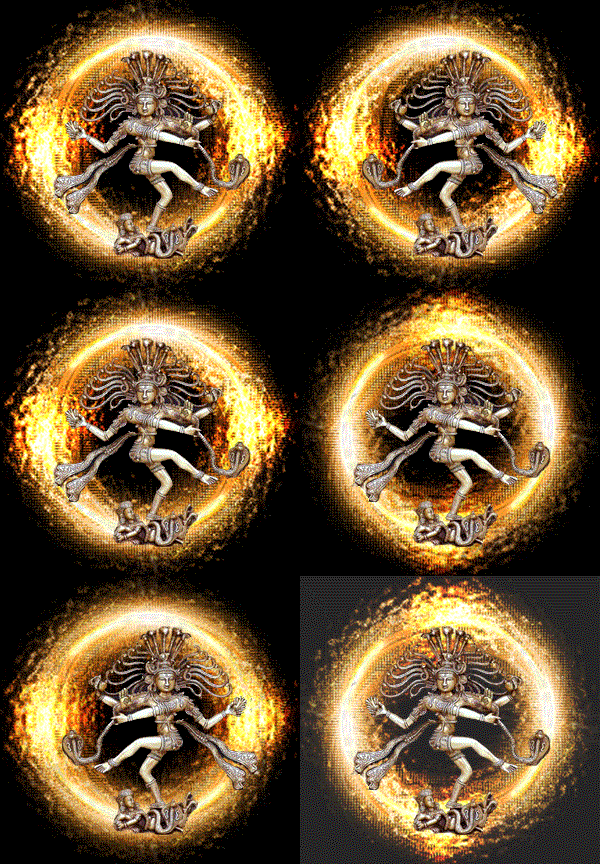
    This can be seen in the featured image of this article.

    Mamuni Maayon can also refer Lord Shiva.

    Shiva is reported to have founded Tamil Language with Agastya.

    The Tholkapiyam Poem .

    ро╡роЯ ро╡рпЗроЩрпНроХроЯроорпН родрпЖройрпН роХрпБрооро░ро┐

    роЖропро┐роЯрпИродрпН
    родрооро┐ро┤рпН роХрпВро▒рпБроорпН роиро▓рпН роЙро▓роХродрпНродрпБ
    ро╡ро┤роХрпНроХрпБроорпН роЪрпЖропрпНропрпБро│рпБроорпН роЖропро┐ро░рпБ роорпБродро▓ро┐ройрпН
    роОро┤рпБродрпНродрпБроорпН роЪрпКро▓рпНро▓рпБроорпН рокрпКро░рпБро│рпБроорпН роиро╛роЯро┐роЪрпН
    роЪрпЖроирпНродрооро┐ро┤рпН роЗропро▒рпНроХрпИ роЪро┐ро╡рогро┐роп роиро┐ро▓родрпНродрпКроЯрпБ
    роорпБроирпНродрпБ роирпВро▓рпН роХрогрпНроЯрпБ роорпБро▒рпИрокрпНрокроЯ роОрогрпНрогро┐рокрпН
    рокрпБро▓роорпН родрпКроХрпБродрпНродрпЛройрпЗ рокрпЛроХрпНроХрпБ роЕро▒рпБ рокройрпБро╡ро▓рпН
    роиро┐ро▓роорпН родро░рпБ родро┐ро░рпБро╡ро┐ройрпН рокро╛рогрпНроЯро┐ропройрпН роЕро╡рпИропродрпНродрпБ
    роЕро▒роорпН роХро░рпИ роиро╛ро╡ро┐ройрпН роиро╛ройрпНрооро▒рпИ роорпБро▒рпНро▒ро┐роптАМ
    роЕродроЩрпНроХрпЛроЯрпНроЯрпБ роЖроЪро╛ро▒рпНроХрпБ роЕро░ро┐ро▓рпН родрокродрпН родрпЖро░ро┐роирпНродрпБ
    рооропроЩрпНроХро╛ рооро░рокро┐ройрпН роОро┤рпБродрпНродрпБ роорпБро▒рпИ роХро╛роЯрпНроЯро┐
    рооро▓рпНроХрпБ роирпАро░рпН ро╡ро░рпИрокрпНрокро┐ройрпН┬ароРроирпНродро┐ро░роорпН┬ароиро┐ро▒рпИроирпНродтАМ
    родрпКро▓рпНроХро╛рокрпНрокро┐ропройрпН
    ┬ароОройродрпН родройрпН рокрпЖропро░рпН родрпЛро▒рпНро▒ро┐рокрпН
    рокро▓рпН рокрпБроХро┤рпН роиро┐ро▒рпБродрпНрод рокроЯро┐роорпИропрпЛройрпЗ..

    *There is another view.

    ‘Aindhiram is an ancient book on the science of vasthu sathra and tamil grammer – connected with Tholkappiyam┬а .It had two volumes.Unfortunately the volume one which deals with the phenetics of tamil grammer associated with Tholkappiyam (this volume of book was called ‘ANIDRA’) is lost in the course of history ,all that is remaining with us is an scientific book on vasthu sathra.

    Who is Mamumi Mayan?
    Mamuni mayan was a famous sidhar ,multi talented geek ,architect , ancient scientist┬а and the author of Aindhiram..he appears in Ramayana and Mahabharatha also..he is the son of Diti and Kashyapa (a sabdhamaharishi)..Mayan was very close with pandiya king and helped him build the Pandiya mahasabha (which was supposed to be so grand with lot of cool interiors ,it was one of the testimony of Pandiyas excellence in architecture-and the brain behind that brilliance was Mamuni Mayan…if I am right this mahasabha was destroyed by some invader )┬а
    P. S. Mayan was the father in law of Ravana, father of Mandodari…’

    Mamuni Maayon can also refer Lord Shiva.

    Shiva is reported to have founded Tamil Language with Agastya.

    (┬аhttps://www.quora.com/What-is-the-mystery-that-our-ancient-literary-work-Aindhiram-роРроирпНродро┐ро▒роорпН-reveals-to-us┬а)

  • From Porn To Philosophy Bhartrhari Shrungara Neethi Sataka

    It is a fact that one who holds extreme views swings to the other extreme.

    On can find examples of this especially in the case of Theists and Atheists.

    Die-hard Theist becomes an Atheist overnight ┬аand an Atheist becomes ┬аan ardent devotee.

    I have seen this.

    In the case of the former the switch is because his wish is not fulfilled or problem ┬аnot solved, while in the latter the reverse happens to be true.

    Fact is nothing changes especially one’s results of one’s actions, be an Atheist or a Firm believer.

    But the transition from one to state to another is interesting especially an Atheist turning into a staunch believer.

    I recall one of my conversations with the Late Kavignar Kannadasan, Poet Laureate.

    Kannadasan was an atheist and attacked Hinduism virulently.

    Then he became a staunch believer especially of Lord Krishna.

    While we were talking at his Hensman Road residence,T.Nagar, Chennai the talk came around to his becoming a believer.

    He narrated the sequence of events that changed his life, from an Atheist to a believer.

    I told him that though he had written very good film songs and good Tamil literature, it is those songs which he wrote after becoming a Theist have made him immortal .

    For example, the song ‘Pullankuzhal Kodutha Moongilkale’ on Krishna is a poem that defy all the known rules of Tamil and Sanskrit Grammar in terms of expressing thoughts in a form of analogy yet with pregnant with meaning.

    One’s words become powerful if he is spiritual.

    The words

    ‘Arise, Awake, Stop not till you succeed’

    are very simple.

    But the power it packed when ┬аSwami Vivekananda uttered them made those words the key words for self confidence.?

    Such is the power of spirituality.

    There was a King who, immersed in Sex wrote , The Art and Of Romance and Sex, after enlightenment , produced great Philosophical treatises.

    He was Bharthruhari, King of Ujjain , India.

    He wrote,

    • the V─Бkyapad─лya, on Sanskrit grammar and linguistic philosophy, a foundational text in the Indian grammatical tradition, explaining numerous theories on the word and on the sentence, including theories which came to be known under the name of Sphoс╣нa; in this work Bhartrhari also discussed logical problems such as the liar paradox and a paradox of unnameability or unsignfiability which has become known as Bhartrhari’s paradox, and
    • the ┼Ъatakatraya, a work of Sanskrit poetry, comprising three collections of about 100 stanzas each; it may or may not be by the same author who composed the two mentioned grammatical works.

    Bhartrihari’s poetry is aphoristic, and comments on the social mores of the time. The collected work is known as ┼Ъatakatraya “the three ┼Ыatakas or ‘hundreds’ (‘centuries’)”, consisting of three thematic compilations on shringara, vairagya and niti (loosely: love, dispassion and moral conduct) of hundred verses each.


    Here is a sample that comments on social mores:

    yasy─Бsti vittaс╣Г sa naraс╕е kul─лnaс╕е
    sa paс╣Зс╕Нitaс╕е sa ┼Ыrutav─Бn guс╣Зaj├▒aс╕е
    sa eva vakt─Б sa ca dar┼Ыan─лyaс╕е
    sarve guс╣Зaс╕е k─Б├▒canam ─Б┼Ыrayanti (#51)
    A man of wealth is held to be high-born
    Wise scholarly and discerning
    Eloquent and even handsome тАФ
    All virtues are accessories to gold!

    Neethi Satakam.

    Criticism of fools (moorkhanindaa)
    рдЕрдЬреНрдЮрдГ рд╕реБрдЦрдорд╛рд░рд╛рдзреНрдпрдГ
    рд╕реБрдЦрддрд░рдорд╛рд░рд╛рдзреНрдпреНрддреЗ рд╡рд┐рд╢реЗрд╖рдЬреНрдЮ: ред
    рдЬреНрдЮрд╛рдирд▓рд╡рджреБрд░реНрд╡рд┐рджрдЧреНрдзрдВ
    рдмреНрд░рд╣реНрдорд╛рдкрд┐ рдирд░рдВ рди рд░рдЮреНрдЬрдпрддрд┐ рее
    Ajjnah sukhamaaraadhyah
    sukhataramaaraadhyate visheshajjnah.
    Jnaanalavadurvidagdham
    brahmaapi naram na ranjayati 1.2.

    The ignorant one is easily convinced. It is easier to convince a really knowledgeable person. But even the Creator himself will not be able to convince a fool who, with his half-baked knowledge, thinks that he is the wisest person in the world.

    рд╕реНрд╡рд╛рдпрддреНрддрдореЗрдХрд╛рдиреНрддрдЧреБрдгрдВ рд╡рд┐рдзрд╛рддреНрд░рд╛
    рд╡рд┐рдирд┐рд░реНрдорд┐рддрдВ рдЫрд╛рджрдирдордЬреНрдЮрддрд╛рдпрд╛рдГ ред
    рд╡рд┐рд╢реЗрд╖рддрдГ рд╕рд░реНрд╡рд╡рд┐рджрд╛рдВ рд╕рдорд╛рдЬреЗ
    рд╡рд┐рднреВрд╖рдгрдВ рдореМрдирдордкрдгреНрдбрд┐рддрд╛рдирд╛рдореН рее
    Swaayattamekaantagunam vidhaatraa
    vinirmitam chchhaadanamajjnataayaah.
    Visheshatah sarvavidaam samaaje
    vibhooshanam maunamapanditaanaam 1.6.

    Brahma has created a unique quality, which is available to any one, for covering oneтАЩs ignorance. This quality is silence. Especially in an assembly of all-knowing wise men, silence becomes the adornment of fools since it keeps their ignorance from coming to light.

    рдпрджрд╛ рдХрд┐рдЮреНрдЪрд┐рдЬреНрдЮреЛрд╜рд╣рдВ рджреНрд╡рд┐рдк рдЗрд╡ рдорджрд╛рдиреНрдзрдГ рд╕рдорднрд╡рдВ
    рддрджрд╛ рд╕рд░реНрд╡рдЬреНрдЮреЛрд╜рд╕реНрдореАрддреНрдпрднрд╡рджрд╡рд▓рд┐рдкреНрддрдВ рдордо рдордирдГ ред
    рдпрджрд╛ рдХрд┐рдЮреНрдЪрд┐рддреН рдХрд┐рдЮреНрдЪрд┐рддреН рдмреБрдзрдЬрдирд╕рдХрд╛рд╢рд╛рджрд╡рдЧрддрдВ
    рддрджрд╛ рдореВрд░реНрдЦреЛрд╜рд╕реНрдореАрддрд┐ рдЬреНрд╡рд░ рдЗрд╡ рдорджреЛ рдореЗ рд╡реНрдпрдкрдЧрддрдГ рее
    Yadaa kimchijjnoтАЩham dwipa iva madaandhah samabhavam
    Tadaa sarvajnoтАЩsmeetyabhavadavaliptam mama manah
    Yadaa kimchit kimchit budhajanasakaashaadavagatam,
    Tadaa moorkhoтАЩsmeeti jwara iva mado me vyapagatah 1.7

    When I had a little knowledge I was blind with conceit like a rutty elephant. I thought I was all-knowing and my vanity was great. Then, gradually, by virtue of my association with wise men, it dawned on me that knowledge was a vast ocean. My intoxication vanished like a fever and I realized that I was really a fool.

    рд╢рдХреНрдпреЛ рд╡рд╛рд░рдпрд┐рддреБрдВ рдЬрд▓реЗрди рд╣реБрддрднреБрдХреН рдЫрддреНрд░реЗрдг рд╕реВрд░реНрдпрд╛рддрдкреЛ
    рдирд╛рдЧреЗрдиреНрджреНрд░реЛрдирд┐рд╢рд┐рддрд╛рдВрдХреБрд╢реЗрди рд╕рдорджреЛ рджрдгреНрдбреЗрди рдЧреМрд░реНрдЧрд░реНрджрднрдГ ред
    рд╡реНрдпрд╛рдзрд┐рд░реНрднреЗрд╖рдЬрд╕рдВрдЧреНрд░рд╣реИрд╢реНрдЪ рд╡рд┐рд╡рд┐рдзреИрдГ рдордиреНрддреНрд░рдкреНрд░рдпреЛрдЧреИрд░реНрд╡рд┐рд╖рдВ
    рд╕рд░реНрд╡рд╕реНрдпреМрд╖рдзрдорд╕реНрддрд┐ рд╢рд╛рд╕реНрддреНрд░рд╡рд┐рд╣рд┐рддрдВ рдореВрд░реНрдЦрд╕реНрдп рдирд╛рд╕реНрддреНрдпреМрд╖рдзрдореН рее
    shakyo vaarayitum jalena hutabhuk chchhatrena sooryaatapo
    Naagendro nishitaankushena samado dandena gourgardabhah
    Vyaadhirbheshajasangrahaishcha vividhaih mantraprayogairvisham
    Sarvasyaushadhamasti shaastravihitam moorkhasya naastyaushadham 1.10

    Fire can be put out by water. An umbrella can be used as protection from the sun. The rutty elephant can be controlled with an ankush (a weapon with a sharp hook at one end used by a mahout). A cow or donkey can be herded with a stick. A disease can be treated with medicines. Poison can be counteracted by chanting mantras. There is a remedy for everything prescribed in the shaastras. But there is no remedy for the fool.

    Praise of the learned and the wise (vidwatprashamsaa)
    рд╣рд░реНрддреБрд░реНрдпрд╛рддрд┐ рди рдЧреЛрдЪрд░рдВ рдХрд┐рдордкрд┐ рд╢рдВ рдкреБрд╖реНрдгрд╛рддрд┐рдпрд╕реНрд╕рд░реНрд╡рджрд╛-
    рд╣реНрдпрд░реНрдерд┐рднреНрдпрдГ рдкреНрд░рддрд┐рдкрд╛рджреНрдпрдорд╛рдирдордирд┐рд╢рдВ рдкреНрд░рд╛рдкреНрдиреЛрддрд┐ рд╡реГрджреНрдзрд┐рдВ рдкрд░рд╛рдВ ред
    рдХрд▓реНрдкрд╛рдиреНрддреЗрд╖реНрд╡рдкрд┐ рди рдкреНрд░рдпрд╛рддрд┐ рдирд┐рдзрдирдВ рд╡рд┐рджреНрдпрд╛рдЦреНрдпрдордиреНрддрд░реНрдзрдирдВ
    рдпреЗрд╖рд╛рдВ рддрд╛рдиреН рдкреНрд░рддрд┐ рдорд╛рдирдореБрдЮреНрдЭрдд рдиреГрдкрд╛рдГ рдХрд╕реНрддреИрд╕реНрд╕рд╣ рд╕реНрдкрд░реНрдзрддреЗ рее
    Harturyaati na gocharam kimapi sham pushnaati yatsarvadaa
    Hyarthibhyah pratipaadyamaanamanisham praapnoti vriddhim paraam
    Kalpaanteshwapi na prayaati nidhanam vidyaakhyamantardhanam
    Yeshaam taan prati maanamujjhatha nripaah kastaissaha spardhate 1.14

    It is not visible to the thief. It always bestows on the possessor joy and happiness. The more it is imparted to those who want it the more it increases. Even after ages it never perishes. It is vidya (learning, knowledge) which is an internal wealth. O Kings! Do not pride yourselves before those who possess such wealth of knowledge. Who can compete with them?

    рдХреЗрдпреВрд░рд╛рдгрд┐ рди рднреВрд╖рдпрдиреНрддрд┐ рдкреБрд░реБрд╖рдВ рд╣рд╛рд░рд╛ рди рдЪрдВрджреНрд░реЛрдЬреНрдЬреНрд╡рд▓рд╛
    рди рд╕реНрдирд╛рдирдВ рди рд╡рд┐рд▓реЗрдкрдирдВ рди рдХреБрд╕реБрдордВ рдирд╛рд▓рдВрдХреГрддрд╛рдГ рдореВрд░реНрдзрдЬрд╛рдГ ред
    рд╡рд╛рдгреНрдпреЗрдХрд╛ рд╕рдорд▓рдВрдХрд░реЛрддрд┐ рдкреБрд░реБрд╖рдВ рдпрд╛ рд╕рдВрд╕реНрдХреГрддрд╛ рдзрд╛рд░реНрдпрддреЗ
    рдХреНрд╖реАрдпрдиреНрддреЗрд╜рдЦрд┐рд▓рднреВрд╖рдгрд╛рдирд┐ рд╕рддрддрдВ рд╡рд╛рдЧреНрднреВрд╖рдгрдВ рднреВрд╖рдгрдореН рее
    Keyooraani na bhooshayanti purusham haaraa na chandrojjwalaa
    Na snaanam na vilepanam na kusumam naalamkritaa moordhajaah
    Vaanyekaa samalankaroti purusham yaa samskritaa dhaaryate
    KsheeyanteтАЩkhila bhooshanaani satatam vagbhooshanam bhooshanam 1.18

    Glittering gold and diamond ornaments, bathing, sandal wood paste for the body, flowers and adornments for the head do not really embellish a person. The greatest adornment of a person is refined and soft speech. All other articles of adornment pale into insignificance before such speech.

    рдХреНрд╖рд╛рдиреНрддрд┐рд╢реНрдЪреЗрддреНрдХрд╡рдЪреЗрдирдХрд┐рдВ? рдХрд┐рдорд░рд┐рднрд┐рдГ рдХреНрд░реЛрдзреЛрд╜рд╕реНрддрд┐рдЪреЗрджреНрджреЗрд╣рд┐рдирд╛рдВ
    рдЬреНрдЮрд╛рддрд┐рд╢реНрдЪреЗрджрдирд▓реЗрди рдХрд┐рдВ? рдпрджрд┐ рд╕реБрд╣реГрддреН рджрд┐рд╡реНрдпреМрд╖рдзреИрдГ рдХрд┐рдВ рдлрд▓рдореН ?ред
    рдХрд┐рдВ рд╕рд░реНрдкреИрд░реНрдпрджрд┐рджреБрд░реНрдЬреНрдЬрдирд╛рдГ рдХрд┐рдореБ рдзрдиреИрд░реНрд╡рд┐рджреНрдпрд╛рдирд╡рджреНрдпрд╛ рдпрджрд┐
    рд╡реНрд░реАрдбрд╛ рдЪреЗрддреНрдХрд┐рдореБрднреВрд╖рдгреИрдГ рд╕реБрдХрд╡рд┐рддрд╛ рдпрджреНрдпрд╕реНрддрд┐ рд░рд╛рдЬреНрдпреЗрди рдХрд┐рдВ ?
    Kshaantishchet kavachena kim? Kimaribhih krodhosticheddehinaam
    Jnaatishchedanalena kim? Yadi suhrit divyaushadhaih kim phalam
    Kim sarpairyadi durjanaah kimu dhanairvidyaanavadyaa yadi
    Vreedaa chetkimu bhooshanaih sukaviataa yadyasti raajyena kim 1.20

    If one has patience (endurance) what is the use of a shield? If one has anger what if enemies are there, anger being the greatest enemy. If a person has relatives he should not worry about fire because the relatives will generate enough heat for him. If one has a friend that friend will do the work of highly effective medicines. If one is in the company of evil men, such evil men will do the work of a poisonous snake. If one has unblemished learning there is no use of wealth as learning is inexhaustible wealth. If one has shyness (modesty) gold and diamond adornments are of no use. If one has beautiful and ennobling poems and literature, the resultant happiness is more than having a kingdom.

    Praise of self-respect and valour (maanashaurya prashamsaa)
    рджрд╛рдХреНрд╖рд┐рдгреНрдпрдВ рд╕реНрд╡рдЬрдиреЗ рджрдпрд╛ рдкрд░рд┐рдЬрдиреЗ рд╢рд╛рдареНрдпрдВ рд╕рджрд╛ рджреБрд░реНрдЬрдиреЗ
    рдкреНрд░реАрддрд┐рд╕реНрд╕рд╛рдзреБрдЬрдиреЗ рдирдпреЛ рдиреГрдкрдЬрдиреЗ рд╡рд┐рджреНрд╡рдЬреНрдЬрдиреЗрд╖реНрд╡рд╛рд░реНрдЬрд╡рдореН ред
    рд╢реМрд░реНрдпрдВ рд╢рддреНрд░реБрдЬрдиреЗ рдХреНрд╖рдорд╛ рдЧреБрд░реБрдЬрдиреЗ рдХрд╛рдиреНрддрд╛рдЬрдиреЖ рдзреГрд╖реНрдЯрддрд╛
    рдпреЗ рдЪреИрд╡рдВ рдкреБрд░реБрд╖рд╛рдГ рдХрд▓рд╛рд╕реБ рдХреБрд╢рд▓рд╛рдГ рддреЗрд╖реНрд╡реЗрд╡ рд▓реЛрдХрд╕реНрдерд┐рддрд┐рдГ рее
    Daakshinyam swajane dayaa parijane shaathyam sadaa durjane
    Preetih saadhujane nayo nripajane vidwajjaneshwaarjavam
    Shauryam shatrujane kshamaa gurujane kaantaajane dhrishtataa
    Ye chaivam purushaah kalaasu kushalaasteshweva lokasthitih 1.21

    Those who are skilled in the art of interpersonal relationships show generosity towards relatives, kindness to servants, severity to evil men, devotion to saintly persons, diplomacy towards kings, straightforwardness where learned persons are concerned, valour towards enemies, patience towards elders and tactfulness with women. The world depends on the skill of such people.

    рдкреНрд░рд╛рд░рднреНрдпрддреЗ рди рдЦрд▓реБ рд╡рд┐рдШреНрдирднрдпреЗрди рдиреАрдЪреИрдГ
    рдкреНрд░рд╛рд░рднреНрдп рд╡рд┐рдШреНрдирд╡рд┐рд╣рддрд╛ рд╡рд┐рд░рдордиреНрддрд┐ рдордзреНрдпрд╛рдГ ред
    рд╡рд┐рдШреНрдиреИрдГ рдкреБрдирдГ рдкреБрдирд░рдкрд┐ рдкреНрд░рддрд┐рд╣рдиреНрдпрдорд╛рдирд╛рдГ
    рдкреНрд░рд╛рд░рдмреНрдзрдореБрддреНрддрдордЧреБрдгрд╛ рди рдкрд░рд┐рддреНрдпрдЬрдиреНрддрд┐ рее
    Prarabhyate na khalu vighnabhayena neechaih
    Praarabhya vighnavihataa viramanti madhyaah
    Vighnaih punah punarapi pratihanyamaanaah
    Prarabdhamuttama janaah na parityajanti 1.26

    There are three categories of persons who contemplate an undertaking. At the lowest level are those who never start off for fear of encountering obstacles. Those at the middle level start the project but, at the first sign of obstacles, withdraw themselves from the endeavour. At the top level are those who, in spite of repeated obstacles, persist in their endeavour until they take the undertaking to a successful conclusion.

    рдХреНрд╖реБрддреНрдХреНрд╖рд╛рдореЛрд╜рдкрд┐ рдЬрд░рд╛рдХреГрд╢реЛрд╜рдкрд┐ рд╢рд┐рдерд┐рд▓рдкреНрд░рд╛рдпреЛрд╜рдкрд┐ рдХрд╖реНрдЯрд╛рдВрджрд╢рд╛-
    рдорд╛рдкрдиреНрдиреЛрд╜рдкрд┐ рд╡рд┐рдкрдиреНрди рджреАрдзрд┐рддрд┐рд░рдкрд┐ рдкреНрд░рд╛рдгреЗрд╖реБ рдирд╢реНрдпрддреНрд╕реНрд╡рдкрд┐ ред
    рдорддреНрддреЗрднреЗрдиреНрджреНрд░ рд╡рд┐рднрд┐рдиреНрди рдХреБрдВрдн рдХрд╡рд│ рдЧреНрд░рд╛рд╕реИрдХ рдмрджреНрдзрд╕реНрдкреБрд╣:
    рдХрд┐рдВ рдЬреАрд░реНрдгрдВ рддреГрдгрдорддреНрддрд┐ рдорд╛рдирдорд╣рддрд╛рдордЧреНрд░реЗрд╕рд░ рдХреЗрд╕рд░реА рее
    KshutkshaamoтАЩpi jaraakrishoтАЩpi shithilapraayoтАЩpi kashtaamdashaa-
    MaapannoтАЩpi vipannadeedhitirapi praaneshu nashyatswapi
    Mattebhendra-vibhinna-kumbha-kavala-graasaika-baddha-sprihah
    Kim jeernam trinamatti maanamahataamagresara kesaree 1.28

    The Lion, King of the forest, who breaks the head of the elephant and bites into its flesh to satisfy his hunger, will never stoop to the level of eating dry grass. He may be famished by hunger and weakened by old age. His limbs may have lost their flexibility and his condition may be miserable and even his life may be ebbing out of his body. But he will never do anything which is beneath his dignity and majesty as the King of the forest. Similar is the nature of men of substance and majesty.

    рд╕реНрд╡рд▓реНрдкрд╕реНрдирд╛рдпреБ рд╡рд╕рд╛рд╡рд╕реЗрдХрдорд▓рд┐рдирдВ рдирд┐рд░реНрдорд╛рдВрд╕рдордкреНрдпрд╕реНрдерд┐рдХрдВ
    рд╢реНрд╡рд╛ рд▓рдмреНрдзреНрд╡рд╛ рдкрд░рд┐рддреЛрд╖рдореЗрддрд┐ рди рддреБ рддрддреНрддрд╕реНрдп рдХреНрд╖реБрдзрд╛ рд╢рд╛рдиреНрддрдпреЗред
    рд╕рд┐рдВрд╣реЛ рдЬрдореНрдмреБрдХрдордВрдЧрдорд╛рдЧрддрдордкрд┐ рддреНрдпрдХреНрддреНрд╡рд╛ рдирд┐рд╣рдиреНрддрд┐ рджреНрд╡рд┐рдкрдВ
    рд╕рд░реНрд╡рдГ рдХреГрдЪреНрдЫреНрд░рдЧрддреЛрд╜рдкрд┐ рд╡рд╛рдЮреНрдЭрддрд┐ рдЬрдирдГ рд╕рддреНрд╡рд╛рдиреБрд░реВрдкрдВ рдлрд▓рдореН рее
    Swalpa-snaayu-vasaavaseka-malinam nirmamsamapyasthikam
    Shwaa labdhwaa paritoshameti na tu tattasya kshudhaa shaantaye
    Simho jambukamankamaagatamapi tyaktwaa nihanti dwipam
    Sarvah krichchhragatoтАЩpi vaajnchchhati janah satwaanuroopam phalam 1.29

    The dog is satisfied with a piece of bare bone which is dirty with a little blood and fatty substance on it though it is not sufficient to satisfy its hunger. The lion, on the other hand, ignores the jackal within its reach and kills a mighty elephant for his meal. Men of majesty, though passing through a difficult period of their life, do not want to compromise their dignity and will accept only something befitting their dignity and strength.

    рдкрд░рд┐рд╡рд░реНрддрд┐рдирд┐ рд╕рдВрд╕рд╛рд░реЗ рдореГрддрдГ рдХреЛ рд╡рд╛ рди рдЬрд╛рдпрддреЗред
    рд╕ рдЬрд╛рддреЛ рдпреЗрди рдЬрд╛рддреЗрди рдпрд╛рддрд┐ рд╡рдВрд╢рдГ рд╕рдореБрдиреНрдирддрд┐рдореН рее
    Parivartini samsaare mritah ko vaa na jaayate
    Sa jaato yena jaatena yaati vamshah samunnatim 1.31

    In this world of constant change who does not take birth after one dies ? But one who takes his clan to greater heights is the one really born.

    рд╕рд┐рдВрд╣рд╢реНрд╢рд┐рд╢реБрд░рдкрд┐ рдирд┐рдкрддрддрд┐ рдорджрдорд▓рд┐рдирдХрдкреЛрд▓рднрд┐рддреНрддрд┐рд╖реБ рдЧрдЬреЗрд╖реБ ред
    рдкреНрд░рдХреГрддрд┐рд░рд┐рдпрдВ рд╕рддреНрддреНрд╡рд╡рддрд╛рдВ рди рдЦрд▓реБ рд╡рдпрд╕реНрддреЗрдЬрд╕реЛ рд╣реЗрддреБрдГрее
    Simhashshishurapi nipatati madamalinakapolabhittishu gajeshu
    Prakritiriyam sattwavataam na khalu vayastejaso hetuh 1.36

    Even a lion cub attacks a rutty elephant and breaks its head. This is the nature of men of strength and majesty. Age does not affect their prowess.

    Praise of wealth (Dravya prashamsaa)
    рдЬрд╛рддрд┐рд░реНрдпрд╛рддреБ рд░рд╕рд╛рддрд▓рдВ рдЧреБрдгрдЧрдгрд╛рд╕реНрддрд╕реНрдпрд╛рдкреНрдпрдзреЛ рдЧрдЪреНрдЫрддрд╛рдВ
    рд╢реАрд▓рдВ рд╢реИрд▓рддрдЯрд╛рддреНрдкрддрддреНрд╡рднрд┐рдЬрдиреЛ рд╕рдВрджрд╣реНрдпрддрд╛рдВ рд╡рд╣реНрдирд┐рдирд╛ ред
    рд╢реМрд░реНрдпреЗ рд╡реИрд░рд┐рдгрд┐ рд╡рдЬреНрд░рдорд╛рд╢реБрдирд┐рдкрддрддреНрд╡рд░реНрдереЛрд╜рд╕реНрддреБ рдирдГ рдХреЗрд╡рд▓рдВ
    рдпреЗрдиреИрдХреЗрди рд╡рд┐рдирд╛ рдЧреБрдгрд╛рд╕реНрддреГрдгрд▓рд╡рдкреНрд░рд╛рдпрд╛рд╕реНрд╕рдорд╕реНрддрд╛ рдЗрдореЗ рее
    Jaatiryaatu rasaatalam gunaganastasyaapyadho gachchhataam
    Sheelam shailatataatpatatwabhijanaah sandahyataam vahninaa
    Shourye vairini vajramaashu nipatatwarthostu na kevalam
    Yenaikena vinaa gunaastrinalavapraayaah samastaah ime 1.38

    Let the jaati (caste, occupation) sink to the nether world. Let all good qualities go down deeper still. Let good conduct fall from the top of a hill. Let all relatives be burnt in a fire. Let valour against the enemy be struck by thunderbolt. Let us have only wealth (money). Without money all good qualities are nothing more than a bundle of grass.

    рдпрд╕реНрдпрд╛рд╕реНрддрд┐ рд╡рд┐рддреНрддрдВ рд╕ рдирд░рдГ рдХреБрд▓реАрдирдГ
    рд╕ рдкрдгреНрдбрд┐рддрдГ рд╕ рд╢реНрд░реБрддрд╡рд╛рдиреН рдЧреБрдгрдЬреНрдЮрдГред
    рд╕ рдПрд╡ рд╡рдХреНрддрд╛ рд╕ рдЪ рджрд░реНрд╢рдиреАрдпрдГ
    рд╕рд░реНрд╡реЗрдЧреБрдгрд╛рдГ рдХрд╛рдЮреНрдЪрдирдорд╛рд╢реНрд░рдпрдиреНрддрд┐рее
    Yasyaasti vittam sa narah kuleenah sa panditah sa shrutavaan gunajnah
    Sa eva vaktaa sa cha darshaneeyah, sarve gunaah kaanchanamaashrayanti 1.40

    If one has wealth he is considered born of a good family. He is learned, he recognizes good qualities, he is an orator, he is handsome etc. All these qualities are attributed to a man possessing wealth whether or not these qualities actually reside in him.

    рджрд╛рдирдВ рднреЛрдЧреЛ рдирд╛рд╢рд╕реНрддрд┐рд╕реНрд░реЛрдЧрддрдпреЛ рднрд╡рдиреНрддрд┐ рд╡рд┐рддреНрддрд╕реНрдп ред
    рдпреЛ рди рджрджрд╛рддрд┐ рди рднреБрдЩреНрдХреНрддреЗ рддрд╕реНрдп рддреГрддреАрдпрд╛ рдЧрддрд┐рд░реНрднрд╡рддрд┐ рее
    Daanam bhogo naashastisrogatayo bhavanti vittasya
    Yo na dadaati na bhungkte tasya triteeyaa gatirbhavati. 1.42

    Giving to others, enjoying oneself or losing it тАУ these are the only ways for utilising wealth. If one does not give to others or enjoy himself, it will result in the third course i.e. loss of wealth (either by theft, deceit, fire or squandering).

    рд░рд╛рдЬрдиреН рджреБрдзреБрдХреНрд╖рд╕рд┐ рдпрджрд┐ рдХреНрд╖рд┐рддрд┐рдзреЗрдиреБрдореЗрдирд╛рдВ
    рддреЗрдирд╛рджреНрдпрд╡рддреНрд╕рдорд┐рд╡ рд▓реЛрдХрдордореБрдВ рдкреБрд╖рд╛рдг ред
    рддрд╕реНрдорд┐рдВрд╢реНрдЪ рд╕рдореНрдпрдЧрдирд┐рд╢рдВ рдкрд░рд┐рдкреБрд╖реНрдпрдорд╛рдгреЗ
    рдирд╛рдирд╛ рдлрд▓рдВ рдлрд▓рддрд┐ рдХрд▓реНрдкрд▓рддреЗрд╡ рднреВрдорд┐рдГ рее
    Raajan dudhukshasi yadi kshitidhenumenaam,
    Tenaadya vatsamiva lokamamum pushaana
    Tasmishcha samyaganisham paripushyamaane
    Naanaaphalam phalati kalpalateva bhoomih 1.44

    O King! The earth (land) over which you rule is like a cow. If you want to milk the cow you should nourish the calf, your subjects, with the milk of the cow. If you do this always diligently the earth will yield you all its resources in abundance like a wish-yielding creeper (kalpalataa)

    рдЖрдЬреНрдЮрд╛ рдХреАрд░реНрддрд┐рдГ рдкрд╛рд▓рдирдВ рдмреНрд░рд╛рд╣реНрдордгрд╛рдирд╛рдВ
    рджрд╛рдирдВ рднреЛрдЧреЛ рдорд┐рддреНрд░рд╕рдВрд░рдХреНрд╖рдгрдореН рдЪ ред
    рдпреЗрд╖рд╛рдореЗрддреЗ рд╖рдбреНрдЧреБрдгрд╛рдГ рди рдкреНрд░рд╡реГрддреНрддрд╛:
    рдХреЛрд╜рд░реНрдерд╕реНрддреЗрд╖рд╛рдВ рдкрд╛рд░реНрдерд┐рд╡реЛрдкрд╛рд╢реНрд░рдпреЗрдг рее
    Aajnaa keertih paalanam brahmanaanaam
    Daanam bhogo mitrasamrakshanam cha
    Yeshaamete shadgunaah na pravruttaah
    KoтАЩrthasteshaam paarthivopaashrayena 1.47

    Power, fame, care of brahmins, charity, enjoyment of the fruits of wealth and protection of oneтАЩs friends тАУ if these six are not in a person serving the king, then what is the use of being in the service of the king?

    рд░реЗ рд░реЗ рдЪрд╛рддрдХ! рд╕рд╛рд╡рдзрд╛рдирдордирд╕рд╛ рдорд┐рддреНрд░ рдХреНрд╖рдгрдВ рд╢реНрд░реВрдпрддрд╛рдВ
    рдЕрдВрднреЛрджрд╛ рдмрд╣рд╡реЛ рд╣рд┐ рд╕рдиреНрддрд┐ рдЧрдЧрдиреЗ рд╕рд░реНрд╡реЗрд╜рдкрд┐ рдиреИрддрд╛рджреГрд╢рд╛рдГ ред
    рдХреЗрдЪрд┐рджреНрд╡реГрд╖реНрдЯрд┐рднрд┐рд░рд╛рд░реНрджреНрд░рдпрдиреНрддрд┐ рд╡рд╕реБрдзрд╛рдВ рдЧрд░реНрдЬрдиреНрддрд┐ рдХреЗрдЪрд┐рддреН рд╡реГрдерд╛
    рдпрдВ рдпрдВ рдкрд╢реНрдпрд╕рд┐ рддрд╕реНрдп рддрд╕реНрдп рдкреБрд░рддреЛ рдорд╛ рдмреНрд░реВрд╣рд┐ рджреАрдирдВ рд╡рдЪ: рее
    Re re chataka saavadhaanamanasaa mitra kshanam shrooyataam
    Ambhodaa bahavo hi santi gagane sarveтАЩpi naitaadrushaah
    Kechit vrishtibhiraardrayanti vasudhaam garjanti kechit vruthaa
    Yam yam pashyasi tasya tasya purato maa broohi deenam vachah 1.50

    O Friend chaataka! Listen carefully to what I am saying. There are so many clouds in the sky but all of them are not of the same character. Some of them drench the earth with precious rain. Some others do nothing but thundering. They do not yield a drop of water. Therefore do not beg for water before every cloud you seen in the sky.

    [ Note: The legenday bird chataka is supposed to quench its thirst only from water from the clouds. Here clouds are the kings. And the chataka birds are those who want to make a living by serving the king. Here is advice to such persons that they should not approach all and sundry. Only a few kings are generous, others only boast of themselves but are stingy.]

    Criticism of evil men (durjana Nindaa )
    рдЕрдХрд░реБрдгрддреНрд╡рдордХрд╛рд░рдгрд╡рд┐рдЧреНрд░рд╣рдГ рдкрд░рдзрдиреЗ рдкрд░рдпреЛрд╖рд┐рддрд┐ рдЪ рд╕реНрдкреГрд╣рд╛ ред
    рд╕реНрд╡рдЬрдмрдиреНрдзреБрдЬрдиреЗрд╖реНрд╡рд╕рд╣рд┐рд╖реНрдгреБрддрд╛ рдкреНрд░рдХреГрддрд┐рд╕рд┐рджреНрдзрдорд┐рджрдВ рд╣рд┐ рджреБрд░рд╛рддреНрдордирд╛рдореН рее
    Akarunatwamakaaranavigrahah paradhane parayoshiti cha sprihaa
    Swajana bandhujaneshwasahishnutaa Prakritisiddhamidam hi duraatmanaam 1.51

    Cruelty, fighting with others for no reason whatsoever, desire for othersтАЩ wealth and women, jealousy at the prosperity of relatives and other family members тАУ men of evil mind are naturally endowed with these bad qualities.

    рджреБрд░реНрдЬрдирдГ рдкрд░рд┐рд╣рд░реНрддрд╡реНрдпреЛ рд╡рд┐рджреНрдпрдпрд╛рд╜рд▓рдВрдХреГрддреЛрд╜рдкрд┐ рд╕рдиреН ред
    рдордгрд┐рдирд╛ рднреВрд╖рд┐рддрдГ рд╕рд░реНрдкрдГ рдХрд┐рдорд╕реМ рди рднрдпрдВрдХрд░рдГ рее
    Durjanah parihartavyo vidyayaaтАЩlamkritoтАЩpi san
    Maninaa bhooshitah sarpah kimasau na bhayamkarah? 1.52

    Evil men should be avoided though they may be learned. Is a serpent adorned with a jewel (naaga maanikya) less frightening? [Note: Legend has it that good serpents have a luminous stone (maanikya) on top of their hood]

    рд▓реЛрднрд╢реНрдЪреЗрджрдЧреБрдгреЗрди рдХрд┐рдВ рдкрд┐рд╢реБрдирддрд╛ рдпрджреНрдпрд╕реНрддрд┐ рдХрд┐рдВ рдкрд╛рддрдХреИрдГ
    рд╕рддреНрдпрдВ рдЪреЗрддреНрддрдкрд╕рд╛ рдЪ рдХрд┐рдВ рд╢реБрдЪрд┐рдордиреЛ рдпрджреНрдпрд╕реНрддрд┐ рддреАрд░реНрдереЗрди рдХрд┐рдореНред
    рд╕реМрдЬрдиреНрдпрдВ рдпрджрд┐ рдХрд┐рдВ рдЬрдиреИрдГ рд╕реБрдорд╣рд┐рдорд╛ рдпрджреНрдпрд╕реНрддрд┐ рдХрд┐рдВ рдордгреНрдбрдиреИрдГ
    рд╕рджреНрд╡рд┐рджреНрдпрд╛ рдпрджрд┐ рдХрд┐рдВ рдзрдиреИрд░рдкрдпрд╢реЛ рдпрджреНрдпрд╕реНрддрд┐ рдХрд┐рдВ рдореГрддреНрдпреБрдирд╛ рее
    Lobhashchedagunena kim pishunataa yadyasti kim paatakaih
    Satyam chettapasaa cha kim shuchimano ydyasti teerthena kim
    Saujanyam yadi kim janaih sumahimaa yadyasti kim mandanaih
    Sadvidyaa yadi kim dhanairapayasho yadyasti kim mrityunaa 1.54

    If one has greed what is the need for other bad qualities? If one is a backbiter what is the need for evil deeds? If one has Truth what is the need for tapas? If one is pure of mind what is the need for teertha (holy rivers, lakes, sea etc.)? If one is of good conduct what is the need for friends ? If one has fame what is the use of ornaments? If one has right learning why does he need wealth? If one is infamous why does he need death? [ Note: The idea is that for one possessing the quality listed first, the quality listed second is redundant. The first quality is adequate without the second.]

    рдореМрдирд╛рдиреНрдореВрдХрдГ рдкреНрд░рд╡рдЪрдирдкрдЯреБрдГ рд╡рд╛рдЪрдХреЛ рдЬрд▓реНрдкрдХреЛ рд╡рд╛
    рдзреГрд╖реНрдЯрдГ рдкрд╛рд░реНрд╢реНрд╡реЗ рд╡рд╕рддрд┐ рдЪ рддрдерд╛ рджреВрд░рддрд╢реНрдЪрд╛рдкреНрд░рдЧрд▓реНрднрдГ ред
    рдХреНрд╖рд╛рдиреНрддреНрдпрд╛ рднреАрд░реБрд░реНрдпрджрд┐ рди рд╕рд╣рддреЗ рдкреНрд░рд╛рдпрд╢реЛ рдирд╛рднрд┐рдЬрд╛рдд:
    рд╕реЗрд╡рд╛рдзрд░реНрдо рдкрд░рдордЧрд╣рдиреЛ рдпреЛрдЧрд┐рдирд╛рдордкреНрдпрдЧрдореНрдпрдГ рее
    Maunaanmookah pravachanapatuh vaachako jalpako vaa
    Dhrushtah paarshwe vasati cha tathaa dooratashchaapragalbhah
    Kshaantyaa bheeruryadi na sahate praayasho naabhijaatah
    Sevaadharma paramagahano yoginaamapyagamyah 1.57

    Here the poet lists the difficulty of serving the King or other wealthy person. If the person serving is silent he is considered dumb. If he is a good orator he is dubbed a chatterbox or a babbler. If he stays near he is termed impudent. If he stays away he is called a fool. If he forgives he is timid. If he cannot endure he does not come from a good family. The duties of a servant are such that even yogis may find difficult to approach.

    рдЖрд░рдВрднрдЧреБрд░реНрд╡реА рдХреНрд╖рдпрд┐рдгреА рдХреНрд░рдореЗрдг
    рд▓рдШреНрд╡реА рдкреБрд░рд╛ рджреАрд░реНрдШрдореБрдкреИрддрд┐ рдкрд╢реНрдЪрд╛рддреН ред
    рджрд┐рдирд╕реНрдп рдкреВрд░реНрд╡рд╛рд░реНрдзрдкрд░рд╛рд░реНрдз рднрд┐рдиреНрдирд╛
    рдЫрд╛рдпреЗрд╡реЗ рдореМрддреНрд░реА рдЦрд▓рд╕рдЬреНрдЬрдирд╛рдирд╛рдореН рее
    Aaarambha gurvee kshayinee kramena
    Laghwee puraa deerghamupaiti pashchaat
    Dinasya poorvaardha paraardha bhinnaa
    Chchhaayeva maitree khalasajjanaanaam 1.59

    In the forenoon the shadow of a person is long as the Sun rises. It gradually becomes shorter until the Sun is at the zenith. In the afternoon the shadow is short to begin with but becomes gradually longer until the Sun sets. The friendship of evil men, like the shadow of the forenoon, is long to start with but gradually fizzles out. On the other hand, the friendship of good men is like the shadow of the afternoon. It is short to start with and gradually becomes longer(closer) over a period.

    рдореГрдЧрдореАрдирд╕рдЬреНрдЬрдирд╛рдирд╛рдВ
    рддреГрдгрдЬрд▓рд╕рдВрддреЛрд╖ рд╡рд┐рд╣рд┐рдд рд╡реГрддреНрддреАрдирд╛рдВ ред
    рд▓реБрдмреНрдзрдХ рдзреАрд╡рд░ рдкрд┐рд╢реБрдирд╛
    рдирд┐рд╖реНрдХрд╛рд░рдгрдореЗрд╡ рд╡реИрд░рд┐рдгреЛ рдЬрдЧрддрд┐ рее
    Mrigameenasajjanaanaam trinajalasantoshavihitavritteenaam
    Lubdhaka dheevara pishunaa nishkaaranameva vairino jagati 1.60

    Deer, fish and good men live on grass, water and contentment respectively. But the hunter, the fisherman and the backbiter, respectively, are their enemies without any reason. This is the nature of evil men.

    Praise of good men (sujanaprashamsa)
    рд╕рдВрдкрддреНрд╕реБ рдорд╣рддрд╛рдВ рдЪрд┐рддреНрддрдВ
    рднрд╡рддреНрдпреБрддреНрдкрд▓рдХреЛрдорд▓рдВ ред
    рдЖрдкрддреНрд╕реБ рдЪ рдорд╣рд╛рд╢реИрд▓-
    рд╢рд┐рд▓рд╛рд╕рдВрдШрд╛рдд рдХрд░реНрдХрд╢рдореН рее
    Sampatsu mahataam chittam bhavatyutpalakomalam
    Aapatsu cha mahaashaila shilaasanghaata karkasham 1.61

    In good times the heart of great men is soft as the petals of the lotus flower. In bad times, however, it becomes as hard as the rocks of the mountain.

    рд╡рд╛рдЮреНрдЭрд╛ рд╕рдЬреНрдЬрдирд╕рдВрдЧрддреМ рдкрд░рдЧреБрдгреЗ рдкреНрд░реАрддрд┐рд░реНрдЧреБрд░реМ рдирдореНрд░рддрд╛
    рд╡рд┐рджреНрдпрд╛рдпрд╛рдВ рд╡реНрдпрд╕рдирдВ рд╕реНрд╡рдпреЛрд╖рд┐рддрд┐ рд░рддрд┐рдГ рд▓реЛрдХрд╛рдкрд╡рд╛рджрд╛рддреН рднрдпрдореНред
    рднрдХреНрддрд┐рдГ рд╢реВрд▓рд┐рдирд┐ рд╢рдХреНрддрд┐рд░рд╛рддреНрдорджрдордиреЗ рд╕рдВрд╕рд░реНрдЧрдореБрдХреНрддрд┐рдГ рдЦрд▓реЗ-
    рд╖реНрд╡реЗрддреЗ рдпреЗрд╖реБ рд╡рд╕рдиреНрддрд┐ рдирд┐рд░реНрдорд▓рдЧреБрдгрд╛рд╕реНрддреЗрднреНрдпреЛ рдорд╣рджреНрднреНрдпреЛ рдирдордГ рее
    Vaajnjhaa sajjanasangatau paragune preetirgurau namrataa
    Vidyaayaam vyasanam swayoshiti ratih lokaapavaadaat bhayam
    Bhaktih shoolini shaktiraatmadamane samsargamuktih khale-
    shwete yeshu vasanti nirmalagunaastebhyo mahadbhyo namah 1.62

    salutations to those great men in whom reside such sterling qualities as the desire for friendship with the good, appreciation of good qualities in others, humility before the guru, thirst for knowledge, find conjugal pleasure in oneтАЩs own wife, fear of scandals about oneтАЩs character, devotion to Lord Shiva, power to control oneтАЩs mind and avoiding the company of evil men.

    рд╡рд┐рдкрджрд┐рдзреИрд░реНрдпрдордерд╛рднреНрдпреБрджрдпреЗ рдХреНрд╖рдорд╛
    рд╕рджрд╕рд┐ рд╡рд╛рдХреНрдкрдЯреБрддрд╛ рдпреБрдзрд┐ рд╡рд┐рдХреНрд░рдордГ ред
    рдпрд╢рд╕рд┐рдЪрд╛рднрд┐рд░реБрдЪрд┐рд░реНрд╡реНрдпрд╕рдирдВ рд╢реНрд░реБрддреМ
    рдкреНрд░рдХреГрддрд┐рд╕рд┐рджреНрдзрдорд┐рджрдВ рд╣рд┐ рдорд╣рд╛рддреНрдордирд╛рдореН рее
    Vipadi dhairyamathaabhyudaye kshamaa
    Sadasi vaakpatutaa yudhi vikramah
    Yashasi chaabhiruchirvyasanam shrutau
    Prakriti siddhamidam hi mahaatmanaam 1.63

    Great men are naturally endowed with such qualities as courage in times of misfortune, patience when the times are good, oratory skills in an assembly, valour in battle, desire to earn fame and addiction to acquisition of knowledge.

    рд╕рдВрддрдкреНрддрд╛рдпрд╕рд┐ рд╕рдВрд╕реНрдерд┐рддрд╕реНрдп рдкрдпрд╕реЛ рдирд╛рдорд╛рдкрд┐ рди рд╢реНрд░реВрдпрддреЗ
    рдореБрдХреНрддрд╛рдХрд╛рд░рддрдпрд╛ рддрджреЗрд╡ рдирд▓рд┐рдиреАрдкрддреНрд░рд╕реНрдерд┐рддрдВ рд░рд╛рдЬрддреЗ ред
    рдордзреНрдпреЗ рд╕рд╛рдЧрд░рд╢реБрдХреНрддрд┐рдордзреНрдпрдкрддрд┐рддрдВ рддрдиреНрдореМрдХреНрддрд┐рдХрдВ рдЬрд╛рдпрддреЗ
    рдкреНрд░рд╛рдпреЗрдгрд╛рдзрдо рдордзреНрдпрдореЛрддреНрддрдордЧреБрдирд╛рдГ рд╕рдВрд╕рд░реНрдЧрддреЛ рджреЗрд╣рд┐рдирд╛рдореН рее
    Santaptaayasi samsthitasya payaso naamaapi na shrooyate
    Muktaakaaratayaa tadeva nalineepatrasthitam raajate
    Madhye saagarashuktimadhyapatitam tanmouktikam jaayate
    Praayenaadhama madhyamottamagunaah samsargato dehinaam 1.66

    A drop of water in contact with hot iron evaporates in no time and is lost. The same drop of water on a lotus leaf shines taking the shape of a pearl. If the drop of water gets into a pearl oyster it becomes pearl itself. This analogy can be applied to humans. The qualities one acquires depend on the quality of the person with whom one associates. The three illustrations given relate to association with people with levels of low, medium and high quality

    рдкреНрд░реАрдгрд╛рддрд┐ рдпрд╕реНрд╕реБрдЪрд░рд┐рддреИрдГ рдкрд┐рддрд░рдВ рд╕ рдкреБрддреНрд░реЛ
    рдпрджреНрднрд░реНрддреБрд░реЗрд╡ рд╣рд┐рддрдорд┐рдЪреНрдЫрддрд┐ рддрддреНрдХрд▓рддреНрд░рдореН ред
    рддрдиреНрдорд┐рддреНрд░рдорд╛рдкрджрд┐ рд╕реБрдЦреЗ рдЪ рд╕рдордХреНрд░рд┐рдпрдВ рдпрддреН
    рдПрддрддреНрддреНрд░рдпрдВ рдЬрдЧрддрд┐ рдкреБрдгреНрдпрдХреГрддреЛ рд▓рднрдиреНрддреЗ рее
    Preenaati yah sucharitaih pitaram sa putro
    Yadbhartureva hitamichchhati tatkalatram
    Tanmitramaapadi sukhe cha samakriyam yat
    Etattrayam jagati punyakrito labhante 1.67

    A son is one who, by his good conduct and character, pleases oneтАЩs father. A wife is one who always thinks of her husbandтАЩs good. A friend is one whose behaviour remains constant in misfortune and good fortune. Only people who have earned merit (punya) by doing good deeds will be blessed with such a son, wife and friend.

    Praise of helping others (paropakaara stuti)
    рднрд╡рдиреНрддрд┐ рдирдореНрд░рд╛рд╕реНрддрд░рд╡ рдлрд▓реЛрджреНрдЧрдореИрдГ
    рдирд╡рд╛рдВрдмреБрднрд┐рд░реНрднреВрдорд┐рд╡рд┐рд▓рдВрдмрд┐рдиреЛ рдШрдирд╛рдГ ред
    рдЕрдиреБрджреНрдзрддрд╛ рд╕рддреНрдкреБрд░реБрд╖рд╛рдГ рд╕рдореГрджреНрдзрд┐рднрд┐рдГ
    рд╕реНрд╡рднрд╛рд╡ рдПрд╡реИрд╖ рдкрд░реЛрдкрдХрд╛рд░рд┐рдгрд╛рдореН рее
    Bhavanti namraastarava phalodgamaih
    Navaambubhirbhoomivilambino ghanaah
    Anuddhataah satpurushaah samriddhibhih
    Swabhaava evaisha paropakaarinaam 1.70

    Tress laden with fruits bend down (so that people may enjoy the fruits). Clouds laden with water come down (in the form of rain cooling the earth and watering plants and trees). In the same way noble men do not become conceited when fortune embraces them but use their wealth to help others. This is the nature of persons who are always eager to be of help to fellow humans.

    рдкрд╛рдкрд╛рдиреНрдирд┐рд╡рд╛рд░рдпрддрд┐ рдпреЛрдЬрдпрддреЗ рд╣рд┐рддрд╛рдп
    рдЧреБрд╣реНрдпрдВ рдирд┐рдЧреВрд╣рддрд┐ рдЧреБрдгрд╛рдиреН рдкреНрд░рдХрдЯреАрдХрд░реЛрддрд┐ ред
    рдЖрдкрджреНрдЧрддрдВ рдЪ рди рдЬрд╣рд╛рддрд┐ рджрджрд╛рддрд┐ рдХрд╛рд▓реЗ
    рд╕рдиреНрдорд┐рддреНрд░рд▓рдХреНрд╖рдгрдорд┐рджрдВ рдкреНрд░рд╡рджрдиреНрддрд┐ рд╕рдиреНрддрдГ рее
    Paapaannivaarayati yojayate hitaaya
    Guhyam nigoohati gunaan prakateekaroti
    Aapadgatam cha na jahaati dadaati kaale
    Sanmitralakshanamidam pravadanti santah 1.72

    Saintly persons say that the mark of a true friend is preventing one from committing sinful actions, putting one on the path that will lead to good only, keeping oneтАЩs secrets, bringing out the innate qualities in one, not forsaking when one is in trouble and giving one whatever is required at the appropriate time.

    рдПрддреЗ рд╕рддреНрдкреБрд░реБрд╖рд╛рдГ рдкрд░рд╛рд░реНрдердШрдЯрдХрд╛рдГ рд╕реНрд╡рд╛рд░реНрдерд╛рдиреН рдкрд░рд┐рддреНрдпрдЬреНрдп рдпреЗ
    рд╕рд╛рдорд╛рдиреНрдпрд╛рд╕реНрддреБ рдкрд░рд╛рд░реНрдердореБрджреНрдпрдорднреГрддрдГ рд╕реНрд╡рд╛рд░реНрдерд╛рд╡рд┐рд░реЛрдзреЗрди рдпреЗ ред
    рддреЗрд╜рдореА рдорд╛рдиреБрд╖рд░рд╛рдХреНрд╖рд╕рд╛: рдкрд░рд╣рд┐рддрдВ рд╕реНрд╡рд╛рд░реНрдерд╛рдп рдирд┐рдШреНрдирдиреНрддрд┐ рдпреЗ
    рдпреЗ рддреБ рдШреНрдирдиреНрддрд┐ рдирд┐рд░рд░реНрдердХрдВ рдкрд░рд╣рд┐рддрдВ рддреЗ рдХреЗ рди рдЬрд╛рдиреАрдорд╣реЗ рее
    Ete satpurushaah pararthaghatakaah swaarthan parityajya ye
    Saamaanyaastu paraarthamudyamabhritah swaarthaavirodhena ye
    TeтАЩmee maanusha raakshasaah parahitam swaarthaaya nighnanti ye
    Ye tu ghnanti nirarthakam parahitam te ke na jaaneemahe 1.74

    Those are the greatest souls who, for the sake of helping others, forsake their own interests or comforts. Those are among the ordinary run of people who, without compromising their own interests, engage themselves in helping others. Those are verily demons in the shape of men who, for the sake of their selfish ends, put obstacles in the way of others and spoil their endeavours. What can be said about those who, without any purpose, come in the way of othersтАЩ welfare? We do not know.

    рдХреНрд╖реАрд░реЗрдгрд╛рддреНрдордЧрддреЛрджрдХрд╛рдп рд╣рд┐ рдЧреБрдгрд╛рдГ рджрддреНрддрд╛рдГ рдкреБрд░рд╛ рддреЗрд╜рдЦрд┐рд▓рд╛рдГ
    рдХреНрд╖реАрд░реЛрддреНрддрд╛рдкрдорд╡реЗрдХреНрд╖реНрдп рддреЗрди рдкрдпрд╕рд╛ рд╕реНрд╡рд╛рддреНрдорд╛ рдХреГрд╢рд╛рдиреМ рд╣реБрддрдГ ред
    рдЧрдиреНрддреБрдВ рдкрд╛рд╡рдХрдореБрдиреНрдордирд╕реНрддрджрднрд╡рддреН рджреГрд╖реНрдЯреНрд╡рд╛ рддреБ рдорд┐рддреНрд░рд╛рдкрджрдВ
    рдпреБрдХреНрддрдВ рддреЗрди рдЬрд▓реЗрди рд╢рд╛рдореНрдпрддрд┐ рд╕рддрд╛рдВ рдореИрддреНрд░реА рдкреБрдирд╕реНрддреНрд╡реАрджреГрд╢реА рее
    Ksheerenaatmagatodakaaya hi gunaah dattaah puraa teтАЩkhilaah
    Ksheerottapamavekshya tena payasaa swaatmaa krishaanau hutah
    Gantum paavakamunmanastadabhavat drishtwaa tu mitraapadam
    Yuktam tena jalena shaamyati sataam maitree punastweedrishee 1.77

    Milk gave all its qualities to water that was mixed with it. When milk was being heated on a fire water, unable to bear the suffering of its friend, sacrificed itself in the fire (i.e. water in the milk evaporated). Milk, in turn, finding water in trouble, itself comes up in the boiling pot to offer itself to the fire. But, mixed with water again, it settle downs to the previous level. The friendship of good people is like this. Each is prepared to sacrifice himself to save the other.

    рдордирд╕рд┐ рд╡рдЪрд╕рд┐ рдХрд╛рдпреЗ рдкреБрдгреНрдпрдкреАрдпреВрд╖рдкреВрд░реНрдгрд╛рдГ
    рддреНрд░рд┐рднреБрд╡рдирдореБрдкрдХрд╛рд░рд╢реНрд░реЗрдгрд┐рднрд┐: рдкреНрд░реАрдгрдпрдиреНрддрдГ ред
    рдкрд░рдЧреБрдгрдкрд░рдорд╛рдгреВрдиреН рдкрд░реНрд╡рддреАрдХреГрддреНрдп рдирд┐рддреНрдпрдВ
    рдирд┐рдЬрд╣реГрджрд┐ рд╡рд┐рдХрд╕рдиреНрддрдГ рд╕рдиреНрддрд┐ рд╕рдиреНрддрдГ рдХрд┐рдпрдиреНрддрдГ рее
    Manasi vachasi kaaye punyapeeyooshapoornaa-
    stribhuvanamupakaarashrenibhih preenayantah
    Paragunaparamaanoon parvateekritya nityam
    Nijahridi vikasantah santi santah kiyantah 1.79

    There are only a handful of good people in this world who, in thought, word and body (deed) are full of the sweetness of nectar. Such people please the three worlds by their continuous efforts for helping others. Their hearts fill with joy when they find even an iota of good in others and shower high praise on such good qualities.

    Praise of courage and determination (dhairya-gunagaana)
    рд░рддреНрдиреИрд░реНрдорд╣рд╛рдмреНрдзреЗрдГ рддреБрддреБрд╖реБрд░реНрди рджреЗрд╡рд╛рдГ
    рди рднреЗрдЬрд┐рд░реЗ рднреАрдорд╡рд┐рд╖реЗрди рднреАрддрд┐рдореН ред
    рд╕реБрдзрд╛рдореН рд╡рд┐рдирд╛ рди рдкреНрд░рдпрдпреБрд░реНрд╡рд┐рд░рд╛рдордВ
    рди рдирд┐рд╢реНрдЪрд┐рддрд╛рд░реНрдерд╛рджреНрд╡рд┐рд░рдордиреНрддрд┐ рдзреАрд░рд╛рдГ рее
    Ratnairmahaabdheh tutushurna devaah
    Na bhejire bheemavishena bheetim
    Sudhaam vinaa na prayayurviraamam
    Na nishchitaarthaadwiramanti dheeraah 1.82

    The Devas, while churning the milky ocean, got invaluable jewels but they were not content with that. Even poison from the churning could not deter them from their goal. They were determined not to stop until thery obtained the nectar. Those of strong will and determination never stop until they realize their objective.

    рдХреНрд╡рдЪрд┐рддреН рднреВрдореМ рд╢рдпреНрдпрд╛ рдХреНрд╡рдЪрд┐рджрдкрд┐ рдЪ рдкрд░реНрдпрдЩреНрдХрд╢рдпрдирдВ
    рдХреНрд╡рдЪрд┐рдЪреНрдЫрд╛рдХрд╛рд╣рд╛рд░рдГ рдХреНрд╡рдЪрд┐рджрдкрд┐ рдЪ рд╢рд╛рд▓реНрдпрдиреНрдирд░реБрдЪрд┐рдГ ред
    рдХреНрд╡рдЪрд┐рддреНрдХрдВрдерд╛рдзрд╛рд░реА рдХреНрд╡рдЪрд┐рджрдкрд┐ рдЪ рджрд┐рд╡реНрдпрд╛рдВрдмрд░рдзрд░реЛ
    рдордирд╕реНрд╡реА рдХрд╛рд░реНрдпрд╛рд░реНрдереА рди рдЧрдгрдпрддрд┐ рджреБ:рдЦрдВ рди рдЪ рд╕реБрдЦрдореН рее
    Kwachit bhoomau shayyaa kwachidapi cha paryankashayanam
    Kwachichchhaakaahaarah kwachidapi cha shaalyodanaruchih
    Kwachitkanthaadhaaree kwachidapi cha divyaambaradharo
    Manaswee kaaryaarthee na ganayati dukham na cha sukham 1.83

    Those of courage and determination may sleep on the hard earth or on a soft bed, may eat a meal of vegetables or enjoy the taste of fine rice, clothe themselves in tatters or put on fine clothes. These diametrically opposite states do not deter them from their objective. They are focused on their goal and do not care for pleasure or pain.

    рдРрд╢реНрд╡рд░реНрдпрд╕реНрдп рд╡рд┐рднреВрд╖рдгрдВ рд╕реБрдЬрдирддрд╛ рд╢реМрд░реНрдпрд╕реНрдп рд╡рд╛рдХреНрд╕рдВрдпрдореЛ
    рдЬреНрдЮрд╛рдирд╕реНрдпреЛрдкрд╢рдордГ рд╢реНрд░реБрддрд╕реНрдп рд╡рд┐рдирдпреК рд╡рд┐рддреНрддрд╕реНрдп рдкрд╛рддреНрд░реЗ рд╡реНрдпрдпрдГред
    рдЕрдХреНрд░реЛрдзрд╕реНрддрдкрд╕рдГ рдХреНрд╖рдорд╛ рдкреНрд░рднрд╡рд┐рддреБрд░реНрдзрд░реНрдорд╕реНрдп рдирд┐рд░реНрд╡реНрдпрд╛рдЬрддрд╛
    рд╕рд░реНрд╡реЗрд╖рд╛рдордкрд┐ рд╕рд░реНрд╡рдХрд╛рд░рдгрдорд┐рджрдВ рд╢реАрд▓рдВ рдкрд░рдВ рднреВрд╖рдгрдореН рее
    Aishwaryasya vibhhooshanam sujanataa shauryasya vaaksamyamo
    Jnaanasyopashamah, shrutasya vinayo vittasya paatre vyayah
    Akrodhastapasah Kshamaa prabhaviturdharmasya nirvyaajataa
    Sarveshaamapi sarvakaaranamidam sheelam param bhooshanam 1.84

    Affluence is adorned by goodness, valour by not boasting, knowledge by control of the senses, scholarship by modesty, wealth by giving to the deserving, tapas by the absence of anger, power by forgiveness and dharma by Truth. All good qualities of men are embellished by good conduct.

    рдирд┐рдиреНрджрдиреНрддреБ рдиреАрддрд┐рдирд┐рдкреБрдгрд╛ рдпрджрд┐рд╡рд╛ рд╕реНрддреБрд╡рдиреНрддреБ
    рд▓рдХреНрд╖реНрдореАрдГ рд╕рдорд╛рд╡рд┐рд╢рд╛рддреБ рдЧрдЪреНрдЫрддреБ рд╡рд╛ рдпрдереЗрд╖реНрдЯрдореН ред
    рдЕрджреНрдпреИрд╡ рд╡рд╛ рдорд░рдгрдорд╕реНрддреБ рдпреБрдЧрд╛рдиреНрддрд░реЗ рд╡рд╛
    рдиреНрдпрд╛рдпрд╛рддреНрдкрдерд╛рддреНрдкреНрд░рд╡рд┐рдЪрд▓рдиреНрддрд┐ рдкрджрдВ рди рдзреАрд░рд╛рдГ рее
    Nindantu neetinipunaa yadi vaa stuvantu
    Lakshmeeh samaavishatu gachchhatu vaa yatheshtam
    Adyaiva vaa maranamastu yugaantare vaa
    Nyaayaatpathah pravichalanti padam na dheeraah 1.85

    Those of courage and determination will not ever deviate from the righteous path whether knowers of codes of conduct (neeti nipunaah) praise or blame them , whether Goddess Lakshmi (wealth) comes to them or leaves them, whether death comes immediately or after ages.

    .

    On Fate (Destiny) (bhaagya, daiva)
    рднрдЧреНрдирд╛рд╢рд╕реНрдп рдХрд░рдгреНрдбрдкрд┐рдгреНрдбрд┐рддрддрдиреЛрдГ рдореНрд▓рд╛рдиреЗрдиреНрджреНрд░рд┐рдпрд╕реНрдп рдХреНрд╖реБрдзрд╛
    рдХреГрддреНрд╡рд╛рдЦреБрд░реНрд╡рд┐рд╡рд░рдВ рд╕реНрд╡рдпрдВ рдирд┐рдкрддрд┐рддреЛ рдирдХреНрддрдВ рдореБрдЦреЗ рднреЛрдЧрд┐рдирдГ ред
    рддреГрдкреНрддрд╕реНрддрддреНрдкрд┐рд╢рд┐рддреЗрди рд╕рддреНрд╡рд░рдорд╕реМ рддреЗрдиреИрд╡ рдпрд╛рддрдГ рдкрдерд╛
    рд▓реЛрдХрд╛рдГ рдкрд╢реНрдпрдд рджреИрд╡рдореЗрд╡ рд╣рд┐ рдиреГрдгрд╛рдореН рд╡реГрджреНрдзреМ рдХреНрд╖рдпреЗ рдХрд╛рд░рдгрдореН рее
    Bhagnaashasya karandapinditatanoh mlaanendriyasya kshudhaa
    Kritwaakhurvivaram swayam nipatito naktam mukhe bhoginah
    Triptastatpishitena satwaramasau tenaiva yaata pathaa
    Lokaah pashyata daivameva hi nrinaam vriddhau kshaye kaaranam 1.86

    A snake, caught by a snake charmer, was put in a round casket made of cane. It was lying inside the casket coiled and afflicted by hunger. All its senses had become weak and it had no hope of getting out. Then, during the night, a rat made a whole in the casket and got into it. The snake caught the rat and satisfied its hunger. It then escaped through the very hole the rat had made. It is clear that only fate (destiny) is behind the fortunes or misfortunes of men.

    рдЫрд┐рдиреНрдиреЛрд╜рдкрд┐ рд░реЛрд╣рддрд┐ рддрд░реБрдГ
    рдХреНрд╖реАрдгреЛрдкреНрдпреБрдкрдЪреАрдпрддреЗ рдкреБрдирд╢реНрдЪрдиреНрджреНрд░: ред
    рдЗрддрд┐ рд╡рд┐рдореГрд╢рдиреНрддрд╕реНрд╕рдиреНрддрдГ
    рд╕рдиреНрддрдкреНрдпрдиреНрддреЗ рди рд╡рд┐рд▓реБрдкреНрддрд╛ рд▓реЛрдХреЗ рее
    ChchhinnoтАЩpi rohati taruh ksheenoтАЩpyupacheeyate punashchandrah
    Iti vimrishantah santah santapyante na viluptaa loke 1.87

    A tree sprouts again after it is cut, the moon waxes again after waning. Contemplating thus and consoling themseleve that is their fate, good men do not grieve in times of misfortune.

    рдиреЗрддрд╛ рдпрд╕реНрдп рдмреГрд╣рд╕реНрдкрддрд┐рдГ рдкреНрд░рд╣рд░рдгрдВ рд╡рдЬреНрд░рдВ рд╕реБрд░рд╛рдГ рд╕реИрдирд┐рдХрд╛рдГ
    рд╕реНрд╡рд░реНрдЧреЛ рджреБрд░реНрдЧрдордиреБрдЧреНрд░рд╣рдГ рдХрд┐рд▓ рд╣рд░реЗрд░реИрд░рд╛рд╡рддреЛ рд╡рд╛рд░рдгрдГред
    рдЗрддреНрдпреИрд╢реНрд╡рд░реНрдпрдмрд▓рд╛рдиреНрд╡рд┐рддреЛрд╜рдкрд┐ рдмрд▓рд┐рднрд┐рд░реНрднрдЧреНрдирдГ рдкрд░реИрдГ рд╕рдВрдЧрд░реЗ
    рддрджреНрд╡реНрдпрдХреНрддрдВ рд╡рд░рдореЗрд╡ рджреИрд╡рд╢рд░рдгрдВ рдзрд┐рдХреН рдзрд┐рдХреН рд╡реГрдерд╛ рдкреМрд░реБрд╖рдореН рее
    Netaa yasya brihaspatih praharanam vajram suraah sainikaah
    Swargo durgamanugrahah kila harerairaavato vaaranah
    ItyaishwaryabalaanwitoтАЩpi balibhirbhagnah paraih sangare
    Tadvyaktam varameva daivasharanam dhigdhigvrithaa paurusham 1.88

    Indra has Brihaspati as his guru, vajraayudha as his weapon, , devas as his army, Heaven as his fort and Airawata as his elephant. He has also the blessings of Hari. In spite of all this he is defeated by the powerful asuras. It is clear that it is better to take refuge in fate (daivam). Fie on human effort.

    рдЦрд░реНрд╡рд╛рдЯреЛ рджрд┐рд╡рд╕реЗрд╢реНрд╡рд░рд╕реНрдп рдХрд┐рд░рдгреИрд░реНрд╕рдВрддрд╛рдкрд┐рддреЗ рдорд╕реНрддрдХреЗ
    рдЧрдЪреНрдЫрдиреН рджреЗрд╢рдордирд╛рддрдкрдВ рджреНрд░реБрддрдЧрддрд┐рд╕реНрддрд╛рд▓рд╕реНрдп рдореВрд▓рдВ рдЧрддрдГ ред
    рддрддреНрд░рд╛рдкреНрдпрд╕реНрдп рдорд╣рд╛рдлрд▓реЗрди рдкрддрддрд╛ рднрдЧреНрдирдВ рд╕рд╢рдмреНрджрдВ рд╢рд┐рд░рдГ
    рдкреНрд░рд╛рдпреЛ рдЧрдЪреНрдЫрддрд┐ рдпрддреНрд░ рджреИрд╡рд╣рддрдХрд╕реНрддрддреНрд░реИрд╡ рдпрд╛рдиреНрддреНрдпрд╛рдкрджрдГ рее
    Kharvaato divaseshwarasya kiranaih santaapite mastake
    Gachchhan deshamanaatapam drutagatistalasya moolam gatah
    Tatraapyasya mahaaphalena patataa bhagnam sashabdam shirah
    Praayo gachchhati yatra daiva hatakah tatraiva yaantyaapadah 1.89

    A wayfarer, his bald head exposed to the heat of the sun, hastened to take shelter under a palmyrah tree. No sooner had he come under the shade of the tree, his head was broken with a great sound by the big fruit falling from the tree. Wherever an ill-fated person goes misfortune follows him.

    karma
    рдмреНрд░рд╣реНрдорд╛ рдпреЗрди рдХреБрд▓рд╛рд▓рд╡рдиреНрдирд┐рдпрдорд┐рддреЛ рдмреНрд░рд╣реНрдорд╛рдгреНрдб рднрд╛рдгреНрдбреЛрджрд░реЗ
    рд╡рд┐рд╖реНрдгреБрд░реНрдпреЗрди рджрд╢рд╛рд╡рддрд╛рд░ рдЧрд╣рдиреЗ рдХреНрд╖рд┐рдкреНрддреЛ рдорд╣рд╛рд╕рдВрдХрдЯреЗ ред
    рд░реБрджреНрд░реЛ рдпреЗрди рдХрдкрд╛рд▓рдкрд╛рдгрд┐рдкреБрдЯрдХреЗ рднрд┐рдХреНрд╖рд╛рдЯрдирдВ рд╕реЗрд╡рддреЗ
    рд╕реВрд░реНрдпреК рднреНрд░рд╛рдореНрдпрддрд┐ рдирд┐рддреНрдпрдореЗрд╡ рдЧрдЧрдиреЗ рддрд╕реНрдореИ рдирдордГ рдХрд░реНрдордгреЗ рее
    Bhrahmaa yena kulaalavanniyamito brahmaanda bhaandodare
    Vishnuryena dashaavataara gahane kshipto mahaa sankate
    Rudro yena kapaalapaaniputake bhikshaatanam sevate
    Sooryo bhraamyati nityameva gagane tasmai namah karmane 1.94

    Salutations to karma which has made Brahma a potter (creator) in the universe, which has put Vishnu in difficult circumstances through His ten incarnations, which has made Shiva beg for alms with a container made of the human skull and at the bidding of which the Sun wanders in the sky every day.

    рдиреИрд╡рд╛рдХреГрддрд┐рд░реНрдлрд▓рддрд┐ рдиреИрд╡ рдХреБрд▓рдВ рди рд╢реАрд▓рдВ
    рд╡рд┐рджреНрдпрд╛рдкрд┐ рдиреИрд╡ рди рдЪ рдпрддреНрдирдХреГрддрд╛рдирд┐ рд╕реЗрд╡рд╛ ред
    рднрд╛рдЧреНрдпрд╛рдирд┐ рдкреВрд░реНрд╡рддрдкрд╕рд╛ рдЦрд▓реБ рд╕рдЮреНрдЪрд┐рддрд╛рдирд┐
    рдХрд╛рд▓реЗ рдлрд▓рдиреНрддрд┐ рдкреБрд░реБрд╖рд╕реНрдп рдпрдереИрд╡ рд╡реГрдХреНрд╖рд╛рдГ рее
    Naivaakrutih phalati naiva kulam na sheelam
    Vidyaapi naiva na cha yatnakritaani seva
    Bhaagyaani poorva tapasaa khalu sanchitaani
    Kaale phalanti purushasya yathaiva Vrikshaah 1.95

    An attractive form, noble lineage, good conduct, scholarship, efforts made to serve kings or wealthy persons тАУ all these are of no consequence. Only the merit earned and accumulated by the meritorious deeds (tapas) of the previous births will yield the desired results like trees which yield their fruits at the appropriate time.

    рд╡рдиреЗ рд░рдгреЗ рд╢рддреНрд░реБрдЬрд▓рд╛рдЧреНрдирд┐рдордзреНрдпреЗ
    рдорд╣рд╛рд░реНрдгрд╡реЗ рдкрд░реНрд╡рддрдорд╕реНрддрдХреЗ рд╡рд╛ ред
    рд╕реБрдкреНрддрдВ рдкреНрд░рдорддреНрддрдВ рд╡рд┐рд╖рдорд╕реНрдерд┐рддрдВ рд╡рд╛
    рд░рдХреНрд╖рдиреНрддрд┐ рдкреБрдгреНрдпрд╛рдирд┐ рдкреБрд░рд╛ рдХреГрддрд╛рдирд┐ рее
    Vane rane shatru jalaagnimadhye, mahaarnave parvatamastake vaa
    Suptam pramattam vishamasthitam vaa rakshanti punaayni puraakritaani

    Only the fruits of meritorious acts done in the past can save a person lost in a forest, fighting a battle, facing enemies, engulfed by water or fire, in the vast ocean or on the mountain top while sleeping, inadvertent or facing difficult situations.

    рднреАрдордВ рд╡рдирдВ рднрд╡рддрд┐ рдпрд╕реНрдп рдкреБрд░рдВ рдкреНрд░рдзрд╛рдирдВ
    рд╕рд░реНрд╡реЛ рдЬрдирд╕реНрд╕реНрд╡рдЬрдирддрд╛рдореБрдкрдпрд╛рдиреНрддрд┐ рддрд╕реНрдп ред
    рдХреГрддреНрд╕реНрдирд╛ рдЪ рднреВрд░реНрднрд╡рддрд┐ рд╕рдиреНрдирд┐рдзрд┐рд░рддреНрдирдкреВрд░реНрдгрд╛
    рдпрд╕реНрдпрд╛рд╕реНрддрд┐ рдкреВрд░реНрд╡рд╕реБрдХреГрддрдВ рд╡рд┐рдкреБрд▓рдВ рдирд░рд╕реНрдп рее
    Bheemam vanam bhavati yasya puram pradhaanam
    Sarvo janah swajanataamupayaati tasya
    Kritsnaa cha bhoorbhavati sannidhiratnapoorna
    Yasyaasti poorvasukritam vipulam narasya 1.100

    A dense forest becomes the capital city, all people become friends and the whole world becomes full of valuable treasures for the one who has accumulated in previous births fruits of meritorious actions (punya).

    рдХреЛ рд▓рд╛рднреЛ рдЧреБрдгрд┐рд╕рдВрдЧрдордГ рдХрд┐рдорд╕реБрдЦрдВ рдкреНрд░рд╛рдЬреНрдЮреЗрддрд░реИрд░реНрд╕рдВрдЧрддрд┐рдГ
    рдХрд╛ рд╣рд╛рдирд┐рд░реНрд╕рдордпрдЪреНрдпреБрддрд┐рдГ рдирд┐рдкреБрдгрддрд╛ рдХрд╛ рдзрд░реНрдорддрддреНрддреНрд╡реЗ рд░рддрд┐рдГ ред
    рдХрдГ рд╢реВрд░реЛ рд╡рд┐рдЬрд┐рддреЗрдиреНрджреНрд░рд┐рдпрдГ рдкреНрд░рд┐рдпрддрдорд╛рдХрд╛рд╜рдиреБрд╡реНрд░рддрд╛ рдХрд┐рдВ рдзрдирдВ
    рд╡рд┐рджреНрдпрд╛ рдХрд┐рдВ рд╕реБрдЦрдордкреНрд░рд╡рд╛рд╕рдЧрдордирдВ рд░рд╛рдЬреНрдпрдВ рдХрд┐рдорд╛рдЬреНрдЮрд╛рдлрд▓рдореН рее
    Ko laabho gunisangamah kimasukham praajnetaraih sangatih
    Kaa haanih samayachyutih nipunataa kaa dharmatattve ratih
    Kah shooro vijitendriyah priyatamaa kaaтАЩnuvrataa kim dhanam
    Vidyaa kim sukhamapravaasagamanam raajyam kimaajnaaphalam 1.102

    What is gain? Company of good people. What is pain? Company of fools. What is loss? Wastage of time. What is skill? Passion for the principles of dharama. Who is valiant? One who has conquered his senses. Who is dear to the husband? A wife who follows in the footsteps of the husband. What is wealth? Learning. What is happiness? Not being in a far away land. What is kingdom? The power to command people.

    рдХрд╛рдиреНрддрд╛рдХрдЯрд╛рдХреНрд╖рд╡рд┐рд╢рд┐рдЦрд╛ рди рджрд╣рдиреНрддрд┐ рдпрд╕реНрдп
    рдЪрд┐рддреНрддрдВ рди рдирд┐рд░реНрджрд╣рддрд┐ рдХреЛрдкрдХреГрд╢рд╛рдиреБрддрд╛рдкрдГ ред
    рдХрд░реНрд╖рдиреНрддрд┐ рднреВрд░рд┐рд╡рд┐рд╖рдпрд╛рд╢реНрдЪ рди рд▓реЛрднрдкрд╛рд╢реИрдГ
    рд▓реЛрдХрддреНрд░рдпрдВ рдЬрдпрддрд┐ рдХреГрддреНрд╕реНрдирдорд┐рджрдВ рд╕ рдзреАрд░рдГ рее
    Kaantaa kataaksha vishikhaa na dahanti yasya
    Chittam na nirdahati kopakrishaanutaapah
    Karshanti bhoorivishayaashcha na lobhapaashaih
    Lokatrayam jayati kritsnamidam sa dheerah 1.106

    One who does not burn in the fire of passion generated by the eye-arrows of beautiful women, who is not subjected to the heat of anger, whom the pleasures of the senses do not drag with ropes of greed тАУ that person of adamant heart conquers all the three worlds.’

    The transformation of Bharthruhari.

    Bhartruhari was so much immersed in romance and sex, that he wrote 100 stanzas on ‘the art of romance and sex‘, now famously called ‘Shrungara Shataka‘. All the stanzas are on sensuality and sexual pleasure.

    King Bhartruhari was obsessed with his youngest wife Pingala, she was beautiful and charming. Once king’s brother complained to the king about the affair of queen with king’s charioteer and advised him to banish her for the sake of the kingdom. King was too obsessed with her to heed to his brother, in fact when the queen heard of this from her sources, she manipulated the king and banished his brother from the kingdom

    One day a yogi came to his court and presented the king with an apple, which he said would bless one with ‘youth and longevity‘ on eating (stories say that the ascetic got the apple as a boon from the gods and that the apple was from the Kalpavruksha- ‘wish fulfilling tree’).

    The king wanted queen Pingala to have the apple, so that she would always look young for him.

    Queen Pingala gave the apple to the charioteer. She wanted him to be young and strong.

    The charioteer was in love with a prostitute, he gave her the apple to eat.

    The prostitute thought ‘it would be better if someone deserving ate this‘, she always liked the king, he was noble and pious, his long living also meant the peace and stability of her kingdom, so she took the apple to the king and give it to him.

    King Bhartuhari was surprised to see the apple with her, and enquired how she got it. She told him how she got it from the charioteer, king sent men to bring the charioteer, he told the king that he got it from the queen, and confessed of his affair with the queen.

    Bhartruhari realized the fleeting nature of the pleasure from worldly objects, he wrote a poem about the incident which changed him in his Niti Shataka. (100 stanzas on Moral conduct)

    (She) whom on I contemplate, is not passionate for me, she loves another;
    that whom she loves, loves another;
    One whom he loves, loves another.
    Refuse (disdain to) that woman, that man, Cupid, me
    .”


    Incident narrated by Kanchi Periyavar .

    Bharthruhari was the disciple of Tamil Saint Pattinathar.He states that Pattinathar and his Disciple ┬аBharthruhari were ┬аbegging for Alms at Thiruvidaimaruthur Temple,near Kumbakonam,Tamil Nadu.

    Pattinathar called Bharthruhari as a Family man because he owned a begging bowl!

    The date of Pattinathar is 10 century AD, while Bharthruhari is dated arpund 500 AD.

    Bharthruhari is mentioned by some as the brother of legendary Vikramadhitya,

    It is incorrect.

    The account of the Chinese traveller Yi-Jing indicates that Bhartrihari’s grammar was known by 670 CE, and that he may have been Buddhist, which the poet was not. Based on this, scholarly opinion had formerly attributed the grammar to a separate author of the same name from the 7th century CE.[1] However, other evidence indicates a much earlier date:

    Bhartrihari was long believed to have lived in the seventh century CE, but according to the testimony of the Chinese pilgrim Yijing […] he was known to the Buddhist philosopher Dignaga, and this has pushed his date back to the fifth century CE.

    ┬а

    A period of c. 450тАУ500┬а“definitely not later than 425тАУ450”┬аor, following Erich Frauwallner, 450тАУ510┬аor perhaps 400 CE or even earlier

    Yi-Jing’s other claim, that Bhartrihari was a Buddhist, does not seem to hold; his philosophical position is widely held to be an offshoot of the Vyakaran or grammarian school, closely allied to the realism of the Naiyayikas and distinctly opposed to Buddhist positions like Dignaga, who are closer to phenomenalism. It is also opposed to other mImAMsakas like Kumarila Bhatta.┬аHowever, some of his ideas subsequently influenced some Buddhist schools, which may have led Yi-Jing to surmise that he may have been Buddhist.

    Thus, on the whole seems likely that the traditional Sanskritist view, that the poet of the ┼Ъatakatraya is the same as the grammarian Bhartс╣Ыhari, may be accepted.

    The leading Sanskrit scholar Ingalls (1968) submitted that “I see no reason why he should not have written poems as well as grammar and metaphysics”, like Dharmakirti,Shankaracharya, and many others.Yi Jing himself appeared to think they were the same person, as he wrote that (the grammarian) Bhartс╣Ыhari, author of the Vakyapadiya, was renowned for his vacillation between Buddhist monkhood and a life of pleasure, and for having written verses on the subject.

    ‘ тАЬроЙроЬрпНроЬропро┐ройро┐ ро░ро╛роЬро╛ро╡ро╛ роЗро░рпБроирпНрод рокро░рпНродрпНро░рпБро╣ро░ро┐, родрооро┐ро┤рпНро▓ рокродрпНродро┐ро░роХро┐ро░ро┐-роорпНрокро╛..! роЕро╡ро░рпН роЖрогрпНроЯро┐ропро╛роХро┐, родро┐ро░рпБро╡ро┐роЯрпИрооро░рпБродрпВро░рпН роХрпЛро╡ро┐ро▓рпН роорпЗро▓роХрпЛрокрпБро░ ро╡ро╛ро╕ро▓рпНро▓ роТроХрпНроХро╛роирпНродрпБрогрпНроЯрпБ, рокро┐роХрпНро╖рпИ ро╡ро╛роЩрпНроХро┐роХрпНроХро▒родрпБроХрпНроХро╛роХ роТро░рпЗ роТро░рпБ родро┐ро░рпБро╡рпЛроЯрпБ роороЯрпНроЯрпБроорпН ро╡рпЖроЪрпНроЪро┐рогрпНроЯро┐ро░рпБроирпНродро╛ро░рпН. роЕро╡ро░рпН родройрпНройрпЛроЯ роХрпБро░рпБро╡ро╛рой рокроЯрпНроЯро┐ройродрпНродро╛ро░рпБроХрпНроХрпБроорпН роЪрпЗродрпНродрпБ рокро┐роХрпНро╖рпИ ро╡ро╛роЩрпНроХро┐рогрпНроЯрпБ ро╡ро░рпБро╡ро╛ро░ро╛роорпН.

    роТро░рпНродрпНродро░рпН роХрпБрокрпЗро░ро╛роорпНро╕роорпН! роЗройрпНройрпЛро░рпНродрпНродро░рпН роЙроЬрпНроЬропро┐ройро┐ рооро╣ро╛ро░ро╛роЬро╛! роЕрокрпНрокрпЗро░рпНрокрпНрокроЯрпНроЯ ро╡рпИро░ро╛роХрпНропродрпНродрпЛроЯ роЖрогрпНроЯро┐роХро│ро╛ропро┐роЯрпНроЯро╛!

    роЕрокрпНроЯро┐ропрпБроорпН, рокро░рпНродрпНро░рпБро╣ро░ро┐роХрпНроХрпБ ро╡рпИро░ро╛роХрпНропроорпН рокрпЛро▒ро▓рпЗройрпНройрпБ рокроЯрпНроЯро┐ройродрпНродро╛ро░рпН роирпЖройроЪрпНроЪро╛ро░ро╛роорпН. роПройрпНройро╛тАж. рокро┐роХрпНро╖рпИроХрпНроХрпБройрпНройрпБ родро┐ро░рпБро╡рпЛроЯрпБ ро╡рпЖроЪрпНроЪро┐ро░рпБроирпНродро╛ро░рпЛро▓рпНро▓ро┐ропрпЛ? роЕродро╛ройрпН !

    роТро░рпБ роиро╛ро│рпН роТро░рпБ роПро┤рпИ ро╡роирпНродрпБ рокроЯрпНроЯро┐ройродрпНродро╛ро░рпНроХро┐роЯрпНроЯропрпЗ рокрпЛропро┐тАж роЕройрпНройроорпН ропро╛роЪроХроорпН рокрогрпНрогро┐ройро╛ройро╛роорпН.

    роХрпЛро╡ро┐ро▓рпНро▓ роЗро░рпБроирпНрод рооро╣ро╛ро▓ро┐роЩрпНроХ ро╕рпНро╡ро╛рооро┐ропрпЗродро╛ройрпН роЕрокрпНроЯро┐ роПро┤рпИ рооро╛родро┐ро░ро┐ рокрпЛройро╛ро░рпНройрпНройрпБ роЪрпКро▓рпНро▓рпБро╡ро╛. роЕро╡ро░рпНроЯрпНроЯтАжрокроЯрпНроЯро┐ройродрпНродро╛ро░рпН роЪрпКройрпНройро╛ро░ро╛роорпНтАж.

    тАЬроиро╛ройрпЗ роТрогрпНрогрпБрооро┐ро▓рпНро▓ро╛родро╡ройрпН. роОройрпНройтАж ро╡роирпНродрпБ роХрпЗроХрпНроХро▒ро┐ропрпЗ! рокрпЛ! роорпЗро▓роХрпЛрокрпБро░ ро╡ро╛ро╕ро▓рпНро▓ роТро░рпБ роХрпБроЯрпБроорпНрокро┐ роЗро░рпБроХрпНроХро╛ройрпНтАж.! роЕро╡ройрокрпН рокрпЛропрпН роХрпЗро│рпБ! роиро╛.. роЗрокрпНроЯро┐ роЪрпКройрпНройродро╛ро╡рпЗ роЪрпКро▓рпНро▓ро┐роХрпН роХрпЗро│рпБтАЭ ройрпНройрпБ роЪрпКро▓рпНро▓ро┐ рокро░рпНродрпНро░рпБро╣ро░ро┐роХро┐роЯрпНроЯ роЕройрпБрокрпНрокро┐ройро╛ро░ро╛роорпН.

    роЕродрпИроХрпН роХрпЗроЯрпНроЯродрпБроорпН ро╢ро┐ро╖рпНропро░рпН роЕродро┐ро░рпНроирпНродрпБ рокрпЛропрпН тАЬроОройрпНройродрпБ! роироорпНрооро│тАж роХрпБроЯрпБроорпНрокро┐тАжройрпНройрпБроЯрпНроЯро╛ро░ро╛ роХрпБро░рпБроиро╛родро░рпН?тАЭ

    роТро░рпБ роХрпНро╖рогроорпНродро╛ройрпН ! рокрпБро░ро┐роЮрпНроЪрпБроЯрпБродрпНродрпБ ! роТро░рпЗ роТроЯроорпИропро╛ роЗро░рпБроирпНрод роЕроирпНрод родро┐ро░рпБро╡рпЛроЯрпНроЯрпИропрпБроорпНрокрпЛроЯрпНроЯрпБ роУроЯроЪрпНроЪрпБроЯрпНроЯро╛ро░ро╛роорпН! роОройрпНрой роТро░рпБ ро╡рпИро░ро╛роХрпНропроорпН!

    тАЬроУроЯрпБ роироороХрпНроХрпБрогрпНроЯрпБтАЭройрпНройрпБ рокро╛роЯро┐ройро╡ро░рпЗтАж роЕрокрпНро▒рооро╛ роУроЯрпБ ро╡рпЖроЪрпНроЪро┐рогрпНроЯрпБ роЗро░рпБроХрпНроХро▒ро╡ройрпБроорпН ро╕роорпНро╕ро╛ро░ро┐родро╛ройрпН..ройрпНройрпБ рокрпБро░ро┐роЮрпНроЪрпБрогрпНроЯро╛ро░рпНтАж.’

    Citation and references.

    https://mahaperiyavaa.wordpress.com/2016/06/10/ро╕ройрпНройро╛ро╕ро┐ропро╛роорпЗ-ро╕ройрпНройро╛ро╕ро┐/

    https://en.wikipedia.org/wiki/Bhart%E1%B9%9Bhari#Date_and_identity

    http://aumamen.com/story/king-bhartruhari-who-became-saint-bhartuhari

    http://stotram.lalitaalaalitah.com/2011/11/neeti-shatakam-of-bharthruhari.html