Tag: Pranayama

  • Missteps in Yoga Practice Yama Niyama

    Missteps in Yoga Practice Yama Niyama

    There is an excellent group in Facebook called Shiva Shambho,where excellent information is shared. The information is Subtle and one has to understand the essence of Yoga and authentic texts. I shall be sharing information from the group.

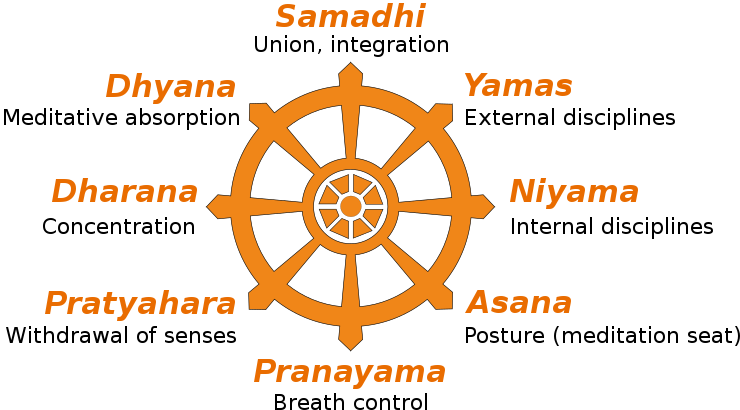
    Today ,we have so many people and institutions are conducting Yoga classes and Meditation courses. Most of them do not seem to follow the Patanjali Yoga Sutra to the letter. What they teach is what they think will sell. Practices that do not have rigorous procedures are taught. Fir instance, in Patanjali ‘s Ashtanga Yoga, Niyama and Yama, that is Dos and Don’ts are the first two steps before proceeding to, in the order,Asana,Pranayama, Pratyahara,Dhyana and Dharana.Then comes Samadhi, Savikalpa and Nirvikalpa

    Yoga is not a physical exercise per se. The physical benefits that accrue are the spinoffs of the Spiritual Endeavour Yoga,which, many have taken tens of years to perfect.Sastras say some Carry forward Sadhana from their previous birth to this birth and take off where they left off in their earlier births.

    The Yama are according to Patanjali,

    1. Ahimsa (अहिंसा): Nonviolence, non-harming other living beings.
    2. Satya (सत्य): truthfulness, non-falsehood
    3. Asteya (अस्तेय): non-stealing
    4. Brahmacharya (ब्रह्मचर्य): chastity,marital fidelity or sexual restraint
    5. Aparigraha (अपरिग्रह): non-avarice, non-possessiveness.

    And there is Niyama, things that are to be done or followed are,

    The second component of Patanjali’s Yoga path is niyama, which includes virtuous habits and observances (the “dos”).Sadhana Pada Verse 32 lists the niyamas as:

    1. . (शौच): purity, clearness of mind, speech and body
    2. Santosha (संतोष): contentment, acceptance of others, acceptance of one’s circumstances as they are in order to get past or change them, optimism for self
    3. Tapas (तपस्): persistence, perseverance, austerity, asceticism, self-discipline
    4. Svadhyaya (स्वाध्याय): study of Vedas, study of self, self-reflection, introspection of self’s thoughts, speech and actions.
    5. Ishvarapranidhana (ईश्वरप्रणिधान): contemplation of the Ishvara (God/Supreme Being, Brahman, True Self, Unchanging Reality).

    Then comes Pranayama.Prana is the Life, verily it is the energy,that is vital that is present in every part of one’s body till it leaves the Body,when it the body becomes Inert or Sava.

    For the body to be Siva, Yoga is one of the best methods.

    However caution is to be exercised in following Yogic practices.

    I have listed a total ten do’s and don’ts here before one attempts to go ahead in Yoga. Yama and Niyama are the first steps, preparing ground , equivalent to ,say,pre KG classes.

    In the forth coming articles, I shall share information on other aspects like Prana, where to concentrate, difference between Pratyahara, Dhyana and Dharana. # I had published Explanation of Patanjali ‘s Yoga Sutras upto 32. Shall write more . Published articles are under Yoga Category.

    Patanjali’s Yoga Sutra Introduction Sutra 1

    51 Feet Rock Cut Largest Sleeping Vishnu Anantasayana, Saranga

    I posted an article,Photo Essay  on the nine sleeping  poses of Vishnu. Lord Vishnu does not sleep. His sleep is called Yoga Nidra (Sleeping posture i Yoga) or Ari Thuyil(Tamil–sleeping while aware of everything) The Snake Adisehsa is the coiled Cosmic energy in the Solar Plexus(Mooladhaara). The Ksheera Saagara is a representation of the Milky way Galaxy. Please read my Post Vishnu’s’ Conch and Discus in galaxies, filed under Hinduism/Astrophysics. This Yoga Nidra of Lord Vishnu is of Nine types. 1.Vadabadra Sayanam, Srivilliputtur.Moolavar Image…

    Keep reading

    Something went wrong. Please refresh the page and/or try again.

  • How Breath Moves In Nostrils Timings

    How Breath Moves In Nostrils Timings

    There are different systems of Yoga, nay it will be proper to say that there are variations in Yoga practices. Essential features like the steps to be followed in Yoga, Yama, Niyama, Asana, Pranayama, Prathyaahara,Dhyana, Dharana and Samadhi remain the same in all. The first system of Yoga by Siva is Vaasi Yoga, where Consciousness is directly managed while in Patanjal’ s Yoga, Consciousness is managed through Chitta, a higher level than Mind.

    Siva is the First Yogi, Adhi Yogi and He practiced Vaasi. His discipline was Thirumoolar, A Siddha.He authotred A Treatise on Saiva Siddhantha, Advaitic thoughts and Yoga. He explains in the Text Thirumandhiram in Tamil about Yogic practices. He mentions about the movement of Breath.

    All of us breathe. We breathe through Both nostrils and it is involuntary. Yoga systems of Siddhas, Realized Souls and in Saiva Siddhantha talk about Breath that move through the Nostrils.

    The movement of Breath is called Nadi/ tube, pipe, nerve, blood vessel, pulse’) is a term for the channels through which, in traditional Indian medicine and spiritual knowledge, the energies such as prana of the physical body, the subtle body and the causal body are said to flow. https://en.m.wikipedia.org/wiki/Nadi_(yoga)

    There are over 300,000 Nadis according to SivaYoga Saram , 72,000 according to Thirumoolar , Eighteen Siddhas and Avvaiyaar. Of these 72,000, Thirumoolar marks, 500,10,then to Ten Nadis as primary. Of these ten, three are Ida , Pingala and Sushumna. Inhaling through Left Nostril is called Pooraka, Retention of breath is Kumbaka and exhaling through the Right Nostril is Rechaka.

    Though it appears that we breathe through both nostrils, if we observe our Breath, we will notice that quantity of Air/Breath that pass through is not the same for both nostrils, Left and Right. Sometimes, breath passes more through the left nostril and at other times through the right nostril. The Left nostril belongs to / (called as) Moon and Right to Sun. When one holds the Breath, Sushumna, that holding of Breath belongs to or called as Agni, Fire. We shall see in detail in the forthcoming articles.

    The Thirumoolar system of Yoga has revealed, explained the times when the Breath moves in the Left Nostril and the right nostril. Each has significant information about our health. It also helps us in curing discomforts, illnesses and diseases.

    Movement of Breath.

    • 6-8 am Right Nostril.
    • 8-10 am Left Nostril.
    • 10-12 noon Right Nostril.
    • 12-2 pm Left Nostril
    • 2-4 pm Right Nostril
    • 4-6 pm Left Nostril
    • 6-8 pm Right Nostril.
    • 8-10pm Left Nostril.
    • 10-12 am Right Nostril.
    • 12-2 am Left Nostril.
    • 2 -4 am Right Nostril.
    • 4–6 am Left Nostril.

    Reference. https://vidyaarthini.com/2019/12/18/thirumanthiram-parana-yogam/

  • Pranayama Inhaling Exhaling Time Taken Authentic Ratio Thirumoolar

    Pranayama Inhaling Exhaling Time Taken Authentic Ratio Thirumoolar

    Thirumoolar explains the time to be taken for Pranayama.

    Draw the Breath in (Purakam) in 16 mathras ( a measure of time,equivalent to blinking of Eye),Retain Breath, Kumbaka for 64 mathras and Exhale in 32 Mathras.

    ஏறுதல் பூரகம், ஈர்எட்டு வாமத்தால்;

    ஆறுதல் கும்பம், அறுபத்து நாலதில்;

    ஊறுதல் முப்பத்து இரண்டுஅதி ரேசகம்;

    மாறுதல் ஒன்றின்கண் வஞ்சகம் ஆமே.

    (திருமந்திரம் 568)

    The ratio is 16:64:32 or 1:4:2

    4 :16: 8 In Seconds. You can maintain this Ratio.

    Thirumoolar is quite explicit in stating that that in this Pranayama one should draw Breath only from the left nostril and exhale through the right nostril.And changing the process like drawing/ inhaling through Right nostril is harmful.

    2 கைநொடி1 மாத்திரை (0.25 second) .One Second equals Four Mathirai. https://www.tamillexicon.com/pezhai/?story_id=54&story=%E0%AE%95%E0%AE%BE%E0%AE%B2-%E0%AE%85%E0%AE%B3%E0%AE%B5%E0%AF%80%E0%AE%9F%E0%AF%81%E0%AE%95%E0%AE%B3%E0%AF%8D

  • Thirumoolar Pranayama Ratio Explanation

    Thirumoolar Pranayama Ratio Explanation

    There are two ways in terms of performing Breath control to achieve Self Realisation. One is regulating Consciousness through Breath Control.Direct Control/ Regulating,Communion with Consciousness through Breath Control is Vaasi Yoga. Regulating the Mind through Breath Control, Pranayama, and thus reaching out to Consciousness is the process of Ashtanga Yoga of Patanjali. Both have the same Objective, that of Self Realisation. In one, we deal with Consciousness direct and in the other through Mind. The Preceptor of both systems is Siva. First Yogi,Adhi Yogi is Siva. He practiced Vaasi Yoga.
    Please read my articles on Vassi Yoga. As practising Vassi Yoga is difficult , Siva ordered Patanjali to devise a simpler ,yet effective way of Self realisation through Yoga by controlling the Mind, through it Consciousness.

    Thus was born Asthanga Yoga by Patanjali.

    Though Vaasi and Asthanga Yoga address the issue of Realisation through, among others, Breath Control,there are subtle differences.In this article we shall see about the exact Time,Ratio of Breath Control , Pranayama.

    Thirumoolar is Yogi,A Siddha. He is a disciple of Siva. He has written a treatise , of 3047 verses ,Thirumandhiram in Tamil.It is an authentic text on Shaivism and on Yoga system that outlines Vaasi Yoga and also refers to Ashtanga Yoga. Thirumandhiram deals with all the aspects of Yoga,Life,it’s location in Human body,number of breaths per Human and much more. I shall write on them shortly.

    Thirumoolar in Thirumandhiram verse number 568 talks about the ratio of Breath Control , Pranayama.

    ஏறுதல் பூரகம் ஈரெட்டு வாமத்தால் ஆறுதல் . கும்பம் அறுபத்து நாலதில் ஊறுதல் முப்பத் திரண்டதி ரேசகம் மாறுதல் ஒன்றின் கண் வஞ்சக மாமே .

    The breath that we draw is Puraka. Retention of Breath by closing both nostrils is Kumbaka.Exhalation is Rechaka. The Nadi, the flow of breath on the left nostril is Ida,while on the right is Pingala.In the verse quoted above Thirumoolar says the process is Sixteen Matras for Puraka,Sixty four Matras for Kumbaka and Thirty two Matras for Rechaka. (Matra is the time for taken for one involuntary wink.Tamil language is designed on Matra. Each letter of Tamil is assigned the time, Matra. For Instance A,அ is one Matra, Kuril,குறில்.) Aa ஆ has two Matras.The pronounciation of Siva Siva is assigned Four Matras. So for Puraka one has to chant mentally Siva Siva four times: Kumbhaka Siva Siva sixteen times,and for Rechaka Siva Siva Eight times.Please note Matra is not Seconds.Correct way to do Thirumoolar Pranayama is to follow exactly what is mentioned by him. However, as it may be difficult for the beginner to do achieve this, the ratio 16:64:32 or 4:16:8 is practiced in the beginning.

    வளிநிலையில் உயிர்ப்பு வளியினை அடக்கும் முறையினையும் திருமூலர் குறிப்பிடுகின்றார். வளிநிலை என்பது மூன்று நிலையினை உடையது என்கின்றார். நாம் உயிர்ப்பு வளியை உள்ளே இழுக்கின்ற செயலை ஏறுதல்(பூரகம்) என்று சொல்கின்றார். அதற்கு அளவு பதினாறு மாத்திரை. ‘சிவசிவ’ என்று ஒருமுறை கூறும் காலம் நான்கு மாத்திரை அளவு என்று கழகப் புலவர், சித்தாந்தப் பண்டிதர் ப.இராமநாதன் அவர்கள் குறிப்பிடுவார். இதனை இடது மூக்குத் துளையின் வழி இழுத்து இடப்பால் நாடி வழியாகக் கொண்டு செல்ல வேண்டும் என்கின்றார். இரண்டாவது வளிநிலையானது இடப்பால் நாடி வழியாகக் கொண்டு சென்ற உயிர்ப்பு வளியை உடலுக்கு உள்ளேயே அடக்கி நிறுத்துதலுக்கு உரிய ஆறுதல்(கும்பகம்) என்ற செயலைக் குறிப்பது என்கின்றார். குறித்த இடத்தில் நில்லாது ஓடுகின்ற உயிர்ப்பு வளியை அவ்வாறு ஓட விடாது தடுத்து நிறுத்துதலை இது குறிக்கும் என்கிறார். இதற்கு உயர்ந்த அளவு அறுபத்து நான்கு மாத்திரை என்கின்றார். இது பதினாறு முறை ‘சிவசிவ’ என்று கூறும் கால அளவை ஆகும். மூன்றாவது வளிநிலையானது உள்ளே நிறுத்திய உயிர்ப்பு வளியை வலப்பால் நாடி வழி வலமூக்கின் துளையின் வழி வெளியிடுதல்(இரேசகம்) எனும் செயல் என்கின்றார். இதற்கு உயர்ந்த அளவு முப்பதிரண்டு மாத்திரை அல்லது எட்டு முறை “சிவசிவ” என்று கூறும் கால அளவு என்கின்றார்.

    http://saivanarpani.org/home/index.php/2018/04/14/thirumanthiram-akatavam-ettil-valinilai/