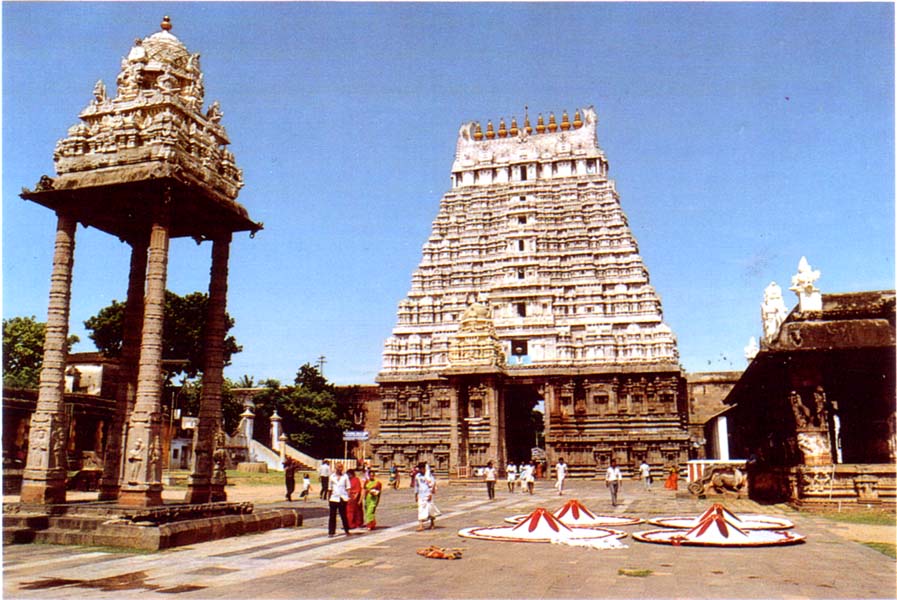
The model of a human figure found here showed a tuft on the head of a person.Brahmin with Traditioanl Tuft at the back of the Head.
I have posted articles on this, Lemuria The Home Of Tamils,Tamil Nadu,the Whole of Tamil Land,Lemuria Climate, Tamil dates over 50,000 years.
The views currently in vogue are.
1.Lumria, Kumari Kandam had an independent culture , different from the Sanatana Dharma-I do not subscribe to this view.
I have posted an article with evidence that Sanatana Dharma was the Religion of the Tamils.
2.The Aryans pushed the Tamils in Lemuria towards the South.
This is based on the now busted Aryan Invasion theory.I do not agree to this.Arya Invasion Theory a, A Myth-please refer my post.
3.The Kumari Kandam people pushed the Aryans to towards the north, triggering exodus to Europe.
This calls for more investigation and I shall post my views on this.
There additional archaeological proof that the Kumari kandam had been a Home for Sanatana Dharma, specifically the Brahmins.
Skeleton Models found in Gobekli Tepe and Nevali Cori located on the Euphrates in Southern Turkey show temples and figures carved in stone established at a time between 10th and 8thMillennium BC.
The tufted Brahmin image/idol is found here.
Turkey and Euphrates valley was a part of KumariKandam and there is a view that the Sumerian Civilization might have links to it, Tamils might be the forerunners of the Sumerians.
This fits with my contention that an already evolved people of the South called Kumeru had gone to the North and established Sumeru and continued their Vedic practices.
The excavated region has the features resembling temples. The interesting feature of the temples is that they are oval or circular shaped.
While people give much credence to the names of kings mentioned in Tamil Sangam literature, the same attention has not been paid to the geographical description found therein.
Lets us take the description of the Five Divisions of Land according to Tholkappiyama nd other Grammatical works.
.
The land mass here the Tamils lived as divided and named into Five distinct geographical entities.
One can n find these five regions is the present Tamil Nadu as it is to-day.
The present conception of Lemuria or Kumari Kandam might explain this phenomena.
This was a large landmass that got submerged in, possibly a tsunami.
View. 1.
There was a mountain chain south of the Tamraparani River,which was an extension of the Wastern ghats.
It as submerged in the sea.
That as called the Malaya Parvatha and there are references to it in the Mahbharata and Ramayana.
There was a king called Malayathvaja, whose daughter as Meenakshi and legend has it that she married Lord Shiva.
That is now being called a Madurai , which is erroneous.
The Madurai here Malayathaja ruled as The Madurai(South Madurai) which submerged.
This continuation of the Western Ghats , Malaya Parvatha is called Sakatdvipa.
One Sarangathdja fought with Asathama, after Drona as killed, in the Mahabharata War.
There are refernces to the Pandyas being adorned with Sandalood paste obtained from the Malayamarutha.(Raja Suya Yaga, Mahabharata)
This Sakat Dvipa resembled the ears of a Hare and it as described as hanging from the Bharatavarsha(Mahabharrata).
This Malayaparvatham was reported South of Tamraparani,currently in Tirunelveli District.
Silappathikaram also mentions that the sandalwood paste as from the forests where the Western Ghats and the Malaya Parvata meet.
Kumari Kandam ith Cities.
Sakatdvipa was 25,600,000 mile
The 49 lands
This land was divided into 49 Naadu, or territories (probably of the size of small districts) between Kumari river and Pahruli / Prahuli / Pakruli river. These are named as seven coconut territories (Ezhu Tenga Natu), seven Madurai territories (Ezhu Maturai Natu), seven old sandy territories (Ezhu Mun-palai Natu), seven new sandy territories (Ezhu Pin-palai Natu), seven mountain territories (Ezhu Kunra Natu), seven eastern coastal territories (Ezhu Kuna Karai Natu) and seven dwarf-palm territories (Ezhu Kurum Panai Natu). All these lands, together with the many-mountained land that began with Kumari-Kollam, with forests and habitations, were submerged by the sea.
Two of these submerged Nadus or territories of Kumari Kandam were supposedly parts of present-day Kollam and Kanyakumari districts.
The above description match perfectly with Kumari Kandam map developed using bathymetry studies since it shows the western extent of Kumari Kandam along the coast of Kerala where lies Kollam.
”
இன்றைக்கு மஹேந்திர மலை என்பது திருக்குறுங்குடி என்னும் வைணவ திவ்விய தேசத்தில் இருக்கிறது. இங்கிருந்துதான் அனுமன் இலங்கைக்குத் தாவிச் சென்றிருக்கிறான். இந்தப் பகுதியைப் பற்றிச் சொல்வதற்கு முன்னாலேயே, தாமிரபரணி ஆற்றைக் கடந்தபின் மலய பர்வதத்தின் தொடர்ச்சியாக சொல்லப்பட்ட இடத்தில் கவாடபுரம் என்னும் பாண்டியன் தலைநகரைப் பற்றி சுக்ரீவன் சொல்கிறான். இது தென்கடலுடன் இணையும் மேற்குத் தொடர்ச்சி மலைப் பகுதியாகும். இந்தப் பகுதியைப் பற்றிய சுவையான தகவல்களை அடியார்க்கு நல்லார் மூலம் நாம் அறிகிறோம்.
சிலப்பதிக்கார உரையில் (8-1), ஏழேழ் நாற்பத்தொன்பது நாடுகள் பற்றி அவர் கூறியதை முந்தின பகுதியில் கண்டோம். அவை எல்லாம் கடலுக்குல் அமிழ்ந்தன என்கிறார். அவற்றுடன் கடலுக்குள் அமிழ்ந்த பிற பகுதிகளில்,
’குமரி கொல்லம் முதலிய பன்மலை நாடும், காடும், நதியும், பதியும்,
தட நீர்க் குமரி வட பெருங்கோட்டின்காறும் கடல் கொண்டு அழிதலால்’ என்கிறார்.
குமரி கொல்லம் முதலிய பன் மலை நாடு என்று சொல்லவே, மலய பர்வதத்தை ஒட்டி அமைந்துள்ள இன்றைய கொல்லம் என்னும் கேரளப் பகுதி பாண்டியன் வசம் அந்நாளில் இருந்திருக்கிறது என்று தெரிகிறது. அந்த இடத்தில் குமரியின் வட பெருங்கோடு இருந்தது என்றும் இதன் மூலம் தெரிகிறது”.
கோடு என்றால் மலைச் சிகரம் என்றும் பொருள். நீர்க்கரை என்றும் ஒரு பொருள் உண்டு. இங்கு குமரி ஆற்றைச் சொலல்வில்லை. ஏனெனில் இதே விளக்க உரையில், முதலிலேயே பஹ்ருளி ஆற்றையும், குமரி ஆற்றையும் சொல்லி அதற்க்கிடையே உள்ள தூரத்தையும் அடியார்க்கு நல்லார் சொல்லி விட்டார். எனவே இங்கு குமரிக் கோடு என்றதும், வட பெருங்கோடு என்றதும்,
குமரி மலைத் தொடரின் வடக்கில் உள்ள மலைச் சிகரமான குமரி என்னும் சிகரம் என்றாகிறது. அது கொல்லத்தை ஒட்டி அமைந்திருக்கிறது. இவை எல்லாம் உண்மையே என்பதை இந்தியப் பெருங்கடலின் அடிவாரத்தைக் காட்டும் படங்களில் காணலாம்.”
So the Tamil Kingdoms referred to included Lemuria and the present Tamil Nadu formed only a Part.
Most interesting fact is that the Sanatana Dharma flourished there and I willl be posting archeological evidence.
While Scholars of the West and some Indians are prepared to accept Homer’s Iliad and Odysseus, the City of Troy, the same courtesy is not extended to Indian Sources,Puranas and Tamil Litrature.
Combining both Sanskrit and Tamil Histories together, research has been done and it proves the existence of Kumari Kandam.
Maps of India at different ancient periods are as followed.
India with Sea levels in ancient periods.India with Kumari Kandam 16,000 BCE.
16,000 BCE:- The sea level rose from – 130 meters to -120 meters (10 meters in the 3500 years since 19,500 BCE). The Central Indian Ridge (CIR) – Sumatra – Diffuse plate boundary of Indian plate falls through Kumari Kandam. It is a region with anomalous seismic activity and is part of the Chagos Anomalous Seismicity Region. Due to this inter-plate deformation, the surface elevation in Kumari Kandam region dropped. As a result to the combined effect of the sea level rise and the surface elevation fall, Kumari Kandam started submerging.
India 14,000 BCE,14,000 BCE:- Due to the combined effect of sea level rise and surface elevation drop more parts of Kumari Kandam submerged leaving many islands. Ten-Madurai city probably survived as an island. By 14,000 BCE, the sea level again rose 10 meters (-120 m to -110 m, in 2000 years). We cannot rule out floods, because sea-level rise was never gradual. It contained occasional sudden rise and gradual rise at other times.India 9600 BCE.9,600 BCE:- The southern stretch of Kumari Kandam is all gone. Ten-madurai city is now submerged. Kapatapuram / Kavaata is the new cultural center of Kumari Kandam which exist to the southern tip of what is left of Kumari Kandam. Sea level is now at -60 meters. In 4500 years since 14,000 BCE, sea level rose by 50 meters with two major rises interspersed with gradual rise.
It is generally believed that the Tamil Language existed and Kings nurtured it for a period of about 10,000 years ago.
Old Tamil Inscription
“According to P.T. Srinivasa Iyengar[23] who made research on this topic mentions in his book “History of Tamils” Chapter XVI on topic “Criticism of the legend”,[24] as the years mentioned for the Three Tamil Sangams are too vast. The First sangam lasted 4440 yrs and spanned 89 Succeeding Kings. The Second sangam lasted 3700 yrs and spanned 59 Succeeding Kings, The Third sangam lasted 1800 yrs and spanned 49 Succeeding Kings.”(wiki)
By this reckoning the Age of Tamil is approximately 10’000 Years for the Sangam Period.
But recent research says that a relic proves that the Tami land extended its landmass “extended southward below Cape Comorin (Kanya Kumari) incorporating present day Ilankai/ Sri Lanka. It had an enhanced offshore running all the way to the Equator. The maps portray the region as no history or culture is supposed to have known it. The much larger Tamil homeland of thousands of years ago as described in the Kumari Kandam tradition takes shape. It supports the opening of the Kumari Kandam flood tradition set in the remote pre-historic period of 12,000 –10,000 years ago. The inundation specialists confirm that between 12,000-10,000 years ago Peninsular India’s coastlines would have been bigger than what they are today before they were swallowed up by the rising seas at the end of the Last Ice Age.”
With its description of submerged cities and lost lands, the Kumari Kandam tradition predicted that pre-historic ruins more than 11,000 years old should lie underwater at depths and locations off Tamilnadu’s coast. The NIO’s discovery and Dr. Milne’s calculations now appear to confirm the accuracy of that prediction. At that period of time, Ilankai/ Sri Lanka was part and parcel of South India. It is, however, in the inundation map for 10,600 years ago as seen that the island to the south of Kanya Kumari had disappeared to a dot, and the Maldives further ravaged.
But more importantly, a neck of sea is seen separating Tuticorin in South India from Mannar in what is now Ilankai/ Sri Lanka. It is however in the map for 6,900 years ago that the separation of Ilankai/ Sri Lanka from the South Indian mainland is complete as it is today. Ilankai/ Sri Lanka’s separate existence as an island, so it seems, began 6,900 years ago or circa 4,900 BC. ..
At present, no civilisation, as known to current history, existed in the Tamil lands of South India around 9,000 BC. Yet the discovery of the U-shaped structure by India’s marine archaeologists leads us to seriously consider that it was the work of a civilisation that archaeologists had failed to identify as its ruins lie submerged so deep beneath the sea. As Mr. S. R. Rao, the doyen of Indian marine archaeology, stated in February 2002, “I do not believe it is an isolated structure; further exploration is likely to reveal others around it”.
Put it simply, the coast line of India , more specifically Tamils extended up to Equator.
And this tallies with the descriptions of Tamil Kings in The Mahabharata during the Swayamvar of Draupadi , the reference to Arjuna having married the daughter of a Pandyan King and the mention of Cheran Perunchotruudiyan Neduncheraathan as having fed both the armies of the Panadavas and Kauravas during the Mahabharata War, among other refernces like the Tamil Knings donated Villages for Baramins po perform Vedic Rites daily in the Agraharas, ear marked for them.
Sources.
History of the Tamils by P.T .Srinivasa Iyengar Chapter XVI on topic “Criticism of the legend
The Culture of the Tamils is very old and stretches back to a Million years.
The scientific organisation of the society leaves one stunned.
The Continent of Lemuria.
Not only were they able to classify society on the basis of work performed , they classified the land mass into five regions, describing the unique characteristics of each.
They have been able to visualize the different climatic conditions of the world and explained them away.
They analysed the geographic peculiarities of each region, classified the habits of those who lived there and ascribed special name for each.
And special moral codes based on the environment was developed.
Strict moral code was applied and what is applicable to one region was not allowed n the other.
Except the Arctic region all the areas mentioned here seem to have been covered in Tamil Literature.
Now it is not possible to know all the climates,study and classify them if people do not live there .
They should have lived in all these regions, developed habits and formed them into classified knowledge.
So, if the Tamils lived in the present Tamil Nadu, forming a part of India it would not have been possible to understand all the Climates and behaviour
Even to-day, in the present Tamil Nadu, people do not really know about the actual weather conditions elsewhere in India,where they live in smaller numbers,save through newspaper/TV reports.
Hence the land mass in which the Tamils lived before must have encompassed land masses containing the areas , regions about which the ancient Tamil literature speaks of.
This tends to go with the theory of Lemuria which was consumed by a giant Tsunami,was inhabited by the Tamils.
Mention of Dravida as those belong to the South of the Vindhyas , by the Vedic and Puranic literature confirms this.
”
Two American eminent geologists McKenzie and Sclater have clearly explained that Africa and South America were locked together as part of the primitive continent until about 200 million years ago.
The present formations of India, Arabia, Africa, Antarctica, South America and Australia started breaking up due to natural upheavals and moving to different parts of the earth at the rate of 15,000 years per mile on an average and found their places in the Asian Continent. The movement of the earth mass, called Navalam Theevu in Tamil, caused the formation of the present continent of India.
There was a general belief that both Lemuria and Kumari Kandam were one and the same. However, it has been established by Frank Joseph, Secretary for Ancient American Association, in his book “The Lost Civilization of Lemuria”, the existence of a land called Lemuria, one of the world’s oldest civilizations, about 2.5 lakh years ago, in Indonesia. Hence, Lemuria and Kumari Kandam, which existed in southern part of India, are different lands.
Mr. Joseph has also established that the Mohenjodaro letters of Eastern Islands are nearly 1,00,000 years old. He has critically examined the views of various scholars and established the source of Mohenjodaro letters as well as the ancient civilization of Moo and has written that due to natural calamities, the island of Moo was destroyed about 2.5 lakh years ago.
Eastern Island, 1,000 miles near Japan, has a script called Rongo Rongo and it is identical with Mohenjodaro letters. This has been fixed as 1,00,000 years old.
You must be logged in to post a comment.