Tag: Ikshvaku Dynasty

  • Tamil Chola Kings Descendants of Manu Rama

    Tamil Chola Kings Descendants of Manu Rama

    If there is one One culture ,One advanced civilization that matches the Sanatana Dharma, it is the Tamil Culture, Literature .


    It has been in existence for such a long period that the Vedas and Puranas quote Tamil language,Culture,Spices,Pearls,Elephant Tusks, Tamil Scholars.


    Chola Dyansty Time Line.png
    Chola Dyansty Time Line.


    Valmiki has written a Tamil Classic,Vanmikar Arupthu,Vlmiki’s Sixty, a work dealing with practical life and Philosophy.


    Ramayana describes the princes from Tail Kingdom being present in Sita’s Swamvar.


    Mahabharata speaks similarly on Draupadi’s Swayamvar.


    Chera King Udiyan Chralathan fed both the Panadava and kaurava Armies during the Mahabharata War.


    The Pandya King fought along with the Pandavas as the Pandya Princess was married to Arjuna.


    Krishna  married a Pandyan Princess,Pandyah, Megasthanes says and had a daughter through her.


    Arjuna married a Pandya Princess and had a son Babruvahana, who was the only person who killed Arjuna,that Arjuna was revived is another matter.


    In its turn Tamil quotes extensively the Vedas.


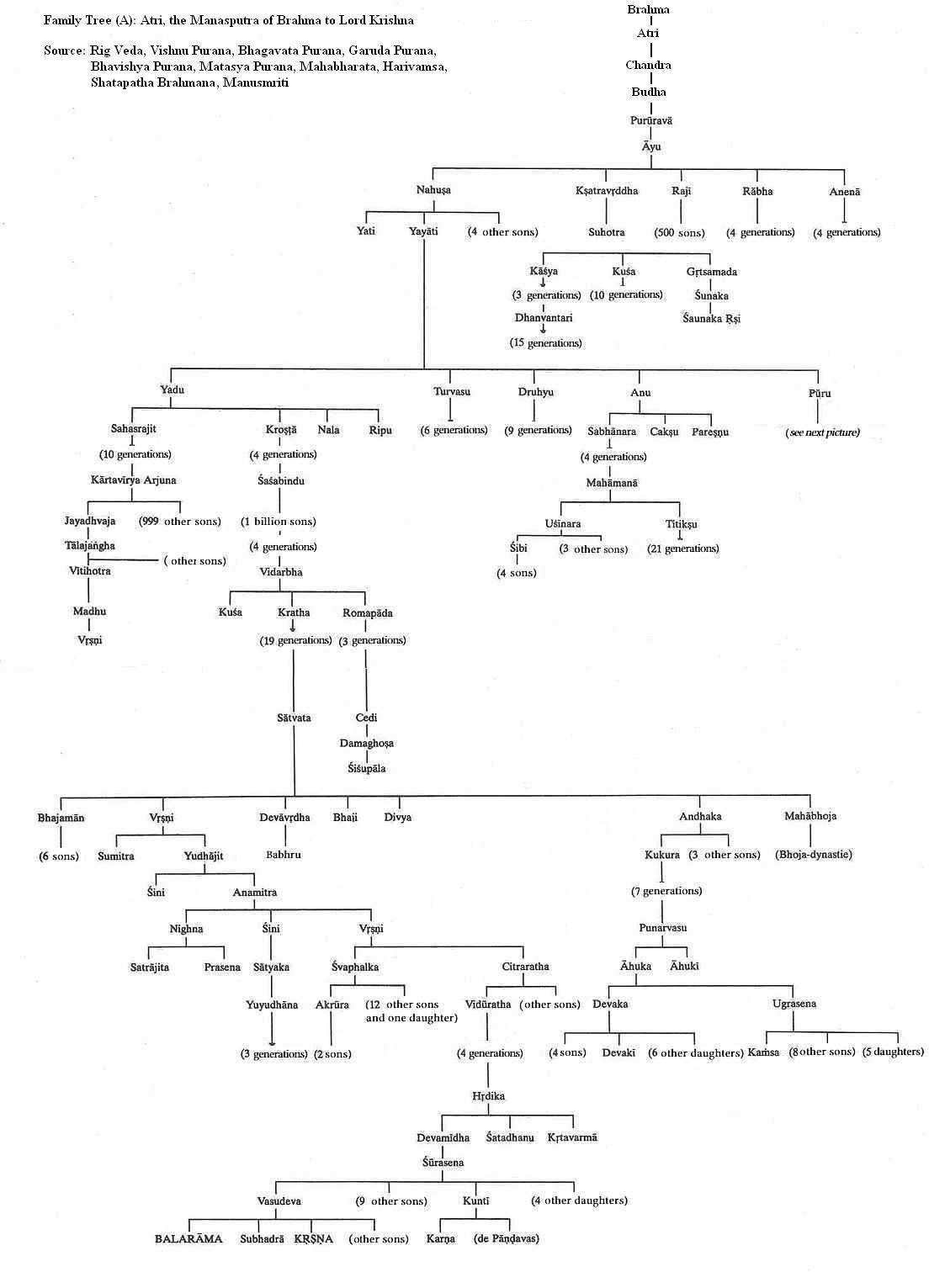
    A King Sibi was the ancestor of Rama.


    There are numerous references  that speak of the close relationship of the South Dravida with the Sanatana Dharma.


    I have posted extensively on this in posts where it is warranted(Under Hinduism/Tamils)


    I have posted an article, based on archeological, geographical evidence that Lord Rama’s ancestor Vaivaswatha Manu migrated from the South to Ayodhya to found  his kingdom.


    Shiva with his son Ganesha left by the Arabian sea towards the middle east.


    Now let us consider the following .


    Tamil People settlement dates back to Palaeolithic Age.


    That is Prehistoric Age, 1,510,000 BCE until around 3000 BCE.


    A discovery of a rare fossilized baby brain in Viluppuram district, by a team of archeologists was reported in April 2003, It is estimated to be about 187,000 years – 200,000 years or older.

    Then came the Neolithic and Iron Ages.


    Considering the fact that Sibi and manu Needi were Cholas and are quoted by extensively by Puranas and Tamil Literature, there is definitely a possibility that the Cholas descended from the  Solar Dynasty.


    Cross checking with the Thirvalangadu Copperplate, the Dynasty of the Tamil Kings are traced back to Solar Dynasty.


    Genealogy from the Chola Inscriptions.


    • Manu
    • Ikshvaku
    • Vikukshi
    • Puranjaya
    • Kakutstha
    • Kakshivat
    • Aryaman
    • Analapratapa
    • Vena
    • Prithu
    • Dhundhumara
    • Yuvanasva
    • Mandhatri
    • Muchukunda
    • Valabha
    • Prithulaksha
    • Parthivachudamani
    • Dirghabahu
    • Chandrajit
    • Sankriti
    • Panchapa
    • Satyavrata
    • Rudrajit
    • Sibi
    • Marutta
    • Dushyanta
    • Bharata
    • Cholavarman
    • Rajakesarivarman
    • Parakesarin
    • Chitraratha
    • Chitrasva
    • Chitradhanvan
    • Suraguru (Mrityujit)
    • Chitraratha
    • Vyaghraketu
    • Narendrapati
    • Vasu (Uparichara)
    • Visvajit
    • Perunatkilli
    • Karikala
    • Kochchengannan

    Genealogy from the Purana Timeline.


    • Eri Oliyan Vaendhi C. 3020 BCE
    • Maandhuvaazhi C. 2980 BCE
    • El Mei Nannan C. 2945 BCE
    • Keezhai Kinjuvan C. 2995 BCE
    • Vazhisai Nannan C. 2865 BCE
    • Mei Kiyagusi Aerru C. 2820 BCE
    • Aai Kuzhi Agusi Aerru C. 2810 BCE
    • Thizhagan Maandhi C. 2800 BCE
    • Maandhi Vaelan C. 2770 BCE
    • Aai Adumban C. 2725 BCE
    • Aai Nedun jaet chozha thagaiyan C. 2710 BCE
    • El Mei Agguvan a.k.a. Keezh nedu mannan C. 2680 BCE
    • Mudiko Mei Kaalaiyam Thagaiyan C. 2650 BCE
    • Ilangok keezh kaalaiyan thagaiyan a.k.a. Ilangeezh nannan C. 2645 BCE -start of Kadamba lineage by his brother Aai Keezh Nannan
    • Kaalaiyan gudingyan C. 2630 BCE
    • Nedun gaalayan dhagayan C. 2615 BCE
    • Vaengai nedu vael varaiyan C.2614 BCE
    • Vaet kaal kudingyan C. 2600 BCE
    • Maei Ila vael varaiyan C. 2590 BCE
    • Sibi Vendhi C. 2580 BCE
    • Paru nonji chaamazhingyan C. 2535 BCE
    • Vaeqratrtri chembiya chozhan C. 2525 BCE
    • Saamazhi chozhiya vaelaan C. 2515 BCE
    • Uthi ven gaalai thagan C. 2495 BCE
    • Nannan that kaalai thagan C. 2475 BCE
    • Vel vaen mindi C. 2445 BCE
    • Nedun jembiyan C. 2415 BCE
    • Nedu nonji Vendhi C. 2375 BCE
    • Maei Vael paqratrtri C. 2330 BCE
    • Aai Perun thoan nonji C. 2315 BCE
    • Kudiko pungi C. 2275 BCE
    • Perun goep poguvan C. 2250 BCE
    • Koeth thatrtri C. 2195 BCE
    • Vadi sembiyan C. 2160 BCE
    • Aalam poguvan C. 2110 BCE
    • Nedun jembiyan C. 2085 BCE
    • Perum paeyar poguvan C. 2056 BCE
    • Kadun jembiyan C. 2033 BCE
    • Nedun kathan C. 2015 BCE
    • Paru nakkan C. 1960 BCE
    • Vani sembiyan C. 1927 BCE
    • Udha chira mondhuvan C. 1902 BCE
    • Perun kaththan C. 1875 BCE
    • Kadun kandhalan C. 1860 BCE
    • Nakka monjuvan C. 1799 BCE
    • Maarko vael Maandhuvan Aaththikko C. 1786 BCE
    • Musukunthan Vaendhi C. 1753 BCE
    • Peru nakkan Thatrtri C. 1723 BCE
    • Vaer kaththan C. 1703 BCE
    • Ambalaththu Irumundruvan C. 1682 BCE
    • Kaari mondhuvan C. 1640 BCE
    • Vennakkan Thatrtri C. 1615 BCE
    • Maarko chunthuvan C. 1565 BCE
    • Vaer parunthoan mundruvan C. 1520 BCE
    • Udhan kaththan C. 1455 BCE
    • Kaariko sunthuvan C. 1440 BCE
    • Vendri nungunan C. 1396 BCE
    • Mondhuvan Vendhi C. 1376 BCE
    • Kaandhaman C. 1359 BCE
    • Mundruvan Vendhi C. 1337 BCE
    • Kaandhaman C. 1297 BCE
    • Monjuvan Vendhi C. 1276 BCE
    • Ani sembiyan C. 1259 BCE
    • Nungunan Vendhi C. 1245 BCE
    • Maarkop perum Cenni C. 1229 BCE
    • Monjuvan Nanvendhi C. 1180 BCE
    • Kop perunar chenni C. 1170 BCE
    • Monthuvan jembiyan C. 1145 BCE
    • Narchenni C. 1105 BCE
    • Caet chembiyan C. 1095 BCE
    • Nakkar chenni C. 1060 BCE
    • Parun jembiyan C.1045 BCE
    • Venjenni C. 998 BCE
    • Musugunthan C. 989 BCE
    • Maarkop perun jembiyan C. 960 BCE
    • Nedunjenni C.935 BCE
    • Thatchembiyan C. 915 BCE
    • Ambalaththu iruvaer chembiyan C. 895 BCE
    • Kaariko chenni C. 865 BCE
    • Venvaer chenni C. 830 BCE
    • Kaandhaman, C. 788 BCE
    • Kaandhalan C. 721 BCE
    • Caetchenni C. 698 BCE
    • Vani nungunan C. 680 BCE
    • Mudhu sembiyan Vendhi C. 640 BCE
    • Peelan jembiyach chozhiyan C. 615 BCE
    • Maeyan gadungo C. 590 BCE
    • Thiththan C. 570 BCE
    • Perunar killi Porvaiko C. 515 BCE
    • Kadu mundruvan C. 496 BCE
    • Kopperunjozhan C. 495 BCE
    • Narkilli Mudiththalai C. 480 BCE
    • Thevvan go chozhan C. 465 BCE
    • Naran jembiyan C. 455 BCE
    • Nakkam peela valavan C. 440 BCE
    • Iniyan thevvan jenni C. 410 BCE
    • Varcembiyan C. 395BCE
    • Nedun jembiyan C. 386 BCE
    • Nakkan aran jozhan C. 345 BCE
    • Ambalathu irungoch chenni C. 330 BCE
    • Perunar killi C. 316 BCE
    • Kochaet Cenni C. 286 BCE
    • Cerupazhi Erinda Ilanjaetcenni, C. 275 BCE
    • Nedungop perunkilli C. 220 BCE
    • Cenni Ellagan C. 205 BCE
    • Perun gilli C. 165 BCE
    • Kopperun jozhiyav ilanjaetcenni C. 140 BCE
    • Perunar killi Mudiththalai ko C. 120 BCE
    • PerumpootCenni C. 100 BCE
    • Ilam perunjenni C. 100 BCE
    • Perungilli Vendhi aka Karikaalan I C. 70 BCE
    • Nedumudi Killi C. 35 BCE
    • Ilavanthigaipalli Thunjiya Maei Nalangilli Caet Cenni, C. 20 BCE
    • Aai Vaenalangilli C. 15 BCE
    • Uruvapakraer Ilanjaetcenni, C. 10 – 16 CE
    • 16 CE – 30 CE Kingdom ruled by a series of Uraiyur chieftains
    • Karikaalan II Peruvalaththaan, C. 31 CE
    • Vaer paqradakkai Perunar killi, C. 99 CE
    • Perun thiru mavalavan, Kuraapalli Thunjiya C. 99 CE
    • Nalangilli C. 111 CE
    • Perunarkilli, Kula mutrtraththu Thunjiya C. 120 CE
    • Perunarkilli, Irasasuya vaetta C. 143 CE
    • Vael kadunkilli C. 192 CE
    • Kochenganaan C. 220 CE
    • Nalluruththiran C. 245 CE

    Many scholars dispute this despite evidence from from the Puranas and Chola Inscriptions.


    Purana evidence is disputed despite the fact the geographical features mentioned in them, Kings reign tally with other verified facts and accredited by archeology.


    Chola inscription are also not due credence because it happens to be excavated mostly by Indians and it does not agree with the concocted story of Aryan Invasion Theory.


    What a scholarship!


    The fact that Ramas’ ancestor was from the South, the Floods mentioned in the Tamil Classics tally with this event, I am of the opinion that the Cholas descended from te common parentage of Lord Rama.


    One group migrated to North, another towards  the Middle-east and yet another survived and stayed back in the south.


    * I will be tracing the Pandya and Chra Dynasty as well.


    Citations.


  • Who Is Rama Qualities Valmiki Bala Kanda


    Lord Rama, whose existence has been proved scientifically is most venerated in India.


    Who is He?

    Rama worshiping the Sun God Surya.image.jpg.
    Rama worshiping the Sun God Surya.


    Sri Raghavam Dasarathaajmam Apremeyam,


    Seetha Pathim Raghu Kulanvaya ratna Deepam,


    Aajaanubaahum, Aravindadalaaya Daaksham


    Ramam nisachara Vinaasakaram Namami.


    Those who know Tamil may enjoy these beautiful Lines by Kannadasan in Tamil , which captures the essence of Lord Rama.


    Difficult to translate.


    raman ethanai ramanadi-avan
    nallavar vaNangum devanadi devan
    kalyanak kolam konda kalyanaraman
    kaadhalukku deivam andha seetharaman
    arasaaLa vandha mannan rajaraman


    alangaara roopan andha sunderaraman
    thayae en deivam endra kosalaraman
    thandhai meedhu paasam konda dasratharaman
    veeram ennum villai aendhum kOdhandaraman
    vetri endra por mudikum sree jayaraman

    vamsathirku oruvan raghuraman
    madhangaLai aNaipavan sivaraman
    moorthiku oruvan sreeraman
    mudivilladhavan anantharaman
    ramajayam sree ramajayam
    nambiyavarku aedhu kaalabayam
    ramajayam sree ramajayam
    ramanin kaigaLil naan abayam
    ram ram ram ram ram ram ram
    raman ethanai ramanadi


    I am yet to see one who is not moved to tears while  listening .


    Through the words of Dasaratha,Valmikii describes the qualities of Rama thus,in Bala Kanda


    teshhaamapi mahaatejaa raamo ratikaraH pituH |
    svayambhuuriva bhuutaanaaM babhuuva guNavattaraH || 2-1-6

    6. raamaH= Rama, svayambhuuriva= like the Brahma, bhuutaanaaM= among all the living beings, guNavattaraH= the most virtuous, teshhaamapi= among those brothers, mahaatejaH= the mightiest, ratikaraH babhuuva= was a source of joy, pituH= for his father.

    Rama, like the Brahma among all the living beings, the most virtuous among those brothers and the mightiest was a great source of joy for his father.

    sa hi devai rudiirNasya raavaNasya vadhaarthibhiH |
    arthito maanushhe loke jajJNe vishhNuH sanaatanaH || 2-1-7

    7. saH= That Rama, sanaatanaH= the eternal, vishhnuH= Vishnu, jajJNehi= was born, maanushhe loke= on the earth, arthita= as urged by, devaihi= gods, vadhaarthibhihi= to kill, udiirNasya raavaNasya= the egoistic Ravana.

    That Rama – was He not the eternal Vishnu who was born on earth as prayed by celestials to kill the egoistic Ravana?

    kausalyaa shushubhe putreNaamitatejasaa |
    yathaa vareNa devaanaamaditirvajrapaaNinaa || 2-1-8

    8. aditiryathaa= like Adithi, vajrapaaNinaa= by Indra, devaanaaM vareNa= the best among celestials, kausalyaa= Kausalya, shushubhe= was shone by, putreNa= her son, amitatejasaa= the mighty.

    Like Adithi by Indra, best among the celestials, Kausalya shone by her son Rama, the mighty.

    sa hi ruupopapannashcha viiryavaananasuuyakaH |
    bhuumaavanupamaH suunurgaNairdhasharathopamaH || 2-1-9

    9. saH= Rama, ruupopapannaH cha= having beautiful form, viiryavaan= a hero of valor, anasuuyakaH= without envy, gunaiH= by virtues, dasarathopamaH= like Dasaratha, anupamaH= an incomparable, suunuhu hi= son indeed, bhuumau= on earth.

    Rama was beautiful in form, a hero of valor and without envy. By virtues, he was like Dasaratha. In this way, he was an incomparable son on earth.

    sa cha nityaM prashaantaatmaa mR^idupuurvaM tu bhaashhate |
    uchyamaano.api parushhaM nottaraM pratipadyate || 2-1-10

    10. saH= that Rama, nityam= always, prashaantaatmaa= with a peaceful mind, bhaashhate= talked, mR^idupuurvakaM= softly, uttaram na prapadyate= he did not respond to, parushhaM= hard words, uchyamaanaha api= spoken by others.

    That Rama was always peaceful in mind and spoke softly. He did not react to the hard words spoken by others.

    11. saH= That Rama, aatmavattayaa= because of his good bent of mind, tushhyati= feels glad, kathaMchit= even by , aikena= one, upakaareNa= good thing, kR^itena= done, na smarati= (but) does not mind, satamapi= even a hundred, apakaaraaNaam= bad things.

    That Rama, because of his good bent of mind, feels glad even by whatever way a good thing is done to him. He does not remember any number of bad things done to him.

    12. astrayoga antareshhvapi= Even during intervals while practising archery, nityam= always, kathayannaasta= used to converse with, shiilavR^iddhai= elders by conduct, jJNaanavR^iddhai= elders by wisdom, vayovR^iddhai= elders by age (or), sajjanaiH= with good people.

    Whenever he finds some time even while practising archery, Rama used to converse with elderly people, elder by way of conduct or wisdom or age or with good- natured people.

    buddhimaan madhuraabhaashhii puurvabhaashhii priyaMvadaH |
    viiryavaanna cha viiryeNa mahataa svena vismitaH || 2-1-13

    13. buddhimaan= wise man, madhurabhaashhii= sweet conversationalist, puurvabhaashhii= one who initiated a talk, priyaMvadaH= whose speech was compassionate, viiryavaan= person with valor, na cha vismitaH= not arrogant of, svena= his own, mahataa= great, viiryeNa= valor.

    Rama was a wise man. He used to speak sweetly. He was the first man to initiate a talk. His speech was compassionate. He was valorous. But he was not arrogant of his mighty valor.

    na chaanR^itakatho vidvaan vR^iddhaanaaM pratipuujakaH |
    anuraktaH prajaabhishcha prajaashchaapyanurajyate || 2-1-14

    14. na cha= not, anR^itakathaH= speaking untruth, vidvaan= all knowing person, pratipuujakaH= Receptive and worshipful to, vR^idhaanaam= elders, anuraktaH= being loved, prajaabhi= by people, anurajyate= loving, prajaashchapi= also the people.

    He did not speak untruth. He was all knowing. He used to be receptive and worshipful to the elders. People used to love him and he used to love the people.

    saanukrosho jitakrodho braahmaNapratipuujakaH |
    diinaanukampii dharmajJno nityaM pragrahavaan shuchiH || 2-1-15

    15. saanukroshaH= had compassion, jitakrodhaH= conquered anger, braahmana pratipuujakaH= receptive and worshipful to the wise, diinaanukampii=had mercy towards the meek, dharmajNaH= knew what was to be done, nityam pragrahavaan= Had always self control, suchiH= was clean (in conduct).

    He had compassion. He conquered anger. He used to be receptive and worshipful to the wise. He had mercy towards the meek. He knew what was to be done. He had always self-control. He was clean (in conduct).

    kulochitamatiH kshaatraM dharmaM svaM bahumanyate |
    manyate parayaa kiirtya mahatsvargaphalaM tataH || 2-1-16

    16. kulochitamatiH= attitude suitable for his social rank, bahumanyate= giving due respect to, kshaatraM dharmam= righteousness of warrior-class, manyate= thought, tataha= by following that righteousness, parayaa kiirtya= by great fame, mahat= great, swargaphalam= fruit of heaven.

    That Rama, having an attitude suitable for his social rank, giving due respect to righteousness of warrior-class, believed that by following the righteousness he would attain great fame and through it the fruit of heaven.

    naashreyasi rato vidvaanna viruddhakathaaruchiH |
    uttarottarayuktau cha vaktaa vaachaspati ryathaa || 2-1-17

    17. na rataH= not interested(in), ashreyasi= actions not beneficial, vidvaan= scholar, Na viruddhakathaaruchiH= no taste in tales opposing righteousness, vaachaspatiryathaa= like brihaspathi, uttarottarayuktau= in showing series of strategies, vaktaa= a fluent speaker.

    Rama was not interested in actions, which were not beneficial. He was a scholar. He had no taste in tales opposing righteousness. Like vächaspathi, his eloquent speech contained a series of strategies for action.

    arogastaruNo vaagmii vapushhmaan deshakaalavit |
    loke purushhasaarajJNassaadhureko vinirmitaH || 2-1-18

    18. arogaH= without disease, taruNaH= young man, vaagmii= speaker, vapushhmaan= person with a good body, deshakaalavit= knew time and place, purushhasaarajJNaH=could grasp the essence of men, ekaH= the one, saadhuH= gentleman, vinirmitaH= created, loke= on earth.

    Rama was a young man without any disease. He was a good speaker. He had a good body. He knew both time and place. He could grasp the essence of men. He was the one gentleman born on earth.

    sa tu sreshhThairguNairyuktaH prajaanaaM paarthivaatmajaH |
    bahishchara iva praaNo babhuuva guNataH priyaH || 2-1-19

    19. prajaanaam= To people, priyaH= loving, saH= that, paarthivaatmajaH= prince, shreshhThaiH= with good, guNaiH= virtues, yuktaH= contained, babhuuva= existed, praanaH aiva= like spirit, bahishcharaH= moving outside, guNataH= by virtues.

    People loved the virtuous prince Rama and treated him as their spirit moving outside.

    samyagvidyaavratasnaato yathaavatsaaN^gavedavit |
    ishhvastre cha pituH shreshhTho babhuuva bharataagrajaH || 2-1-20

    20. vidyaavratasnaataH= after bathing in the discipline of education, samyak= properly, saaN^gavedavit= After knowing archery, yathaavat= as prescribed, bharataagrajaH= elder brother of Bharatha (Rama), babhuuva= was, shreshhThaH= better than, pituH= father, ishhvastre= in archery.

    After completing his education properly, Rama, after knowing the science of archery as prescribed, was better than his father in the use of bow and arrows.

    kalyaaNaabhijanaH saadhuradiinaH satyavaagR^ijuH |
    vR^iddhairabhiviniitashcha dvijairdharmaarthadarshibhiH || 2-1-21

    21. kalyaanaabhijanaH= having born in a good clan, saadhuH= gentleman, adiinaH= not a feeble man, satyavaak= speaker of truth, R^ijuH= straightforward man, abhiviniitaH= properly trained by, vR^iddhaiH= elderly, dvijaiH= wisemen, dharmartha darshibhiH= who realized righteousness.

    Rama, having born in a good clan, was gentle minded. He was not feeble. He spoke truth. He was straightforward. He was properly trained by elderly wise men that knew righteousness.

    dharmakaamaarthatattvajJNaH smR^itimaan pratibhaanavaan |
    laukike samayaachaare kR^itakalpo vishaaradaH || 2-1-22

    22. dharma kaamaartha tattvajnaH= one who knew the real form of desire, wealth and righteousness, smR^itimaan= one who had a good power of memory, pratibhaanavaan= one who had a spontaneous wisdom to respond, vishaaradaH= one who had skill, kR^itakalpaH= one who had created arrangement of, samayaachaare= customs useful at that time, laukike= for the society.

    Rama knew the real form of desire, wealth and righteousness. He had a good memory power. He had a spontaneous wisdom. He had skills in arranging customs useful to society prevalent at that time.

    nibhR^itaH saMvR^itaakaaro guptamantraH sahaayavaan |
    amoghakrodhaharshhashcha tyaagasaMyamakaalavit || 2-1-23

    23. nibhR^itaH= Humble man, saMvR^itaakaaraH= Had an enclosed form, gupta mantraH= kept thoughts to himself, sahaayavaan= helped others, amogha krodha harshhashcha= his anger and pleasure not wasteful, tyaagasaMyama kaalavit= knew the timing of giving and non-giving.

    Rama was humble. He did not let his feelings appear outwardly. He kept his thoughts to himself. He helped others. His anger and pleasure were not wasteful. He knew when to give and when not to give.

    dR^iDhabhaktiH sthiraprajJNo naasadgraahii na durvachaaH |
    nistandrirapramattashcha svadoshhaparadoshhavit || 2-1-24

    24.dR^iDha bhaktiH= had a firm devotion, sthira prajJNaH= had steadfast mind, aasadgraahii= was not stubborn, na durvachaaH= not speaking evil words, nistandriH= had no idleness, apramattaH= was alert, svadoshhaparadoshhavit= and recognized his own errors and those of others.

    Rama had a firm devotion and steadfast mind. He was not stubborn nor did he speak evil words. He was free from idleness and was ever alert. He recognized his own errors and those of others.

    shaastrajJNashcha kR^itajJNashcha purushhaantarakovidaH |
    yaH pragrahaanugrahayoryathaanyaayaM vichakshaNaH || 2-1-25

    25. shaastrajJNaH cha= He knew sciences, kR^itajJNaH + cha= knew their practice, purushhaantarakovidaH= understood differences among men, yathaanyaayam= as per justice, vichakshaNaH= discriminator of, pragrahaanugrahayoH= punishment and protection.

    Rama knew the theory and practice of sciences. He understood the differences among men. He could judiciously discriminate whom to protect and whom to punish.

    satsaMgrahapragrahaNe sthaanavinnigrahasya cha |
    aayakarmaNyupaayajJNaH saMdR^ishhTavyayakarmavit || 2-1-26

    26. satsaMgrahapragrahaNe= identifying the good and protecting them, sthaanavit= knew the people, nigrahasya cha= to be reprimanded, upaayajJNaH= knew the ways and means of, aaya karmaNi= getting income, sandR^ishhTa vyaya karmavit= knew the system of spending as mentioned in sastra.

    He identified good men and protected them. He knew the people worthy of reprimand. He knew the ways and means of getting income as well as the system of spending, as perceived by economic sciences.

    shraishhThyaM shaastrasamuuheshhu praapto vyaamishrakeshhu cha |
    arthadharmau cha saMgR^ihya sukhatantro na chaalasaH || 2-1-27

    27. praaptaH= obtained, shraishhThyam= great skill, shaastrasamuuheshhu= in groups of sciences, vyaamishrakeshhu cha= and in their subsidiaries, sukhatantraH= Interested in enjoying comforts, saMgR^ihya= after understanding, artha dharmau= economic realities, na alasaH= and never remained inactive.

    Rama could obtain great skill in the groups of sciences along with their subsidiaries. He was interested in enjoying comforts only after understanding the economic realities. He never remained inactive.

    vaihaarikaaNaaM shilpaanaaM vijJNaataarthavibhaagavit |
    aarohe vinaye chaiva yuktovaaraNavaajinaam || 2-1-28

    28. vijJNaataa= acquainted with, shilpaanaam= fine arts, vaihaarikaaNaam= useful in entertainment, arthavibhaagavit= knew how to distribute wealth, yuktaH= efficient in, aarohe= in riding, vinaye= in taming, vaaraNavaajinaam= elephants and horses.

    Rama was acquainted with the fine arts useful for entertainment. He knew how to distribute the wealth. He was efficient in riding and taming of elephants and horses.

    dhanurvedavidaaM sreshhTho loke.atirathasaMmataH |
    abhiyaataa prahartaa cha senaanayavishaaradaH || 2-1-29

    29. shreshhThaH= best of persons, dhanur veda vidaam= knowing the science of archery, athirathasaMmataH= appreciated by the champions of archery, senaa nayavishaaradaH= Attained skills in moving the army properly, abhiyaataa= facing the enemies, prahartaa cha= (He) used to kill them.

    Rama was the best of persons knowing the science of archery in the world; and was well appreciated by the champions of archery. He attained skills in marshalling the army. He faced and killed the enemies in battle.

    apradhR^ishhyashcha saMgraame kruddhairapi suraasuraiH |
    anasuuyo jitakrodho na dR^ipto na cha matsarii |
    na chaavamantaa bhuutaanaaM na cha kaalavashaanugaH || 2-1-30

    30. kruddhaiH= enraged, suraasurair api= even by suras and asuras, apradhR^ishhyaH= (He) could not be defeated, saMgraame= in battle, anasuuyaH= had no jealousy, jitakrodhaH= conquered anger, na dR^iptaH= Had no arrogance, na matsarii cha= Had no envy, na cha avamantaa= not humiliated, bhuutaanaam= living beings, na kaala vashaanugaH cha= had not surrendered to time.

    Even enraged celestials and demons could not defeat Rama in battle. He had no jealousy. He conquered anger. He had no arrogance and envy. He had not humiliated any living being. He had not surrendered to time.

    evaM shreshhThaguNairyuktaH prajaanaaM paarthivaatmajaH |
    saMmatastrishhu lokeshhuvasudhaayaaH kshamaaguNaiH || 2-1-31
    buddyaa bR^ihaspatestulyo viiryeNaapi shachiipateH |

    31. paarthivaatmajaH= That prince Rama, evam shreshhThagunaiH= with these good virtues, yuktaH= fair, prajaanaam= to the people, saMmataH= was agreeable, trishhu lokeshhu= to the three worlds, kshamaa guNaiH= virtue of forgiveness, vasudhaayaaH= (comparable) to the earth, budhyaa= By wisdom, bR^ihaspate= to brihaspathi, viiryeNa= by valour, shachiipate= to devendra, tulyaH= (He was) equal.

    That Prince Rama, with these good virtues, was fair to the people. He was agreeable to the three worlds. By patience and the related virtues, he was equal to earth, by wisdom to Brihaspathi and by valor to Devendra.

    tathaa sarvaprajaakaantaiH priitisaMjananaiH pituH || 2-1-32
    guNairviruruche raamo diiptaH suurya ivaaMshubhiH |

    32. raamaH= Rama, guNaiH= by virtues, sarva prajaakaantaiH= which are enlightening to all the people, priitisamjananaiH= which are source of liking, pituH= to his father, viruruche= was shining, suurya eva= like the sun, diiptaH= shining, aMshubhiH= by the rays.

    Rama, by his virtues, was a source of happiness to all the people and a spring of joy to his father. As the sun shines with his rays, Rama was shining, thus, with his virtues.

    tamevaMvratasaMpannamapradhR^ishhyaparaakramam || 2-1-33
    lokapaalopamaM naathamakaamayata medinii |

    33. medinii= the Earth, akaamayata= wished, tam= Rama, naatham= (to be) the lord, evaM vrathasaMpannam= as he was adorned with disciplined life, apradhR^ishhya paraakramam= having undefeatable valor, lokapaalopamam= equal to the universal lords like Indra.

    The earth wished Rama to be her Lord as he was adorned with self -control and norms of behavior bearing undefeatable valor equal to that of universal lords like Indra.

    Translation and Sloka from an excellent site.

    http://www.valmikiramayan.net/ayodhya/sarga1/ayodhya_1_frame.htm

    Image credit.

    http://www.gotomandir.com/uploads/4/9/0/9/4909777/6144809_orig.jpg

  • Last Days of Rama, Date Of Death .

    Last Days of Rama, Date Of Death .

    Though Lord Ram’s Birth Dates has been confirmed by Astronomical chart, Date of death is yet to be proved.

    Lifespan of Humans is around 10,000 years in Treta Yuga.

    Rama’s Date of Birth is January 10,5114 B.C.(3102 years ago)

    Therefore , assuming that he had lived a full Life,( which ,according to The Epic Ramayana is not the case) he could have left his mortalframe by 13102 Years ago.

    I am confused in presenting this information in BC.

    Some one may suggest.

    Corrections to this Article are welcome.

    “The sixth section of the Ramayana here concludes; the remainder of the story is told in the Uttarakanda, a subsequent addition. The treatment which Sita received in captivity was better than might have been expected at the hands of a Rakshasa. She had asserted and proved her purity, and Rama believed her; but jealous thoughts would cross the sensitive mind, and when his subjects blamed him for taking back his wife, he resolved, although she was pregnant, to send her to spend the rest of her life at the hermitage of Valmiki. There she was delivered of her twin sons Kusaand Lava, who bore upon their persons the marks of their high paternity.

    Horoscope of Lord Rama..jpg.
    Horoscope of Lord Rama.

    When they were about fifteen years old they wandered accidentally to Ayodhya and were recognized by their father, who acknowledged them, and recalled Sita to attest her innocence. She returned, and in a public assembly declared her purity, and called upon the earth to verify her words. It did so. The ground opened and received “the daughter of the furrow,” and Rama lost his beloved and only wife.

    Unable to endure life without her, he resolved to follow, and the gods favoured his determination. Time appeared to him in the form of an ascetic and told him that he must stay on earth or ascend to heaven and rule over the gods. Lakshmana with devoted fraternal affection endeavoured to save his brother from what he deemed the baleful visit of Time. He incurred a sentence of death for his interference, and was conveyed bodily to Indra‘s heaven. Rama with great state and ceremony went to the river Sarayu, and walking into the water was hailed by Brahma‘s voice of welcome from heaven, and entered “into the glory of Vishnu.”

    http://www.mythfolklore.net/india/encyclopedia/rama.htm

    “The recently discovered bridge is made of a chain of shoals 18 miles long. The bridge’s unique curvature and composition by age reveals that it is man made. Legends as well as archeological studies reveal that the first signs of human inhabitants in Sri Lanka date back to a primitive age, about 1,750,000 years ago and the bridge’s age is also almost equivalent.

    This information confirms the mysterious legend of the Ramayana, recorded to have taken place in the Treta Yuga (more than 1,700,000 years ago). At that time the inhabitants in the world were much more spiritual than they are today.

    In this epic, a bridge is discussed which was built between India and Sri Lanka under the supervision of Rama, considered to be an Incarnation of God. Rama went to Sri Lanka to save his wife Sita who had been abducted by Ravanna, a demonic king of the era who terrorized the religious people in India.”

    http://in.answers.yahoo.com/question/index?qid=20100212224313AAzvM0x

    For explanation from Uttara Kanda of Ramayana ,please check this link.

    Last Days of Rama, Uttara Kanda, Ramayana.

    Related:

    The story of Shri Rams’ life was first narrated by Maharishi Valmiki in theRamayana, which was written after Shri Ram was crowned as the king ofAyodhya. Maharishi Valmiki was a great astronomer as he has made sequential astronomical references on important dates related to the life ofShri Ram indicating the location of planets vis-a-vis zodiac constellations and the other stars (nakshatras).

    Needless to add that similar position of planets and nakshatras do not repeat themselves in thousands of years.

    http://ramanisblog.in/2012/04/05/ramayana-lord-ramas-exile-date-and-other-details/

    Enhanced by Zemanta