Tag: hoysalas

  • Micro Drilling Machining Gear Technology 12 Century Hoysaleswara Temple

    Micro Drilling Machining Gear Technology 12 Century Hoysaleswara Temple

    I have written on the architectural marvels in the temples of India.

    Temples that have,

    The Sun’s rays falling on the Idol in the Sanctum at a particular day

    At a particular time,

    Idols that change in color five times a day

    Idol that changes color once in Fourteen days in coordination with the New and Full Moon,

    Pillars that produce the seven basic notes of Classical Carnatic Music,

    Vishnu idol looks as Vishnu but the back looks like a young woman,

    Idols that are of minimum twelve feet in height,

    Sculpture, where if\nI you drop a pin in the Bow of the sculpture falls to the ground,

    Thanjavur Big temple where Twenty ton Nandi is found,

    The top kalasam at the top of this temple’s Vimana is about 80 tons,

    Konark Sun temple

    …….

    ……… .

    You may find articles on each of these temples in this site.

    One must remember that the Thanjavur temple was built around 1010 AD and one wonders how they moved a Kalasa of such size and weight up the temple tower,

    And there are no rocks nearby and the temple is built with rocks!

    I will be writing exclusively on the architecture of Temples in India, Temple wise.

    The temples built by the Hoysalas were in no way lagging behind.

    The Hoysaleswara temple built by Vishnuvardhana , in Hampi around 12th century AD.

    Will write in detail later.

    Now let us look at the pillars in the temple.

    The surface is smooth and one can find grooves indicating drilling having been used in Twelfth century.

    Pillar in Hoysaleswara Temple. Image

    Pillar Hoysaleswara Temple, Micro drilling Technology?

    Not only this.

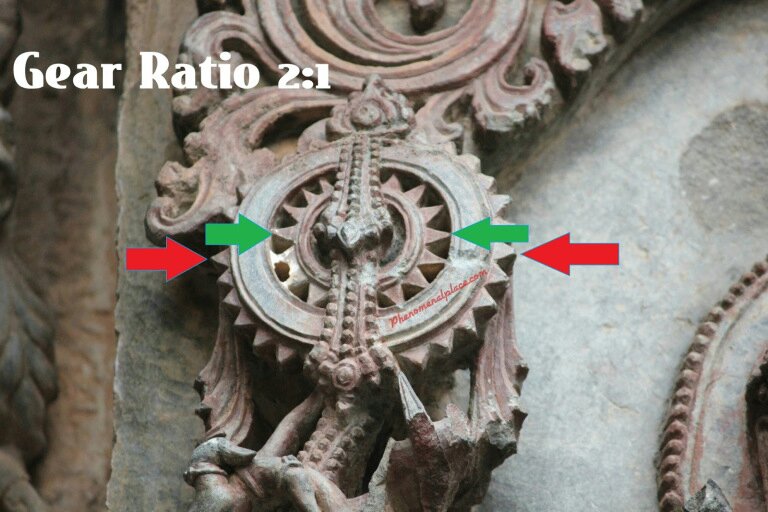
    One finds a Gear sculpture made in the exact ratio we use now!

    Hoysaleswara Temple Sanctum

    Polished Pillars with minute grooves, Hoysaleswara Temple Sanctum

    I had written on Micro drilling technology in Mahabalipuram temple in Tamil Nadu.

    We have Ajanta caves in Maharashtra where the technology used in building these temples in caves makes one suspect Alien technology!

    Shall write on Ajanta, UFO base!

    Reference and image of Gear sculpture.

    https://missiongalacticfreedom.wordpress.com/2017/08/26/evidence-of-ancient-machining-technology-900-year-old-hoysaleswara-temple-india/

  • Irungovel Tamil King And Hoysalas Founder The Same

    Apart from the well known Kings of Tamil Nadu there were some other Kings in Tamil Nadu of yore.

    One such is Irungovel, who ruled over the western part of Tamil Nadu not covered by the Chera Kings.

    hosalya-map
    Hoysla Kingdom.

    The area corresponds roughly the area surrounding Coimbatore extending  to Dharmapuiri.

    It is also interesting to note that King Pari who ruled around this area belongs to Velir Community.

    This community was brought from Dwaraka when or after Dwaraka was sinking or a little before or a little after( with those who remained the deluge) by Sage Agastya.

    Some intriguing points.

    1.The time frame mentioned and the reference found in Nachinarkkiniyar , a famous Tamil commentator of Sangam Literature.

    Sangam Tamil poets composed over 2000 poems. Purananuru is an encyclopaedia of Tamil culture. It has got less than 400 verses. Purananuru verse 201 was composed by Kapilar two thousand years ago. This is a very important verse in Purananuru. It throws much light on early Indian History. Kapilar talks about 49th generation of Irungovel. Famous Tamil Commentator Nachinarkiniyar , who lived several hundred years ago, gave a very interesting story about this verse.

    Nachinarkiniyar said that Agastya brought 12 tribes from Dwaraka ruled by Lord Krishna. Another city in the name of Dwaraka was founded in Karnataka (Mysore) state in the twelfth century. There is an interesting story about how and who founded this city. Hoychalas were the kings who ruled from this city.Hoychala is translated into Tamil asPulikadimal which is found in verse 201.

    Chala was a king belonging to Yadu dynasty. While he was hunting in the Western Ghats, he saw a hare heroically fighting with a tiger. This made him to think that this place must have some special importance. When he followed the fighting tiger and hare, an ascetic who was doing penance ordered king Chala to kill the tiger. The ascetic’s order in Sanskrit was “Hatham Hoy Chala”. So from that day on wards the king and his descendants were called Hoychalas. If the verse 201 refers to this anecdote then it must have happened 2000 years ago.

    This is reinforced by the Temples dedicated to Hindu Gods by the Hoysalas in Karnataka.

    Kannadigas from Yadava Tribe

    This King could have been called as Irungovel in Tamil and Hoysala in Karnataka.

    The area in question is around the present border of Tamil Nadu and Karnataka.

    2.Tamil Literature speaks of a King who was born of a Yaaga in Dwaraka and the city of Dwaraka was enclosed by Copper walls.

    We know that Dwaraka and Gujarat present a very rich archeological source for IVC. The contention of Dr Parpola and the Dravidian politicians of Tamilnadu is that Tamils have descended form the IVC locations of North India. The verse by poet Kapilar in fact traces the origins of the King IrungoveL to Dwaraka. He says that he belonged to the 49th generation of the king who was born of the Sacrificial Fire conducted by the sage of the North. This king ruled Dwaraka, so says the poet. Reserving the other details of this verse for a future post, I am now concentrating on another description in that song.

    ( There is another interpretation on the interpretatiion of  the term Sacrificial fire

    Kapilar describes Dwaraka as being surrounded by walls made of copper.

    நீயே, வடபால் முனிவன் தடவினுள் தோன்றிச்,
    செம்பு புனைந்து இயற்றிய சேண்நெடும் புரிசை,
    உவரா ஈகைத், துவரை ஆண்டு,
    நாற்பத்து ஒன்பது வழிமுறை வந்த
    வேளிருள் வேளே!
    This means “O king IrungoveL! you were the 49th king in the lineage of the king, who was born of the sacrificial fire conducted by the sage and ruled Dwarka which was surrounded by long / tall walls of copper.”

    From the commentary that Dr U.Ve.Sa found out form the palm leaf manuscripts :-
    “நீ தான் வட பக்கத்து முனிவனுடைய ஓம குண்டத்தின் கண் தோன்றிச் செம்பால் புனைத்து செய்தாலொத்த சேய்மையை உடைத்தாகிய நெடிய மதிலை உடைய துவராவதி என்னும் படை வீட்டை ஆண்டு, வெறுப்பில்லாத கொடையினை உடையராய் நாற்பத்தொன்பது தலைமுறை தொன்றுபட்டு வந்த வேள்களுள் வைத்து வேளாய்உள்ளாய்!”..


     ‘This king was not in Dwaraka when Kapilar met him and sang this verse. He was ruling some part of the western ghats in present day’s Karnataka. This Vel’s kingdom was different from the Tamil lands of the 3 kings (Chera, Chola and Pandya). The next verse was on the same king sung by Kapilar in which he describes his land in the hills.
    This king’s palace was not surrounded by walls of copper. Copper walls were there in the kingdom of his ancestors in Dwaraka.Assuming that 3 kings lived per century, we can say that 1600 years have passed by the time this 49th king had come into being. The period of this king is not exactly known, but can be deciphered from Kapilar’s other connections. Kapilar was a close friend of another VeL king, Paari who was killed by the 3 Tamil kings. Kapilar took care of Parri’s orphaned daughters and approached another Vel king, IrungoveL to request him to marry the two daughters of Paari. This verse contains that request.

    If we know the time period of Paari, we can ascertain the original period of the king of Dwaraka mentioned in this verse.
    Paari and other Vel kings were regarded as the 3rd and last group of Patrons (கடை ஏழு வள்ளல்கள்).

    The Vel lineage seems to have ended by the time Silapapdhikaram was written.

    Silappadhikaram is about the Cheran king Neduncheralaathan (நெடுஞ்சேரலாதன்) who brought the stone from Himalayas to construct a temple for Kannagi. He conquered kings of the North and brought them as prisoners (They were made to carry the stone).

    He later released them and ordered his deputy to keep them in the palace of the Vel king, by name Aavikko (வேளாவிக்கோ).

    (Silapapdhikaaram chapter 28 )

    “வஞ்சி மூதூர் புறத்துத்
    தாழ் நீர் வேலித் தன மலர்ப் பூம்பொழில்
    வேளாவிக்கோ மாளிகை காட்டி”

    The king showed the palace of Velaavikko surrounded by cool waters and gardens in the city of Vanji (his capital city).

    (Vanji is perhaps Kochi of Kerala.)

    From this we can say that the Vels were there before 2nd century AD.
    1600 years before that period coincides with the time of Dwarkan excavations given by Prof S.R Rao on Bet Dwaraka.
    Bet Dwaraka was a later-built city which is dated at 1520 BC by Prof Rao


    Details in this link :-

    http://www.hinduonnet.com/thehindu/mp/2002/11/20/stories/2002112000450200.htm

    This date does not coincide with Krishna‘s date as we saw in the previous post in this series. Krishna‘s time precedes by another 1500 years.

    Krishna’s Dwaraka could have been very much under the sea as there is marine archeological proof of very old habitations – now sunken – of a period, 5000 years to 7500 years ago.

    The Vel king of this sangam verse might have had his lineage traced to the Dwarakan king of Bet Dwaraka.’

    The king could have been the descendant of Krishna’s.

    3.Krishna’s dynasty listing 71 Generations of Krishna lists Shatasena as the 71 st King and Krishna comes at 64th.

    Assuming 3 Kings for every hundred years Shatasena fits the bill.

    More interesting is the fact that was he  Krishna’s son through Jambavathi, who is listed as Satyajit?

    71 generations of Krishna

    The area where Jambhavathi and her father lived was Kishkinta, now confirmed as Hampi  and surrounding areas in Karnataka.

    Possible that he conquered these areas later called as Velir Areas in Tamil Nadu?

    4.Irungovel and Hoysalas were the same or one is the descendant of the  other?

    It may be noted that both the Velirs and the Hoyasals were at war with the Cholas initially.

    One must remember tat there were no linguistic divisions of India.

    5.This Irungovel might have been around by  1800 BC .

    Citation and references.

    http://jayasreesaranathan.blogspot.in/2010/07/copper-in-harappa-dwaraka-and-in-sangam.html

     * This is an exploratory view,Please send in inputs.