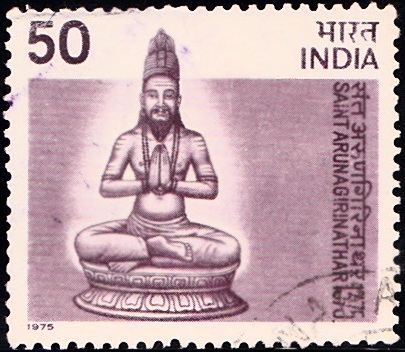
Tag: Arunagirinathar

  • Single Letter Poem Kandhar Andhadhi Thithithathai Arunagirinathar

    Single Letter Poem Kandhar Andhadhi Thithithathai Arunagirinathar

    If one researches Tamil and Sanskrit,one would be amazed at the richness of the antiquity of these languages.

    I have been trying to trace their antiquity for the past nine years ,but in vain.

    For sure,

    Both are

    Quite ancient,

    Each quote the other,

    Tamil Brahmi is dated 500 BC ,based on Samanamalai, Adichanallur inscription.

    But my view is Tamil is at least over 11,000 Years old.

    This is based on the excavated site Poompuhar Port of Chera Kings.

    This town is now near Mayiladuthurai,Tamil Nadu.

    There is an advanced Tamil site near Chennai,a million year old.

    Among some unique features of Tamil language is that,

    Tamil’s standard metalinguisticterminology and scholarly vocabulary is itself Tamil, as opposed to the Sanskrit that is standard for most Aryan languages

    Will be writing more on these lines.

    Such an ancient language quotes Sanskrit and it refers to Tamil/Tamils.

    There are literary gems in all languages found in India.

    Most of the Indian languages date back to over five thousand years.

    There are unique literary compositions in all Indian languages.

    I have written on some masterpieces in Sanskrit, including the one which forms a circle.

    A sloka in praise of Krishna is a code for the value of Pi.

    There are compositions in some Indian languages which use consonants only for Ramayana.

    I am now quoting a Tamil gem.

    This was composed by Saint Arunagirinathar while he was engaged in a literary duel with Villiputooraar,a great scholar,who wrote Mahabharata in Tamil

    The following poem uses only one letter!

    The consonant ‘Tha’

    The poem belongs to Adhadi genre,where the last word or letter forms the first letter of the succeeding word.

    திதத்தத்தத் தித்தத் திதிதாதை தாததுத் தித்தத்திதா
    திதத்தத்தத் தித்த திதித்தித்த தேதுத்து தித்திதத்தா
    திதத்தத்தத் தித்தத்தை தாததி தேதுதை தாததத்து
    திதத்தத்தத் தித்தித்தி தீதீ திதிதுதி தீதொத்ததே”

    Kandhar Andhadhi,54 Poem.

    Text in English.

    Thithatthathath Thithath Thithithathai

    Thaathuthuth Thithithathai

    Thithatthathath Thithath Thithithathai
    Thethuth Thithi Thattha
    Thithatthathath Thithatathai Thaathathi

    Thethuthai Thaathathi
    Thithaththuthath Thithithi Theethithithuthi Theethothathe’

    Meaning.

    திதி – திருநடனத்தால் காக்கின்ற
    தாதை – பரமசிவனும்

    Thithi-Lord Shiva who dances eternally,The Father
    தாத – பிரமனும்

    Thaatha-Brahma
    துத்தி – படப்பொறியினையுடையதத்தி – பாம்பினுடைய

    Thuththi,- King Cobra,which has Mark in its hood
    தா – இடத்தையும்

    Thaa-resting place
    தித – நிலைபெற்று

    Thitha-The permanent,
    தத்து – ததும்புகின்ற,

    Thathu-Brimming,
    அத்தி – சமுத்திரத்தையும்

    Athi-Ocean
    பாயலாகக்கொண்டு
    ததி – தயிரானது

    Thathi-curd
    தித்தித்ததே – தித்திக்கின்றதென்று

    Thithithathe Sweet
    து – உண்ட கண்ணனும்

    Thu,- the one who partook
    துதித்து – துதி செய்து

    வணங்குகின்ற

    Thuthithu-praying
    இதத்து – பேரின்ப சொரூபியான

    Ithathu-One who is the embodiment of Bliss
    ஆதி – முதல்வனே!

    Aadhi-The One who is the first cause,
    தத்தத்து – தந்தத்தையுடைய

    Thathathu,- with Tusks
    அத்தி – அயிராவதம் என்னும்

    யானையால் வளர்க்கப்பட்ட

    Athi-Brought up by Airawatha,the elephant of Indra,
    தத்தை – கிளி போன்ற

    Thathai-like a parrot Deivayanai’s consort of Murugan, daughter of Indra,

    தெய்வயானைக்கு
    தாத – தொண்டனே!

    Thaatha-Servant,
    தீதே – தீமையே

    Theethe-inauspicious
    துதை – நெருங்கிய

    Thuthai-nearing
    தாது – சப்த தாதுக்களால்

    நிறைந்ததும்

    Thaathu- made of Elements
    அதத்து – மரணத்தோடும்

    Athathu- against death
    உதி – ஜனனத்தோடும்

    Udhi-Birth
    தத்தும் – பல தத்துக்களோடும்

    Thathum-with minerals
    அத்து – இசைவுற்றதுமான

    Athu-that does not move
    அத்தி – எலும்புகளை மூடிய

    Athu-that which covers Bones,
    தித்தி – பையாகிய இவ்வுடல்

    Thithi-this body,
    தீ – அக்கினியினால்

    Theee- (by ) Fire
    தீ – தகிக்கப்படுகின்ற

    Thee- That fire
    திதி – அந்நாளிலே

    Thithi- on the day
    துதி – உன்னைத் துதிக்கும்

    Thuthi-praying you
    தீ – புத்தி

    Thee- my discrimination
    தொத்தது – உனக்கே

    அடிமையாகவேண்டும்

    Thothathu- Should be your slave,your Devotee..

    When my body,which is an empty bag filled with air;bones of which are covered by minerals,

    Is being consigned to Flame,

    My Thoughts should be with you,Muruga,

    Whose,

    Father,who sustains the world by His dance(Siva)

    Brahma, the Manifestor,

    Vishnu,who lies in the ocean,with the Ananta,, The serpent,The sustainer,

    Uncle Krishna,who loves Butter,curds,

    Your wife Devayani, daughter of Indra and brought up by Airawatha,Indra’s 🐘

    All these worship you.

    May mind rest in Thee at the time of my death.

    Thanks to,

    திரு.வாஞ்சீஸ்வரன் கோபால் (ponniyinselvan@yahoogroups.com

    Image credit.

    http://www.istampgallery.com/saint-arunagirinathar/

  • He Blesses Even Those Who Curse Him Subrahmanya

    The Embodiment of Beauty, Murugan in Tamil,  the Best among Brahmins, is a God who Blesses you even when you Curse Him…In Tamizh.


    Murugan,Subrahmanya.Image.jpg.
    Murugan,Subrahmanya.


    He is described as the God of Tamil , His Father, Shiva, gave the langauge Tamil and Murugan was the chief among the poets Sammelan in the Tamil Sangam Era.


    So close was Lord Murugan considered by the Tamils, so attached to Him were/are  they to Him, He is praised as a Toddler.


    He is described as so accessible to those to the Tamil Language that He Blesses even those who Curse Him in Tamil, says Saint Arunagirinathar.


    மொய் தார் அணிகுழல் வள்ளியை வேட்டவன், முத்தமிழால்
    வைதாரையும் ஆங்கு வாழ வைப்போன், வெய்ய வாரணம் போல்,
    கை தான் இருபது உடையான் தலைப் பத்தும் கத்தரிக்க
    எய்தான் மருகன், உமையாள் பயந்த இலஞ்சியமே!


    முத்தமிழால் வைதாரையும் ஆங்கு வாழ வைப்போன்-He Blesses even Those who curse Him in Tamil.

    moii-thaar aNi-kuzhal vaLLiyai vEttavan muth-thamizhaal

    vai-thaarai-yum anggu vaazha vaip-pOn veyya vaaraNam pOl

    kai-thaan irupadhu udai-yaan thalai paththum kaththarikka

    ei-thaan marugan umaiyaaL baya-ndha ilang-chiyamEy


    The God who married Valli who wears flowers,

    In her pretty hair around which bees fly,

    The god who is the nephew of Lord Rama,

    Who cut off  the ten heads of Ravana,

    Who resembled an exuberant elephant,

    And the God who is the stream of Goddess Parvathi,

    Would be present  and bless the one with happiness,

    Even if ill is told of him in the three Tamils*.


    (Translation by P.R.Ramachander)


    Citation.

    http://stotraratna.sathyasaibababrotherhood.org/m15.htm


    Enhanced by Zemanta
  • ‘முத்தைத்தரு’ Aruna Girinathar Tiruppugazh Divine Glory

    Arunagirinathar was a Tamil Saint who lived in the Fifteenth century in Thiruvannamalai.
    He was a wastrel when he was young and a womanizer.
    He  used to visit prostitutes regularly.
    His parents expired and he was living with his elder sister who was un married and was a Mother to him.
    They fell on hard times.
    They had no money.
    Arunagiri could not bear the pain of not visiting the  prostitutes.
    He was in an agony, on seeing her brother, His sister said to him,
    ‘If it is a Woman’s body you wacome to Me,
    I can not bear your suffering’
    Shocked Arunagiri was brought back to his senses.
    He went to the Temple at at Thruvannamalai, repented his sins to Lord Subramanya, climbed up the Temple Tower, and Jumped.
    Lord Subramanaya held him in his hands,said,
    ‘Arunagiri, Your Life’s work is not over yet,
    Compose songs on Me,
    Arunagiri said,
    I am a wastrel, Not educated, How can I compose songs?
    Lord Subramanya  took out His Triad, wrote the Pranava,’ OM’ on his tongue much like what Kali did for Kalidasa and gave him the first lines of a song.
    Those lines are, 
    ‘முத்தைத்தரு’
    I am reproducing the text and meanings below.
    Thiruppugazh , in Tami had originally 1600 poems.
    Now  only around 1008 are reportedly available.
    The beauty is not single Meter is repeated in another song.
    The pronunciation is a bit, though.( in some songs)
    All these song are on Lord Subramanya .
    These songs are on surrender to God(Subramanya,Life and all the Temples of Lord Subramanya, including the one in Sri Lanka (Kathirgamam)
    The songs have profound meanings.
    Lord Subramanya.
    Lord Subramanya.
    I shall , if I can,translations some time.
    In the meanwhile I am proving song  ‘முத்தைத்தரு’ from the Film Arunagirinathar, sung by TMS.
    Another one from the same movie,the repentance of Arunagiri for Tamil Lovers.
    Saint Arunagirinathar
    Saint Arunagirinathar
    இராகம்: கௌளை
    தாளம்: திஸ்ர த்ருபுடை/மிஸ்ரசாபு
    தத்தத்தன தத்தத் தனதன
    தத்தத்தன தத்தத் தனதன
    தத்தத்தன தத்தத் தனதன ….. தனதான
    முத்தைத்தரு பத்தித் திருநகை
    அத்திக்கிறை சத்திச் சரவண
    முத்திக்கொரு வித்துக் குருபர ….. எனவோதும்
    முக்கட்பர மற்குச் சுருதியின்
    முற்பட்டது கற்பித் திருவரும்
    முப்பத்துமு வர்க்கத் தமரரும் ….. அடிபேணப்
    பத்துத்தலை தத்தக் கணைதொடு
    ஒற்றைக்கிரி மத்தைப் பொருதொரு
    பட்டப்பகல் வட்டத் திகிரியில் ….. இரவாகப்
    பத்தற்கிர தத்தைக் கடவிய
    பச்சைப்பு யல்மெச்சத் தகுபொருள்
    பட்சத்தொடு ரட்சித் தருள்வதும் ….. ஒருநாளே
    தித்தித்தெய ஒத்தப் பரிபுர
    நிர்த்தப்பதம் வைத்துப் பயிரவி
    திக்கொட்கந டிக்கக் கழுகொடு ….. கழுதாடத்
    திக்குப்பரி அட்டப் பயிரவர்
    தொக்குத்தொகு தொக்குத் தொகுதொகு
    சித்ரப்பவு ரிக்குத் த்ரிகடக ….. எனவோதக்
    கொத்துப்பறை கொட்டக் களமிசை
    குக்குக்குகு குக்குக் குகுகுகு
    குத்திப்புதை புக்குப் பிடியென ….. முதுகூகை
    கொட்புற்றெழ நட்புற் றவுணரை
    வெட்டிப்பலி யிட்டுக் குலகிரி
    குத்துப்பட வொத்துப் பொரவல ….. பெருமாளே.
    பதம் பிரித்தல்
    முத்தை தரு பத்தி திரு நகை
    அத்திக்கு இறை சத்தி சரவண
    முத்திக்கு ஒரு வித்து குருபர என ஓதும்
    முக்கண் பரமற்கு சுருதியின்
    முற்பட்டது கற்பித்து இருவரும்
    முப்பத்து மூ வர்க்கத்து அமரரும் அடி பேண
    பத்து தலை தத்த கணை தொடு
    ஒற்றை கிரி மத்தை பொருது ஒரு
    பட்ட பகல் வட்ட திகிரியில் இரவாக
    பத்தற்கு இரதத்தை கடவிய
    பச்சை புயல் மெச்ச தகு பொருள்
    பட்சத்தொடு ரட்சித்து அருள்வதும் ஒரு நாளே ?
    தித்தித்தெய ஒத்த பரிபுர
    நிர்த்த பதம் வைத்து பயிரவி
    திக்கு ஒட்க நடிக்க கழுகொடு கழுது ஆட
    திக்கு பரி அட்ட பயிரவர்
    தொக்கு தொகு தொக்கு தொகுதொகு
    சித்ர பவுரிக்கு த்ரி கடக என ஓத
    கொத்து பறை கொட்ட களம் மிசை
    குக்கு குகு குக்கு குகுகுகு
    குத்தி புதை புக்கு பிடி என முது கூகை
    கொட்புற்று எழ நட்பு அற்ற அவுணரை
    வெட்டி பலி இட்டு குலகிரி
    குத்துப்பட ஒத்து பொர வ(ல்)ல பெருமாளே.
    பத உரை
    முத்தை = முத்துப் போன்ற முத்திச் செல்வத்தை.
    தரு = அளிக்கும்.
     பத்தித் திரு நகை = வரிசையாய் விளங்கும் பற்களை உடைய.
    அத்திக்கு = யானையால் வளர்க்கப்பட்ட தேவசேனைக்கு.
    இறை = இறைவனே.
    சத்தி = சத்தி வேல் (ஏந்திய).
    சரவண = சரவணபவனே.
    முத்திக்கு = வீட்டுப் பேற்றுக்கு.
    ஒரு வித்து = ஒரு வித்தே.
    குருபர = குரு மூர்த்தியே.
     என ஓதும் = என்று ஓதுகின்ற.
    முக்கண் பரமற்கு = மூன்று கண்களை உடைய சிவபெருமானுக்கு.
    சுருதியின் முற்பட்டது = வேதத்தில் முற்பட்டு நிற்கும் பிரணவத்தை.
    கற்பித்து = கற்பித்து.
    இருவரும் = பிரமன், திருமால் ஆகிய இருவரும்.
    முப்பத்து மூ வர்க்கத்து = முப்பது மூன்று வகையான
    அமரரும்- தேவர்களும்.
    அடி பேண = (உனது)திருவடியை விரும்ப (அவுணருடன் போர் செய்த பெருமாளே).
    பத்துத் தலை தத்த = (இராவணனுடைய) பத்து தலைகளும் சிதறும்படி.
    கணை தொ(ட்)டு = அம்பைச் செலுத்தியும்.
    ஒற்றைக் கிரி மத்தை = ஒப்பற்ற மந்தரம் என்னும் மலையை மத்தாக நட்டு.பொருது = (கடலைக்) கடைந்தும்.
    ஒரு பட்டப்பகல் = ஒரு பட்டப் பகலை.
    வட்ட = வட்ட வடிவமாக உள்ள.
    திகிரியில் = சக்கரத்தினால்.                        இரவாக = இரவாகச் செய்தும்.
    பத்தற்கு இரதத்தைக் கடவிய = பத்தனாகிய அருச்சுனனுடைய தேரைப் பாகனாகஇருந்த நடத்திய.
     பச்சைப் புயல் = பச்சை மேகம் போல் நிறமுடைய திருமால்.
     மெச்சத் தகு பொருள் = மெச்சத் தகுந்த பொருளே.
    பட்சத்தொடு = (என் மீது) அன்பு வைத்து.
    ரட்சித்து அருள்வதும் = (என்னைக்) காத்தருளும்.
    அருள்வதும். ஒரு நாளே = ஒரு நல்ல நாளும் உண்டாகுமா?
    தித்தித்தெய ஒத்து = தித்தித்தெய என்னும் தாளத்துக்கு ஒத்த வகையில்.
    பரிபுரம் = சிலம்பு (அணிந்த).
    நிர்த்தப் பதம் வைத்து = நடனப் பதத்தை வைத்து.
    பயிரவி = காளி.                                                 திக்கு = திக்குகளில்.
    ஒட்க நடிக்க = சுழன்று நடிக்கவும்.        கழுகொடு = கழுகுகளுடன்.
    கழுது = பேய்கள்.                                               ஆட = ஆடவும்.
    திக்குப் பரி = திக்குகளைக் காக்கும்.     அட்டப் பயிரவர் = எட்டு பயிரவர்கள்.
    தொக்கு…..தொகு = தொக்குத் தொகு என வரும்.
    சித்ர = அழகிய.                                                  பவுரிக்கு = மண்டலக் கூத்தை.
    த்ரிகடக என ஓத = த்ரிகடக என்று ஓதவும்.
    கொத்துப் பறை = கூட்டமான பறைகள்.
    கொட்ட = முழங்கவும்.                                களம் மிசை = போர்க் களத்தில்.
    குக்குக்குகு…குத்திப் புதை புக்குப் பிடி= இவ்வாறு ஒலி செய்து.
    முது கூகை = கிழக் கோட்டான்கள்.
    கொட்புற்று எழ = வட்டம் இட்டு எழவும்.
    நட்பு அற்ற அவுணரை = பகைவர்களாகிய அசுரர்களை.
    வெட்டிப் பலி இட்டு = வெட்டிப் பலி இட்டு.
    குலகிரி = குலகிரியாகிய கிரௌஞ்ச மலை.
     குத்துப்பட ஒத்து = குத்துப்படத் தாக்கி.
    பொர வ(ல்)ல = சண்டை செய்ய வல்ல.
    பெருமாளே = பெருமாளே.

    http://thiruppugazhamirutham.blogspot.in/2012/08/5.html

  • Temple Where ‘Children are Given Away’ Viralimalai

    The practice of Yoga bestows on one some special powers as an offshoot of the spiritual Discipline..

    Those who want to advance in the Spiritual quest ignores them for they are an impediment to Spiritual Progress.

    Swami Ramakrishna Paramahamsa  admonished a a man who boasted to Ramakrishna that he had spent 12 years of sadhana,Spiritual Practice and acquired the ability to walk on Water by demonstrating it,

    -You have wasted 12 years of your Life for a thing which can be achieved by paying Half anna (roughly 3paise)-in Dollar Terms, it is near Zero”

    Those who discard them become great.

    Arunagirinathar was a saint of recent Prigin and he was a Devotee of Lord Muruga.

    He excelled in Bhakti Yoga(I shall write on him later).

    Lord Subrahmanya bestowed on him The Eight Special Powers At Viralimalai,near Tiruchirapalli.

    Predictably, though Arunagirinathar accepted these Siddhis with all humility he was not enamoured of them.

    Viralimalai is located near Tiruchi, about an hour and a Half drive.

    The temple is closed between 12 and 4 pm.

    Lord Shiva, Parvati and Lord Subramanya are Deities here. with Lord Subramanya being the presiding Deity.

    The temple can be reached easily from Tiruchi and lies on the Perambalur Road and Transport is no problem.

    Here Lord Subramanya has three faces , facing us and another three behind.

    The Lord’s name is Shanmuganathan.

    Viralimalai Murugan Temple.
    Viralimalai Murugan Temple.

    ‘Temple:

    We find the statue of Kashyapa Muni and Narada Muni in the hill temple along with sculptures of Arundhati and Vashishta. We also find the sculpture of Arumugan and Arunagirinathar on the pillars found on the way to the temple. The temple is located on top of the hill and can be seen from a great distance. A beautiful flight of steps along with mandapams for devotees to rest, take us to the top of the hill. At the foot of the hills the water tank called Saravana Poigai is located on southern side. On the eastern side there is a Srine for the goddess Maikannudaiyal. It is customary to worship this goddess before climbing up the hill.

    On the way to the hill top we find the Idumban Sannidhi a small cave Srine for Meenakshi Sundareshwar and a mandapam called Sandana Kottam at the end of the flight of steps. Adjacent to the Sandana Kottam Mandapam we find the Navaratri and Shanmuga Moorty Mandapam.

    Next to the Navaratri Mandapam we find the south-facing Raja Gopuram. In the Shanmuga Moorthy Mandapam of this temple with a single prahara the utsavamoorthy gives darshan together with devas. In the western part of the prahara we find the Srines of Vinayagar, Dakshina Moorthy, Agasthiyar and Arunagirinathar and in the northern side we find the Srine of Chandikeshwarar and Bhairavar.

    The Srine for Navagraha is located on the way to the Maha Mandapam in front of the sanctum sanctorum. In the Maha Mandapam Natarajar, Sivakami, Manika Vinayagar and Srinivasa Perumal with consort await to bless the devotees. On the outer walls of the garbhagraha we find inscriptions. Inside the sanctum sanctorum Lord Muruga showers blessings upon the devotees.

    Theertham

    On the southern part of the foothill Saravana Poigai, the Sthala Theertham is located. It is also called Naga Theertham. The Sthala Vriksham in this temple is Kasi Vilvam.

    Moolavar

    The vision of the Lord inside the Garbhagraha is soul-stirring. The Lord is in the form of Arumugan, six-faced and with twelve hands seated elegantly on the peacock facing east. The divine consorts Valli and Deivannai stand on either side. As the Sivachariyar offers camphor the devotees can see the three faces at the back in the mirror which the other three can be viewed directly.’

    Temple address:

    Sri Shanmuganathan Devasthanam
    Viralimalai
    Tiruchirapalli – 621 316 India

    Ack: http://murugan.org/temples/viralima.htm

    There is a practice of Giving away one’s Son or Daughter to the Lord as a vow when one faces acute problems and the child is being taken back  by Foster parents, normally Grandparents or Uncles.

    The child is required to worship the Lord. apart from the Family Deity.

    I will be  posting on Family Deities.

    (Daththu Koduthal)

    It is a Belief problems are resolved..

    Peacocks Abound around Viralimalai the Temple.
    Peacocks Abound around Viralimalai the Temple.

    Related:

    There is the concept of the Ashta Siddhi (eight siddhis) in Hinduism. These are:

    • Aṇimā: reducing one’s body even to the size of an atom
    • Mahima: expanding one’s body to an infinitely large size
    • Garima: becoming infinitely heavy
    • Laghima: becoming almost weightless
    • Prāpti: having unrestricted access to all places
    • Prākāmya: realizing whatever one desires
    • Iṣṭva: possessing absolute lordship
    • Vaśtva: the power to subjugate all[5]

    The eight siddhis hinted at by Kapila in his Sutra – अष्टधा सिद्धिः ||१५|| –[6] are as explained in Verse 51 of Samkhyakarika:[7]

    • Uuha: based on the samskaras of previous births the attainment of knowledge about the twenty-four Tatwas gained by examining the determinable and the indeterminable conscious and the non-conscious constituents of creation,
    • Shabad: knowledge gained by associating with an enlightened person (Guru – upadesh),
    • Addhyyan: knowledge gained through study of the Vedas and other standard ancillary texts,
    • Suhritprapti: knowledge gained from a kind-hearted person, while engaged in the spread of knowledge
    • Daan: knowledge gained regardless of one’s own needs while attending to the requirements of those engaged in the search of the highest truth,
    • Aadhyaatmik dukkh-haan: freedom from pain, disappointment, etc; arising due to lack of spiritual, metaphysical, mystic knowledge and experience,
    • Aadhibhautik dukkh-haan: freedom from pain etc; arising by possessing and being attached to various materialistic gains,
    • Aadhidaivik dukkh-haan: freedom from pain etc; caused by fate or due to reliance on fate,

    the attainment of which eight siddhis makes one become rid of pain-causing ignorance through gain of knowledge, and experience bliss. The aim of Samkhya is to eliminate all kinds of physical and mental pains and to receive liberation.

    http://en.wikipedia.org/wiki/Siddhi

    Viralimalai – Part 1


    Virali Malai * Arulmigu Subramania Swamy ~