Month: January 2022

  • Sage Dematrialized Gazette Notification 1880

    Sage Dematrialized Gazette Notification 1880

    There have been Siddhas,Yogis, Babas and great souls who had realised Brahman,Godhood through many paths. Travels might differ, not the Destination.Some achieve Savikalpa Sanadhi,yet others Nirvikalp Samadhi.Nirvikalp samadhi is that state of Eternal Bliss from which the Sadhaka, Practitioner does not return to mundane life. Savikalpa is that state,the practitioner, having attained Samadhi , returns back to normal Life,remains in Bliss yet carries out daily activities. Ramana Maharishi, Ramakrishna Paramahamsa, Swami Yogananda, Trilinga Swamigal, Sadashiva Brahmendra,Kuzhandaiyananda Swamigal, Sheshadri Swamigal,Avtar Babaji . Except Sri. Avtar Babaji,others have lived in 19 and 20th Century.

    I had written on the Saint who spoke from the grave thus..

    And. Britisher Who Saw Lord Shiva Renovated Shiva Temple  Baijnath Agar Malwa

    One such great sadhaka from Tamil Nadu was Sri.Ramalinga Swamigal,called as Vallalaar.And he attaineed Samadhi , Dematrialized and this has been acknowledged in Madras State Gazetter,South Arcot District, in 1874.

    Thiruvarutprakasa Vallalār Chidambaram Ramalingam (5 October 1823 – 30 January 1874), commonly known in India and across the world as VallalārRamalinga Swamigal and Ramalinga Adigal, was one of the most famous Tamil Saints and also one of the greatest Tamil poets of the 19th century and belongs to a line of Tamil saints known as “gnana siddhars” (gnana means higher wisdom. ‘

    ‘No sooner the Light was perceived, happiness prevailed on me”, and”The sweet nectar was tasted by me as soon as the Arut perun jothi (Supreme Grace Of Light) became visible”..

    On 22 October 1873, Rāmalingam raised the flag of Brotherhood on his one-room residence Siddhi Valāgam in Mettukuppam. He gave his final and most popular lecture, about spiritual progress and, “nature of the powers that lie beyond us and move us,” and recommended meditation using the lighted lamp from his room, which he then kept outside.

    On 30 January 1874, Rāmalingam entered the room, locked himself inside and told his followers not to open it. After opening, he said, he will not be found there. (He will be “United with Nature & ruling the actions of ‘all of the alls’,” as told in his poem called ‘Gnana Sariyai’). His seclusion spurred many rumors, and the Government finally forced the doors open in May. The room was empty, with no clues. In 1906, records about his disappearance were published in the South Arcot District’s Madras District Gazetteers. More on Vallalaar, Ramalinga Swamigal

    TO CREMATION .EVEN BRAHMINS ARE SAID TO HAVE BEEN BURRIED IN THIS BEHALF , AND PEOPLE WHO DIED IN OTHER VILLAGES WERE IN SEVERAL CASES BROUGHT TO VADALUR AND INTERRED THERE. IN 1874 HE LOCKED HIMSELF IN A ROOM (STILL IN EXISTENCE)IN METTUKUPPAM(HAMLET OF KARUNGUZHI) WHICH HE USED FOR SAMAADHI OR MYSTIC MEDITAION ,AND INSTRUCTED HIS DISCIPLES NOT TO OPEN IT FOR SOME TIME. HE HAS NEVER BEEN SEEN SINCE.AND THE ROOM IS STILL LOCKED.IT IS HELD BY THOSE WHO STILL BELIEVE IN HIM THAT HE WAS MIRACULOUSLY MADE ONE WITH HIS GOD AND THAT IN FULNESS OF TIME HE WILL REAPPEAR TO THE FAITHFUL.WHATEVER MAY BE THE THOUGHT OF HIS CLAIMS TO BE A RELIGIOUS LEADER , IT IS GENERALLY ADMITTED BY THOSE WHO ARE JUDGES OF SUCH MATTERS THAT HIS POEMS ,AND HIS STORY IS WORTH NOTING AS AN INDICATION OF THE DIRECTIONS WHICH RELIGIOUS FERVOUR MAY STILL TAKE.

    OMMISSIONERS OF HINDU RELIGIOUS ENDOWMENT IN THE CAPACITY OF JUDGES HAVE GIVEN THEIR JUDGEMENT ORDER NO. 387 DATED 12.2.1935

    IN THIS ORDER ALSO THE JUDGES HAVE GIVEN CLEARLY THEIR STATEMENT THAT VALLALAAR HAS DISAPPEARED. ,

    “WE HAVE ALREADY REFERRED TO THE PATTAMATRAL RAZINAMA OF 1867 EXHIBIT III SERIES. THOUGH THEY ARE ALL EXECUTED IN FAVOUR OF APPASWAMI CHETTIAR VAGAIRAS REFERRING

    TO THE SANMARGA SANGAM,ALL OF THEM DESIGNATE THE FOUNDER OF THE PERSON IN WHOSE NAME THE PATTA MIGHT STAND. THE PATTA APPEARS TO H AVE CONTINUED IN HIS NAME TILL 1880,WHEN EVIDENTLY LAPSE OF SEVEN YEARS FROM HIS DISAPPEARANCE, A NOTIFICATION WAS ISSUED IN THE DISTRICT GAZETTE PROPOSING TRANSFER OF REGISTRU IN THE NAMES OF FOUR PERSONS DESCRIBED AS AGENTS OF THE SWAMIGAL. THIS NOTIFICATION DATED 11.10.1880/.

    COPY OF GAZETTE ISSUED BY THE COLLECTOR OF SOUTH ARCOT WITH REGARDS TO

    VALLALAAR’S DISAPPEARANCE;

    EXTRACT FROM PAGE 316-317 OF MADRAS DISTRICT GAZETTEERS-SOUTH ARCOT DISTRICT

    BY W.FRANCIS I.C.S.

    ” RAMALINGA PARADESI SEEMS TO HAVE PERSUADED HIS DISCIPLES THAT THEY WOULD RISE AGAIN FROM THE DEAD, AND HE CONSEQUENTLY URGED THAT BURIAL WAS PREFERABLE. https://www.vallalarspace.com/mupa/c/V000006470B

  • Vimana Sastra Proved California Why Denial Mode ?

    Vimana Sastra Proved California Why Denial Mode ?

    I have written articles on Vimanas, Aircrafts mentioned in Ancient Sanskrit texts of India. Vimanas are also mentioned in Ancient Tamil texts. These texts include Puran Ramayana, Mahabharata,and Sangam Literature of Tamil.The Vaimanika sastra by Sage Bharatwaja describes the type of Vimanas. I had also quoted information that Sri.Josier of Mysore Karnataka wrote a book and Sri. Talpade flew it.

    The Rig-Veda, the oldest document of the human race includes references to the following modes of transportation: Jalayan a vehicle designed to operate in air and water (Rig Veda 6.58.3).

    Kaara- Kaara- Kaara- a vehicle that operates on ground and in water.

    (Rig Veda 9.14.1)

    Tritala- Tritala- Tritala- a vehicle consisting of three stories.

    (Rig Veda 3.14.1);

    Trichakra Ratha, a three-wheeled vehicle designed to operate in the air.

    (Rig Veda 4.36.1)

    Vaayu Ratha, a gas or wind-powered chariot. 

    (Rig Veda 5.41.6)Vidyut Ratha a vehicle that operates on electromagnetic power.

    (Rig Veda 3.14.1).

    Only a few years ago, the Chinese discovered some Sanskrit documents in Lhasa, Tibet and sent them to the University of Chandrigarh to be translated. Dr. Ruth Reyna of the university said that the documents contain directions for building interstellar spaceships! The Chinese announced that they were including certain parts of the documents for study in their space program(* I had written on the ancient Sanskrit Texts found in Lhasa, Tibet)..’

    The Rig Veda, the oldest document of the human race includes references to various modes of transportation. Link given at the end of the article.

    Spaceship Technology Hinduism Vaimanika Shastra Text Demo

    Indian Vimana Design Works University of California Video

    US Troops Find Mahabharata Vimana,Disappear

    Despite evidence as detailed above, there is still scepticism about the Vaimanika Sastra and the fact that the design works. One of my readers Ms.Kavya Vaddadi had published a book on Vaimanika Sastra design in collaboration with an Italian researcher. In the initial stages of the book I was of some use to her in deciphering the meaning of Sanskrit words and this has been acknowledged by her in the book,so nice of her.

    Denial mode.

    The Vaimānika Śāstra was first committed to writing between 1918 and 1923, and nobody is claiming that it came from some mysterious antique manuscript. The fact is, there are no manuscripts of this text before 1918, and nobody is claiming that there are. So on one level, this is not a hoax. You just have to buy into the assumption that ‘channeling’ works. … there is no exposition of the theory of aviation (let alone antigravity). In plain terms, the VS. never directly explains how Vimanas get up in the air. The text is top-heavy with long lists of often bizarre ingredients used to construct various subsystems. … There is nothing here which Jules Verne couldn’t have dreamed up, no mention of exotic elements or advanced construction techniques. The 1923 technical illustration based on the text … are absurdly un-aerodynamic. They look like brutalist wedding cakes, with minarets, huge ornithopter wings and dinky propellers. In other words, they look like typical early 20th century fantasy flying machines with an Indian twist.

    A 1974 study by researchers at the Indian Institute of Science, Bangalore, found that the heavier-than-air aircraft that the Vaimānika Śāstra described were aeronautically unfeasible. The authors remarked that the discussion of the principles of flight in the text were largely perfunctory and incorrect, in some cases violating Newton’s laws of motion. The study concluded:

    Any reader by now would have concluded the obvious – that the planes described above are the best poor concoctions, rather than expressions of something real. None of the planes has properties or capabilities of being flown; the geometries are unimaginably horrendous from the point of view of flying; and the principles of propulsion make them resist rather than assist flying. The text and the drawings do not correlate with each other even thematically. The drawings definitely point to a knowledge of modern machinery. This can be explained on the basis of the fact that Shri Ellappa who made the drawings was in a local engineering college and was thus familiar with names and details of some machinery. Of course the text retains a structure in language and content from which its ‘recent nature’ cannot be asserted

    Vaimanika Sastra Wiki write up.

    I am puzzled as to why these statements are made despite empirical evidence on this theory and it’s practical application. And it has been demonstrated.https://play.history.com/shows/ancient-aliens/season-12/episode-11

    Ancient Vimanas History Channel.
  • Veda Vyasa Grandson Of Thodiththol Chola Uparichara

    Veda Vyasa Grandson Of Thodiththol Chola Uparichara

    In my earlier articles, I have traced the ancestry of Chozha Kings based on Thiruvalankadu Copperplates evidence and validated it by Brahmanda Puran and Mahabharat.These texts mention Chozhas prominently as having been linked to Suryavansh,Solar Dynasty.They are Muchukunda, Sibi ,Manuneedhi and Thodiththol Chola.Muchukunda Chozha is referred to in Tamil classics and Sthala Puran of temples in Tamil Nadu. He is associated with Sapthavidanga Sthalas in Tamilnadu. Sapthavidanga Sthalas.

    Emerald Siva linga at Uttarakosamangai, Tamil Nadu

    Sibi Chozha built the Pundarikaksha Temple at Thiruvellarai near Sri Rangam,Tamil Nadu.

    Manu ,the first Human was from Dravida Desa and was an Emperor. His son Ikshvaku founded the Ikshvaku,Solar race,to which Sri Rama belongs. Manu had a daughter Ila .Through her came the Chandravansh, ,Lunar Dynasty.Puru,Kuru and Yadu dynasties have sprung from this dynasty.Chozhas trace their genealogy References to this are also found in Silappadikaram, Manimekalai and Sangam Literature Puranaanuru.

    Uparichara vasu was a king of the Puru lineage and his grandson was Veda Vyasa.

    ← Back

    Thank you for your response. ✨

    Please rate our website(required)

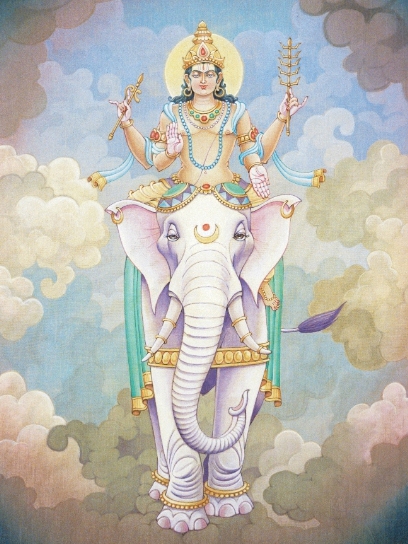
    After Vasu performed the austerities, gratified Indra had blessed him and given him a crystal chariot along with a bamboo pole to protect his subjects. Uparichara, after one year, planted the pole and worshipped it as Sakra. This became a tradition in Chedi and people used to erect pole and deck it with gold cloth, scents, garlands and various ornaments. Indra was gratified by this festival and blessed them.https://en.m.wikipedia.org/wiki/Uparichara_Vasu

    Vaishampayana said, “There was a king, a ruler of the earth, always devoted to righteous conduct. His name was Uparichara and he loved hunting. That descendant of the Puru lineage was also named Vasu and, on Indra’s instructions, conquered the beautiful and handsome kingdom of Chedi. After some time, the king gave up the use of weapons and lived in a hermitage, practising austerities. One day, the thunder-wielding god came to him.

    • We see that before he conquered the kingdom of Chedi and made his capital at Suktimati, he was still a powerful ruler and a devotee and friend of Indra. Even referred to as the lord of Earth……..Here we see that Indra pleased with Uparichara’s austerities gives him one of his divine chariots(which will appear later in the answer). He also gives him a vaijayanti mala, which would make one immune to all weapons, and a bamboo stick as a symbol of maintaining the peace.
    • Later all the kings started this practice of worshipping bamboo stickes, who have the manifestation of Indra himself. It became a custom among the kings…..

    He had five sons, who had great valour and infinite might. He was a universal emperor and instated his sons in many kingdoms. His famous maharatha son Brihadratha was instated in the kingdom of Magadha. Others were Pratyagraha and Kushamba, also known as Manivahana and Macchilla, and Yadu, powerful kings invincible in battle. O king! These were the sons of that rajarshi with unbounded powers. They established kingdoms and cities named after them. Thus, the five kings, sons of Vasu, established separate dynasties that were eternal. When he seated himself or travelled through the sky in the crystal chariot obtained through Indra’s grace, the apsaras and the gandharvas worshipped the great king. And he became famous as Uparichara.

    • Here, universal emperor mostly refers to the fact that he has already defeated all kings .
    • His wife Girika gave birth to 5 sons: Brihadratha of Magadha, Pratyagraha, Kushamba Manivahana, Macchilla and Yadu (Not to be confused with Yadu, the son of Yayati).
    • Each of them established kingdoms of their own and their dynasties remained for a long periods of time…….Here we can understand that Vasu was already the king of Chedi before his marriage. Infact his wife Girika is much smaller in age than him. This is probably when Vasu was a young and powerful king and had just become a king of kings.
    • The son of the river was appointed as the general of Vasu’s army. The daughter married Vasu and gave birth to five illustrious sons….

    “When the bird was thus swiftly flying through the sky, another hawk saw him and thought that the hawk was carrying some meat and flew at him. The two birds fought with their beaks in the sky. When they were thus fighting, the semen fell into the waters of the river Yamuna. An apsara known by the name of Adrika lived in the water of the Yamuna as a fish, because she had been cursed by Brahma. In the form of a fish, Adrika speedily came to where Vasu’s semen fell from the hawk’s claw and swallowed it up immediately. O best of the Bharata lineage! Some time after this, the fish was caught by fishermen and she was in her tenth month. From the stomach of the fish there emerged twins in human form, a boy and a girl. They marvelled at this and went and told the king, ‘O king! These two have been born in human form inside a fish.’ Then King Uparichara accepted the male child and he later became the righteous and truthful king named Matsya. As soon as the children were born, the apsara was also immediately freed from her curse. The beautiful one had earlier been told by the illustrious god that she would be freed from her nonhuman form when she gave birth to two human children. Following these words, after giving birth to two children and after being killed by the fishermen, she left the form of a fish and assumed her own divine form. The beautiful apsara then went up to the sky, following the path of the siddhas, rishis and charanas. The girl, the daughter of the fish, smelt of fish. She was given by the king to the fishermen, saying that she would be their daughter. ‘“This girl was called Satyavati. She was possessed of great beauty and had every quality and character.

    • The Apsara Adrika gave birth to a set of twins, one male and one female after consuming Vasu’s semen. She was cursed to be a fish, and got liberated after the birth of twins.
    • The male child was named Matsya, and he was raised by Vasu himself to be a righteous and truthful king. He would later go on to establish the kingdom of Matsya, and is the ancestor of King Virata of Matsya.
    • The female child was named Satyavati or Matsyagandha. She was given to the king of fishermen or Dasa, who later adopted her as a daughter. She later obtained the names Yojanagandha and Gandhavati after her giving birth to Krishna Dwaipayana Vyasa through Rishi Parashara.
    • We know that Satyavati later marries King Shantanu…..
    • https://www.quora.com/What-was-the-relationship-between-Uparichara-Vasu-Kuru-king-and-Shantanu-before-Shantanu-s-marriage-with-Satyavati.
    • Chedi Kingdom

    One of the Five epics of Tamil Manimekalai,A Jain work talks of Chola King being presented with a Chariot . And Silappadikaram another Tamil epic also mentions this.

    உலகம் திரியா ஓங்கு உயர் விழுச் சீர்ப்

    பலர் புகழ் மூதூர்ப் பண்பு மேம்படீஇய

    ஓங்கு உயர் மலயத்து அருந் தவன் உரைப்ப

    தூங்கு எயில் எறிந்த தொடித் தோள் செம்பியன்

    விண்ணவர் தலைவனை வணங்கி முன் நின்று

    மண்ணகத்து என்தன் வான் பதி தன்னுள்

    மேலோர் விழைய விழாக் கோள் எடுத்த

    நால் ஏழ் நாளினும் நன்கு இனிது உறைக என

    அமரர் தலைவன் ஆங்கு அது நேர்ந்தது

    கவராக் கேள்வியோர் கடவார் ஆகலின் 01-010 மெய்த் திறம் வழக்கு நன்பொருள் வீடு எனும்

    இத் திறம் தம் தம் இயல்பினின் காட்டும்

    சமயக் கணக்கரும் தம் துறை போகிய

    அமயக் கணக்கரும் அகலார் ஆகி

    கரந்து உரு எய்திய கடவுளாளரும்

    பரந்து ஒருங்கு ஈண்டிய பாடை மாக்களும்

    ஐம் பெருங்குழுவும் எண் பேர் ஆயமும்

    வந்து ஒருங்கு குழீஇ வான்பதி தன்னுள்

    கொடித் தேர்த் தானைக் கொற்றவன் துயரம்

    விடுத்த பூதம் விழாக்கோள் மறப்பின் 01-020 மடித்த செவ் வாய் வல் எயிறு இலங்க

    இடிக் குரல் முழக்கத்து இடும்பை செய்திடும்

    தொடுத்த பாசத்து தொல் பதி நரகரைப்

    புடைத்து உணும் பூதமும் பொருந்தாதாயிடும்

    மா இரு ஞாலத்து அரசு தலையீண்டும்

    ஆயிரம்கண்ணோன் விழாக் கால்கொள்க என

    வச்சிரக் கோட்டத்து மணம் கெழு முரசம்

    கச்சை யானைப் பிடர்த்தலை ஏற்றி

    ஏற்று உரி போர்த்த இடி உறு முழக்கின்

    கூற்றுக்கண் விளிக்கும் குருதி வேட்கை 01-030 முரசு கடிப்பு இகூஉம் முதுகுடிப் பிறந்தோன்

    திரு விழை மூதூர் வாழ்க! என்று ஏத்தி

    வானம் மும் மாரி பொழிக! மன்னவன்

    கோள் நிலை திரியாக் கோலோன் ஆகுக! தீவகச் சாந்தி செய்தரு நல் நாள்

    ஆயிரம்கண்ணோன் தன்னோடு ஆங்கு உள

    நால் வேறு தேவரும் நலத்தகு சிறப்பில்

    பால் வேறு தேவரும் இப் பதிப் படர்ந்து

    மன்னன் கரிகால்வளவன் நீங்கிய நாள்

    இந் நகர் போல்வதோர் இயல்பினது ஆகிப் 01-040 பொன்நகர் வறிதாப் போதுவர் என்பது

    தொல் நிலை உணர்ந்தோர் துணிபொருள் ஆதலின்

    தோரண வீதியும் தோம் அறு கோட்டியும்

    பூரண கும்பமும் பொலம் பாலிகைகளும்

    பாவை விளக்கும் பல உடன் பரப்புமின்

    காய்க் குலைக் கமுகும் வாழையும் வஞ்சியும்

    பூக் கொடி வல்லியும் கரும்பும் நடுமின்

    பத்தி வேதிகைப் பசும் பொன் தூணத்து

    முத்துத் தாமம் முறையொடு நாற்றுமின்

    விழவு மலி மூதூர் வீதியும் மன்றமும் 01-050 பழ மணல் மாற்றுமின் புது மணல் பரப்புமின்

    கதலிகைக் கொடியும் காழ் ஊன்று விலோதமும்

    மதலை மாடமும் வாயிலும் சேர்த்துமின்

    நுதல் விழி நாட்டத்து இறையோன் முதலா

    பதி வாழ் சதுக்கத்துத் தெய்வம் ஈறு ஆக

    வேறுவேறு சிறப்பின் வேறுவேறு செய்வினை….

    முதலாவது விழாவறைந்த பாட்டு அஃதாவது: பூம்புகார் நகரத்து வாழ்கின்ற சமயக் கணக்கர் முதலிய பெரியோர் ஒருங்கு கூடி அந் நகரத்திலே வாண்டு தோறும் நிகழ்த்தப்பட்டு வருகின்ற இந்திர விழா என்னும் பெருவிழா எடுத்தற்குரிய சித்திரைத் திங்களின் முழுமதி நாள் அணுகி வருதலானே அவ் விழாவிற்குக் கால் கொள்ள வேண்டும் என்று முடிவு செய்து அதனை நகரமக்கட்கு அறிவிக்கும் படி வழக்கம் போல விழா முரசம் அறையும் முதுகுடிப் பிறந்த வள்ளுவனுக்கு அறிவிப்பு, அது கேட்ட வள்ளுவன்றாணும் வச்சிரக் கோட்டத்தில் வைக்கப்பட்டிருக்கின்ற மணங்கெழு முரசத்தைக் கச்சையானைப் பிடர்த்தலை ஏற்றித் தானும் ஏறியிருந்து அவ் விழா நிகழப் போவதனையும் அதற்குக் கால் கோள் செய்யும் நாளையும் விழாவின் பொருட்டு நகரத் தெருக்கள் தோறும் முரசறைந்த செய்தியைக் கூறும் பாட்டு என்றவாறு. இக் காதையினால் இற்றைக் கிர்கடாயிரம் ஆண்டுகட்கு முன்னர்த் தமிழகத்து மாந்தர் விழா நிகழ்த்தும் முறையும், அவர் ஒப்பற்ற நாகரிகமும் இனிது விளங்கும். உலகம் திரியா ஓங்கு உயர் விழுச் சீர்ப்
    பலர் புகழ் மூதூர்ப் பண்பு மேம்படீஇய
    ஓங்கு உயர் மலயத்து அருந் தவன் உரைப்ப
    தூங்கு எயில் எறிந்த தொடித் தோள் செம்பியன்
    விண்ணவர் தலைவனை வணங்கி முன் நின்று
    மண்ணகத்து என்தன் வான் பதி தன்னுள்
    மேலோர் விழைய விழாக் கோள் எடுத்த
    நால் ஏழ் நாளினும் நன்கு இனிது உறைக என
    அமரர் தலைவன் ஆங்கு அது நேர்ந்தது
    கவராக் கேள்வியோர் கடவார் ஆகலின் 01-010 மெய்த் திறம் வழக்கு நன்பொருள் வீடு எனும்
    இத் திறம் தம் தம் இயல்பினின் காட்டும்
    சமயக் கணக்கரும் தம் துறை போகிய
    அமயக் கணக்கரும் அகலார் ஆகி
    கரந்து உரு எய்திய கடவுளாளரும்
    பரந்து ஒருங்கு ஈண்டிய பாடை மாக்களும்
    ஐம் பெருங்குழுவும் எண் பேர் ஆயமும்
    வந்து ஒருங்கு குழீஇ வான்பதி தன்னுள்
    கொடித் தேர்த் தானைக் கொற்றவன் துயரம்
    விடுத்த பூதம் விழாக்கோள் மறப்பின் 01-020 மடித்த செவ் வாய் வல் எயிறு இலங்க
    இடிக் குரல் முழக்கத்து இடும்பை செய்திடும்
    தொடுத்த பாசத்து தொல் பதி நரகரைப்
    புடைத்து உணும் பூதமும் பொருந்தாதாயிடும்
    மா இரு ஞாலத்து அரசு தலையீண்டும்
    ஆயிரம்கண்ணோன் விழாக் கால்கொள்க என
    வச்சிரக் கோட்டத்து மணம் கெழு முரசம்
    கச்சை யானைப் பிடர்த்தலை ஏற்றி
    ஏற்று உரி போர்த்த இடி உறு முழக்கின்
    கூற்றுக்கண் விளிக்கும் குருதி வேட்கை 01-030 முரசு கடிப்பு இகூஉம் முதுகுடிப் பிறந்தோன்
    திரு விழை மூதூர் வாழ்க! என்று ஏத்தி
    வானம் மும் மாரி பொழிக! மன்னவன்
    கோள் நிலை திரியாக் கோலோன் ஆகுக!
    தீவகச் சாந்தி செய்தரு நல் நாள்
    ஆயிரம்கண்ணோன் தன்னோடு ஆங்கு உள
    நால் வேறு தேவரும் நலத்தகு சிறப்பில்
    பால் வேறு தேவரும் இப் பதிப் படர்ந்து
    மன்னன் கரிகால்வளவன் நீங்கிய நாள்
    இந் நகர் போல்வதோர் இயல்பினது ஆகிப் 01-040 பொன்நகர் வறிதாப் போதுவர் என்பது
    தொல் நிலை உணர்ந்தோர் துணிபொருள் ஆதலின்
    தோரண வீதியும் தோம் அறு கோட்டியும்
    பூரண கும்பமும் பொலம் பாலிகைகளும்
    பாவை விளக்கும் பல உடன் பரப்புமின்
    காய்க் குலைக் கமுகும் வாழையும் வஞ்சியும்
    பூக் கொடி வல்லியும் கரும்பும் நடுமின்
    பத்தி வேதிகைப் பசும் பொன் தூணத்து
    முத்துத் தாமம் முறையொடு நாற்றுமின்
    விழவு மலி மூதூர் வீதியும் மன்றமும் 01-050 பழ மணல் மாற்றுமின் புது மணல் பரப்புமின்
    கதலிகைக் கொடியும் காழ் ஊன்று விலோதமும்
    மதலை மாடமும் வாயிலும் சேர்த்துமின்
    நுதல் விழி நாட்டத்து இறையோன் முதலா
    பதி வாழ் சதுக்கத்துத் தெய்வம் ஈறு ஆக
    வேறுவேறு சிறப்பின் வேறுவேறு செய்வினை
    ஆறு அறி மரபின் அறிந்தோர் செய்யுமின்
    தண் மணல் பந்தரும் தாழ்தரு பொதியிலும்
    புண்ணிய நல்லுரை அறிவீர்! பொருந்துமின்
    ஒட்டிய சமயத்து உறு பொருள் வாதிகள் 01-060 பட்டி மண்டபத்து பாங்கு அறிந்து ஏறுமின்
    பற்றாமாக்கள் தம்முடன் ஆயினும்
    செற்றமும் கலாமும் செய்யாது அகலுமின்
    வெண் மணல் குன்றமும் விரி பூஞ் சோலையும்
    தண் மணல் துருத்தியும் தாழ் பூந் துறைகளும்
    தேவரும் மக்களும் ஒத்து உடன் திரிதரும்
    நால் ஏழ் நாளினும் நன்கு அறிந்தீர் என
    ஒளிறு வாள் மறவரும் தேரும் மாவும்
    களிறும் சூழ்தர கண் முரசு இயம்பி
    பசியும் பிணியும் பகையும் நீங்கி
    வசியும் வளனும் சுரக்க! என வாழ்த்தி
    அணி விழா அறைந்தனன் அகநகர் மருங்கு என் 01-072 இந்திர விழாவின் வரலாறு 1-10: https://m.dinamalar.com/temple_detail.php?id=6851

    மணிமேகலை விழாவறைந்த கதை (1-5 பாடல்)
    உலகம் திரியா ஓங்கு உயர் விழுச் சீர்ப்
    பலர் புகழ் மூதூர்ப் பண்பு மேம்படீஇய
    ஓங்கு உயர் மலயத்து அருந் தவன் உரைப்ப
    தூங்கு எயில் எறிந்த தொடித் தோள் செம்பியன்
    விண்ணவர் தலைவனை வணங்கி முன் நின்று
    பொருள் – சான்றோர் சென்ற நெறிநின்றொழுகுதலில் ஒரு பொழுதும் பிறழா தொழுகுதல் காரணமாகப் பெரிதும் உயர்ந்துள்ள தனது மாபெரும் சிறப்பினைப் பிறநாட்டிலுள்ள சான்றோர் பலரும் புகழாநிற்றற் கிடமான பழைய ஊராகிய புகார் நகரத்தின் தெய்வத் தன்மை காலந்தோறும் மேம்பட்டு வளர்தற் பொருட்டாக; வானுற உயர்ந்து புகழானும் உயர்ந்த பொதிய மலையின்கண் இறைவன் ஏவலாலே எழுந்தருளியிருக்கும் செய்தற்கரிய தவங்களைச் செய்துயர்ந்த அகத்தியமுனிவன் பணிப்ப: வானத்திலே இயங்குகின்ற மதில்களை அழித்த வீர வலைய மணிந்த சோழ மன்னன் ஒருவன்; தனக்கு நன்றிக் கடன்பட்டுள்ள அமரர்கோமனை வணங்கி அவன் முன்னிலையிலேயே நின்று..இந்த பாடலில் “”தூங்கு எயில் எறிந்த” என்று வருகிறது. இந்த தூங்கு எயில் என்பதன் பொருள் “தொங்கும் நகரம் அல்லது அரண் ஆகும்..

    .https://etamilwin.blogspot.com/2015/09/blog-post_8.html?m=1

  • Andhras From Puru Dynasty Brothers of Pāṇḍya, Kerala, Cola and Kulya

    Andhras From Puru Dynasty Brothers of Pāṇḍya, Kerala, Cola and Kulya

    The ancient Kingdoms of India were more than two hundred.Research shows that there were about 230 Kingdoms, where people lived and had an identity which is akin to the concept of ‘Nation’. The areas covered were huge. One must remember that the landmass during those ancient days was quite different.Ancient Indian texts mention Seven Rivers and kingdoms flourished on the banks of these Rivers. The Rivers are,

    • Ganga
    • Yamuna
    • Godavari
    • Saraswati
    • Narmada
    • Sindhu
    • Kaveri

    These seven are not the only Rivers. There were many more major Rivers.However , these Rivers are mentioned because of the kingdoms that rose there were quite powerful and continued for a long period.

    While tracing the genealogy of Cholas to Ikshvaku Dynasty, my studied led me to the Andhras. I had in my earlier posts mentioned that none of the Indian languages are less than 5000 years old and that each region of India, like Western, Eastern, Northern Central and Southern,each have a distinct identity of its own, apart from being a part of one Sanatana Dharma and culture. I had also stated that while my writings might make one feel that I was talking more about Tamil,, Tamils and their antiquity ,it was not so. It was because I was concentrating on one Region and I noted that I shall be writing on the antiquity of other regions of India as well.

    Godavari is one of the important Rivers of India and civilization flourished there in ancient days.

    Ancestors Of Africans Olmechs Tamils Komati From Godavari?

    Ramayan Mahabharat Dynasty

    Now to the antiquity of Andhra.Aindra was successor to Dushyant.His sons were Pāṇḍya, Kerala, Cola and Kulya. Their realms were Pāṇḍyas, Keralas, Colas and Kulyas.

    King Marutta was issueless. He adopted Duṣyanta the son of Pūru, as his son.
    4. It is said that thus, in view of the former curse of Yayāti in the context of the transference of old age, the race of Turvasu got merged in the family of Pūru.
    5. The successor of Duṣkanta (? Duṣyanta) was the king named Sarūpya. Āṇḍīra was born of Sarūpya. He had four sons.
    6. They were Pāṇḍya, Kerala, Cola and Kulya. Their realms were Pāṇḍyas, Keralas, Colas and Kulyas.

    Brahmanda Puran

    Andhra, Aindra ‘

    Aṇḍīra (अण्डीर).—[aṇḍaḥ asti asya; aṇḍa-īrac P.V.2.III.] A full-grown or full-developed man, a strong or powerful person; चिरादण्डीरेण त्वयि तदपि रामेण गुणितम् (cirādaṇḍīreṇa tvayi tadapi rāmeṇa guṇitam) A. R.4. See आण्डीर (āṇḍīra) also.

    Derivable forms: aṇḍīraḥ (अण्डीरः).

    — OR —

    Āṇḍīra (आण्डीर).—a. [āṇḍamastyasya īrac]

    1) Having many eggs.

    2) Grown up, full grown (as a bull).Source: Cologne Digital Sanskrit Dictionaries: Shabda-Sagara Sanskrit-English Dictionary

    Aṇḍīra (अण्डीर).—m.

    (-raḥ) 1. A man. 2. Strong, powerful. E. aṇḍa, and īra aff.

    ‘Early inhabitants were known as the Andhras, tracing their history to the Vedic period when they were mentioned in the 8th century BCE Rigvedic text Aitareya Brahmana. According to the Aitareya Brahmana, the Andhras left North India from the banks of river Yamuna and migrated to South India. The Assaka Mahajanapada (700–300 BCE) was an ancient kingdom located between the Godavari and Krishna rivers in southeastern India accounts that people in the region are descended from the Viswamitra are found in the Ramayana, the Mahabharata and the Puranas.

    Mahajanapadas/ Janapadas.

    However,on the basis of available evidence from the Vedas,the Land was classified into five regions and Janapadas,meaning People and Land.

    • Udichya (Northern region)
    • Prachya (Eastern region)
    • Dakshina (Southern region)
    • Pratichya (Western region)
    • Madhya-desha (Central region)

    The Vedic literature mentions the following janas or janapadas:

    …The Puranas mention seven sub-divisions of ancient India

    • Udichya (Northern region)
    • Prachya (Eastern region)
    • Dakshinapatha (Southern region)
    • Aparanta (Western region)
    • Madhya-desha (Central region)
    • Parvata-shrayin (Himalayan region)
    • Vindhya-prashtha (Vindhyan region)

    …..

    According to research by political scientist Sudama Misra, the Puranic texts mention over 150 janapadas:

    Mahabharata mentions 230 Kingdoms/lands.

    Reference and citations.

    http://veda.wikidot.com/kingdoms-of-ancient-india

    Sources.

    Devi, Ragini (1990). Dance Dialects of India. Motilal Banarsidass Publ. p. 66. ISBN “APonline – History and Culture-History”. 16 July 2012. Archived from the original on 16 July 2012. Retrieved 26 April 2020. Proceedings of the Andhra Pradesh Oriental Conference: Fourth Session, Nagarjuna University, Guntur, 3rd to 5th March 1984. The Conference. 1987. “Government of AP – History Satavahanas”. Archived from the original on 15 June 2020. Retrieved 26 April 2020. Devi, Ragini (1990). https://ramanisblog.in/2018/02/20/kingdoms-india-vedic-pre-vedic-janapadas-over-200-lands-and-people/