Tag: yoga

  • Meditation OM Chanting Causes Epilepsy or Cures? Research Study

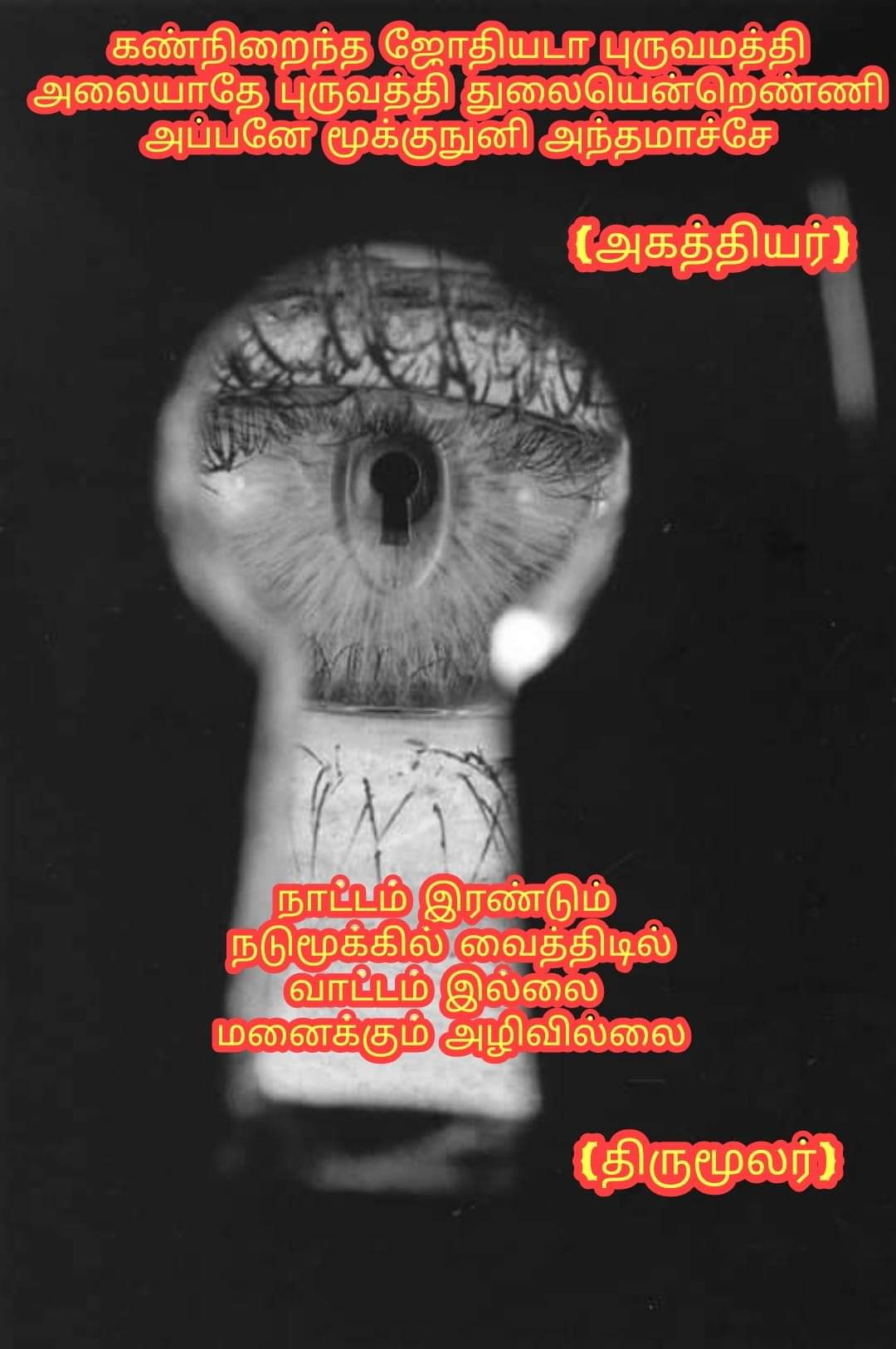
    Indian philosophical systems are meant as Paths to Self Realisation and any other benefit like Emotional calmness,physical fitness and well being are only spinoffs of these spiritual practices aimed at realizing Self.Indian philosophy understands the limitations of humans,both physical and mental and so has devised methods that function effectively within the limitations of human frailty and Hinduism never imposes anything that is strenuous either mentally or physically.Sri Krishna says in the Bhagavad Gita that human body is precious and it has to be respected as God resides in it.Ancient Tamil Siddha texts, including Thirumandhiram by Thirumoolar declare that human body is A Temple One can realize Self with the help of this body which has Mind.Krishna declares that those who strain the body are following Rakshasa Tapas,that is one practiced by the powerful with not much of wisdom.It has to be avoided.

    A point to note in Hinduism is that Mind unlike in Western philosophy, is considered as a sense organ and is not a separate entity.Mund had to be guided, channelized in a specific manner to achieve Self Realisation.Mind is not to be controlled consciously as the more you try to control, the more it would go out of control.So , the technic is to cheat the Mind,as it were, by appearing to go along with it and direct it subtly towards Self Realisation.This may sound gibberish, which it is not.This can be achieved by Discerning knowledge, Practice and strong Determination ,Gnana,Abhyaasa and Druda Sankalpa.I shall devote a post on this shortly.

    In the meantime, let’s note that there are four broad paths suggested for Self Realisation.They are..

    • Gnana, Knowledge
    • Karma, Action
    • Raja,Highly Active physically
    • Bhakti, Total Surrender.

    Gnana yoga is the intellectual approach, Karma Yoga is Rooted in Sacrifice of the fruits of Action,Raja Yoga is a process of disciplining the Mind through Physical exercises and Bhakti is totally emotional approach when one surrenders every thing to God.Though it appears simple Bhakti Yoga is difficult to practice if you do not have the required disposition.

    In practice, all these form a whole in realising Self ,that is in every Yoga, the other yogas are present. However, the emphasis differs.So, when one practices Patanjali’s Ashtanga Yoga, the purpose is to stop the modification of the Chitta. To put it in simple world’s, stop the processes of Thoughts.That is the State Of Being.Self Realisation.

    In this yoga process , beneficial physical and mental accrue.These are, as I mentioned earlier , are only side effects and not to be given too much importance.Performing Yoga as a Physical Exercise without the goal being Self Realisation is not Yoga.Such an approach is likely to bring in physical and mental problems.

    However, there are studies which show that meditation, chanting of OM helps one Mental health,effectively manages Epilepsy.I had also published articles about the benefits of Yoga .

    I am providing two views based on the research of the relationship between Yoga ,OM Chanting and Mental health, especially Epilepsy.The result is inconclusive.Whike a study suggests it aids in management of Epilepsy,while other view is that Meditation causes Epilepsy.My view is that we need more specific study on this subject.At the same time, I am of the opinion that if one practices meditation as it ought to be, as a tool for Self Realisation, these issues do not arise and become irrelevant. Don’t attempt to convert a Spiritual Sadhana into a Physical Exercise.

    Proponents of meditation tout its ability to reduce seizures in people with epilepsy, while those more skeptical contend that regular practice of meditation could in fact induce epileptic seizures. So, how much of this debate is based on real clinical data and how much on opinion? To answer this question, Epilepsy.com writer, Jenna Martin, interviewed Erik K. St. Louis, M.D., Assistant Professor of Neurology Co-Director, Iowa Comprehensive Epilepsy Program and co-author of the recently published article, “Meditation and epilepsy: A still hung jury” 1 and another forthcoming review on the subject2.

    Our interest in this subject was kindled by a young patient that I had seen who developed new onset mesial temporal lobe epilepsy, who lacked other epilepsy risk factors, and had been a lifelong practitioner of meditation.  I was aware of recent research that had shown evidence for physiological neuronal hypersynchrony seen on electroencephalograms (EEG) during meditation.  While I thought the potential relationship between her meditative practice and her development of epilepsy was probably no more than a chance coincidence, I started to review the literature and was surprised to see that there were a few previous (although nebulously described) case reports of potential associations of epilepsy with meditation.

    Conversely, there were also small treatment trials demonstrating possible benefits of seizure reduction with meditative techniques.  Coincidentally, a few opinion pieces concerning epilepsy and meditation started to surface in the medical literature around this time last year.  There seemed to be two schools of thought on a possible relationship between meditation and epilepsy.  Some suggested the possibility that the neuronal hypersynchrony and “psychic” type mental imagery that may accompany meditation may actually reflect the occurrence of simple partial seizures provoked by meditation. On the other hand, many  proponents of meditation objected strongly to this suggestion, citing a few small past treatment trials that had suggested that meditation may reduce seizures in those with known epilepsy.https://www.epilepsy.com/article/2014/3/meditation-epilepsy-silent-debate-wages

    In this study, significant deactivation was observed bilaterally during ‘OM’ chanting in comparison to the resting brain state in bilateral orbitofrontal, anterior cingulate, parahippocampal gyri, thalami and hippocampi. The right amygdala too demonstrated significant deactivation. No significant activation was observed during ‘OM’ chanting. In contrast, neither activation nor deactivation occurred in these brain regions during the comparative task – namely the ‘ssss’ pronunciation condition.

    Conclusion:

    The neurohemodynamic correlates of ‘OM’ chanting indicate limbic deactivation. As similar observations have been recorded with vagus nerve stimulation treatment used in depression and epilepsy, the study findings argue for a potential role of this ‘OM’ chanting in clinical practice.

    https://www.ncbi.nlm.nih.gov/pmc/articles/PMC3099099/
  • Yoga Guru Parampara List Thirumoolar Thirumandhiram

    Siva is considered to be the Adhi Yogi, First Yogi. He gave the world Vaasi Yoga. Vaasi Yoga is different from The Asthtanga Yoga of Patanjali in that while Vaasi Yoga directly reaches out to Consciousness, Asthtanga Yoga reaches out to Consciousness through the Modifications of Chitta. That is the cessation of thought processes. When the senses are quiet, mind is at rest and intelligence is still, consciousness is reached and modifications of Chitta cease. In Vaasi Yoga, this stage is reached directly. In Ashtanga Yoga, this stage is reached through the Mind and this process is one step away from Realization while Vaasi yoga directly achieves Realization. As the practice of Vaasi Yoga is difficult, Patanjali was ordered by Siva to give to the world as easier method, Ashtanga Yoga. Patanjali had Bhogar with him while revealing the Ashtanga Yoga. These three are the foremost Gurus in Ashtanga Yoga.

    Ganga coming down to Earth from Heaven.  Falls on Siva's Head and he locked it in his hairlocks.
    Ganga coming down to earth.

    Thirumandhiram by Thirumoolar imparts the knowledge of Yoga as revealed by Siva. Some essential details in Thirumandhiram differ from Ashtanga Yoga. Thirumandhiram is oriented more towards Vaasi Yoga and the practices mentioned differ slightly from Patanjali’s Ashtanga Yoga. I shall highlight them in another article.

    Thirumandhiram is in Tamil language which is one of the ancient languages of India and it evolved from the sound of Damaru of Siva, along with Sanskrit. Thirumandhiram was composed by Thirumoolar, A Siddha. The text has 3000 verses, all dealing with Self realization. It forms the basis of Saiva Siddhandha.

    Thirumoolar lists the Guru Parampara of Yoga.

    • Sanaka
    • Sanathana
    • Sanatana
    • Sanatkumara
    • Siva Yogi
    • Patanjali
    • Vyakrapada
    • Thirumoolar

    First four are the Mental projections ,sons of Brahma. Siva Yogi is a Siddha.These eight learnt it from Siva. Nandi is Given a special status and He is to Bless ine to learn Yoga.

    67. நந்தி அருள் பெற்ற நாதரை நாடிடின்
    நந்திகள் நால்வர் சிவயோக மாமுனி
    மன்று தொழுத பதஞ்சலி *வியாக்ரமர்
    என்று இவர் என்னோடு எண்மரும் ஆமே. 1
         நந்தி அருள் பெற்ற எண்மர்! சிவனிடம் உபதேசம் பெற்ற குருநாதர் எண்மராவர். அவர்கள் 1.சனகர் 2.சனந்தனர் 3.சனாதனர் 4.சனற்குமாரர் 5.சிவயோகமாமுனி 6.பதஞ்சலி 7.வியாக்ரபாதர் 8.திருமூலர்.https://www-chennailibrary-com.cdn.ampproject.org/v/s/www.chennailibrary.com/saiva/thirumanthiram.html?amp_js_v=a6&amp_gsa=1&usqp=mq331AQKKAFQArABIIACAw%3D%3D#aoh=16253053224516&referrer=https%3A%2F%2Fwww.google.com&amp_tf=From%20%251%24s&ampshare=https%3A%2F%2Fwww.chennailibrary.com%2Fsaiva%2Fthirumanthiram.html

  • Pranayama Inhaling Exhaling Time Taken Authentic Ratio Thirumoolar

    Pranayama Inhaling Exhaling Time Taken Authentic Ratio Thirumoolar

    Thirumoolar explains the time to be taken for Pranayama.

    Draw the Breath in (Purakam) in 16 mathras ( a measure of time,equivalent to blinking of Eye),Retain Breath, Kumbaka for 64 mathras and Exhale in 32 Mathras.

    ஏறுதல் பூரகம், ஈர்எட்டு வாமத்தால்;

    ஆறுதல் கும்பம், அறுபத்து நாலதில்;

    ஊறுதல் முப்பத்து இரண்டுஅதி ரேசகம்;

    மாறுதல் ஒன்றின்கண் வஞ்சகம் ஆமே.

    (திருமந்திரம் 568)

    The ratio is 16:64:32 or 1:4:2

    4 :16: 8 In Seconds. You can maintain this Ratio.

    Thirumoolar is quite explicit in stating that that in this Pranayama one should draw Breath only from the left nostril and exhale through the right nostril.And changing the process like drawing/ inhaling through Right nostril is harmful.

    2 கைநொடி1 மாத்திரை (0.25 second) .One Second equals Four Mathirai. https://www.tamillexicon.com/pezhai/?story_id=54&story=%E0%AE%95%E0%AE%BE%E0%AE%B2-%E0%AE%85%E0%AE%B3%E0%AE%B5%E0%AF%80%E0%AE%9F%E0%AF%81%E0%AE%95%E0%AE%B3%E0%AF%8D

  • Thirumoolar Pranayama Ratio Explanation

    Thirumoolar Pranayama Ratio Explanation

    There are two ways in terms of performing Breath control to achieve Self Realisation. One is regulating Consciousness through Breath Control.Direct Control/ Regulating,Communion with Consciousness through Breath Control is Vaasi Yoga. Regulating the Mind through Breath Control, Pranayama, and thus reaching out to Consciousness is the process of Ashtanga Yoga of Patanjali. Both have the same Objective, that of Self Realisation. In one, we deal with Consciousness direct and in the other through Mind. The Preceptor of both systems is Siva. First Yogi,Adhi Yogi is Siva. He practiced Vaasi Yoga.
    Please read my articles on Vassi Yoga. As practising Vassi Yoga is difficult , Siva ordered Patanjali to devise a simpler ,yet effective way of Self realisation through Yoga by controlling the Mind, through it Consciousness.

    Thus was born Asthanga Yoga by Patanjali.

    Though Vaasi and Asthanga Yoga address the issue of Realisation through, among others, Breath Control,there are subtle differences.In this article we shall see about the exact Time,Ratio of Breath Control , Pranayama.

    Thirumoolar is Yogi,A Siddha. He is a disciple of Siva. He has written a treatise , of 3047 verses ,Thirumandhiram in Tamil.It is an authentic text on Shaivism and on Yoga system that outlines Vaasi Yoga and also refers to Ashtanga Yoga. Thirumandhiram deals with all the aspects of Yoga,Life,it’s location in Human body,number of breaths per Human and much more. I shall write on them shortly.

    Thirumoolar in Thirumandhiram verse number 568 talks about the ratio of Breath Control , Pranayama.

    ஏறுதல் பூரகம் ஈரெட்டு வாமத்தால் ஆறுதல் . கும்பம் அறுபத்து நாலதில் ஊறுதல் முப்பத் திரண்டதி ரேசகம் மாறுதல் ஒன்றின் கண் வஞ்சக மாமே .

    The breath that we draw is Puraka. Retention of Breath by closing both nostrils is Kumbaka.Exhalation is Rechaka. The Nadi, the flow of breath on the left nostril is Ida,while on the right is Pingala.In the verse quoted above Thirumoolar says the process is Sixteen Matras for Puraka,Sixty four Matras for Kumbaka and Thirty two Matras for Rechaka. (Matra is the time for taken for one involuntary wink.Tamil language is designed on Matra. Each letter of Tamil is assigned the time, Matra. For Instance A,அ is one Matra, Kuril,குறில்.) Aa ஆ has two Matras.The pronounciation of Siva Siva is assigned Four Matras. So for Puraka one has to chant mentally Siva Siva four times: Kumbhaka Siva Siva sixteen times,and for Rechaka Siva Siva Eight times.Please note Matra is not Seconds.Correct way to do Thirumoolar Pranayama is to follow exactly what is mentioned by him. However, as it may be difficult for the beginner to do achieve this, the ratio 16:64:32 or 4:16:8 is practiced in the beginning.

    வளிநிலையில் உயிர்ப்பு வளியினை அடக்கும் முறையினையும் திருமூலர் குறிப்பிடுகின்றார். வளிநிலை என்பது மூன்று நிலையினை உடையது என்கின்றார். நாம் உயிர்ப்பு வளியை உள்ளே இழுக்கின்ற செயலை ஏறுதல்(பூரகம்) என்று சொல்கின்றார். அதற்கு அளவு பதினாறு மாத்திரை. ‘சிவசிவ’ என்று ஒருமுறை கூறும் காலம் நான்கு மாத்திரை அளவு என்று கழகப் புலவர், சித்தாந்தப் பண்டிதர் ப.இராமநாதன் அவர்கள் குறிப்பிடுவார். இதனை இடது மூக்குத் துளையின் வழி இழுத்து இடப்பால் நாடி வழியாகக் கொண்டு செல்ல வேண்டும் என்கின்றார். இரண்டாவது வளிநிலையானது இடப்பால் நாடி வழியாகக் கொண்டு சென்ற உயிர்ப்பு வளியை உடலுக்கு உள்ளேயே அடக்கி நிறுத்துதலுக்கு உரிய ஆறுதல்(கும்பகம்) என்ற செயலைக் குறிப்பது என்கின்றார். குறித்த இடத்தில் நில்லாது ஓடுகின்ற உயிர்ப்பு வளியை அவ்வாறு ஓட விடாது தடுத்து நிறுத்துதலை இது குறிக்கும் என்கிறார். இதற்கு உயர்ந்த அளவு அறுபத்து நான்கு மாத்திரை என்கின்றார். இது பதினாறு முறை ‘சிவசிவ’ என்று கூறும் கால அளவை ஆகும். மூன்றாவது வளிநிலையானது உள்ளே நிறுத்திய உயிர்ப்பு வளியை வலப்பால் நாடி வழி வலமூக்கின் துளையின் வழி வெளியிடுதல்(இரேசகம்) எனும் செயல் என்கின்றார். இதற்கு உயர்ந்த அளவு முப்பதிரண்டு மாத்திரை அல்லது எட்டு முறை “சிவசிவ” என்று கூறும் கால அளவு என்கின்றார்.

    http://saivanarpani.org/home/index.php/2018/04/14/thirumanthiram-akatavam-ettil-valinilai/
  • Nothing Remains But  Universal Cognition

    Nothing Remains But Universal Cognition

    What is Experience?

    We see, hear or in short Perceive. There is A stimulus. around us ,at any given point of time, there are N number of Stimulii.We respond to a particular Stimuli.Why we respond to a particular Stimuli is not what this article is About. That is a very complex issue,which I shall address later.Here let’s look at what Experience is.

    Early this morning , I went through an article in the Guardian about Free Will and recent scientific view on it. I shall,though I have written in Free Will, be writing taking reference to the Guardian article.

    I remembered that I had written an article on Experience earlier . I found the article I had written in 2014. I have provided excerpts from it here.

    This post is not about what went on with us friends on this issue.


    But what happens to us and our Life’s experiences over a period of time.


    I remember some one to be pretty without recollecting her face( my friend gave her name).


    Similarly I remember some of the most painful moments in my Life like my mother’s death, first wife’s death,death of my brother’s grand child in its mother’s hand, which I took away from her hands to prevent my brother’s daughter feeling sad about the fact the child had died in her hands;


    I recall my most pleasant moments in my career but not the worst problems.


    Even the pain I recall has dimmed but at times I am overtaken by it.


    But one thing is clear.


    My reaction to these issues, now, is not very passionate .


    They pass through my mind’s eye as  fleeting images.


    I am not affected by them.


    What is an incident becomes an experience when we react.


    We become passionate, disturbed,anxious and worry so much as if Life would end there.


    It does not seem to be so.


    What has been an experience becomes nothing more than a fading memory.


    I do not get involved, though some of these incidents appeared ,at that time, to affect my life radically.


    On hindsight it does not seem so mentally.


    Another curious fact is that most insignificant things get recalled but not what I thought was very important.


    Like a game played on the street in childhood, a meal with a stranger in a Train, the hotel where I stayed in a town…..


    Is Life all but a series of fleeting impressions?


    Seems so, to me.

    https://ramanisblog.in/2014/09/28/incidents-experience-impressions-life/

    To take this forward, Experience needs three factors.

    In this sense, free will just seems to be a given.

    But is it? When my mind is at its quietest – for example, drinking coffee early in the morning, before the four-year-old wakes up – things are liable to feel different. In such moments of relaxed concentration, it seems clear to me that my intentions and choices, like all my other thoughts and emotions, arise unbidden in my awareness. There’s no sense in which it feels like I’m their author. Why do I put down my coffee mug and head to the shower at the exact moment I do so? Because the intention to do so pops up, caused, no doubt, by all sorts of activity in my brain – but activity that lies outside my understanding, let alone my command. And it’s exactly the same when it comes to those weightier decisions that seem to express something profound about the kind of person I am: whether to attend the funeral of a certain relative, say, or which of two incompatible career opportunities to pursue. I can spend hours or even days engaged in what I tell myself is “reaching a decision” about those, when what I’m really doing, if I’m honest, is just vacillating between options – until at some unpredictable moment, or when an external deadline forces the issue, the decision to commit to one path or another simply arises.

    This is what Harris means when he declares that, on close inspection, it’s not merely that free will is an illusion, but that the illusion of free will is itself an illusion: watch yourself closely, and you don’t even seem to be free. “If one pays sufficient attention,” he told me by email, “one can notice that there’s no subject in the middle of experience – there is only experience. And everything we experience simply arises on its own.”

    https://www.theguardian.com/news/2021/apr/27/the-clockwork-universe-is-free-will-an-illusion?ref=refind

    So, Experiencer, called Subject in Philosophy needs things to Experience ,to know, what is to be Experienced .The Flip side is That which is to be experienced is needed to prove the Subject or The Experiencer! It is not enough if we have the Subject, the Experiencer and thing to by Experienced, called Object.We need both to be connected.That is, it is not enough to Experience if we have the Subject ( Experiencer) and the thing to be Experienced ( Object). If we have ,say a Pen in the adjacent room which we can not see ,of which we have not been informed earlier, then despite one( Subject) and the Pen(Object) being present, we can not Perceive the Pen.The subject and object are to be connected , relate to each other.

    When we perceive, initially, we have three things present, which we can be sure of. That is , Subject , Object and the Connection.Once you get connected to the Object,you Experience the Object.That is you are no longer aware of the object on the sense that you don’t look for it and you have immersed in it by way of experiencing it whether pleasant or unpleasant.Only when you come out of the state of Experiencing , you are aware of yourself, what you have experienced.At the point of Experience itself,Nothing Remains but Experience.

    This is the Goal, Purpose of Yoga.

    This Experience at the Macro , Universal Cognition, is Realisation.

    How Individual Experience becomes Universal Cognition?

    Article to follow.

    Featured image of Cognition is from researchgate