If one were to examine the monuments , which are now attributed to other sources than Sanatana dharma,one would find it to be of Hindu origin.
Qutub Minar.Vikramaditya Vijaya Sthamba.
Humayun’s Tomb has Lord Vishnu’s footprint.
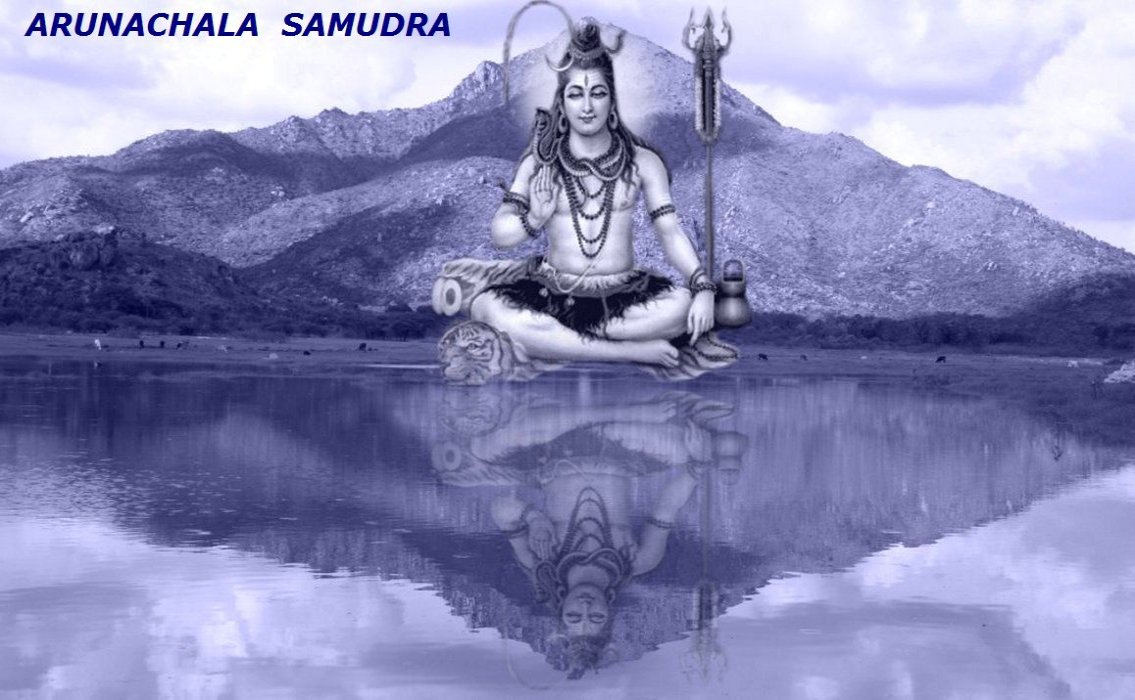
Tajmahal is Shiva temple.
Ajmer Darga Sharief is a Vishnu temple.
Please read my posts on this.
One more to this list.
The Qutub minar at Delhi.
Dhruva Sthamba , Mehruli.
It is king Vikramaditya’s Vijaya Sthamba,whose empire included Arabia.
Qutub Minar.
‘The complex is supposed to be built by the Greatest of Hindu emperors there was MaharajaDhiraj Vikramaditya of Ujjaini , brother of Bharathiri the Kind and Philosopher and originator of Bharathari neeti shataka . The tower is known to have been erected to celebrate the victory of the Great Emperor Vikramaditya , over the lands now called as Arab lands …
Sanatna dharma was prevalent in Arabia even before the advent of Muhammad.
Muhammad’s uncle had written a verse in praise of Shiva.
Here it is.
The Shiva Sloka
Kafavomal fikra min ulumin Tab asayru
Kaluwan amataul Hawa was Tajakhru
We Tajakhayroba udan Kalalwade-E Liboawa
Walukayanay jatally, hay Yauma Tab asayru
Wa Abalolha ajabu armeeman MAHADEVA
Manojail ilamuddin minhum wa sayattaru
Wa Sahabi Kay-yam feema-Kamil MINDAY Yauman
Wa Yakulum no latabahan foeennak Tawjjaru
Massayaray akhalakan hasanan Kullahum
Najumum aja- at Summa gabul HINDU
Translation.
The man who may spend his life in sin
and irreligion or waste it in lechery and wrath
If at least he relent and return to
righteousness can he be saved?
If but once he worship Mahadeva with a pure
heart, he will attain the ultimate in spirituality.
Oh Lord Shiva exchange my entire life for but
a day’s sojourn in India where one attains salvation.
But one pilgrimage there secures for one all
merit and company of the truly great.’
Following is a poem in praise of Vikramaditya by Jirrham Bintoi who lived 165 years before the prophet Muhammed. (King Vikramaditya lived 500 years before Bintoi).
“Fortunate are those who were born during King Vikram’s reign, he was a noble generous, dutiful ruler devoted to the welfare of his subjects. But at that time, We Arabs oblivious of divinity were lost in sensual pleasures. Plotting & torture were rampant. The darkness of ignorance had enveloped our country. Like the lamb struggling for its life in the cruel jaws of a wolf, we Arabs were gripped by ignorance. The whole country was enveloped in a darkness as intense as on a New moon night. But the present dawn & pleasant sunshine of education is the result of the favor of that noble king Vikram whose benevolence did not lose sight of us foreigners as we were. He spread his sacred culture amongst us and sent scholars from his own land whose brilliance shone like that of the sun in our country. These scholars & preceptors through whose benevolence we were once again made aware of the presence of god, introduced to his secret knowledge & put on the road to truth, had come to our country to initiate us in that culture & impart education.”..
the minar was started by Prithviraj or his uncle Vigraharaja who won Delhi from the Tomar Rajputs. However, it is assumed by secularist and anti hindu historians that Qutubuddib and Iltutmish finished it though the pictures will clearly show that the tower may have been commenced by Prithviraj or Vigraharaja.
Anang Pal,the Tomar Rajput King , established Delhi and Lal Kot,which is the area of Kutub Minar and extends up to Lal Quila ,or the demarcation line of old Delhi.In olden days fortresses used to be built at the entrance of a state and the present delineation of Delhi borders extended from South area of Qutub Minar to Red Quila in North Delhi.
The Tomars were descendents of the great Vikramaditya ,who had initially established the Iron Pillar at Vishnupadagiri (meaning “hill with footprint of Vishnu”). This place has been identified as modern Udayagiri, situated in the close vicinity of Besnagar, Vidisha and Sanchi. These towns are located about 50 kilometres east of Bhopal, in central India. There are several aspects to the original erection site of the pillar at Udayagiri. It must be worth noting that Vishnupadagiri is located on the Tropic of Cancer and, therefore, was a centre of astronomical studies during the Gupta period.
Varalakshmi Vratam falls during Shukla Paksha of Hindu month Shravan and it is observed on first Friday before Shravan Purnima. Shravan Purnima is observed as Raksha Bandhan in most Indian states. Varalakshmi Vratam also happens to be second Friday in Shravan month. Currently it falls in month of July or August in English calendar.
Varalakshmi Puja is performed by married women for the well-being of husband and the other family members. It is believed that worshipping Goddess Vara-Lakshmi on this day is equivalent to worshipping Ashta-Lakshmi – the eight Goddesses of Wealth (Sri), Earth (Bhu), Learning (Saraswati), Love (Priti), Fame (Kirti), Peace (Shanti), Pleasure (Tushti) and Strength (Pushti).
While the term Sri itself denotes wealth and every thing that is auspicious,there are some more attributes associated with Goddess Mahalakshmi, consort of Lord Vishnu.
They are ,
In abstract Philosophical terms, Sri,Prosperity is
In in Varalashmi Vrata women , iddition, pray for the Longevity of their Husbands.
One may note that this Vrata Procedure was initiated by Shiva, for worshipng the wife of Vishnu, thereby signifying the unity of Siva and Vishnu.
Procedure.
Start the Pooja at the appointed Muhurtha .
The Mantras. slokas order is as follows.
Ganapathi Pooja,
Ganapathi Pranaprathshta,
Ganapathi mantras in short,
Ganapathi Aarthi,
Varalakshmi Vrata Sankalpa,
Ganesha Dhyana,
Kalasa Pooja,
Varalakshmi Avahanam.
Angannyasa, Karannyasa,
Pooja,
1.Durga,( one may recite Durga Suktham also as it is very effective along eith the raditional Durga Ashtotra)
2.Sarsvati Astotra,
3.Lakshmi Ashtotra( Recite Sri Suktha as well)
Deeparadhana,
Naivedyam.
Punar Pooja either in the same evening or the next day,.depends on family Traditions.
Durga Ashtotra.
Om Drugayai Namaha
Om Shivayai Namaha
Om Maha Lakshmyai Namaha
Om Maha Gouryai Namaha
Om Chandikaye Namaha
Om Sarva Gynayai Namaha
Om Sarva Lokeshayai Namaha
Om Sarva Karma Phala Pradayai Namaha
Om Sarva Teerdha Mayai Namaha
Om Pun Yayai Namaha
Om Deva Yonaye Namaha
Om Ayoni Jaayai Namaha
Om Bhume Jaayai Namaha
Om Nirgu Nayai Namaha
Om Aadhara Shaktyai Namaha
Om Aanee Shvaryai Namaha
Om Nirgu Nayai Namaha
Om Niramham Karayai Namaha
Om Sarva Garva Vimar Dhinyai Namaha
Om Sarva Loka Priyayai Namaha
Om Vaanyai Namaha
Om Sarva Vidyadhi Devataayai Namaha
Om Parvatyai Namaha
Om Devamatre Namaha
Om Vanee Shayai Namaha
Om Vindya Vasinyai Namaha
Om Tejo Vatyai Namaha
Om Maha Matre Namaha
Om Koti Surya Sama Prabhayai Namaha
Om Deva Tayai Namaha
Om Vahni Rupayai Namaha
Om Sate Jase Namaha
Om Varna Rupinyai Namaha
Om Guna Shayayai Namaha
Om Guna Madhyayai Namaha
Om Guna Traya Vivarji Tayai Namaha
Om Karma Gynana Pradayai Namaha
Om Kantayai Namaha
Om Sarva Samhara Karinyai Namaha
Om Dharma Gynanayai Namaha
Om Dharma Nistayai Namaha
Om Sarva Karma Vivardhi Tayai Namaha
Om Kamakshmai Namaha
Om Kama Samhartyai Namaha
Om Kama Krodha Vivarji Tayai Namaha
Om Shan Karyai Namaha
Om Sham Bhavyai Namaha
Om Shan Tayai Namaha
Om Chandra Suryagni Lochanayai Namaha
Om Suja Yayai Namaha
Om Jaya Bhumi Shtayai Namaha
Om Jaahnavyai Namaha
Om Jana Puji Tayai Namaha
Om Shastrasyai Namaha
Om Shastra Mayyai Namaha
Om Nityayai Namaha
Om Shubhayai Namaha
Om Chandhrardha Mastakayai Namaha
Om Bharatyai Namaha
Om Bramaryai Namaha
Om Kalpayai Namaha
Om Karalyai Namaha
Om Krushana Pingalayai Namaha
Om Bramhai Namaha
Om Narayanyai Namaha
Om Roudryai Namaha
Om Chandra Mruta Pari Srutayai Namaha
Om Jyeshtayai Namaha
Om Indirayai Namaha
Om Maha Mayayai Namaha
Om Jagat Grushtya Dhika Rinyai Namaha
Om Bramhanda Koti Samsdha Nayai Namaha
Om Kaminyai Namaha
Om Kamalaa Layayai Namaha
Om Katya Yanyai Namaha
Om Kalaa Teetayai Namaha
Om Kala Samhara Karinyai Namaha
Om Yoga Nishtayai Namaha
Om Yogi Gamyayai Namaha
Om Yogi Dyeyayai Namaha
Om Tapa Svinyai Namaha
Om Gynana Pupayai Namaha
Om Niraka Rayai Namaha
Om Bhakta Bhishta Phala Pradayai Namaha
Om Bhutatme Kayai Namaha
Om Bhuta Matre Namaha
Om Bhute Shyai Namaha
Om Bhuta Darinyai Namaha
Om Svadhayai Namaha
Om Naree Madhya Gatayai Namaha
Om Shada Dharadi Vardhinyai Namaha
Om Mohitam Shubha Dayai Namaha
Om Shubhrayai Namaha
Om Sukshmayai Namaha
Om Matrayai Namaha
Om Nirala Sayai Namaha
Om Nimna Gayai Namaha
Om Neela Samka Shayai Namaha
Om Nitya Nandayai Namaha
Om Harayai Namaha
Om Paraayai Namaha
Om Sarva Gynana Pradayai Namaha
Om Anamtayai Namaha
Om Satyayai Namaha
Om Durlabha Rupinyai Namaha
Om Sarasvatyai Namaha
Om Sarva Gatayai Namaha
Om Sarva Bheeshta Prada Inyai Namaha.
Lakshmi Ashtotra.
Om prakrutyi namaha
Om Vikrutyi namaha
Om Vidyayai namaha
Om Sarwabhoota hita pradai namaha
Om Sraddayai namaha
Om Vibootai namaha
Om Surabhai namaha
Om Paramatmikamai namaha
Om Vache namaha
Om Padmalai namaha
Om Padmai namaha
Om Suchai namaha
Om Swahai namaha
Om Swathatai namaha
Om Dhanyai namaha
Om Hiranmai namaha
Om Lakshmai namaha
Om Nityapushatai namaha
Om Vibhaavarayai namaha
Om Adityai namaha
Om Deeptai namaha
Om Vasudaai namaha
Om Kamalayai namaha
Om Kantayai namaha
Om Kamakshai namaha
Om Rakrodasambhavai namaha
Om Anugrahapradayai namaha
Om Buddai namaha
Om Anughooai namaha
Om Harivallabhai namaha
Om Asokhai namaha
Om Amrutai namaha
Om Deeptai namaha
Om Lokasokavinasinai namaha
Om Dharmanilayai namaha
Om Karunai namaha
Om Lokamatrai namaha
Om Padmapriyai namaha
Om Padmahastai namaha
Om Padmashai namaha
Om Padmasundrai namaha
Om Padmodbhavai namaha
Om Padmamukhai namaha
Om Padmamaladharai namaha
Om Ramaaai namaha
Om Daivai namaha
Om Padminai namaha
Om Padmagandhinai namaha
Om Punyagandhayai namaha
Om Suprasannai namaha
Om Prasadabhimukhai namaha
Om Prabhai namaha
Om Chandravadanai namaha
Om Chandrai namaha
Om Chandrasahodarai namaha
Om Chaturbhujai namaha
Om Chandraroopai namaha
Om Indirai namaha
Om Induseetalai namaha
Om Ahladajannai namaha
Om Pushtai namaha
Om Sivai namaha
Om Sivakartai namaha
Om Satai namaha
Om Vimalai namaha
Om Viswajannai namaha
Om Pushtai namaha
Om Daridraynasinai namaha
Om Preetipushkaranai namaha
Om Santai namaha
Om Sukla malyambarai namaha
Om Srivai namaha
Om Bhaskarai namaha
Om Bilwanilayai namaha
Om Vararohai namaha
Om Yasiswai namaha
Om Vasunadharai namaha
Om Vudaaragai namaha
Om Harinyai namaha
Om Hemamalinai namaha
Om Dhanadhayakartai namaha
Om Siddiai namaha
Om Shtanasowmayai namaha
Om Subhapradai namaha
Om Nrumavesmagataa nandanai namaha
Om Varalakshmai namaha
Om Vasupradaai namaha
Om Hiranyaprakrai namaha
Om Samudratanai namaha
Om Jayai namaha
Om Mangaladevai namaha
Om Mangalai namaha
Om Devayai namaha
Om Vishnuvakshastalastitai namaha
Om Vishnupatnai namaha
Om Prasannshai namaha
Om Nnarayana samasritrai namaha
Om Daridradamsai namaha
Om Daivai namaha
Om Sarvopradavarinai namaha
Om Navadurgai namaha
Om Mahakalai namaha
Om Brahamavishnusivatmikai namaha
Om Trikalagyana sampanai namaha
Om Bhuvaneswarai namaha
Om Varalakshmai namaha: –
OM Sarasvatyai Namaha
OM Mahaabhadraayai Namaha
OM Mahaamaayaayai Namaha
OM Varapradaayai Namaha
OM Shriipradaayai Namaha
OM Padmanilayaayai Namaha
OM Padmaaxyai Namaha
OM Padmavaktrakaayai Namaha
OM Shivaanujaayai Namaha
OM PustakabhRite Namaha
OM GYaanamudraayai Namaha
OM Ramaayai Namaha
OM Paraayai Namaha
OM Kaamaruupaayai Namaha
OM Mahaavidyaayai Namaha
OM Mahaapaataka naashinyai Namaha
OM Mahaashrayaayai Namaha
OM Maalinyai Namaha
OM Mahaabhogaayai Namaha
OM Mahaabhujaayai Namaha
OM Mahaabhaagaayai Namaha
OM Mahotsaahaayai Namaha
OM DivyaaNgaayai Namaha
OM Suravanditaayai Namaha
OM Mahaakaalyai Namaha
OM Mahaapaashaayai Namaha
OM Mahaakaaraayai Namaha
OM Mahaa.nkushaayai Namaha
OM Piitaayai Namaha
OM Vimalaayai Namaha
OM Vishvaayai Namaha
OM Vidyunmaalaayai Namaha
OM VaishhNavyai Namaha
OM Chandrikaayai Namaha
OM Chandravadanaayai Namaha
OM Chandralekhaavibhuushhitaayai Namaha
OM Saavityai Namaha
OM Surasaayai Namaha
OM Devyai Namaha
OM Divyaala.nkaarabhuushhitaayai Namaha
OM Vaagdevyai Namaha
OM Vasudaayai Namaha
OM Tiivraayai Namaha
OM Mahaabhadraayai Namaha
OM Mahaabalaayai Namaha
OM Bhogadaayai Namaha
OM Bhaaratyai Namaha
OM Bhaamaayai Namaha
OM Govindaayai Namaha
OM GOMatyai Namaha
OM Shivaayai Namaha
OM JaTilaayai Namaha
OM Vindhyaavaasaayai Namaha
OM Vindhyaachalaviraajitaayai Namaha
OM ChaNDikaayai Namaha
OM VaishhNavyai Namaha
OM Braahmayai Namaha
OM BrahmaGYaanaikasaadhanaayai Namaha
OM Saudaamanyai Namaha
OM Sudhaamuurtyai Namaha
OM Subhadraayai Namaha
OM Surapuujitaayai Namaha
OM Suvaasinyai Namaha
OM Sunaasaayai Namaha
OM Vinidraayai Namaha
OM Padmalochanaayai Namaha
OM Vidyaaruupaayai Namaha
OM Vishaalaaxyai Namaha
OM Brahmajaayaayai Namaha
OM Mahaaphalaayai Namaha
OM Trayiimuurtaye Namaha
OM TrikaalaGYaayai Namaha
OM TriguNaayai Namaha
OM ShaastraruupiNyai Namaha
OM ShaMbhaasurapramathinyai Namaha
OM Shubhadaayai Namaha
OM Svaraatmikaayai Namaha
OM Raktabiijanihantryai Namaha
OM ChaamuNDaayai Namaha
OM Ambikaayai Namaha
OM MuNDakaayapraharaNaayai Namaha
OM Dhuumralochanamadanaayai Namaha
OM Sarvadevastutaayai Namaha
OM Saumyaayai Namaha
OM Suraasura namaskRitaayai Namaha
OM Kaalaraatryai Namaha
OM Kalaadharaayai Namaha
OM Ruupasaubhaagyadaayinyai Namaha
OM Vaagdevyai Namaha
OM Varaarohaayai Namaha
OM Vaaraahyai Namaha
OM Vaarijaasanaayai Namaha
OM ChitraaMbaraayai Namaha
OM Chitragandhaayai Namaha
OM Chitramaalyavibhuushhitaayai Namaha
OM Kaantaayai Namaha
OM Kaamapradaayai Namaha
OM Vandyaayai Namaha
OM Vidyaadharasupuujitaayai Namaha
OM Shvetaananaayai Namaha
OM Niilabhujaayai Namaha
OM Chaturvargaphalapradaayai Namaha
OM Chaturaanana saamraajyaayai Namaha
OM Raktamadhyaayai Namaha
OM Nira.njanaayai Namaha
OM Ha.nsaasanaayai Namaha
OM NiilajaNghaayai Namaha
OM BrahmavishhNushivaatmikaayai Namaha.
‘
People wake up early in the morning on Friday and take a bath. Traditionally speaking the waking up time for the puja is the brahma muhurtham. Then the designated puja area and house is cleaned well and a beautiful ‘kolam’ or rangoli is drawn on the intended place of puja.
Next is the preparation of the ‘kalasham or kalash.’ A bronze or silver pot is selected and is cleaned thoroughly and a swastika symbol is drawn and is smeared with sandalwood paste. The kalasham pot is filled with raw rice or water, coins, a single whole lime, five different kinds of leaves, and beetle nut. The items used to fill the kalasham vary from region to region and includes turmeric, comb, mirror, small black bangles and black beads.
The kalasham up to the neck is sometimes covered with a cloth and mango leaves are placed on the mouth of the kalasham. Finally, a coconut smeared with turmeric is used to close the mouth of the kalasham. To this coconut, an image of Goddess Lakshmi is fixed or the image of Lakshmi is drawn using turmeric powder. Now the kalasham symbolically represents Goddess Lakshmi.
In some areas, women place a mirror behind the kalasham. Today, there are also specially made Varalakshmi pots available in the market.
The kalasham is usually placed on a bed of rice. First Lord Ganesha is worshipped. Then begins the Varalakshmi Puja. The puja consists of singing slokas dedicated to Goddess Lakshmi like the Lakshmi Sahasranamam. Arati is performed on the kalasham. Different types of sweets are offered. Some people offer pongal. In some areas women tie yellow thread on their hands.
The woman who is observing the Varalakshmi Puja abstains from eating certain kind of food and this varies from region to region. In some regions, women fast till the puja period.
Thamboolam – betel leaf, areca nut and slaked lime – is offered to women in the locality and in the evening an arati is offered.
The next day, that is on Saturday, after taking a bath the kalasham is dismantled and the water in the kalasham is sprinkled in the house. If rice is used then it is mixed with rice in the house.
There are no hard and fast rules in performing the Varalakshmi Puja and you can be flexible on the puja items. Even a simple prayer will please Goddess Lakshmi.
The legend.
On one occasion, Parvati and Parameswara were playing a game of paramapatham. Parvati was winning game after game by the rules, but Parameswara is said to have claimed the victory at each game, wantonly, to Parvati’s intense chagrin. So Parvati demanded to have an umpire and one Chitranemi, a creation of Parameswara, was chosen. As an underling of Parameswara, he sided with his master most unjustly. This provoked Parvati’s anger and she cursed Chitranemi that he should become a leper for discharging his duty in this most unfair manner.
When Chitranemi begged Parvati’s forgiveness and Parameswara added his entreaties to it, she is said to have relented and modified the curse by adding that he would be cured of his leprosy by observing the Vara Lakshmi Vrata. By doing this, Chitranemi was, it is said, rid of the loathsome disease.
The history of the origin Of the Vara Lakshmi Vrata is rather interesting. Lakshmi is said to have visited a pious woman by name Sarmadi, living in the city of Kuntinapura in Magadha (Bihar), in one of her dreams and expressed her satisfaction at her devotion to her children. When she woke up from her sleep, she took a bath and worshiped Lakshmi to ensure her blessings. When the other ladies heard of her dream and her worship of Lakshmi, they too began to worship her, and the custom is then said to have spread everywhere throughout the land in course of time….
This is a pooja that was pronounced by no other than Lord Parameswara to be performed by his consort Parvathi to seek prosperity and happiness for the family. Thus it came to be emulated by married women who sought boons (varam) for the health, wealth and knowledge for the entire family. In some cases, women prayed for being blessed with children.
Bhakti is Love tinged with Devotion, Mind, Heart and Soul.
It is an emotional bond.
Man Woman God,Shiva and Sakthi
Like Music Bhakthi can transport you into God’s.
Hinduism attaches importance to Bhakthi, mostly emotional as a means of being with God, Realizing the Ultimate Cause.
There are other means too.
Path of Knowledge, Gnana Yoga, where one is wise enough to realize the transient nature of things and the Permanence that is God/Reality.
Path of Action, where the renunciation of the fruits of action, at the mental level itself, is Karma Yoga.
Raja Yoga , the path of controlling breath by strict practices.
All these paths are from experience.
Logic plays a secondary role.
And these have delivered results as the Lives of Great souls reveal.
I have noticed a fact that there seems to be two approaches even in bhakti.
When I go through some inspired Sanskrit Poems, Tamil Verses, in the Bhakthi Bhava, the approach of Love of/to God,I find there are two distinct types.
One is Bhakthi tinged with Reason and Intellectual approach.
Another is total emotional immersion in the Love of God.
And example of an intellectual bhakti may be discerned in Kalidas’s first sloka of Raghuvamsa , which set about describing the Dynasty of Lord Rama.
Curiously the work that is about to talk about Lord Hari,Vishnu , begins with a Sloka on Lord Shiva and Parvathi.
This is the sloka.
The genius of Kalidasa lies in that this poem is open for Twenty Five meanings!
I salute the parents of the world, Parvati and Parameswara, who are inseparable like the “vAk” (word) and “artha”(its meaning); to gain expertise in the right understanding of the words and their meanings.
‘The verse is addressed to many deities depending on how we interpret it. Thus:
Parvathi parameshwarau means divine Mother Parvathi and Lord Shiva. Very simple! This is the original intended meaning by Shri Kalidas. All other meanings are our interpretations. Arrangement(anvaya): Vagrthapratipattaye vagarthaviva sampriktau jagatah pitarau parvatiparameshwarau vande |
Sampruktau Parvathi Parameshwarau: inseparable or conjoined (samprukatu) Lord Shiva and Shri Devi. What is the deity? Lord Ardha Nareeshwara! i. e. the deity in which right half is Lord Shiva and left half is Shri Devi. Just amazing! Right? Arrangement(anvaya): Vagrthapratipattaye jagatah pitarau vagarthavivasampriktau parvatiparameshwarau vande |
Parvathipa – rameshwarau: Pravathipa means Lord Shiva and Rameshwarau means Lord Vishnu. In other words, it represents popular deity Hari –Hara(Lord Vishnu and Lord Shiva). sampriktau suggests that Hari and Hara are intricately connected together. Arrangement(anvaya): Vagrthapratipattaye jagatah pitarau vagarthavivasampriktau parvatipa-rameshwarau vande |
Parvathipa – rameshwarau: Parvathipa means Lord Shiva accompanied with Parvathi Devi. Rameshwaru means Lord Vishnu with Ramaa(Shri Lakshmi). Arrangement(anvaya): Vagrthapratipattaye jagatah pitarau vagarthavivasampriktau parvatipa-rameshwarau vande |
Vagarthau parvathipa rameshwarau: Saraswati Devi is Vak and Artha is Brahma.Parvathipa : Parvathi Devi and Lord Shiva. Rameshwarau: Shri Lakshmi and Lord Vishnu. This is par excellence! It represents the Hindu Trinity Lord Brahma, Lord Vishnu and Lord Shiva along with their consorts Saraswati Devi, Lakshmi Devi and Parvathi Devi. Arrangement(anvaya): Vagrthapratipattaye jagatah pitarau iva(sthithau), sampriktau, vagarthau parvatipa-rameshwarau (cha) vande | HereVagartha indicates Brahma accompanied by Saraswati Devi. Samprikta refers to Lord Brahma and Lord Hari-Hara. It says, Lord Brahma, Hari(Lord Vishnu) and Hara(Lord Shiva) are intricately connected together.
What are we Praying for in the verse?
Again, it depends on how we interpret! Let us see.
Vagarthah pratipattaye: Vak also means word and speech. Artha means meaning. So, the entire phrase says – To know the word and its meaning. In other words, to get expertise in literary skills. It also means – to know speech and its meaning to get proficiency in oratory skills. This is the original meaning as intended by Shri Kalidasa.
Vak also means The Holy Vedas. So,the word vagartha means: meaning of the Vedas. Now, vagartha pratipattaye means to access the meaning of the Vedas. All others below are our insights.
Pratipaataye vagartha: Pratipattaye means to access. Vagartha : inseparable Lord Shiva and Parvathi Devi. They together form the Universal Self. Accessing means to merge with them. In other words, we intend to merge with the Universal Self, i.e. to achieve liberation(moksha). This is the real goal of yoga and the highest purpose of human life.
Vak-artha, pratipattaye: Vak also means Shri Devi or Kundalini Devi who gives liberation(moksha) and artha means prosperity or material enjoyment(bhoga). Shruti(The Vedas) says – Devim vacham ajanayanta devah etc. Remember, Shridevi is the consort(power) of Lord Shiva who is the ruler of liberation(moksha). It is well-known that Shri Lakshmi is the presiding deity of prosperity and material comforts.
Vak, artha and pratipattaye: As said earlier, Vak symbolizes liberation(moksha),Artha is material enjoyment(bhoga) and Pratipatti means Knowledge. Together, these three represent three presiding deities Parvathi Devi, Lakshmi Devi and Saraswati Devi respectively. Caution: This meaning is based on vagartha (word and its meaning) only. So, may not be grammatical.
Mathematically, how many meanings are possible now? 5 x 5 = 25! You may pick your combination and pray now! Is it not magical and amazing!? Hats off to the Great Poet Shri Kalidasa!!
A woman is called Gruha Lakshmi, one who brings Prosperity to Home.
Tamil calls her Illal, one who owns/rules the Home.
Lord Balaji In Garbha Graha, Tirupati.
Similarly Earth is given the respect it deserves for it supports from Birth to Death.
Earth is eulogized as Mother and there are Vedic Sukthas in praise of the Earth, Bho Suktham.
There is Neela Suktham, Neela is considered to be the consort of Lord Vishnu.
Such being the case, there is no wonder in Hinduism calling the Sanctum Sanctorum of a Temple as Garbha Gruha, Gharbha meaning The Womb and Gruha, the Home.
Tamil calls The Gharbhagriha as Karuvarai, meaning ‘where the Foetus stays’
One’s first Home is the womb.
‘
A Hindu temple consists of an inner sanctum, thegarbha griha or womb-chamber, where the primary idol or deity is housed along with Purusa. The garbhagriha is crowned by a tower-like Shikhara, also called the Vimana. The architecture includes an ambulatory for parikrama(circumambulation), a congregation hall, and sometimes an antechamber and porch.
The Hindu temple architecture reflects a synthesis of arts, the ideals of dharma, beliefs, values and the way of life cherished under Hinduism. It is a link between man, deities, and the Universal Purusa in a sacred space.
In ancient Indian texts, a temple is a place for Tirtha – pilgrimage.It is a sacred site whose ambience and design attempts to symbolically condense the ideal tenets of Hindu way of life. All the cosmic elements that create and celebrate life in Hindu pantheon, are present in a Hindu temple – from fire to water, from images of nature to deities, from the feminine to the masculine, from kama to artha, from the fleeting sounds and incense smells to Purusha – the eternal nothingness yet universality – is part of a Hindu temple architecture.
….
Garbhagriha or Garbha gruha (garbha gṛha) (Sanskrit: गर्भगॄह) is the sanctum sanctorum, the innermost sanctum of a Hindu templewhere resides the murti (idol or icon) of the primary deity of the temple. Literally the word means “womb chamber”, from the Sanskritwords garbha for womb and griha for house. Only ‘priests’ (pujari) are allowed to enter this chamber.
Although the term is often associated with Hindu temples, it is also found in Jain and Buddhist temples…
In temples with a spire or vimana, this chamber is placed directly underneath it, and the two of them form the main vertical axis of the temple. These together may be understood to represent the axis of the world through Mount Meru. The garbha griham is usually also on the main horizontal axis of the temple which generally is an east-west axis. In those temples where there is also a cross-axis, the garbha gṛha is generally at their intersection.
Generally the garbhagriha is a windowless and sparsely lit chamber, intentionally created thus to focus the devotee’s mind on the tangible form of the divine within it. Entrance to the garbha grha may be restricted to priests who perform the services there…
In the Dravida style, the garbhagriha took the form of a miniature vimana with other features exclusive to southern Indian temple architecture such as the inner wall together with the outer wall creating a pradakshina around the garbhagriha. The entrance is highly decorated. The inner garbhagriha or shrine became a separate structure, more elaborately adorned over time.
More often garbhagriha is square and sits on a plinth, its location calculated to be a point of total equilibrium and harmony as it is representative of a microcosm of the Universe. In the centre is placed the image of the deity.
But sometimes, for the temples of feminine deities, the garbagriha is rectangular. For example in the temple of Varahi Deula in Chaurasi.
The present structure of most of these temples is a two-storeyed vimana with a square garbhagriha and a surrounding circumambulatory path, an ardha-mandapa and a narrower maha-mandapa.
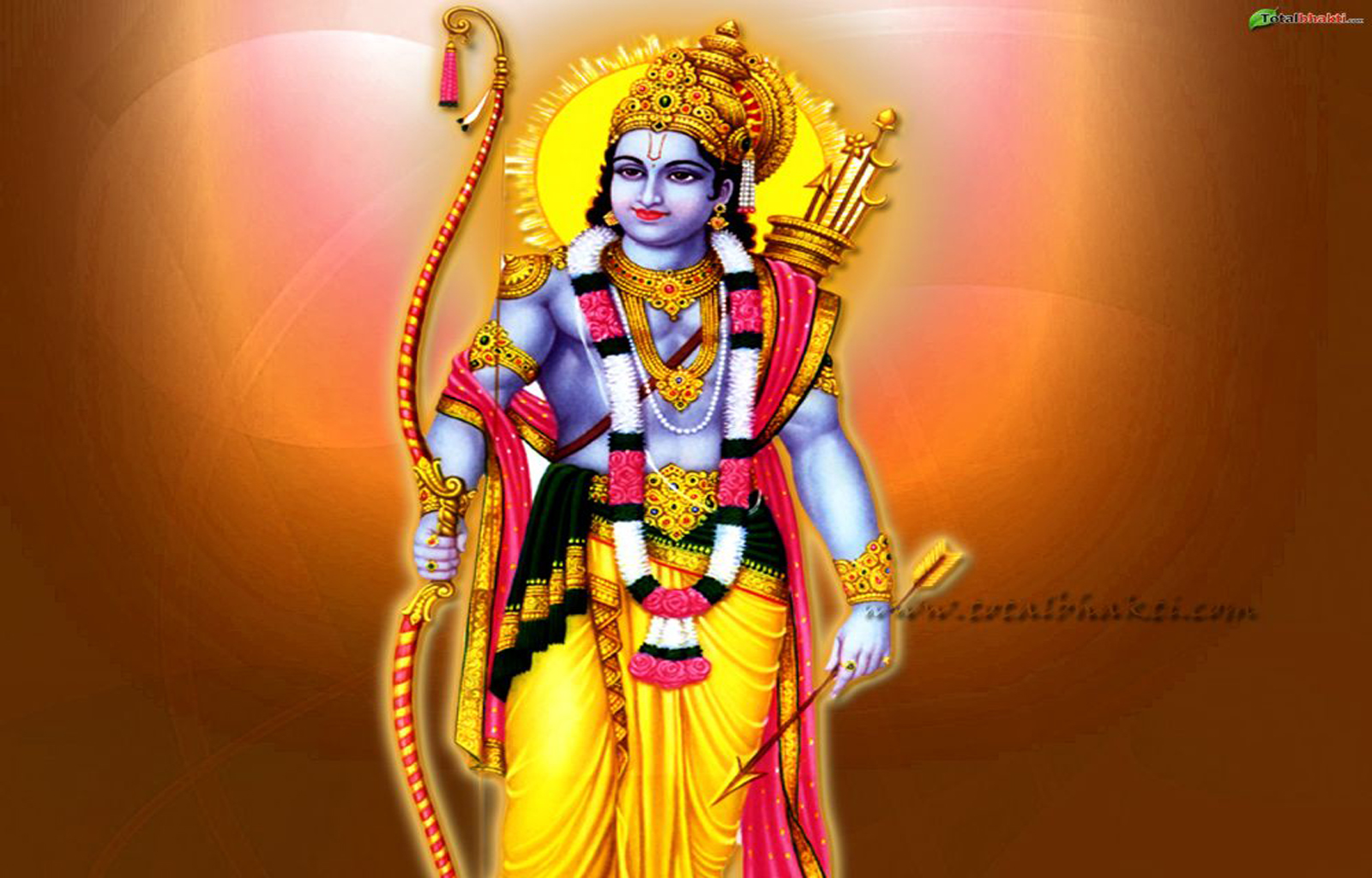
Anjaneya, Hanuman is considered to be an Avatar of Shiva and some Purans mention Him as the Son of Lord Shiva.
Though Hanuman was an ardent Devotee of Lord Rama, He was a devotee of Shiva as well.
But there is an incident narrated in the Valmiki Ramayana, where Hanuman uprooted the Shiva Linga!
Hanuman Worships Shiva.
Lord Rama, after the killing of Ravana, was advised to perform Prayaschitta, Atonement, for killing Ravana a Vedic scholar and a devotee of Shiva in Rameswaram, within two days from the date of killing Ravana.
Rama accordingly reached Rameswaram,while Hanuman and Jatayu were sent to search for A Shiva Linga
As they were delayed, Sita, asked by Rama , to. form a Shiva Linga out of sand , as the suspicious Muhurtha was about to end..
Sita did and at the same time Hanuman with the Linga was sighted.
Hanuman was upset that the Linga was not used by Sita .
Rama asked him to remove the Linga by the Sita so that Hanuman’s Linga could be installed,
Hanuman tried to uproot it, but finding the job tough, coiled His Tail around the Linga and uprooted it.
This fell few miles off Rameswaram and it is called Hanuman Pallam, Hanuman Pit.
In the process Hanuman’s tail was cut off.
Hanuman realized his folly and Rama advised him to perform Pooja for Shiva at Thirukkurankaval .
Hanuman did so..
‘
Lord Hanuman realized his folly. It was pre-ordained that the lingam prepared by Lord Sita was to be used for the rituals and sought forgiveness from Lord Rama and Sita to regrow his tail.
Lord Rama suggested to Lord Hanuman that he seek forgiveness from Lord Shiva instead and suggested that Lord Hanuman visit Thirukurungaval and worship Lord Shiva there to get back his tail. Hence the place has acquired its name, Tirukurunkaval (Place where Lord Shiva was worshipped by a monkey-faced God) The testimony to this story is that it is one of the few Lord Shiva temples in the world, with a shrine to Lord Hanuman facing Lord Shiva.
It is also a metaphorical message that Lord Shiva and Lord Vishnu (of which Lord Rama was an incarnation) are the same.
Thirukkurankukka/ Thirukkurankaval is one of the 275 Thevara Shivasthalam of Lord Shiva in Myladuthurai, Nagapattinam District, Tamil Nadu. This is one of the 5 prominent temples of Lord Shiva ending its name with ‘Ka’ and they are: Thiruvanaikka, Thirukkodikka, Thirunellikka, Thirkolakka and Thirukkurankukka.
Presiding deity – Lord Thirukunthalanathar/Kunthaleswarar /Kundalakarneswarar with his consort Goddess Sri Kunthalambikai
Mangalasasanam – Thirunavukkarasar
Theertham – Hanumath Theertham
Sthalavruksham – Mango tree
Worshipped by – Lord Anjaneya
Sannidhis – Lord Ganesha, Lord Nandikeshwara, Lord Subramanya with his consorts Goddesses Sri Valli & Deivayanai, Lord Surya, Lord Bhairava, Idols of Anjaneya, Anjaneya, Goshtamurtham – Lord Dakshinamurthi, Goddess Sri Durga,
You must be logged in to post a comment.