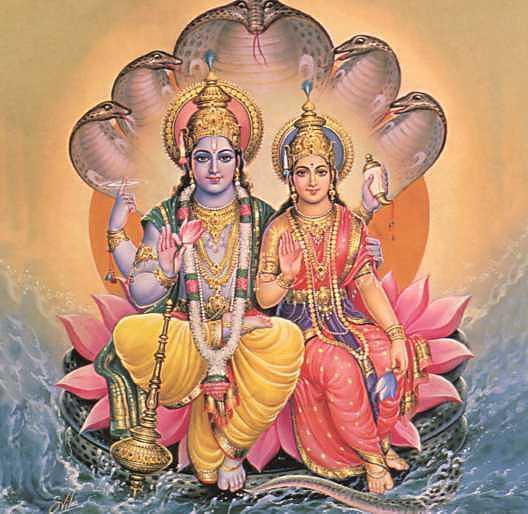
Tag: Shakti Peeta

  • Lakshmi The Yogic Goddess Saubhagyalakshmi Upanishad Text

    Lakshmi The Yogic Goddess Saubhagyalakshmi Upanishad Text


    The worship of Lakshmi is intriguing.

    One normally associates Lakshmi only with wealth.

    Worship of Laksmi is quite ancient,though not by this name.

    Samadhi in Shaktism

    As salt thrown into water,
    dissolves completely as water,
    so the state of I-consciousness,
    dissolves in the supreme consciousness,
    this is Samadhi.

    Saubhagyalakshmi Upanishad 2.14

    She was called’Sri’.

    She is mentioned in the Rig Veda,the oldest literature of the world.

    This is the Saubhagyalakshmi Upanishad.

    Though we have the Sri Suktham,Saubhagyalakshmi Upanishad directly imparts Yoga.

    Probably this is the second text associated with Sri Vaishnavam,the other one being Lakshmi Tantra.

    I shall be writing in detail about Lakshmi and Sri Concept,where how these are Yogic treatises.


    Saubhagyalakshmi Upanishad. English .

    saubhāgyalakṣmīkaivalyavidyāvedyasukhākṛti ।
    tripānnārāyaṇānandaramacandrapadaṃ bhaje ॥
    oṃ vāṅme manasi pratiṣṭhitā mano me vāci
    pratiṣṭhitamāvirāvīrma edhi ॥
    vedasya ma āṇīsthaḥ śrutaṃ me mā
    prahāsīranenādhītenāhorātrānsandadhāmyṛtaṃ
    vadiṣyāmi satyaṃ vadiṣyāmi ॥
    tanmāmavatu tadvaktāramavatu avatu māmavatu
    vaktāramavatu vaktāram ॥oṃ śāntiḥ śāntiḥ śāntiḥ ॥

    hariḥ oṃ ॥atha bhagavantaṃ devā ūcurhe
    bhagavannaḥ kathaya saubhāgyalakṣmīvidyām ।
    tathetyavocadbhagavānādinārāyaṇaḥ sarve devā
    yūyaṃ sāvadhānamanaso bhūtvā śṛṇuta
    turīyarūpāṃ turīyātītāṃ sarvotkaṭāṃ
    sarvamantrāsanagatāṃ pīṭhopapīṭhadevatāparivṛtāṃ
    caturbhujāṃ śriyaṃ hiraṇyavarṇāmiti
    pañcadaśargbhirdhyāyet । atha pañcadaśa
    ṛgātmakasya śrīsūktasyānandakardamaciklītendirāsutā
    ṛṣayaḥ । śrīṛṣyādyā ṛcaḥ
    caturdaśānamṛcāmānandādyṛṣayaḥ ।
    hiraṇyavarṇādyādyatrayasyānuṣṭup chandaḥ ।
    kāṃsosmītyasya bṛhatī chandaḥ ।
    tadanyayordvayostriṣṭup । punaraṣṭakasyānuṣṭup ।
    śeṣasya prastārapaṅktiḥ । śryagnirdevatā ।
    hiraṇyavarṇāmiti bījam । kāṃso’smīti śaktiḥ ।
    hiraṇmayā candrā rajatasrajā hiraṇyā hiraṇyavarṇeti
    praṇavādinamontaiścaturthyantairaṅganyāsaḥ ।
    atha vaktratrayairaṅganyāsaḥ । mastakalocanaśrutighrāṇa-
    vadanakaṇṭhabāhudvayahṛdayanābhiguhyapāyūrujānujaṅgheṣu
    śrīsūktaireva kramaśo nyaset । aruṇakamalasaṃsthā
    tadrajaḥpuñjavarṇā karakamaladhṛteṣṭā’bhītiyugmāmbujā ca ।
    maṇikaṭakavicitrālaṅkṛtākalpajālaiḥ sakalabhuvanamātā
    santataṃ śrīḥ śriyai naḥ ॥1॥
    tatpīṭhakarṇikāyāṃ sasādhyaṃ śrībījam ।
    vasvādityakalāpadmeṣu śrīsūktagatārdhārdharcā
    tadbahiryaḥ śuciriti mātṛkayā ca śriyaṃ yantrāṅgadaśakaṃ
    ca vilikhya śriyamāvāhayet । aṅgaiḥ prathamā vṛttiḥ ।
    padmādibhirdvitīyā । sokeśaistṛtīyā । tadāyudhaisturīyā
    vṛttirbhavati । śrīsūktairāvāhanādi । ṣoḍaśasahasrajapaḥ ।
    saubhāgyaramaikākṣaryā bhṛgunicṛdgāyatrī । śriya ṛṣyādayaḥ ।
    śamiti bījaśaktiḥ । śrīmityādi ṣaḍaṅgam । bhūyādbhūyo
    dvipadmābhayavaradakarā taptakārtasvarābhā śubhrābhrābhebhayugma-
    dvayakaradhṛtakumbhādbhirāsicyamānā । raktaughābaddhamauli-
    rvimalataradukūlārtavālepanāḍhyā padmākṣī padmanābhorasi
    kṛtavasatiḥ padmagā śrīḥ śriyai naḥ ॥1॥
    tatpīṭham । aṣṭapatraṃ vṛttatrayaṃ dvādaśarāśikhaṇḍaṃ
    caturasraṃ ramāpīṭhaṃ bhavati । karṇikāyāṃ sasādhyaṃ śrībījam ।
    vibhūtirunnatiḥ kāntiḥ sṛṣṭiḥ kīrtiḥ sannatirvyuṣṭiḥ
    satkṛṣṭirṛddhiriti praṇavādinamo taiścaturthyantairnavaśaktiṃ
    yajet । aṅge prathamā vṛtiḥ ।
    vāsudevābhirdvitīyā । bālākyādibhistṛtīyā ।
    indrādibhiścaturthī bhavati ।
    dvādaśalakṣajapaḥ । śrīlakṣmīrvaradā viṣṇupatnī
    vasupradā hiraṇyarūpā
    svarṇamālinī rajatasrajā svarṇaprabhā svarṇaprākārā
    padmavāsinī padmahastā
    padmapriyā muktālaṅkārā candrasūryā bilvapriyā īśvarī
    bhuktirmuktirvibhūtirṛddhiḥ samṛddhiḥ kṛṣṭiḥ
    puṣṭirdhanadā dhaneśvarī
    śraddhā bhoginī bhogadā sāvitrī dhātrī
    vidhātrītyādipraṇavādinamontāścaturthyantā
    mantrāḥ । ekākṣaravadaṅgādipīṭham । lakṣajapaḥ ।
    daśāṃśaṃ tarpaṇam ।
    daśāṃśaṃ havanam । dvijatṛptiḥ । niṣkāmānāmeva
    śrīvidyāsiddhiḥ ।
    na kadāpi sakāmānāmiti ॥1॥
    atha hainaṃ devā ūcusturīyayā māyayā nirdiṣṭaṃ
    tattvaṃ brūhīti । tatheti sa hovāca ।
    yogena yogo jñātavyo yogo yogātpravardhate ।
    yo’pramattastu yogena sa yogī ramate ciram ॥1॥
    samāpayya nidrāṃ sijīrṇe’lpabhojī
    śramatyājyabādhe vivikte pradeśe ।
    sadā śītanistṛṣṇa eṣa prayatno’tha
    vā prāṇarodho nijābhyāsamārgāt ॥2॥
    vaktreṇāpūrya vāyuṃ hutavalanilaye’pānamākṛṣya dhṛtvā
    svāṅguṣṭhādyaṅgulībhirvarakaratalayoḥ ṣaḍbhirevaṃ nirudhya ।
    śrotre netre ca nāsāpuṭayugalamato’nena mārgeṇa samyak-
    paśyanti pratyayāśaṃ praṇavabahuvidhadhyānasaṃlīnacittāḥ ॥3॥
    śravaṇamukhanayananāsānirodhanenaiva kartavyam ।
    śuddhasuṣumnāsaraṇau sphuṭamamalaṃ śrūyate nādaḥ ॥4॥
    vicitraghoṣasaṃyuktānāhate śrūyate dhvaniḥ ।
    divyadehaśca tejasvī divyagandho’pyarogavān ॥5॥
    saṃpūrṇahṛdayaḥ śūnye tvārambhe yogavānbhavet ।
    dvitīyā vighaṭīkṛtya vāyurbhavati madhyagaḥ ॥6॥
    dṛḍhāsano bhavedyogī padmādyāsanasaṃsthitaḥ ।
    viṣṇugranthestato bhedātparamānandasambhavaḥ ॥7॥
    atiśūnyo vimardaśca bherīśabdastato bhavet ।
    tṛtīyāṃ yatnato bhittvā ninādo mardaladhvaniḥ ॥8॥
    mahāśūnyaṃ tato yāti sarvasiddhisamāśrayam ।
    cittānandaṃ tato bhittvā sarvapīṭhagatānilaḥ ॥9॥
    niṣpattau vaiṣṇavaḥ śabdaḥ kvaṇatīti kvaṇo bhavet ।
    ekībhūtaṃ tadā cittaṃ sanakādimunīḍitam ॥10॥
    ante’nantaṃ samāropya khaṇḍe’khaṇḍaṃ samarpayan ।
    bhūmānaṃ prakṛtiṃ dhyātvā kṛtakṛtyo’mṛto bhavet ॥11॥
    yogena yogaṃ saṃrodhya bhāvaṃ bhāvena cāñjasā ।
    nirvikalpaṃ paraṃ tattvaṃ sadā bhūtvā paraṃ bhavet ॥12॥
    ahaṃbhāvaṃ parityajya jagadbhāvamanīdṛśam ।
    nirvikalpe sthito vidvānbhūyo nāpyanuśocati ॥13॥
    salile saindhāvaṃ yadvatsāmyaṃ bhavati yogataḥ ।
    tathātmamanasaurekyaṃ samādhirabhidhīyate ॥14॥
    yadā saṃkṣīyate prāṇo mānasaṃ ca pralīyate ।
    tadā samarasatvaṃ yatsamādhirabhidhīyate ॥15॥
    yatsamatvaṃ tayoratra jīvātmaparamātmanoḥ ।
    samastanaṣṭasaṅkalpaḥ samādhirabhidhīyate ॥16॥
    prabhāśūnyaṃ manaḥśūnyaṃ buddhiśūnyaṃ nirāmayam ।
    sarvaśūnyaṃ nirābhāsaṃ samādhirabhidhīyate ॥17॥
    svayamuccalite dehe dehī nityasamādhinā ।
    niścalaṃ taṃ vijānīyātsamādhirabhidhīyate ॥18॥
    yatrayatra mano yāti tatratatra paraṃ padam ।
    tatratatra paraṃ brahma sarvatra samavasthitam ॥19॥iti॥॥2॥
    atha hainaṃ devā ūcurnavacakravivekamanubrūhīti ।
    tatheti sa hovāca ādhāre brahmacakraṃ trirāvṛttaṃ
    bhagamaṇḍalākāram । tatra mūlakande śaktiḥ pāvakākāraṃ
    dhyāyet । tatraiva kāmarūpapīṭhaṃ sarvakāmapradaṃ bhavati ।
    ityādhāracakram । dvitīyaṃ svādhiṣṭhānacakraṃ
    ṣaḍdalam । tanmadhye paścimābhimukhaṃ liṅgaṃ
    pravālāṅkurasadṛśaṃ dhyāyet । tatraivoḍyāṇapīṭhaṃ
    jagadākarṣaṇasiddhidaṃ bhavati । tṛtīyaṃ
    nābhicakraṃ pañcāvartaṃ sarpakuṭilākāram ।
    tanmadhye kuṇḍalinīṃ bālārkakoṭiprabhāṃ
    tanumadhyāṃ dhyāyet । sāmarthyaśaktiḥ sarvasiddhipradā
    bhavati । maṇipūracakraṃ hṛdayacakram ।
    aṣṭadalamadhomukham । tanmadhye jyotirmayaliṅgākāraṃ
    dhyāyet । saiva haṃsakalā sarvapriyā sarvalokavaśyakarī
    bhavati । kaṇṭhacakraṃ caturaṅgulam । tatra vāme iḍā
    candranāḍī dakṣiṇe piṅgalā sūryanāḍī tanmadhye suṣumnāṃ
    śvetavarṇāṃ dhyāyet । ya evaṃ vedānāhatā siddhidā bhavati ।
    tālucakram । tatrāmṛtadhārāpravāhaḥ ।
    ghaṇṭikāliṅgamūlacakrarandhre rājadantāvalambinīvivaraṃ
    daśadvādaśāram । tatra śūnyaṃ dhyāyet । cittalayo bhavati ।
    saptamaṃ bhrūcakramaṅguṣṭhamātram । tatra jñānanetraṃ
    dīpaśikhākāraṃ dhyāyet । tadeva kapālakandavāksiddhidaṃ
    bhavati । ājñācakramaṣṭamam । brahmarandhraṃ nirvāṇacakram ।
    tatra sūcikāgṛhetaraṃ dhūmraśikhākāraṃ dhyāyet । tatra
    jālandharapīṭhaṃ mokṣapradaṃ bhavatīti parabrahmacakram ।
    navamamākāśacakram । tatra ṣoḍaśadalapadmamūrdhvamukhaṃ
    tanmadhyakarṇikātrikūṭākāram । tanmadhye ūrdhvaśaktiḥ ।
    tāṃ paśyandhyāyet । tatraiva pūrṇagiripīṭhaṃ
    sarvecchāsiddhisādhanaṃ bhavati । saubhāgyalakṣmyupaniṣadaṃ
    nityamadhīte yo’gnipūto bhavati । sa vāyupūto bhavati । sa
    sakaladhanadhānyasatputrakalatrahayabhūgajapaśumahiṣīdāsīdāsa-
    yogajñānavānbhavati । na sa punarāvartate na sa punarāvartata
    ityupaniṣat ।

    oṃ vāṅme manasi pratiṣṭhitā mano me vāci pratiṣṭhitam
    āvirāvīrma edhi ॥vedasya ma āṇīsthaḥ śrutaṃ me mā
    prahāsīranenādhītenāhorātrānsandadhāmyṛtaṃ vadiṣyāmi
    satyaṃ vadiṣyāmi ॥tanmāmavatu tadvaktāramavatu avatu māmavatu
    vaktāramavatu vaktāram ॥oṃ śāntiḥ śāntiḥ śāntiḥ ॥
    iti śrīsaubhāgyalakṣmyupaniṣatsamāptā ॥

    Sanskrit text Saubhagyalakshmi Upanishad.

    ॥ सौभाग्यलक्ष्म्युपनिषत् ॥
    
    सौभाग्यलक्ष्मीकैवल्यविद्यावेद्यसुखाकृति ।
    त्रिपान्नारायणानन्दरमचन्द्रपदं भजे ॥
    
    ॐ वाङ्मे मनसि प्रतिष्ठिता मनो मे वाचि
    प्रतिष्ठितमाविरावीर्म एधि ॥
    
    वेदस्य म आणीस्थः श्रुतं मे मा
    प्रहासीरनेनाधीतेनाहोरात्रान्सन्दधाम्यृतं
    वदिष्यामि सत्यं वदिष्यामि ॥
    
    तन्मामवतु तद्वक्तारमवतु अवतु मामवतु
    वक्तारमवतु वक्तारम् ॥ ॐ शान्तिः शान्तिः शान्तिः ॥
    
    हरिः ॐ ॥ अथ भगवन्तं देवा ऊचुर्हे
    भगवन्नः कथय सौभाग्यलक्ष्मीविद्याम् ।
    तथेत्यवोचद्भगवानादिनारायणः सर्वे देवा
    यूयं सावधानमनसो भूत्वा शृणुत
    तुरीयरूपां तुरीयातीतां सर्वोत्कटां
    सर्वमन्त्रासनगतां पीठोपपीठदेवतापरिवृतां
    चतुर्भुजां श्रियं हिरण्यवर्णामिति
    पञ्चदशर्ग्भिर्ध्यायेत् । अथ पञ्चदश
    ऋगात्मकस्य श्रीसूक्तस्यानन्दकर्दमचिक्लीतेन्दिरासुता
    ऋषयः । श्रीऋष्याद्या ऋचः
    चतुर्दशानमृचामानन्दाद्यृषयः ।
    हिरण्यवर्णाद्याद्यत्रयस्यानुष्टुप् छन्दः ।
    कांसोस्मीत्यस्य बृहती छन्दः ।
    तदन्ययोर्द्वयोस्त्रिष्टुप् । पुनरष्टकस्यानुष्टुप् ।
    शेषस्य प्रस्तारपङ्क्तिः । श्र्यग्निर्देवता ।
    हिरण्यवर्णामिति बीजम् । कांसोऽस्मीति शक्तिः ।
    हिरण्मया चन्द्रा रजतस्रजा हिरण्या हिरण्यवर्णेति
    प्रणवादिनमोन्तैश्चतुर्थ्यन्तैरङ्गन्यासः ।
    अथ वक्त्रत्रयैरङ्गन्यासः । मस्तकलोचनश्रुतिघ्राण-
    वदनकण्ठबाहुद्वयहृदयनाभिगुह्यपायूरुजानुजङ्घेषु
    श्रीसूक्तैरेव क्रमशो न्यसेत् । अरुणकमलसंस्था
    तद्रजःपुञ्जवर्णा करकमलधृतेष्टाऽभीतियुग्माम्बुजा च ।
    मणिकटकविचित्रालङ्कृताकल्पजालैः सकलभुवनमाता
    सन्ततं श्रीः श्रियै नः ॥ १॥
    
    तत्पीठकर्णिकायां ससाध्यं श्रीबीजम् ।
    वस्वादित्यकलापद्मेषु श्रीसूक्तगतार्धार्धर्चा
    तद्बहिर्यः शुचिरिति मातृकया च श्रियं यन्त्राङ्गदशकं
    च विलिख्य श्रियमावाहयेत् । अङ्गैः प्रथमा वृत्तिः ।
    पद्मादिभिर्द्वितीया । सोकेशैस्तृतीया । तदायुधैस्तुरीया
    वृत्तिर्भवति । श्रीसूक्तैरावाहनादि । षोडशसहस्रजपः ।
    सौभाग्यरमैकाक्षर्या भृगुनिचृद्गायत्री । श्रिय ऋष्यादयः ।
    शमिति बीजशक्तिः । श्रीमित्यादि षडङ्गम् । भूयाद्भूयो
    द्विपद्माभयवरदकरा तप्तकार्तस्वराभा शुभ्राभ्राभेभयुग्म-
    द्वयकरधृतकुम्भाद्भिरासिच्यमाना । रक्तौघाबद्धमौलि-
    र्विमलतरदुकूलार्तवालेपनाढ्या पद्माक्षी पद्मनाभोरसि
    कृतवसतिः पद्मगा श्रीः श्रियै नः ॥ १॥
    
    तत्पीठम् । अष्टपत्रं वृत्तत्रयं द्वादशराशिखण्डं
    चतुरस्रं रमापीठं भवति । कर्णिकायां ससाध्यं श्रीबीजम् ।
    विभूतिरुन्नतिः कान्तिः सृष्टिः कीर्तिः सन्नतिर्व्युष्टिः
    सत्कृष्टिरृद्धिरिति प्रणवादिनमो तैश्चतुर्थ्यन्तैर्नवशक्तिं
    यजेत् । अङ्गे प्रथमा वृतिः ।
    वासुदेवाभिर्द्वितीया । बालाक्यादिभिस्तृतीया ।
    इन्द्रादिभिश्चतुर्थी भवति ।
    द्वादशलक्षजपः । श्रीलक्ष्मीर्वरदा विष्णुपत्नी
    वसुप्रदा हिरण्यरूपा
    स्वर्णमालिनी रजतस्रजा स्वर्णप्रभा स्वर्णप्राकारा
    पद्मवासिनी पद्महस्ता
    पद्मप्रिया मुक्तालङ्कारा चन्द्रसूर्या बिल्वप्रिया ईश्वरी
    भुक्तिर्मुक्तिर्विभूतिरृद्धिः समृद्धिः कृष्टिः
    पुष्टिर्धनदा धनेश्वरी
    श्रद्धा भोगिनी भोगदा सावित्री धात्री
    विधात्रीत्यादिप्रणवादिनमोन्ताश्चतुर्थ्यन्ता
    मन्त्राः । एकाक्षरवदङ्गादिपीठम् । लक्षजपः ।
    दशांशं तर्पणम् ।
    दशांशं हवनम् । द्विजतृप्तिः । निष्कामानामेव
    श्रीविद्यासिद्धिः ।
    न कदापि सकामानामिति ॥ १॥
    
    अथ हैनं देवा ऊचुस्तुरीयया मायया निर्दिष्टं
    तत्त्वं ब्रूहीति । तथेति स होवाच ।
    योगेन योगो ज्ञातव्यो योगो योगात्प्रवर्धते ।
    योऽप्रमत्तस्तु योगेन स योगी रमते चिरम् ॥ १॥
    
    समापय्य निद्रां सिजीर्णेऽल्पभोजी
         श्रमत्याज्यबाधे विविक्ते प्रदेशे ।
    सदा शीतनिस्तृष्ण एष प्रयत्नोऽथ
         वा प्राणरोधो निजाभ्यासमार्गात् ॥ २॥
    
    वक्त्रेणापूर्य वायुं हुतवलनिलयेऽपानमाकृष्य धृत्वा
         स्वाङ्गुष्ठाद्यङ्गुलीभिर्वरकरतलयोः षड्भिरेवं निरुध्य ।
    श्रोत्रे नेत्रे च नासापुटयुगलमतोऽनेन मार्गेण सम्यक्-
         पश्यन्ति प्रत्ययाशं प्रणवबहुविधध्यानसंलीनचित्ताः ॥ ३॥
    
    श्रवणमुखनयननासानिरोधनेनैव कर्तव्यम् ।
    शुद्धसुषुम्नासरणौ स्फुटममलं श्रूयते नादः ॥ ४॥
    
    विचित्रघोषसंयुक्तानाहते श्रूयते ध्वनिः ।
    दिव्यदेहश्च तेजस्वी दिव्यगन्धोऽप्यरोगवान् ॥ ५॥
    
    सम्पूर्णहृदयः शून्ये त्वारम्भे योगवान्भवेत् ।
    द्वितीया विघटीकृत्य वायुर्भवति मध्यगः ॥ ६॥
    
    दृढासनो भवेद्योगी पद्माद्यासनसंस्थितः ।
    विष्णुग्रन्थेस्ततो भेदात्परमानन्दसम्भवः ॥ ७॥
    
    अतिशून्यो विमर्दश्च भेरीशब्दस्ततो भवेत् ।
    तृतीयां यत्नतो भित्त्वा निनादो मर्दलध्वनिः ॥ ८॥
    
    महाशून्यं ततो याति सर्वसिद्धिसमाश्रयम् ।
    चित्तानन्दं ततो भित्त्वा सर्वपीठगतानिलः ॥ ९॥
    
    निष्पत्तौ वैष्णवः शब्दः क्वणतीति क्वणो भवेत् ।
    एकीभूतं तदा चित्तं सनकादिमुनीडितम् ॥ १०॥
    
    अन्तेऽनन्तं समारोप्य खण्डेऽखण्डं समर्पयन् ।
    भूमानं प्रकृतिं ध्यात्वा कृतकृत्योऽमृतो भवेत् ॥ ११॥
    
    योगेन योगं संरोध्य भावं भावेन चाञ्जसा ।
    निर्विकल्पं परं तत्त्वं सदा भूत्वा परं भवेत् ॥ १२॥
    
    अहंभावं परित्यज्य जगद्भावमनीदृशम् ।
    निर्विकल्पे स्थितो विद्वान्भूयो नाप्यनुशोचति ॥ १३॥
    
    सलिले सैन्धावं यद्वत्साम्यं भवति योगतः ।
    तथात्ममनसौरेक्यं समाधिरभिधीयते ॥ १४॥
    
    यदा संक्षीयते प्राणो मानसं च प्रलीयते ।
    तदा समरसत्वं यत्समाधिरभिधीयते ॥ १५॥
    
    यत्समत्वं तयोरत्र जीवात्मपरमात्मनोः ।
    समस्तनष्टसङ्कल्पः समाधिरभिधीयते ॥ १६॥
    
    प्रभाशून्यं मनःशून्यं बुद्धिशून्यं निरामयम् ।
    सर्वशून्यं निराभासं समाधिरभिधीयते ॥ १७॥
    
    स्वयमुच्चलिते देहे देही नित्यसमाधिना ।
    निश्चलं तं विजानीयात्समाधिरभिधीयते ॥ १८॥
    
    यत्रयत्र मनो याति तत्रतत्र परं पदम् ।
    तत्रतत्र परं ब्रह्म सर्वत्र समवस्थितम् ॥ १९॥ इति॥ ॥ २॥
    
    अथ हैनं देवा ऊचुर्नवचक्रविवेकमनुब्रूहीति ।
    तथेति स होवाच आधारे ब्रह्मचक्रं त्रिरावृत्तं
    भगमण्डलाकारम् । तत्र मूलकन्दे शक्तिः पावकाकारं
    ध्यायेत् । तत्रैव कामरूपपीठं सर्वकामप्रदं भवति ।
    इत्याधारचक्रम् । द्वितीयं स्वाधिष्ठानचक्रं
    षड्दलम् । तन्मध्ये पश्चिमाभिमुखं लिङ्गं
    प्रवालाङ्कुरसदृशं ध्यायेत् । तत्रैवोड्याणपीठं
    जगदाकर्षणसिद्धिदं भवति । तृतीयं
    नाभिचक्रं पञ्चावर्तं सर्पकुटिलाकारम् ।
    तन्मध्ये कुण्डलिनीं बालार्ककोटिप्रभां
    तनुमध्यां ध्यायेत् । सामर्थ्यशक्तिः सर्वसिद्धिप्रदा
    भवति । मणिपूरचक्रं हृदयचक्रम् ।
    अष्टदलमधोमुखम् । तन्मध्ये ज्योतिर्मयलिङ्गाकारं
    ध्यायेत् । सैव हंसकला सर्वप्रिया सर्वलोकवश्यकरी
    भवति । कण्ठचक्रं चतुरङ्गुलम् । तत्र वामे इडा
    चन्द्रनाडी दक्षिणे पिङ्गला सूर्यनाडी तन्मध्ये सुषुम्नां
    श्वेतवर्णां ध्यायेत् । य एवं वेदानाहता सिद्धिदा भवति ।
    तालुचक्रम् । तत्रामृतधाराप्रवाहः ।
    घण्टिकालिङ्गमूलचक्ररन्ध्रे राजदन्तावलम्बिनीविवरं
    दशद्वादशारम् । तत्र शून्यं ध्यायेत् । चित्तलयो भवति ।
    सप्तमं भ्रूचक्रमङ्गुष्ठमात्रम् । तत्र ज्ञाननेत्रं
    दीपशिखाकारं ध्यायेत् । तदेव कपालकन्दवाक्सिद्धिदं
    भवति । आज्ञाचक्रमष्टमम् । ब्रह्मरन्ध्रं निर्वाणचक्रम् ।
    तत्र सूचिकागृहेतरं धूम्रशिखाकारं ध्यायेत् । तत्र
    जालन्धरपीठं मोक्षप्रदं भवतीति परब्रह्मचक्रम् ।
    नवममाकाशचक्रम् । तत्र षोडशदलपद्ममूर्ध्वमुखं
    तन्मध्यकर्णिकात्रिकूटाकारम् । तन्मध्ये ऊर्ध्वशक्तिः ।
    तां पश्यन्ध्यायेत् । तत्रैव पूर्णगिरिपीठं
    सर्वेच्छासिद्धिसाधनं भवति । सौभाग्यलक्ष्म्युपनिषदं
    नित्यमधीते योऽग्निपूतो भवति । स वायुपूतो भवति । स
    सकलधनधान्यसत्पुत्रकलत्रहयभूगजपशुमहिषीदासीदास-
    योगज्ञानवान्भवति । न स पुनरावर्तते न स पुनरावर्तत
    इत्युपनिषत् ।
    
    ॐ वाङ्मे मनसि प्रतिष्ठिता मनो मे वाचि प्रतिष्ठितम्
    आविरावीर्म एधि ॥ वेदस्य म आणीस्थः श्रुतं मे मा
    प्रहासीरनेनाधीतेनाहोरात्रान्सन्दधाम्यृतं वदिष्यामि
    सत्यं वदिष्यामि ॥ तन्मामवतु तद्वक्तारमवतु अवतु मामवतु
    वक्तारमवतु वक्तारम् ॥ ॐ शान्तिः शान्तिः शान्तिः ॥
    
    इति श्रीसौभाग्यलक्ष्म्युपनिषत्समाप्ता ॥
    
    
    Encoded by Sunder Hattangadi (sunderh@hotmail.com)

    References and Citations.

    Sanskrit text source. A good site for rare mantras.

    http://sanskritdocuments.org/doc_upanishhat/saubhagya.html?lang=sa

    English version source.

    http://upanishad.info/upanishads/text/rigveda/translitration/saubhagya-lakshmi

  • Attahasa Loud Laughter Shiva

    I wrote an article in July 2014, on the 68 Important Shiva Temples listed by Shiva Himself.

    Yesterday I received a comment from a reader asking me the details about it.

    Though my article contains information on  this Shiva, it was sketchy because the place is Fullara, A Shakthi Peeta, where Devi’s Lower Lip fell.

    So the accent of the article was more on Shakthi.

    Shiva Linga in Cosmos.jpg
    Shiva Linga in Cosmos.

    In the list of 68 Shiva Temples provided by Shiva, the Attahasa is mentioned.

    1. Attahaas (Mahanaad),
    2. Mahendra (Mahavrat),
    3. Ujjain (Mahaakaal),
    4. Marukot (Mahotkat),
    5. Shankhakarna( Maha Teja)’

    Lord Shiva in Meditation.jpg Lord Shiva in Meditation.

    The apocalyptic laughter of Shiva is referred as Attahasa.

    Some scholars are of the view that this a future manifestation of Shiva.

    Shiva took the form of Attahasa in a mountain in the Himalayan Range.The sons of Shiva will also reside in the Attahasa mountain range in the 20th yuga.-Vayu Purana.

    When the twentieth cycle of a yuga occurs, then I shall be known by the name Attahasa, the loudly launghing one – a form that people will adore. – (Linga Purana 1.24.94 – 95)

    Atthas Peeta has the Devi‘s Lower Lip and She s worshiped as Fullara, Phullara Devi.


    The temple is in Labhpur,Birbhum Disrict West Bengal,India.


    Image of Devi and the Shiva temple is next to the Devi temple. It is a major pilgrimage and tourist attraction.


    From Birbhum to Ahmedpur to Labhpur (6.5 miles). Attahas is just East of Labhpur, around 115 miles from Kolkata.


    The temple of Bhairav is beside the temple of Maa Fullora or Phullara. A deity made of stone.

    Citation.

    Ramani’s blog

    Shiva Lists His Important Temples


    It is so large that the lower leap of the Goddess is about 15 to 18 feet wide.


    According to mythology, when Mahadeva (Lord Shiva) danced around with Sati’s dead body cutting it to pieces, the lip fell at Fullara or Phullara.


    There is a big pond beside the temple.


    According to hearsay, Hanuman collected 108 blue lotuses from the pond when Sri Ramachandra required them for the worship of Goddess Durga.


    How to  reach.


    Labhpur is about 12 km from Ahmedpur on the Ahmedpur Katwa Railway.

  • Shakti Peeta Head In Pakistan Bibi Nani Dadhichi Mantra


    Despite the politicians having divided India, none can severe the Religious bond between India and Pakistan.


    One of the 52 Shakti Peetas is in  Hinglaj, Balochistan province about 250 km north of Karachi.


    The Teertha.


    An important stop during the pilgrimage is the mud volcano called ‘Chandrakup’ (Bengali: চন্দ্রকূপ, literally ‘Moon Well’), mainland Asia‘s largest mud volcano.


    It is considered holy and is addressed as ‘Baba Chandrakup'(literally Father Moonwell).


    The volcano is filled with mud, instead of magma, hence the term “mud volcano”.


    It is considered to be the abode of demigod Babhaknath. It is one of the few sites of active volcanic activity in the Asian mainland.


    The mud is semi fluid and sometimes it spills over and aggregates and cools into hillocks which surround the site.


    There are altogether 18 mud volcanoes in the region.


    There is another such mud volcano in Andaman Islands, India


    “It is considered as one of the famous and largest TEERATHS Pilgrimage of Subcontinent.


    It is held in great veneration by both Hindus and Muslims. It is dedicated to Hinglaj Devi, the Goddess of Fate, Muslims call it Bibi Nani or simply

    Nani.


    In “Nani” there is a survival of ancient Goddess “Nanaia”, whose Semitic name is “Anhita”. Hinglaj Devi alongwith another Devi called “Kurukullh” was

    once upon a time, universally worshipped. Hingula means “cinnabar”, largely used as materia medica in ancient India.


    Since “Hingula” cures snake bites and eliminates all types of poisoning, it came to be identified with healing of all sorts of diseases.


    Despite the independence and the increasing Islamic stance of the Pakistani Government and society, Hinglaj has survived and is in fact revered by

    local Muslims who call it ‘Nani ki Mandir’.


    Muslims offer red or saffron clothes, incense, candles and a sweet preparation called ‘Sirini’ to the deity[citation needed].


    The Muslims protected sites like Hinglaj which are the last vestiges of the Hindu society which once straddled the area.


    Hingula means cinnabar (HgS Mercuric Sulphide). It was used in ancient India to cure snakebite and other poisonings and is still employed in

    traditional medicine.


    The Goddess Hingula is thus believed to possess powers which can cure poisoning and other diseases.


    The Muslim name ‘Nani’ is an abbreviation of the name of the ancient Goddess “Nanaia“, whose Persian name is “Anahita“.


    The Dadhichi Mantra.


    Dadhici was the Sage , who, out of His Backbone made made the Vajrayutha and gifted it to Indra, the Chief of the Devas.


    The mantra or incantation for Devi Hinglaj is attributed to Saint Dadhichi, an important saint in Hindu theology. The mantra is :


    ॐ हिंगुले परमहिंगुले अमृतरूपिणि तनुशक्ति

    मनः शिवे श्री हिंगुलाय नमः स्वाहा

    OM HINGULE PARAM HINGULE AMRUTRUPINI TANU SHAKTI

    MANAH SHIVE SHREE HINGULAI NAMAH SWAHA


    Translation : “Oh Hingula Devi, she who holds nectar in her self and is power incarnate.


    She who is one with Lord Shiva, to her we pay our respects and make this offering (swaha).”


    Yet another incarnation:


    ब्रह्मरंध्रम् हिंगुलायाम् भैरवो भीमलोचन: |

    कोट्टरी सा महामाया त्रिगुणा या दिगम्बरी ||

    BRAHMARANDHRAM HINGULAAYAAM BHAIRAVO VIMALOCHANAH

    KOTTARI SAA MAHAAMAAYAA TRIGUNAA YAA DIGAMVARI


    Translation : “Mahaamaayaa (Queen of Illusions) who represents the supreme virtue by reigning over all three virtues, has Bhimalochana as her

    Bhairava, and derides the worldly trappings by dancing naked, resides in this cave of Hingula that enshrines her sacred head.”


    Legend:


    1. During the Treata Yuga, in the days of PARUSHURAM AVATAR, Rishi Dadechi narrated this story.


    In the TATARI MONGOL CLAN there lived a king named VICHATAR. He had two sons HINGOL and SUNDER. They belonged to Suria Dynasty of Kshtrya

    class.They were brave but cruel and lived luxurious lives.


    Their empire was adjacent to China. The people who lived in these countries belonged to Chandra Dynasty of Kshtrya Class and were followers of LORD

    SHIVA.

    Prince sunder attacked the neighbouring countries and killed thousands of people and looted gold ornaments and demanded royalties from them.


    The people then prayed to Lord SHIVA to save them from the cruel prince by fulfilling their prayers and request , Lord SHIVA granted a boon where GANESH DEVA killed the demon prince Sunder in three days.


    After the death of Prince Sunder, his brother Hingola became furious and swore to take avenge his brother’s death.


    He underwent penance and by his austerity for years he received the boon that no living being in the three worlds could kill him with any sort of weapon and his death will only occur at a place where Sunlight does not penetrate.


    He thereafter defeated other kings, extended his reign with terror and cruelty.


    He referred to himself as HINGOL DEVA.


    People became very sick and tired in his reign and they performed great Yagna Hawan in their Devi Mata Temple in order to get rid of HIngol, the King.


    Devi Mata appeared and promised to kill Hingol. Hingol came in SATA DEEP, presently located in Balochistan and went inside a dark cave where Devi

    Mata with her wooden weapon TRISHUL killed him.


    In his last moments of life hingol prayed to Devi Mata that in future this place may be called after his name as HINGAL TEERATH and so the place came

    to be known.


    2. According to another story in the PURAN , once SATI the consort of LORD SHIVA and the daughter of King Daksha was annoyed with her father for

    not inviting LORD SHIVA in the ceremony of Yagna.


    She jumped to in Agni Havan Kunda and burnt herself. LORD SHIVA then became furious and came and took the dead body of SATI and started

    roaming in all the dishas and there was danger created all over the world.


    Hence LORD VISHNU cut the body of SATI in pieces with his Sudarshan Chakra in order to cool down LORD SHIVA’s anger.


    The pieces of SATI’S body fell at differant places; the head with its Hingul (Sindhoor, Vermillion) fell at this place on the Kunraj hills and it was named as

    HingulParvat and the Peeth was known as Shri Hinglaj Mata Asthan.


    This Peeth is considered supreme because Sati’s head had fallen here.


    How To Reach:

    It is about 170 miles 250 KM from Karachi. One has to go by road on main Karachi-Quetta Highway (RCD) up to zero point for about 75 miles.


    Then by road towards west through Lyari town and then to Signal fauji camp stop,crossing Aghore River.


    Then through Goongi River and last stop to “Asha Pura” sarai (IN)


    Citations:


    http://hill-temples.blogspot.in/2010/10/hinglaj-matajee-temple-balochistan.html


    http://en.wikipedia.org/wiki/Hinglaj


    Enhanced by Zemanta
  • Hanuman Collected Lotus Fullara Attahasa Shakti Peeta

    Atthas Peeta has the Devi‘s Lower Lip and She s worshiped as Fullara, Phullara Devi.


    The temple is in Labhpur,Birbhum Disrict West Bengal,India.


    Shakti Peeta, Fullara
    Fullara Devi,Labhpur


    Image of Devi and the Shiva temple is next to the Devi temple. It is a major pilgrimage and tourist attraction.


    From Birbhum to Ahmedpur to Labhpur (6.5 miles). Attahas is just East of Labhpur, around 115 miles from Kolkata.


    The temple of Bhairav is beside the temple of Maa Fullora or Phullara. A deity made of stone.


    It is so large that the lower leap of the Goddess is about 15 to 18 feet wide.


    According to mythology, when Mahadeva (Lord Shiva) danced around with Sati’s dead body cutting it to pieces, the lip fell at Fullara or Phullara.


    There is a big pond beside the temple.


    According to hearsay, Hanuman collected 108 blue lotuses from the pond when Sri Ramachandra required them for the worship of Goddess Durga.


    How to  reach.


    Labhpur is about 12 km from Ahmedpur on the Ahmedpur Katwa Railway.


    Citation.


    Fullara Devi

    Enhanced by Zemanta
  • Devi’s Sin Absolved ,Throat Mahamaya, Amarnath Shakti Peeta

    Devi‘s Throat/Neck fell here near Pahalgam,Jammu Kashmir,India.


    I have completed posting articles on the Ashtadasa(18) Peetas of Shakti as descrbed by Adi Shankaracharya.


    I am planning, DV, on the 52/101 Shakti Peetas as well.


    The Legend:

    he cave is said to be about 5000 years old.

    There is a reference about King Aryaraja dating back to 300 BCE who used to worship a ling formed in ice in Kashmir.

    The book Rajatarangini (is a historical chronicle written in verse form in sanskrit particularly about the kings of Kashmir) has references to Amarnath or Amareshwara. Suryamathi, a queen gifted Trishul, banalingas and other sacred emblems to the temple in 11th Century AD.

    Puranic References

    According to one reference/narration Lord Shiva led an ascetic life after the death of Sati.

    Then Sati was reborn as Parvati, the daughter of Himavan.

    As Parvati knew about her earlier life as Devi Sati, Parvati did severe tapas to reunite with Lord Shiva at Amarnath.

    Devi Parvati then joins Lord Shiva as Mahamaya at Amarnath.

    Along with the Ice Linga, there are two other lingas representing Devi Parvati and Ganesh.

    Another narration/reference is that Lord Shiva explained the secret of immortality and creation of Universe to Devi Parvati which is as follows:


    Once Devi Parvati wanted to know when and why Lord Shiv was wearing the Mund Mala (chain worn around Lord Shiva’s neck made of beads of head)

    Lord Shiva replied that each time Parvati was born, another bead of head gets added to his mala (chain).

    Devi Parvati was astonished at this and asked Lord Shiva that though she was going through the cycle of birth and death time and again, how come He was immortal.

    Parvati pleaded with Shiva to reveal the mystery of eternity.

    Lord Shiva chose a place where no living being could listen and thus chose Amarnath cave. As Lord Shiva started towards Amarnath cave,

    He left His Nandi (bull which He used to ride) at Phalgham (Bali gaon). At Chandanwari, He released Moon from his Hair( Jatta).

    He released the snakes on the banks of Lake Sheshnag.  Lord Shiva left Ganesha, his son at Mahagunas Parvat (Mahaganesh Hill).

    Finally Lord Shiva left Panch bhootas or five elements (Earth, Water, Air, Fire and Sky) which make a living being at Panchtarni.

    It is said that Lord Shiva and Parvati did Tandav nritya as a symbol of sacrificing the Panch Boothas.

    After leaving all these behind, Lord Siva then entered the Holy Amarnath Cave along with Devi Parvati.

    In the cave, Lord Shiva took Samadhi on the Deer Skin.

    As Lord Shiva wanted the immortal tale to be kept a secret, He created a Rudra named Kalagni and ordered him to spread fire to eliminate every living thing in and around the Holy Cave.

    After this, He narrated the secret of immortality to Devi Parvati.

    But, there was one egg which was lying beneath the Deer skin which remained protected.

    It was believed to be non living besides, being protected by Shiva-

    Parvati Asan (Bed). The pair of pigeons which were born out of this egg became immortal after having heard the secret of immortality (Amar Khatha) from Lord Shiva.

    Many devotees who visit Amarnath cave report about having sighted the pair of pigeons en route to the Ice-Linga.

    Another narration/reference is about the cave is that the Kashmir valley was under water. Sage Kashyap drained the water through number of rivers and rivulets.

    Another reference is that Sage Bhrigu visited The Himalayas during that time and he was the first to visit the Amarnath cave.


    How to Reach:


    Amarnath: Mahamaya (Kashmira):


    Anantnag district,Near Pahalgam

    a) Amarnath yatra is very famous, done in July/ August, only when Amar Shivling is available to humans.
    We can join the yatra either from Delhi or from Srinagar.
    Helicopter service is also available.

    b) According to some people, it is the Maha Maya temple located at about 5 K.m from Jammu on the by-pass road, behind Bahu Fort,
    near river Tawi.
    Citation,


    Mahmaya Shakti Peeta


    Indian Scriptures.


    Enhanced by Zemanta