Tag: Sahasranama

  • Ten Thousand Names of Shiva,Shiva Dasa Sahasranama

    Ten Thousand Names of Shiva,Shiva Dasa Sahasranama

    Shiva means auspiciousness,

    The Sanskrit word “Śiva” (Devanagari: शिव, transliterated as Shiva or Siva) means, states Monier Williams, “auspicious, propitious, gracious, benign, kind, benevolent, friendly”.The roots of Śiva in folk etymology is “śī” which means “in whom all things lie, pervasiveness” and vawhich means “embodiment of grace”.

    The word Shiva is used as an adjective in the Rig Veda, as an epithet for several Rigvedic deities, including Rudra. The term Shiva also connotes “liberation, final emancipation” and “the auspicious one”, this adjective sense of usage is addressed to many deities in Vedic layers of literature. The term evolved from the Vedic Rudra-Shiva to the noun Shiva in the Epics and the Puranas, as an auspicious deity who is the “creator, reproducer and dissolver”.

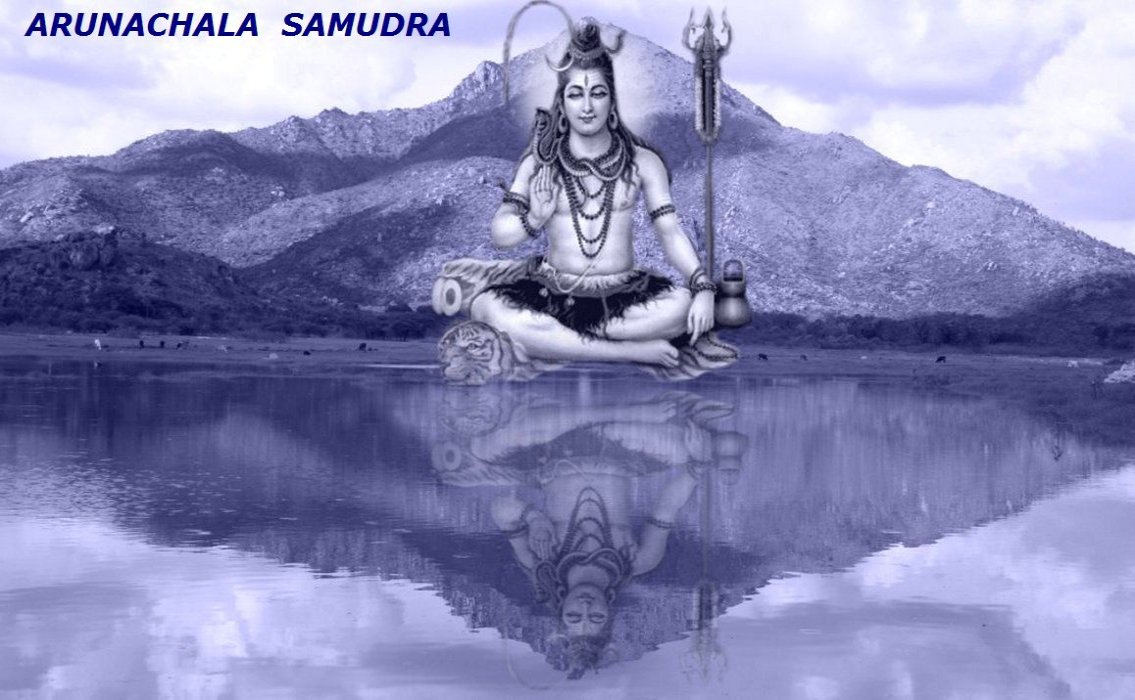
    Shiva In Thiruvannamalai.

    Sharma presents another etymology with the Sanskrit root śarv, which means “to injure” or “to kill”, interprets the name to connote “one who can kill the forces of darkness”.

    The Sanskrit word śaiva means “relating to the god Shiva”, and this term is the Sanskrit name both for one of the principal sects of Hinduism and for a member of that sect. It is used as an adjective to characterize certain beliefs and practices, such as Shaivism.

    Some authors associate the name with the Tamil word śivappu meaning “red”, noting that Shiva is linked to the Sun (śivan, “the Red one”, in Tamil) and that Rudra is also called Babhru (brown, or red) in the Rigveda. The Vishnu sahasranama interprets Shiva to have multiple meanings: “The Pure One”, and “the One who is not affected by three Guṇas of Prakṛti (Sattva, Rajas, and Tamas)”.

    Shiva is not directly mentioned in the Vedas ,nor are there any hymns addressed directly to Him.

    Shiva is mentioned in Sri Rudram   and is kept as a secret in the Rudram.

    Please my article on this and more posts on Shiva  .

    Though the Upanishads define the Reality Brahman as Nirguna,. without attributes/beyond attributes, the Vedas also sanction the worship of reality with forms, called Saguna Upasna.

    Many Devatas are worshiped by,

    Ashtotra,108 names,

    Trisati,300 names and

    Sahasranama,1000 names.

    Rudra,like other Gods,has Trisati too.

    What is surprising is that Shiva has Eight different sahasranamas(mentioned in the Anusashan parva of the Mahabharata)

    And Shiva has a Dasa Sahasranama  as well! ( Dasa ,hundred:Sahasra,1000;dasa sahasra is 10,000)

    It is very rare to come by.

    Sahasranama are medieval Indian texts that list a thousand names derived from aspects and epithets of a deity. There are at least eight different versions of the Shiva Sahasranama, devotional hymns (stotras) listing many names of Shiva. The version appearing in Book 13 (Anuśāsanaparvan) of the Mahabharata provides one such list.Shiva also has Dasha-Sahasranamas (10,000 names) that are found in the Mahanyasa. The Shri Rudram Chamakam, also known as the Śatarudriya, is a devotional hymn to Shiva hailing him by many names.

    Here is the Shiva dasa sahasra Nama.

     adhivaktA -Speaks in favour of devotees
          agriyaH -Foremost, Earliest
          ailabRidah -Feeder
          Akrandayat -One Who makes cry
          AlAdyaH -Giver of effect of the deeds
          aMbikaanaatha -the Lord of the (mother) Goddess
          AmIvatkebhyaH -Moving everywhere
          andhakaasurasUdana -Destroyer of andhakAsura
          andhasaspadiH -Food provider to devotees
          AnirhatebhyaH -Destroyer of sins
          aniishvara -the One having no superior
          anagha -the Flawless
          ashhTamuurti -the Eight formed
          anekaatman -the Soul of many, the Multiply present
          ahirbudhnya digaMbara -the Sky cladded
          ajaaya -the Unconquerable
          aparAjah -Defeatless
          apavargaprada -the Giver of fulfilment
          ApadsahAy -Helper in distress
          ananta -the Endless
          annapati -Lord of food materials
          aruNamUrti -the One in rising sun like form
          ahantya -Untorturable
          AtatAvin -With the string tied (ready) bow
          AtAryaH -Introducer to life
          auShdhIpati -the Lord of medicines/herbs
          avAryaH -Prayed by bonded people (in worldly life)
          avyaya -the Unmeasurable
          avyakta -the Non-manifest, Imperceptible
          avyagra -the Undistracted
          AvyAdinI pati -the Lord of removers of enemies
          auShadesh
          aghora
          aMbikApati
          avinAshi
          akshaya
          amala
          arkanayana
          Amravaneshvar
          AraNya sundar
          AdimUrti
          agniishvar
          AtmanAth
          amRitakalAnAth
          ApatsahAyam
          akshayalingesh
          avinAshi
          amRutagaTesh
          ardhanAriishvar
          aruNAchaleshwar
          abhiShekasundaram
          Adiratnesh
          airAvatesh
          amRitagaTesh
          akileshvar
          airAvathanAth
          agniishvar
          aghastiishvar
          B
    
          bhavaH -the Source
          bhiimaH -the Strong
          bhaktavatsala -the Compassionate One towards the devotee
          bhasmoddhuulita vigraha -the One appearing smeared in Ash
          bhujaN^gabhuushhaNa -the Snake ornated
          bharga giridhanva -the Mount bow-ed
          bhuutapati -the Head of elements
          bhagava -the God
          bhaganetrabhide -the Remover of the eye of bhaga
          bhiShak -the Doctor
          bhagavaH -God
          babhlushaH -Seated over the bull
          babhrurUpaH -the Golden one
          bhuvantiH -Philanthrophic
          bhava -the Source
          bhIma -Strong
          bhUteshvaraH -the God of elements(matter)
          bhUtanathaH -the Lord of elements
          balaH -the Strength
          bhavodbhava -the Source of the source
          bhuvanAAviveshaH -Penetrated in the world
          balavikaraNa
          balapramatana
          bhImasha.nkar
          bhUtanAth
          brahmapuriish
          bhagavAn
          bilvavaneshvar
          bhRihatiishvar
          bilvavanesh
    
    
          C
    
          chaaruvikrama -the Esteemed (beloved) Hero
          chandramauLi -the Moon crowned
          chandrashekara -the Refuge of moon
          chitrasabhApati
          chitsabhesh -the Chief of the hall of heart
          (Name of Lord at chidambam)
          chitambarnAth -(Name of Lord at chidambam)
          chitambaresh -(Name of Lord at chidambam)
          chAyavanesh
    
    
          D
    
          durdharshha -the Inviolable
          deva -deva, Divine, the Basic element (of world)
          daridra -(Appearing in the form of) poor
          devaH -Divine
          daxaadhvarahara -the Remover of daxa's sacrificial rite
          dishAmpati -Lord of directions
          devesh -the God of divines
          devadeva
          devagurunAth
          darbhAraNyesh
          dhayApar
    
    
          G
    
          gaNgaadhara -the Wearer of gaNga
          gaNanaatha -the Lord of organised group
          giriisha -the Lord of mounts
          girisha -the Lord on the mount
          gaNapati -the Lord of well organised groups (troops)
          giripriya -the Liker of mounts
          girisha.ntaH -Taken abode in the Mount (kailash)
          giritraH -Residing on the Mount
          gartasadaH -Resident of the lotus of the heart
          giricharaH -Walks over the mounts
          gaurIsh
          ganesh
          gR^idhapurIshwar
          gaNAdipa
          gaura
          gusumesh
          gaNakarta
          guNAkar
          gambhIraghosha
          guhAvAsi
          gabhasti
          gajAri
          gajasamhAri
          gajAntaka
          gajAnanAugraha
          gajAnanapriya
          gaNapatiishvar
          guNAGYa
          girijApati
          girijAnAth
          girijesh
          girIndra
          guhapriya
          gaNasevya
          girisamshraya
          gajacharmAmbara
          ghRishNeshvar
          gokarNeshwar
          gaurIvallabh
    
    
          H
    
          hiraNyaretas -the Golden viriled
          haraye -the Reddish-brown One
          hara -the Remover
          hiraNyabAhu -Golden shouldered
          harikesha -the Brown haired, the Green (leaves) haired
          hantr -Destroyer
          hiraNayavarNa
          hiraNyarUpa
          hiraNyapati
    
    
          I
    
          iishaanaH -the Master, Owner, Supreme
          iShudhimati -With the quiver
          iShumati -With arrows
    
          J
    
          jaTaadhara -the Matted haired
          jagadvyaapin -the Omnipresent in the world
          jagad.hguru -the Guide of the world
          jagatpati -the Lord of the world
          jambukeshvar
          jagatiishvar
    
    
          K
    
          kapardin -the Long (matted) haired
          khaTvaangi -the One with axe
          kapaali -the one adorned with skull
          kaamaari -the Enemy of (devA of) lust
          kaalakaala -the Death to death (the Time to deva of time)
          kRipaanidhi -the Grace wealth
          kailaashavaasi -the Resident of kailaash
          kavachin -the Armoured
          kaThora -the Firm, Hard
          kRittivaasa -the Tiger skin cladded
          khaNDaparashu -the sharp Axed
          kapardinaH -With long (matted) hair
          kAlAgnirudra -the rudra Who after the specified period
          terminates things with an agni
          kirikebhyaH -In the forms that showers wealth to devotees
          kRittimvasAnaH -Cladded in tiger skin
          kAmAri -the Enemy of lust
          kapAli -Adorned with skull
          kuNYchitapAdam -Raised Foot
          kanaka sabhapati -the Head of the golden hallx
          kalyANa sundar -Beautiful Groom/ Auspicious & Charmful
          kalavikaraNa
          kedhAreshvar
          kundaLnAth
          kAlasamhAri
          karkkaTesh
          koThiishvar
          kumbesh
          kokilesh
          kAlasamhAramUrti
          kALakaNThesh
          kAyArohaNesh
          koNeshvar
          kAshyAraNya
          kalpakanAth
          koNeshvar
          ketiishvar
          kaTambavanasundram
          kanakasabhApati
    
    
          L
    
          lalaaTaaksha -the Forehead eyed
          lalATanayana
    
    
          M
    
          mahaadeva -the Great deva, the Highly divine,
          the Great Basic element
          mahat -the Great
          maheshvara -the Great God
          mayobhavaH -the Source of (liberated) bliss
          mayaskara -the Liberator
          mRigapaaNi -the Animal (Deer) handed
          mRityu.njaya -the One who conquered the death
          mahaasenajanaka -the One gave birth to the great commandor
          (mahaa sena - subraHmanya)
          mRiDa -the One who makes joyful
          mRiDaH -Kindler of happiness
          mIDhuShaH -Philanthrophic giver of requested boons
          mIDhuShTamaH -Kindles the love (desire) for Him
          mahAdeva -the Great divine
          mRityu~njaya -Won the death (Immortal)
          manmatAri -the Enemy of cupid(lust)
          mRigapAni -One holding the animal(deer)
          maheshvaraH -the Great God
          ma~njunAth -the Lovely Lord
          mahAlakshmiish -Name of Lord at thiruninRiyUr
          manonmana
          mallikArjuna
          mahAkAleshvar
          mAtRibhUtesh
          mANikya varada
          maragatAchaleshvar
          mahAlingam
          mAyUranAth
          ma~NgaLnAth
          maNDaleshvar
          mantrapuriish
          miinAkshisundram
          mANikyavarada
          mahAbaleshwar
          mallikArjun
    
          N
    
          niilalohita -the Blue-Red One
          nIlagrIvaH -the Black throated
          nIlakaNTha -Black throated
          nivyAdin -Remover of enemies
          niSha~NgiNaH -With sword
          naTarAja -the King of dance
          naTesh -the Lord of dance
          nAgeshvar
          nandi
          nayanatraya
          nirmal
          nIlakNTha
          niilakaNTh
          nIlakaNTheshvar
          nityasundar
          navaniitanAth
          nandIshvar
          niilAchalesh
    
    
          O
    
          oMkAreshvar
    
          P
    
          parameshvara -the Supreme God
          pashupatiH -the Lord of creatures
          pinaaki -the One with pinaaka bow
          parashuhasta -the Axe handed
          paramaatman -the Supreme soul
          panchavaktra -the Five faced
          prajaapati -the President of the people(citizens)
          puraaraataye -the Enemy of puras (tripura)
          pramathaadhipa -the Lord of pramatha gaNas
          (attendants/ soldiers of Lord shiva)
          paashavimochaka -the Liberator of bonds
          pashupati -the Lord of creatures (souls)
          puushhadantabhide -the Breaker of sun's tooth
          prathamodevaH -the Prime divine
          pashupati -Lord of creatures/lives/ souls
          pathInAmpati -the Lord of the ways
          prathama -Prime
          pAryaH -Praised by liberated people
          prataraNaH -the Uplifter
          pulasthiH -Forthcoming to protect devotees
          puShTivardhanaH -Grower of nourishment
          prabhuH -the Lord
          puraripuH -the Enemy of city(daemon)
          pinAki -(Holding the) pinAka (bow)
          parashupAni -One holding the axe
          pashupati
          paNYchakRitya
          pArvatIvallabh
          parApara
          paramAnand
          pataNYchaliish
          pashupati nAth
          purANesh
          pa~nchavarNeshvar
          pashupatinaath
          pArvatiish
          pata~nchalimanohar
          palAshavanesh
          pAtALanAth
    
    
          R
    
          rudraH -the remover of suffering, formidable
          rohitaH -the Red one
          RiShabhadvaja -With the flag of bull (justice)
          rAmalingaM
          rAmeshvar
          ravinayana
          ratnagiriishvar
          rAmanAth
          ratnagiriishvar
          rAmeshvar
          rajatasabhApati
          ratnasabhApati
    
    
          S
    
          shiva -the Auspicious, the Perfect
          sharvaH -the Remover of sins
          shaMbhu -the source of auspiciousnous
          shashishekhara -Adorned with Moon
          shankara -the Doer of good
          shuulapaaNi -the One with trident
          shipivishhTa -the One encircled in luminance
          shriikaNTha -the Splendid throated
          shitikaNTha -the White throated
          shivaapriya -the Lover of shivai (shakti)
          saamapriya -Pleased with saama (veda)
          svaramaya -Musicful (Full of sound)
          sarvaGYa -Omniscient
          somasuuryaagnilocha na -moon, sun and fire eyed
          soma -the One with uma (Also refers to moon)
          sadaashiva -the Eternal Shiva (auspicious)
          suuxmatanu -the Cryptic formed
          sthaaNu -the Stable, Firm
          saatvika -the Virtuous
          shuddavigraha -the Pure Formed, the Clear appearing
          shaashvata -the Permanent
          sahasraaksha -the Thousands of eyed
          sahasrapade -the Thousands worded (named)/staged/ footed
          sahasrAxaH -thousands of eyed
          shateShudhaH -With hundreds of quiver
          sarveshvara -Lord of everything
          sadAshiva -Always perfect/auspicious
          saspi~njaraH -Wheatish like a tender straw
          sthapati -Staying well (in all things) and protecting
          stenAnAmpati -the Chief of thieves
          sabhApati -the Chief of the court
          sharva -the Destoryer (of sin)
          shitikaNTha -the White throated
          shipiviShTa -the Radiant
          soma -Accompanied by uma
          sha~NgaH -Activator of goodness
          shambhavaH -the Source of goodness
          shivaH -the Auspicious, the Perfect
          shivatara -Transforms (people/things) to
          Perfection/Auspicio usness
          sRikAvantaH -With sharp weapons
          sugandhin -Nice odoured
          stiraH -the Stable
          shivatama -One in Auspicious/perfect form
          smarAri -the Enemy of cupid(lust)
          shreShTa -the Good/Ideal
          smarAntakaH -the Terminator of cupid(lust)
          sarvabhUtadamana -Pervading all matter
          somanAth -the Lord of moon
          sabhApati -the Chief of the learnt
          (Name of Lord at chidambam)
          shivayoga tyAgesh
          sundaresh
          svetAraNyesh
          sadyojAta
          somanayana
          swarNapuriish
          swayambhunAth
          saptagiriish
          sAkshinAth
          shabdapuriish
          shivaloka nAth
          satya vAkiishvar
          saundaesh
          someshwar
          shanpakAraNyesh
          sakalabhuvaneshvar
          shivAnand
          siddanAth
          satguNanAth
          saundaranAth
          sAkshinAth
          sarpapuriish
          sundareshvar
          somasundram
          sangameshwar
          shiShTagurunAth
    
    
          T
    
          tAra -In the form of praNavam
          tavas -Austerous
          taaraka -the Protector
          tripurAri -the Enemy of tripurAsuras( three city
          daemons)
          tripuraharaH -the Remover of three cities(daemons)
          tyAgarAja -the King of sacrifices
          tyAgesh -the Lord of sacrifices
          trinetra -Three eyed
          tIrtha -In holy waters
          tryambaka -the Three eyed
          tripurAntaka -the Terminator of three cities
          trikAgnikAla -the Time (destiny) for three fires
          tAmramUrti -the One in copperlike form
          taskarANAmpati -Chief of robbers
          tviShImAn -Shining
          trayiimuurti -the Trinity
          trilokesha -the God of three worlds
          tAmrasabhApati
          trinayana
    
    
          U
    
          umAmaheshvaraH -the Great God with umA
          ugraH -the Fierce
          ugra -Fierce
          upaviitin -the Thread wearing
          uttaraNaH -the Rescuer
          upahatnumugraH -Fierce in destruction
          umAmahesh
          umApati
          Urdva tANDava
          uttaravediishvar
          umAvallabh
    
          V
    
          vaamadeva -the Charming Divine
          viruupaaksha -the Strange formed and eyed
          vishvAAviveshaH -Penetrated in the universe
          vishvabheShajaH -the Medicine for the universe / all
          sufferings
          viShNu -Omnipresent
          vRishadvaja -With the flag of bull (justice)
          vRiShArUDha -Riding the bull
          virUpa -In strange (special/unique) form
          vikirida -Showerer of wealth, Strange deedful
          vishvanathaH -the Lord of the world
          vixINakaH -Indiminishing
          vichinvatkaH -Bestower of wanted boons
          vArivaskRitaH -the Grace showering
          vishveshvara -Lord of the universe
          vilohitaH -the Admirable (Strange) red in color
          vishveshvara -the God of the world
          viirabhadra -Rich in valour
          vyomakesha -the Widespread (in space) haired
          vishhNuvallabha -Beloved by viShNu
          vR^ishhaa.nkaa -the One on the bull
          vR^ishhabhaaruuDha -the Bull mounting
          varavRidda
          vaTamUlaka
          vanmIkanAth
          vardhamAneshvar
          vedAraNyesh
          vedagiriish
          vedanAyak
          vENuvananAth
          vikirteshvar
          vedapuriish
          vaidyanAth
          vijayanAth
          vyAghrapuriish
          vajrasthambesh
          vedagIta
          visheshvar
          vibhuH
    
    
          X
    
          xayadvIraH -Victorious over enemies
          xetrapati -Lord of the body
    
    
          Y
    
          yaGYamaya -Complete in spiritual rites
          yuvAnaH -Youthful
          yaGYAri
          yogAnanda
    
          Om Sai Ram

    Kindly check and inputs,corrections welcome.

    An excellent site for rare information is provided in the Link below.

    Source of the Dasa sahasranama  quoted here in Public interest with no commercial interest .

    https://www.mail-archive.com/saimsg@googlegroups.com/msg03228.html

    Reference and citation.

    https://en.wikipedia.org/wiki/Shiva#Etymology_and_other_nameshttps://en.wikipedia.org/wiki/Shiva#Etymology_and_other_names

  • Devi’s 51 Alphabets 15 Syllables Details in Hindi Telugu

    In the Tantra Shastra worship of Devi, Sanskrit letters are hidden as it were in the Sri Chakra and  Lalitha (She Who Plays) Sahasranama and Soundaryalahari of Adi Shankaracharya.

    The Vedas hide the letters and Mahamantras in the Texts dedicated to the Deity.

    Devi Worship, Matrikas
    The Matrikas.Image source: Wiki.

    Lord Rudra’s Mahamantra ‘Nama Svayacha, Sivadharaya cha’ is placed in the Eighth chapter (anuvakam) of the Sri Rudram .

    The Soundaryalahari contains the 51 Aksharas hidden in 51 slokas.

    It may be noted that the first portion of the SoundaryaLahari( was given by Lord Ganesha and the balance was composed by Adi Shankaracharya.

    Lalitha Sahasranama contains these Aksharas, Alphabets in them.

    Devi is described as ‘Mathruka Varna Roopini’ Lalitha Sahasranama.

    Mantrathmika-Lalitha Sahasranama.

    Tantra Roopa Manon mayee-Lalitha Sahsranama

    Sarva Mantrathmike, Sarva Yantrathmike0Shyamala Dandakam by Kalidasa.Lalita is also known as Matrika Devi, the Goddess of the Letters of the Alphabet. In Sanskrit there are 36 consonants and 15 vowels. In some arrangements of Her yantra these letters are to be found inscribed in the various triangles and petals of Shri Yantra. The combination of the 15 Vowels (the 15 Nityas) and the consonants (the 36 Tattvas) produces all sound, all mantra, all vibration, all word, and all music.

    There are 8 letter groups in the Sanskrit alphabet. These 8 groups are personified as the 8 Little Mothers, worshipped all over India. The 9th group is Lalita Herself. She is beyond language and description. It is little realised ‘that gods and goddesses do not have names, but instead are described. “She who Plays” (Lalita) is not the name of the red goddess, but merely one of Her characteristics. She is beyond Name and Form.

    In the first 12 verses (shlokas) of the Vamakeshvara Tantra is given a hymn to the Goddess as the Mother of the Letters:

    1. I bow to the Goddess made of mantra, who consists of the (51) Ganeshas, the (9) Planets, the (27) Lunar Constellations, the (6) Yoginis, the (12) Signs of the Zodiac, and the (51) Matrika-Seats.

    2. I bow to the great Matrika Devi, the Supreme Lady, who in Time is both a fraction of a second and the end of the Universe, the Destroyer and the Creatrix of Time.

    3. Who is the whole perfect measure of the letters of the alphabet, worshipped by the Sun, Garuda, the Moon, the God of Love, by Lord Shankar, the God of Fire, and by Vishnu.

    4. I worship the Devi of all Devis, the great Shri Siddha Matrika, whose letters of the alphabet, like moonlight, adorn the three worlds.

    5. Who is the great thread of the letters of the alphabet, from which is woven the three worlds, who extends from the top of the head to the base of the spine. I worship you, 0 Siddha Matrika.

    6. Who is made up of the 11 adharas (in the body), the universe-seed, the source of the primordial triangle. From the top of the head to the base of the spine you are the Origin of the World.

    7. Who is the aggregate of the 8 letter-groups A-Ka-Ca-Ta-Ta-Pa-Ya-Sa, the primordial Source and Many Rayed Dweller in the centre of the heart.

    8. Unfolder of the letter I, essence of essences, Most Ultimate One, I bow to you Great Devi, form of the Utmost Bliss.

    9. The primordial One, of whom other gods and goddesses have no inkling. Who knows what and from where She creates? O Producer of Form and Formlessness!

    10. I worship You, the imperishable letter-form from A to Ksha, O Devi, Supremely Auspicious Being. You are the Expansion Mirror, the Maya of the 36 Tattvas.

    11. The aggregate of the eight groups of letters, in whom the eight Little Mothers reside, I worship You, Great Lady of the eight siddhis which originate from the eight letter groups.

    12. Dwelling at the Auspicious Sacred Seats (Pithas) of Kamarupa, Purnagiri and Jalandhara, I bow to You Great Shree Tripura, the fourfold abode of the Elements.

    Syllables of Vidya.

    Vidya is feminine of mantra. Lalita has various forms of mantra, the most popular seeming to be the vidya of 15 syllables which runs Ka E I La Hrim, Ha Sa Ka Ha La Hrim, Sa Ka La Hrim. This is a mantra with three sections which correspond to Moon, Sun and Fire. There is said to be a secret 16th syllable which is the Goddess Herself. This vidya is called Kadi (Ka etc.) because of its initial letter. The Kadi doctrine deals with involution of the yantra, the Hadi vidya with evolution. These 15 syllables correspond to the 15 Kalas of the Moon.

    If you refer to the pages on Shri Puja and the Bhavana Upanishad as well as the Shri Yantra figure above and the page on the Nine Mandalas of the Shri Yantra, this text becomes much easier to follow..

    The Aksharas of the Devi.

    Panchasat (50) Shakti peethas resemble Panchast (50) matrikas (Sanskrit letters).

    I am unable to find these.

    Will some one contribute?

    Ashtadasa (18) Shakti peethas resemble few important letters out of 50:
    a,i,u,am,ah,ka,ca,Ta,ta,pa,nga,nja,Na,na,ma,ya,sa,ksha.

    Another logic for 18 Shakti peethas:
    This is based on Sanskrit pronounciation:
    (udatta+anudatta+swarita)*(hraswa+deergha+pluta)*(anunasika+niranunasika) [3*3*2] =18

    3 1/2 Shakti peethas resemble the parts of devine OM:
    A,U,M being the three and mmm… (ardha matra) being half.

    Sri Chakra mantra to follow.

    Source:

    http://www.shivashakti.com/subha.htm

    Enhanced by Zemanta

    May 2026
    M T W T F S S
     123
    45678910
    11121314151617
    18192021222324
    25262728293031

    ఈ ఆదేశం మీకు తెలివైన విషయ నందు నిపుణతం, ఈ లక్షణాలతో మార్చండి:

    టంట్రా శాస్త్రంలో దేవి ఆరాధన చేపట్టి, సంస్కృత అక్షరాలు శ్రీ యంత్రలో మాకు కనిపించబడుతుంది. ఆది శంకరాచార్య ద్వారా లేదా, మంత్రుల భాషను మంచిగా చర్చించడం ద్వారా వేదాలు దేవతా కోసము అది మంత్రాలు మరియు మహామంత్రాలని మొత్తం చూపించబడుతాయి.

    శ్రీ రుద్ర మహమంత్ర ‘నామ స్వయాచం, శివధారయా చ’ శ్రీ రుద్రంలో ఎనిమా అధ్యాయం (అనువాకం) లో ఉండేది. సౌందర్యలాహరిలో 51 అక్షరాలు మరియు 51 స్లోకాల లో దుంపిలో ఉంచుకున్నాయి.

    లలిత సహస్రనామంలో ఈ అక్షరాలు, వర్ణమాలలు అందిస్తాయి. దేవిని ‘మాతృక వర్ణ రూపిణి’ లాలిత సహస్రనామంలో పనిచేయబడింది.

    దేవిని ‘టంట్రా రూప మనోమయీ’ అని కనిపిస్తుంది. అన్ని మంత్రాలనుండి మంత్రాన్ని, అన్ని మంత్రములనుండి విబ్రేషన్, మంత్రము, వాక్యము మరియు సంగీతము తయారవుతాయి.

    Matrikas మాతృకాలు. చారిత్రికంగా వేదంలో 36 స్వర్గీయ అక్షరములు మరియు 15 స్వరములు ఉన్నాయని నేను కనుగొనలేను. ఓన్లీ పర్సనేల్సు తనకు ఇవ్వవలేనని తెలుసుకోలేను.

    तंत्र शास्त्र में देवी की पूजा करते समय, संस्कृत अक्षरों की छिपी हुई संख्या श्री यंत्र और आदि शंकराचार्य के द्वारा लिखित श्री यन्त्र और ललिता (जो खेलती है) सहस्रनाम और आदि शंकराचार्य की सौंदर्यलाहरी में छिपे हुए हैं।

    वेदों में दैवी देवताओं की समर्पित पाठों में अक्षरों और महामंत्रों को छिपा दिया गया है।

    [इसका प्रतिमान id=”attachment_29601″ align=”aligncenter” width=”300″]देवी पूजा, मातृकास मातृका छवि। इमेज स्रोत: विकी।[/प्रतिमान]

    भगवान रुद्र के महामंत्र ‘नाम स्वयाचा, शिवधारया च’ श्री रुद्रम के आठवे पाठ (अनुवाक) में रखा गया है।

    सौंदर्यलाहरी में 51 अक्षरों को 51 श्लोकों में छिपा हुआ है।

    यह उल्लेखनीय है कि सौंदर्यलाहरी का पहला भाग (जो भगवान गणेश ने दिया था) और बाकी को आदि शंकराचार्य द्वारा रचा गया था।

    ललिता सहस्रनाम में ये अक्षर, उसमें मात्राओं (स्वरों) को छिपा हुआ है, वर्णमाला में।

    देवी को ‘मातृका वर्ण रूपिणि’ लालिता सहस्रनाम में वर्णित किया गया है।

    मंत्रात्मिका – लालिता सहस्रनाम।

    ‘तंत्र रूप मनोन मायी’ – कालिदास के ‘श्यामाला दंडकम’ में लालिता के नाम से भी जाना जाता है। मातृका देवी भी है, वर्णमाला की देवी। संस्कृत में 36 व्यंजन और 15 स्वर होते हैं। उनके यंत्र की कुछ व्यवस्थाओं में इन अक्षरों को छिपाए गए होते हैं। 15 स्वर (15 नित्य) और व्यंजन (36 तत्व) का संयोजन सभी ध्वनि, मंत्र, विराम, शब्द और संगीत को उत्पन्न करता है।

    संस्कृत वर्णमाला में 8 वार्णिक समूह होते हैं। ये 8 समूह भारत भर में आदर्श माता के रूप में प्रतिष्ठित हैं। अपने से नवीं वर्णमाला लालिता हैं। वह भाषा और वर्णन से परे हैं। यह अवगुणित करना चाहिए कि ‘देवताओं का कोई नाम नहीं होता है, बल्कि उन्हें विवरण कर दिया जाता है। ‘जो खेलती है’ (लालिता) लाल देवी का नाम नहीं है, बल्कि उनकी एक गुण है। वह नाम और रूप से परे हैं।

    ‘वामकेश्वर तंत्र’ के पहले 12 श्लोकों में देवी की स्तुति के रूप में दिया गया है:

    1. मंत्र से बनी देवी को नमस्ते, जिनमें (51) गणेश, (9) ग्रह, (27) चंद्रमा के नक्षत्र, (6) योगिनी, (12) राशि और (51) मातृका-सीट्स होते हैं।
    2. महामातृिका देवी को नमस्ते, सर्वोच्च महिला, जो समय में एक सेकंड की एक भाग और ब्रह्मांड का अंत, सम्मोहनी और समय की रचनाकर्ता भी है।
    3. जो वर्णमाला का पूरा सही माप है, सूर्य, गरुड़, चंद्रमा, प्रेम का देवता, भगवान शंकर, अग्नि का देवता और विष्णु द्वारा पूज्य है।
    4. मैं सभी देवियों की देवी, महाश्री सिद्ध मातृिका को पूज्य करता हूं, जिनकी वर्णमाला, चन्द्रमा की तरह पूरे तीनों दुनिया को सजाती हैं।
    5. जो वर्णमाला का महान धागा है, जिससे तीनों दुनियां का वण बांधा गया है, जो सिर के ऊपर से रीढ़ की हड्डी के नीचे तक फैलती हैं। मैं आपको पूज्य करता हूं, 0 सिद्ध मातृिका।
    6. जो 11 आधारों (शरीर में) से मिलकर बनी है, जगतीय विजा, प्राथमिक त्रिकोण की स्रोत हैं। सिर के ऊपर से रीढ़ की हड्डी के नीचे तक आप विश्व की उत्पत्ति हो।
    7. जो आठ वर्णमाला समूह A-Ka-Ca-Ta-Ta-Pa-Ya-Sa का समूह है, जो हृदय के केंद्र में बहुमुखी निवासी हैं।
    8. अक्षर ऐ सुप्रीम श्रेणी, सबसे अल्प से अल्प, मैं आपको नमस्ते करता हूं, महान देवी, परमानन्द का स्वरूप।
    9. आदि एक, जिसके बारे में अन्य देवताओं को कुछ नहीं पता है। जो जानती है, कितना और कहाँ उत्पन्न करती है? प्रारूपण करने वाली ओह, रूप और निरूपण की!
    10. मैं आपको पूज्य करता हूं, A से Ksha तक अविनाशी अक्षर-रूप, 0 देवी, अत्यंत शुभ सत्ता। आप विस्तार का दर्पण हैं, 36 तत्त्वों की माया हैं।
    11. जिनमें आठ वर्णमाला समूहों के वासिनी माता निवास करती हैं, मैं आपको पूज्य करता हूं, आठ वर्णमालाओं से उत्पन्न होने वाली महान महिला!
    12. कामरूप, पूर्णगिरी और जालंधर की शुभ पीठों पर निवास करती हूं, मैं आपको नमस्ते करता हूं, महान श्री त्रिपुरा, पृथ्वी, जल, अग्नि और वायु का चार भाग के वास स्थान!

    विद्याओं की ध्वनियों।

    विद्या मंत्र की स्त्रीलिंगि। ललिता के विभिन्न रूपों में मंत्र का एक प्रसिद्ध शब्द अनुक्रमणिका होता है, जिसमें का ई ल ह्रीं, ह स क ह ल ह्रीं, स क ल ह्रीं होता है। यह एक मंत्र 3 भागों में होता है, जो चंद्रमा, सूर्य और अग्नि को अनुरूप होते हैं। कहा जाता है कि एक गुप्त 16वां मात्राभाषी है जो देवी खुद हैं। इसे काड़ी (का आदि) कहा जाता है क्योंकि इसके प्रारंभिक अक्षर काल होता है। काड़ी सिद्धांत यंत्र के अधोलिखन के साथ संबंधित है, हाड़ि विद्या विकास के साथ संबंधित है। इन 15 अक्षरों का इस 16 कलाओं के संगठन से संबंध है, चंद्रमा के 15 कलाओं से।

    यदि आप श्री पूजा और भावना उपनिषद की पेजों को देखें और श्री यंत्र की नौ मंडलों पर जाएं, तो यह पाठ आ

  • God As Mother

    As I have been mentioning in my posts, Hinduism relates to God in a very personal way, though The Vedas declare that The Reality .is Formless, Attribute-less’

    Yet Worship of  Personal God(Iswara) is encouraged as it disciplines the mind to shed off its encumbrances.

    And Hindus relate to God in  very intimately.

    God is seen as Mother, Father,Lover,Child, Preceptor and Friend.

    As there are many individuals , all of them being unique, so are their dispositions.

    You feel close to your father, Mother, Lover or friend.

    You relate to God at that level.

    Mother!

    Goddess Lalitha
    Goddess Lalitha

    Who can replace Mother?

    One who suffered, at the time of pregnancy, forsakse her pleasures for us,

    Gave us her food,

    Never slept when we were awake or asleep,

    Made us eat when she had nothing to eat,

    Weathered the storms of Life,

    Suffered when we were in Pain,

    Never left us even as we kick her around,

    We remain  her infants even when we become grand parents,

    Would we ever replace her?

    Having Borne (me) for ten months braving all discomforts, happy at having
    begotten (me) taking me in both her arms and giving her precious breastfeed, such a
    one will I ever see in any other birth?
    2. Having borne me for 300 days after doing penance to Lord Shiva day and night, can
    I apply fire to such a mother?
    3. Fondling me on the cot in her lap, on her person with love, protecting me always,
    how can I light the pyre to such a mother?
    4. Having Borne (me) bearing the pain at delivery and giving me her milk cheerfully
    day and night protecting me, how can I apply fire to such a body?
    5. How can I, instead of getting happy with rich offerings to her, offer rice to the
    mouth which lovingly called me as honey, nectar, fragrant flower etc.?
    6. After showering rice on mother’s head how can I place the burning ember on it
    without flinching , which lovingly kissed me, calling me endearingly “my son”.
    7. The earliest fire lit was to Tripura, the next one was in Lanka, and third was the
    spark lit in the mother’s womb, let the fire lit by me now be over.
    8. Alas! The hand that fondled me is now being roasted in fire. What a cruel sinner I
    am?
    9. O Lord of “Shonagiri”, has she been burnt and taken refuge at Your Feet, one who
    did penance to you ‘day and night’ to beget me?
    10.Mother was alive yesterday at home or in the street, today she is consumed by fire
    and has become ashes. Come ye, one and all without hesitation, to sprinkle milk.
    Every thing in the world is Shiva’s Form (Shiva Mayam). – Pattinathar

    That’s Mother.

    Can there be anything more natural than identifying God as Mother?

    When we can say thus about a Human Mother, what can we say about the Mother who gives Birth to the Universe?

    She is the One who creates The Universe within a fraction of batting of an eyelid.

    ‘Unmesha nimishodhpanna Vibanna Bhunavali” lailitha Sahasranama.

    She reaches to you even as you disown Her.

    When your Mother leaves you, she reaches out to you as she did for Gnana Sambandar whom she gave her Milk, which she didd not to her son, Lord Subramanya!

    Lord Siva reached out to a woman in Labor when she called out to Him !

    Lord Subramanya called out to Avvaiyar, a Tamil Saint ‘Mother’.

    Lord Vishnu made ‘Vakula Devi, as his Foster Mother(In Lord Balaji of Tirupati Avatar) for he wanted to repay the debt of having been brought up by Deakai in Krishnavatara.

    He was both a Mother  and Father to Dhruva.

    Lord Siva is called  Muniye Mukknnappa( Yogi ,My Father with the Third Eye)

    The Great Kalidasa calls Kali as ‘Matha, marakathasyama’ in Shymala Dandakam.

    Lalitha Sahasranama starts with ‘Sri Matha

    Abirami Bhattar calls her mother in His Abirami Andhadhi.

    Such is his devotion to Lord Abirami as His mother,

    He calls her as ‘ My father’s wife’சுந்தரி எந்தை துணைவி ‘

    Father is difficult to approach.

    As children we approach our Mother to intercede on our behalf for getting any thing done.

    Sri Vaishanavas call Lakshmi as ‘Thayaar’ , Mother. as they are convinced it is She who can represent us to Him.

    Abirami Bhattar leaves evry thing to her saying,

    ‘ I have given everything to you, even if I were to be stranded in the midst of an Ocean to see me ashore is Yours”

    If one were to have such Faith?

    Listen to Abirami Andhadi by Sirkazhi here.

    http://www.hummaa.com/player/player.php

    http://www.hummaa.com/music/album/abirami-andhadhi-vol1/24028

     
    ,

    Join 4,548 other subscribers