Tag: Religion & Spirituality

  • Shakti Worship Methods Devi Upasna

    Shakti Worship Methods Devi Upasna

    The worship of the female principle  is one of the basic tenets of Hinduism

    Devi.
    Sri Vidya

    .

    Right from the Vedas, where the one of the Fundamental principles elaborated is Prakriti, the Female principle.

    This, in conjunction,  by mere Sparsa, meaning touch, slight rubbing, grazing,the word Sparsa is difficult to translate, with Purusa, the male principle is the cause for the evolution of this illusory world of Names and Forms.

    Shaiva Siddhanta has two aspects Shiva and Shakti.

    Lord Vishnu is described as the Ultimate Conjurer,in His Maya Form.

    Samkhya Philosophy also speaks of Prakriti.

    Prakriti is Nature ,

    It is the Potential energy.

    Kinetic Energy is The Purusha.

    Yoga Sasra describes the Kundalini as a female.

    Lalitha Sahasranama startts with the salutation, The Mother,-Sree Matha, Maharjne SrimadSrimad Simhasaneswari’

    The worship of Devi is considered very effective and the methods of worship are strict and are tough.

    So varied have been the forms of worship and methods that Adi Shankaracharya classified Shaakatam as a part of Shanmatha.

    Please read my post on Six Forms of Worship, Shankaracharya.

    Noe this system of worship of the Devi is broadly divided into two aspects.

    One is the worship of Shakti, where the Shakti and Shiva are considered the same.

    Those who follow this are called Samayin-s.

    Adi Shankaracharya follows this in the Soundaryalahari, starting with,

    ‘Sivasaktiyaayuktho…’

    The other form of worship is called the Kaulamarga.

    This is mentioned in the Lalith Sahasranama

    ‘Kuchala Komalakaara Kurukulla Kuleswari,

    Kula Kundaalaya kaulamaarga Thtpara Sevita.

    here the sleeping Kundalini is worshipped, the Solar Plexus, called the Kula/Muladhara.

    Tha Samayins believe in rising the Kundalini, through Upasna, through the Six Chakras, the latter is worshiping  Kundalini direct , by worshiping which one obtains temporal gains and as a spin-off Liberation.

    Being an extremely heavy subject, I shall be posting shorter posts on the subject.

    More to follow including the Drawing of Sri Chakra, procedure for worship and common myths about Devi Upasna

  • ‘Lost’ Mind Space.

    This is in continuation of my Post on Hinduism,JK.

    As I was saying about the film ‘Gravity’ dealing with the psychological aspect of being stranded in Space,I started thinking on the meaning of being ‘Lost’

    In general terms  by losing we convey the sense that we have not been able to have what we had,or we do not know where what we had been using was gone.

    In the case of Objects, we try to recollect,in many cases one visits the places mentally, some even physically(which I do, if it is my Home, to recall what had happened.

    In most of the cases we do find what we thought we lost.

    Excepting in cases where others have wantonly taken or hid them .

    Then we repossess them.

    Before we think of this, let us see what this ‘Lost’ means  in other contexts.

    Many say or feel they are lost in Thoughts or lost in confusion.

    in these cases what happens is that people are concentrating on a particular thought or indecision and fear of taking decision to the exclusion of everything else.

    So in effect their losing in things is illusory but a diversion in something else.

    So effectively they do not lose anything, or do they?

    The examples quoted above relate to mental images and they exist/existed only in the Mind.

    And as such they have as much Reality of being or having been with us before or their continued association with us.

    Therefore the term Lost does not really mean losing but a change of mental state.

    If the mental states are the criteria, which they really are, then, all the things we we experience fall under the same category and need not los(?!) sleep over it.

    As put by Hinduism aptly we are but temporarily Trustees of all things here, nothing more.

    It may not be out-of-place to mention an interesting fact.

    Tamil, a Language in India is as ancient as Sanskrit.

    Tamil has a word for parents ,’Petror’, ,’பெற்றோர் ‘   ‘meaning those who beget.

    It implies that even children , whom we pride ourselves of our own blood are not our own to call them as such.

    We beget them, that’s all.

    So all we have here is on a Trusteeship basis, nothing is owned by us to lose.

    Now to the question of being lost in Space.

    You lose yourself only when you have some fixed point.

    You can fix West if you know where you are,, whether you re in the East, South or the North .

    If you can not or do not have a reference as to where you are , how do you say you are lost for both the statements have no reference.

    At best we can say we disoriented and remain scared.

    How about being disoriented or lost to one self.

    In the next Post.

  • Bala AdiBala Mantras Viswamitra To Lord Ram

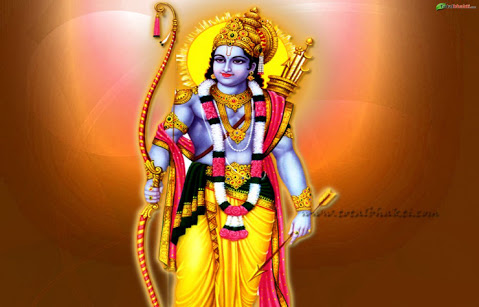
    Sage Viswamitra taught two important Mantras to Lord Rama to overcome Fatigue and sleep while fighting.

    I am reproducing the Mantras.

    The mantra is not a a text written or assembled by some people to propagate a religion to sustain an Empire,

    It was revealed to Humanity to the deserved.

    For the deserving this will be from a Guru who will initiate this.

    As practiced with out a Guru, Yama Niyama and Sandhyavandana, it will be remain a text.

    Not meant for self style rationalists and egotistic academicians.

    I have provided from three different sources for authenticity , easy readability and download,

    balaatibalayoh viraat purusha rishih |

    gaayatrii devataa | gaayatrii chandah |
    akaara okaaramakaaraa biijaadyaah |
     kshudhaadi nirasane viniyogah|
    klaamityaadi shadanga nyaasah |
    klaam angushtaabhyaam namah |
    kliim tarjaniibhyaam namah | kluum madhyamaabhaamnamah |
    klaim anaamikaabhyaam namah | klom kanishtikaabhaam namah |
    klah karatalakaraprishtaabhyaam namah ||klaam hridayaaya namah |
    kliim shirase svaahaa | kluum shikhaayaivashat | klaim kavacaaya hum |
    klom netratrayaayavaushat | klah astraaya phat | bhuurbhuvassuvaromiti digbandhah |
    amrita karatalaardrau sarva sanjiivanaadhyaa
    avaghaharana sudkshau veda saare mayuukhe|
    pranavamaya vikaarau bhaaskaraakaara dehau
    satatamanubhave’ham tau balaatiibaleshau ||

     om hriim bale mahaadevi hriim mahaabale
    kliim catur vidha purushartha siddhi prade tatsavitur
     varadaatmike hriim varenyam bhargo devasya varadaatmike |
    atibale sarva dayaamuurte bale sarva kshud bhrama upanaashini
    dhiimahi dhiyoyonarjaate pracuryaa pracodayaatmike pranava shiraskaatmike |
    hum phat svaahaa ||
    evam vidvaan krita krityo bhavati |
    saavitryaa eva salokataam jayati ||
    iityupanishat ||

    om aapyaayantu mamaangaani vaakpraanashcakshuh

    shrotramatho balamindriyaanicasarvani |
    sarvam brahmaupanishadam |
    maaham brahma niraakuryaam maa maa brahma niraakarot |
    aniraakaranamastu aniraakaranam me’stuh tadaatmani
    nirate ye upanishatsu dharmaaste mayi santu te mayi santu ||
    om shaanti shaanti shaantih |
     Deatiled with Body Gestures, Anganyasa ans Karanyasa.
    BalaAtibalaMantraWithMeaning:
    SudhakarV.RaoMD.
    Thisisthemeaningofthemantrasingeneralterms.IthastobelearntfromaqualifiedGuruandpracticedwithappropriatemeaningfulgesturescalled(Karanyaasa-handgesturesandanganyaasa-bodygestures).
    BalaAtibalayoH,
    “ForthemantrasBalaandAtibala,
    ViratPurusharishiH
    ThesageisViratPurusha(LordNarayana)
    Gayatridevataa,
    ThepresidingDeityisGayatri.
    Gayatrichandah
    Themeter(chandas)isGayatri
    AkaaraUkaaraMakaarabijaadyah

    TheBija(seed)is“A”;theshakti(power)is“U”andthekilaka(thekeytothepower)is“M”.(A,U,Marethethreeletterswhichformthe“OM”-thatis
    Kshudhaadi nirasanay viniyogah
    The mantra is used to vanquish hunger, thirst, fatigue etc.
    Klaamityaadi shaDanga nyaasah; Klaam angushTaabhyaan namaH; kleemtarjaneebhyaan namaH; kloom madhyamaabhyaan namaH; klaimanaamikaabhyaan namaH; klaum kanishTakaabhyaan namaH; klaah karatalakara prushTaabhyaan namaH;Klaam hridayaaya namaH; kleem shirase svaahaa; kloom shikhaayai vashaT; klaimkavachaaya Hum; klaum netra trayaaya vaushaT; klaaH, astraaya phaT; Bhoorbhoovassuvaromiti digbandhaH
    .(These are body gestures and hand gestures to invoke the Gods of the mantra. Thegestures are called Anga nyaasa and karanyaasa. (Anga means parts of the body and karameans hand. Nyasa is the gestures.) The 6 gestures are made uttering the seed letterscalled Bijaksharas. They are Klaam, Kleem, Kloom, klaim, klaum and klah.
    They should be learnt from the Guru.)
    Ater this, meditation is done with the following thoughts:
    Amrita karatalaardrau sarva sanjeevanaadhyaa avagha haraNa sudkshau Vedasaare mayookhay, praNava maya vikaarau, Bhaaskaraakaara dehau, satatamanubhaveham, tau balaatibaleshau

     http://www.scribd.com/doc/121296201/Bala-Atibala-mantra-in-english-with-meaning


    With Original Reference.

    Vishvamitra addressed Rama in a harmonious voice calling, ‘oh, Rama’, on the southern riverbank of Sarayu. ( Valmiki Ramayana, Book 1, Chapter 22, Verses 10b, 11a)

    गृहाण वत्स सलिलम् मा भूत् कालस्य पर्ययः || १-२२-११
    मंत्र ग्रामम् गृहाण त्वम् बलाम् अतिबलाम् तथा |

    grihaana vatsa salilam maa bhuut kaalasya paryayah || 1-22-11
    mamtra graamam grihaana tvam balaam atibalaam tathaa |

    “Take water, my boy, and like that you receive a group of hymns, bala and ati bala from me, and let no time lapse. (1-22-11b, 12a)

    “On receiving these hymns neither tiredness nor fever, nor disfiguring of personality can effect you, nor the demons can charge you either you are sleeping or unvigilant. (1-11-12b, 13a)

    “As it is none whosoever on earth can equal you in dexterity, Rama, and by reciting these hymns none can equal you in the three worlds. (1-22-13b, 14a)

    “My dear Raghava, if bala atibala hymns are practised, oh, impeccable one, none can equal you in the world by your handsomeness, calibre, erudition, by your discernment, and even in replying or rebutting you. (1-22-14b, 15)

    “On receiving these two teachings there will be none similar to you, for bala and atibala are the mothers of all knowledge. (1-22-16)

    “Oh, best one among men, Raghava, if you go on reciting bala and atiblala hymns, my dear Rama, there will be no hunger or thirst to you. (1-22-17)

    “And if these twin teachings are practised an inestimable renown will also accrue, oh, Raghu’s legatee, these two hymns that possess brilliance are the daughters of Forefather Brahma, and oh, Rama of Kakutstha, I intend to impart these hymns to you, oh virtuous one, as you are the most eligible one, hence take the teachings that are kept safe from the world. (1-22-18, 19a)

    “Though all of these numerous qualities are undoubtedly available with you, that too in abundance, yet these hymns if ascetically nurtured will yield various results.” Thus spoke Sage Vishvamitra to Rama. (1-22-19b, 20a)

    (ii) Bala Atibala Teaching:

    Sage Vishvamitra is the Seer for Gayatri hymn. He is the same Sage to impart bala atibala hymns to Rama and Lakshmana. This hymn is yet another aspect of Gayatri, and there is no hymn superior than Gayatri, na gaayatriyaah paramam japam.

    (One will get maximum benefit if the teaching from Guru).

    Balaatibala Mantropanishad:

    balaatibalayoh viraat purusha rishih | gaayatrii devataa | gaayatrii chandah | akaara okaaramakaaraa biijaadyaah | kshudhaadi nirasane viniyogah |klaamityaadi shadanga nyaasah |klaam angushtaabhyaam namah | kliim tarjaniibhyaam namah | kluum madhyamaabhaamnamah | klaim anaamikaabhyaam namah | klom kanishtikaabhaam namah | klah karatalakaraprishtaabhyaam namah ||klaam hridayaaya namah | kliim shirase svaahaa | kluum shikhaayaivashat | klaim kavacaaya hum | klom netratrayaayavaushat | klah astraaya phat | bhuurbhuvassuvaromiti digbandhah |

    Dhyaanam:

    amrita karatalaardrau sarva sanjiivanaadhyaa avaghaharana sudkshau veda saare mayuukhe |
    pranavamaya vikaarau bhaaskaraakaara dehau satatamanubhave’ham tau balaatiibaleshau ||

    om hriim bale mahaadevi hriim mahaabale kliim catur vidha purushartha siddhi prade tatsavitur varadaatmike hriim varenyam bhargo devasya varadaatmike | atibale sarva dayaamuurte bale sarva kshud bhrama upanaashini dhiimahi dhiyoyonarjaate pracuryaa pracodayaatmike pranava shiraskaatmike | hum phat svaahaa || evam vidvaan krita krityo bhavati | saavitryaa eva salokataam jayati || iityupanishat ||

    Shaanti paatha:

    om aapyaayantu mamaangaani vaakpraanashcakshuh shrotramatho balamindriyaanicasarvani | sarvam brahmaupanishadam | maaham brahma niraakuryaam maa maa brahma niraakarot | aniraakaranamastu aniraakaranam me’stuh tadaatmani nirate ye upanishatsu dharmaaste mayi santu te mayi santu || om shaantishshaantishshaantih |

    http://in.answers.yahoo.com/question/index?qid=20110529202558AAlvnc0

  • Navaratri 2013 E Book Free Download.

    I have posted a blog on the essence of Navaratri,Golu.

    Couple of Posts on the Slokas Poojas details  have been posted in the site.

    Mahalakshmi.gif
    Mahalakshmi

    Navaratri 2016.

    Navratri Day 1 – October 1, 2016 – Ghatsthapana – Navratri Begins
    Navratri Day 1 – October 2, 2016 – Chandra Darshan (Tithi is repeated)

    Navratri Day 2 – October 3, 2016 – Sindoor Tritiya

    Navratri Day 3 – October 4, 2016  – Varad Vinayak Chaturthi

    Navratri Day 4 – October 5, 2016 – Upang Lalita Vrat – Lalitha Panchami

    Navratri Day 5 – October 6, 2016 – Saraswati Awahan

    Navratri Day 6 – October 7, 2016 – Saraswathi Puja (western parts of India)

    Navratri Day 7 – October 8, 2016 – Saraswathi Balidan – Maha Lakshmi Puja (western parts of India)

    Navratri Day 8 – October 9, 2016 – Mahashtami – Annapoorna Parikrama – Saraswati Visarjan – Mahanavami fasting

    Navratri Day 9 – October 10, 2016 – Mahanavami  

    The tenth day is celebrated as Dasara or Vijaya Dashami.


    Note – Navratri day 9 and 10 are marked on same date in many calendars.
    South India
    In South India, Goddess Durga is worshipped during the first three days.
    Goddess Lakshmi is worshipped during the next three days
    Goddess Saraswathi is worshipped during the last three days.

    The Navratri commences on the first day (pratipada) of the bright fortnight of the lunar month of Ashwin.

    The festival is celebrated for nine nights once every year during the beginning of October, although as the dates of the festival are determined according to the lunar calendar, the festival may be held for a day more or a day less.

    The Navratri commences on the first day (pratipada) of the bright fortnight of the lunar month of Ashwin.

    The festival is celebrated for nine nights once every year during the last week of September/ beginning of October, although as the dates of the festival are determined according to the lunar calendar, the festival may be held for a day more or a day less.

    The term more or less  is not indicative of ambiguity.

    It is because the date varies depending on the fact whether you follow the Solar or the Lunar Calendar, Surya or Soura Manasa, or Chandra Manasa

    Now the Kanchi Periyava Forum, dedicated to the Maha Periyavr has provided a Link for an E Book on Navaratri, which is quite informative.

    You may download it for reference.

    In the Sankalpa make suitable alterations.

    Sources:

    http://www.when-is.com/navaratri-2013.asp

    For book in Google Drive, click the following Link.

    https://docs.google.com/file/d/0BwuDCferB6sJZHVKTW9qZEhOYmM/edit?usp=drive_web

    Navarathri is celebrated five times a year. They are Vasanta Navaratri, Ashadha Navaratri, the Sharada Navaratri, and the Paush/Magha Navaratri. Of these, the Sharada Navaratri of the month of Puratashi and the Vasanta Navaratri of the Vasanta kala are very important.


    1. Vasanta Navaratri: Basanta Navaratri, also known as Vasant Navaratri, is the festival of nine days dedicated to the nine forms of Shakti (Mother Goddess) in the spring season (March–April). It is also known as Chaitra Navaratri. The nine days of festival is also known as Raama Navratri.


    2. Gupta Navaratri: Gupta Navaratri, also referred as Ashadha or Gayatri or ShakambhariNavaratri, is nine days dedicated to the nine forms of Shakti (Mother Goddess) in the month of Ashadha (June–July). Gupta Navaratri is observed during the Ashadha Shukla Paksha(waxing phase of moon).


    3. Sharada Navaratri: This is the most important of the Navaratris. It is simply called Maha Navaratri (the Great Navratri) and is celebrated in the month of Ashvina. Also known as Sharad Navaratri, as it is celebrated during Sharad (beginning of winter, September–October).

    http://ramanisblog.in/2012/10/14/navarathri-golu-essential-details/

    http://ramanisblog.in/2012/10/15/navratri-puja-slokas-2-day-i-3-slokas-audio-text/

  • The Siddhas A Short Note

    Siddhas were human beings, who by consistent and regular practice of Yoga had elevated themselves spiritually.

    Siddhas Basic Details.
    Siddhas Basic Details.

    The Yoga Sutra mentions the procedure to be followed to practice Yoga,” to communicate’-Yoga Patanjali means in Communion with the Reality.

    For more on this, please read my series on Yoga Sutra of Patanjali, under Hinduism, Indian Philosophy..

    There are two levels reached by the practitioner of Yoga.

    Savikalpa Samadhi ,when the practitioner becomes a master of controlling the modifications of the Mind, is elevated, yet remains amidst the world of senses.

    Example, Ramana Maharishi.

    These people Realized The Reality and yet stay amidst the world, with all its joys and sorrows, unaffected by them.

    Nirvakapla Samadhiis a State when the Realized one remains rooted in the Reality and do not return to the world of Senses at all.

    Sri Ramakrishna Parahamsa.

    Yet there are some souls who are on an intermediate plane.

    This is because the remnants  of the sense impressions do not get dissolved..

    In such cases they are born as Yogis, most of the times, do not die in the normal sense a.

    They linger in their Sookshma Sarrera of Subtle Body.

    They, as befits a Master of Yoga, can attain the Eight special powers, Ashtama Siddhis.

    • Anima (shrinking) – Power of becoming the size of an atom and entering the smallest beings.
    • Mahima (illimitability) – Power of becoming mighty and co-extensive with the universe. The power of increasing one’s size without limit.
    • Lagima (lightness) – Capacity to be quite light though big in size.
    • Garima (weight) – Capacity to weigh heavy, though seemingly small size.
    • Prapthi (fulfillment of desires) – Capacity to enter all the worlds from Brahma Loga to the neither world. It is the power of attaining everything desired.
    • Prakasysm (irresistable will) – Power of disembodying and entering into other bodies (metempsychosis) and going to heaven and enjoying what everyone aspires for, simply from where he stays.
    • Isithavam (supremacy) – Have the creative power of God and control over the Sun, the moon and the elements and
    • Vasithavam (dominion over the elements) – Power of control over all the living being. The power of changing the course of nature and assuming any form.

    Please read my post on Why Yogis are reborn.

    They transcend Time, Space, assume any form, cure illnesses.

    They are more than The Mystics and in many a case are social reformers too.

    These are called The Siddhars .

    Siddhi means fruition.

    The Siddhas have attained Fruition.

    There are Eighteen Siddhars, as the legend goes.


    Sri Pathanjali

    Sri Agasthiar

    Sri Kamalamuni

    Sri Thirumoolar
    Sri Kuthambai
    Sri Korakkar
    Sri Thanvandri
    Sri Sundaranandar

    Sri Konganar
    Sri Sattamuni
    Sri Kakabujandar
    Sri Ramadevar
    Sri Sivavaakyiar
    Sri Idaikkadar
    Sri Machamuni

    Sri Karuvoorar
    Sri Bogar
    Sri Pambatti

    But the Siddhars are shy of revealing themselves.

    There might be innumerable Siddhars around, of whom we know not.

    Lord Shiva is described as the First Siddha as Yogeeswara.

    Sage Agasthya is reported to be first Human Being to be elevated to the Status of a Siddha.

    Agastya is classified as the Founder of  the Tamil language along with Lord Shiva and Lord Subramanya.

    He is also a Doctor of a class his own.

    Many of his treatises on Medicine are followed by the Indian Medicine, Siddha Medicine.

    A good site below On Alchemy. Siddhas were/are Alchemists.

    http://www.levity.com/alchemy/tamil_si.html