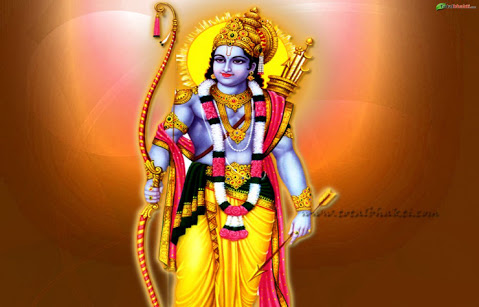
Tag: Ramayana

  • No Avatar of Vishnu Shiva In South Why

    I am quite intrigued by the antiquity and the relation ship between two great languages , Tamil and Sanskrit.


    It is not about simply which is rich or which is more ancient for each language has its own specialty.


    Avatars of Vishnu.Image.jpg.
    Avatars of Vishnu.


    Shiva Avatars.Image.jpg.
    Avatars of Shiiva.


    So curious that I have been studying and looking for articles on this ,but the more I read I get more interested and more confused.


    I have posted four to five articles on allied subjects, touching on this.


    The point is this.


    1.There is no direct reference to Tamils in the Vedas.


    Bur reference is made of Pearls from Tamils.


    Other than this, I am unable to find anything more.


    2.However one can find numerous references to Tamils, Tamil  Kingdoms, wealth of Tamils int the Ramayana and Mahabharata.


    I have posts on this issue.


    I provide one quote from Valmiki Ramayana.

    Kavatapuram was the second capital of early Pandyas whose first capital South Madurai was devoured by sea. ‘Kavatapuram’ means the doorway (of South India). Valmiki Ramayana has a few references to South India. One of them goes like this:–

    ‘’tato hemamayam divyam muktamani vibhushitam
    Yuktam Kavatanam Pandyanam gata drakshyata vanarah

    “Behold on the shore of the ocean the Pandya’s golden gates decked with gold and pearl”.


    3.Tamil quotes Vedas, Rama, Krishna(Mayon),Varuna, Durga,(Korkai0 Skanda( Murugan, Cheyon),Indra.


    The Tolkappiyam also formulates the captivating division of the Tamil land into five regions (tinai�), each associated with one particular aspect of love, one poetical expression, and also one deity�: thus the hills (kuri�ji�) with union and with Cheyon (Murugan)�; the desert (palai�) with separation and Korravai (Durga)�; the forests (mullai�) with awaiting and Mayon (Vishnu-Krishna)�; the seashore (neytal�) with wailing and Varuna�; and the cultivated lands (marutam) with quarrel and Ventan (Indra). Thus from the beginning we have a fusion of non-Vedic deities (Murugan or Korravai), Vedic gods (Indra, Varuna) and later Puranic deities such as Vishnu (Mal or Tirumal). Such a synthesis is quite typical of the Hindu temperament and cannot be the result of an overnight or superficial influence�; it is also as remote as possible from the separateness we are told is at the root of so-called �Dravidian culture.�

    Expectedly, this fusion grows by leaps and bounds in classical Sangam poetry whose composers were Brahmins, princes, merchants, farmers, including a number of women. The �Eight Anthologies� of poetry (orettuttokai�) abound in references to many gods�: Shiva, Uma, Murugan, Vishnu, Lakshmi (named Tiru, which corresponds to Sri) and several other Saktis.[37] The Paripadal, one of those anthologies, consists almost entirely of devotional poetry to Vishnu. One poem[38] begins with a homage to him and Lakshmi, and goes on to praise Garuda, Shiva on his �majestic bull,� the four-faced Brahma, the twelve Adityas, the Ashwins, the Rudras, the Saptarishis, Indra with his �dreaded thunderbolt,� the devas and asuras, etc., and makes glowing references to the Vedas and Vedic scholars.[39] So does the Purananuru,[40] another of the eight anthologies, which in addition sees Lord Shiva as the source of the four Vedas (166) and describes Lord Vishnu as �blue-hued� (174) and �Garuda-bannered� (56).[41] Similarly, a poem (360) of a third anthology, the Akananuru, declares that Shiva and Vishnu are the greatest of gods[42]

    Not only deities or scriptures, landmarks sacred in the North, such as the Himalayas or Ganga, also become objects of great veneration in Tamil poetry. North Indian cities are referred to, such as Ujjain, or Mathura after which Madurai was named. Court poets proudly claim that the Chera kings conquered North Indian kingdoms and carved their emblem onto the Himalayas. They clearly saw the subcontinent as one entity�; thus the Purananuru says they ruled over �the whole land / With regions of hills, mountains, / Forests and inhabited lands / Having the Southern Kumari / And the great Northern Mount / And the Eastern and Western seas / As their borders….�[43]”


    All this from Sangam Literature.


    Later works , including Thirukkural has references to Vedas in abundance.


    3.The Gods mentioned in Tamil are in the Vedic Period.


    My doubt is why is it that no Avatar of Vishnu, Shiva have not manifested in the South?


    By South, I mean the landmass below the Vindhyas.


    Another curious fact is that Shiva is called Ayonija, one who does not stay in the womb,


    His 64 Avatars are recorded in Tamil Literature.


    Shiva is reported to have founded the Tamil Language through Sage Agasthya.


    And Shiva in His Avatar as Soma Sundarar married Meenakshi, Goddess Uma at Madurai.


    Excepting this there seems to be no Avatar like ram, Krishna.


    4.Similarly why there is no record of the 64 Avatars of Shiva in Sanskrit and in the areas above the Vindhyas.


    My surmise is that there was no division as below and above Vindhyas and as such there was one Bharat Varsha.


    All this confusion emanates from the now disproved Aryan Invasion Theory and systematic misinterpretation of Vedas and Tamil by vested interests.


    Comments with Data welcome.


    This is a Post for academic interest, not one where demands  “reservation policy” of Avatars of God in specific areas.


    For discussion I have taken into account only the Avatras mentioned in the Puranas.


    So under this category, Thiruvilayadal Puranam of Shiva.s 64 Avatars are not covered.


    Citation.

    http://micheldanino.voiceofdharma.com/tamilculture.html


    Image credits.


    http://solelyhinduism.blogspot.in/p/lord-vishnu.html


    http://ramanisblog.in/wp-content/uploads/2014/06/437e0-dasamahavidya1.jpg


  • Pravara Lineage Of Rama Sita Recited Sita Rama Kalyana

    It is customary to declare the lineage of one when one offers Respects to elders in Hinduism.


    This is called Abhivadanam.(please read my post on this)


    Lord Sita Rama.Image.jpg.
    Lord Sita Rama. Image credit.http://www.andhrawishesh.com/


    It is mandatory to declare this in Public in Hindu Marriages.


    This description of listing the ancestors and lineage , Gotra, is called Pravara.


    This is practiced even to day in Brahmin Marriages.


    Other communities seem to have left this, but this is mandatory for all.


    Lord Ram‘s marriage with Sita was conducted in Mithila.


    This is how the Pravara was recited.


    Sita.


    Yajur Veda Saakhaadhyaayineem, Aangeerasa aayaasya gouthama trayarsheya, pravaraanvita goutama gotrOTbhavaam, Chaturdasa

    Bhuvanaadeeswareem, akhilaaNDa kODi brahmaaNDa naayikaam, tattva swaroopiNeem, Chandra vamsa pradheepikaam, saraNaagata vatsalaam,

    vEdigarbhOditaam, padma alankruta kara kamalaam, kalahamsa kamineem, indeevara lOchanaam, divya srag vastra bhooshaNaam, hari chandana

    lipta bhujaantaraam, vidhyut prabhaam, visaalaaksheem, srida kunjita moordhajaam, hamsaamkita kshoumENa kinchit peetEna samvrutaam,

    vaasitEnottareeyENa suraktEna susamvrutaam, jagan maataram, nimi vamsOdbhavaam, SwarNarOma mahaaraaja varmaNa: napthreem, hrasvarOma

    mahaaraaja varmaNa: poutreem, Janaka mahaaraaja varmaNa: putreem, sree Seetaa naamneem saakshaath lakshmee swaroopiNeem imaam

    kanyaam

     
    Meaning:
    This bride named Sri Sita is offered in holy wedlock to you:

     
    She belongs to Yajur Veda, She belongs to Pravara consisting of the three Rishis viz., Aangirasa, Aayaasya and Goutama, She belongs to Goutama Gotra,


    She is the Queen of the 14 worlds, She is the head of the entire BrhmaaNDam consisting of innumerable aNDaas, She is the one who permeates all the ChEtana and AchEtana Tattvas,


    She is the one who illuminates the lineage of the moon (Chandra Vamsam), She shows extraordinary compassion to all those who surrender unto her,


    She is the one who is born from the Sacrificial pit (Yaaga VEDi), She holds in her hand the lotus flower, She has the gait of a swan, She has bewitching eyes like the flower of the blue-black water lily (Neithal) flower,


    She wears divine garlands, dresses and ornaments, She has her chest smeared with fragrant perfume of sandal paste, She has her locks of hair in an attractively wavy fashion,


    She wears a whitish yellow colored silk saree with borders designed in the form of swans, She wears a scented upper cloth that shines in a natural red hue,


    She is Mother Goddess herself,


    She appeared in the Vamsam of Nimi Mahaaraaja, She is the great grand daughter of SwarNarOma Mahaaraaja, She is the grand daughter of HrasvarOma


    Mahaaraaja, She is the daughter of Janaka Mahaaraaja, She is the very incarnation of Mahaalakshmi?


    Lord Ram.


    Thereupon, VasishTa, the Kula guru of Raghu kula started narrating the details of Gotra, Pravara etc. of Sri Rama:

    Yajur vEDa Saakhaa adhyaayinE, VaasishTa, MaitraavruNa KouNDinya trayaarishEya Prvaraanvita, VasishTa


    GotrOdbhavaaya, Tribhuvanaadheesaaya, AkhilaaNDa kOti BrahmaaNDa naayakaaya, Tattva ateetaaya, Sat chit Ananda

    moortayE, Soorya Vamsa Paavanaaya, Akhila jagad aananda kaarakkaya, Ksheeraabdi VaasinE, SaraNaagata vatsalaaya,

    Kousalyaananda Vardhanaaya, ThaTakaa ThaaTakEyaantakaaya, Sree Paada rENu paalita Goutama kaLatraaya, Parama

    Bhaagavata architaaya, khaNDeekrita tripura chaapaaya, Saadu jana nivaasa vrukshaaya, LakshmaNa agrajaaya, Sreevatsa


     Koustuba  haara - kanaka kEyooraadi DivyaabharaNa bhooshitaaya, Vaijayantee Vanamaala sObitaaya, Ikshvaaku Vamsa


    Udbhavaaya, Naabhaaga VarmaNa: naphtrE, Aja Mahaaraaja VarmaNa: poutraaya, Dasaratha Mahaaraaja VarmaNa: putraaya,


    Sree Raamachandra VarmaNE Saakshaat NaaraayaNa svaroopaaya varaaya?


    Meaning:


    This bridegroom will accept this bride in holy wedlock:


    He has studied Yajur Veda; He belongs to the Pravara consisting of three Rishis viz., VasishTar, MaitraavaruNar and


    KouNDinyar; He is born in the VasishTa Gotra; He is the Lord of all the three worlds; He is the head of this


    BrahmaaNda consisting of crores of aNDas; He is above and beyond all the ChEtana and AchEtana Tattvas that we see;


    He is the very personification of Sat, Chit and Ananda; He enhances the pristine purity of the lineage of the Sun


    (Soorya Vamsa); He brings joy to everyone; He is the one having YoGa nidra in the milky ocean; He shows mercy to all


    who surrender unto him; He brings unsurpassed joy to his dear mother, Kousalya; He was the nemesis for TaTaka and


    her ilk; He made Ahalya, wife of Sage Goutama come alive by dint of touch of the dust at his holy feet: He is


    praised by the ardent devotees and Rishis: It is he who wielded the bow in the hands of Lord Siva reputed to have


    burnt the Tripura; He is the ultimate refuge of saintly souls; He is the elder brother of LakshmaNa; He wears the


    mole of Srivatsa, the koustuba gem, Garland of pearls, Holy basil (TuLasi) and Vaijayanti on his chest; He is the


    most auspicious: He belongs to Ikshvaaghu Vamsam: He is the Great grandson of Naabhaaga Mahaaraaja Varma; He is the


    grandson of Aja Mahaaraaja Varma; He is the son of Dasaratha Mahaaraaja Varma; He is Sree Ramachandra Varma; he is


    verily Lakshmi NarayaNa himself?


    Recite this daily.


    Lord Ram’s and Sita’s blessing s are guaranteed.


    Reference.


    http://www.ibiblio.org/sripedia/srirangasri/archives/srsvol/msg00099.html

  • Suppressed Ramayana Hanuman Ramayana


    There are some interesting facts about Hanuman and The Ramayana of Valmiki.


    Hanuman doing Rama Japa. Image.jpg.
    Hanuman doing Rama Japa. Image credit. http://www.bhaktiware.com/


    There are over 1600 versions of Ramayana and this include the Regional Editions like Rama Charitamanas, Kamba  Ramayana and the foreign versions


    like the Indonesian and Balinese.It may not be proper to call the later as Foreign as they were once part of the Bharata Varsha.


    Hanuman  finds a place in many a places in Hindu Purans and even in Jainism.


    There are no references to Hanuman in the Vedas.


    However Rama finds a mention and there is a Upanishad Rama Rahsyopanishad.


    Read my post on this.


    Vedas mention Rama and Ramayana mentions Vedas.


    Which is earlier?


    I shall be posting on this interesting subject.


    Now to many Ramayanas.


    Valmiki is called the Adi Kavi and the Ramayana is the Adi Kavya-the first Literary work(of Mankind)


    Yet there is a version of Ramayana considered older than Ramyana .


    And it was suppressed so that one Valmiki Ramayana gets prominence.


    This is the HanumanRamayana by Hanuman!


    After the victory of Rama over Ravana, Hanuman went to the Himalayas to continue his worship of the Lord Rama.

    There he scripted a version of the Ramayana on the Himalayan mountains using his nails, recording every detail of Rama’s deeds.

    When Maharishi Valmiki visited him to show him his own version of the Ramayana, he saw Hanuman’s version and became very disappointed.

    When Hanuman asked Valmiki the cause of his sorrow, the sage said that his version, which he had created very laboriously, was no match for the splendour of Hanuman’s, and would therefore go ignored. At this, Hanuman discarded his own version, which is called the Hanumad Ramayana.

    Maharishi Valmiki was so taken aback that he said he would take another birth to sing the glory of Hanuman which he had understated in his version.

    Later, one tablet is said to have floated ashore during the period of Mahakavi Kalidasa, and hung at a public place to be deciphered by scholars

    Kalidasa is said to have deciphered it and recognised that it was from the Hanumad Ramayana recorded by Hanuman in an extinct script, and considered himself very fortunate to see at least one pada of the stanza.


    Lord Chathur-Mukha Jaya Maruthi with four Veda faces, inscribed His version of Lord Shri Ram’s divine story as MARUTHI RAMAYANA on hundreds of thousands of rocks.
     Even though the MARUTHI RAMAYANA pre-dates the Valmiki Ramayana, Lord Jaya Maruthi Hanuman wanted Maharishi Valmiki’s Ramayana to become famous as the first Ramayana and so He did not announce His own version.
     Such is Hanuman’s deep humility, broad mindedness and magnanimity…


    Citation.


    http://en.wikipedia.org/wiki/Hanuman


    http://www.agasthiar.org/a/jaya-maruthi-hanuman.htm


    Enhanced by Zemanta
  • Ramayana Jaya Mantra For Success

    Ramayana Jaya Mantra For Success

    The following sloka  from Valmiki Ramayana is for success in any endeavor

    .Jayatyatibalo rāmo lakṣmaṇaśca mahābalaḥ

    rājā jayati sugrīvo rāghaveṇābhipālitaḥ |
    dāsohaṃ kosalendrasya rāmasyākliṣṭakarmaṇaḥ
    hanumān śatrusainyānāṃ nihantā mārutātmajaḥ ||

    na rāvaṇa sahasraṃ me yuddhe pratibalaṃ bhavet
    śilābhistu praharataḥ pādapaiśca sahasraśaḥ |
    ardhayitvā purīṃ laṅkāmabhivādya ca maithilīṃ
    samṛddhārdho gamiṣyāmi miṣatāṃ sarvarakṣasām ||


    रचन: वाल्मीकि

    जयत्यतिबलो रामो लक्ष्मणश्च महाबलः
    राजा जयति सुग्रीवो राघवेणाभिपालितः ।
    दासोहं कोसलेन्द्रस्य रामस्याक्लिष्टकर्मणः
    हनुमान् शत्रुसैन्यानां निहन्ता मारुतात्मजः ॥

    न रावण सहस्रं मे युद्धे प्रतिबलं भवेत्
    शिलाभिस्तु प्रहरतः पादपैश्च सहस्रशः ।
    अर्धयित्वा पुरीं लङ्कामभिवाद्य च मैथिलीं
    समृद्धार्धो गमिष्यामि मिषतां सर्वरक्षसाम् ॥


    రచన: వాల్మీకి

    జయత్యతిబలో రామో లక్ష్మణశ్చ మహాబలః
    రాజా జయతి సుగ్రీవో రాఘవేణాభిపాలితః |
    దాసోహం కోసలేంద్రస్య రామస్యాక్లిష్టకర్మణః
    హనుమాన్ శత్రుసైన్యానాం నిహంతా మారుతాత్మజః ||

    న రావణ సహస్రం మే యుద్ధే ప్రతిబలం భవేత్
    శిలాభిస్తు ప్రహరతః పాదపైశ్చ సహస్రశః |
    అర్ధయిత్వా పురీం లంకామభివాద్య చ మైథిలీం
    సమృద్ధార్ధో గమిష్యామి మిషతాం సర్వరక్షసామ్ ||


    ஜயத்யதிபலோ ராமோ லக்ஷ்மணஶ்ச மஹாபலஃ
    ராஜா ஜயதி ஸுக்ரீவோ ராகவேணாபிபாலிதஃ |
    தாஸோஹம் கோஸலேம்த்ரஸ்ய ராமஸ்யாக்லிஷ்டகர்மணஃ
    ஹனுமான் ஶத்ருஸைன்யானாம் னிஹம்தா மாருதாத்மஜஃ ||

    ன ராவண ஸஹஸ்ரம் மே யுத்தே ப்ரதிபலம் பவேத்
    ஶிலாபிஸ்து ப்ரஹரதஃ பாதபைஶ்ச ஸஹஸ்ரஶஃ |
    அர்தயித்வா புரீம் லம்காமபிவாத்ய ச மைதிலீம்
    ஸம்றுத்தார்தோ கமிஷ்யாமி மிஷதாம் ஸர்வரக்ஷஸாம் ||


    ರಚನ: ವಾಲ್ಮೀಕಿ

    ಜಯತ್ಯತಿಬಲೋ ರಾಮೋ ಲಕ್ಷ್ಮಣಶ್ಚ ಮಹಾಬಲಃ
    ರಾಜಾ ಜಯತಿ ಸುಗ್ರೀವೋ ರಾಘವೇಣಾಭಿಪಾಲಿತಃ |
    ದಾಸೋಹಂ ಕೋಸಲೇಂದ್ರಸ್ಯ ರಾಮಸ್ಯಾಕ್ಲಿಷ್ಟಕರ್ಮಣಃ
    ಹನುಮಾನ್ ಶತ್ರುಸೈನ್ಯಾನಾಂ ನಿಹಂತಾ ಮಾರುತಾತ್ಮಜಃ ||

    ನ ರಾವಣ ಸಹಸ್ರಂ ಮೇ ಯುದ್ಧೇ ಪ್ರತಿಬಲಂ ಭವೇತ್
    ಶಿಲಾಭಿಸ್ತು ಪ್ರಹರತಃ ಪಾದಪೈಶ್ಚ ಸಹಸ್ರಶಃ |
    ಅರ್ಧಯಿತ್ವಾ ಪುರೀಂ ಲಂಕಾಮಭಿವಾದ್ಯ ಚ ಮೈಥಿಲೀಂ
    ಸಮೃದ್ಧಾರ್ಧೋ ಗಮಿಷ್ಯಾಮಿ ಮಿಷತಾಂ ಸರ್ವರಕ್ಷಸಾಮ್ ||


    Text from ,

    http://www.vignanam.org/veda/ramayana-jaya-mantram-kannada.html


    Enhanced by Zemanta
  • Hindu Scriptures List

    To list Hindu Scripture is an impossible task.

    For example, the Ramayana has over 1600 versions!

    We have Languages , other than Sanskrit, of which we are familiar with, we  have Tamil , which has innumerable texts of Religious importance.

    The other Indian Languages, at least 18 of them are quite rich and they have their texts.

    I am furnishing a List which is indicative of the Ocean that is Hinduism.

    This  may be considered as a starting point.

    Corrections suggestions for improvement welcome.

    • Agama – important smriti scriptures. Different denominations understand this term in different ways.
    • Aranyaka (आरण्यक) : Part of the Hindu Śruti that discuss philosophy, sacrifice and the New Year holiday.
    • Atharva Veda: one of the four Vedas; the last one
    • Akilathirattu Ammanai: A 19th century Tamil Vaishnavite text and the primary scripture of Ayyavazhi sect.


    • Bhagavad Gītā (भगवद् गीता) : The national gospel contained in Mahābhārata, Part of the epic poem Mahabharata, located in theBhishma-Parva[disambiguation needed] chapters 23–40. A core sacred text of Hinduism and philosophy.[4]
    • Bhagavata Purana – one of the “Maha” Puranic texts of Hindu literature, and is Sanskrit for “The Book of God“.
    • Brahmana – one of the parts into which the Vedas are divided.
    • Brahma Sutras – important texts in Advaita Vedanta.
    • Chandas – (छंदः), the study of Vedic meter, is one of the six Vedanga disciplines, or “organs of the vedas.
    • Chandogya Upanishad – is associated with the Samaveda. It figures as number 9 in the Muktika canon of 108 Upanishads. It is part of the Chandogya Brahmana, which has ten chapters.
    • Charaka Samhita: An early Ayurvedic text on internal medicine. It is believed to be the oldest of the three ancient treatises of Ayurveda.
    • “‘Code of Manu”‘ – is the most important and earliest metrical work of the Dharmaśāstra textual tradition of Hinduism

    Time Line of Some scriptures( They may be still older)

    • Rigveda, 1500 – 1100 BCE
    • Samaveda, 1500 – 500 BCE
    • Yajurveda, 1500 – 500 BCE
    • Atharvaveda, 1500 – 500 BCE
    • Upanishads, 1200 – 500 BCE
    • Bhagavad Gita, 500 BCE – 200 BCE
    • Ramayana, 400 BCE – 400 CE
    • Mahabharata, 400 BCE – 400 CE
    • Samkhya Sutra
    • Mimamsa Sutra, 300-200 BCE
    • Arthashastra, 400 BCE – 200 CE
    • Nyaya Sutra, 2nd century BCE[13]
    • Vaiseshika Sutra, 2nd century BCE
    • Yoga Sutras of Patanjali, 100 BCE – 50o
    • Brahma Sutra
    • Puranas, 3rd – 16th century CE
    • Shiva Sutras, 8th century CE
    • Abhinavabharati, 950 – 1020 CE
    • Yoga Vasistha, 10th – 14th century CE
    • Devi Mahatmya also known as Durgā Saptashatī – 700 verses from Mārkandeya Purana giving an account of the Glory of Devi, the Goddess, the most important text ofShaktism – sometimes referred to as the “Shakta Bible”
    • Devi Bhagavata – One of the Puranas which is one of the most important writings in Shaktism.
    • Divya Prabandha – Collection of 4000 verses in Tamil; sung by Alvars saints on Vishnu. Considered as Dravida Veda.
    • Gheranda Samhita (धेरंड संहिता): One of the three classic texts of Hatha Yoga (see also: Hatha Yoga Pradipika and the Shiva Samhita) written in the late 17th century CE.
    • Gītā (गीता): See Bhagwad Gita


    • Hatha Yoga Pradipika: is one of the fundamental text of Hatha Yoga including information about asanas, pranayama, chakras, kundalini, bandhas, kriyas, shakti, nadis andmudras. It was written by Swami Swatmarama in the 15th century CE.


    • Itihasas – in Hindu religious context this term refers to the Mahabharata and the Ramayana but may also be used in reference to all kinds of Indian epic poetry


    • Kamba Ramayanam (கம்ப இராமாயணம்): 12th century Tamil version of Ramayana.


    • Mahabharata (महाभारत): One of the two major ancient Sanskrit epics of India, the other being the Ramayana. The Mahabharata is of religious and philosophical importance in India; in particular, the Bhagavad Gita, which is one of its chapters (Bhishmaparva) and a sacred text of Hinduism.
    • Manu Smriti (मनुस्मृति) : The Manusmriti translated “Laws of Manu” is regarded as an important work of Hindu law and ancient Indian society. Manu was the forefather of all humans and author of Manu Smriti

    The Nalayira Divya Prabandham (Tamil: நாலாயிர திவ்ய பிரபந்தம்) is a collection of 4,000 Tamil verses (Naalayira in Tamil means ‘four thousand’) composed before 8th century AD,[1] by the 12 Alvars, and was compiled in its present form by Nathamuni during the 9th – 10th centuries. The work is the beginning of the canonization of the 12 Vaishnava poet saints, and these hymns are still sung extensively even today. The works were lost before they were collected and organized in the form of an anthology by Nathamuni.]

    • Purana (पुराण): Purana meaning “ancient” or “old” is the name of a genre (or a group of related genres) of Indian written literature (as distinct from oral literature). Its general themes are history, tradition and religion. It is usually written in the form of stories related by one person to another.


    • Rāmāyaṇa (रामायण): Part of the Hindu smriti, written by Valmiki. This epic of 24,000 verses in seven kandas (chapters or books) tells of a Raghuvamsa prince, Rama ofAyodhya, whose wife Sita is abducted by the rakshasa Ravana.
    • Rigveda (ऋग्वेद): The Rigveda is a collection of Vedic Sanskrit hymns counted as the holiest of the four religious texts of Hindus, known as the Vedas.
    • Rudrayamala Tantra


    • Sahasranama – a book containing a list of names of deities
    • Sama Veda – one of the four Vedas
    • Shiva Samhita: is one of the three classical treatises on Hatha Yoga (see also: Gheranda Samhita and Hatha Yoga Pradipika) written by an unknown author. The text is addressed by the Hindu god Shiva to his consort Parvati.
    • Shiva Sutras of Vasugupta – a collection of seventy seven aphorisms that form the foundation of Kashmir Shaivism.
    • Smriti – Hindu scriptures other than the Vedas (e.g. the Itihasas, the Puranas)
    • Śruti (श्रुति): A canon of Hindu scriptures. Shruti is believed to have no author; rather a divine recording of the “cosmic sounds of truth”, heard by rishis.
    • Sūtra (सूत्र): Sūtra refers to an aphorism or a collection of such aphorisms in the form of a book or text. ‘Sutras’ form a school of Vedic study, related to and somewhat later than the Upanishads.
    • Sushruta Samhita: An ancient Sanskrit text, attributed to one Sushruta, foundational to Ayurvedic medicine (Indian traditional medicine), with innovative chapters on surgery.
    • Swara yoga: An ancient science of pranic body rhythms. It explores how prana can be controlled through the breath.
    • Tantras (तंत्र): The esoteric Hindu traditions of rituals and yoga. Tantra can be summarised as a family of voluntary rituals modeled on those of the Vedas, together with their attendant texts and lineages.
    • Tevaram – an important Tamil Saivite scripture
    • Tirukkural – an important smriti scripture in South India
    • Tirumantiram – an important Tamil Saivite work of religious poerty.


    • Upanishad (उपनिषद्): Part of the Hindu Śruti scriptures which primarily discuss meditation and philosophy, seen as religious instructions by most schools of Hinduism.


    • Veda (वेद): Collectively refers to a corpus of ancient Indian religious literature that are considered by adherents of Hinduism to be Śruti or revealed knowledge.
    • Vijnana Bhairava Tantra – a teaching where Bhairavi (Parvati) asks Bhairava (Lord Shiva) to reveal the essence of the way one has to tread on the path to the realization of the highest reality – the state of Bhairava.


    • Yajurveda (यजुर्वेदः): One of the four Vedas, focusing on liturgy, rituals and sacrifices.
    • Yoga Sutra (योग सूत्र): One of the six darshanas of Hindu or Vedic schools and, alongside the Bhagavad Gita and Hatha Yoga Pradipika, are a milestone in the history of Yoga.
    • Yoga Vasistha, the discourse of sage Vasistha to prince Rama. It is an important text of Yoga as well as Advaita Vedanta. The book consists of around thirty thousand slokas as well as numerous short stories and anecdotes.
    • Yoga Yajnavalkya (योगयाज्ञवल्क्य): a classical treatise on yoga traditionally attributed to sage Yajnavalkya.

    Sources.

    Wiki-Hindu Texts..

    Sacred Texts Hinduism.

    Enhanced by Zemanta
    The Digitized copies  of The Rigveda Brahmanas: the Aitareya and Kausītaki Brāhmanas of the Rigveda are in American Libraries.