Tag: Mental disorder

  • Mantra Sloka For Relieving Confused Mind Decision Making

    Mantra Sloka For Relieving Confused Mind Decision Making

    sMany of us find ourselves in a confused state of Mind, not knowing what exactly we want or what we are suffering from.

    I have received quite a few mails in the past few days, highlighting this, seeking relief.

    This state is characterized by self-doubt, low self-esteem,fear of future,worrying about others comments,diffidence, concern about health, Relationships…….

    First thing one has to bear in mind is that the Mind is what we make of it.

    Churchill Quote On Success and Failure.jpg. Churchill Quote On Success and Failure.

    Mind is simply a mechanism to receive inputs and it can not decide.

    When one gets a knocking, be it a loss of job, loss of a beloved, ridicule, the ind immediately jumps to the wost possible scenario and recollects only the ba times one has undergone and not the pleasant times.

    At such moments one has to remain stead fas by not allowing the mind to dwell on misfortune.

    Mind is of a lower order than Intellect and it is the Intellect that should guide us and not the Mind.

    Indian Philosophy calls the Intellect as Buddhi, the ability to discriminate from what is good, bad,correct, incorrect.

    So one has to be aware of this.

    To begin with one should surround oneself with those who have a positive frame of Mind and have a Happy-go-lucky attitude to Life.

    Never allow anyone who is a whiner near you.

    And do not try to find the reason for the misfortune now, the time for it is later.

    If you have a drinking habit, get rid of it.

    Have a Balanced food.

    Do not bother about criticisms.

    If one were live by what others say, One can never live.

    The world will talk ill of you irrespective of the fact whether you are well off or otherwise.

    And do not try to think too much about Life and problems.

    Think positively and take the net step boldly(what you think is right/correct)

    To reinforce this attitudes and provide mental strength to weather any mental problem I am providing the following Mantras.


    सदा बालरूपाऽपि विघ्नाद्रिहन्त्री
    महादन्तिवक्त्राऽपि पञ्चास्यमान्या
    विधीन्द्रादिमृग्या गणेशाभिधा मे
    विधत्तां श्रियं काऽपि कल्याणमूर्तिः ॥१॥
    Sadaa Baala-Ruupa-Api Vighna-Adri-Hantrii
    Mahaa-Danti-Vaktra-Api Pan.caasya-Maanyaa |
    Vidhi-Indra-[A]adi-Mrgyaa Gannesha-Abhidhaa Me
    Vidhattaam Shriyam Kaa-Api Kalyaanna-Muurtih ||1||

    Meaning:
    1.1: (Salutations to Sri Ganesha) Who Always has a Child-like Form, but can Destroy Mountains of Obstacles,
    1.2: Who has an Elephant Face with a Huge Tusk, but is respected by the Five-Faced Shiva,
    1.3: Who is sought after by Vidhi (Brahma), Indra and Others; and Who is known as Ganesha; To me
    1.4: … please bestow Sri (Glory and Prosperity), O the Lord with an Auspicious Form.


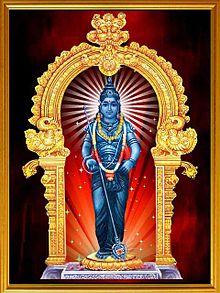
    Sri Subramanya
    जानामि शब्दं जानामि चार्थं
    जानामि पद्यं जानामि गद्यम्
    चिदेका षडास्या हृदि द्योतते मे
    मुखान्निःसरन्ते गिरश्चापि चित्रम् ॥२॥
    Na Jaanaami Shabdam Na Jaanaami Ca-Artham
    Na Jaanaami Padyam Na Jaanaami Gadyam |
    Cid-Ekaa Ssaddaasyaa Hrdi Dyota-Te Me
    Mukhaan-Nihsarante Girash-Ca-Api Citram ||2||

    Meaning:
    2.1: (Salutations to Sri Subramanya) I know neither Words, nor their Meanings O Lord,
    2.2: And I know neither Poetry, nor Prose, but …
    2.3: … within the Core of my Heart, I see the Conscious Effulgence of Your Six Faces, …
    2.4: … which is making these various Words pour forth through my Mouth.
    मयूराधिरूढं महावाक्यगूढं
    मनोहारिदेहं महच्चित्तगेहम्
    महीदेवदेवं महावेदभावं
    महादेवबालं भजे लोकपालम् ॥३॥
    Mayuura-Adhiruuddham Mahaa-Vaakya-Guuddham
    Manohaari-Deham Mahac-Citta-Geham |
    Mahii-Deva-Devam Mahaa-Veda-Bhaavam
    Mahaa-Deva-Baalam Bhaje Loka-Paalam ||3||

    Meaning:
    3.1: (Salutations to Sri Subramanya) Whose Form Mounted on a Peacock represents the deepest Secret of the UpanishadicMaha Vakyas,
    3.2: Whose Heart-Stealing Beautiful Body Dwells within the Great Heart of Spiritual Consciousness,
    3.3: Who is the Great God of the Devas and represents what the Great Vedas convey,
    3.4: I Worship that Son of Mahadeva (another name of Shiva) Who is the Protector of the World.
    यदा संनिधानं गता मानवा मे
    भवाम्भोधिपारं गतास्ते तदैव
    इति व्यञ्जयन्सिन्धुतीरे आस्ते
    तमीडे पवित्रं पराशक्तिपुत्रम् ॥४॥
    Yadaa Samnidhaanam Gataa Maanavaa Me
    Bhava-Ambhodhi-Paaram Gataas-Te Tadai[a-E]va |
    Iti Vyan.jayan-Sindhu-Tiire Ya Aaste
    Tam-Iidde Pavitram Paraashakti-Putram ||4||

    Meaning:
    4.1: (Salutations to Sri Subramanya) When Persons come to My Presence (and completely surrender to me),
    4.2: They have Indeed Crossed the Ocean of the Samsara,
    4.3: Thus You seem to proclaim Manifesting on the Shore of the Sea (at Tiruchendur) and Dwelling there,
    4.4: May I always Praise You, O the Ever Pure Son of Parashakti (Divine Mother).
    यथाब्धेस्तरङ्गा लयं यन्ति तुङ्गाः
    तथैवापदः सन्निधौ सेवतां मे
    इतीवोर्मिपंक्तीर्नृणां दर्शयन्तं
    सदा भावये हृत्सरोजे गुहं तम् ॥५॥
    Yatha-Abdhes-Taranggaa Layam Yanti Tunggaah
    Tathai[aa-E]va-[A]apadah Sannidhau Sevataam Me |
    Iti-Ivo[a-Uu]rmi-Pangktiir-Nrnnaam Darshayantam
    Sadaa Bhaavaye Hrt-Saroje Guham Tam ||5||

    Meaning:
    5.1: (Salutations to Sri Subramanya) Like the Huge Waves of the Sea Disappear within the Sea, …
    5.2:similarly, the Calamities of My Devotees will Disappear Who come to My Presence where I Dwell (and completely surrender to me),
    5.3: Thus You seem to proclaim showing the Rows of Waves on the Sea (to the Devotees),
    5.4: May I always Meditate on You, O Guha (another name of Subramanya) within the Lotus of my Heart.
    गिरौ मन्निवासे नरा येऽधिरूढाः
    तदा पर्वते राजते तेऽधिरूढाः
    इतीव ब्रुवन्गन्धशैलाधिरूढाः
    देवो मुदे मे सदा षण्मुखोऽस्तु ॥६॥
    Girau Man-Nivaase Naraa Ye-Adhiruuddhaah
    Tadaa Parvate Raajate Te-Adhiruuddhaah |
    Iti-Iva Bruvan-Gandhashaila-Adhiruuddhaah
    Sa Devo Mude Me Sadaa Ssannmukho-Astu ||6||

    Meaning:
    6.1: (Salutations to Sri Subramanya) Those Persons who Ascend the Hills of My Abode (and completely surrender to me), …
    6.2:they thereby Ascend the Great Silvery Mountain which leads to the path of Liberation (referring to Mount Kailash which appears Silvery due to snow),
    6.3: Thus You seem to proclaim Abiding on the Sugandha Hill,
    6.4: Let me always Rejoice in the contemplation of You, O my Lord Shanmukha.
    महाम्भोधितीरे महापापचोरे
    मुनीन्द्रानुकूले सुगन्धाख्यशैले
    गुहायां वसन्तं स्वभासा लसन्तं
    जनार्तिं हरन्तं श्रयामो गुहं तम् ॥७॥
    Mahaa-[A]mbhodhi-Tiire Mahaa-Paapa-Core
    Muni-Indra-Anukuule Sugandha-[A]akhya-Shaile |
    Guhaayaam Vasantam Sva-Bhaasaa Lasantam
    Jana-[A]artim Harantam Shrayaamo Guham Tam ||7||

    Meaning:
    7.1: (Salutations to Sri Subramanya) On the Shores of the Great Sea, the Place which Steals away the Great Sins of the People, …
    7.2: … the Place which is very Favourable for Munis (Saints or Ascetics) to perform Sadhana, the Place which is known as the Sugandha Hill, …
    7.3: … the Place where Guha Abides in His Own Splendour, …
    7.4: … and Removes the Distress of the People; I Remember that Place and take Refuge in You, O Guha.
    लसत्स्वर्णगेहे नृणां कामदोहे
    सुमस्तोमसंछत्रमाणिक्यमञ्चे
    समुद्यत्सहस्रार्कतुल्यप्रकाशं
    सदा भावये कार्तिकेयं सुरेशम् ॥८॥
    Lasat-Svarnna-Gehe Nrnnaam Kaama-Dohe
    Suma-Stoma-Samchatra-Maannikya-Man.ce |
    Sam-Udyat-Sahasra-Arka-Tulya-Prakaasham
    Sadaa Bhaavaye Kaartikeyam Sure[a-Ii]sham ||8||

    Meaning:
    8.1: (Salutations to Sri Subramanya) Within the Shining Golden House (i.e. Temple Room), Granting the Wishes of theDevotees, …
    8.2: … Abides the Lord on a Shrine which is covered with heaps of Flowers and various Gems, …
    8.3: … the Lord Himself Shining with the Effulgence of Thousand Suns,
    8.4: Let me always Meditate on that Form of Kartikeya, the Lord of the Devas.
    रणद्धंसके मञ्जुलेऽत्यन्तशोणे
    मनोहारिलावण्यपीयूषपूर्णे
    मनःषट्पदो मे भवक्लेशतप्तः
    सदा मोदतां स्कन्द ते पादपद्मे ॥९॥
    Rannad-Dhamsake Man.jule-Atyanta-Shonne
    Manohaari-Laavannya-Piiyuussa-Puurnne
    Manah-Ssatt-Pado Me Bhava-Klesha-Taptah
    Sadaa Modataam Skanda Te Paada-Padme ||9||

    Meaning:
    9.1: (Salutations to Sri Subramanya) On the Jingling Anklets on the Feet which are very Charming and Reddish, …
    9.2: … the Feet which are Heart-Stealing, Lovely and filled with Nectar
    9.3: … On those Six pair of Feet (in Your Six Abodes), let me who is afflicted with the Distress and Heat of the World, …
    9.4:always Rejoice, O Skanda, keeping my Mind always on Your Lotus Feet.
    सुवर्णाभदिव्याम्बरैर्भासमानां
    क्वणत्किङ्किणीमेखलाशोभमानाम्
    लसद्धेमपट्टेन विद्योतमानां
    कटिं भावये स्कन्द ते दीप्यमानाम् ॥१०॥
    Suvarnna-[A]abha-Divya-Ambarair-Bhaasamaanaam
    Kvannat-Kingkinnii-Mekhalaa-Shobhamaanaam |
    Lasad-Dhema-Pattttena Vidyotamaanaam
    Kattim Bhaavaye Skanda Te Diipyamaanaam ||10||

    Meaning:
    10.1: (Salutations to Sri Subramanya) Clad in Divine Clothes which are Shining with the Lustre of Gold, …
    10.2: … and wearing a beautiful Girdle on the Waist on which small Bells are Tinkling, …
    10.3: … along with a Golden Silk Cloth which is Flashing like Lightning, …
    10.4: … I Meditate on Your Waist, O Skanda, You Who Enlighten my Heart.
    पुलिन्देशकन्याघनाभोगतुङ्ग_
    स्तनालिङ्गनासक्तकाश्मीररागम्
    नमस्यामहं तारकारे तवोरः
    स्वभक्तावने सर्वदा सानुरागम् ॥११॥
    Pulindesha-Kanyaa-Ghanaa-Bhoga-Tungga_
    Stana-[A]alinggana-[A]asakta-Kaashmiira-Raagam |
    Namasyaam-Aham Taaraka-Are Tavorah
    Sva-Bhakta-Avane Sarvadaa Sa-Anuraagam ||11||

    Meaning:
    11.1: (Salutations to Sri Subramanya) Like how You Embraced the Woman of the Pulinda Tribe (i.e. Sri Valli, who meditated on You for long) who had Big and Round ….
    11.2:Bosom, and as a result of that Embrace, Your Chest became Red like Saffron (signifying deep attachment towards Devotees), …
    11.3:I Bow down to You, the Enemy of Taraka, and Who is extremely Powerful, …
    11.4: … Please extend the same Anuraga (Love and Affection which You showed towards Valli) towards Your Devotees also,always, You Who are the Joy of the Devotees.
    विधौ कॢप्तदण्डान् स्वलीलाधृताण्डान्
    निरस्तेभशुण्डान् द्विषत्कालदण्डान्
    हतेन्द्रारिषण्डाञ्जगत्त्राणशौण्डान्
    सदा ते प्रचण्डान् श्रये बाहुदण्डान् ॥१२॥
    Vidhau Klpta-Dannddaan Sva-Liilaa-Dhrta-Annddaan
    Nirastebha-Shunnddaan Dvissat-Kaala-Dannddaan |
    Hate[a-I]ndra-Ari-Ssannddaan.-Jagat-Traanna-Shaunnddaan
    Sadaa Te Pracannddaan Shraye Baahu-Dannddaan ||12||

    Meaning:
    12.1: (Salutations to Sri Subramanya) The Arms which Effected Punishment to Vidhi (Sri Brahma) and the Arms whichSupported the Universe as One’s Play, …
    12.2: … The Arms which Casted off the Elephant (Valli Story) and the Arms which are like Kaaladanda (Staff of Death) to the Hostile, …
    12.3: … The Arms which Killed the Multitude of Enemies of Indra, and the Arms which are Skilled in Protecting the World, …
    12.4: … I Always take Refuge in Your Formidable Arms, O Subramanya (which are like a Mighty Protecting Staff for the World).
    सदा शारदाः षण्मृगाङ्का यदि स्युः
    समुद्यन्त एव स्थिताश्चेत्समन्तात्
    सदा पूर्णबिम्बाः कलङ्कैश्च हीनाः
    तदा त्वन्मुखानां ब्रुवे स्कन्द साम्यम् ॥१३॥
    Sadaa Shaaradaah Ssann-Mrgaangkaa Yadi Syuh
    Sam-Udyanta Eva Sthitaash-Cet-Samantaat |
    Sadaa Puurnna-Bimbaah Kalangkaish-Ca Hiinaah
    Tadaa Tvan-Mukhaanaam Bruve Skanda Saamyam ||13||

    Meaning:
    13.1: (Salutations to Sri Subramanya) If Six Autumn Moons Continuously Shine, …
    13.2:Rising Together and Staying side by side, such that their Splendour is a Continuous Whole, …
    13.3: … and they are Always Shining with Full Brightness, without any Spot on them, …
    13.4:Even then, they can be said to be like Your Face, only for the name’s sake, O Skanda, without the real Splendour matching.
    स्फुरन्मन्दहासैः सहंसानि चञ्चत्
    कटाक्षावलीभृङ्गसंघोज्ज्वलानि
    सुधास्यन्दिबिम्बाधरणीशसूनो
    तवालोकये षण्मुखाम्भोरुहाणि ॥१४॥
    Sphuran-Manda-Haasaih Sa-Hamsaani Can.cat
    Kattaakssaa-Valii-Bhrngga-Samgho[a-U]jjvalaani |
    Sudhaasyandi-Bimbaa-Dharannii-[Ii]sha-Suuno
    Tava-[A]alokaye Ssann-Mukha-Ambhoruhaanni ||14||

    Meaning:
    14.1: (Salutations to Sri Subramanya) With Shining Gentle Smile like a group of Swans Moving Happily, …
    14.2: … and Side Glances like a group of Bees Shining with Splendour, …
    14.3: … along with Lips like Bimba Fruit filled with Nectar; O the Son of the Lord of Earth, …
    14.4: … I Behold Your Six Faces within my Heart; those Six Faces which blossom like Six Lotuses.
    विशालेषु कर्णान्तदीर्घेष्वजस्रं
    दयास्यन्दिषु द्वादशस्वीक्षणेषु
    मयीषत्कटाक्षः सकृत्पातितश्चेद्
    भवेत्ते दयाशील का नाम् हानिः ॥१५॥
    Vishaalessu Karnna-Anta-Diirghessv[u]-Ajasram
    Dayaa-Syandissu Dvaadashas-Viikssannessu |
    Mayi-[I]issat-Kattaakssah Sakrt-Paatitash-Ced
    Bhavet-Te Dayaashiila Kaa Naam Haanih ||15||

    Meaning:
    15.1: (Salutations to Sri Subramanya) From Your Large and Long Eyes extending till the Ears, from which continually
    15.2:pours forth Compassion; those Twelve Eyes, …
    15.3:If on me once Cast their Glance, …
    15.4:What Loss will there be to You, O my Compassionate Lord?
    सुताङ्गोद्भवो मेऽसि जीवेति षड्धा
    जपन्मन्त्रमीशो मुदा जिघ्रते यान्
    जगद्भारभृद्भ्यो जगन्नाथ तेभ्यः
    किरीटोज्ज्वलेभ्यो नमो मस्तकेभ्यः ॥१६॥
    Suta-Anggo[a-U]dbhavo Me-Asi Jiive[a-I]ti Ssadd-Dhaa
    Japan-Mantram-Iisho Mudaa Jighrate Yaan |
    Jagad-Bhaara-Bhrdbhyo Jagan-Naatha Tebhyah
    Kiriitto[a-U]jjvalebhyo Namo Mastakebhyah ||16||

    Meaning:
    16.1: (Salutations to Sri Subramanya) “Son, you are born from my body, May your glory live (forever)”; Over Your SixHeads which Supports the World, …
    16.2: … Mahadeva, the Great Lord, Joyfully uttered Mantras and Blessed You,
    16.3: O Jagannatha (Lord of the World), You Who Bear the Burden of the World, …
    16.4: … I Salute those Six Heads (blessed by Mahadeva and) which are Adorned with Shining Diadems.
    स्फुरद्रत्नकेयूरहाराभिरामः
    चलत्कुण्डलश्रीलसद्गण्डभागः
    कटौ पीतवास करे चारुशक्ति
    पुरस्तान्ममास्तां पुरारेस्तनूज ॥१७॥
    Sphurad-Ratna-Keyuura-Haara-Abhiraamah
    Calat-Kunnddala-Shrii-Lasad-Ganndda-Bhaagah |
    Kattau Piita-Vaasa Kare Caaru-Shakti
    Purastaan-Mamaas-Taam Puraares-Tanuuja ||17||

    Meaning:
    17.1: (Salutations to Sri Subramanya) With a Delightfully Pleasing Form adorned with Bracelets and Garlands studded withGlittering Gems, …
    17.2: … and Beautiful Ear-Rings moving to and fro over the Shining Face, …
    17.3: … With Golden Yellow Clothes over the Waist and the Beautiful Shakti Vel on His Hands, …
    17.4: .. I See Your Beautiful Form before my eyes, O the Son of the Enemy of Tripurasura (referring to Shiva).
    इहायाहि वत्सेति हस्तान्प्रसार्या_
    ह्वयत्यादशच्छङ्करे मातुरङ्कात्
    समुत्पत्य तातं श्रयन्तं कुमारं
    हराश्लिष्टगात्रं भजे बालमूर्तिम् ॥१८॥
    Iha-Ayaahi Vatse[a-I]ti Hastaan-Prasaaryaa_
    (Aa)Hvaya-Tyaada-Shacchangkare Maatur-Angkaat |
    Samutpatya Taatam Shrayantam Kumaaram
    Hara-[A]ashlisstta-Gaatram Bhaje Baala-Muurtim ||18||

    Meaning:
    18.1: (Salutations to Sri Subramanya) “Come here, my Son”, by Extending the Arms
    18.2: … When Shankara calls You, You from Your Mother’s Lap
    18.3:Spring up and go towards the endearing Embrace of Your Father, O Kumara (another name of Subramanya),
    18.4: I Worship that Form of Bala Kumara (Child Kumara) Whose Body was Embraced by Hara (another name of Shiva).
    कुमारेशसूनो गुह स्कन्द सेना_
    पते शक्तिपाणे मयूराधिरूढ
    पुलिन्दात्मजाकान्त भक्तार्तिहारिन्
    प्रभो तारकारे सदा रक्ष मां त्वम् ॥१९॥
    Kumaare[a-I]sha-Suuno Guha Skanda Senaa_
    Pate Shakti-Paanne Mayuura-Adhiruuddha |
    Pulinda-Atmajaa-Kaanta Bhakta-Arti-Haarin
    Prabho Taaraka-Are Sadaa Rakssa Maam Tvam ||19||

    Meaning:
    19.1: (Salutations to Sri Subramanya) O Kumara, You Who are the Son of the Lord (Shiva), You Who are also called Guhaand Skanda, You Who are the Commandar of the Army of Devas, …
    19.2: … You Who hold the Shakti Vel in Your Hands, You Who Mount the Peacock, …
    19.3: … You Who are the Beloved of the Daughter of the hunter of Pulinda tribe (referring to Valli), …
    19.4: … O Lord, You Who are the Enemy of Tarakasura, Please Protect me always.
    प्रशान्तेन्द्रिये नष्टसंज्ञे विचेष्टे
    कफोद्गारिवक्त्रे भयोत्कम्पिगात्रे
    प्रयाणोन्मुखे मय्यनाथे तदानीं
    द्रुतं मे दयालो भवाग्रे गुह त्वम् ॥२०॥
    Prashaante[a-I]ndriye Nasstta-Samjnye Vicesstte
    Kapho[a-U]dgaari-Vaktre Bhayot-Kampi-Gaatre |
    Prayaanno[a-U]nmukhe Mayy-Anaathe Tadaaniim
    Drutam Me Dayaalo Bhava-Agre Guha Tvam ||20||

    Meaning:
    20.1: (Salutations to Sri Subramanya) During my Old Age, when my Senses will become Calm, when I will lose Consciousness and lie Motionless, …
    20.2: … When my Face will Emit Phlegm and my whole Body will Tremble with Fear, …
    20.3: … When I will lie Waiting for Death, O my Lord, during that time, for me, this Helpless creature, …
    20.4: … Come to me Quickly and be before me, O Guha, the Compassionate Lord.
    कृतान्तस्य दूतेषु चण्डेषु कोपाद्
    दहच्छिन्द्धि भिन्द्धीति मां तर्जयत्सु
    मयूरं समारुह्य मा भैरिति त्वं
    पुरः शक्तिपाणिर्ममायाहि शीघ्रम् ॥२१॥
    Krtaantasya Duutessu Cannddessu Kopaad
    Dahac-Chinddhi Bhinddhi-Iti Maam Tarjayatsu |
    Mayuuram Samaaruhya Maa Bhair-Iti Tvam
    Purah Shakti-Paannir-Mama-[A]ayaa-Hi Shiighram ||21||

    Meaning:
    21.1: (Salutations to Sri Subramanya) When the Messengers of the God of Death (Yama) who are Fierce, will say withFerocity, …
    21.2:“Burn him, Cut him, Split him”, threatening me, …
    21.3: … (during that time) You, Mounted on Your Peacock and assuring “There is no need to be afraid”, …
    21.4: … Please Come to me Quickly with Your Shakti Vel in Hand.
    प्रणम्यासकृत्पादयोस्ते पतित्वा
    प्रसाद्य प्रभो प्रार्थयेऽनेकवारम्
    वक्तुं क्षमोऽहं तदानीं कृपाब्धे
    कार्यान्तकाले मनागप्युपेक्षा ॥२२॥
    Prannamyaa-Sakrt-Paadayos-Te Patitvaa
    Prasaadya Prabho Praarthaye-Aneka-Vaaram |
    Na Vaktum Kssamo-Aham Tadaaniim Krpa-Abdhe
    Na Kaaryaanta-Kaale Manaag-Apy-Upekssaa ||22||

    Meaning:
    22.1: (Salutations to Sri Subramanya) I Salute You by Falling at Your Feet right now, …
    22.2: … Be Gracious, O Lord, I am Praying to You Many Times now, …
    22.3: … For during that time (i.e. during my old age and when I am nearing death), I will not have the Strength to Speak, O the Ocean of Compassion, …
    22.4: … Do not therefore Forsake me during the end of my life even for a little while.
    सहस्राण्डभोक्ता त्वया शूरनामा
    हतस्तारकः सिंहवक्त्रश्च दैत्यः
    ममान्तर्हृदिस्थं मनःक्लेशमेकं
    हंसि प्रभो किं करोमि क्वामि ॥२३॥
    Sahasra-Anndda-Bhoktaa Tvayaa Shuura-Naamaa
    Hatas-Taarakah Simhavaktrash-Ca Daityah |
    Mama-Antar-Hrdistham Manah-Klesham-Ekam
    Na Hamsi Prabho Kim Karomi Kvaami ||23||

    Meaning:
    23.1: (Salutations to Sri Subramanya) The Enjoyer of Thousand Universes by name Soora (i.e. demon Soorapadma) was byYou
    23.2:Slain along with the demons Taraka and Singhavaktra (i.e. demon Singhamukha),
    23.3: Within the Core of my Heart lies one Mental Affliction,
    23.4: You have still not Killed that, my Lord; What shall I do now? Where shall I go now?
    अहं सर्वदा दुःखभारावसन्नो
    भवान्दीनबन्धुस्त्वदन्यं याचे
    भवद्भक्तिरोधं सदा कॢप्तबाधं
    ममाधिं द्रुतं नाशयोमासुत त्वम् ॥२४॥
    Aham Sarvadaa Duhkha-Bhaara-Avasanno
    Bhavaan-Diina-Bandhus-Tvad-Anyam Na Yaace |
    Bhavad-Bhakti-Rodham Sadaa Kalpta-Baadham
    Mama-[A]adhim Drutam Naashayo[a-U]maa-Suta Tvam ||24||

    Meaning:
    24.1: (Salutations to Sri Subramanya) I am always sunken with the burden of Sorrows,
    24.2: You are the Friend of the Miserable in all the Worlds; apart from You, I Pray to None Else,
    24.3: Preventing full Devotion towards You by always causing Obstacles
    24.4: … are my Mental Sorrows; O the Son of Uma, please Destroy them Quickly.

    flowers
    **अपस्मारकुष्टक्षयार्शः प्रमेह_
    ज्वरोन्मादगुल्मादिरोगा महान्तः
    पिशाचाश्च सर्वे भवत्पत्रभूतिं
    विलोक्य क्षणात्तारकारे द्रवन्ते ॥२५॥
    Apasmaara-Kusstta-Kssaya-Arshah Prameha_
    Jvaro[a-U]nmaada-Gulma-Adi-Rogaa Mahaantah |
    Pishaacaash-Ca Sarve Bhavat-Patra-Bhuutim
    Vilokya Kssannaat-Taaraka-Are Dravante ||25||

    Meaning:
    25.1: (Salutations to Sri Subramanya) Apasmara (Epilepsy), Kussttha (Leprosy), Kssaya (Consumption), Arsha (Piles),Prameha (Urinary diseases like Diabetes), …
    25.2:Jwara (Fever), Unmada (Madness, Insanity), Gulma (Enlargement of Spleen or other glands in the abdomen) and other formidable Diseases, …
    25.3: … as also all types of Pisachas (Evil Spirits), … (when) in Your Bibhuti (Sacred Ash) contained in a Leaf, …
    25.4:sees You, Who is the Enemy of the formidable Taraka (i.e demon Tarakasura), they hasten to Run awayImmediately.
    दृशि स्कन्दमूर्तिः श्रुतौ स्कन्दकीर्तिः
    मुखे मे पवित्रं सदा तच्चरित्रम्
    करे तस्य कृत्यं वपुस्तस्य भृत्यं
    गुहे सन्तु लीना ममाशेषभावाः ॥२६॥
    Drshi Skanda-Muurtih Shrutau Skanda-Kiirtih
    Mukhe Me Pavitram Sadaa Tac-Caritram |
    Kare Tasya Krtyam Vapus-Tasya Bhrtyam
    Guhe Santu Liinaa Mama-Ashessa-Bhaavaah ||26||

    Meaning:
    26.1: (Salutations to Sri Subramanya) Always Seeing the Form of Skanda and Hearing the Glories of Skanda, …
    26.2: … May my Mouth always Eulogize those Pure Deeds,
    26.3: With my Hands always full with Your Works, may my Body always be Your Servant,
    26.4: May All my Feelings (Bhava) be completely Absorbed in You, O Guha.
    मुनीनामुताहो नृणां भक्तिभाजां
    अभीष्टप्रदाः सन्ति सर्वत्र देवाः
    नृणामन्त्यजानामपि स्वार्थदाने
    गुहाद्देवमन्यं जाने जाने ॥२७॥
    Muniinaam-Utaaho Nrnnaam Bhaktibhaajaam
    Abhiisstta-Pradaah Santi Sarvatra Devaah |
    Nrnnaam-Antya-Jaanaam-Api Sva-Artha-Daane
    Guhaad-Devam-Anyam Na Jaane Na Jaane ||27||

    Meaning:
    27.1: (Salutations to Sri Subramanya) Is it not that Worshipped by the Great Sages and Ascetics only, …
    27.2: … the Devas (Gods) everywhere (i.e. in most cases) become the bestower of Desired Boons?
    27.3: But even for the sake of Persons (i.e. Devotees) who are of the Lowest Births, to Grant them His Grace, …
    27.4:Apart from Guha, I do not know any other, I do not know any other.
    कलत्रं सुता बन्धुवर्गः पशुर्वा
    नरो वाथ नारि गृहे ये मदीयाः
    यजन्तो नमन्तः स्तुवन्तो भवन्तं
    स्मरन्तश्च ते सन्तु सर्वे कुमार ॥२८॥
    Kalatram Sutaa Bandhu-Vargah Pashurvaa
    Naro Va-Atha Naari Grhe Ye Madiiyaah |
    Yajanto Namantah Stuvanto Bhavantam
    Smarantash-Ca Te Santu Sarve Kumaara ||28||

    Meaning:
    28.1: (Salutations to Sri Subramanya) Let my Wife, Children, Relatives or other People, …
    28.2: … whether they are Men or Women, all those who stay in my House, …
    28.3: … Let them all Worship You alone, let them all pay Obeisance to You alone, let them all Praise You alone, let them allTurn to You alone, …
    28.4: … Let them all become absorbed in Your Rememberance only, O Kumara.
    **मृगाः पक्षिणो दंशका ये दुष्टाः
    तथा व्याधयो बाधका ये मदङ्गे
    भवच्छक्तितीक्ष्णाग्रभिन्नाः सुदूरे
    विनश्यन्तु ते चूर्णितक्रौञ्चशौल ॥२९॥
    Mrgaah Pakssinno Damshakaa Ye Ca Dussttaah
    Tathaa Vyaadhayo Baadhakaa Ye Mad-Angge |
    Bhavac-Chakti-Tiikssnna-Agra-Bhinnaah Suduure
    Vinashyantu Te Cuurnnita-Kraun.cashaula ||29||

    Meaning:
    29.1: (Salutations to Sri Subramanya) Those Animals, Birds and Biting Insects which are offensive, …
    29.2: … and in like manner, those Diseases which cause Pain and afflict my Body, …
    29.3:Piercing them with Your Sharp Shakti Vel and casting them Far away, …
    29.4: … Please Destroy them, O You Who Crushed the Krauncha Mountain.
    **जनित्री पिता स्वपुत्रापराधं
    सहेते किं देवसेनाधिनाथ
    अहं चातिबालो भवान् लोकतातः
    क्षमस्वापराधं समस्तं महेश ॥३०॥
    Janitrii Pitaa Ca Sva-Putra-Aparaadham
    Sahete Na Kim Deva-Sena-Adhinaatha |
    Aham Ca-Ati-Baalo Bhavaan Loka-Taatah
    Kssama-Sva-Aparaadham Samastam Mahe[a-Ii]sha ||30||

    Meaning:
    30.1: (Salutations to Sri Subramanya) Mother and Father, seeing the Faults of their Children, …
    30.2: … do they not Tolerate and Forgive those, O the Chief of the Army of Devas?
    30.3: I am a mere Child and You are the Father of the World,
    30.4: (So like a Father) please Forgive all my Faults, O the Great Lord.
    **नमः केकिने शक्तये चापि तुभ्यं
    नमश्छाग तुभ्यं नमः कुक्कुटाय
    नमः सिन्धवे सिन्धुदेशाय तुभ्यं
    पुनः स्कन्दमूर्ते नमस्ते नमोऽस्तु ॥३१॥
    Namah Kekine Shaktaye Ca-Api Tubhyam
    Namash-Chaaga Tubhyam Namah Kukkuttaaya |
    Namah Sindhave Sindhu-Deshaaya Tubhyam
    Punah Skanda-Muurte Namaste Namostu ||31||

    Meaning:
    31.1: (Salutations to Sri Subramanya) Salutations to Your Peacock and Your Shakti Vel,
    31.2: Salutations to Your Goat, Salutations to Your Cock,
    31.3: Salutations to Your Pilgrimage (referred to as Sindhudesha) by the side of the Sea,
    31.4: Salutations, Salutations to You again and again, O Skanda, Salutations to Your Beautiful Form.
    जयानन्दभूमञ्जयापारधामन्
    जयामोघकीर्ते जयानन्दमूर्ते
    जयानन्दसिन्धो जयाशेषबन्धो
    जय त्वं सदा मुक्तिदानेशसूनो ॥३२॥
    Jaya-[A]ananda-Bhuuman.-Jaya-Apaara-Dhaaman
    Jaya-Amogha-Kiirte Jaya-[A]ananda-Muurte |
    Jaya-[A]ananda-Sindho Jaya-Ashessa-Bandho
    Jaya Tvam Sadaa Mukti-Daane[a-Ii]sha-Suuno ||32||

    Meaning:
    32.1: (Salutations to Sri Subramanya) Victory to You, the Inner World of Bliss Consciousness, Victory to You Whose Abodeis in that Shoreless (i.e. Unbounded) Bliss Consciousness,
    32.2: Victory to You Whose Glory (both Inner and Outer) unfailingly extend everywhere, Victory to You Whose Form is an Embodiment of Bliss,
    32.3: Victory to You Who is an Ocean of Bliss, Victory to You Whose Friendship is Unbounded (being the all pervading Consciousness),
    32.4: Victory to You Always, Who is the Son of the Lord Who bestows Liberation (i.e. Lord Shiva).

     
    भुजङ्गाख्यवृत्तेन कॢप्तं स्तवं यः
    पठेद्भक्तियुक्तो गुहं संप्रणम्य
    पुत्रान्कलत्रं धनं दीर्घमायुः
    लभेत्स्कन्दसायुज्यमन्ते नरः सः ॥३३॥
    Bhujangga-[A]akhya-Vrttena Klptam Stavam Yah
    Patthed-Bhakti-Yukto Guham Samprannamya |
    Sa Putraan-Kalatram Dhanam Diirgham-Aayuh
    Labhet-Skanda-Aaayujyam-Ante Narah Sah ||33||

    Meaning:
    33.1: (Salutations to Sri Subramanya) This Hymn which is Arranged and set in Motion in the Bhujanga (Snake-like) Metre,the person who
    33.2:Recites with deep Devotion and Reverentially Bowing before Guha, …
    33.3: … will get good Spouse and Sons, Wealth and long Life
    33.4: … and finally that person will obtain the Sayujya (absorption in the Divine Essence) of Skanda.

    ** Those who do not have the time may recite these 18 times a Day.


    And chant the Sankalpa Suktha twice a day for better decision making.

    Sankalpa means, Right Determination.

    The power of determination and auto suggestion play a vital part in ensuring the success of any endeavour.

    Though there are various factors determining the results of any action, the individual plays a vital part.

    The effort of the individual is not to be assailed by self-doubt or negative thoughts on the performance or the result that may accrue.

    The Dhruda or strong determination is required.

    If the Determination is Right favourable results will ensue.

    The Vedas have a Sukta devoted to this aspect, called Sankalpa Suktha

    https://ramanisblog.in/2014/01/18/prayer-resolution-auto-suggestion-sankalpa-suktam/

    Related Post

    https://ramanisblog.in/2014/05/08/cure-disease-aksheebhyam-the-auto-suggestion-sukta/

  • Schizophrenia Symptoms Causes Detail

    Schizophrenia ‘is a cruel disease.  that affects the brain and the patients develop symptoms of Delusions, hallucinate,altered sensations,an inability to sort and interpret incoming sensations, and an inability therefore to respond appropriately ,an erratic and totally unexpected behavior.

    They hear voices and obey voices they imagine they hear and they may enter depression and high elation alternatively.

    Schizophrenia.
    Schizophrenia symptoms.

    All of us have emotions , but they are at an acceptable level

    In the case of Schizophrenic patients,their reaction is disproportionate to the sensations or events.

    They become hysterical, though all hysteria does not translate into Schizophrenia.

    We feel very low and highly elated at time.

    We do not normally sink into despair in the former case nor do we go out of control in the latter.

    In the case of the Schizophrenic patients, they either go into depression or Manic or hyper activity when they are happy or in agreeable conditions

    this goes to such an extent, in the initial stages, we take these reactions to be normal.

    But as it develops it becomes unbearable and one does not know how to deal with it.

    The patients may harm themselves or others.

    They may not know what they have been upto for they will return to normalcy in a jiffy to begin with and be normal.

    But these will gaps between normal and abnormal behaviour will increase and slowly they will lose touch with Reality and be totally unconnected to what is happening around them.

    Who gets Schizophrenia?

    Schizophrenia affects men and women equally. It occurs at similar rates in all ethnic groups around the world. Symptoms such as hallucinations and delusions usually start between ages 16 and 30. Men tend to experience symptoms a little earlier than women. Most of the time, people do not get schizophrenia after age 45.3Schizophrenia rarely occurs in children, but awareness of childhood-onset schizophrenia is increasing.4,5

    It can be difficult to diagnose schizophrenia in teens. This is because the first signs can include a change of friends, a drop in grades, sleep problems, and irritability—behaviors that are common among teens. A combination of factors can predict schizophrenia in up to 80 percent of youth who are at high risk of developing the illness. These factors include isolating oneself and withdrawing from others, an increase in unusual thoughts and suspicions, and a family history of psychosis.6 In young people who develop the disease, this stage of the disorder is called the “prodromal” period.

    The Symptoms of Schizophrenia.

    • Social withdrawal
    • Hostility or suspiciousness
    • Deterioration of personal hygiene
    • Flat, expressionless gaze
    • Inability to cry or express joy
    • Inappropriate laughter or crying
    • Depression
    • Oversleeping or insomnia
    • Odd or irrational statements
    • Forgetful; unable to concentrate
    • Extreme reaction to criticism
    • Strange use of words or way of speaking

    While these warning signs can result from a number of problems—not just schizophrenia—they are cause for concern. When out-of-the-ordinary behavior is causing problems in your life or the life of a loved one, seek medical advice. If schizophrenia or another mental problem is the cause, treatment will help.

    Misconceptions about Schizophrenia.

    MYTH: Schizophrenia refers to a “split personality” or multiple personalities.

    FACT: Multiple personality disorder is a different and much less common disorder than schizophrenia. People with schizophrenia do not have split personalities. Rather, they are “split off” from reality.

    MYTH: Schizophrenia is a rare condition.

    FACT: Schizophrenia is not rare; the lifetime risk of developing schizophrenia is widely accepted to be around 1 in 100.

    MYTH: People with schizophrenia are dangerous.

    FACT: Although the delusional thoughts and hallucinations of schizophrenia sometimes lead to violent behavior, most people with schizophrenia are neither violent nor a danger to others.(This is debatable)

    MYTH: People with schizophrenia can’t be helped.

    FACT: While long-term treatment may be required, the outlook for schizophrenia is not hopeless. When treated properly, many people with schizophrenia are able to enjoy life and function within their families and communities.

    Delusions

    A delusion is a firmly-held idea that a person has despite clear and obvious evidence that it isn’t true. Delusions are extremely common in schizophrenia, occurring in more than 90% of those who have the disorder. Often, these delusions involve illogical or bizarre ideas or fantasies. Common schizophrenic delusions include:

    • Delusions of persecution Belief that others, often a vague “they,” are out to get him or her. These persecutory delusions often involve bizarre ideas and plots (e.g. “Martians are trying to poison me with radioactive particles delivered through my tap water”).
    • Delusions of reference – A neutral environmental event is believed to have a special and personal meaning. For example, a person with schizophrenia might believe a billboard or a person on TV is sending a message meant specifically for them.
    • Delusions of grandeur – Belief that one is a famous or important figure, such as Jesus Christ or Napolean. Alternately, delusions of grandeur may involve the belief that one has unusual powers that no one else has (e.g. the ability to fly).
    • Delusions of control – Belief that one’s thoughts or actions are being controlled by outside, alien forces. Common delusions of control include thought broadcasting (“My private thoughts are being transmitted to others”), thought insertion (“Someone is planting thoughts in my head”), and thought withdrawal (“The CIA is robbing me of my thoughts”).

    Hallucinations

    Hallucinations are sounds or other sensations experienced as real when they exist only in the person’s mind. While hallucinations can involve any of the five senses, auditory hallucinations (e.g. hearing voices or some other sound) are most common in schizophrenia. Visual hallucinations are also relatively common. Research suggests that auditory hallucinations occur when people misinterpret their own inner self-talk as coming from an outside source.

    Schizophrenic hallucinations are usually meaningful to the person experiencing them. Many times, the voices are those of someone they know. Most commonly, the voices are critical, vulgar, or abusive. Hallucinations also tend to be worse when the person is alone.

    Disorganized speech

    Fragmented thinking is characteristic of schizophrenia. Externally, it can be observed in the way a person speaks. People with schizophrenia tend to have trouble concentrating and maintaining a train of thought. They may respond to queries with an unrelated answer, start sentences with one topic and end somewhere completely different, speak incoherently, or say illogical things.

    Common signs of disorganized speech in schizophrenia include:

    • Loose associations – Rapidly shifting from topic to topic, with no connection between one thought and the next.
    • Neologisms – Made-up words or phrases that only have meaning to the patient.
    • Perseveration – Repetition of words and statements; saying the same thing over and over.
    • Clang – Meaningless use of rhyming words (“I said the bread and read the shed and fed Ned at the head”).

    Disorganized behavior

    Schizophrenia disrupts goal-directed activity, causing impairments in a person’s ability to take care of him or herself, work, and interact with others. Disorganized behavior appears as:

    • A decline in overall daily functioning
    • Unpredictable or inappropriate emotional responses
    • Behaviors that appear bizarre and have no purpose
    • Lack of inhibition and impulse control

    Negative symptoms (absence of normal behaviors)

    The so-called “negative” symptoms of schizophrenia refer to the absence of normal behaviors found in healthy individuals. Common negative symptoms of schizophrenia include:

    • Lack of emotional expression – Inexpressive face, including a flat voice, lack of eye contact, and blank or restricted facial expressions.
    • Lack of interest or enthusiasm – Problems with motivation; lack of self-care.
    • Seeming lack of interest in the world – Apparent unawareness of the environment; social withdrawal.
    • Speech difficulties and abnormalities – Inability to carry a conversation; short and sometimes disconnected replies to questions; speaking in monotone.

    Types of schizophrenia

    There are three major subtypes of schizophrenia, each classified by their most prominent symptom:

    • paranoid schizophrenia
    • disorganized schizophrenia
    • catatonic schizophrenia

    Signs and symptoms of paranoid schizophrenia

    The defining feature of paranoid schizophrenia is absurd or suspicious ideas and beliefs. These ideas typically revolve around a coherent, organized theme or “story” that remains consistent over time. Delusions of persecution are the most frequent theme, however delusions of grandeur are also common.

    People with paranoid schizophrenia show a history of increasing paranoia and difficulties in their relationships. They tend to function better than individuals with other schizophrenic subtypes. In contrast, their thinking and behavior is less disordered and their long-term prognosis is better.

    Signs and symptoms of disorganized schizophrenia

    Disorganized schizophrenia generally appears at an earlier age than other types of schizophrenia. Its onset is gradual, rather than abrupt, with the person gradually retreating into his or her fantasies.
    The distinguishing characteristics of this subtype are disorganized speech, disorganized behavior, and blunted or inappropriate emotions. People with disorganized schizophrenia also have trouble taking care of themselves, and may be unable to perform simple tasks such as bathing or feeding themselves.
    The symptoms of disorganized schizophrenia include:

    • Impaired communication skills
    • Incomprehensible or illogical speech
    • Inappropriate reactions (e.g. laughing at a funeral)
    • Emotional indifference
    • Infantile behavior (baby talk, giggling)
    • Peculiar facial expressions and mannerisms

    People with disorganized schizophrenia sometimes suffer from hallucinations and delusions, but unlike the paranoid subtype, their fantasies aren’t consistent or organized.

    Causes:

    The causes of schizophrenia are not fully known. However, it appears that schizophrenia usually results from a complex interaction between genetic and environmental factors.

    Genetic causes of schizophrenia

    Schizophrenia has a strong hereditary component. Individuals with a first-degree relative (parent or sibling) who has schizophrenia have a 10 percent chance of developing the disorder, as opposed to the 1 percent chance of the general population.

    But schizophrenia is only influenced by genetics, not determined by it. While schizophrenia runs in families, about 60% of schizophrenics have no family members with the disorder. Furthermore, individuals who are genetically predisposed to schizophrenia don’t always develop the disease, which shows that biology is not destiny.

    Environmental causes of schizophrenia

    Twin and adoption studies suggest that inherited genes make a person vulnerable to schizophrenia and then environmental factors act on this vulnerability to trigger the disorder.

    As for the environmental factors involved, more and more research is pointing to stress, either during pregnancy or at a later stage of development. High levels of stress are believed to trigger schizophrenia by increasing the body’s production of the hormone cortisol.

    Research points to several stress-inducing environmental factors that may be involved in schizophrenia, including:

    • Prenatal exposure to a viral infection
    • Low oxygen levels during birth (from prolonged labor or premature birth)
    • Exposure to a virus during infancy
    • Early parental loss or separation
    • Physical or sexual abuse in childhood

    Abnormal brain structure

    In addition to abnormal brain chemistry, abnormalities in brain structure may also play a role in schizophrenia. Enlarged brain ventricles are seen in some schizophrenics, indicating a deficit in the volume of brain tissue. There is also evidence of abnormally low activity in the frontal lobe, the area of the brain responsible for planning, reasoning, and decision-making.

    Some studies also suggest that abnormalities in the temporal lobes, hippocampus, and amygdala are connected to schizophrenia’s positive symptoms. But despite the evidence of brain abnormalities, it is highly unlikely that schizophrenia is the result of any one problem in any one region of the brain.

    Effects of schizophrenia

    When the signs and symptoms of schizophrenia are ignored or improperly treated, the effects can be devastating both to the individual with the disorder and those around him or her.  Some of the possible effects of schizophrenia are:

    • Relationship problems. Relationships suffer because people with schizophrenia often withdraw and isolate themselves. Paranoia can also cause a person with schizophrenia to be suspicious of friends and family.
    • Disruption to normal daily activities. Schizophrenia causes significant disruptions to daily functioning, both because of social difficulties and because everyday tasks become hard, if not impossible to do. A schizophrenic person’s delusions, hallucinations, and disorganized thoughts typically prevent him or her from doing normal things like bathing, eating, or running errands.
    • Alcohol and drug abuse. People with schizophrenia frequently develop problems with alcohol ordrugs, which are often used in an attempt to self-medicate, or relieve symptoms. In addition, they may also be heavy smokers, a complicating situation as cigarette smoke can interfere with the effectiveness of medications prescribed for the disorder.
    • Increased suicide risk. People with schizophrenia have a high risk of attempting suicide. Any suicidal talk, threats, or gestures should be taken very seriously. People with schizophrenia are especially likely to commit suicide during psychotic episodes, during periods of depression, and in the first six months after they’ve started treatment.
    • Source:

    http://www.helpguide.org/mental/schizophrenia_symptom.htm

  • Happiness Is A Disorder!

    Happiness, a Disorder.
    Happiness is a Psychiatric Disorder.

    What you need is a degree or Ph.D, preferably.

    It does not matter what discipline it is.

    Select some people, ask them the questions you want in such a way that the people answers you suitably.

    Even this does not matter.

    Compile Statistics.

    Interpret  it to suit you and Call it a Study.

    People will grab it.

    You become a celebrity.

    May be you can win a Nobel as well.

    Now Happiness is about to be classified as a Psychiatric disorder!

    One of the reasons cited is Statistically Happiness is rare!

    Follow the thread/subject Suicide in Reddit, ‘Suicide is healthy for it is majority under that heading!

    Ayn Rand must be rolling in  laughter in her grave.

    Story: real story it is!

    Happiness is supposed to be a good thing, particularly when we’re talking about the science of the mind. But at least one psychologist took a long, hard look at happiness and realized the grim truth: happiness is a psychiatric disorder.

    We’re guessing this is going to remain a minority view – indeed, there’s an entiresubfield of psychology that’s essentially dedicated to increasing human happiness – but one must admit there’s a certain logic to the argument. Here’s why happiness, or, as it should more properly be called, “major affective disorder, pleasant type”, is a psychiatric disorder:

    “Happiness is statistically abnormal, consists of a discrete cluster of symptoms, is associated with a range of cognitive abnormalities, and probably reflects the abnormal functioning of the central nervous system. One possible objection to this proposal remains–that happiness is not negatively valued. However, this objection is dismissed as scientifically irrelevant.”

    Emotional judgments are irrelevant, eh? I think we’ve officially identified the spot when psychologists started turning into Cybermen. Somehow I always knew they’d be the first to go.’

    Read or abstract of the article at  http://www.reddit.com/tb/1knd1m


    Print version at

    It is proposed that happiness be classified as a psychiatric
    disorder and be included in future editions of the major
    diagnostic manuals under the new name: major affective
    disorder, pleasant type. In a review of the relevant
    literature it is shown that happiness is statistically
    abnormal, consists ofa discrete cluster ofsymptoms, is
    associated with a range ofcognitive abnonnalities, and
    probably reflects the abnormal functioning of the central
    nervous system. One possible objection to this proposal
    remains – that happiness is not negatively valued.
    However, this objection is dismissed as scientifically
    irrelevant.
    Introduction
    Happiness is a phenomenon that has received very
    little attention from psychopathologists, perhaps
    because it is not normally regarded as a cause for
    therapeutic concern. For this reason, research on the
    topic of happiness has been rather limited and any
    statement of existing knowledge about the
    phenomenon must therefore be supplemented by
    uncontrolled clinical observation. Nonetheless, I will
    argue that there is a prima facie case for classifying
    happiness as a psychiatric disorder, suitable for
    inclusion in future revisions of diagnostic manuals
    such as the American Psychiatric Association’s
    Diagnostic and Statistical Manual or the World Health
    Organisation’s International Classification of Diseases.
    I am aware that this proposal is counter-intuitive and
    likely to be resisted by the psychological and
    psychiatric community. However, such resistance will
    have to explain the relative security of happiness as a
    psychiatric disorder as compared with less secure,
    though established conditions such as schizophrenia.
    In anticipation of the likely resistance to my proposal I
    will therefore preface my arguments with a brief review
    of the existing scientific literature on happiness. Much
    of the following account is based on the work of Argyle”

    http://www.reddit.com/tb/1knd1m

    http://io9.com/5697260/why-happiness-is-actually-a-psychological-disorder


  • Surfing Internet Reduces Depression for The Elderly

    I can vouch for this.

    FriendFeed Services
    FriendFeed Services (Photo credit: schoschie)

    Internet use has been blamed for mental health problems and social isolation among young people – but new research suggests that ‘silver surfers’ are less likely to suffer depression.

    The study, based on a survey of almost 8,000 men and women aged over 50, shows that regular users of social-networking sites are almost a third less likely to be diagnosed with depression compared with non-users.

    It is known that rates of depression increase with age. Research from the University of Illinois found the incidence of depression was at its lowest around the age of 45, and highest among the over-80s.

    Prevalence increases from five per cent at the age of 70 to 13 per cent at 85.

    Loneliness, social isolation and lack of emotional support are among the reasons for the trend.

    In the new study – the biggest so far on the health effects of internet use among older people – participants were asked whether they regularly used the internet and were then assessed for mental illness.

    ‘Our findings suggest that internet use has a positive effect on depression,’ says Dr Shelia Cotten, who led the research at the University of Alabama and other centres.

    Beating the blues: It is known that rates of depression increase with age

    Increasing numbers of older people are going online, with the latest statistics from the Pew Research Centre, a US think-tank, showing that a third of over-65s use social-networking sites, compared with six per cent three years ago.

    Six per cent of internet users aged over 65 use Twitter. The think-tank found the internet helps older adults, many of whom have impaired mobility, to keep in touch with friends and family, and expand their social networks.

    Another study at the University of California showed brain changes in men and women one week after using the internet for the first time.

    The researchers said internet use stimulates nerve-cell activity and could boost brain functioning in older adults.

    Nichola Adams, whose research at the University of Surrey has looked at barriers to accessing the internet among older people, says: ‘The internet provides an important tool for the rapidly increasing older population to lead independent lives, to keep in touch with friends and family and to make informed decisions on many issues from health to travel.

    ‘The major reasons for not using the internet were found to be lack of knowledge or access.

    ‘Our own research has shown that once the initial practical issues have been overcome, there were still psychological barriers.

    ‘Social and work networks are important to uptake and older users need back-up to overcome apprehension at the beginning.’
    http://www.dailymail.co.uk/health/article-2173599/Over-50s-regularly-use-social-networking-sites-likely-suffer-depression.html#ixzz20iXeGoVj

  • Internet Addiction-Symptoms and Remedy.

    Image representing Facebook as depicted in Cru...
    Image via CrunchBase

    Internet has opened up new frontiers of information and knowledge.

    Those with the Aptitude can now get what they seek in their quest.

    At the same time it also has noticeable disadvantages ,apart from browsing porn,is  total reclusivity from other activities.

    Browsing Social Network,people tend to forget that this can never replace person to person contact and being  empathetic  with others.

    Emotions can never be shared effectively unless they are shared in person.

    Over dependence might lead to Internet addiction, as in Mobile Addiction.

    Some signs of Internet addiction are:

    Internet addiction disorder (IAD), or, more broadly, Internet overuseproblematic computer use or pathological computer use, is excessive computer use that interferes with daily life.[1] These terms avoid the distracting and divisive term addiction and are not limited to any single cause.

    IAD was originally proposed as a disorder in a satirical hoax by Ivan Goldberg, M.D., in 1995.[2] He took pathological gambling as diagnosed by the Diagnostic and Statistical Manual of Mental Disorders (DSM-IV) as his model for the description[3] of IAD. It is not however included in the current DSM as of 2009. IAD receives coverage in the press, and possible future classification as a psychological disorder continues to be debated and researched.

    Online activities which, if done in person, would normally be considered troublesome, such as compulsive gambling or shopping, are sometimes called net compulsions. Others, such as reading or playing computer games, are troubling only to the extent that these activities interfere with normal life. Supporters of disorder classification often divide IAD into subtypes by activity, such as excessive, overwhelming, or inappropriate pornography use,gaming, online social networkingblogging, email, or Internet shopping,Opponents note that compulsive behaviors may not themselves be addictive.

    http://current.com/1o1864c

    _Increasing amounts of time spent on Internet

    _Failed attempts to control behavior

    _Heightened euphoria while on Internet

    _Craving more time on Internet, restless when not there

    _Neglecting family and friends

    _Lying to others about use

    _Internet interfering with job and school

    _Feeling guilty or ashamed of behavior

    _Changes in sleep patterns

    _Weight changes, backaches, headaches, carpal tunnel

    _Withdrawl from other activities

    http://current.com/technology/90857432_11-signs-of-internet-addiction.htm?xid=320

    Related:

    A study have shown that Facebook, a popular social network, have become an addiction for many people and it could be compared to the idea of gambling. “Facebook provides the atmosphere where it is tough for users to walk away. The fear of missing something, much like the gamblers fear of missing out on a jackpot, is very real to Facebook users. It is that fear that creates unnecessary anxiety.” A lot of people these days use Facebook to communicate with one another. Over 500 million peoples have a Facebook account. There are jokes about how in old days when a guy trying to pick up a girl he would ask “I will call you” and now a days the guy would just say “I will Facebook you”.  This sound funny at first then to think about it, it is frighteningly true. Facebook have become an addiction, not only for teens yet a lot of grown ups as well. In 2009, Tara Stiles publish a blog admitting that she is addicted to this popular website. “So here is the problem, well, my problem. And I am assuming I’m not alone on this one. I’m on Facebook all the time! I go to the site not even conscious that I am going to it.”  The truth is Tara is not the only one. Many people around the globe have been addicted to some sort of Social Network.

    http://hellerbrittani.wordpress.com/2011/04/02/im-addicted-to-facebook/

    Related:

    How to get Rid on Internet  Addiction?.

    • Start by listing the things you do online. Organize them according to importance. Probably the one at the top of your list is not that important but is the major cause of your addiction.
    • Now list the benefits you will get if you reduce the time you are on the Internet. These could be increasing productivity, better relationship with family and friends, or becoming healthier.
    • Set the limits. If you have household chores, tasks at work, or anything that you need to do, do them first, then allot time to spend online each day. Don’t forget to allot enough time to sleep as well.
    • Strictly follow the schedule. Make a punishment if you don’t follow it. It can be as severe as having your Internet connection at home cut off or not logging on the Internet for a day.
    • The use of the Internet is not really evil, but it can turn that way if its use is not kept in check. It surely is difficult to quit spending a lot of time on the Internet, that is why you must have other things to do like going out with friends, or engaging in a new sport. The Internet is not life.


    http://wiki.answers.com/Q/How_do_you_get_rid_of_net_addiction#ixzz1L1QFtawR