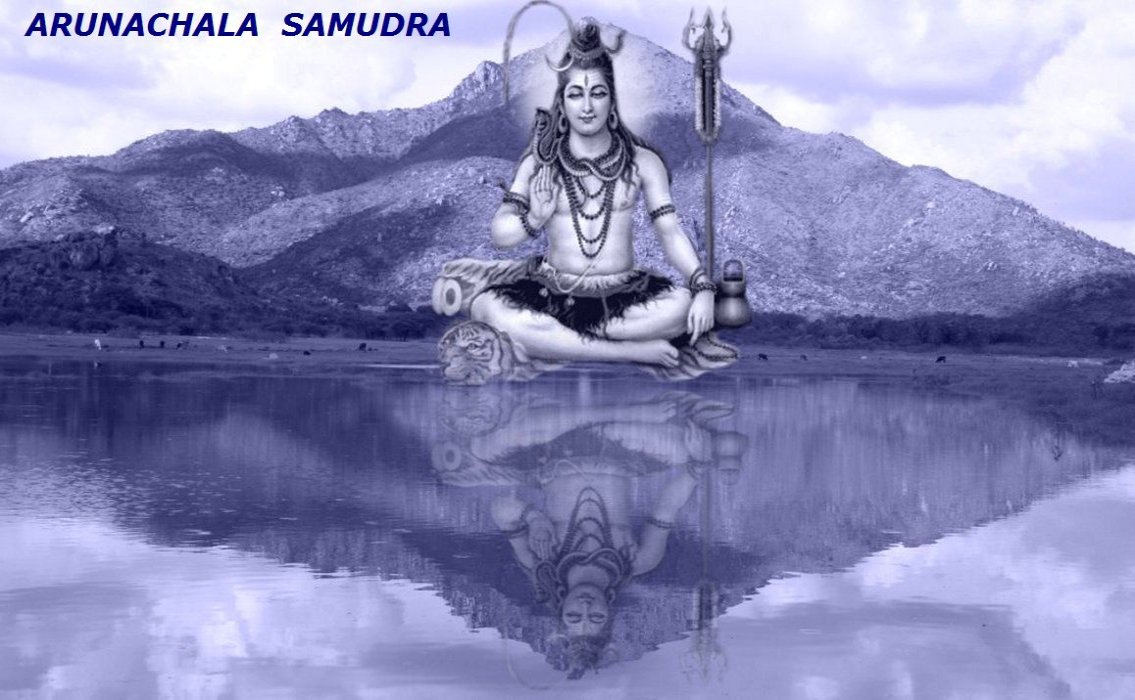
Tag: Lord Shiva

  • Ten Thousand Names of Shiva,Shiva Dasa Sahasranama

    Ten Thousand Names of Shiva,Shiva Dasa Sahasranama

    Shiva means auspiciousness,

    The Sanskrit word “Śiva” (Devanagari: शिव, transliterated as Shiva or Siva) means, states Monier Williams, “auspicious, propitious, gracious, benign, kind, benevolent, friendly”.The roots of Śiva in folk etymology is “śī” which means “in whom all things lie, pervasiveness” and vawhich means “embodiment of grace”.

    The word Shiva is used as an adjective in the Rig Veda, as an epithet for several Rigvedic deities, including Rudra. The term Shiva also connotes “liberation, final emancipation” and “the auspicious one”, this adjective sense of usage is addressed to many deities in Vedic layers of literature. The term evolved from the Vedic Rudra-Shiva to the noun Shiva in the Epics and the Puranas, as an auspicious deity who is the “creator, reproducer and dissolver”.

    Shiva In Thiruvannamalai.

    Sharma presents another etymology with the Sanskrit root śarv, which means “to injure” or “to kill”, interprets the name to connote “one who can kill the forces of darkness”.

    The Sanskrit word śaiva means “relating to the god Shiva”, and this term is the Sanskrit name both for one of the principal sects of Hinduism and for a member of that sect. It is used as an adjective to characterize certain beliefs and practices, such as Shaivism.

    Some authors associate the name with the Tamil word śivappu meaning “red”, noting that Shiva is linked to the Sun (śivan, “the Red one”, in Tamil) and that Rudra is also called Babhru (brown, or red) in the Rigveda. The Vishnu sahasranama interprets Shiva to have multiple meanings: “The Pure One”, and “the One who is not affected by three Guṇas of Prakṛti (Sattva, Rajas, and Tamas)”.

    Shiva is not directly mentioned in the Vedas ,nor are there any hymns addressed directly to Him.

    Shiva is mentioned in Sri Rudram   and is kept as a secret in the Rudram.

    Please my article on this and more posts on Shiva  .

    Though the Upanishads define the Reality Brahman as Nirguna,. without attributes/beyond attributes, the Vedas also sanction the worship of reality with forms, called Saguna Upasna.

    Many Devatas are worshiped by,

    Ashtotra,108 names,

    Trisati,300 names and

    Sahasranama,1000 names.

    Rudra,like other Gods,has Trisati too.

    What is surprising is that Shiva has Eight different sahasranamas(mentioned in the Anusashan parva of the Mahabharata)

    And Shiva has a Dasa Sahasranama  as well! ( Dasa ,hundred:Sahasra,1000;dasa sahasra is 10,000)

    It is very rare to come by.

    Sahasranama are medieval Indian texts that list a thousand names derived from aspects and epithets of a deity. There are at least eight different versions of the Shiva Sahasranama, devotional hymns (stotras) listing many names of Shiva. The version appearing in Book 13 (Anuśāsanaparvan) of the Mahabharata provides one such list.Shiva also has Dasha-Sahasranamas (10,000 names) that are found in the Mahanyasa. The Shri Rudram Chamakam, also known as the Śatarudriya, is a devotional hymn to Shiva hailing him by many names.

    Here is the Shiva dasa sahasra Nama.

     adhivaktA -Speaks in favour of devotees
          agriyaH -Foremost, Earliest
          ailabRidah -Feeder
          Akrandayat -One Who makes cry
          AlAdyaH -Giver of effect of the deeds
          aMbikaanaatha -the Lord of the (mother) Goddess
          AmIvatkebhyaH -Moving everywhere
          andhakaasurasUdana -Destroyer of andhakAsura
          andhasaspadiH -Food provider to devotees
          AnirhatebhyaH -Destroyer of sins
          aniishvara -the One having no superior
          anagha -the Flawless
          ashhTamuurti -the Eight formed
          anekaatman -the Soul of many, the Multiply present
          ahirbudhnya digaMbara -the Sky cladded
          ajaaya -the Unconquerable
          aparAjah -Defeatless
          apavargaprada -the Giver of fulfilment
          ApadsahAy -Helper in distress
          ananta -the Endless
          annapati -Lord of food materials
          aruNamUrti -the One in rising sun like form
          ahantya -Untorturable
          AtatAvin -With the string tied (ready) bow
          AtAryaH -Introducer to life
          auShdhIpati -the Lord of medicines/herbs
          avAryaH -Prayed by bonded people (in worldly life)
          avyaya -the Unmeasurable
          avyakta -the Non-manifest, Imperceptible
          avyagra -the Undistracted
          AvyAdinI pati -the Lord of removers of enemies
          auShadesh
          aghora
          aMbikApati
          avinAshi
          akshaya
          amala
          arkanayana
          Amravaneshvar
          AraNya sundar
          AdimUrti
          agniishvar
          AtmanAth
          amRitakalAnAth
          ApatsahAyam
          akshayalingesh
          avinAshi
          amRutagaTesh
          ardhanAriishvar
          aruNAchaleshwar
          abhiShekasundaram
          Adiratnesh
          airAvatesh
          amRitagaTesh
          akileshvar
          airAvathanAth
          agniishvar
          aghastiishvar
          B
    
          bhavaH -the Source
          bhiimaH -the Strong
          bhaktavatsala -the Compassionate One towards the devotee
          bhasmoddhuulita vigraha -the One appearing smeared in Ash
          bhujaN^gabhuushhaNa -the Snake ornated
          bharga giridhanva -the Mount bow-ed
          bhuutapati -the Head of elements
          bhagava -the God
          bhaganetrabhide -the Remover of the eye of bhaga
          bhiShak -the Doctor
          bhagavaH -God
          babhlushaH -Seated over the bull
          babhrurUpaH -the Golden one
          bhuvantiH -Philanthrophic
          bhava -the Source
          bhIma -Strong
          bhUteshvaraH -the God of elements(matter)
          bhUtanathaH -the Lord of elements
          balaH -the Strength
          bhavodbhava -the Source of the source
          bhuvanAAviveshaH -Penetrated in the world
          balavikaraNa
          balapramatana
          bhImasha.nkar
          bhUtanAth
          brahmapuriish
          bhagavAn
          bilvavaneshvar
          bhRihatiishvar
          bilvavanesh
    
    
          C
    
          chaaruvikrama -the Esteemed (beloved) Hero
          chandramauLi -the Moon crowned
          chandrashekara -the Refuge of moon
          chitrasabhApati
          chitsabhesh -the Chief of the hall of heart
          (Name of Lord at chidambam)
          chitambarnAth -(Name of Lord at chidambam)
          chitambaresh -(Name of Lord at chidambam)
          chAyavanesh
    
    
          D
    
          durdharshha -the Inviolable
          deva -deva, Divine, the Basic element (of world)
          daridra -(Appearing in the form of) poor
          devaH -Divine
          daxaadhvarahara -the Remover of daxa's sacrificial rite
          dishAmpati -Lord of directions
          devesh -the God of divines
          devadeva
          devagurunAth
          darbhAraNyesh
          dhayApar
    
    
          G
    
          gaNgaadhara -the Wearer of gaNga
          gaNanaatha -the Lord of organised group
          giriisha -the Lord of mounts
          girisha -the Lord on the mount
          gaNapati -the Lord of well organised groups (troops)
          giripriya -the Liker of mounts
          girisha.ntaH -Taken abode in the Mount (kailash)
          giritraH -Residing on the Mount
          gartasadaH -Resident of the lotus of the heart
          giricharaH -Walks over the mounts
          gaurIsh
          ganesh
          gR^idhapurIshwar
          gaNAdipa
          gaura
          gusumesh
          gaNakarta
          guNAkar
          gambhIraghosha
          guhAvAsi
          gabhasti
          gajAri
          gajasamhAri
          gajAntaka
          gajAnanAugraha
          gajAnanapriya
          gaNapatiishvar
          guNAGYa
          girijApati
          girijAnAth
          girijesh
          girIndra
          guhapriya
          gaNasevya
          girisamshraya
          gajacharmAmbara
          ghRishNeshvar
          gokarNeshwar
          gaurIvallabh
    
    
          H
    
          hiraNyaretas -the Golden viriled
          haraye -the Reddish-brown One
          hara -the Remover
          hiraNyabAhu -Golden shouldered
          harikesha -the Brown haired, the Green (leaves) haired
          hantr -Destroyer
          hiraNayavarNa
          hiraNyarUpa
          hiraNyapati
    
    
          I
    
          iishaanaH -the Master, Owner, Supreme
          iShudhimati -With the quiver
          iShumati -With arrows
    
          J
    
          jaTaadhara -the Matted haired
          jagadvyaapin -the Omnipresent in the world
          jagad.hguru -the Guide of the world
          jagatpati -the Lord of the world
          jambukeshvar
          jagatiishvar
    
    
          K
    
          kapardin -the Long (matted) haired
          khaTvaangi -the One with axe
          kapaali -the one adorned with skull
          kaamaari -the Enemy of (devA of) lust
          kaalakaala -the Death to death (the Time to deva of time)
          kRipaanidhi -the Grace wealth
          kailaashavaasi -the Resident of kailaash
          kavachin -the Armoured
          kaThora -the Firm, Hard
          kRittivaasa -the Tiger skin cladded
          khaNDaparashu -the sharp Axed
          kapardinaH -With long (matted) hair
          kAlAgnirudra -the rudra Who after the specified period
          terminates things with an agni
          kirikebhyaH -In the forms that showers wealth to devotees
          kRittimvasAnaH -Cladded in tiger skin
          kAmAri -the Enemy of lust
          kapAli -Adorned with skull
          kuNYchitapAdam -Raised Foot
          kanaka sabhapati -the Head of the golden hallx
          kalyANa sundar -Beautiful Groom/ Auspicious & Charmful
          kalavikaraNa
          kedhAreshvar
          kundaLnAth
          kAlasamhAri
          karkkaTesh
          koThiishvar
          kumbesh
          kokilesh
          kAlasamhAramUrti
          kALakaNThesh
          kAyArohaNesh
          koNeshvar
          kAshyAraNya
          kalpakanAth
          koNeshvar
          ketiishvar
          kaTambavanasundram
          kanakasabhApati
    
    
          L
    
          lalaaTaaksha -the Forehead eyed
          lalATanayana
    
    
          M
    
          mahaadeva -the Great deva, the Highly divine,
          the Great Basic element
          mahat -the Great
          maheshvara -the Great God
          mayobhavaH -the Source of (liberated) bliss
          mayaskara -the Liberator
          mRigapaaNi -the Animal (Deer) handed
          mRityu.njaya -the One who conquered the death
          mahaasenajanaka -the One gave birth to the great commandor
          (mahaa sena - subraHmanya)
          mRiDa -the One who makes joyful
          mRiDaH -Kindler of happiness
          mIDhuShaH -Philanthrophic giver of requested boons
          mIDhuShTamaH -Kindles the love (desire) for Him
          mahAdeva -the Great divine
          mRityu~njaya -Won the death (Immortal)
          manmatAri -the Enemy of cupid(lust)
          mRigapAni -One holding the animal(deer)
          maheshvaraH -the Great God
          ma~njunAth -the Lovely Lord
          mahAlakshmiish -Name of Lord at thiruninRiyUr
          manonmana
          mallikArjuna
          mahAkAleshvar
          mAtRibhUtesh
          mANikya varada
          maragatAchaleshvar
          mahAlingam
          mAyUranAth
          ma~NgaLnAth
          maNDaleshvar
          mantrapuriish
          miinAkshisundram
          mANikyavarada
          mahAbaleshwar
          mallikArjun
    
          N
    
          niilalohita -the Blue-Red One
          nIlagrIvaH -the Black throated
          nIlakaNTha -Black throated
          nivyAdin -Remover of enemies
          niSha~NgiNaH -With sword
          naTarAja -the King of dance
          naTesh -the Lord of dance
          nAgeshvar
          nandi
          nayanatraya
          nirmal
          nIlakNTha
          niilakaNTh
          nIlakaNTheshvar
          nityasundar
          navaniitanAth
          nandIshvar
          niilAchalesh
    
    
          O
    
          oMkAreshvar
    
          P
    
          parameshvara -the Supreme God
          pashupatiH -the Lord of creatures
          pinaaki -the One with pinaaka bow
          parashuhasta -the Axe handed
          paramaatman -the Supreme soul
          panchavaktra -the Five faced
          prajaapati -the President of the people(citizens)
          puraaraataye -the Enemy of puras (tripura)
          pramathaadhipa -the Lord of pramatha gaNas
          (attendants/ soldiers of Lord shiva)
          paashavimochaka -the Liberator of bonds
          pashupati -the Lord of creatures (souls)
          puushhadantabhide -the Breaker of sun's tooth
          prathamodevaH -the Prime divine
          pashupati -Lord of creatures/lives/ souls
          pathInAmpati -the Lord of the ways
          prathama -Prime
          pAryaH -Praised by liberated people
          prataraNaH -the Uplifter
          pulasthiH -Forthcoming to protect devotees
          puShTivardhanaH -Grower of nourishment
          prabhuH -the Lord
          puraripuH -the Enemy of city(daemon)
          pinAki -(Holding the) pinAka (bow)
          parashupAni -One holding the axe
          pashupati
          paNYchakRitya
          pArvatIvallabh
          parApara
          paramAnand
          pataNYchaliish
          pashupati nAth
          purANesh
          pa~nchavarNeshvar
          pashupatinaath
          pArvatiish
          pata~nchalimanohar
          palAshavanesh
          pAtALanAth
    
    
          R
    
          rudraH -the remover of suffering, formidable
          rohitaH -the Red one
          RiShabhadvaja -With the flag of bull (justice)
          rAmalingaM
          rAmeshvar
          ravinayana
          ratnagiriishvar
          rAmanAth
          ratnagiriishvar
          rAmeshvar
          rajatasabhApati
          ratnasabhApati
    
    
          S
    
          shiva -the Auspicious, the Perfect
          sharvaH -the Remover of sins
          shaMbhu -the source of auspiciousnous
          shashishekhara -Adorned with Moon
          shankara -the Doer of good
          shuulapaaNi -the One with trident
          shipivishhTa -the One encircled in luminance
          shriikaNTha -the Splendid throated
          shitikaNTha -the White throated
          shivaapriya -the Lover of shivai (shakti)
          saamapriya -Pleased with saama (veda)
          svaramaya -Musicful (Full of sound)
          sarvaGYa -Omniscient
          somasuuryaagnilocha na -moon, sun and fire eyed
          soma -the One with uma (Also refers to moon)
          sadaashiva -the Eternal Shiva (auspicious)
          suuxmatanu -the Cryptic formed
          sthaaNu -the Stable, Firm
          saatvika -the Virtuous
          shuddavigraha -the Pure Formed, the Clear appearing
          shaashvata -the Permanent
          sahasraaksha -the Thousands of eyed
          sahasrapade -the Thousands worded (named)/staged/ footed
          sahasrAxaH -thousands of eyed
          shateShudhaH -With hundreds of quiver
          sarveshvara -Lord of everything
          sadAshiva -Always perfect/auspicious
          saspi~njaraH -Wheatish like a tender straw
          sthapati -Staying well (in all things) and protecting
          stenAnAmpati -the Chief of thieves
          sabhApati -the Chief of the court
          sharva -the Destoryer (of sin)
          shitikaNTha -the White throated
          shipiviShTa -the Radiant
          soma -Accompanied by uma
          sha~NgaH -Activator of goodness
          shambhavaH -the Source of goodness
          shivaH -the Auspicious, the Perfect
          shivatara -Transforms (people/things) to
          Perfection/Auspicio usness
          sRikAvantaH -With sharp weapons
          sugandhin -Nice odoured
          stiraH -the Stable
          shivatama -One in Auspicious/perfect form
          smarAri -the Enemy of cupid(lust)
          shreShTa -the Good/Ideal
          smarAntakaH -the Terminator of cupid(lust)
          sarvabhUtadamana -Pervading all matter
          somanAth -the Lord of moon
          sabhApati -the Chief of the learnt
          (Name of Lord at chidambam)
          shivayoga tyAgesh
          sundaresh
          svetAraNyesh
          sadyojAta
          somanayana
          swarNapuriish
          swayambhunAth
          saptagiriish
          sAkshinAth
          shabdapuriish
          shivaloka nAth
          satya vAkiishvar
          saundaesh
          someshwar
          shanpakAraNyesh
          sakalabhuvaneshvar
          shivAnand
          siddanAth
          satguNanAth
          saundaranAth
          sAkshinAth
          sarpapuriish
          sundareshvar
          somasundram
          sangameshwar
          shiShTagurunAth
    
    
          T
    
          tAra -In the form of praNavam
          tavas -Austerous
          taaraka -the Protector
          tripurAri -the Enemy of tripurAsuras( three city
          daemons)
          tripuraharaH -the Remover of three cities(daemons)
          tyAgarAja -the King of sacrifices
          tyAgesh -the Lord of sacrifices
          trinetra -Three eyed
          tIrtha -In holy waters
          tryambaka -the Three eyed
          tripurAntaka -the Terminator of three cities
          trikAgnikAla -the Time (destiny) for three fires
          tAmramUrti -the One in copperlike form
          taskarANAmpati -Chief of robbers
          tviShImAn -Shining
          trayiimuurti -the Trinity
          trilokesha -the God of three worlds
          tAmrasabhApati
          trinayana
    
    
          U
    
          umAmaheshvaraH -the Great God with umA
          ugraH -the Fierce
          ugra -Fierce
          upaviitin -the Thread wearing
          uttaraNaH -the Rescuer
          upahatnumugraH -Fierce in destruction
          umAmahesh
          umApati
          Urdva tANDava
          uttaravediishvar
          umAvallabh
    
          V
    
          vaamadeva -the Charming Divine
          viruupaaksha -the Strange formed and eyed
          vishvAAviveshaH -Penetrated in the universe
          vishvabheShajaH -the Medicine for the universe / all
          sufferings
          viShNu -Omnipresent
          vRishadvaja -With the flag of bull (justice)
          vRiShArUDha -Riding the bull
          virUpa -In strange (special/unique) form
          vikirida -Showerer of wealth, Strange deedful
          vishvanathaH -the Lord of the world
          vixINakaH -Indiminishing
          vichinvatkaH -Bestower of wanted boons
          vArivaskRitaH -the Grace showering
          vishveshvara -Lord of the universe
          vilohitaH -the Admirable (Strange) red in color
          vishveshvara -the God of the world
          viirabhadra -Rich in valour
          vyomakesha -the Widespread (in space) haired
          vishhNuvallabha -Beloved by viShNu
          vR^ishhaa.nkaa -the One on the bull
          vR^ishhabhaaruuDha -the Bull mounting
          varavRidda
          vaTamUlaka
          vanmIkanAth
          vardhamAneshvar
          vedAraNyesh
          vedagiriish
          vedanAyak
          vENuvananAth
          vikirteshvar
          vedapuriish
          vaidyanAth
          vijayanAth
          vyAghrapuriish
          vajrasthambesh
          vedagIta
          visheshvar
          vibhuH
    
    
          X
    
          xayadvIraH -Victorious over enemies
          xetrapati -Lord of the body
    
    
          Y
    
          yaGYamaya -Complete in spiritual rites
          yuvAnaH -Youthful
          yaGYAri
          yogAnanda
    
          Om Sai Ram

    Kindly check and inputs,corrections welcome.

    An excellent site for rare information is provided in the Link below.

    Source of the Dasa sahasranama  quoted here in Public interest with no commercial interest .

    https://www.mail-archive.com/saimsg@googlegroups.com/msg03228.html

    Reference and citation.

    https://en.wikipedia.org/wiki/Shiva#Etymology_and_other_nameshttps://en.wikipedia.org/wiki/Shiva#Etymology_and_other_names

  • 1008 Temples Of Shiva Base Kailash

    The Siva Rahasya Lists 1008 Abodes of Lord Shiva with Mount Kailash at the center.


    The names of these Abodes contain the word ‘Ishvara’


    I have not been able to link them with places .


    Shiva dances..gif
    Shiva Tandava.


    However these names, if we remove the portion ‘Ishwaram’, we can find the names of the Murthis of Shiva spread around India.


    It is safe to read this removing the  ‘Ishwaram’ as Ishwara means ‘personal God’


    This is an Epithet.


    I shall check whether all the names mentioned are found in the Temples of India.


    There are cities of these names also, like Dauleswaram ,Rameswaram.


    The List of one thousand and eight abodes of Lord Shiva.


    1 shrI kailAsheshvaram श्री कैलाशेश्वरम्
    2 bhUteshvaram भूतेश्वरम्
    3 ambikeshvaram अम्बिकेश्वरम्
    4 sureshvaram सुरेश्वरम्
    5 gaNeshvaram गणेश्वरम्
    6 skandeshvaram स्कन्देश्वरम्
    7 tArakeshvaram तारकेश्वरम्
    8 gangeshvaram गन्गेश्वरम्
    9 nandikeshvaram नन्दिकेश्वरम्
    10 bRingIshvaram बिन्गीश्वरम्
    11 pALakeshvaram पाळकेश्वरम्
    12 caNDIshvaram चण्डीश्वरम्
    13 munycukeshvaram मुन्य्चुकेश्वरम्
    14 ratneshvaram रत्नेश्वरम्
    15 kendakeshvaram केन्दकेश्वरम्
    16 garbheshvaram गर्भेश्वरम्
    17 vIreshvaram वीरेश्वरम्
    18 jyeshTeshvaram ज्येश्टेश्वरम्
    19 gusumeshvaram गुसुमेश्वरम्
    20 vIrabhadreshvaram वीरभद्रेश्वरम्
    21 kandhukeshvaram कन्धुकेश्वरम्
    22 paNIshvaram पणीश्वरम्
    23 suteshvaram सुतेश्वरम्
    24 kapartIshvram कपर्तीश्व्रम्
    25 rudreshvaram रुद्रेश्वरम्
    26 bhairaveshvaram भैरवेश्वरम्
    27 mAruteshvaram मारुतेश्वरम्
    28 vidIshvaram विदीश्वरम्
    29 sudIshvram सुदीश्व्रम्
    30 daNDukeshvaram दण्डुकेश्वरम्
    31 maheshvaram महेश्वरम्
    32 umeshvaram उमेश्वरम्
    33 kapanthIshvaram कपन्थीश्वरम्
    34 bhadrakarNeshvaram भद्रकर्णेश्वरम्
    35 vegeshvaram वेगेश्वरम्
    36 viShNIshvaram विष्णीश्वरम्
    37 vairAdeshvaram वैरादेश्वरम्
    38 amareshvaram अमरेश्वरम्
    39 sanAthaneshvaram सनाथनेश्वरम्
    40 sundeshvaram सुन्देश्वरम्
    41 sAnandeshvaram सानन्देश्वरम्
    42 janeshvaram जनेश्वरम्
    43 vikrameshvaram विक्रमेश्वरम्
    44 karavIreshvaram करवीरेश्वरम्
    45 nishdeshvaram निश्देश्वरम्
    46 vaTeshvaram वटेश्वरम्
    47 kaccabeshvaram कच्चबेश्वरम्
    48 kAshyapeshvaram काश्यपेश्वरम्
    49 AvaTTeshvaram आवट्टेश्वरम्
    50 akaraNIshvaram अकरणीश्वरम्
    51 kalakeshvaram कलकेश्वरम्
    52 koDalikeshvaram कोडलिकेश्वरम्
    53 padmeshvaram पद्मेश्वरम्
    54 mahadeshvaram महदेश्वरम्
    55 tukuNDeshvaram तुकुण्डेश्वरम्
    56 ukuNDeshvaram उकुण्डेश्वरम्
    57 saureshvaram सौरेश्वरम्
    58 varuNeshavaram वरुणेशवरम्
    59 karuNeshvaram करुणेश्वरम्
    60 vaidyudeshvaram वैद्युदेश्वरम्
    61 moksheshvaram मोक्शेश्वरम्
    62 daNDakeshvaram दण्डकेश्वरम्
    63 maNDalIshvaram मण्डलीश्वरम्
    64 kuNDalIshvaram कुण्डलीश्वरम्
    65 kaNTeshvaram कण्टेश्वरम्
    66 pANDavIshvaram पाण्डवीश्वरम्
    67 kaNiTeshvaram कणिटेश्वरम्
    68 garuDeshvaram गरुडेश्वरम्
    69 chandreshvaram चन्द्रेश्वरम्
    70 ananteshvaram अनन्तेश्वरम्
    71 karttameshvaram कर्त्तमेश्वरम्
    72 amUrteshvaram अमूर्तेश्वरम्
    73 vabrukeshvaram वब्रुकेश्वरम्
    74 vAkurIshvaram वाकुरीश्वरम्
    75 varmakeshvaram वर्मकेश्वरम्
    76 vaDuvattireshvaram वडुवत्तिरेश्वरम्
    77 bramareshvaram ब्रमरेश्वरम्
    78 mRigandireshvaram मिगन्दिरेश्वरम्
    79 hiraNyeshvaram हिरण्येश्वरम्
    80 bhavIshvaram भवीश्वरम्
    81 agnityeshvaram अग्नित्येश्वरम्
    82 sannathIshvaram सन्नथीश्वरम्
    83 bRihadIshvaram बिहदीश्वरम्
    84 raNeshvaram रणेश्वरम्
    85 kirAteshvaram किरातेश्वरम्
    86 karttakeshvaram कर्त्तकेश्वरम्
    87 vaShiShTeshvaram वषिष्टेश्वरम्
    88 guNitambeshvaram गुणितम्बेश्वरम्
    89 kuruNTeshvaram कुरुण्टेश्वरम्
    90 nAmeshvaram नामेश्वरम्
    91 kapAleshvaram कपालेश्वरम्
    92 sureshvaram सुरेश्वरम्
    93 ahirbudnyeshvaram अहिर्बुद्न्येश्वरम्
    94 jamadagnIshvram जमदग्नीश्व्रम्
    95 vishvAmitreshvaram विश्वामित्रेश्वरम्
    96 rAvaNeshvaram रावणेश्वरम्
    97 balIshvaram बलीश्वरम्
    98 manonmaNIshvram मनोन्मणीश्व्रम्
    99 sudAdarameshvaran सुदादरमेश्वरन्
    100 mArttANDeshvaram मार्त्ताण्डेश्वरम्
    101 lalantIshvaram ललन्तीश्वरम्
    102 suvallaLIshvaram सुवल्लळीश्वरम्
    103 dhurveshvaram धुर्वेश्वरम्
    104 gandarveshvaram गन्दर्वेश्वरम्
    105 vishvakeshvaram विश्वकेश्वरम्
    106 pATibhadreshvaram पाटिभद्रेश्वरम्
    107 kalpeshvaram कल्पेश्वरम्
    108 marIthannIshvaram मरीथन्नीश्वरम्
    109 sadoraNeshvaram सदोरणेश्वरम्
    110 akratIshvaram अक्रतीश्वरम्
    111 utpaleshvaram उत्पलेश्वरम्
    112 mhendreshvaram म्हेन्द्रेश्वरम्
    113 dhANDIshvaram धाण्डीश्वरम्
    114 pariteshvaram परितेश्वरम्
    115 yauvaneshvaram यौवनेश्वरम्
    116 apattareshvaram अपत्तरेश्वरम्
    117 prAtIshavaram प्रातीशवरम्
    118 sannukeshvaram सन्नुकेश्वरम्
    119 gomeshvaram गोमेश्वरम्
    120 abhileshvaram अभिलेश्वरम्
    121 vishAleshvaram विशालेश्वरम्
    122 simhakeshvaram सिम्हकेश्वरम्
    123 kaNTAkarNeshvaram कण्टाकर्णेश्वरम्
    124 vyAgreshvaram व्याग्रेश्वरम्
    125 jambhukeshvaram जम्भुकेश्वरम्
    126 laLiteshvaram लळितेश्वरम्
    127 amurthIshvaram अमुर्थीश्वरम्
    128 vedeshvaram वेदेश्वरम्
    129 DiNDikeshvaram डिण्डिकेश्वरम्
    130 kakoLeshvaram ककोळेश्वरम्
    131 dvarIshvaram द्वरीश्वरम्
    132 vENutAreshvaram वॆणुतारेश्वरम्
    133 jayanteshvaram जयन्तेश्वरम्
    134 madhyameshvaram मध्यमेश्वरम्
    135 sangameshvaram सन्गमेश्वरम्
    136 gatIshvaram गतीश्वरम्
    137 vidrutkarabeshvaram विद्रुत्करबेश्वरम्
    138 tripureshvaram त्रिपुरेश्वरम्
    139 harIshvaram हरीश्वरम्
    140 balapramadaneshvaram बलप्रमदनेश्वरम्
    141 sarvabhUgameshvaram सर्वभूगमेश्वरम्
    142 ukInareshvaram उकीनरेश्वरम्
    143 kaRpeshvaram कपेश्वरम्
    144 matrikeshvaram मत्रिकेश्वरम्
    145 tantreshvaram तन्त्रेश्वरम्
    146 sAmakeshvaram सामकेश्वरम्
    147 vyomakeshvaram व्योमकेश्वरम्
    148 tikIshvaram तिकीश्वरम्
    149 kapAlamOcaneshvaram कपालमॊचनेश्वरम्
    150 maNikalpeshvaram मणिकल्पेश्वरम्
    151 sAdhukarneshvaram साधुकर्नेश्वरम्
    152 nirgIshvaram निर्गीश्वरम्
    153 pATalIshvaram पाटलीश्वरम्
    154 karNikeshvaram कर्णिकेश्वरम्
    155 candrakeshvaram चन्द्रकेश्वरम्
    156 pingaLeshvaram पिन्गळेश्वरम्
    157 shileshvaram शिलेश्वरम्
    158 madvIshvaram मद्वीश्वरम्
    159 vAmakeshvaram वामकेश्वरम्
    160 vinateshvaram विनतेश्वरम्
    161 sashIshvaram सशीश्वरम्
    162 kakuteshvaram ककुतेश्वरम्
    163 mukundeshvaram मुकुन्देश्वरम्
    164 bhavAnIshvaram भवानीश्वरम्
    165 shanIshvaram शनीश्वरम्
    166 vRiShabheshvaram विषभेश्वरम्
    167 deNikeshvaram देणिकेश्वरम्
    168 savreshvaram सव्रेश्वरम्
    169 gaNeshvaram गणेश्वरम्
    170 Riksheshvaram इक्शेश्वरम्
    171 candreshbaram चन्द्रेश्बरम्
    172 macceshvaram मच्चेश्वरम्
    173 bhAvaneshvaram भावनेश्वरम्
    174 turangeshvaram तुरन्गेश्वरम्
    175 matangeshvaram मतन्गेश्वरम्
    176 gANateshvaram गाणतेश्वरम्
    177 bindukeshvaram बिन्दुकेश्वरम्
    178 kaNDakIshvaram कण्डकीश्वरम्
    179 narmadeshvaram नर्मदेश्वरम्
    180 anileshvaram अनिलेश्वरम्
    181 pichanDileshvaram पिचन्डिलेश्वरम्
    182 antarIshvaram अन्तरीश्वरम्
    183 kanakeshvaram कनकेश्वरम्
    184 sureshvaram सुरेश्वरम्
    185 sadyojAteshvaram सद्योजातेश्वरम्
    186 lakuLIshvaram लकुळीश्वरम्
    187 pilaveshvaram पिलवेश्वरम्
    188 someshvaram सोमेश्वरम्
    189 vAraNeshvaram वारणेश्वरम्
    190 cApeshvaram चापेश्वरम्
    191 jaTeshvaram जटेश्वरम्
    192 pangakAreshvaram पन्गकारेश्वरम्
    193 muktakeshvaram मुक्तकेश्वरम्
    194 rAgeshvaram रागेश्वरम्
    195 balUkeshvaram बलूकेश्वरम्
    196 virAgeshvaram विरागेश्वरम्
    197 kirttaneshvaram किर्त्तनेश्वरम्
    198 anasIshvaram अनसीश्वरम्
    199 urageshvaram उरगेश्वरम्
    200 karoreshvaram करोरेश्वरम्
    201 dardareshvaram दर्दरेश्वरम्
    202 uravarIshvaram उरवरीश्वरम्
    203 shabreshvaram शब्रेश्वरम्
    204 dAvyeshvaram दाव्येश्वरम्
    205 virAyakeshvaram विरायकेश्वरम्
    206 maNikaNTeshvaram मणिकण्टेश्वरम्
    207 arandaneshvaram अरन्दनेश्वरम्
    208 pArvatIshvaram पार्वतीश्वरम्
    209 vidrumeshvaram विद्रुमेश्वरम्
    210 lateshvaram लतेश्वरम्
    211 virincheshvaram विरिन्चेश्वरम्
    212 gaRbeshvaram गबेश्वरम्
    213 prasanneshvaram प्रसन्नेश्वरम्
    214 vishveshvaram विश्वेश्वरम्
    215 pArbhUteshvaram पार्भूतेश्वरम्
    216 lokeshavram लोकेशव्रम्
    217 prANIsheshvaram प्राणीशेश्वरम्
    218 andhakeshavram अन्धकेशव्रम्
    219 muktikeshvaram मुक्तिकेश्वरम्
    220 arigakeshvaram अरिगकेश्वरम्
    221 RiShIshvaram इषीश्वरम्
    222 parishvaram परिश्वरम्
    223 jalandhareshvaram जलन्धरेश्वरम्
    224 shvetasuvIshvaram श्वेतसुवीश्वरम्
    225 bigeshvaram बिगेश्वरम्
    226 raibhyeshvaram रैभ्येश्वरम्
    227 kusumanteshvaram कुसुमन्तेश्वरम्
    228 kankaNeshvaram कन्कणेश्वरम्
    229 brageshvaram ब्रगेश्वरम्
    230 vidyAdareshvaram विद्यादरेश्वरम्
    231 nileshvaram निलेश्वरम्
    232 kaTchiveshvaram कट्चिवेश्वरम्
    233 prabheshvaram प्रभेश्वरम्
    234 maruteshvaram मरुतेश्वरम्
    235 kuntIshvaram कुन्तीश्वरम्
    236 svargeshvaram स्वर्गेश्वरम्
    237 malayeshvaram मलयेश्वरम्
    238 mangaNeshvaram मन्गणेश्वरम्
    239 sAgathIshvaram सागथीश्वरम्
    240 vibhuteshvaram विभुतेश्वरम्
    241 girIshvaram गिरीश्वरम्
    242 kalaksheshvaram कलक्शेश्वरम्
    243 nikUraNeshvaram निकूरणेश्वरम्
    244 goraksheshvaram गोरक्शेश्वरम्
    245 vAcakeshvaram वाचकेश्वरम्
    246 gandharbeshvaram गन्धर्बेश्वरम्
    247 sUryakeshvaram सूर्यकेश्वरम्
    248 puShTeshvaram पुष्टेश्वरम्
    249 duShTakeshvaram दुष्टकेश्वरम्
    250 kanyeshvaram कन्येश्वरम्
    251 dhavaLeshvaram धवळेश्वरम्
    252 sAdhukarNeshvaram साधुकर्णेश्वरम्
    253 kandhabhadreshvaram कन्धभद्रेश्वरम्
    254 chakreshvaram चक्रेश्वरम्
    255 aruNeshvaram अरुणेश्वरम्
    256 athalAbhyeshvaram अथलाभ्येश्वरम्
    257 bhageshvaram भगेश्वरम्
    258 triyamalakeshvaram त्रियमलकेश्वरम्
    259 gautameshvaram गौतमेश्वरम्
    260 kaleshvaram कलेश्वरम्
    261 vitaNDeshvaram वितण्डेश्वरम्
    262 gaTeshvaram गटेश्वरम्
    263 vArakeshavram वारकेशव्रम्
    264 kuleshvaram कुलेश्वरम्
    265 kedhAreshavram केधारेशव्रम्
    266 baleshvaram बलेश्वरम्
    267 gAruteshvaram गारुतेश्वरम्
    268 patangeshvaram पतन्गेश्वरम्
    269 kinnareshvaram किन्नरेश्वरम्
    270 amRiteshvaram अमितेश्वरम्


    Temples In the Southern Side of Kailash

    1 agoreshvaram अगोरेश्वरम्
    2 kApAleshavram कापालेशव्रम्
    3 kakureshvaram ककुरेश्वरम्
    4 analeshvaram अनलेश्वरम्
    5 indreshvaram इन्द्रेश्वरम्
    6 yameshvaram यमेश्वरम्
    7 dRitIshvaram दितीश्वरम्
    8 nabeshvaram नबेश्वरम्
    9 utArvareshvaram उतार्वरेश्वरम्
    10 dakshiNAvarttakeshvaram दक्शिणावर्त्तकेश्वरम्
    11 bikaNTeshvaram बिकण्टेश्वरम्
    12 kuTAreshvaram कुटारेश्वरम्
    13 mAnaveshvaram मानवेश्वरम्
    14 kuleshvaram कुलेश्वरम्
    15 mesApakeshvaram मेसापकेश्वरम्
    16 maunikeshvaram मौनिकेश्वरम्
    17 arccaneshvaram अर्च्चनेश्वरम्
    18 kavIshvaram कवीश्वरम्
    19 bhagadatteshvaram भगदत्तेश्वरम्
    20 nakusheshvaram नकुशेश्वरम्
    21 appritIshvaram अप्प्रितीश्वरम्
    22 tankaNeshvaram तन्कणेश्वरम्
    23 manmadeshvaram मन्मदेश्वरम्
    24 ratIshvaram रतीश्वरम्
    25 kaNDakeshvaram कण्डकेश्वरम्
    26 pANDireshvaram पाण्डिरेश्वरम्
    27 vaneshvaram वनेश्वरम्
    28 purantarIshvaram पुरन्तरीश्वरम्
    29 baleshvaram बलेश्वरम्
    30 kAraNeshvaram कारणेश्वरम्
    31 dhAraNeshvaram धारणेश्वरम्
    32 kRittivAseshvaram कित्तिवासेश्वरम्
    33 janArddaneshvaram जनार्द्दनेश्वरम्
    34 vishveshvaram विश्वेश्वरम्
    35 mahakAleshvaram महकालेश्वरम्
    36 sarasvatIshvaram सरस्वतीश्वरम्
    37 lakshmIshvaram लक्श्मीश्वरम्
    38 sashIshvaram सशीश्वरम्
    39 chakrakeshvaram चक्रकेश्वरम्
    40 pulakeshvaram पुलकेश्वरम्
    41 madhyameshvaram मध्यमेश्वरम्
    42 kakIshvaram ककीश्वरम्
    43 vidyeshvaram विद्येश्वरम्
    44 pannakeshvaram पन्नकेश्वरम्
    45 kirttaneshvaram किर्त्तनेश्वरम्
    46 nireshvaram निरेश्वरम्
    47 dvAdasheshvaram द्वादशेश्वरम्
    48 rAtreshvaram रात्रेश्वरम्
    49 saunakeshvaram सौनकेश्वरम्
    50 raNabhadreshvaram रणभद्रेश्वरम्
    51 SheSheshvaram षेषेश्वरम्
    52 vAsukIshvaram वासुकीश्वरम्
    53 shankapAleshvaram शन्कपालेश्वरम्
    54 citragupteshvaram चित्रगुप्तेश्वरम्
    55 dhaNDapANIshvaram धण्डपाणीश्वरम्
    56 durgeshvaram दुर्गेश्वरम्
    57 cArcceshvaram चार्च्चेश्वरम्
    58 amseshvaram अम्सेश्वरम्
    59 mayUreshvaram मयूरेश्वरम्
    60 cakravAgeshvaram चक्रवागेश्वरम्
    61 mandaraneshvaram मन्दरनेश्वरम्
    62 apsareshvaram अप्सरेश्वरम्
    63 mOkshakeshvaram मॊक्शकेश्वरम्
    64 bhUdhAreshvaram भूधारेश्वरम्
    65 pateshvaram पतेश्वरम्
    66 anaraNyeshvaram अनरण्येश्वरम्
    67 bAgudeshavram बागुदेशव्रम्
    68 veNeshvaram वेणेश्वरम्
    69 gautukeshvaram गौतुकेश्वरम्
    70 gusireshvaram गुसिरेश्वरम्
    71 virddaneshvaram विर्द्दनेश्वरम्
    72 nirakeshvaram निरकेश्वरम्
    73 pAjanyeshvaram पाजन्येश्वरम्
    74 ramateshvaram रमतेश्वरम्
    75 hATakeshvaram हाटकेश्वरम्
    76 nadIshvaram नदीश्वरम्
    77 virodeshvaram विरोदेश्वरम्
    78 kankaNeshavram कन्कणेशव्रम्
    79 rabaseshvaram रबसेश्वरम्
    80 pulastyeshvaram पुलस्त्येश्वरम्
    81 virddakALeshvaram विर्द्दकाळेश्वरम्
    82 baradvAjeshvaram बरद्वाजेश्वरम्
    83 sAgareshvaram सागरेश्वरम्
    84 rameshvaram रमेश्वरम्
    85 vlekineshvaram व्लेकिनेश्वरम्
    86 chitreshvaram चित्रेश्वरम्
    87 bharatakeshvaram भरतकेश्वरम्
    88 piNDAreshvaram पिण्डारेश्वरम्
    89 vaneshvaram वनेश्वरम्
    90 tilakeshvaram तिलकेश्वरम्
    91 dirveshvaram दिर्वेश्वरम्
    92 birveshvaram बिर्वेश्वरम्
    93 nalaveshvaram नलवेश्वरम्
    94 ShIriNIshvaram षीरिणीश्वरम्
    95 dhaneshvaram धनेश्वरम्
    96 karantameshvaram करन्तमेश्वरम्
    97 goveshvaram गोवेश्वरम्
    98 kRishNeshvaram किश्णेश्वरम्
    99 parnakeshvaram पर्नकेश्वरम्
    100 gangAdhareshvaram गन्गाधरेश्वरम्
    101 mauneshvaram मौनेश्वरम्
    102 gurubhadreshvaram गुरुभद्रेश्वरम्
    103 kamadhaLeshvaram कमधळेश्वरम्
    104 saraLeshvaram सरळेश्वरम्
    105 dhALeshvaram धाळेश्वरम्
    106 pilavakeshvaram पिलवकेश्वरम्
    107 shikaNTishvaram शिकण्टिश्वरम्
    108 bhargIshvaram भर्गीश्वरम्
    109 baLaineshvaram बळैनेश्वरम्
    110 paNAmaNIshvaram पणामणीश्वरम्
    111 rAmeshvaram रामेश्वरम्
    112 lakshmaNeshvaram लक्श्मणेश्वरम्
    113 aruntatIshvaram अरुन्ततीश्वरम्
    114 bhaShiyeshvaram भषियेश्वरम्
    115 kushalIshvaram कुशलीश्वरम्
    116 salIshvaram सलीश्वरम्
    117 uttAlakeshvaram उत्तालकेश्वरम्
    118 nagatanjareshvaram नगतन्जरेश्वरम्
    119 parnakeshvaram पर्नकेश्वरम्
    120 chANDilyeshvaram चाण्डिल्येश्वरम्
    121 sAkaleshvaram साकलेश्वरम्
    122 sthaleshvaram स्थलेश्वरम्
    123 arindreshvaram अरिन्द्रेश्वरम्
    124 kunkumeshvaram कुन्कुमेश्वरम्
    125 nAgottArakeshvaran नागोत्तारकेश्वरन्
    126 sukeshvaram सुकेश्वरम्
    127 gyAnakeshvaram ग्यानकेश्वरम्
    128 bhuktIshvaram भुक्तीश्वरम्
    129 muktikeshvaram मुक्तिकेश्वरम्
    130 RiNamochaneshvaram इणमोचनेश्वरम्
    131 kAntIshvaram कान्तीश्वरम्
    132 dharmeshvaram धर्मेश्वरम्
    133 bhAvaLeshvaram भावळेश्वरम्
    134 pavaneshvaram पवनेश्वरम्
    135 kAnyceshavram कान्य्चेशव्रम्
    136 gOkarNeshavram गॊकर्णेशव्रम्
    137 sareshvaram सरेश्वरम्
    138 pATIshvaram पाटीश्वरम्
    139 chalikeshvaram चलिकेश्वरम्
    140 vIdigotreshvaram वीदिगोत्रेश्वरम्
    141 nIleshvaram नीलेश्वरम्
    142 bhImeshvaram भीमेश्वरम्
    143 shankareshvaram शन्करेश्वरम्
    144 amRiteshvaram अमितेश्वरम्
    145 pArijAteshvaram पारिजातेश्वरम्
    146 mandareshvaram मन्दरेश्वरम्
    147 jaTeshvaram जटेश्वरम्
    148 trijaTeshvaram त्रिजटेश्वरम्
    149 pradAneshvaram प्रदानेश्वरम्
    150 mAruteshvaram मारुतेश्वरम्
    151 bhaveshvaram भवेश्वरम्
    152 nakshtreshvaram नक्श्त्रेश्वरम्
    153 sthalakeshvaram स्थलकेश्वरम्
    154 mallikeshvaram मल्लिकेश्वरम्
    155 kukusheshvaram कुकुशेश्वरम्
    156 roga hareshvaram रोग हरेश्वरम्
    157 trisakeshvaram त्रिसकेश्वरम्
    158 dhaneshavram धनेशव्रम्
    159 kapardineshvaram कपर्दिनेश्वरम्
    160 tANDaleshvaram ताण्डलेश्वरम्
    161 maNDalIshvaram मण्डलीश्वरम्
    162 amRitIshvaram अमितीश्वरम्
    163 daksheshvaram दक्शेश्वरम्
    164 pravALeshavram प्रवाळेशव्रम्
    165 haribadreshvaram हरिबद्रेश्वरम्
    166 virodeshavram विरोदेशव्रम्
    167 nircheshavram निर्चेशव्रम्
    168 kusheshvaram कुशेश्वरम्
    169 dhAraveshvaram धारवेश्वरम्
    170 anamitreshvaram अनमित्रेश्वरम्
    171 karakanteshvaram करकन्तेश्वरम्
    172 uNeshvaram उणेश्वरम्
    173 shuruvinteshvaram शुरुविन्तेश्वरम्
    174 uNeshavram उणेशव्रम्
    175 suruvinteshvaram सुरुविन्तेश्वरम्
    176 maTTishvaram मट्टिश्वरम्
    177 kuDabeshvaram कुडबेश्वरम्
    178 shrIshaileshvaram श्रीशैलेश्वरम्
    179 gayeshvaram गयेश्वरम्
    180 hardvAreshvaram हर्द्वारेश्वरम्
    181 gangAveleshvaram गन्गावेलेश्वरम्
    182 kurukshestreshvaram कुरुक्शेस्त्रेश्वरम्
    183 surApANDIshvaram सुरापाण्डीश्वरम्
    184 yayAtIshvaram ययातीश्वरम्
    185 kuteshvaram कुतेश्वरम्
    186 vAraNAsIshvaram वारणासीश्वरम्
    187 avimukteshvaram अविमुक्तेश्वरम्
    188 kALahastIshvaram काळहस्तीश्वरम्
    189 viShNu chakraprakeshvaram विष्णु चक्रप्रकेश्वरम्
    190 romanteshvaram रोमन्तेश्वरम्
    191 vaghastyeshvaram वघस्त्येश्वरम्
    192 mAlaveshvaram मालवेश्वरम्
    193 bhageshvaram भगेश्वरम्
    194 amakoleshvaram अमकोलेश्वरम्
    195 palAceshvaram पलाचेश्वरम्
    196 aghastIshvaram अघस्तीश्वरम्
    197 praLayeshvaram प्रळयेश्वरम्
    198 sAgAthIshvaram सागाथीश्वरम्
    199 tralokeshvaram त्रलोकेश्वरम्
    200 drutIshvaram द्रुतीश्वरम्
    201 jambukeshvaram जम्बुकेश्वरम्
    202 kuravadeshvaram कुरवदेश्वरम्
    203 yagyeshvaram यग्येश्वरम्
    204 utumbareshvaram उतुम्बरेश्वरम्
    205 vAlIshvaram वालीश्वरम्
    206 bAlIshvaram बालीश्वरम्
    207 patnIshvaram पत्नीश्वरम्
    208 babraveshvaram बब्रवेश्वरम्
    209 gandhadvAreshvaram गन्धद्वारेश्वरम्
    210 kaNTeshvaram कण्टेश्वरम्
    211 varuNeshvaram वरुणेश्वरम्
    212 prapAseshvaram प्रपासेश्वरम्
    213 tumbureshvaram तुम्बुरेश्वरम्
    214 nAradeshavram नारदेशव्रम्
    215 kareshvaram करेश्वरम्
    216 ramyeshvaram रम्येश्वरम्
    217 vimrameshvaram विम्रमेश्वरम्
    218 karttameshvaram कर्त्तमेश्वरम्
    219 dhruNeshvaram ध्रुणेश्वरम्
    220 kulaTangeshvaram कुलटन्गेश्वरम्
    221 satmaleshvaram सत्मलेश्वरम्
    222 ArIshvaram आरीश्वरम्
    223 marudhAmeshvaram मरुधामेश्वरम्
    224 sindhUreshvaram सिन्धूरेश्वरम्
    225 agraNIshvaram अग्रणीश्वरम्
    226 prAnteshvaram प्रान्तेश्वरम्
    227 prayAgeshvaram प्रयागेश्वरम्
    228 pratiShTAnapureshvaram प्रतिष्टानपुरेश्वरम्
    229 gOdhAvarIshvaram गॊधावरीश्वरम्
    230 tAmraparNIshvaram ताम्रपर्णीश्वरम्
    231 martruteshvaram मर्त्रुतेश्वरम्
    232 pamaleshvaram पमलेश्वरम्
    233 pangleshvaram पन्ग्लेश्वरम्
    234 paneshvaram पनेश्वरम्
    235 buddudeshvaram बुद्दुदेश्वरम्
    236 Avartteshvaram आवर्त्तेश्वरम्
    237 sumeshvaram सुमेश्वरम्
    238 kuleshvaram कुलेश्वरम्
    239 virATeshvaram विराटेश्वरम्
    240 paippalAdeshvaram पैप्पलादेश्वरम्
    241 gandharveshvaram गन्धर्वेश्वरम्
    242 trishUleshvaram त्रिशूलेश्वरम्
    243 rajadhIshvaram रजधीश्वरम्
    244 diveshvaram दिवेश्वरम्
    245 citrakaNTeshvaram चित्रकण्टेश्वरम्
    246 dvArapITeshvaram द्वारपीटेश्वरम्
    247 trikUTeshvaram त्रिकूटेश्वरम्
    248 mangaLeshvaram मन्गळेश्वरम्
    249 Amalakeshvaram आमलकेश्वरम्
    250 mudreshvaram मुद्रेश्वरम्
    251 sthATakeshvaram स्थाटकेश्वरम्
    252 dvadhaNDIshvaram द्वधण्डीश्वरम्
    253 kaseshvaram कसेश्वरम्
    254 kArtyAyaneshvaram कार्त्यायनेश्वरम्
    255 yAGYavalkeshvaram याघ्य़वल्केश्वरम्
    256 triShTeshvaram त्रिष्टेश्वरम्
    257 vishvakarmeshvaram विश्वकर्मेश्वरम्
    258 pushkareshvaram पुश्करेश्वरम्
    259 rudrakOTIshvaram रुद्रकॊटीश्वरम्
    260 vAlmIkeshvaram वाल्मीकेश्वरम्
    261 sundareshvaram सुन्दरेश्वरम्
    262 striNajyotIshvaram स्त्रिणज्योतीश्वरम्
    263 gAyatrIshvaram गायत्रीश्वरम्
    264 sAvitrIshvaram सावित्रीश्वरम्
    265 kAladdubArIshvaram कालद्दुबारीश्वरम्
    266 tungeshvaram तुन्गेश्वरम्
    267 bhImachanDeshvaram भीमचन्डेश्वरम्
    268 ratnagarbheshvaram रत्नगर्भेश्वरम्
    269 deveshvaram देवेश्वरम्
    270 Arageshvaram आरगेश्वरम्
    271 ratideveshvaram रतिदेवेश्वरम्
    272 kAlanchareshvaram कालन्चरेश्वरम्
    273 astIshvaram अस्तीश्वरम्
    274 mayeshvaram मयेश्वरम्
    275 ratakeshvaram रतकेश्वरम्
    276 vasuntareshvaram वसुन्तरेश्वरम्
    277 ShTivumeshvaram ष्टिवुमेश्वरम्
    278 nALakeshvaram नाळकेश्वरम्
    279 mitreshvaram मित्रेश्वरम्
    280 kandharIshvaram कन्धरीश्वरम्
    281 kAlavyeshvaram कालव्येश्वरम्
    282 vibhuteshvaram विभुतेश्वरम्
    283 baumeshvaram बौमेश्वरम्
    284 bardrukeshvaram बर्द्रुकेश्वरम्
    285 garuDeshvaram गरुडेश्वरम्
    286 kartreshvaram कर्त्रेश्वरम्
    287 gangadIshvaram गन्गदीश्वरम्
    288 kAvyeshvaram काव्येश्वरम्
    289 suvarNadeshvaram सुवर्णदेश्वरम्


    Temples In the Western Side of Kailash

    1 tatpurusheshvaram तत्पुरुशेश्वरम्
    2 tANDaveshvaram ताण्डवेश्वरम्
    3 baingeshvaram बैन्गेश्वरम्
    4 RiDakeshvaram इडकेश्वरम्
    5 saraleshvaram सरलेश्वरम्
    6 sthALkeshvaram स्थाळ्केश्वरम्
    7 vainadeyasthaleshvaram वैनदेयस्थलेश्वरम्
    8 deveshvaram देवेश्वरम्
    9 achaleshvaram अचलेश्वरम्
    10 anangeshvaram अनन्गेश्वरम्
    11 sambareshvaram सम्बरेश्वरम्
    12 ugreshvaram उग्रेश्वरम्
    13 dhAnyakeshvaram धान्यकेश्वरम्
    14 valAchaneshvaram वलाचनेश्वरम्
    15 ganagosheshvaram गनगोशेश्वरम्
    16 vEdagharbheshvaram वॆदघर्भेश्वरम्
    17 omkAreshvaram ओम्कारेश्वरम्
    18 sakisIshvaram सकिसीश्वरम्
    19 kadhUdhareshvaram कधूधरेश्वरम्
    20 pilavamuleshvaram पिलवमुलेश्वरम्
    21 sarppeshvaram सर्प्पेश्वरम्
    22 pArttIshvaram पार्त्तीश्वरम्
    23 tungabhadreshvaram तुन्गभद्रेश्वरम्
    24 saganAdaneshvaram सगनादनेश्वरम्
    25 vaidyeshvaram वैद्येश्वरम्
    26 kuningeshvaram कुनिन्गेश्वरम्
    27 musaleshvaram मुसलेश्वरम्
    28 auNDakeshvaram औण्डकेश्वरम्
    29 kutradanavIshvaram कुत्रदनवीश्वरम्
    30 svArparakeshvaram स्वार्परकेश्वरम्
    31 kshayahareshvaram क्शयहरेश्वरम्
    32 praNaveshvaram प्रणवेश्वरम्
    33 vidarbheshvaram विदर्भेश्वरम्
    34 parushakeshvaram परुशकेश्वरम्
    35 somanandIshvaram सोमनन्दीश्वरम्
    36 vipalIshvaram विपलीश्वरम्
    37 kareshvaram करेश्वरम्
    38 anayatIshvaram अनयतीश्वरम्
    39 sadarsheshvaram सदर्शेश्वरम्
    40 bhaveshvaram भवेश्वरम्
    41 vidUresahvaram विदूरेसह्वरम्
    42 kAmbIshvaram काम्बीश्वरम्
    43 savveshvaram सव्वेश्वरम्
    44 guNeshvaram गुणेश्वरम्
    45 Urddvakeshvaram ऊर्द्द्वकेश्वरम्
    46 satrIshvaram सत्रीश्वरम्
    47 shrIkakeshvaram श्रीककेश्वरम्
    48 chitravyAteshvaram चित्रव्यातेश्वरम्
    49 raubyeshvaram रौब्येश्वरम्
    50 bandhakeshvaram बन्धकेश्वरम्
    51 pashutIshvaram पशुतीश्वरम्
    52 bhayaharIshvaram भयहरीश्वरम्
    53 prasheshvaram प्रशेश्वरम्
    54 mANDavalyeshvaram माण्डवल्येश्वरम्
    55 sthambakeshvaram स्थम्बकेश्वरम्
    56 bhodeshvaram भोदेश्वरम्
    57 vikaseshvaram विकसेश्वरम्
    58 sagajeshvaram सगजेश्वरम्
    59 darbhuvIshvaram दर्भुवीश्वरम्
    60 gaNapadeshavram गणपदेशव्रम्
    61 shukleshvaram शुक्लेश्वरम्
    62 prasiddheshvaram प्रसिद्धेश्वरम्
    63 siddheshvaram सिद्धेश्वरम्
    64 janeshvaram जनेश्वरम्
    65 pakshIshvaram पक्शीश्वरम्
    66 badrikeshvaram बद्रिकेश्वरम्
    67 vakuLeshvaram वकुळेश्वरम्
    68 avanIshvaram अवनीश्वरम्
    69 parveshvaram पर्वेश्वरम्
    70 parvateshvaram पर्वतेश्वरम्
    71 guraveshvaram गुरवेश्वरम्
    72 kAntikeshvaram कान्तिकेश्वरम्
    73 parigayitveshvaram परिगयित्वेश्वरम्
    74 kApoteshvaram कापोतेश्वरम्
    75 gaNIshvaram गणीश्वरम्
    76 sadeshvaram सदेश्वरम्
    77 romakeshvaram रोमकेश्वरम्
    78 kAvyeshvaram काव्येश्वरम्
    79 puraddveshvaram पुरद्द्वेश्वरम्
    80 veNuvireshvaram वेणुविरेश्वरम्
    81 suvidreshvaram सुविद्रेश्वरम्
    82 kAshIshvaram काशीश्वरम्
    83 viShNubeshvaram विष्णुबेश्वरम्
    84 rAkshaseshvaram राक्शसेश्वरम्
    85 yaksheshvaram यक्शेश्वरम्
    86 padmarAgeshvaram पद्मरागेश्वरम्
    87 dUrvAseshvaram दूर्वासेश्वरम्
    88 hayagrIveshvaram हयग्रीवेश्वरम्
    89 rathantareshvaram रथन्तरेश्वरम्
    90 sAmasAleshvaram सामसालेश्वरम्
    91 yasumUrtIshvaram यसुमूर्तीश्वरम्
    92 ikeshvaram इकेश्वरम्
    93 atharvakeshvaram अथर्वकेश्वरम्
    94 purANeshvaram पुराणेश्वरम्
    95 UrvasIshvaram ऊर्वसीश्वरम्
    96 pariti Aseshvaram परिति आसेश्वरम्
    97 dharmasAreshvaram धर्मसारेश्वरम्
    98 shAnkyeshvaram शान्क्येश्वरम्
    99 janma harIshvaram जन्म हरीश्वरम्
    100 duhkha harIshvaram दुह्ख हरीश्वरम्
    101 brhmayonIshvaram ब्र्ह्मयोनीश्वरम्
    102 viShNugarbheshvaram विष्णुगर्भेश्वरम्
    103 rudralokeshvaram रुद्रलोकेश्वरम्
    104 indradhAmeshvaram इन्द्रधामेश्वरम्
    105 chandracUTeshvaram चन्द्रचूटेश्वरम्
    106 agnigarbheshvaram अग्निगर्भेश्वरम्
    107 vAyuvIshvaram वायुवीश्वरम्
    108 jaleshvaram जलेश्वरम्
    109 maheshvaram महेश्वरम्
    110 vaidyudeshvaram वैद्युदेश्वरम्
    111 Amodeshvaram आमोदेश्वरम्
    112 dhurIshvaram धुरीश्वरम्
    113 dyAvarabhUmIshvaram द्यावरभूमीश्वरम्
    114 kEshAsina dhareshvaram कॆशासिन धरेश्वरम्
    115 nArasimheshvaram नारसिम्हेश्वरम्
    116 aupAsaneshvaram औपासनेश्वरम्
    117 avyeshvaram अव्येश्वरम्
    118 kaNikeshvaram कणिकेश्वरम्
    119 karNikeshvaram कर्णिकेश्वरम्
    120 dadisheshvaram ददिशेश्वरम्
    121 chamkeshvaram चम्केश्वरम्
    122 karkaTeshvaram कर्कटेश्वरम्
    123 sApAveshvaram सापावेश्वरम्
    124 svabhAveshvaram स्वभावेश्वरम्
    125 vyAneshvaram व्यानेश्वरम्
    126 vitarkeshvaram वितर्केश्वरम्
    127 gAnaneshvaram गाननेश्वरम्
    128 amiteshvaram अमितेश्वरम्
    129 bhadramAleshvaram भद्रमालेश्वरम्
    130 ketumAleshvaram केतुमालेश्वरम्
    131 mandareshvaram मन्दरेश्वरम्
    132 vandyakeshvaram वन्द्यकेश्वरम्
    133 himeshvaram हिमेश्वरम्
    134 nIlakeshvaram नीलकेश्वरम्
    135 mahesndreshvaram महेस्न्द्रेश्वरम्
    136 karmakeshvaram कर्मकेश्वरम्
    137 RitvIshvaram इत्वीश्वरम्
    138 dhUNaneshvaram धूणनेश्वरम्
    139 vItaavyeshvaram वीताव्येश्वरम्
    140 ashvattAmeshvaram अश्वत्तामेश्वरम्
    141 shikareshvaram शिकरेश्वरम्
    142 tIrthakeshvaram तीर्थकेश्वरम्
    143 tRiNaveshvaram तिणवेश्वरम्
    144 apsakeshvaram अप्सकेश्वरम्
    145 yogIshvaram योगीश्वरम्
    146 bauLIshvaram बौळीश्वरम्
    147 pAlikeshvaram पालिकेश्वरम्
    148 kusambeshvaram कुसम्बेश्वरम्
    149 rAjarAjeshvaram राजराजेश्वरम्
    150 katumIshvaram कतुमीश्वरम्
    151 vishAkeshvaram विशाकेश्वरम्
    152 skanneshvaram स्कन्नेश्वरम्
    153 bhavikeshvaram भविकेश्वरम्
    154 kathaLishvaram कथळिश्वरम्
    155 piShTakeshvaram पिष्टकेश्वरम्
    156 briTvIshvaram ब्रिट्वीश्वरम्
    157 kArmukheshvaram कार्मुखेश्वरम्
    158 antariksheshvaram अन्तरिक्शेश्वरम्
    159 maitreshvaram मैत्रेश्वरम्
    160 kuntameshvaram कुन्तमेश्वरम्
    161 hutAvakeshvaram हुतावकेश्वरम्
    162 malleshvaram मल्लेश्वरम्
    163 brahmakeshvaram ब्रह्मकेश्वरम्
    164 dharvakeshvaram धर्वकेश्वरम्
    165 makarandeshvaram मकरन्देश्वरम्
    166 sudhAdharameshvaram सुधाधरमेश्वरम्
    167 kRitakokeshvaram कितकोकेश्वरम्
    168 saunakeshvaram सौनकेश्वरम्
    169 karppaTeshvaram कर्प्पटेश्वरम्
    170 shrIdhAmeshvaram श्रीधामेश्वरम्
    171 parNdeshvaram पर्ण्देश्वरम्
    172 pileshvaram पिलेश्वरम्
    173 mAtreshvaram मात्रेश्वरम्
    174 bhIteshvaram भीतेश्वरम्
    175 bandukeshvaram बन्दुकेश्वरम्
    176 hareshvaram हरेश्वरम्
    177 prAtrukeshvaram प्रात्रुकेश्वरम्
    178 sAradeshvaram सारदेश्वरम्
    179 gagaNeshvaram गगणेश्वरम्
    180 avideshvaram अविदेश्वरम्
    181 anAadeshvaram अनाअदेश्वरम्
    182 pIteshvaram पीतेश्वरम्
    183 dhUmAkeshvaram धूमाकेश्वरम्
    184 bandhamOchaneshvaram बन्धमॊचनेश्वरम्
    185 sadeshvaram सदेश्वरम्
    186 bramareshvaram ब्रमरेश्वरम्
    187 kATakeshvaram काटकेश्वरम्
    188 durmachaNDIshvaram दुर्मचण्डीश्वरम्
    189 apsamAtreshvaram अप्समात्रेश्वरम्
    190 somachaNDIshvaram सोमचण्डीश्वरम्
    191 mArggasahAyeshvaram मार्ग्गसहायेश्वरम्
    192 devIshvaram देवीश्वरम्
    193 RiNakeshvaram इणकेश्वरम्
    194 suvalneshvaram सुवल्नेश्वरम्
    195 pAvakeshvaram पावकेश्वरम्
    196 ANgIraseshvaram आण्गीरसेश्वरम्
    197 dakshakeshvaram दक्शकेश्वरम्
    198 vidakshakeshvaram विदक्शकेश्वरम्
    199 mainAgeshvaram मैनागेश्वरम्
    200 satIshvaram सतीश्वरम्
    201 brahmadeshvaram ब्रह्मदेश्वरम्
    202 brahmAdIshvaram ब्रह्मादीश्वरम्
    203 poseshvaram पोसेश्वरम्
    204 vikrameshvaram विक्रमेश्वरम्
    205 IDyeshvaram ईड्येश्वरम्
    206 yojeshvaram योजेश्वरम्
    207 karaNavedeshvaram करणवेदेश्वरम्
    208 karaNakeshvaram करणकेश्वरम्
    209 pANDakeshvaram पाण्डकेश्वरम्
    210 megavAsukeshvaram मेगवासुकेश्वरम्
    211 kaniShTakeshvaram कनिष्टकेश्वरम्
    212 jyeShTeshvaram ज्येष्टेश्वरम्
    213 tAmreshvaram ताम्रेश्वरम्
    214 gandakeshvaram गन्दकेश्वरम्
    215 pATapeshvaram पाटपेश्वरम्
    216 paTaveshvaram पटवेश्वरम्
    217 sarvaprANidikeshvaram सर्वप्राणिदिकेश्वरम्
    218 taDatakeshvaram तडतकेश्वरम्
    219 garbhakosheshvaram गर्भकोशेश्वरम्
    220 toreNeshvaram तोरेणेश्वरम्
    221 ratIshvaram रतीश्वरम्
    222 Atabhyeshvaram आतभ्येश्वरम्
    223 shashIshvaram शशीश्वरम्
    224 dundhubhIshvaram दुन्धुभीश्वरम्
    225 sindhureshvaram सिन्धुरेश्वरम्
    226 savaneshvaram सवनेश्वरम्
    227 kRipeshvaram किपेश्वरम्
    228 vIrabhadreshvaram वीरभद्रेश्वरम्
    229 sharaNadhAreshvaram शरणधारेश्वरम्
    230 tAmradvajeshvaram ताम्रद्वजेश्वरम्
    231 govidhAreshvaram गोविधारेश्वरम्
    232 shatarudrIshvaram शतरुद्रीश्वरम्
    233 parvateshvaram पर्वतेश्वरम्
    234 dhaneshvaram धनेश्वरम्
    235 vishAlAksheshvaram विशालाक्शेश्वरम्
    236 vasanteshvaram वसन्तेश्वरम्
    237 kakeshvaram ककेश्वरम्
    238 gajAsureshvaram गजासुरेश्वरम्
    239 nIlakaNTeshvaram नीलकण्टेश्वरम्
    240 sumudrAvaruNIshvaram सुमुद्रावरुणीश्वरम्
    241 ganaamseshvaram गनाम्सेश्वरम्
    242 sAvitreshvaram सावित्रेश्वरम्
    243 gomatIshvaram गोमतीश्वरम्
    244 govarddeshvaram गोवर्द्देश्वरम्
    245 vRiSheshvaram विषेश्वरम्
    246 gatipradeshvaram गतिप्रदेश्वरम्
    247 vyAseshvaram व्यासेश्वरम्
    248 kOLakeshvaram कॊळकेश्वरम्
    249 mahabhUteshvaram महभूतेश्वरम्
    250 vaseshvaram वसेश्वरम्
    251 aruNeshvaram अरुणेश्वरम्
    252 marIcheshvaram मरीचेश्वरम्
    253 trimUleshvaram त्रिमूलेश्वरम्
    254 viveshvaram विवेश्वरम्
    255 pUraNabhadreshvaram पूरणभद्रेश्वरम्
    256 arikeshavaneshvaram अरिकेशवनेश्वरम्
    257 indradvajeshvaram इन्द्रद्वजेश्वरम्
    258 maharoga hareshvaram महरोग हरेश्वरम्
    259 kAmadhAneshvaram कामधानेश्वरम्
    260 pilavodheshvaram पिलवोधेश्वरम्
    261 nimeshvaram निमेश्वरम्
    262 raveshvaram रवेश्वरम्
    263 nAgakeshvaram नागकेश्वरम्
    264 tAraNeshvaram तारणेश्वरम्
    265 avikeshvaram अविकेश्वरम्


    Temples In the Northern Side of Kailash

    1 vAmadeveshvaram वामदेवेश्वरम्
    2 kiLikeshvaram किळिकेश्वरम्
    3 susheshvaram सुशेश्वरम्
    4 kokileshvaram कोकिलेश्वरम्
    5 prachaNDeshvaram प्रचण्डेश्वरम्
    6 vAmakarNeshvaram वामकर्णेश्वरम्
    7 Anandeshvaram आनन्देश्वरम्
    8 sharmareshvaram शर्मरेश्वरम्
    9 amareshvaram अमरेश्वरम्
    10 patIshvaram पतीश्वरम्
    11 vairAgyeshvaram वैराग्येश्वरम्
    12 kalpaseshvaram कल्पसेश्वरम्
    13 haribrhmeshvaram हरिब्र्ह्मेश्वरम्
    14 guNeshvaram गुणेश्वरम्
    15 viguNeshvaram विगुणेश्वरम्
    16 brahmANDeshvaram ब्रह्माण्डेश्वरम्
    17 jaTeshvaram जटेश्वरम्
    18 vilAseshvaram विलासेश्वरम्
    19 sukaseshvaram सुकसेश्वरम्
    20 Amkeshvaram आम्केश्वरम्
    21 pilaveshvaram पिलवेश्वरम्
    22 annakosheshvaram अन्नकोशेश्वरम्
    23 prANakesheshvaram प्राणकेशेश्वरम्
    24 vyAkyAneshvaram व्याक्यानेश्वरम्
    25 asunAsheshvaram असुनाशेश्वरम्
    26 Atameshvaram आतमेश्वरम्
    27 bRihaspatIshvaram बिहस्पतीश्वरम्
    28 varddaneshvaram वर्द्दनेश्वरम्
    29 mIkeshvaram मीकेश्वरम्
    30 apreshvaram अप्रेश्वरम्
    31 taprakeshvaram तप्रकेश्वरम्
    32 udhAreshvaram उधारेश्वरम्
    33 indhumaurIshvaram इन्धुमौरीश्वरम्
    34 maheshvaram महेश्वरम्
    35 sabheshvaram सभेश्वरम्
    36 harikesheshvaram हरिकेशेश्वरम्
    37 tishorIshvaram तिशोरीश्वरम्
    38 kuttAleshvaram कुत्तालेश्वरम्
    39 arbhakeshvaram अर्भकेश्वरम्
    40 yuleshvaram युलेश्वरम्
    41 udeshvaram उदेश्वरम्
    42 darttukeshvaram दर्त्तुकेश्वरम्
    43 birshIshvaram बिर्शीश्वरम्
    44 matIshvaram मतीश्वरम्
    45 vanasteshvaram वनस्तेश्वरम्
    46 gRihasteshvaram गिहस्तेश्वरम्
    47 harikeshvaram हरिकेश्वरम्
    48 sahasreshvaram सहस्रेश्वरम्
    49 sadeshvaram सदेश्वरम्
    50 laksheshvaram लक्शेश्वरम्
    51 koTikeshvaram कोटिकेश्वरम्
    52 rakshakeshvaram रक्शकेश्वरम्
    53 AganaLyeshvaram आगनळ्येश्वरम्
    54 mukteshvaram मुक्तेश्वरम्
    55 kaDgeshvaram कड्गेश्वरम्
    56 visarbhIshvaram विसर्भीश्वरम्
    57 vAmeshvaram वामेश्वरम्
    58 Amreshvaram आम्रेश्वरम्
    59 kamaTeshvaram कमटेश्वरम्
    60 chidasuneshavram चिदसुनेशव्रम्
    61 urukAyeshvaram उरुकायेश्वरम्
    62 kapinycaleshvaram कपिन्य्चलेश्वरम्
    63 karakeshvaram करकेश्वरम्
    64 ShaNDakeshvaram षण्डकेश्वरम्
    65 asangeshvaram असन्गेश्वरम्
    66 savakeshvaram सवकेश्वरम्
    67 jyotIshavram ज्योतीशव्रम्
    68 kAraNeshvaram कारणेश्वरम्
    69 harirudreshavaram हरिरुद्रेशवरम्
    70 kRipANeshvaram किपाणेश्वरम्
    71 dhimIshvaram धिमीश्वरम्
    72 ranakavarggeshvaram रनकवर्ग्गेश्वरम्
    73 hariceparuNeshvaram हरिचेपरुणेश्वरम्
    74 padmanetreshvaram पद्मनेत्रेश्वरम्
    75 upshanteshvaram उप्शन्तेश्वरम्
    76 daveshvaram दवेश्वरम्
    77 varddakeshvaram वर्द्दकेश्वरम्
    78 ulUkeshvaram उलूकेश्वरम्
    79 bRiNDeshvaram बिण्डेश्वरम्
    80 gAveshvaram गावेश्वरम्
    81 bhagandareshvaram भगन्दरेश्वरम्
    82 vichitreshvaram विचित्रेश्वरम्
    83 shrINIshvaram श्रीणीश्वरम्
    84 pArpareshvaram पार्परेश्वरम्
    85 samasarodadharaNeshvaram समसरोदधरणेश्वरम्
    86 kautauteshvaram कौतौतेश्वरम्
    87 urAgeshvaram उरागेश्वरम्
    88 sleshvaram स्लेश्वरम्
    89 prapancheshvaram प्रपन्चेश्वरम्
    90 bhadreshvaram भद्रेश्वरम्
    91 ashvinIshvaram अश्विनीश्वरम्
    92 rohiNIshvaram रोहिणीश्वरम्
    93 bangeshvaram बन्गेश्वरम्
    94 viDeshvaram विडेश्वरम्
    95 nitineshvaram नितिनेश्वरम्
    96 storthaveshvaram स्तोर्थवेश्वरम्
    97 bhASheshvaram भाषेश्वरम्
    98 pAnakeshvaram पानकेश्वरम्
    99 indravargeshvaram इन्द्रवर्गेश्वरम्
    100 kastUrIshvaram कस्तूरीश्वरम्
    101 matandIshvaram मतन्दीश्वरम्
    102 mannAvIshvaram मन्नावीश्वरम्
    103 pdbhuteshvaram प्द्भुतेश्वरम्
    104 abhirAvateshvaram अभिरावतेश्वरम्
    105 tanycheshvaram तन्य्चेश्वरम्
    106 lindukeshvaram लिन्दुकेश्वरम्
    107 ahankAreshvaram अहन्कारेश्वरम्
    108 phAlanetreshvaram फालनेत्रेश्वरम्
    109 vaiLichaLIshavram वैळिचळीशव्रम्
    110 grahasosarkeshvaram ग्रहसोसर्केश्वरम्
    111 padmAsaneshvaram पद्मासनेश्वरम्
    112 vAreshvaram वारेश्वरम्
    113 tahareshvaram तहरेश्वरम्
    114 vaTamUeshvaram वटमूएश्वरम्
    115 usaneshvaram उसनेश्वरम्
    116 ulUtIshavram उलूतीशव्रम्
    117 nadileshvaram नदिलेश्वरम्
    118 vangeshvaram वन्गेश्वरम्
    119 vIrakeshvaram वीरकेश्वरम्
    120 chaNDeshavram चण्डेशव्रम्
    121 muNDeshavram मुण्डेशव्रम्
    122 shukreshvaram शुक्रेश्वरम्
    123 paNikeshvaram पणिकेश्वरम्
    124 ansUyeshvaram अन्सूयेश्वरम्
    125 kandhamAdeshavram कन्धमादेशव्रम्
    126 paNDeshavram पण्डेशव्रम्
    127 prasangeshavram प्रसन्गेशव्रम्
    128 kAlakanyceshavram कालकन्य्चेशव्रम्
    129 mRityunjayeshvaram मित्युन्जयेश्वरम्
    130 shaileshvaram शैलेश्वरम्
    131 sarasyeshavram सरस्येशव्रम्
    132 gatIshavram गतीशव्रम्
    133 svabaneshavram स्वबनेशव्रम्
    134 sAngatIshavram सान्गतीशव्रम्
    135 subattIshavram सुबत्तीशव्रम्
    136 aneshavram अनेशव्रम्
    137 shtichaNDeshvaram श्तिचण्डेश्वरम्
    138 sUryeshvaram सूर्येश्वरम्
    139 grantakeshavram ग्रन्तकेशव्रम्
    140 spaTikeshavram स्पटिकेशव्रम्
    141 karttikeshavram कर्त्तिकेशव्रम्
    142 varddeshavram वर्द्देशव्रम्
    143 bhasmeshvaram भस्मेश्वरम्
    144 sameshavram समेशव्रम्
    145 baveshvaram बवेश्वरम्
    146 sarpeshavram सर्पेशव्रम्
    147 bhavakeshavram भवकेशव्रम्
    148 sarasvateshvaram सरस्वतेश्वरम्
    149 svateshavram स्वतेशव्रम्
    150 sAlakeshavram सालकेशव्रम्
    151 dhameshavram धमेशव्रम्
    152 puNyakeshvaram पुण्यकेश्वरम्
    153 usadyeshvaram उसद्येश्वरम्
    154 aNimANDeshvaram अणिमाण्डेश्वरम्
    155 sarvaddineshavram सर्वद्दिनेशव्रम्
    156 kanakanneshvaram कनकन्नेश्वरम्
    157 mAdhaneshavram माधनेशव्रम्
    158 pradhUshavram प्रधूशव्रम्
    159 shipiviShTeshvaram शिपिविष्टेश्वरम्
    160 amseshvaram अम्सेश्वरम्
    161 mRigeshvaram मिगेश्वरम्
    162 gajAnaneshavram गजाननेशव्रम्
    163 sANeshvaram साणेश्वरम्
    164 gaDodgajeshvaram गडोद्गजेश्वरम्
    165 pureshvaram पुरेश्वरम्
    166 naTeshvaram नटेश्वरम्
    167 kAmartteshvaram कामर्त्तेश्वरम्
    168 AmprAtakeshavram आम्प्रातकेशव्रम्
    169 kaNibhUteshvaram कणिभूतेश्वरम्
    170 ratnabhUSheshvaram रत्नभूषेश्वरम्
    171 pITALaLeshavram पीटाळळेशव्रम्
    172 maNishvaram मणिश्वरम्
    173 mautIshvaram मौतीश्वरम्
    174 puruSheshvaram पुरुषेश्वरम्
    175 parambeshvaram परम्बेश्वरम्
    176 gaurIshavram गौरीशव्रम्
    177 ramaNIshvaram रमणीश्वरम्
    178 pilavangeshvaram पिलवन्गेश्वरम्
    179 karIndreshvaram करीन्द्रेश्वरम्
    180 naradyeshavram नरद्येशव्रम्
    181 bhAskarIshavram भास्करीशव्रम्
    182 mahAdhAneshavram महाधानेशव्रम्
    183 maNTapeshavram मण्टपेशव्रम्
    184 valIshavram वलीशव्रम्
    185 saniteshavram सनितेशव्रम्
    186 kIrmakeshavram कीर्मकेशव्रम्
    187 paturbhadreshvaram पतुर्भद्रेश्वरम्
    188 puShparAgeshavram पुष्परागेशव्रम्
    189 jIraNishvaram जीरणिश्वरम्
    190 shArdhUleshvaram शार्धूलेश्वरम्
    191 rabhashyeshvaram रभश्येश्वरम्
    192 puNyeshvaram पुण्येश्वरम्
    193 narddakeshvaram नर्द्दकेश्वरम्
    194 rudrAksheshvaram रुद्राक्शेश्वरम्
    195 kavindareshvaram कविन्दरेश्वरम्
    196 kavacheshvaram कवचेश्वरम्
    197 maNishvaram मणिश्वरम्
    198 paripIlIshvaram परिपीलीश्वरम्
    199 Amartheshvaram आमर्थेश्वरम्
    200 dhruNeshvaram ध्रुणेश्वरम्
    201 pitAmaheshvaram पितामहेश्वरम्
    202 tuDileshvaram तुडिलेश्वरम्
    203 sashIshavram सशीशव्रम्
    204 pArtheshvaram पार्थेश्वरम्
    205 lasareshvaram लसरेश्वरम्
    206 jagashIsuroreshavram जगशीसुरोरेशव्रम्
    207 dhaNDakeshvaram धण्डकेश्वरम्
    208 lankeshvaram लन्केश्वरम्
    209 maNibhadreshvaram मणिभद्रेश्वरम्
    210 shilAdeshavram शिलादेशव्रम्
    211 kandeshavram कन्देशव्रम्
    212 batteshvaram बत्तेश्वरम्
    213 trilochaneshavram त्रिलोचनेशव्रम्
    214 bhaksheshvaram भक्शेश्वरम्
    215 sthUlakaNTeshvaram स्थूलकण्टेश्वरम्
    216 prakTeshvaram प्रक्टेश्वरम्
    217 tArakeshvaram तारकेश्वरम्
    218 keshAdIshavram केशादीशव्रम्
    219 yantreshvaram यन्त्रेश्वरम्
    220 mantreshvaram मन्त्रेश्वरम्
    221 kanakaleshvaram कनकलेश्वरम्
    222 karavaleshvaram करवलेश्वरम्
    223 pradhAryeshvaram प्रधार्येश्वरम्
    224 AdhAryeshvaram आधार्येश्वरम्
    225 guNIshvaram गुणीश्वरम्
    226 bagIrateshvaram बगीरतेश्वरम्
    227 dilIpeshvaram दिलीपेश्वरम्
    228 RitIshvaram इतीश्वरम्
    229 anAdIshavram अनादीशव्रम्
    230 mitravindeshavram मित्रविन्देशव्रम्
    231 svrohaNa hareshavram स्व्रोहण हरेशव्रम्
    232 shankeshvaram शन्केश्वरम्
    233 bhishankeshvaram भिशन्केश्वरम्
    234 bhAryeshvaram भार्येश्वरम्
    235 komedheshvaram कोमेधेश्वरम्
    236 laveshvaram लवेश्वरम्
    237 pratIshavram प्रतीशव्रम्
    238 rakshabheshvaram रक्शभेश्वरम्
    239 prasAdeshavram प्रसादेशव्रम्
    240 kuleshavram कुलेशव्रम्
    241 vajreshvaram वज्रेश्वरम्
    242 kshetrakeshvaram क्शेत्रकेश्वरम्
    243 karanikAkeshvaram करनिकाकेश्वरम्
    244 karavIreshvaram करवीरेश्वरम्
    245 puNDarikeshvaram पुण्डरिकेश्वरम्
    246 vINApANIshvaram वीणापाणीश्वरम्
    247 tantrIshvaram तन्त्रीश्वरम्
    248 gAnkeshvaram गान्केश्वरम्
    249 AhAvundIshvaram आहावुन्दीश्वरम्
    250 payodeshavram पयोदेशव्रम्
    251 kuTeshvaram कुटेश्वरम्
    252 kuTasareshvaram कुटसरेश्वरम्
    253 svedhAnaprItishvaram स्वेधानप्रीतिश्वरम्
    254 pradhAneshvaram प्रधानेश्वरम्
    255 pulleshvaram पुल्लेश्वरम्
    256 sAlakeshvaram सालकेश्वरम्
    257 devakanyeshvaram देवकन्येश्वरम्
    258 satyeshvaram सत्येश्वरम्
    259 nAbheshvaram नाभेश्वरम्
    260 kubereshvaram कुबेरेश्वरम्
    261 vaneshvaram वनेश्वरम्
    262 pavitreshvaram पवित्रेश्वरम्
    263 vaLaTTeshvaram वळट्टेश्वरम्
    264 mahATTeshvaram महाट्टेश्वरम्
    265 nagheshvaram नघेश्वरम्
    266 svapneshvaram स्वप्नेश्वरम्
    267 dAvateshvaram दावतेश्वरम्
    268 samAsineshvaram समासिनेश्वरम्
    269 sarvakAmaccapradeshvaram सर्वकामच्चप्रदेश्वरम्
    270 nachineshvaram नचिनेश्वरम्
    271 sukheshvaram सुखेश्वरम्
    272 praNatArthihareshvaram प्रणतार्थिहरेश्वरम्
    273 panycagangeshvaram पन्य्चगन्गेश्वरम्
    274 padmanabheshvaram पद्मनभेश्वरम्
    275 panycavktreshvaram पन्य्चव्क्त्रेश्वरम्
    276 samadeshvaram समदेश्वरम्
    277 sundeshvaram सुन्देश्वरम्
    278 dhAraNeshvaram धारणेश्वरम्
    279 sahareshvaram सहरेश्वरम्
    280 mAtrukeshvaram मात्रुकेश्वरम्
    281 kushakAreshavram कुशकारेशव्रम्
    282 Arideshavram आरिदेशव्रम्
    283 aTesheshvaram अटेशेश्वरम्
    284 bhaktAlavyeshvaram भक्तालव्येश्वरम्
    285 lOpamudreshvaram लॊपमुद्रेश्वरम्
    286 surApANDeshavram सुरापाण्डेशव्रम्
    287 maNihasthIshavram मणिहस्थीशव्रम्
    288 chitradvajeshvaram चित्रद्वजेश्वरम्
    289 ratnasauteshvaram रत्नसौतेश्वरम्
    290 kAmeshavram कामेशव्रम्
    291 rudraNIshavram रुद्रणीशव्रम्
    292 avantIshavram अवन्तीशव्रम्
    293 karppateshvaram कर्प्पतेश्वरम्
    294 dvajeshvaram द्वजेश्वरम्
    295 chatrasheshvaram चत्रशेश्वरम्
    296 sadeshvaram सदेश्वरम्
    297 visudheshvaram विसुधेश्वरम्
    298 garchikeshvaram गर्चिकेश्वरम्
    299 adhrIsheshvaram अध्रीशेश्वरम्
    300 kAseshvaram कासेश्वरम्
    301 kalAvarddeshvaram कलावर्द्देश्वरम्
    302 tAmradvajeshvaram ताम्रद्वजेश्वरम्
    303 hamsadvajeshvaram हम्सद्वजेश्वरम्
    304 vRiShadvajeshvaram विषद्वजेश्वरम्
    305 simhadvajeshvaram सिम्हद्वजेश्वरम्
    306 pincheshvaram पिन्चेश्वरम्
    307 kumareshvaram कुमरेश्वरम्
    308 niShangeshvaram निषन्गेश्वरम्
    309 kilIshvaram किलीश्वरम्
    310 Ishaneshvaram ईशनेश्वरम्
    311 vikartteshavram विकर्त्तेशव्रम्
    312 karabhIshavram करभीशव्रम्
    313 aNikeshvaram अणिकेश्वरम्
    314 sArangeshvaram सारन्गेश्वरम्
    315 kaTakeshvaram कटकेश्वरम्
    316 bandureshvaram बन्दुरेश्वरम्
    317 kshameshvaram क्शमेश्वरम्
    318 shambheshvaram शम्भेश्वरम्
    319 mAtreshvaram मात्रेश्वरम्
    320 rudragaNeshvaram रुद्रगणेश्वरम्


    Citation.

    http://www.shaivam.org/siddhanta/sp/sp_kailash_1008.htm

  • Shiva’s Daughter Asoka Sundari

    We know of the children of Lord Shiva and Parvati,Subrahmanya born of Shiva, Ganesha of Parvati.


    Veeabhadra is also considered as the son of Lord Shiva.


    But Lord Shiva and Parvati has a daughter as well, says The Padma Purana.


    Lord Shiva being of Yogic disposition, goes off to Kailash often.


    Feeling lonely Parvati prayed the Kalpa Vruksha for a companion and thus was born Ashoka Sunadri.


    She is considered as the child of Shiva along with Subrahmanya and Ganesha.


    Since Lord Shiva frequently went out of Kailash to get rid of the demons and other negative forces, Parvati used to feel very lonely. So, She asked for a daughter from the wish fulfilling tree to get rid of Her loneliness. Soon Her wish was granted and Ashok Sundari was born. The girl was named Ashok Sundari because Ashok means without sorrow as she got rid of Parvati’s sorrow. Sundari means beautiful. Since the girl was extremely beautiful, hence She was named Ashok Sundari by Parvati. Nothing much is mentioned about her in most scriptures apart from the fact that she was present at the time Ganesha was beheaded. Ashok Sundari got frightened by her father’s act and hid behind a sack of salt. When Parvati came to know about Her son’s fate, She became extremely angry. Out of anger She also cursed Ashok Sundari to become a part of salt. Later when Ganesha’s head was restored by Shiva, Parvati and Shiva revived their daughter and pacified her. Hence, Ashok Sundari is also associated with salt without which food would be tasteless. Apart from a few legends, the existence as Shiva’s daughter is not known by most people. However, in some parts of India few folklore are popular like in Bengal it is believed that Goddess Manasa was a daughter of Shiva who was born accidentally when Lord Shiva’s semen touched a statue which was made by the mother of snakes named Kadru.

    Citation.
  • Female Genital Organ Turns Eyes Shiva Kurumanakkudi

    Indra, the King of the Devas,taking the form of Sage Gautama, enjoyed conjugal pleasures with Gautama’s wife,Ahalya.


    The Sage cursed her to turn into a Stone,and she regained her form when Lord Ram’s feet touched her, when Ram was traveling with Sage Viswamitra.


    The Sage also cursed Indra to have his whole body be splattered with Female Genital Organ.


    Indra is therefore called the one with thousand eyes, eyes an euphemism for female organ.


    Indra desirous of being relieved of his curse visited Kurumanakkudi to worship Lord Shiva, on the advice of Brahma.


    He was relieved of his curse after his prayers and his dip in the Temple Theertha.


    The genital organ turned into eyes.


    The temple can be reached from Nagappatinam, Myiladuthurai,Kumbakonam.


    Railway station,Nagapattinam.Myiladutthurai,Kumbakonam.


    Airport .Tiruchirappalli.


    Temple Timings.


    6.00 a.m. to 12.00 a.m. and from 3.30 p.m. to 8.00 p.m.


    Phone Number.+91- 94422 58085


    Those who seek children are o offer Milk and Fruits at the Arthajama Pooja to Lord Shiva.


    Moolavar : Kannayiram Udayar
    Urchavar :
    Amman / Thayar : Murugu Valar Kothai Nayaki
    Thala Virutcham : Kondrai
    Theertham : Indira Theertham
    Agamam / Pooja : Shivagama
    Old year : 1000-2000 years old
    Historical Name : Kurumanakudi
    City :
    District : Nagapattinam
    State
  • Devi Lalithambal Shobanam Meaning

    Lalitha Shobanam is used to be sung by ladies of  Brahim households every day, especially from Palakkad, after they take bath .


    It is believed that there Asthu devatas, two in number who roam the skies and keep saying ‘Let this Happen'(Asthu).


    The last line of each stanza of Lalitha  is repeated twice, so that the Asthu Devatas may Bless by saying “let It happen’


    Everything will turn out to be well as the words use in the Lalitha Shobanam is auspicios and as such good things of Life shall be showered to the place where it is recited.


    It is customary in Brahmin households not to use words with negative meaning or sounds, as these also would attract “Asthu’


    Lalitha Shobanam contains the story of Lalithambal.


    Devas troubled by Tharuka and Soora prayed Lord Shiva to save them.


    Sathi the wife of Shiva had died.
    Lord Shiva was doing penance.
    Sathi was born as the daughter of the Himalaya Mountain.
    Devas requested Manmatha to disturb Shiva to enable Him to marry Uma
    Manmatha shot an arrow made of Sugarcane.
    Shiva woke up, opened his third eye and burnt Manmatha in to ashes.
    Later Viswakarma, the deva architect made a doll out of the ashes of Manmatha.
    Lord Shiva not only gave him life but made him formless.
    Manmatha is with out body from then onwards.
    .Lord Brahma gave him the name of Banda.
    Though initially this Bandasura was pious, later he waged a war against devas.
    The devas found out only the Goddess who would marry Shiva can kill her.
    On the advice of Brahma they prayed.
     Lalitha Devi took incarnation.
    She married Kameswara (the handsome gentleman form of Lord Shiva) and later she killed Bandasura and his huge army.
    After that listening to the plea of Rathi Devi (wife of Manmatha) she brought back the god of love to life.
    The Shobanam also gives detailed description of Sri Pura where the Goddess lived.
    This story is also told in Lalitha Sahasra Nama.


    Bandaputhra Vadothyukta Sakthi Sena sSmanvitha’ Lalitha Sahasranama.

    Lalithambal Shobanam.

    1. We are singing this auspicious Lalithambal shobanam so that auspicious things will occur. Let the pretty Ganapathi, Subrahmanya and Goddess Saraswathy come before us and protect us. Let the 33 crore devas, Indra, the holy trinity, Brahmins who have learned Vedas, let the goddess who presides over the figure with 43 triangles and Lord Shiva who is known as Lord Kamesa protect us.

    The penance of sage Agasthya in Kanchipuram to please Goddess Kamakshi.

    2. The primeval Brahmin sage Agasthya who used to travel all over the world worshipped Jyothi Kamakshi in Kanchipuram and did penance. Lord Vishnu came before the husband of Lopa Mudhra holding conch, wheel and a book in his right hands.

    Let good things happen. Let Good things happen.

    3. Sage Agasthya did sixteen types of hospitality with great devotion, saluted him with his entire body, and prayed him by Vedas and stood there. That Hayagreeva with the penance of the sage born out of a pot and told, “You have worshipped me well, Agasthya. What do you need?” Let good things happen. Let Good things happen.

    4. Hearing the nectar like words of the horse faced one, the son of Mithra Varuna told, “Oh God who gives protects and blesses, please give me the boon that I ask. I beg you to tell me a method by which the ordinary people are able to realize the divine in this Kali age.” Let good things happen. Let Good things happen.

    5. To Agasthya who requested a boon favouring the ordinary people, Hayagreeva told, “Oh Agasthya, this question has been earlier answered to sage Chyavana. But since you have asked, I will tell you. Please hear this with love and concentration. Let all people hear.” Let good things happen. Let Good things happen.

    6. Hayagreeva told, “To those men who knew about God due to the blessing of Adhi Parasakthi, there is no problem, if they fall in to the trap of illusion.” Hearing this sage Agasthya asked after saluting Hayagreeva “Please tell me about the different forms of Adhi Parashakthi.” Let good things happen. Let Good things happen.

    7. That Hayagreeva saluted Adhi Parashakthi in his mind and the lotus like feet of Goddess Parvathi and agreed to tell all that sage Agasthya has asked. He then went along with Agasthya to his hermitage and there Agasthya made him to sit on a suitable seat and asked with lot of humility. Let good things happen. Let Good things happen.

    8. When sage Agasthya asked Hayagreeva with love, “Oh God, All the sacred books have been born from you. So please tell me the incarnation of the great Goddess in detail.” He started telling about the incarnations of Goddess Parvathi. Let good things happen. Let Good things happen.

    The starting of the telling about the greatness of the Goddess by Hayagreeva.

    9. The Parashakthi does not have either beginning or end and she is the basis of the entire world. It is simply not possible for any one to tell about all her shining forms, but I would try to tell you about her forms to the best of my knowledge. First she came to help Lord Brahma when he meditated on her. Let good things happen. Let Good things happen.

    10. Once upon a time when Devendra was taking a round the three worlds on his white elephant, he lost all his senses and due to his pride, did not bother to salute Lord Shiva or the Goddess Parvathi. So Shiva sent sage Durvasa to control his pride. And that Durvasa gave a garland in the hands of Indra. Let good things happen. Let Good things happen.

    11. Due to his pride, Indra received the Garland and kept it on the head of the elephant. And that elephant took it using his trunk and put it on the earth and trampled it and seeing this sage Durvasa became very angry and cursed Indra. The Goddess told him, was this not your pride that made you do this. Let good things happen. Let Good things happen.

    12. After the sage cursed and left, Indra came back to his town and became scared on seeing ill omens and sent word to Bruhaspathi his teacher. When he came, he offered a seat to his teacher and saluted him and told him thus, “Ill omens are being seen in my country. So please sir, tell me a way out.” Let good things happen. Let Good things happen.

    13. The teacher of devas told Indra, “The result of all the actions has to be undergone. If you do a sinful act, it does not go away by doing redemption. It would not go away by some other act. I am telling you, the only antidote for sin is God Vishnu.” Let good things happen. Let Good things happen.

    14. “Murder, theft, hurting, alcohol, thinking about some body else’s wife are the fearful five great sins. If these are done out of ignorance depending on the caste of the sinner, there is redemption but for Brahmahathi (killing of Brahmins) there is no redemption in the Sasthras, Indra. For the sin of theft I would tell you a story, Indra.” Let good things happen. Let Good things happen.

    15. “One thief in Kanchipuram, who was practicing theft, buried all his treasures in the middle of the forest. A hunter who was a thief of a thief followed him and took away all the wealth that was buried.” Let good things happen. Let good things happen.

    16. “He gave all that wealth to his wife and she after storing them addressed her husband and told,” due to the curse of Valmiki, wealth would not increase for hunters. So if you do the charity that I tell, you would be benefited.” Let good things happen. Let Good things happen.

    17. “Obeying her wise words, that hunter went to villages, gardens and temples and with devotion gave all the wealth as charity to Brahmins. After a long tie when the hunter and huntress were about to die, the messengers of Yama as well as the messengers of Vishnu and Brahma came to take them to their lands.” Let good things happen. Let Good things happen.

    18. “Sage Narada told them that for 12 years they will have the form of a wind. For the redemption for stolen wealth is charity. So those who did have the wealth, due to the grace of God lost their sins and got blessings. See Indra, those wealthy people attained salvation.” Let good things happen. Let Good things happen.

    19. “Only the king who protects the people can punish the guilty and if ordinary people sacrifice a cow, the Goddess will get angry and burn them. In the fire sacrifice of King Yuvanaswa, devas fought with each other for the spoils and Lord Brahma portioned the offerings properly and distributed to them.” Let good things happen. Let Good things happen.

    20. “There is hell for those who drink Alcohol, which is one year for every drop that they drink. By enjoying some body else’s wife the longevity of a person is diminished and also they would get sickness for their sin and eventually suffer in hell. By desiring for some one else’s wife, Ravana died. Duryodhana died because of Panchali. To those who never desire another man’s wife, there is never a problem.” Let good things happen. Let Good things happen.

    21. “Along with drinking and desiring some else’s wife the great sins are five. Why I told you this is because you have committed all these sins. The sins which do not have redemption get destroyed by the repetition of the 15 syllable mantra of the Goddess. But please do not do such sins. I shall tell you now, Indra,” Let good things happen. Let Good things happen.

    22.” Some time before, you and the devas had employed Viswaroopa, the son of Dhadha as your priest and he never did any bad things to you. You killed him without any justice due to the fact that his uncle was an Asura. And due to the murder of Viswaroopa, you got sin of Brahma hathya.” , Let good things happen. Let Good things happen.

    23. “Lord Vishnu knowing about your sin, took the pity on you and divided this sin in to four parts and asked earth, ladies, trees and river to accept them and gave them the boons that they asked. And then you again got Brahma hathya by killing Vruthra the father of Viswaroopa who came in fire.” Let good things happen. Let Good things happen.

    24. “Apart from that sage Durvasa has cursed you sufficiently. So you would suffer greatly. I am telling this based on that omens that I see. Indra, you do not have any sparkle in your world and the devas have become like people without food and the Brahmins of the world have become misers. I see lot of bad signs.” Let good things happen. Let Good things happen.

    25. When Guru was telling such stories to Indra, One asura king called Malaka, tapping on his chest came along with asuras and surrounded Amarapathi(city of Indra) and drove away all the devas from that town. The devas went to Indra and Brahma and told the news. Let good things happen. Let Good things happen.

    26. Brahma after hearing all this stories told the demoralized Indra thus, “We cannot do anything about this and so I shall tell you a way out which I can think of. Only Lord Vishnu can help you and so go and appeal to him.” And hearing this all of them went near Lord Vishnu. Let good things happen. Let Good things happen.

    27. They all saluted the form of Vishnu who was lying on Adhi sesha and sang his praises and told him about the sufferings that all of them were undergoing. “Oh Lord, How is it that you do not know about our problems. Were you sleeping?”, Let good things happen. Let Good things happen.

    28. “Pease kill asuras like Malaka and bring stability to Indra. We are wandering here and there, hiding our real forms, and does this not bother you.” The God who travels on Garuda told them seriously, I shall tell you a trick by which you would never die.” Let good things happen. Let Good things happen.

    29. “You go and tell the asuras that if we both drink nectar neither you will die nor we will die, and so let us churn for getting nectar. After telling this, you bring all the asuras here. Then they will do the work and you only will drink the nectar.” Let good things happen. Let Good things happen.

    30. “You then put lot of medicinal herbs in the ocean of milk, without waiting, use the Mandhara Mountain as the churn and the serpent Vasuki as rope, if you churn the ocean of milk, from there, the pot of nectar will emerge. Definitely it is only for you. You only will eat it.” Let good things happen. Let Good things happen.

    The churning of the ocean by devas and asuras

    31. When the devas went and told the agreement of Lord Vishnu to the asuras who have lost their anger, hearing that and considering that it is true, they quickly collected the four herbs and put it in the ocean of milk together. Let good things happen. Let Good things happen.

    32. They made the Mandhara mountain as the churn, tied it three times by the serpent Vasuki and the asuras held Vasuki’s head and the devas held its tail and started the process of churning as per the orders of Lord Vishnu. Lord Shiva, Brahma and the sages came to see this. Let good things happen. Let Good things happen.

    33. When he saw that the Mandhara Mountain was not stable and was getting drowned in the water, Lord Vishnu became a tortoise and lifted the mountain up and he was also present on the top along with devas. He was armed with his conch and wheel and decided to fool the asuras and give nectar only to devas. Let good things happen. Let Good things happen.

    34. Then due to the pain caused by the pulling, Vasuki vomited the burning poison and that started burning all those it touched. And all people started running away from there. Then to avoid danger to his devotees Lord Parameshwara drank all the poison. Then all, people sang the praise of Lord Shiva and recommenced the churning. Let good things happen. Let Good things happen.

    35. First Parijatha flower, Kamadhenu and the gems came and were given to Lord Indra. The ladies as well as the baby moon came then. They were passed to Indra and Lord Shiva respectively. Lot of jewels an then came the pot of nectar. Then arose from the sea, Danwanthri and afterwards Goddess Lakshmi. Lakshmi went along with Vishnu. Let good things happen. Let Good things happen.

    Incarnation of Mohini, gifting nectar o devas after fooling the asuras. Birth of Hariharaputhra.

    36. Those cheering asuras took the pot of nectar and started running away. Without knowing what to do Devas chased and caught them. And seeing that a fight has broken out between them, Lord Vishnu, meditated on the Goddess of illusion and then he took the form of Mohini and enchanted the asuras. Let good things happen. Let Good things happen.

    37. That Mohini happily stood in between those who were fighting, she wore anklets with bell, peacock feather and other ornaments of the leg. She was dressed in good quality silk and wore over it a Mekala (golden belt) and she wore gems on her hips. She also wore an incomparable blouse and bangles in her hand. Let good things happen. Let Good things happen.

    38. She had lips as red as pomegranate and as soft as silk. She had eye brows like the bow of the God of love. She wore ear globes and nasal stud and her black hair was made in to a pretty braid. And seeing her prettiness asuras stopped their fight and were puzzled as to who she is and started surrounding her. Let good things happen. Let Good things happen.

    39. Then that Mohini told the asuras, “Oh sirs, if you are fighting, then give me the nectar to me so that I would give a small quantity to all devas and give the pot with nectar back to you. If you think I would do it, without further thought give the pot of nectar to me.” Thus she enchanted the asuras. Let good things happen. Let Good things happen.

    40. The foolish asuras gave her the pot of nectar as they were enchanted by her sat in a line and the devas also sat in a line. The asuras were thinking, “she is raining the nectar and when she serves it with a golden ladle, her shining bangles and jingling foot chain are moving.” thus seeing her the asuras kept quiet. Let good things happen. Let Good things happen.

    41, When the pot became empty when everything was served to the devas, the ladle touched the bottom of the pot and there was a sound because of it. The foolish asuras did not know even this. But Rahu and Kethu understood the deceit and they hid amidst the devas and along with Sun and the moon, Rahu and Kethu also drank the nectar. Let good things happen. Let Good things happen.

    42. To the Gods like Sun and the moon. She served the nectar and when Sun and moon informed Mohini about Rahu, she cut off the head of Rahu and threw it in the sky and that great lady kept the empty pot in front of asuras and vanished. Let good things happen. Let Good things happen.

    43. Then the asuras could not see Mohini and saw only the empty pot and they all waged a war against the devas. And by the strength of their mace, the devas beat back the asuras and drove them to the nether world of Patala. The devas prayed Lord Vishnu and happily stayed in the heavens. Let good things happen. Let Good things happen.

    44, Sage Narada rushed to Lord Shiva and told about all this. And immediately Shiva came on to the banks of ocean of milk and told Vishnu, “You took a pretty form using illusion. Please show me that form once.” Agreeing to that Lord Vishnu vanished. Let good things happen. Let Good things happen.

    45. When the consort of Parvathi saw every where, he saw a garden and there in the garden, one very pretty lass was playing with the ball. Seeing her Lord Shiva left Parvathi went and hugged that pretty lady. Immediately Hari hara puthra was born and he uplifted the world. Let good things happen. Let Good things happen.

    46. Mohini also vanished and Shiva got out of that trance and along with Parvathi he rode on his bull and reached Kailasa and lived there. As told earlier first he came to save Brahma and now he has come as Mohini. Hear further. Let good things happen. Let Good things happen.

    47. In the greatness of Goddess Lalitha, in the one lakh crore part of her fame we would tell only a little. There is no doubt that to those who hear this with devotion all auspicious things will happen. In her previous birth as daughter of Daksha disregarding the words of Shiva, the god of the universe, she went to the Fire sacrifice conducted by her father. Let good things happen. Let Good things happen.

    48. The father did not tell her, “Oh child, have you come” and the Goddess waited patiently. Later that Daksha did not offer the offerings in the fire sacrifice to Lord Shiva. Seeing that he has stopped her husband’s right, she did not want to be daughter of Daksha and jumped in to the fire and reappeared in another form. Let good things happen. Let Good things happen.

    49. Hearing this Lord Shiva pinched off, the head of Daksha and later brought the fire sacrifice to a conclusion, and started doing penance on the north side of Himalayas in front of Ganges The King of the mountains understanding from Narada that Parvathi was the wife of Rudra, made her to do service to the God Shiva. Let good things happen. Let Good things happen.

    50. When the God was doing penance like this, Darukasura and Soora were born and they got the boon that they should not be killed by any one except the son of Lord Shiva. Not able to bear the punishment given by Daruka to them, the devas sent the God of love to enchant Lord Shiva and told him, “Oh Manmatha please make the Lord live with the Goddess.” Let good things happen. Let Good things happen.

    51. As per the wishes of the devas, Manmatha with his arrows hit at the God and the Goddess, the God got angry and burnt Manmatha in to ashes by his third eye. Goddess was scared and ran away and as per the advice oh her father started doing penance. Viswakarma took the ashes of Manmatha made it in to a paste and made it in to a human form. Let good things happen. Let Good things happen.

    The birth of Bandasura

    52. At that time Lord Shiva saw the human statue made using Manmatha’s ash by his nectar like glance. Manmatha came alive from the ash doll and Viswakarma looked after that boy with love and the boy worshipped God so that he could get all the needed boons. Let good things happen. Let Good things happen.

    53. Lord Shiva gave him a life of a king for sixty thousand years and also gave him a boon that no body can win over him. Since he was born out of his anger, he became an asura. Seeing this Brahma told that he has become enemy of devas like earlier (Pandu in Tamil or Banda in Sanskrit) and so he was named as Bandan. Let good things happen. Let Good things happen.

    54. When Bandasura was born like this the asuras who had gone to Patala, along with Gandaka Asura taught Bandasura how to make a town. Bandasura asked Maya the asura architect to construct a town on the south of Mahendrapuri and called it as Sonithapura (city of blood), Let good things happen. Let Good things happen.

    The rule of Bandasura

    55. Saint Shukra brought and gave him the crown, throne and the white fan and umbrella. He then created Vishukra who was his intelligent brother on his right shoulder. On his left shoulder he created another brother called Vishanga. He also created a sister for him called Dimini. He then had four wives, Oh sage Agasthya who killed Vatapi. Let good things happen. Let Good things happen.

    56. He ruled the country as per the advice of the eight ministers and Shukra constantly advised him daily so that he would not hear the wrong advice of bad asuras. He performed worship of guests, worship of Lord Shiva and this is done by other asuras also. So When Bandasura got a good position, he did follow the Dharma. Let good things happen. Let Good things happen.

    57. After lot of days Bandasura got bad thoughts and started troubling the devas and he caught hold of Vasava and others and made them to guard security in his castle and the devas in the hands of this bad one started blinking, please hear the killer of Vilwala. Let good things happen. Let Good things happen.

    58. The problems to the devas were invited by themselves, for to get killed Darukasura, they sent Manmatha and like the tiger falling in the nets on its own, they created problems for the penance of the God and thus made Bandasura as their enemy and they decided in their mind to kill Bandasura. Let good things happen. Let Good things happen.

    59. Knowing about the sufferings that the devas were undergoing, Maha Vishnu who kills his enemies sent word for “The power of illusion” and told them that he would go in a form that will attract the asuras and asked Maya (Illusion) to go as a friend who would see to it that the asuras do not follow the Dharma of Bandasura. Let good things happen. Let Good things happen.,

    60. As per the order Maya with eight friends who are like her sang Veena sitting on the green colour steps of the pond in the garden in which Bandasura daily takes his bath. And she sang like a Cuckoo sitting on a jasmine plant. Let good things happen. Let Good things happen.,

    61. Bandasura came to take bath as usual along with his ministers and saw the very pretty damsel and heard the song of the honey voiced one. He was caught by illusion and his ministers joined with the eight friends of Maya. So he was in the grip of illusion and the devas started living happily. Let good things happen. Let Good things happen.

    62, Bandasura fell in the hell hole of Maya and forgot the worship of Lord Shiva and spent sixty thousand years and this was over like second for him. Similarly his ministers like Kutilaksha joined with him. He would not know if people deserted him or suppose somebody robbed him. Let good things happen. Let Good things happen.

    63. At that time sage Narada went and advised the devas, “When asura’s brain is dim, please worship the Goddess and if she comes, all your problems will get over and you also do penance.” After advising them Narada went back. Let good things happen. Let Good things happen.

    The worship of Devi by the devas and their performance of yaga.

    64. As per the words of the godly sage, the devas along with Indra started very hard penance to the Goddess for ten thousand years without food and sleep but the Goddess did not appear before them. Let good things happen. Let Good things happen.

    65. The teacher of the asuras observing the penance of devas, behaved as if his capital was lost and walked fast to Bandasura and asked Bandasura to stop the penance of the devas. Hearing this the asura left Maya and sitting in the throne thought for some time and along with his army marched to kill the devas. Let good things happen. Let Good things happen.

    66. When they went and saw there that there was fort all around the devas. He played several tricks but he was not able to break the fort. Seeing the fort the devas thought that it was constructed by Bandasura and being afraid they saluted the mother. Let good things happen. Let Good things happen.

    67. Later all the devas talked with each other and decided on one thing. We will do one thing, if the goddess is there in this world let her save us. Let us cut small parts of the body and offer it in fire bit by bit and they started that, Let good things happen. Let Good things happen.

    The Birth of mother Lalitha

    68. The devas put in fire their body parts from the feet to the neck and they decided to jump in the fire, Suddenly from that fire a lightning mountain arose which came out shining. With wonder the devas saw that light. They saw in that mountain, the chariot of Sri Chakra and on that Sri Chakra was born the Goddess Lalitha, Let good things happen. Let Good things happen.

    69. That incarnation of Lalitha which came to remove the problems of devas, came along with a silk umbrella on a very artistic chariot which shined like lightning and the Goddess came in the Chariot of Sri Chakra raja along with glitter., fanned by her lady companions, Let good things happen. Let Good things happen.

    70. She wore anklets made of Padma raga in both her feet, she wore peacock feather chains and she walked like a swan. Her thighs were as pretty and supple like the elephant trunk. She was wearing red, yellow silks and in her hip she was wearing a gem studded belt. Near her butter like belly button there were three folds. Let good things happen. Let Good things happen.

    71. She had two breasts which looked like buds of the lotus plant. She was wearing gem studded necklaces over her neck which was like a conch, she was also wearing chrysanthemum garlands, bangles with nine gems on her hands and chain for legs with gems. She was wearing rings in all her four hands and was holding rope, sugar cane, goad and flower in her four hands. Let good things happen. Let Good things happen.

    72. She had coral like lips, teeth like jasmine buds, sparkling eyes like the blue lotus, and ears like pandanus flower, eye brows like a bow, nose like the champaka bud and was wearing several ornaments on her nose. She had mirror like cheeks and in both her ears she was wearing several ornaments like Kundalam, Vaali, Chandra muruku and so on. Let good things happen. Let Good things happen.

    73. In her crescent like forehead she had a red thilaka which was like the third eye. She was wearing a crescent shape brooch on her blue hair as well as ornaments like Chutti, Rakkodi. She was wearing over her head a crown made of gems. And that mother came with garlands made of sandal and musk. Let good things happen. Let Good things happen.

    74. Seeing her colour like that of an asura and her pleasant mien like that of moon light, devas saluted with folded hands and fell down on her golden feet. Seeing the pitiable state of the devas Lalitha saw them with her merciful nectar like eyes and completely gave them all their body. Let good things happen. Let Good things happen.

    75. The devas got back their healthy body by the blessing of the Goddess. Geervana the deva bard sang about her frequently saluting her and with folded hands prayed, “Oh Goddess who is Narayani and Bhagawathi, we the sons of Athithi are singing your prayers. Please bless us and remove all our dangers.” Let good things happen. Let Good things happen.

    76. “You are the mother who gave birth to the three worlds and the four Vedas, You are the one who gave heaven, kingship, boons as well as several countries to rule. Oh mother you are the one who protects the eighty four aspects of the seven fold differences. We are falling at your lotus like feet with eight parts of our body touching the floor.” Let good things happen. Let Good things happen.

    77. “Our salutations to lalitha. We have but told you a small portion of the billions of prayers to you by goddess Lakshmi, Khubera, fire, devas, Garuda, Kinnaras, Sidhas, Lord Vishnu, Lord Shiva who all prayed to your great form.” Let good things happen. Let Good things happen.

    The giving of word of protection by Lalitha

    78. With her mind well pleased by the prayers the Goddess told, the Devasa, “Leave out fear from today. This Bandasura is like cotton to me, I would burn this Bandasura insect within half a second. There is no other second word by me regarding this. Let good happen to you.” Let good things happen. Let Good things happen.

    The marriage of mother Lalitha

    79. Hearing about the incarnation of the Goddess, Brahma, Vishnu and Shiva came there. Along with the trinity, sages, Gandharwas, Kinnaras, Kimpurushas, Apsaras, Bhirava, Kshethrapalas, Subrahmanya, Ganapathi, the Ashta Dig palakas (the gods who protect directions) Shakthis, Varahi, Chamundi, Mathangi and the seven mothers came. Let good things happen. Let Good things happen.

    80. All of them came and stood and filled up the space before Goddess Lalitha and saluted the great Goddess and went on singing her praises. As per the orders of Lord Brahma the Architect Viswakarma constructed a house suitable to the Goddess. Let good things happen. Let Good things happen.

    81. By the grace of the Goddess, Viswakarma constructed a throne with several towns and platforms with the shining Chinthamani (Jewel of thought). Seeing the towns as well as the beauty of the Goddess, Lord Brahma thought, “Our Goddess now needs a consort.” Let good things happen. Let Good things happen.

    82. “In this world none except lord Shiva can be the consort to the Goddess but he lives in the cremation ground, and the only ornaments that he wears are snakes and bones. He applies ash all over his body and has a matted hair and holds a skull vessel in his hands and danced in Chidambaram. How can he become husband to this goddess.” Let good things happen. Let Good things happen.

    83. Lord Shiva knowing about the thoughts of Brahma in his mind took a dazzling form with a form which was like 32 crores of Gods of love, wearing a crown, ear globes, pretty yellow silk, sandal paste on his chest and pretty necklaces on his neck and came and stood before the Goddess. Let good things happen. Let Good things happen.

    84. In the standing pose he was having sufficient beauty to match with the pretty Goddess Lalitha and he was forever 16 years old and seeing that God, Brahma named him as Kameswara and with eye sign got the consent from Lalitha and announced, “Marriage is going to take place between these two.” Let good things happen. Let Good things happen.

    85. Due to orders of Lord Brahma, Viswakarma (architect of devas) and Maya (architect of asuras) built the marriage mantap (stage) with gold and gems and tied banana stem, areca nut stems, sugarcane and garlands made of various flowers as well the never fading garlands. They also brought several flowers with scent like Maru Kozhundu, Pichi, jasmine, Iruvakshi, Let good things happen. Let Good things happen.

    86. Once arrangements for the marriage were completed with the consent of Lord Vishnu, Brahma saluting the mother addressed her and told her, “We want to see you with your husband.” And the goddess took one of her garlands and put it on the sky. And that garland fell on the neck of the Lord Kameswara. Let good things happen. Let Good things happen.

    87. Geervana played 18 different musical instruments. Geervana showered flowers on the couple. Urvasi and others danced and the Goddess dressed herself for the marriage. Then Lord Shiva and the Goddess garlanded each other, swung in the ornamental swing and Lord Vishnu gave the bride to Lord Shiva. Let good things happen. Let Good things happen.

    88. As per the words of Lord Brahma in the auspicious moment, in the middle of the scented hall of the devas, along with his wife, Lord Vishnu gave Madhu parka to the groom and later gave the bride Goddess Lalitha to the Lord Kameswara and Kameswara tied the marriage thread on her neck. Let good things happen. Let Good things happen.

    89. The God Shiva made fire sacrifice with ghee, performed Pani Grahanam (holding of her hand), made her climb on the grinding stone and took three rounds around the fire and the three eyed one, did offer puffed rice to the fire. Thus Lord Kameswara married the Goddess Lalitha and all the people in the three worlds praised them. Let good things happen. Let Good things happen.

    90. Lord Brahma gave the bows of sugar cane to Kameshwara and Kameswari and Lord Vishnu gave them arrows of flowers, Varuna gave the rope to both of them, Viswakarma gave them two goads and Agni and the wind god gave them sparkling arrows. Let good things happen. Let Good things happen.

    91. All devas gave respectively the divine arrows by each of them and after the marriage the Kameswara and Kameswari were anointed and crowned by the devas. For saving them and looking after them and for entry in to the town Lord Brahma gave them the Pushpaka Vimana. Let good things happen. Let Good things happen.

    92. Accompanied by the eighteen different musical instruments, drums, flute, dancing, elephants, horses and lamps, the sages sang their prayers, and the Goddess and God were dressed up and rode on the Pushpaka Vimana in to the town and all ladies welcomed them and made wishes for their good. Let good things happen. Let Good things happen.

    The goddess goes to the war with Bandasura

    93. The goddess came to the palace and sat on the throne along with her husband and to all those who were hungry she gave all the boons requested using her nectar like eyes. And so she was called Kamakshi* by Lord Brahma and the devas waited outside for ten thousand years and Brahma told the goddess about their waiting. Let good things happen. Let Good things happen.

    • She who fulfills desires by her eye/She who has a passionate eye.

    94. Due to that the Goddess sent word to the homes of devas that “The Goddess is coming to kill Bandasura who is proud due to his boons. The Goddess is coming with soldiers, chariots, elephant army, horse army looking like a sea. The Goddess is coming with the four fold powerful army.” Let good things happen. Let Good things happen.

    95. The chariot of Sri Chakra had nine stages, had pretty wheels, the four horses were the four Vedas and the four goals of life called Dharma, Artha (wealth), Kama (passion and Moksha (salvation). There was the flag pole of joy. And over that there was a gem studded umbrella which is five Yojanas wide. She was accompanied by 300 Chariots which were occupied by the 300 Shakthis. Let good things happen. Let Good things happen.

    96. From the Goad of the Goddess rose another Shakthi called Sampathkari(she who gives wealth). For doing good Aswarooda (she who rides on a horse) arose from the serpent rope. Sampathkari’s army was that of elephants and Aswarooda’s army was of horses, in the chariot of Manthrini (she who is personification of mantra) also there were seven stages. Let good things happen. Let Good things happen.

    97. Great Shakthis also occupied the Chariot of Manthrini which was also like that of Sri Chakra. The devas prayed Manthrini using sixteen names And The Manthrini saluted the Goddess and got from her holy hands a bow called Kodanda and other arrows, Let good things happen. Let Good things happen.

    98. In the great chariot with long axis called Sri Chakra, there were exactly five stages and it would be protected by Gargis, Durgas, Agni Durgas, Vana Durgas and those good Rakshasis called Rana Rakshasis and Arka vanis would also protect it. Let good things happen. Let Good things happen.

    99. Even in the chariot of Varahi there were several Shakthis. And like her they came fiercely riding on an awe full bison, lion and Yalis. The apsara maidens, devas praised the Varahi who had come for a war and praised Varahi using her twelve names. Let good things happen. Let Good things happen.

    100. Sri Devi was praised by all devas using her twenty five names, Hayagreeva told, “I am not supposed to tell you all these, I told you because you are great and I would tell you further. Only from now on in the war, the universal mother would be coming, If you hear about the coming of the Shakthis then the effect of evil magic will vanish.” Let good things happen. Let Good things happen.,

    101. The army of Manthrini and Varahi came armed with spears, sharp pointed swords, Axe, shield, knife, bow and arrow, mortar, magical sword, trident, round swords, cutting swords, Vajra ayudha (weapon of Indra), mace Holy wheel and so on. Let there b good.

    102. Green coloured ones, cut green ones, one who wears ear drops, One who is the colour of dusk, Fully blue coloured ones and other five coloured ones, Durga, devils called Pidari., Devils called Chadaichi, Kesi Gargi, Kali, Ilangobali came like black clouds. Let good things happen. Let Good things happen.

    103. Many Bhadra Kalis, Rana Bhadra Kalis, Veera Mardhana Kali, Rudra Kali, Kalis with fire on their foreheads Came in a circle angrily shouting, The eight snakes not being ornament to them, but having gem studded crowns, Broad waist belts and ankle bangles came. Let good things happen. Let Good things happen.

    104. The pretty Shakthi were coming in several hoards wearing tight bangles, insignia rings, heavy Armour over their breasts, with Mail coat to prevent arrows and wearing white silk, along with several ornaments for different parts of the body, wearing Chandra. Praghna (glitter of the moon) and Surya Prabha (glitter of the moon) on their heads. And they saw good omens all the way, Let good things happen. Let Good things happen.

    105. Apart from them there were Bhairawas, Bhoothas and this army cannot definitely be counted. Hear about the vehicles and steeds that they were traveling There came innumerable chariots, elephants, horses which could run as fast as wind, One thousand crores lion steeds, Bhoothas which could fly as fast as Garuda. Let good things happen. Let Good things happen.

    106. They came with round umbrellas denoting royalty and flags with great anger against the asuras. They came playing the huge drums, with flying flags. They came in formations after formations. The Goddess Lalitha came with Devas playing their musical instruments and Gandharwas singing and Deva Dasis dancing and the pure sages showering flowers. Let good things happen. Let Good things happen.

    107. Hearing that Goddess was coming for was Bandasura was taken aback and sitting angrily on his throne, conducted a meeting with asuras. He shouted like thunder and arranged for security on all doors of the fort. He then sent minister Kutilaksha for was with the angry Lalitha. Let good things happen. Let Good things happen.

    108. Hearing the orders of the lord of the asuras, that minister started with a big army and commanders and asked 40 Akshouhini army to protect all the gates. He then sent Dummatha for war with army. Goddess Sampathkari Killed Dummatha and his army. Let good things happen. Let Good things happen.

    109. The scared asuras came and told that all the army and Dummatha were killed completely by Goddess Sampathkari. Then the angry Dummatha sent Guranda. Guranda was killed by Aswarooda. And the people who escaped came running and told that Guranda was killed by Aswarooda, Bandasura felt as if one ladle of boiling oil was poured in his wounds. Let good things happen. Let Good things happen.

    110. Then he send five commanders like Karaga along with a big army, He also sent along with them the devil called “Hard poison illusion” and Sarpeni ghost along with thuranga. The sinner Sarpeni as per his orders begot serpents all over her body. She sent all the snakes on the Shakthis, Let there be victory to the Shakthis. Let good things happen. Let Good things happen.

    111. Various types of snakes fell on the Shakthis spitting out poison. Seeing this mother Nakuli speedily cam sitting on the shoulder of Garuda, made fall Mongoose which are enemies of snakes from her teeth. Those mongoose of the mother killed all the eight serpents. Let good things happen. Let Good things happen.

    112. Those angry Mongoose went as a group and fell on army, elephants, horses and Asuras, and bit them all and powdered the big asura ghost army. Nakuleswari cut the necks of the five Karangars like a tender vegetable, Goddess Manthrini gave presents of gems of the Goddess to the fearless Nakuleswari. Let good things happen. Let Good things happen.

    113. After they were all defeated Bandasura sent seven Bilaskarar ministers and their army. They due to their boons brought Sun in to their eyes and benumbed the army of the Goddess, Seeing the benumbing by Bilaskarar as per the orders of the Goddess, Dandini (she who punishes) came quickly, blinded the seven ministers, cut off their heads and wore them as a garland. Let good things happen. Let Good things happen.

    114. Hearing that the ministers were dead, Bandasura consulted with his brothers, and sent Kutilaksha along with an army and ordered to him to wage a big war. He also told him to arrest and bring Goddess Lalitha. He also asked his brother Vishanga to do magical deeds along with fifteen asuras. Let good things happen. Let Good things happen.

    115. After the sunset Malaka and other fifteen Asuras came slowly and encircled the 15 Akshouhini chariots. Then Vishanga waged war against the Shakthis on first floor and they beseeched the goddesses. The Shakthis seeing the great war of Kutilaksha appealed to the Goddess to protect hem from Kutilaksha, Let good things happen. Let Good things happen.

    116. Not knowing the confusion created by the thieves The goddess kept watching the fight of Danda natha and the traitor Vishanga cut off one of her pole with her flag. The Goddess bent her eye brows and stared at him angrily. Let good things happen. Let Good things happen.

    117. The fifteen Kameswaris who emerged from the anger of the Goddess started as per her orders to the battle field to kill those asuras. The asuras from Malaka to Jwala mukhi killed all the fifteen asuras and their army and chased the thin Vishanga and drove him to the place where Goddess Lalitha was staying. Let there be food. Let good things happen. Let Good things happen.

    118, Varahi chased Kutilaksha and killed all the asuras. as soon as it was dawn Manthrini Along with Danda natha and they requested and requested Jwala Malini to erect a fort of fire and she sent Sthambini to protect the street in the south side. Let good things happen. Let Good things happen.

    119. The fort was thirty Yojanas tall and 100 Yojanas in circumference. The Shakthis with their army along with the Sri Chakra Chariot were there trying to enter it., Bandasura then heard that his brother and minister have escaped in to the fort of fire and also hearing about the greatness of the fort of fire and he sent thirty of his darling sons to fight with the Goddess. Let good things happen. Let Good things happen.

    The killing of sons of Bandasura by Balambika

    120. Hearing that the sons of Bandasura have come to fight, The Goddess sent Balamba to fight with them. She came in a chariot called Ganditha along with Dandini and Manthrini and they cut the sons of Bandasura and other Asuras in to small pieces. The great devas with a garland of fame came near the mother. Let good things happen. Let Good things happen.

    The breaking of Vigna Yanthra by Vigneswara.

    121. Hearing about the death of his sons at the hand of Goddess Bala, Band wept and cried a lot and he sent Vishukra along with the murderous Vigna Yanthra (machine), That bad Visukra came inside the fort of fire and set up eight of those Yanthras on stones. Let good things happen. Let Good things happen.,

    122. Due the Yanthras, The Shakthis lost their senses and were all benumbed. Dandini and Manthrini went and reported about this to the Goddess and the Goddess saw the face of Kameswara and Shakthi Ganapathi suddenly jumped there along with all good properties and he broke the Yanthra with his tusk and let there be god to the elephant faced God.

    123. By his ear he created seven crores of army and also six commanders and killed completely the army of Visukra and killed his commander Gaja Mukhasura. Goddess gave him boons that all people would worship him. Let good things happen. Let Good things happen.

    The killing of two brothers of Bandasura

    124. Shakthis then regained their composure and then Vishukra told Bandasura about it. The mad Bandasura again sent Visukra and Vidanga with orders that they should win. He added 400 Akshouhini army to his existing army and sent all the commanders and all of them came to gate of the fort of fire. Let good things happen. Let Good things happen.

    125. Manthrini opposed Vidanga and Varahi opposed the very bad Vishukra. Aswaroopa and others attacked the Akshouhini army. Due to the rain of arrows of the deceiving Vishukra the Shakthi army suffered and became thin, The army of the Goddess due to the sufferings approached the Goddess. Let good things happen. Let Good things happen.

    126. Manthrini asked Varahi to call the Shakthis so that their sufferings will end. She showered water of Ganges on them as if the water was coming from the trunk of an elephant, The Shakthis drank the divine water and regained their strength and started the fighting with renewed vigour. Let good things happen. Let Good things happen.

    127. Manthrini killed one and half portion of the army and also killed Vishanga with great anger. The other half was killed by Varahi and she also killed Vishukra and she further killed. Aswarooda killed the other one portion of the army that came then and within three days this war was over. Let good things happen. Let Good things happen.

    The coming to war by Bandasura

    128. Realising that his commanders to his brothers have all been killed and in spite of loosing all his respect, became further angry, berated the greatest goddess, gnashed his teeth and with sparks flying from his eyes, ordered Kutilaksha” Son of a pot hear.” Let good things happen. Let Good things happen.

    129. “Hear Kutilaksha, Bad has been done to us by a lady called Lalitha, We would now slowly cut in to small pieces. Make my entire army come. Let us push away all the army standing in the front gate and let all people except women start to the war.” Let good things happen. Let Good things happen.

    130. With chariots drawn by donkeys, with chariots drawn by horses, tigers, bears, lions, camels, hawk flag, cock, crow, Eagles, Black pigs, Snakes, ghosts and devils, Vans drawn by Vetalas and in several different types of vehicles in huge numbers and in different kinds he came. Let good things happen. Let Good things happen.

    131. Leading two thousand one hundred and fifty five Akshouhini army, Bandasura started for war in a chariot. The asura saw bad omens all along the way. Blood rained from the sky. The tusks of the elephants were broken indicating it is victory for the Goddess of the clan. Let good things happen. Let Good things happen.

    132. He did not bother about all these omens, It was because it was time was bad like the cotton flakes flying in the air. The army of Bandasura started to win over the Goddess. Seeing the march of the bad Bandasura, sun, moon, the seven seas and the eight elephants of directions trembled and shouted. Let good things happen. Let Good things happen.

    The war of Bandasura with Mother Lalitha

    133. Then Bandasura sent his army to defeat the army of Shakthis and seeing this The Shakthis became very angry and came out of the fort of fire. And the queen of queens mother Lalitha feeling that there are none to defeat Bandasura other than her came to the battle front. Let good things happen. Let Good things happen.

    134. She came out of the fort of fire and saw good omens, The incomparable asuras beat their drums, blew horns loudly and started fighting with the Shakthi devis and then the Shakthi devis started killing the asuras. Let good things happen. Let Good things happen.

    135, The Shakthi devis surrounded the asuras from all sides and one dragged the asura and pierced a knife in him, other Shakthis hit them with a spear ands some suddenly behead them. The elephants were cut in to pieces, The horses were cut in to pieces. Their heads as well the bodies of Asuras started rolling. Victory only to the great Goddess. Let good things happen. Let Good things happen.

    136. When the Shakthis killed all asuras, in the battle field the watery blood from their bodies started flowing like the Cauvery river with tide, and in the river of battle field, corpses floated in blood. Sankari thus got victory by killing all asuras. Let good things happen. Let Good things happen.

    137. The trees that had fallen on both sides of this river of blood was the headless body of the asuras and they were lying all over The flags of the asuras and their faces with eyes, and the umbrellas of asuras looked like a fully opened lotus and were lying in that river. Let good things happen. Let Good things happen.

    138. Seeing the flow of blood in the battle field, all the devas saw that all the asuras were lying executed by the army of Shakthis and saw that the elephants and horses were floating like turtles. Their heart became happy and they showered Pari Jatha flowers on the Goddess. Let good things happen. Let Good things happen.

    139. Devas caused rain of golden flowers and showed good omens. Bandasura with angry red eyes, rolled his eye balls cruelly, seeing that all his army was defeated, started to fight with mother Lalitha. The goddess without being afraid, became very angry on seeing Bandasura. Let good things happen. Let Good things happen.

    140. Seeing the very bad Banda, both eyes of the goddess burnt red like fire, and she took her world famous Kodanda bow and pulled the string of the bow in a circular fashion and decided in her mind to kill the asura without waste of any time. Let good things happen. Let Good things happen.

    The killing of the Maya Asuras sent by Bandasura by the Maya Shakthis sent by Mother Lalitha.

    141. The Goddess and Bandasura started the war. Each of them sent innumerable arrows at each other without any time break. Seeing this Bandasura became very angry and due to his magical powers made al the places dark. The mother removed it by the arrow of the Sun. The devilish one sent the arrow of blindness and she destroyed it by arrow of the eye. Let good things happen. Let Good things happen.

    142. Bandasura sent the arrow of the wind and Parvathi stopped it by arrow of Varuna and he sent incurable diseases, The mother sent hundred crores of the triple arrow of Achyuthananda Govinda and Achyutha destroyed all the diseases without even leaving a bit. Let good things happen. Let Good things happen.

    143. Banda sent the arrow of death and the mother won it by sending the arrow of victory over death., By magical powers he sent Shumbha, Nishumbha, Chanda, Munda and Mahishasura and seeing them the goddess exulted and from that came Durga who killed all of them. Let good things happen. Let Good things happen.

    144. He sent Sumukha who had earlier stolen Vedas and other Asuras at her. She shook her thumb which protects those who surrender and from that came the Mathsya (fish) God and he killed all those Asuras. For the incarnation of fish, Let good things happen. Let Good things happen.

    145. Banda brought the sea to drown the army of Shakthis then the Goddess extended her first finger and from that Jumped God Korma (Turtle) and he drank the entire ocean. Let good things happen. Let Good things happen. to him.

    146. That Bandasura with great anger sent Hiranyaksha. From the middle finger of her right hand came incarnation of Varaha and within a short time he killed Hiranyaksha and other asuras. Let good things happen. Let Good things happen. to The Lakshmi Varaha Murthy who took the form that cannot be defeated.

    147. Then the Bandasura called Hiranya Kasipu and other asuras. And by shaking her third finger, the very valorous Narasimha came and killed Hiranya Kasipu. Let good things happen. Let Good things happen. to the devotee Prahladha and Narasimha with Goddess Lakshmi.

    148. Bandasura then called Maha bali and other Asuras. The great enchanter shook her little finger and from that came Vamana incarnation of Maha Vishnu who won over Maha Bali and pushed him back to Patala. Let good things happen. Let Good things happen. to Vamana murthy.

    149. That murderous Banda sent Karthaveeryarjuna along with his army then. The Lalitha who destroys bad things shook the little finger of her left hand and Parasurama with his axe came and killed Karthaveeryarjuna who was like a silver mountain. Let good things happen. Let Good things happen. to Parasurama.

    150. He then sent asuras like Ravana, Kumbhakarna and Indrajit. The Goddess shook the third finger of her left hand like magical act and Rama and Lakshmana came riding a chariot and killed Ravana and others. Let good things happen. Let Good things happen. to Rama and Lakshmana who killed Ravana.

    151. Then Banda made appear innumerable mountain like monkeys and sent them to attack the Goddess. Then The Goddess shook the middle finger of her left hand and from that came Balarama with a plough as big as Kailasa mountain and killed all the monkeys. Let good things happen. Let Good things happen. to the angry protector.

    152. Then that evil Bandasura sent Shisupala, Kamsa, Sakata and Bhootha and the goddess of the universe shook the first finger of her left hand and from that came Sangarshgana, Pradhyumna, Krishna and Aniruddha and they killed all these asuras. Let good things happen. Let Good things happen. to all the four of them.

    153. Then the evil Banda sent the arrow of Kali Yuga and the Mlechas who were mixed in that and the Goddess Kalyani shook, the little finger of her left hand and from that came the exulting God Kalki and killed all the Mlechas who were ruffians. Let good things happen. Let Good things happen. to Kalki who killed Mura.

    154. Then he sent large of Mohanasthra (bewitching arrows) on the army of Shakthis. Then the mother sent Sambhava arrow and set all of them free. She sent one Narayana arrow and completely destroyed his Akshouhini army. She killed Commanders like Kutilaksha using Pasupatha arrow. Let good things happen. Let Good things happen.

    155. When many of his Akshouhini army was killed by several arrows she sent, He started thinking, “what is the strength behind her?” and the mother thought of her husband Kamesa, and prayed, “Let victory come to me through Kamesa arrow.” Let good things happen. Let Good things happen.

    The killing of Bandasura

    156. To kill the bad Bandasura, Kamesa gave her an arrow, Getting it from him the mother bent her bow to the maximum limit and placed the Kamesa arrow which was shining like billions of Suns, repeated the chant and pulled it till her ears and sent it. Let good things happen. Let Good things happen.

    157. The arrow sent by the Goddess, went like the Vajrayudha of Indra and fel on the chest of Bandasura and he fell down on the earth and died. Due the fire emanating from her who had that arrow, all his cities were turned in to ash. Thus mother killed Bandasura at the dusk. Let good things happen. Let Good things happen.

    158. The devas showered Athar and flowers and her friends fanned her and the Goddess along with the Shakthis reached the temple. She cured the Shakthis wounded by the weapons by her nectar like glance. Similar to getting cured from diseases, all the world attained pleasure and prosperity grew there. Let good things happen. Let Good things happen.

    159. The holy trinity to the 33 crores of devas, sages and Brahmins saluted the mother and sang wonderful prayers addressed to her. The devas showing Rathi the wife of Manmatha requested her to give life to Manmatha and told, “For our sake please show this much of mercy.” Let good things happen. Let Good things happen.

    160. “If you bring to life the husband of Rathi and show kindness on us by Shiva, Parvathi, Ganesa and Subrahmanya killing Asuras like Daruka, then we will not have any more problems. All the devas who have assembled here are standing here with folded hands.” Let good things happen. Let Good things happen.

    161. As soon as the Goddess saw Rathi Devi, she looked at the face of Kamesa with regard and Manmatha rose up with a diamond strong body and immediately saluted the mother. The Goddess blessed him and gave him a boon that no one can win him including the Gods in the heaven and told. Let good things happen. Let Good things happen.

    162. “Child, now you do not have fear. Now by your arrows join Lord Shiva and Goddess Parvathi and Then Lord Shiva would marry Parvathi. From now on you cannot be seen by anybody. Do not be afraid of any one who finds fault with you, for I am there for you.” Let good things happen. Let Good things happen.

    The birth of Kumara and his killing of Daruka and other asuras

    163. As per the orders of the mother, Manmatha beat her with a flower arrow and she married Lord Shiva and enjoyed. A son was born to them Let good things happen. Let Good things happen. to The vela who killed Daruka and other asuras. He married Devayani and became the commander of deva army and lived in Sree pura. Let good things happen. Let Good things happen.

    The description of the town of mother Lalitha.

    164, Once Agasthya heard about Sree Puram, he asked the sage Hayagreeva, “Kindly tell me in detail about Sree Pura”. Having heard the loving words, Hayagreeva told Agasthya “For getting pleasures I would from now on tell about the town of the Goddess.” Let good things happen. Let Good things happen.

    165. Due to the happiness got out of killing Bandasura, The Goddess Kamesa, the commander of Devas and devas joined together decided to build a house for the goddess to stay, Viswakarma built this Chinthamani Gruha as told by them and earned fame. Let good things happen. Let Good things happen.

    The particulars of Sri Pura

    166.”There are nine Sri puras on earth and seven on the sea and there is one on Meru mountain. I shall tell about it first. The greatness of mother can neither be told by the holy trinity nor Adhisesha and son hear it slowly.” Let good things happen. Let Good things happen.

    167. The first fort is made of steel and it has a height of 400 yojanas and breadth of 100 yojanas. It has gates on all the four sides. In the there is a tower and it has 25 storey. Each Story is 25 yojanas above the previous storey. There are three pot like spires at the top. Let good things happen. Let Good things happen.

    168. Like this all the four gates have towers and storey. The doors to the top of these towers are joined by iron nails. Like this whatever fort I am going to tell. Agasthya, is seven Yojanas from the previous fort. Let good things happen. Let Good things happen.

    169. The seven Yojana space in between is filed with all type of trees We are now going to tell about the details of the seven yojanas. In between the forts Goddess Kali with Kala Shakthi sitting on the seat of Kala Chakra, chanting the name of Lalitha is protecting the first fort. Let good things happen. Let Good things happen.

    170. The bell metal fort is guarded by spring season, its fence is made of wish giving tree, the gold copper fort is guarded by the pure summer season and the hence is Harichandanam, The lead fort is guarded by the rainy season and the fence are sandal wood trees and the steel fort in the front is guarded by autumn season and the fence is Mandhara trees. Let good things happen. Let Good things happen.

    171. The five metal fort is guarded by Early winter season and the fence is made of Parijatha tree, the pure golden fort is guarded by Manthrini and other Shakthis as well as winter season and Bikshu house populated by sages who beg for alms and ladies who attain salvation and after Bhiksuraga The Saranars are staying in Padma Raga house. Let good things happen. Let Good things happen.

    172. In the diamond house live pretty Gandharwas and after that yogis. After diamond house there in new house built by serpent gems, Vaidooryas and also Indra stones, then house made of pearls and emeralds, Like earlier Varahi has four houses and Brahmas house is made of coral. Let good things happen. Let Good things happen.

    173. In the arena made of red gem stone Lord Vishnu also stays. Near that arena is the land of Shiva, after words the Sathyaloka of Brahma, then the famous land of Vishnu. This magical fort it is an endless coloured fort, In between is the plane of Sin God and Gods Marthanda and Bhairava stay there, Devotees further hear. Let good things happen. Let Good things happen.

    174. In the face of the moon there are twenty pretty decorated forts, one hundred pretty towers (four per fort), after that there is a forest of lotus flowers for six yojanas, Oh Brahmi, east of that is the forest of Kadamba trees. Let good things happen. Let Good things happen.

    175. East of that, there are homes for the divine trinity in the three lotus flower forests. IN the center of that is the Goddess Lalitha Devi’s house made of the Chinthamani gems. It has exits on all the four sides. At the top of it there is crown made of Wisdom gem. Right of that is the home of Manthrini and on the left of that is the home of Varahi. Let good things happen. Let Good things happen.

    176. In the corner of fire God, there is a Fire place doing Homa and on the top of it stands the Sri Chakra chariot. In the corner of wind god is the chariot of Manthrini. In the Easanya corner is the chariot of Varahi, and in the center of all these are the houses of the Shakthis. All round the Chinthamani house, is the Chinthamani walls and all round it are lamps. Let good things happen. Let Good things happen.

    177. In the centers of the Chinthamani house is the seat for Sree made from Chinthamani gem. On the octet shaped seat called Chakra Raja (king of chakras) there are three times five floors and is 1600 half arm measure(Half of one yard) and 20 half arm measure height, Oh Agasthya who drank the sea. Let good things happen. Let Good things happen.

    178. For every floor there is this width and height and for every floor there are Shakthis. Right next to the Sri Peetha there are 36 pretty decorated pillars. To this round seat Easwara, Brahma, Vishnu and Rudra are the legs, Sadashiva is the mat and Easana is the pillow. Let good things happen. Let Good things happen.

    179. On the cot there is a bed filled with feathers of swan and round pillows on either side. On the cot facing east sits Kamesa who looks like crores of Gods of love. And on the lap of her lord Kamesa, facing the east sits Goddess Lalitha. The Bala form of Goddess Lalitha is for ever sixteen years old. Let good things happen. Let Good things happen.

    180. The lord seats the mother on his left lap and kisses her on the right cheeks and that pretty Lord, , put a Thilaka of ash on the forehead of the Goddess and takes away effect of jealous looks on her and gave protection to his devotees not to be afraid and later he chewed Betel in the company of the Goddess and stayed in the Chinthamani house.

    181. Forty halt arm height above the Goddess, in the incomparable tall top cot. The Goddess of illusion who enchants this world has rounded the world like a snake. There is no comparison to the wealth of the Goddess. Oh Agasthya, The greatness of Rajarajeswari is only known to the Goddess, it cannot be estimated either by the toungue or mind. Let good things happen. Let Good things happen.

    Telling about the greatness of the chant of Sri Vidhya.

    182. This Sri Vidhya which is the greatest among the Mantras should be chanted after praying and requesting the great teacher, after doing the Japa and Homa prescribed for the mantra, after offering food for the great devas, and later meditating on the Goddess thinking that she is the greatest God and without any wishes in the mind. If it is done that way, all our wishes would be fulfilled and these people would be honourable in this world. Let good things happen. Let Good things happen.

    183. If this Shobana is said in an impure state or in doubt, they would become sick. Those who tell it in a pure state and without any doubt and say it with devotion, “Mother, let it be good” and to those who heard it from such people there would never be sickness nor problem due to enemies, Truly there would not be fever, sickness and they would have permanent wealth. Let good things happen. Let Good things happen.

    184. In those houses where the ladies who sing this Shobana are considered as Goddesses and are happily presented with Sandal paste, betel leaf, saffron, fruits and flowers, In such houses all problems of want would go away and due to the grace of the Goddess, children would be born and people would have a long life. Let there be god.

    The periods when Goddess should be worshipped.

    185. To those who tell this Shobanam with love and devotion on Navarathri, Pournami, Fridays, there would never be any sorrow in their life. Those who tell it daily will never die and those slaves of the Goddess would get victory in all the three worlds and are there any one else in the world who protect her believers with care. Let good things happen. Let Good things happen.

    186. This secret which was learnt by Anasuya in the hermitage of sage Athri, due to the grace of Lakshmi was told by Lord Narayana and by the grace of Rajarajeswari to sage Agasthya by Lord Vishnu who took incarnations to protect the world. Let good things happen. Let Good things happen.

    187. If knowingly or unknowingly errors of letters have crept in this Shobana, like the Great God is being people’s God and like Maramara turned in to God’s name and like Varada Shiva is the name of Shiva Shankara, They may be pardoned and Whatever way we pray Goddess, She would take pity on us. Let good things happen. Let Good things happen.

    Mangalam

    188. Jaya Mangala to the Goddess Lalitha,
    Jaya Mangala to the Kamesa,
    Jaya Mangala to Manthrini and Danda natha,
    Jaya Mangala to Hayagreeva,
    Jaya Mangala to sage Agasthya
    Jaya mangala to al people and also to us
    Jaya Mangala, Let every thing be good for ever.


    Translation by P.R.Ramchander.

    http://www.omjai.org/Lalithambal%20Shobanam#sthash.R08nAOqm.dpuf