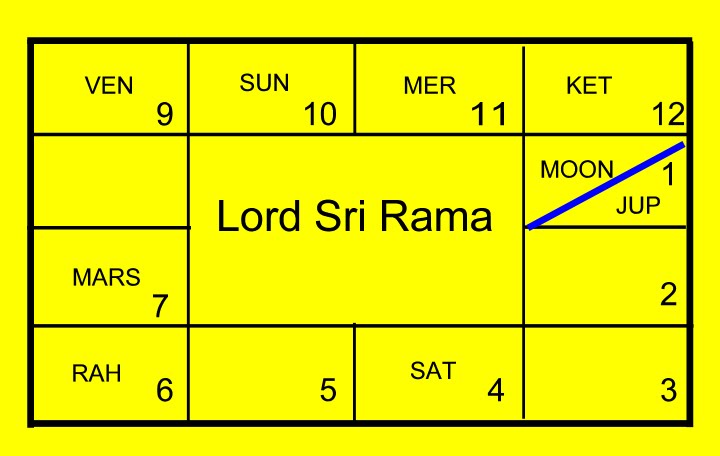
Tag: Ikshvahu

  • Rama Family Tree from Manu Confirmed by Genome Studies

    Rama Family Tree from Manu Confirmed by Genome Studies

    Puranas,meaning ‘very old’, Eighteen in number, and the  Ithihasas Ramayana and Mahabharatha are recorded History of India.

    The dates of Ramayana and Mahabharata have been confirmed by archeology, Astronomy, Paleantology, Literary references from foreign sources, Anthropology, archeoanthropology and Simulated software with inputs from these Indian texts and correlating them with Astronomical events.

    Mahabharatha alone has 39 cities validated.

    I have written on on these issues.

    Now comes evidence from Genome studies.

    (Genome studies and DNA cross matching trace human origin to Madurai from Africa.)

    The Ramayana and the Puranas provide detailed chronology of Suryavamsa, the Solar dynasty.

    ​This list has been cross checked with Genome studies.

    And these studies confirm the genealogy and time frame.

    In the article Ms.Saroj Bala reveals the study results thus.

    Almost all the major Genome studies carried out so far have revealed an amazing correlation of this genealogy with the genetic profile of humans settled in north, south, east and west of India since the Holocene (about 11000 years BP) to the present. Almost all the important studies in palaeo- anthropology, including those carried out by Kenneth A. R. Kennedy and Cavalli-Sfroza, have concluded that genetic profile of people of the Indian subcontinent has remained the same for last more than 55000 years and that for last 11000 years this profile is of culturally developing people who had started speaking a structured language and were taking cooked food.’

    Reference and citation.

    http://www.vifindia.org/transcriptions-paper/2012/07/03/scientific-dating-of-ancient-events-from-7000-bc-to-2000-bc

    Please visit the above Link for excellent research material.


  • Why Vasishta Not Found In South , Shiva Left Dravida?

    It has come to my to notice that Vasishta Gotra is not found much in the South of Vindhyas as much as it is in the North through a shrewd observation by a reader while commenting on mu Post Which Gotra is Superior?

    Yes, it is a fact that Vaishista Gotra is very limited in the South.

    Sage Vasishta.jpg Sage Vasishta.

    One may also notice that Vasishta comes into prominence only after Ramayana despite the fact that Vasishta is one of the Saptha Rishis, who are eternal

    And he was the Sage who is also one of the Nava Prajapathis, Nine Prajapathis amomg Daksha, whose Yaaga was destroyed by Veerabhadra on the orders of Lord Shiva.

    Vasishta composed (rather grasped and expressed will be the correct term)  Mandala 7 of the Rigveda. as the Chief.

    The Sag Viswamitra yearned for The Title of Brahma Rishi from Vasishta even though he was called such by even Brahma.

    Why is it that such a great personality does not find a prominent place before Ramayana?

    The Bhagavatha Purana states that the ancestor of Lord Rama Satyavrata Manu  left Dravida(South)  for Ayodhya and his son Ikshvaku founded the Ikshvaku Dynasty.

    This was necessitated by the great Tsunami in the south as recorded in Tamil classical literature.

    Lord Shiva left , at the same time,along with his son Ganesha moved out through the western coast of Bharatavarsha, traveled through the middle east, Europe, Africa, Americas,and finally reached Arctic.

    And it was in the Arctic the Rig veda was compiled.

    I have detailed post on this, as for all the observations I have made here and exhaustive research was done by Bal Gangadhar Tilak in his Book Arctic Home of the Vedas.

    after the rig Veda was composed Shiva and Ganesha set out for India through Russia and Khyber Pass .

    This has been misinterpreted as Aryan Invasion.

    The archeological evidence linking Ganesha and Shiva throughout the world would strengthen this point.

    Now Vasishta, being a Manu and a Parajapati obviously left along with Shiva and while Maheswara sukthas are by Shiva, Rig veda important portions were done by vasishta and others.

    It may be of interest to note that there is a Temple For Daksha in Kerala( I have a Post on this)

    Thus ,as Vasishta left along with Shiva at the time of Tsunami there are minimal references to Vasishta in the South.

    By the time they returned to india, and Vasishta had become the Kula Guru of Ikshvaku Dynasty, years had gone by.

    In the south the other progeny of Shiva, Subrahmanya, called as Murugan in Tamil spread Santana Dharma in South East Asia and developed the Santana dharma further in the south.

    That is the reason one finds the Murugan is identified with Tamil and Shiva being treated as the Adhi Siddha and as ‘Ancient of the Ancients’

    Munnaip Pazhamporutku Munnaip ParamPorule – Tamil.

    Hnece Vasishta lineage was limited in the south and as he became the Kula Guru after settling down in the North his clan expanded there.

    Hence ther are less Vasishta Gotra in South.

    Vashishtha (Sanskrit: वशिष्ठ, वसिष्ठ, IAST: Vaśiṣṭha, Vasiṣṭha, Thai: Vasit, Tamil: வசிட்டர்) is one of the Saptarishis (seven great Rishis) in the seventh, i.e. the presentManvantara, or age of Manu.[1] Vashista is a manasputra of God Brahma. He had in his possession the divine cow Kamadhenu, and Nandini her child, who could grant anything to their owners. Arundhati is the name of the wife of Vashista. RigVeda 7:33 mentions Vashishtha rishi as son of MitraVaruṇa and Urvasi.[2][3]

    Vashistha, as one of 9 Prajapatis, is credited as the chief author of Mandala 7 of the Rigveda. Vashistha and his family are glorified in RV 7.33, extolling their role in the Battle of the Ten Kings, making him the only mortal besides Bhava to have a Rigvedic hymn dedicated to him. Another treatise attributed to him is “Vashistha Samhita” – a book on the Vedic system of electional astrology

    More on VasishtaPrajapati to follow.

    Citation.

    https://en.wikipedia.org/wiki/Vashistha

  • Tamils Lived In Treta Yuga Muchukunda Proof

    Kalayavana, an Asur(Asura means one who is mighty) who wanted to kill Lord Krishna, was killed by Mucukunda, because of the machinations of Krishna.

    Muchukunda turned Kalayavana into ashes by looking at him.

    Story given towards the end of the Post.

    Muchukunda belongs to the Ikshvaku dynasty.

    The Iksvahu Dynasty was founded by Ikshvaku at Kosala.

    He is the son of Satyavrata Manu, who migrated from the South because of a Tsunami.

    Please read my Post Rama’s ancestor Dravida.

    Muchukunda was the son of Mandhata.

    1. Brahma
    2. Marichi
    3. Kashyapa
    4. Vivasvan or Surya
    5. Vaivasvata Manu
    6. Ikshvaku
    7. Kukshi
    8. Vikukshi
    9. Bana
    10. Anaranya
    11. Prithu
    12. Trishanku
    13. Dhundhumara
    14. Yuvanashva
    15. Mandhata

    Muchukunda went to sleep and woke up during Dwapara Yuga, when he killed Kalayavana.

    Now let us look at the time factor involved.

    If Muchukunda was the ancestor of Rama,who was  37th in Line, while Mandhata was the 15th in the Treta Yuga.

    This means that Muchukunda was hibernating between 1.2 Million and 2.59 Million Years because he went to sleep in the Treat Yuga and woke up in the Dwapara Yuga.

    Now,

    Life in the universe is created and destroyed once every 4.1 to 8.2 billion years, which is one full day (day and night) for Brahma. The lifetime of a Brahma is believed to be 311 trillion and 40 billion years-Hindu Cosmology.

    ‘Eighty million years ago, India was approximately 6400 km (3968 miles) south of the Eurasian plate. Separating the two was the Tethys Sea. The Indo-Australian tectonic plate – containing the continent of Australia, the Indian subcontinent, and surrounding ocean – was pushed northward by the convection currents generated in the inner mantle. For millions of years, India made its way across the sea toward the Eurasian plate. As India approached Asia, around 40 million years ago, the Tethys Sea began to shrink and its seabed slowly pushed upwards. The Tethys Sea disappeared completely around 20 million years ago and sediments rising from its seabed formed a mountain range. When India and Tibet collided, instead of descending with the plate, the relatively light sedimentary and metamorphic rock that makes up the subcontinent of India pushed against Tibet, forcing it upwards, and created a massive mountain fold. ‘

    https://ramanisblog.in/2015/03/22/shiva-uma-wedding-agastya-to-south-40-million-years-tectonics-proof/ )

    The Great flood happened much before Muchukunda’s time.

    The four yugas make up a cycle called divya-yuga, which lasts 4,320,000 years. One thousand of these yugas equal one day of Brahma, which is called a kalpa. Brahma’s lifespan is 100 years of his time.

    That is  432 Million years

    Day for Brahma happens for 216 million years.

    At the end of the day Pralaya, dissolution of the Universe by Flood happens.

    Naimittika Pralaya, which is of 4,320,000,000 earth years, occurs just after the end of a Kalpa. Also, known as the Night of Brahma, it signifies the end of living world.

    This implies that The Tamils were in existence in Treta Yuga itself as Muchukunda was alive then.

    ‘He is remembered in Hindu scriptures as a righteous and glorious king. In some versions, he is the son of Vaivasvata Manu (formerly the Emperor Satyavrata of Dravida), one of the two central characters along with the Lord Matsya incarnation of Lord Vishnu in the Matsya Purana. He is born to Manu after the deluge which sends the King’s ship to the top of the Malaya Mountains in the Dravida country.”

    http://en.wikipedia.org/wiki/Ikshvaku)

    The Malaya Mountains were a range of mountains that were mentioned in the Hindu sacred texts like Matsya Purana, the Kurma Purana, the Vishnu Purana,[1] and the epics of the Ramayana and the Mahabharata.

    The Vishnu Purana specifically mentions it amongst the seven main chains of mountains in Bharata (ancient name of India), namely Mahendra, Malaya, Sahya, Śuktimat, Riksha,Vindhya, and Páripátra.According to the Matsya Purana, during the Great flood, the giant of boat of King Manu was perched after the deluge on the top of the Malaya Mountains.

    http://en.wikipedia.org/wiki/Malaya_Mountains

    These mountains are believed to have formed the southernmost part (Southwards starting from the Mangalore region) of the Western Ghats, modern day Kerala while the Northern part of the same was called the Sahya Mountains. . The peaks of these Malaya mountains were said to be higher than those of the Sahya Mountains. The Anaimalaiand Nilgiri form some of its higher ranges. Believably in the Ramayana and Mahabharata ages, and later in the period of recorded History, it might have been the junction of theChera and Pandya Kingdoms. Sangam Literature calls these mountains Pothigai.

    Muchukunda.

    Seeing him, KAlyavana came out filled with happiness. Seeing Krishna before him, the strong one followed him.

    39. The lord of the Yavanas followed Govinda with the desire of capturing him, but he could not seize that great yoga-adept.

    40. The celebrated and powerful king, Muchukunda, son of MAndhAtA, achieved great success in the battle between Devas and Asuras in the ancient times.

    41. When the gods requested him to ask for a boon, he accepted sleep. He was extremely tired, and so the following words emerged from his mouth.

    42. O gods! I will burn the person who wakes me up, with my eyes blazing with anger,” and he kept saying it again and again.

    43. So, Shakra and the other gods said, So be it. Then he took permission of the gods and came to the king of the mountains.

    44. The very tired king entered one of the caves and kept sleeping till the time he saw Krishna.

    45. O king! NArada had told VAsudeva all about the boon he had received from the gods and his power.

    46. Krishna, followed by that mleccha enemy, entered Muchukunda’s cave like a very humble person.

    47. The intelligent Keshava stood near the head of the royal sage, Muchukunda, carefully avoiding the path of his vision.

    48. The Yavana entered and saw the lord of the earth, sleeping and radiant like KritAnta (death). Then that most wicked one went towards him.

    49. He, assuming the king to be VAsudeva, spurned him with his feet, just as the insect jumps into fire, bringing his own destruction.

    50. The royal sage, Muchukunda, woke up on being kicked. He was very angry for being woken up and also for being touched by the feet.

    51. Then, remembering the boon given by Shakra, he looked at him standing before him. As soon as he looked at him angrily, he burnt up entirely.

    52. The fire erupting from the eyes of Muchukunda burned KAlayavana in a moment, just as lightning burns down a dry tree.

    Citation.

    http://mahabharata-resources.org/ola/ky_GP.html

    <p class="has-drop-cap" value="<amp-fit-text layout="fixed-height" min-font-size="6" max-font-size="72" height="80"><a rel="noreferrer noopener" href="http://en.wikipedia.org/wiki/Pralaya&quot; target="_blank">http://en.wikipedia.org/wiki/Pralaya</a&gt;http://en.wikipedia.org/wiki/Pralaya

    http://www.harekrishnatemple.com/chapter19.html

  • Tamil Adhiyaman Ikshvahu Introduced Sugarcane To World

    It is said that sugarcane was introduced to the world by New Guinea.

    Sugcarcane introduced by amilKing,and Ikshvahu.jpg
    Sugcarcane introduced by amilKing,and Ikshvahu.

    ‘Sugarcane is indigenous to tropical South and Southeast Asia.Different species likely originated in different locations, with Saccharum barberi originating in India and S. edule and S. officinarum in New Guinea. Approximately 70% of the sugar produced globally comes from S. officinarum and hybrids using this species. It is theorized that sugarcane was first domesticated as a crop in New Guinea around 6000 BC. New Guinean farmers and other early cultivators of sugarcane chewed the plant for its sweet juice. Early farmers in Southeast Asia, and elsewhere, may have also boiled the cane juice down to a viscous mass to facilitate transportation, but the earliest known production of crystalline sugar began in northern India. The exact date of the first cane sugar production is unclear. The earliest evidence of sugar production comes from ancient Sanskrit and Pali texts.’

    Fact do no not support this.

    Hindu Puranas state that  the Earth consisted of Seven Islands.

    For details please read my post.

    The Seven Islands and Seas.

    Continent/ Island Ocean
    Jambūdvīpa Lavanoda (Salt – ocean)
    Ghatki Khand Kaloda (Black sea)
    Puskarvardvīpa Puskaroda (Lotus Ocean)
    Varunvardvīpa Varunoda (Varun Ocean)
    Kshirvardvīpa Kshiroda (Ocean of milk)
    Ghrutvardvīpa Ghrutoda (Ghee ocean)
    Ikshuvardvīpa Iksuvaroda (Ocean of Sugarcane Juice)
    Nandishwardvīpa Nandishwaroda

    Goddess Lalithambika and God of Love,Manmatha hold Sugarcane in their hands.

    Sugarcane abhisheka is performed for the Deities.

    The ancestor and the founder of Lord Rama’s Dynasty,Ikshvahu name means ‘Sugarcane’

    As I have posted earlier Ikshvahu’s ancestor, Satyavrata Manu,also called Vaivasvatha Manu,migrated from the South,Tamil Nadu with his sons to the North.

    The Dravidas , people of the South,knew the cultivation of Sugarcane.

    There is a mention of this in Tamil Poet,Avvayar’s poem on King Adhiyaman .


    ‘அரும்பெறல் மரபின் கரும்பு இவண் தந்தும்,
    நீர்அக இருக்கை ஆழி சூட்டிய
    தொன்னிலை மரபின் நின் முன்னோர் போல,
    ஈகைஅம் கழற்கால் இரும்பனம் புடையல்,
    பூவார் காவின், புனிற்றுப் புலால் நெடுவேல்,
    எழுபொறி நாட்டத்து எழாஅத் தாயம்
    வழுவின்று எய்தியும் அமையாய், செருவேட்டு,
    இமிழ்குரல் முரசின் எழுவரொடு முரணிச்
    சென்று, அமர் கடந்து, நின் ஆற்றல் தோற்றிய
    அன்றும், பாடுநர்க்கு அரியை; இன்றும்
    பரணன் பாடினன் மற்கொல், மற்று நீ
    முரண் மிகு கோவலூர் நூறி, நின்
    அரண் அடு திகிரி ஏந்திய தோளே!
    வட்கர் போகிய வளரிளம் போந்தை
    உச்சிக் கொண்ட ஊசி வெண்தோட்டு,

    The Italicised portion means,’ you (Adhiyaman) has given the wolrd Sugarcane(Karumbu)

    Tamils,Kannadgas and Telugus celebrate New year with Sugarcane, though the the first day of the New Year varies from the tamils for the Kannadigas and Telugus.

    It may be noted that the Sanskrit word Sharkara is the root for the word Sugarcane.


    Their first Thirthankara Rishabadeva (Adi Nath) was the one who taught the people of extraction of sugarcane juice. So he was known as Ikshvaku. Another version is that he took sugarcane juice after a year of fasting.( Jain Puranas)