Tag: Chitrakoot

  • ஶ்ரீ இராமனின் உயரம் ஆறு அடி ஆறு அங்குலம் கால் தட அளவியல்

    ஶ்ரீ இராமனின் உயரம் ஆறு அடி ஆறு அங்குலம் கால் தட அளவியல்

    ராமர்,அவரது பிறந்த தேதி இவை கணினி மென் பொருள் உதவி கொண்டு நிர்ணயிக்கப்பட்டுள்ளது.அவர் பார்வையிட்ட , சென்ற இடங்கள் மற்றும் அவர் பயன்படுத்திய ஆயுதங்கள், அவர் அட்லாண்டிஸ் வாழ்வோர் மீது தொடுத்த போர், இராமாயண காலத்தில் போடப்பட்ட அணுகுண்டு மற்றும் அவரது பரம்பரை உள்ளிட்டு பல கட்டுரைகள் எழுதியுள்ளேன்
    சமீபத்தில் இந்தியாவில் கண்டெடுக்கப்பட்ட அவரது கால்தடங்கள் பற்றி எழுதியுள்ளேன்.
    அவை சித்ரகூட், ராமேஸ்வரம் ராமர் பாதம் (ராமரின் அடி) மற்றும் கர்நாடகாவில் உள்ள ஹம்பி ஆகிய இடங்களில் காணப்படுகின்றன.
    அவரது காலடி.
    ‘காணப்படும் கால் அச்சுகள் பதினோரு அங்குலம் ஐந்து அங்குலம் மற்றும் பத்து அங்குலம் நான்கரை அங்குலம். இது மரத்தால் செய்யப்பட்ட செருப்பு அணிந்த காலுக்கு ஒத்திருக்கிறது.’
    கால் தடங்களிலிருந்து ஒருவரின் உயரத்தை அளவிட முடியுமா என்று ஒரு வாசகர் என்னிடம் கேட்டார்.
    ஆம், ஒருவரால் முடியும்.
    விகிதம் 6.6 க்கு 1 ஆகும்.
    இது காலணி அணியாமல் தடம் பதிக்கும் வகையில் அமைந்துள்ளது.
    கீழே கொடுக்கப்பட்டுள்ள சூத்திரத்தின் அடிப்படையில் பாதணிகளை அணிந்த ஒருவரை அனுமதிக்கும் கணக்கீடு செய்யப்படலாம்.
    இந்த அடிப்படையில், ராமர், எஸ் உயரம்
    11 * 6.6 = 72.6 “( அங்குலங்களில்)
     அல்லது.
    6 ‘ 15 (cms மூலம் கால்)
    சீதையின் ஸ்வயம்வரத்தில் ராமனால் உடைக்கப்பட்ட சிவ தனுசின் (வில்) அளவை அடிப்படையாகக் கொண்டு, ராமனின் உயரம் நான்கரை அடி வரை இருந்திருக்கலாம் என்று ஒரு பார்வை இருக்கிறது.
    ஆனால் ராமனின் உயரம் 6.6 என அவரது கால் பிரிண்ட் மூலம் நிரூபிக்கப்பட்டுள்ளது”.

    listen to the article below

    ராமனின் உயரம்.

    இக் கட்டுரையின் ஆங்கில மூலத்தை இங்கு வாசிக்கவும்.Read My original article in English

    ஶ்ரீ இராமனின் உயரம்.

    Rama Empire In Middle East Sumeria Evidence

    A Tamil-Brahmi script inscribed on a potsherd, which was found at the Khor Rori area in Oman, has come to light now. The script reads “nantai kiran” and it can be dated to first century CE, that is, 1900 years before the present. The discovery in the ancient city of Sumhuram has opened a new…

    Keep reading
  • Lord Rama Height Six Feet Six Inches Footprint Verified

    I have written about Lord Rama, His date of birth verified, places visited by Him and about the weapons used by Him, His dropping atom bomb and many ore articles including his lineage.

    I have recently written on his footprints found in India.

    Human Footprints on granite rock
    Rama’s,Palkot Footprints India

    They are found in Chitrakoot, Rameswaram Rama Pada(Rama’s feet) and Hampi in Karnataka among other places.

    His feet imprint measures,

    Foot prints found are eleven inches by five inches and ten inches by four and half inches. It resembles to the foot wearing sandals made of wood.’

    Rama’s Footprints  1.2 Million Years Uttarkhand

    Rama with Kodanda,Bow.jpg
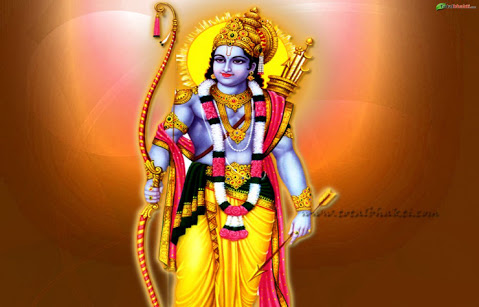
    Lord Rama

    A reader asked me whether it is possible to measure one’s height from Footprints.

    Yes, one can.

    The Ratio is 6.6 is to 1.

    This is based on a footprint without wearing footwear.

    Calculation may be made allowing for one wearing Footwear based on Formula provided below.

    On this basis, Rama,s height is

    11* 6.6 = 72.6 “( in Inches)

     Or.

    6’15 (foot by cms)

    There is a view that based on The size of Shiva Dhanus (Bow) broken by Rama in Sita’s Swayamvara, Rama’s Height could have been  around Four to four and  a half feet.

    But Rama’s height is proved by His foot print as 6.6″

    A bow has a definite height and it is a measure of length, from the ages even up to the age Kautilya, who gave many accounts for weights and measures, in his ‘Artha Shaastra’ a Penguin re-publication. Four aratni-s cubits are one dhanu, a bow-length, where one aratni is 18 inches, thus a bow-length is 6 feet and above, taking the standard size of archer as a six-footer and a little above. The bow’s height is the height of the archer plus one measure of his head’s height, as the upper end has to tower the archer’s head. That being so, this bow belongs to Shiva and its height must be placed more than the human measure of 6 feet, and then it must be some 8 to 10 feet. And ‘Rama is no crane-legged boy, as his physique is sad to be of ‘medium’ size, and then how a boy of, say of 4, 41/2 feet, could catch the upper end of 8-10 feet bow to bend it…’ is the objection. An archer has to stand the bow on ground, clutch its lower end under big toe, and with one hand, he has to bend it, while with the other he catches the bowstring to string the other end. He is not supposed to handle it like a holdall or a briefcase. For this objection it is said in a way that the poet is using the adjective mahaatmaa to Rama, ‘ an unfathomable one with an equally unfathomable soul… inasmuch as his duty is concerned…’ The minute he touched the bow, it became a spongy stick and it listened to him and bent as he wished. Other way round, Rama is an ambidextrous archer and furthered is his skill by his possession of some divine missiles as given by Vishvamitra. Hence, his dexterity is now multiplied and he can handle any divine or human bow ‘effortlessly…’

    “Your feet serve as the base of support for your body, and they’re essential for good balance. The muscles, tendons and ligaments in your feet help balance your entire body. Without them, you’d fall over anytime you lean to the side. And your toes help you keep your balance as you move forward — for example, when you’re walking or running. The taller you are, the more you need a larger base of support. That’s why taller people tend to have longer feet and wear a bigger shoe size.

    The normal height-to-foot ratio is about 6.6:1, according to data from the University of Rhode Island Department of Electrical, Computer and Biomedical Engineering. That means you’ll generally have roughly 6.6 inches of height for 1 inch of foot length. However, the ratio is just an estimation, and many people have larger or smaller feet than you’d calculate based on this ratio.

    While it’s easy to calculate a basic height-to-foot ratio if you already know your height and foot size, it’s more complicated to use the ratio to figure out an unknown height. But being able to figure out height is important for forensic science — if the police only know someone’s shoe or foot size, it’s helpful to be able to estimate his height. And the equation to more accurately figure out height-to-foot ratio was published in Forensic Science International in 2005.

    The researchers calculated the ratio by looking at the foot size and height of more than 550 study subjects, then looking for mathematical patterns to figure out an equation to calculate the ratio.

    They found out that you can estimate height from your foot size using this equation:

    Height = 47.33 + 1.139 (length of your left foot, in centimeters) + 0.593 (length of your shoe, in centimeters) x 1.924 (shoe size)”

    **That Rama was 96″ in Height is not found in the original translation.This translation mentioning 96″ is found in the Link from  Quora. Link provided towards the close of the post.

    I stick to valmikiramayana.net for authenticity.

    Rama’s Description in Ramayana By Valmiki in Sundarakanda.

    “O princess! Rama is a broad shouldered and a long-armed man. He has a shell-like neck. He has a handsome countenance. He has a hidden collar-bone. He has beautiful red eyes. His fame is heard about by people. He has a voice like the sound of a kettle-drum. He has a shining skin. He is full of splendour. He is square-built. His limbs are built symmetrically. He is endowed with a dark-brown complexion.”

    “He is ever firm in three limbs (viz. the breast, waist and fist), long in three (viz. the breast, waist and fist), long in three (viz. the eyebrows, arms and soles), uniform in three (viz. his locks, testicle and knees, elevated in three (viz. his breast, rim of his navel and lower abdomen), coppery in three of the navel and the lower abdomen), coppery in three (viz. the rims of his eyes, nails, palms and soles), soft in three (viz. the lines on his soles, hair and the end of the membrane virile) and always deep in three (viz. the voice, gait and the navel).”

    “He has three folds in the skin of his neck and belly. He is depressed at three places (viz. the middle of his soles, the lines on his soles and the nipples). He is undersized at four places (viz. the neck, membram virile, the back and the shanks). He is endowed with three spirals in the hair of his head. He has four lines at the root of his thumb (denoting his proficiency in the four Vedas). He has four lines on his forehead (indicating longevity). He is four cubits high (96 inches). He has four pairs of limbs (viz. the cheeks, arms, shanks and knees) equally matched.”

    “He has fourteen other pairs of limbs (viz. the eye brows, nostrils, eyes, ears, lips, nipples, elbows, wrists, knees testicles, lions, hands, feet and thighs) equally matched. The four large teeth at both the ends of his upper and lower jaws are very sharp. He walks in four gaits (resembling the walks of a lion, a tiger, an elephant and a bull). He is endowed with excellent lips, chin and nose. He has five glossy limbs (viz. the hair, eyes, teeth, skin and soles). He has eight long limbs (viz. the arms, fingers and toes, eyes and ears, thighs and shanks).

    “Rama has ten lotus-like limbs (viz. the countenance, the mouth, the eyes, the tongue, lips, palate, breasts, nails, the hands and the feet). He has ten ample limbs (viz. the chest, the head, the forehead, the neck, the arms, the heart, the mouth the feet, the back and the ears). He is spread through by reason of three (viz. splendour, renown and glory). He is doubly pure (on father’s and mother’s side). He is elevated in six limbs (viz. the flanks, the abdomen, the breast, the nose, the shoulders and the forehead). He is small, thin, fine or sharp in nine (viz. the hair, the moustaches and the beard, nails the hair on the body, the skin, the finger-joints, the membrum virile, acumen and perception). He pursues religious merit, worldly riches and the sensuous delight in three periods (viz. the forenoon, midday and afternoon).

    ‘5. “Listen O’ Mother; Ram’s effulgent like the sun;
    forbearing like the Mother Earth; in fame outruns
    Indra, the Lord of devatas and in knowledge
    Brihaspati, the most revered of the sages.”
    176  Finding the Mother
    6. “He treats with love this whole of universe;
    a Messiah to the good and virtuous.
    He knows no bias; an ant or a giant the same
    for him; he helps the poor, distressed and lame.”
    7. “With devotion performs he time-honoured mundane duties
    and makes others perform; unlike the common royalties
    who consider scruples as obsessions of hoi polloi
    and gad around in an eternal search of virgin joys.”
    8. “An expert he’s in regal skills and strategies.
    Respects brahmins; follows age-old customs
    explains the four Vedas to pundits’ eulogies.
    Yet so humble and diffident remains our Ram.”
    9. “He’s broad-shouldered; his hands as long as they touch knees.
    His eyes with ruddy tinge exude enamouring
    ardour for friends and scary fire to enemies.
    His neck a conch; his voice the swash of ocean springs.”
    10. “Like skies, blue-skinned he is,
    with vast benign expanse inside.
    Well-built with fine chiselled features;
    his walk reminds of lion’s strides.”
    11. “Ram’s every limb, aspect and mien display
    superior royal traits and noble sway.”
    12. “His chest, his wrists and fists are diamond-strong
    His hands, eye-brows and testicles are long.
    His hair-ends, testicles and knees again
    in equal size, emblazon regal signs.”
    13. “His convex chest, rich navel region
    his slightly bulged belly muscles, curved throat;
    his thunderous voice and manly walk, connote
    so well that he’s a true patrician.
    His rubicund eye-corners, palms and feet;
    his rosy nails confirm he’s from elite.”
    Finding the Mother  177
    14. “His hair, penis and lines on his foot soles
    are smooth and indicate he’s rich and bold.
    His voice, his walk and navel are sublime;
    the marks of glory, fame and life of prime.”
    15. “He has three folds on his belly; his breasts,
    nipples and lines on his two soles are squat;
    his neck; penis, his back and calf muscles
    are short. He has three hair-whorls on vortex.”
    16. “He has four lines each on his thumb, forehead,
    on palms and soles; the signs of a well-read
    of one who’s an expert in four Vedas
    who has long life and whose renown ageless.”
    17. “At ninety-six inches in height, with even shape,
    with lovely lips, sharp nose, firm chin and sparkling eyes
    he looks a demigod in super human drape;
    as men goggle agape and lovely women vie.”
    18. “The vital pairs of limbs fourteen of his body
    namely, eye-brows, nostrils, the ears, the lips, the breasts
    elbows, the wrists, the knees, the testicles, buttocks,
    the hands, the feet, the brawn on his buttocks are all
    equal in size, denoting signs of royal life.”
    19. “He has four long and strong canine teeth; his imperial strides
    remind of the treads of four imposing animals of pride;
    the lion, tiger, a bull and elephant; unique and odd.
    His style and appearance make him look like a Living God.”
    20. “And lo, O’ Mother, Lakshmana, the brother dear
    of Ram and Ma Sumitra’s son is Ram’s alike,
    by looks and character, by walk and talk, from front and rear
    by love and raging ire; by likes and gross dislikes.”
    178  Finding the Mother
    21. “But Ram in nimbus blue, looks like an ebony statue
    and Lakshmana is like a large nugget in golden hue.”

    Verse and Translation.Sundarakanda  Sarga 35 slokas 8 to

    raamaH kamala patra akShaH sarva bhuuta mano haraH |
    ruupa daakShiNya sampannaH prasuuto janaka aatmaje || 5-35-8

    8. jaanakaatmaje= O Seetha the daughter of Janaka!; raamaH= Rama; kamala patraakSaH= has his eyes resembling the petals of a lotus; sarva sattvamanoharaH= he has a handsomeness, attracting the hearts of all living beings; ruupa dakSiNya sampannaH= He is endowed with grace and dexterity; prasuutaH= from the time he was born.

    “O Seetha the daughter of Janaka! Rama has his eyes resembling the petals of a lotus. He has a handsomeness, attracting the hearts of all living beings. He is endowed with grace and dexterity, by birth.”

    tejasaa aaditya samkaashaH kShamayaa pR^ithivii samaH |
    bR^ihaspati samo buddhyaa yashasaa vaasava upamaH || 5-35-9

    9. aaditya sankaashaH= he is equal to the sun; tejasaa= in splendour; pR^ithiviisamaH= equal to the earth; kSamayaa= in endurance; bR^ihaspati samaH= equal to Brihaspati; buddhyaa= in intelligence; vaasavopamaH= and equal to Indra; yashasaa= in fame.

    “He is equal to the sun in splendour, earth in endurance, Brihaspati in intelligence and Indra in fame.”

    rakShitaa jiiva lokasya sva janasya ca rakShitaa |
    rakShitaa svasya vR^ittasya dharmasya ca param tapaH || 5-35-10

    10. paramtapaH= Rama, the tormentator of his adversaries; rakSitaa= is a protector; jiivalokasya= of the world of beings; abhirakSitaa= further protecting; svajanasya= his own people; rakSitaa= he is the protector; vR^ittasya= his own behaviour; dharmasyacha= and righteousness.

    “Rama the tormentator of his adversaries, is a protector of the world of beings, further protecting his own people. He is the protector of his own behaviour and righteousness.

    raamo bhaamini lokasya caaturvarNyasya rakShitaa |
    maryaadaanaam ca lokasya kartaa kaarayitaa ca saH || 5-35-11

    11. bhaamini= O Seetha!; raamaH= Rama; rakSitaa= is the protector*; chaaturvarNasya= of the four castes; lokasya= of the world; saH= He; kartaa= is the doer; kaarayitaachaiva= and also the agent; maryaadaanaam= for the proprieties of conduct; lokaanaam= of people.

    “O Seetha! Rama is the protector of the four castes of the world. He is the doer and also the agent for the people’s propriety of conduct.”

    * Four principal castes described in Manu’s code – Brahmanas (priestly class), Kshatriyas (members of military or reigning order); Vaisyas (Traders and agriculturists) and Sudras (class of servitude)

    arciShmaan arcito atyartham brahma carya vrate sthitaH |
    saadhuunaam upakaaraj~naH pracaaraj~naH ca karmaNaam || 5-35-12

    12. archiSmaan= (Rama) Rama is a resplendent man; architaH= He is respected; atyartham= exceedingly; sthitaH= He is established; brahmacharya vrate= in a vow of chastity; upakaarajNaH= He knows how to do good; saadhuunaam= to virtuous people; prachaaraJNashcha= He knows the application and advantage; karmaNaam= of actions.

    “Rama is a resplendent man. He is respected exceedingly. He is established in a vow of chastity. He knows how to do good to virtuous people. He knows the application and advantage of his actions.”

    raaja vidyaa viniitaH ca braahmaNaanaam upaasitaa |
    shrutavaan shiila sampanno viniitaH ca param tapaH || 5-35-13

    13. raaja vidyaa viniitashcha= He is well trained in statesmanship; upaasitaa= He honours; braahmaNaanaam= Brahmins, the priestly class; shrutavaan= He possesses sacred knowledge; shiilasamapannaH= He is endowed with a good conduct; viniitaH= He is a modest-man; paramtapaH= He torments his adversaries.

    “He is well trained in statesmanship. He honours brahmins, the priestly class. He possesses sacred knowledge. He is endowed with good conduct. He is a modest man. He torments his adversaries.

    yajuH veda viniitaH ca vedavidbhiH supuujitaH |
    dhanuH vede ca vede ca veda angeShu ca niShThitaH || 5-35-14

    14. yadurveda viniitashcha= He got trained in Yajurveda, the sacrificial Veda; supuujitaH= he is highly honoured; veda vidbhiH= by those well-versed in Vedas; niSThitaH= He is skilled in; dhanurvedecha= Dhanurveda, the science of archery; vedeSu= other Vedas; vedaaNgecha= and the six limbs of Vedangas.

    “He got trained in Yajurveda, the sacrificial Veda. He is highly honoured by those well-versed in Vedas. He is skilled in Dhanurveda, the science of archery, other Vedas and the six limbs* of Vedangas.”

    Six limbs of Vedangas : 1) Siksha, the science of proper articulaton and pronunciation 2) Chandas, the metre 3) Vyakarana, the grammar 4) Nirukta, the explanation of difficult Vedic words 5) Jyotisha, the astronomy or rather the Vedic Calendar. 6) Kalpa, the ceremonial represented by a large number of Sura works.

    vipula amso mahaabaahuH kambu griivaH shubha aananaH |
    guuDha jatruH sutaamra akSho raamo devi janaiH shrutaH || 5-35-15

    15. devi= O Princess!; raamaH= Rama; vipulaamsaH= is broad-shouldered; mahaabaahuH= long-armed; kambugriivaH= has a shell-like neck; shubhaananaH= has an auspicious countenance, guuDha jatruH= He has hidden collar-bone; suutaamraakSaH= He has beautiful red eyes; shrutaH= he is heard about; janaiH= by people.

    “O princess! Rama is a broad shouldered and a long-armed man. He has a shell-like neck. He has a handsome countenance. He has a hidden collar-bone. He has beautiful red eyes. His fame is heard about by people.”

    dundubhi svana nirghoShaH snigdha varNaH prataapavaan |
    samaH sama vibhakta ango varNam shyaamam samaashritaH || 5-35-16

    16. dundubhisvananirghoSaH= He has a voice like the sound of a kettle-drum; snigdhavarNah= He has a shining skin; prataapavaan= He is full of splendour; samaH= He is square-built; samavibhaktaaN^gaH= His limbs are symmetrically built; samaashritaH= He is endowed with; shyaamam varNam= a dark-brown complexion.

    “He has a voice like the sound of a kettle-drum. He has a shining skin. He is full of splendour. He is square-built. His limbs are built symmetrically. He is endowed with a dark-brown complexion.”

    tristhiraH tripralambaH ca trisamaH triShu ca unnataH |
    trivaliivaan tryavanataH catuH vyangaH trishiirShavaan || 5-35-17

    17. tristhiraH= He is ever firm in three limbs (viz. the breast, wrist and fist); tripralambashcha= long in three (viz. his locks, testicles and knees); unnataH= elevated; triSu= in three (viz. the breast, rim of the navel and the lower abdomen); tritaamraH= coppery in three (viz. the rims of his eyes, nails, palms and soles); smigdhaH triSucha= soft in three (viz. the lines on his soles, hair and the end of membrum virile); nityashaH= and always; triSu gambhiiraH= deep in three (viz. the voice, gait and the navel).

    “He is ever firm in three limbs (viz. the breast, waist and fist), long in three (viz. the breast, waist and fist), long in three (viz. the eyebrows, arms and soles), uniform in three (viz. his locks, testical and knees, elevated in three (viz. his breast, rim of his navel and lower abdomen), coppery in three of the navel and the lower abdomen), coppery in three (viz. the rims of his eyes, nails, palms and soles), soft in three (viz. the lines on his soles, hair and the end of the membrane virile) and always deep in three (viz. the voice, gait and the navel).”

    trivaliivaamstryavanatashchaturvyaN^gastrishiirSavaan |
    chatuSkalashchaturlekhashchatuSkiSkushchatuHsamaH || 5-35-18

    18. trivaliivaan= He has three folds (in the skin of his neck and belly); tryavanataH= He is depressed at three places (viz. the middle of his soles, the lines on his soles and the nipples); chaturvyaN^gaH= undersized at four place (viz. the neck, membrum virile, the back and the shanks); trishiirSavaan= He is endowed with three spirals in the hair of his head, four lines at the root of his thumbs and the four lines on his forehead; chatuSkalaH= He has four marks on his thumb (denoting his proficiency in the four Vedas); chaturlekhaH= He has four lines on his forehead (indicating longevity); c

    “He has three folds in the skin of his neck and belly. He is depressed at three places (viz. the middle of his soles, the lines on his soles and the nipples). He is undersized at four places (viz. the neck, membran virile, the back and the shanks). He is endowed with three spirals in the hair of his head. He has four lines at the root of his thumb (denoting his proficiency in the four Vedas). He has four lines on his forehead (indicating longevity). He is four cubits high (96 inches). He has four pairs of limbs (viz. the cheeks, arms, shanks and knees) equally matched.”

    catuSh kalaH catuH lekhaH catuSh kiShkuH catuH samaH |
    caturdasha sama dvandvaH catuH daShTaH catuH gatiH || 5-35-19

    19. chaturdashamadvandvaH= He has fourteen other pairs of limbs (viz. the eye brows, nostrils, eyes, ears, the lips, nipples, elbows, wrists, knees, testicles, loins, hands, feet and thighs) equally matched; chaturdamSTraH= the four large teeth at both the ends of his upper and lower jaws are very sharp; chaturgatiH= He walks in four gaits (resembling the, walks of a lion, a tiger, an elephant and a bull); mahoSTha hanunaasashcha= He is endowed with excellent lips, chin and nose; paN^chasnigdhaH= He has five glossy limbs (viz. the hair, eyes, teeth, skin and soles); aSTa vamshavaan= He has eight long limbs (viz. the arms, fingers and toes, eyes and ears, thighs and shanks).

    “He has fourteen other pairs of limbs (viz. the eye brows, nostrils, eyes, ears, lips, nipples, elbows, wrists, knees testicles, lions, hands, feet and thighs) equally matched. The four large teeth at both the ends of his upper and lower jaws are very sharp. He walks in four gaits (resembling the walks of a lion, a tiger, an elephant and a bull). He is endowed with excellent lips, chin and nose. He has five glossy limbs (viz. the hair, eyes, teeth, skin and soles). He has eight long limbs (viz. the arms, fingers and toes, eyes and ears, thighs and shanks).

    dasha padmo dasha bR^ihat tribhiH vyaapto dvi shuklavaan |
    ShaD unnato nava tanuH tribhiH vyaapnoti raaghavaH || 5-35-20

    20. raaghavaH= Rama; dashapadmaH= has ten lotus-like limbs (viz. the countenance, the mouth, the eyes, the tongue, lips, palate, breasts, nails, the hands and the feet); dashabR^ihat= He has ten ample limbs (viz. the chest, the head, the forehead, the neck, the arms the heart, the mouth, the feet, the back and the ears); vyaaptaH= He is spread through; tribhiH= by reason of three (viz. splendour, renown and glory); vyaaptaH= He is spread through; tribhiH= by reason of three (viz. splendour, renown and glor); dvishuklavaan= He is doubly pure (on father’s and mother’s side); SaDunnataH= He is elevated in six limbs (viz the flanks, the abdomen, the breast, the nose, the shoulders and the forehead); navatanuH= He is small, thin, fine or sharp in nine (viz. the hair, the moustaches and the beard, nails, the hair on the body, the skin, the finger joints, the membran virile, acumen adn perception) vyaaproti= He pursus religious merit, world riches and sensuous delight in three periods ( viz the forenoon, midday and afternoon).

    “Rama has ten lotus-like limbs (viz. the countenance, the mouth, the eyes, the tongue, lips, palate, breasts, nails, the hands and the feet). He has ten ample limbs (viz. the chest, the head, the forehead, the neck, the arms, the heart, the mouth the feet, the back and the ears). He is spread through by reason of three (viz. splendour, renown and glory). He is doubly pure (on father’s and mother’s side). He is elevated in six limbs (viz. the flanks, the abdomen, the breast, the nose, the shoulders and the forehead). He is small, thin, fine or sharp in nine (viz. the hair, the moustaches and the beard, nails the hair on the body, the skin, the finger-joints, the membrum virile, acumen and perception). He pursues religious merit, worldly riches and the sensuous delight in three periods (viz. the forenoon, midday and afternoon)

    satya dharma paraH shriimaan samgraha anugrahe rataH |
    desha kaala vibhaagaj~naH sarva loka priyam vadaH || 5-35-21

    21. satyadharmaparaH= Rama is engrossed in truth and righteousness; shriimaan= He is a prosperous man; rataH= He is interested in; samgrahaanugrahe= reception and facilitation; desha kaala vibhaagaJNaH= He knows apportioning of place and time; sarvalokapriyamvadaH= He speaks affectionately with all.

    “Rama is engrossed in truth and righteousness. He is a prosperous man. He is interested in reception and facilitation. He knows how to apportion place and time. He speaks affectionately with all.”

    • I am unable to get the size of Rama’s Footprint in Rameswaram or Chitrakoot.
    • Readers may send details to enable me to cross check.

    Citation and References.

    https://www.quora.com/What-is-the-physical-description-of-Sri-Rama-and-Sita-devi-given-in-Ramayana

    http://www.valmikiramayan.net/bala/sarga67/bala_67_prose.htm

    http://www.valmikiramayan.net/sundara/sarga35/sundara_35_prose.htm

    http://www.livestrong.com/article/491821-height-to-foot-size-ratio/

  • Rama’s Genealogy Confirmed Palaeo- Anthropology Genome Study

    Sage Vashista explains the Genealogy of Rama to King Janaka at the time of Rama Sita wedding.

    Lord Rama's Coronation.jp
    Rama Pattabishekam

    It is a Hindu Ritual mandated in a Vedic marriage.

    It is called Pravara.

    Lord Rama's ancestry List,Image.png
    Genealogy of Lord Rama.

    I had published articles on the Pravara of Rama and the list of Kings, Ikshvaku Dynasty to which Lord Rama belongs.

    Thereupon, VasishTa, the Kula guru of Raghu kula started narrating the details of Gotra, Pravara etc. of Sri Rama:

    Yajur vEDa Saakhaa adhyaayinE, VaasishTa, MaitraavruNa KouNDinya trayaarishEya Prvaraanvita, VasishTa


    GotrOdbhavaaya, Tribhuvanaadheesaaya, AkhilaaNDa kOti BrahmaaNDa naayakaaya, Tattva ateetaaya, Sat chit Ananda

    moortayE, Soorya Vamsa Paavanaaya, Akhila jagad aananda kaarakkaya, Ksheeraabdi VaasinE, SaraNaagata vatsalaaya,

    Kousalyaananda Vardhanaaya, ThaTakaa ThaaTakEyaantakaaya, Sree Paada rENu paalita Goutama kaLatraaya, Parama

    Bhaagavata architaaya, khaNDeekrita tripura chaapaaya, Saadu jana nivaasa vrukshaaya, LakshmaNa agrajaaya, Sreevatsa


     Koustuba  haara - kanaka kEyooraadi DivyaabharaNa bhooshitaaya, Vaijayantee Vanamaala sObitaaya, Ikshvaaku Vamsa


    Udbhavaaya, Naabhaaga VarmaNa: naphtrE, Aja Mahaaraaja VarmaNa: poutraaya, Dasaratha Mahaaraaja VarmaNa: putraaya,


    Sree Raamachandra VarmaNE Saakshaat NaaraayaNa svaroopaaya varaaya?"

    Now Palaeo-anthropology has found amazing, correlation of this genealogy with the genetic profile of humans settled in north, south, east and west of India since the Holocene (about 11000 years BP) to the present. Almost all the important studies in palaeo- anthropology, including those carried out by Kenneth A. R. Kennedy and Cavalli-Sfroza, have concluded that genetic profile of people of the Indian subcontinent has remained the same for last more than 55000 years and that for last 11000 years this profile is of culturally developing people who had started speaking a structured language and were taking cooked food. .”

    “A very interesting study was recently conducted by Dr. Gyaneshwar Chaubey of Estonian Biocentre. He scanned genepool of three most ancient tribes mentioned in Ramayana, i.e. Kol (e.g. Guh nishad), Bhil (e.g. Bhilni) and Gond, and compared the results with their neighboring populations and other world populations. It was concluded that the genepool of these tribes was primarily founded over indigenous component, having continuity for last over ten thousand years.’


    “In the Indian context, we are now familiar with the work of U.S anthropologists Kenneth Kennedy, John Lukacs and Brian Hemphill.3 Their chief conclusion, as far as the Aryan debate is concerned, is that there is no trace of “demographic disruption” in the North-West of the subcontinent between 4500 and 800 BCE; this negates the possibility of any massive intrusion, by so-called Indo-Aryans or other populations, during that period.

    Die-hard proponents of such an invasion / migration have therefore been compelled to downscale it to a “trickle-in” infiltration,4 limited enough to have left no physical trace, although they are at pains to explain how a “trickle” was able to radically alter India’s linguistic and cultural landscape when much more massive invasions of the historical period failed to do so.5 Other proponents still insist that “the Indo-Aryan immigrants seem to have been numerous and strong enough to continue and disseminate much of their culture,”6 but do not explain how the “immigrants” failed to leave any trace in the anthropological record.

    Citation.

    https://ramanisblog.in/2014/06/12/pravara-lineage-of-rama-sita-recited-sita-rama-kalyana/

    https://ramanisblog.in/2013/05/23/lord-ramas-dynasty-ancestors-descendants-list/

    http://www.vifindia.org/transcriptions-paper/2012/07/03/scientific-dating-of-ancient-events-from-7000-bc-to-2000-bc


    http://archaeologyonline.net/artifacts/genetics-aryan-debate

  • Where Rama Quenched Hanuman’s Thirst Hanuman Dhara

    After Hanuman had set fire to the entire Kingdom of Lanka with his tail, his whole body was consumed in flames and he was burning in pain and was very thirsty.


    Hanuman
    Lord Hanuman

    Lord Ram pierced a Rock with an arrow in a mountain to  create a spring .


    Since, then the spring is known as Hanuman Dhara.


    A narrow stream of water emerges from the rock crevice and falls directly on the idol.

    Apart from that, there is a nearby well that never dries up, which is also considered sacred.


    Hanuman Dhara Temple Spring,Chitrakoot,M.P
    Hanuman Dhara,Spring that quenches Hanuman’s Thirst


    Hanuman Dhara Hanuman
    Hanuman at Hanuman Dhara,Chitrakoot,India.


    Nearest Airport. Satna airport,70Km


    Railway Station.Chitrakoot Raiway Junction,one Km.

    Temple Timings.


    All days of the week
    5:00 AM – 12:00 PM
    4:00 PM – 8:00 PM
    This is about 4 Km. to the east of Ramghat at the beginning of the Vindhyas.
    A stream of cool and clear water originating inside the mountain falls on the idol of Hanuman Ji and loses itself in a kund below.
    It is a popular belief that Hanuman Ji came here to cool down the heat after burning Lanka.”
    People visit for,
    Prosperity,
    Begetting a child-rare for a Hanuman emple.


    Enhanced by Zemanta