Tag: Buxar

  • Rama Took Holy Dip After Killing Thadaka Ramrekha Ghat

    Rama Took Holy Dip After Killing Thadaka Ramrekha Ghat

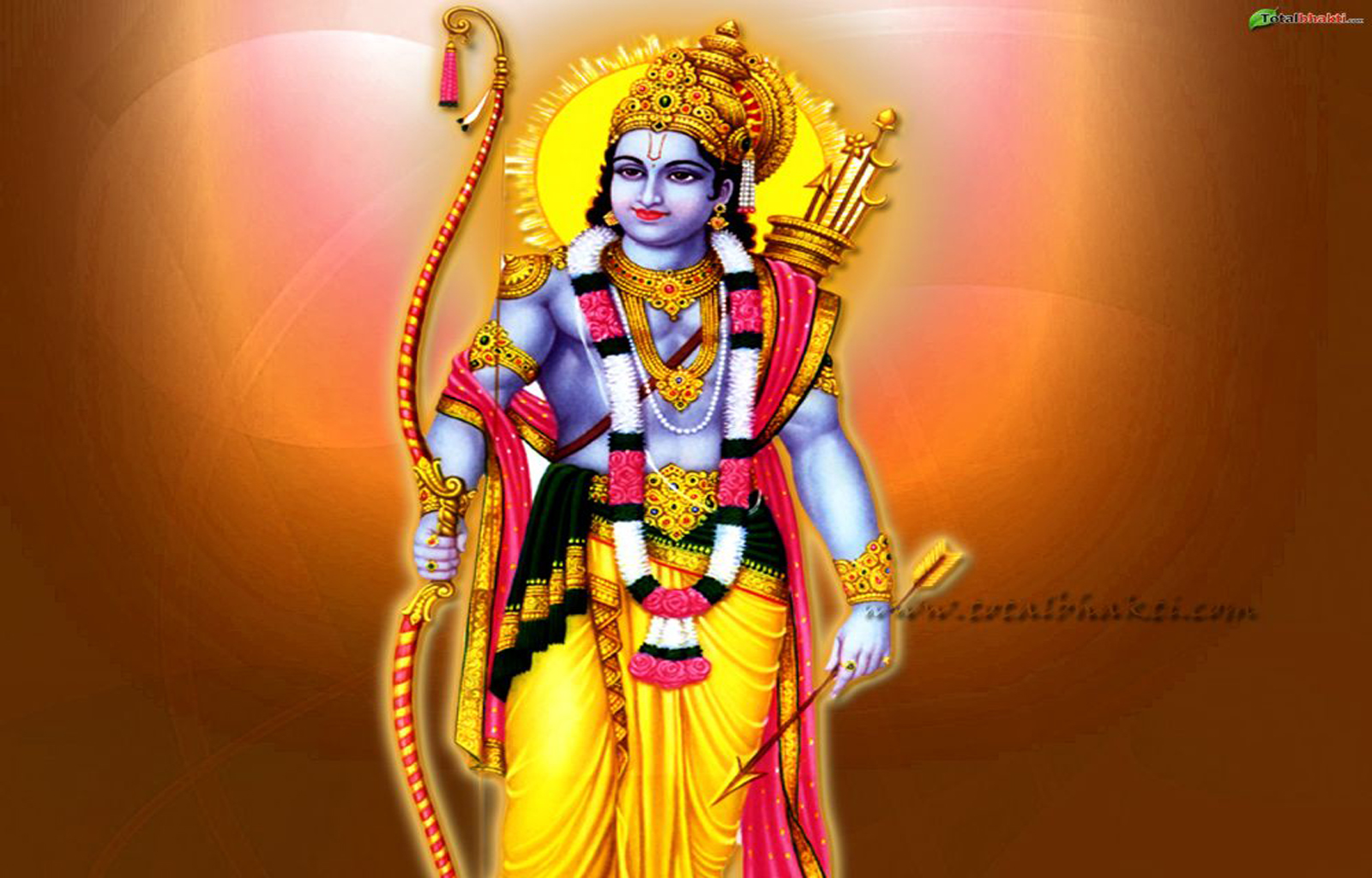
    In Buxar , Chitravan Rama killed Tadaka and to get rid of the sin of killing a woman, though she was a Demon, Lord Rama took bath in Baskar Theertha, also called Rama  Rekha Ghat, on the banks of the river Ganges.

    He also worshiped Lord Shiva here and Rama’s foot prints are found here.

    Rama visited this place after His coronation to perform a Yagna and drew the outlines for the Yaga Shala.

    As He used the tip of His arrow to draw the Lines, this place is called Rama Rekha Ghat.

    This place is 118 km from Patna.

    Airport.Patna.

    Railway Station.Buxar.

    Well connected by train/Bus from Varanasi, Patna.


    Vaisnava literature   mentions Buxar by the names Siddhashram, Vedgarbhapuri, Karush, Tapovan, Chaitrath, and Vyaghra Sar.

    The name is thought to be derived from the Sanskrit vyaghra and sar (tiger and pond).

    Some relate this to the tiger-like face of Rishi Vedshira, the outcome of a curse placed upon him by the sage Durvasha. His tiger-like countenance was restored after Vedshira bathed in a holy tank, which became known as Vyaghrasar.


    Buxar finds reference in Ramayana, Brahma Purana, Varah Purana and other ancient literature. During the pre-historic period, Buxar was the abode of eminent saints and the battlefield of Gods and demons while in modern history it was a combat zone against foreign invasions. Buxar has many historical sites and is famous as a town of temples.

    Archaeological findings at Buxar have established a link of Buxar with ancient civilizations of Mohenjo-Daro and Harappa.

    The historic battle of Buxar was fought here in 1764. It heralded the establishment of the rule of the East India Company in the eastern part of the Indian subcontinent.

    Shiva Temple, Brahmeshwar.jpg
    Shiva Temple, Brahmeshwar, Buxar,


    Brahmeshwarnath Temple: The temple is a revered place in the region, which is also referred to as Baba Brahmeshwarnath Dham. Positioned on BuxarPatna road, the shrine is dedicated to Lord Shiva. Devotees throng this temple in large numbers during the month of Shrawan.

    Katkauli Ka Maidan : Situated on the outskirts of Buxar town on the main road to Patna, the historic Battle of Buxar was fought in Katkauli Ka Maidan in 1764. The battle broke out on 22 October 1764 and the site is considered as a signpost in the history of British colonial rule in India.

     Sita Ram Upadhyaya Museum : Opened in 1979, this museum is one of the largest repositories in Buxar that house varieties of artifacts, rare stone sculptures, coins, articles of terracotta, etc.

     Chausa : 10 km west of Buxar town, Chausa is associated with Chyavan Rishi. A historic battle was fought here in 1539 in which the Afghan King Sher Shah Suri vanquished Mughal Emperor Humayun.

     Chausa hoard : At this site in Buxar, the first known bronze hoard was discovered in the Gangetic valley. The hoard was a set of 18 Jain bronze articles dating back to the period of Sungas and Guptas.

     Buxar Fort : The magnificent Buxar Fort, built by King Rudra Deo in 1054, is situated on the bank of river Ganga in the town of Buxar. Also worth seeing are Rameshwarnath temple, Gauri Shankar temple, Nath Baba temple, Waman Ashram, Ramrekha Ghat, Navlakha temple, etc. Bihariji Temple : Bihariji Temple, one of the most revered places in the region, is located 15 km from Buxar town at Dumraon. Constructed in 1825 at the behest of the Maharaja of Dumraon estate, the temple is dedicated to Lord Krishna, who is also known as Bihari. Shehnai maestro Bharat Ratna Ustad Bismillah Khan, a native of Dumraon, used to play Shehnai in this temple during his childhood.


    Temples around Buxar.
    1. Laxmi Narayan Mandir Ramanuj Kot , Temple
    Buxar 0.81 K. M.

    2. SHRI LANGDUBIR BABA KA MANDIR , Temple
    Buxar 2.56 K.M.

    3. SHRI DURGA MATA MANDIR Bharauli , Temple
    Ahirauli,Buxar 3.53 K. M.

    4. SARASWATI SHISHU MANDIR KOTWA NARAYANPUR , Temple
    Buxar 4.40 K. M.

    5.Jharkhande Baba ka Mandir , Temple
    Kamarpur,Buxar 6.82 K. M.

    6. RATNA DEV BABA MANDIR , Temple
    Dalsagar,Buxar 7.87 K. M.

    7. Lal bharti baba mandir , Temple
    Sonbarsa,Buxar 8.66 K. M.

    8. kali ma ka mandir , Temple
    Buxar,Buxar,Buxar 8.74 K. M.

    9. SHIV MANDIR HARDIAN RAI , Temple
    Kamarpur,Buxar 9.16 K. M.

    10. Kali maa ki Mandir , Temple
    Kamarpur,Buxar 10.9 K. M.

    11. Durga Ji Ka Mandir , Temple
    Chausa,Buxar 12.2 K. M.

    12. kali Mandir , Temple
    Balihar,Simri,Buxar 14.5 K. M.

    13. Shiv mandir of sikraul logical dhiru , Temple
    Banarpur,Chausa,Buxar 14.8 K. M.

    14. SIKRAUL MASJID LOGICAL DHIRU , Temple
    Banarpur,Chausa,Buxar 15.0 K. M.

    15. MAIN MANDIR OF SIKRAUL logical dhiru , Temple
    Banarpur,Chausa,Buxar 15.0 K. M.

    16. Shiv mandir , Temple
    Simri,Simri,Buxar 16.0 K. M.

    17. Shah Sb Masjid Takiya Muhalla , Temple
    Dumraon,Dumraon,Buxar 17.7 K. M.

    18. Bihari jee ka mandir , Temple
    Dumraon,Dumraon,Buxar 18.2 K. M.

    Refernces.

    http://www.udyogmitrabihar.com/docs/pdf/dp/buxar.pdf

    http://haricharanam.blogspot.in/2010/11/journeying-through-ramayana-day-5-buxar.html

    http://www.harekrsna.com/sun/features/02-14/features3091.htm

  • Buxar Where Rama Killed Thadaka

    The Ramayana mentions about 196 places visited by Lord Rama.

    These places are found even today in various parts of India.

    Rama Fighting Tadaka.jpg
    Rama Fighting Tadaka.

    Rama traveled by foot for about 2000 miles through the length and breadth of India.

    This consists of his trek with Viswamitra towards Mithila, where he married Sita.

    Enroute he, along with Lakshmana, his brother defended the Yagna of Sage Viswamitra.

    Rama Kills Thadaka.jpg
    Rama Kills Thadaka.

    Earlier Viswamitra demanded of King Dasaratha to send Rama and Lakshmana with him to defend the Yagna that was being disturbed by Rakshaasas.

    Sage Vasishta advised Dasaratha, who was nervous about sending young boys to fight against the Demons,that whatever Viswamitra is planning it would result only in the welfare of Lord Rama.

    Viswamitra took th boys along and initiated them the Two Mantras,Phala and Athiphala, the former to ward of hunger, the latter to prevent sleep and grant vigour.)please read my Post on these Mantras)

    Vishwamitra and the two princes came to Tataka’s forest and the sage ordered Rama to kill the demoness to free the area from her terror. Rama was hesitant to kill her as she was a woman and initially maimed her, chopping off her hands so that she could not attack him further. Using her demonic powers, she changed form, disappeared and continued to attack them whilst remaining unseen. Sage Vishwamitra advised Rama, that as a prince, he had to carry out his duty regardless of his own personal reservations about killing a woman. Rama swiftly pierced her heart with his arrows. This act gained the young princes the blessings of not just Vishwamitra but also the blessings of all of the assembled sages in the yagnashala.
    Tadka Vadh – Buxar, Bihar: After crossing the holy Ganga, Shri Ram and Lakshman reached a dense forest where demoness Tadka lived. The dreadful forest was known as Tadkavan. Shri Ram ended Tadka’s reign over the forest by slaying her and freeing its inhabitants from terror. The forest stretched between Bharoli and Baksar in Bihar. Shri Ram performed the first task of his “avtaar” (incarnation) here by destroying the evil demoness.

    The place where Rama killed Thadaka is in Buxar, Bihar and the spot where he killed Thadaka is called Charitra Vana.

    Before reaching Charitra vana, Viswamitra along Rama and Lakshmana stayed in Hajipur,where a statute of Lord Rama is found along with his foooprints,

    Haji Shamshuddin, king of Bengal erected a mosque in Hajipur .

    He also established Hajipur as his capital.

    Raja Thodarmal also lived here.
    Siddhashram: Buxar, Bihar: Rishi Vishwamitra’s Siddhashram was located not too far from Baksar. Siddhashram, according to Adhytma Ramayan was a social ashram where religious instruction was imparted to people. Shri Ram and Lakshman sojourned in the ashram for three days after Shri Ram killed Mareech and Subahu, the demons who were tormenting Rishi Vishwamitra by dirtying his Yagna (fire sacrifice) with bones and blood. Lakshman destroyed an entire demon force brought by Subahu while Shri Ram took on the mightY Mareech, son of Tadka, the demoness he had done away with earlier. There are villages existing today on the banks of the River Ganga with the names Mareech and Subahu.

    Ahilya Uddhar – Ahroli, Buxar, Bihar: Three kilometers from Buxar in the northern direction is the village Ahroli. Rishi Gautam had his ashram here.

    According to Ram Charita Manas it was here that Shri Ram delivered Ahilya, the beautiful wife of Rishi Gautam, from a curse of her husband, which had turned her into stone. When Shri Ram and Lakshman left Siddhashram they crossed River Ganga and River Sonbhadra and set foot on the soil of Ahroli village, which still exists in Buxar district.

    Every year, on the 18th day of Pausha month (Dec/Jan), a large number of people throng to Ram Rekha Ghat for Makar Sankranti fair. Popularly known as Khichari mela, the fair draws thousands of people who come to the ghat to take bath in the Ganges.

    Mahabharats’ Nakula’s temple is in Charitra vana.

    Buxar Thadaka Vana is 118 km from Buxar Railway Station and 1.5 km from Buxar Railway Station.

    https://books.google.co.in/books?id=43Fzt-G_-XYC&pg=PA160&lpg=PA160&dq=charitra+vana&source=bl&ots=CB57d7GwoB&sig=tZoZkWw4oK382FiakNjXDs0l2d4&hl=en&sa=X&ved=0ahUKEwjzw8_a2fPJAhXPU44KHcDtAboQ6AEIKzAD#v=onepage&q=charitra%20vana&f=false

    http://swamiindology.blogspot.in/2012/12/how-many-miles-did-rama-walk.html

    http://buxar.bih.nic.in/