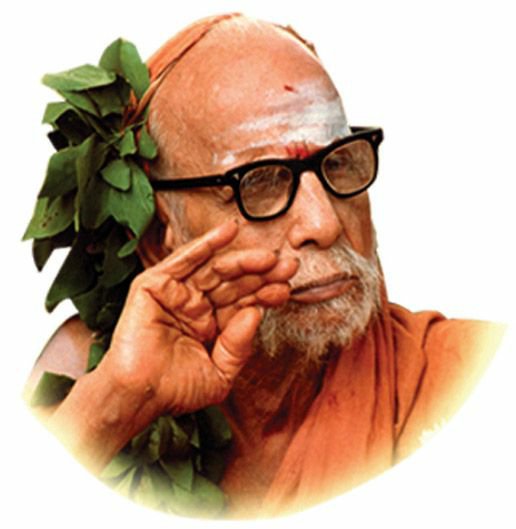
Tag: காஞ்சி பெரியவர்

  • காஞ்சி பெரியவர் அஷ்டோத்ரம் Audio Text Sanskrit English Tamil Telugu

    காஞ்சி பெரியவர் அஷ்டோத்ரம் Audio Text Sanskrit English Tamil Telugu

    I am reproducing the Kanchi Maha Periyava Astothram.

    Sri Kanchi Periyavat Ashtotram.

    Click on the image to magnify.

    10 names of Kanch Periyavar
    Kanchi Periyavar Ashtothram
    Periyavar Astothram 31-61
    Maha periyavar Astothram 31 -61
    1o8 names of kanchi periyavar
    Kanchi Periyavar Asthothram 62-92
    Kanchi Periyava  Ashtotram
    Kanchi Periyavar Ashtothram 93-108
    Kanchi Periyavar 3 D mage
    3 D Image Kanchi Maha Periyavar Source. Maha Periyavaa.com

    Source.

    Kahanam.

    Enhanced by Zemanta

    Kanchi Periyava, also known as Kanchi Maha Periyava, was a highly revered spiritual leader and the 68th Shankaracharya of the Kanchi Kamakoti Peetham. He was born as Chandrasekarendra Saraswati Swamigal on May 20, 1894, in Villupuram, Tamil Nadu.

    Kanchi Periyava dedicated his life to the service of humanity and the preservation of Hinduism. He traveled extensively, spreading the teachings of Advaita Vedanta and guiding countless devotees on the path of spirituality. He emphasized the importance of self-realization and the unity of all religions.

    During his tenure as the head of the Kanchi Kamakoti Peetham, Kanchi Periyava was instrumental in reviving the traditional practices of Hinduism and establishing numerous educational and charitable institutions. He was known for his simplicity, humility, and profound wisdom.

    Devotees of Kanchi Periyava regard him as an incarnation of Lord Shiva and deeply revere him for his spiritual guidance and blessings. His teachings continue to inspire millions of people around the world even after his Mahasamadhi (departure from the physical body) on January 8, 1994.

    “Deivathin Kural” is a renowned book written by Sri. Ra. Ganapathy on Sri Chandrasekarendra Saraswati Swamigal, also known as Kanchi Periyava. The book is a compilation of his discourses and teachings on various aspects of Hindu philosophy, traditions, culture, and spirituality. It covers a wide range of topics including Vedic rituals, social and moral values, the significance of festivals, the importance of devotion, and the essence of Hindu dharma.

    The book is divided into multiple volumes and is considered a treasure trove of wisdom for spiritual seekers and devotees. It provides insights and guidance on how to lead a righteous and fulfilling life, promoting a harmonious existence with oneself and with society.

    “Deivathin Kural” has been widely appreciated and revered for its depth of knowledge, clarity of thought, and practical relevance. It continues to be a source of inspiration and guidance for millions of people seeking spiritual enlightenment.

    If you are interested in reading “Deivathin Kural,” you can find it in leading bookstores or online platforms. It is available in multiple languages and is a valuable resource for those looking to deepen their understanding of Hindu philosophy and spirituality.

    Teachings of Kanchi Periyavar

    Kanchi Periyavar, also known as Chandrasekarendra Saraswati Swamigal, was a revered spiritual leader and the 68th Shankaracharya of the Kanchi Kamakoti Peetham. His teachings focus on the following key principles:

    1. Spirituality and Humility

    • Emphasized the importance of humility in spiritual practice.
    • Believed that true knowledge comes from surrendering the ego.

    2. Unity of Religions

    • Advocated for the unity among different religions and taught that all paths ultimately lead to the same truth.

    3. Service to Humanity

    • Encouraged selfless service (seva) to others as a means of spiritual growth and fulfillment.
    • Stressing that helping others is as important as personal spiritual advancement.

    4. Importance of Knowledge

    • Stressed the significance of both theoretical knowledge (jnana) and experiential knowledge (anubhava).
    • Encouraged the study of scriptures and philosophical texts to gain deeper insights.

    5. Detachment

    • Taught the value of detachment from material possessions and desires.
    • Encouraged followers to lead a simple life focused on spiritual pursuits.

    6. Meditation and Contemplation

    • Advocated regular practice of meditation to achieve mental peace and clarity.
    • Promoted contemplation on one’s true nature and the nature of the divine.

    7. Devotion and Surrender

    • Encouraged deep devotion (bhakti) towards God and surrendering to the divine will.
    • Highlighted the importance of faith and trust in the divine plan.

    8. Conduct and Ethics

    • Stressed the importance of ethical living and righteous conduct (dharma).
    • Believed that purity of thought, word, and deed is essential for spiritual evolution.

    Conclusion

    Kanchi Periyavar’s teachings continue to inspire millions, emphasizing a balanced approach to life that integrates spirituality with practical living. His wisdom remains relevant, encouraging individuals to live a life rooted in dharma, compassion, and devotion.

    With the Help of AI Jetpack

    Here is the Periyava Ashtakam of eight verses in Sanskrit, Tamil and English. काञ्ची पेरियवा अष्टक स्तोत्रम्

    http://vandeguruparamparaam.blogspot.com/2014/06/kanchi-periyava-ashtakam-stothram.html?m=1

  • பிள்ளையார் தத்துவம் ,’தெய்வத்தின் குரல்’


    Excerpts from Deivathin Kural by Kanchi Periyavar( compiled  by Ra.Ganapathy is being published here with the permission of The Kanchi Mutt.

    ‘விநாயக மூர்த்தியிலுள்ள ஒவ்வொரு சின்ன சமாசாரத்தைக் கவனித்தாலும் அதில் நிறையத் தத்துவங்கள் இருக்கின்றன. பிள்ளையாருக்குத் தேங்காய் உடைப்பது எதற்காக? விக்நேசுவரர், தம் அப்பாவான ஈசுவரனைப் பார்த்து “உன் சிரசையே எனக்குப் பலி கொடு” என்று கேட்டு விட்டாராம். எல்லாவற்றையும் காட்டிலும் உயர்ந்தது எதுவோ அதைத் தியாகம் பண்ணினால்தான் மகா கணபதிக்குப் ப்ரியம் ஏற்படுகிறது. அவ்வளவு பெரிய தியாகம் பண்ணுவதற்குத் தயார் என்ற அறிகுறியாகத்தான், ஈசுவரனைப்போலவே மூன்று கண்கள் உடைய தேங்காயைச் சிருஷ்டித்து அந்தக் காயை அவருக்கு நாம் அர்ப்பணம் பண்ணும்படியாக ஈசுவரன் அநுக்கிரகித்திருக்கிறார்.

    சிதறு தேங்காய் என்ற உடைக்கிற வழக்கம் தமிழ் தேசத்துக்கு மட்டுமே உரியது. இப்படிச் சிதறிய துண்டங்கள் யாருக்கு உரிமை என்றால் குழந்தைகளுக்குத்தான். இந்த உண்மை ஒரு குழந்தை மூலமாகத்தான் எனக்கே தெரிந்தது. அப்போது (1941) நான் நாகைப்பட்டினத்தில் சாதுர்மாஸ்ய விரதம் அநுஷ்டித்து வந்தேன். அங்கே கோயிலில் பிள்ளையாருக்கு நிறையச் சிதறுகாய் போடுவது வழக்கம். காயை உடைக்கவே இடம் கொடுக்காத அளவுக்குக் குழந்தைகள் ஒரே நெரிசலாகச் சேர்ந்துவிடும். திபுதிபு என்று அவை ஓடி வருவதில் என்மேல் விழுந்துவிடுப் போகின்றனவே என்று என்கூட வந்தவர்களுக்குப் பயம். அவர்கள் குழந்தைகளிடம் “இப்படிக் கூட்டம் போடாதீர்கள், விலகிப் போங்கள்” என்று கண்டித்தார்கள். அப்போது ஒரு பையன் ‘டாண்’ என்று, “பிள்ளையாருக்குத் தேங்காய் போட்டுவிட்டு, அப்புறம் எங்களை இங்கே வராதீர்கள் என்று சொல்ல

    உங்களுக்கு என்ன பாத்தியதையும்’ என்று தெரிந்தது.

    அகங்கார மண்டையோட்டை உடைத்தால் உள்ளே அமிருத் ரஸமாக இளநீர் இருப்பதை இந்தச் சிதறுகாய் உணர்த்துகிறது. கணபதியைக் காட்டிலும் சரீரத்தில் பருமனான ஸ்வாமி வேறு யாரும் இல்லை. சிரசு யானையின் தலை. பெரிய வயிறு. பெரிய உடம்பு. அவருக்கு ‘ஸ்தூல காயர்’ என்றே ஒரு பெயர். மலைபோல் இருக்கிறார். ஆனாலும் அவர் சின்னக் குழந்தை சரி, குழந்தைக்கு எது அழகு? குழந்தை என்றால் அந்தப் பருவத்தில் நிறையச் சாப்பிட வேண்டும். உடம்பு கொஞ்சம்கூட இளைக்கக்கூடாது. ஒரு சந்நியாசி நிறையச் சாப்பிட்டுக் கொண்டு பெரிய சரீரியாக இருந்தால் அது அவருக்கு அழகல்ல. வயசாகிவிட்டால் ராத்திரி உபவாசம் இருப்பார்கள். குழந்தை அப்படி இருப்பது அழகா? குழந்தை என்றால் தொந்தியும் தொப்பையுமாகக் கொழு கொழுவென்று இருந்தால்தான் அழகு. நிறையச் சாப்பிடுவதுதான் அழகு. குழந்தைகள் நல்ல புஷ்டியாக இருக்க வேண்டும் என்பதை இந்தக் குழந்தைச்சாமியே காட்டிக் கொண்டிருக்கிறார், கையில் மோதகத்தை வைத்துக்கொண்டு.

    இவரோ யானை மாதிரி இருக்கிறார். அதற்கு நேர் விரோதமான சின்னஞ்சிறு ஆகிருதி உடையது மூஞ்சூறு. இதை அவர் தம் வாகனமாக வைத்துக் கொண்டிருக்கிறார். மற்ற ஸ்வாமிகளுக்காவது ஒரு மாடு, ஒரு குதிரை, ஒரு பட்சி, என்று வாகனம் இருக்கிறது. இவரோ தாம் எத்தனைக்கு எத்தனை பெரிய ஸ்வாமியாக இருக்கிறாரோ, அத்தனைக்கு அத்தனை சின்ன வாகனமாக வைத்துக் கொண்டாலும் வாகனத்தினால் சுவாமிக்குக் கௌரவம் இல்லை. சுவாமியால்தான் வாகனத்துக்கு கௌரவம். வாகனத்துக்குக் கௌரவம் கொடுக்க, அதனுடைய சக்திக்கு ஏற்றபடி நெட்டிப் பிள்ளை யார் மாதிரியாகக் கனம் இல்லாமல் இருக்கிறார். அதற்குச் சிரமம் இல்லாமல், ஆனால் அதற்கு மரியாதை, கௌரவம் எல்லாம் உண்டாக்கும்படியாகத் தம் உடம்பை வைத்துக் கொண்டிருக்கிறார். ஸ்தூலகாயரான போதிலும், ‘பக்தர்கள் இருதயத்தில் கனக்காமல் லேசாக இருப்பேன்’ என்று காட்டுகிறார்.

    ஒவ்வொரு பிராணிக்கும் ஒவ்வோர் அங்கத்தில் அதிகக் கௌரவம் இருக்கும். சவுரிமான் (கவுரிமான்) என்று உண்டு. அதன் கௌரவம் வாலில். மயில் என்றால் அதற்குத் தோகை விசேஷம். தோகையை மயில் ஜாக்கிரதையாக ரட்சிக்கும். யானை எதை ரட்சிக்கும்? தன் தந்தத்தைத் தீட்டி வெள்ளை வெளேர் என்று பண்ணுகிறது என்றால், அந்தக் கொம்பில் ஒன்றையே ஒடித்து, அதனால் மகாபாரதத்தை எழுதிற்று. தன் அழகு, கௌரவம், கர்வம் எல்லாவற்றுக்கும் காரணமாக இருக்கிற ஒன்றைக் காட்டிலும், தர்மத்தைச் சொல்கிற ஒன்று நியாயத்துக்காக, தர்மத்துக்காக, விந்தைக்காக எதையும் தியாகம் பண்ண வேண்டும் என்பதைத்தானே தந்தத்தைத் தியாகம் பண்ணிக் காட்டியிருக்கிறது. ஸ்வாமிக்குக் கருவி என்று தனியாக ஒன்றும் வேண்டியதில்லை. எதையும் கருவியாக அவர் நினைத்தால் உபயோகித்துக் கொள்வார் என்பதற்கும் இது உதாரணம். ஒரு சமயம் தந்தத்தாலேயே அசுரனைக் கொன்றார். அப்போது அது ஆயுதம். பாரதம் எழுதும் இப்போது அதுவே பேனா.

    நமக்குப் பார்க்கப் பார்க்க அலுக்காத வஸ்துக்கள் சந்திரன், சமுத்திரம்,

    யானை ஆகியன. இவற்றையெல்லாம் எத்தனை தடவை, எத்தனை நேரம் பார்த்துக் கொண்டிருந்தாலும், அலுப்புச் சலிப்பில்லாத ஆனந்தம் பொங்கும். அதனால்தான் குழந்தைஸ்வாமி தன்னைப் பார்க்கிற ஜனங்களுக்கு எல்லாம், பார்க்கப் பார்க்க ஆனந்தம் எப்போதும் பொங்கிக் கொண்டிருக்கும்படியாக யானை உருவத்தோடு இருக்கிறார். அது ஆனந்த தத்துவம்: ஆராத ஆசையின் தத்துவம், அவர் பிறந்ததே ஆனந்தத்தில். பண்டாசுரன் விக்ன மந்திரங்களைப் போட்டு அம்பாளின் படை தன்னை நோக்கி வரமுடியாதபடி செய்தபோது, பரமேசுவரன் அவளை ஆனந்தமாகப் பார்த்தப்போது , அவளும் ஆனந்தமாக இந்தப் பிள்ளையைப் பெற்றாள். அவர் விக்னயந்திரங்களை உடைத்து அம்மாவுக்கு சகாயம் செய்தார்.

    அவர் பார்வதி பரமேஸ்வரர்களுக்குப் பிள்ளை .இந்த உலகத்துக்கே மூலத்திலிருந்து ஆவிர்ப்பவித்ததனால், அவரை நாம் “பிள்ளையார்” , “பிள்ளையார்” என்றே விசேஷித்து அழைக்கிறோம்.

    எந்த ஸ்வாமியை உபாஸிப்பதானாலும் முதலில் விநாயகருடைய அநுக்கிரகத்தைப் பெற்றுக் கொண்டால்தான் அந்தக் காரியம் விக்கினம் இல்லாமல் நடைபெறும். அவரையே முழுமுதற் கடவுளாக, பிரதான மூர்த்தியாக வைத்து உபாசிக்கிற மதத்துக்கு காணபத்தியம் என்று பெயர்.

    பிள்ளையாருக்கு எதிரே நின்று தோப்புக்கரணம் போடுகிறோமே, அதை நமக்கு எல்லாம் சொல்லிக் கொடுத்தவர் மஹாவிஷ்ணுதான் என்று ஒரு கதை இருக்கிறது. ஒரு சமயம் மஹாவிஷ்ணுவினுடைய சக்கரத்தை அவரது மருமகனான பிள்ளையார் விளையாட்டாகப் பிடுங்கிக் கொண்டு தம் வாயில் போட்டுக்கொண்டு விட்டாராம். பிள்ளையாரிடமிருந்து திரும்பப் பிடுங்குவது முடியாது. அவர் மிகவும் பலம் உடையவர். அதட்டி மிரட்டி வாங்கவும் முடியாது. ஆனால், அவரைச் சிரிக்க வைத்துச் சந்தோஷத்தில் அவர் வாயிலிருந்து சக்கரம் கீழே விழுந்தால் எடுத்துக்கொண்டு விடலாம் என்று மஹாவிஷ்ணுவுக்குத் தோன்றியதாம். உடனே நான்கு கைகளாலும் காதுகளைப் பிடித்துக் கொண்டு ஆடினாராம். விநாயகர் விழுந்து விழுந்து சிரித்தார். சக்கரம் கீழே விழுந்தது. விஷ்ணு எடுத்துக் கொண்டு விட்டார்.

    “தோர்பி: கர்ணம்” என்பேத தோப்புக்கரணம் என்று மாறியது. “தோர்பி” என்றால் “கைகளினால்” என்று அர்த்தம். ‘கர்ணம்’ என்றால் காது. “தோர்பி கர்ணம்” என்றால் கைகளால் காதைப் பிடித்துக் கொள்வது.

    விக்நேசுவரருடைய அநுக்கிரகம் இருந்தால்தான் லோகத்தில் எந்தக் காரியமும் தடையின்றி நடக்கும். தடைகளை நீக்கிப் பூரண அநுக்கிரகம் செய்கிற அழகான குழந்தைத் தெய்வம் பிள்ளையார். அவரைப் பிரார்த்தித்து, பூஜை செய்து, நாம் விக்கினங்கள் இன்றி நல்வாழ்வு வாழ்வோமாக.

    http://www.kamakoti.org/tamil/part1kural2.htm

    Ack Sri.Kanchi Mutt.Enhanced by Zemanta
  • தெய்வத்தின் குரல் காஞ்சி பெரியவர் , விநாயகர்

    கல்விக் கடலாக விளங்கிய காஞ்சிப் பெரியவரின் ‘ தெய்வத்தின் குரலில் இருந்து பகுதிகள் வெளியிடப்படுகின்றன .

    ஆங்கில மொழி பெயர்ப்பும்  வெளிடப்படும்.

    Periyava8_jpg_634809g.
    Kanchi Periyavar.

    தமிழ் நாட்டின் தனிப்பட்ட சிறப்பு எங்கு பார்த்தாலும் பிள்ளையார் கோயில்கள் இருப்பதேயாகும். “கோயில்” என்று பெயர் வைத்து விமானமும் கூரையும் போட்டுக் கட்டிடம் எழுப்ப வேண்டும் என்பதுகூட இல்லாமல், அரச மரத்தடிகளிலேகூட வானம் பார்க்க அமர்ந்திருக்கும் ஸ்வாமி நமது பிள்ளையார்.

    தெருவுக்குத் தெரு ஒரு பிள்ளையார் கோயில், நதிக் கரைகளிலெல்லாம் பிள்ளையார், மரத்தடிகளில் பிள்ளையார் என்றிப்படி இந்தத் தமிழ் தேசம் முழுவதும் அவர் வேறெந்த ஸ்வாமிக்கும் இல்லாத அளவுக்கு இடம் கொண்டு அருள் பாலித்து வருகிறார். அவரைப் “பிள்ளையார்” என்றே அன்போடு கூறுவது நம் தமிழ்நாட்டுக்கே உரிய வழக்கம். சர்வலோக மாதா பிதாக்களாகிய பார்வதி பரமேசுவரர்களின் ஜேஷ்ட புத்திரர் அவர். “பிள்ளை” என்றால் அவரைத்தான் முதலில் சொல்ல வேண்டும். வெறுமே “பிள்ளை” என்று சொல்லக்கூடாது என்பதால் மரியாதையாகப் “பிள்ளையார்” என்று சொல்வது தமிழ்நாட்டுச் சிறப்பு.

    “குமாரன்” என்றால் “பிள்ளை” என்றே அர்த்தம். பாரததேசம் முழுவதிலும் குமாரன், குமாரஸ்வாமி என்றால் பார்வதி பரமேசுவரர்களின் இளைய பிள்ளையாகிய சுப்பிரமணியரையே குறிப்பிடும். தமிழிலும் “குமரக் கடவுள்” என்கிறோம். ஆனால், அவரைக் “குமரனார்” என்பதில்லை: “குமரன்” என்றுதான் சொல்வார்கள். மூத்த பிள்ளைக்கே மரியாதை தோன்றப் பிள்ளையார் என்று பெயர் தந்திருக்கிறோம்.

    முதல் பிள்ளை இவர்: குழந்தை ஸ்வாமி. ஆனாலும் இவரே எல்லாவற்றுக்கும் ஆதியில் இருந்தவர். பிரணவம்தான் எல்லாவற்றுக்கும் முதல். பிரணவத்திலிருந்துதான் சகல பிரவஞ்சமும் ஜீவராசிகளும் தோன்றின. அந்தப் பிரணவத்தின் ஸ்வரூபமே பிள்ளையார். அவரது ஆனைமுகம், வளைந்த தும்பிக்கை இவற்றைச் சேர்த்துப் பார்த்தால் பிரணவத்தின் வடிவமாகவே தோன்றும்.

    குழந்தையாக இருந்துகொண்டே ஆதிமுதலின் தோற்றமாக இருக்கிற பிள்ளையார் குழந்தைபோல் தோன்றினாலும், பக்தர்களை ஒரேயடியாகத் கைதூக்கி உயர்த்தி விடுவதிலும் முதல்வராக இருக்கிறார். ஒளவைப் பாட்டி ஒருத்தியின் உதாரணமே போதும். ஒளவையார் பெரிய கணபதி உபாஸகி. பிரணவ ஸ்வரூபியான விநாயகரைப் புருவமத்தியில் தியானித்துக் கொண்டு, ஒளவையார் யோக சாஸ்திரம் முழுவதையும் அடக்கியதான “விநாயகர் அகவலை”ப் பாடியிருக்கிறாள். அதைப் பாராயணம் செய்தால் பரமஞானம் உண்டாகும். இந்த ஒளவையாரைப் பற்றி ஒரு கதை உண்டு. சுந்தரமூர்த்தி ஸ்வாமிகளும் சேரமான் பெருமாள் நாயனாரும் கைலாசத்துக்குப் புறப்பட்டார்கள். அவர்கள் ஒளவையாரையும் உடன் அழைத்துப் போக எண்ணினார்கள். அப்போது ஒளவை விக்நேசுவரருக்குப் பூஜை பண்ணிக் கொண்டிருந்தாள். சீக்கிரம் பூஜையை முடித்துத் தங்களுடன் கைலாசத்துக்கு வருமாறு சுந்தரமூர்த்தியும் சேரமானும் அவளை அவசரப்படுத்தி அழைத்தார்கள். அவளோ, “நீங்கள் போகிறபடி போங்கள். உங்களுக்காக நான் என் பூஜையை வேகப்படுத்த மாட்டேன். விநாயக பூஜையே எனக்குக் கைலாசம்” என்று சொல்லி விட்டாள். அவர்கள் அப்படியே கிளம்பி விட்டார்கள். ஒளவை சாங்கோபாங்கமாகப் பூஜை செய்து முடித்தாள். முடிவில் பிள்ளையார் பிரசன்னமாகி அவளை அப்படியே தம் துதிக்கையால் தூக்கி ஒரே வீச்சில் கைலாசத்தில் கொண்டு சேர்த்துவிட்டார். அவளுக்குப் பிற்பாடுதான்

    சுந்தரமூர்த்தியும் சேரமான் பெருமாளும் கைலாசத்தை அடைந்தார்கள். அங்கே சேரமான் பெருமாள் திருக்கைலாய ஞான உலாவைப் பாடினார். இதை அருணகிரிநாதர் திருப்புகழில்,


    ஆதரம் பயில் ஆரூரர் தோழமை

    சேர்தல் கொண்டவரோடே முனாளினில்

    ஆடல் வெம்பரி மீதேறி மா கயிலையிலேகி

    ஆதி அந்த உலா ஆசு பாடிய

    சேரர்….

    என்பதில் சொல்லாமல் சொல்கிறார். “அப்படிப்பட்ட சேரர் ஆண்ட கொங்கு தேசத்தில் உள்ள பழனியில் இருக்கிற பெருமாளே” என்று பழனியாண்டவனைப் பாடுகிறார். சுந்தரரும், சேரமான் பெருமாள் நாயனாரும் கைலாசம் சேர்ந்ததற்கு இப்படி குமாரஸ்வாமியின் சம்பந்தத்தை உண்டாக்குகிறார். மூத்த குமாரரான பிள்ளையாருக்கோ ஏற்கனேவே அந்த சம்பவத்தில் சம்பந்தம் இருக்கிறது. அந்த இரண்டு பேருக்கும் முன்னதாக, ஒரு சொடக்குப் போடுகிற நாழிகைக்குள் அவர் ஒளவைப் பாட்டியைக் கைலாசத்தில் சேர்த்துவிட்டார். பெரிய அநுக்கிரகத்தை அநாயசமாகச் செய்கிற ஸ்வாமி விக்நேசுவரர்.

    http://www.kamakoti.org/tamil/part1kural1.htm

    © Copyright Shri Kanchi Kamakoti Peetham

  • Sringeri,Kanchi Periyava- Unseemly Controversy.

    The discussion among people who call themselves as Devotees of Kanchi and Sringeri is disgusting.


    Kanchi adherents say that Sringeri Acharya travels by Car, ostentatious and does precious little for the Community.


    On their part ,Sringeri Mutt followers say that Sri.Adi Sankara did not establish a Mutt at Kanchi at all as there can be one South Mutt and that’s Sringeri.


    It is also added that Kanchi gets into unnecessary controversies that do not befit the Offices of an Acharya, much like the Pope.!


    Kanchi retorts that Sringeri is the Asthana Peda of The Mysore Maharaja and Kanchi is for the common man!


    Sringeri quotes JayendraSaraswati Episode and Kanchi had to squirm .


    Are these people real Devotees, who are after the Truth and Realisation?

    /maha_periyava_10.jpg
    Kanchi Periyava.

    Let’s get the facts .


    True that there is no historical evidence that the Kanchi Mutt was established by Adi Shankaracharya direct.


    So what?


    If some want to get a vicarious pleasure in criticising Kanchi , Be it.


    On their part ,Kanchi need not attempt to justify the Petam by trying to twist  History.


    Kanchi Periyava is an incarnation of Compassion and a reflection of what a Real Sanyasi should be.


    He advised Arthur Osbourne , who had come to  ask him to accept him as his Disciple hie advised him that his Guru is Ramana Maharishi;he will return dissatisfied with him at the first instance and later become Ramana’s  ardent Devotee.(Osbourne records this.I have posted on this)


    As to Sringeri the dignity and the beauty of the Pooja of the Swamiji is to be felt to believed.


    Abhinava Vidyatirtha, Sringeri./2009/09/036.jpg
    Sri Abhinava Vidyatheertha,Sringeri.

    Contrary to what people think he was/ is very pragmatic.


    His approach to the Duty of Sannyasa is ‘Perform duties as a Sanyasi  by Poojas and Bhashans and leave the Empirical to the worldly.


    “He Is There’


    Not many people know how humble and  Gracious he  is.


    I had an argument(!?) with him (Abhinava Vidyatheertha) on the interpretation of a sentence in The Vedas and was down right rude.


    He sent for me latter , explained me(where he told me I was Right!) and taught me Vedas for about eight long years( though I attended intermittently)


    When I went to seek a Darshan of Kanchi Periyava for the first time, he picked me from the Crowd(( I do not believe in getting recommendation in having Darshan in Temples or The Acharyas) and said’


    ” you are learning from the Sringeri Periyava, make sure you follow what he says”


    He had no chance of knowing this.


    This the mutual respect these great souls had for each other.


    Our goal is Realisation and we are not qualified to comment on these Sages.


    Let me quote Excerpt for MahaPeriyava site;


    Sringeri Periyava said about Mahaperiyava::

    Mahaperiyava speaks highly about Sringeri Periyava’s thapas::

    Below is what Sringeri Periyava advises to all – I can’t agree anymore.

    Last but not the least, Mahaperiyava admits that Kanchi Vs Sringeri is not going to end anywhere sooner…

    http://mahaperiyavaa.wordpress.com/2012/10/06/kanchi-vs-sringeri/


    Enhanced by Zemanta
  • ரா.கணபதியின் புத்தகங்கள் Online

    'Kanchi Periyavar' Rare Photo jpg.
    Kanchi Periyavar


    தெய்வத்தின் குரல் மூலம் காஞ்சி பெரியவரின் பெருமைகளை விளக்கிய ரா .கணபதியின் நூல்கள் இப்போது ஆன்லைனில் .

    காஞ்சி கோடி ராம கோடி ,கருணைக்கடலின் சில அலைகள் .ஸ்ரீ மாதா,கருணைக்காஞ்சி கனகதாரை ஆகியவை ஆன்லைனில் .