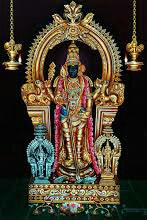
Tag: Skanda

  • Skanda Tamil Reference 20,000 years ago

    Skanda Tamil Reference 20,000 years ago

    There was a comment to my article on Siva Worship in Tamil asking me to write an article on the worship of Skanda in Vedic literature and in Tamil.

    This seems to be a reaction to Self styled Rationalists/Tamil scholars, who have taken a vow to denigrate Hinduism/ Sanatana Dharm , divide India as North and South and insult Hindu Gods in filthy language. It is worth noting that these persons are not even Hindus!

    It is an irony that the kings who had built massive temples for Hindu gods are insulted thus.And the funniest point that these persons do not know either Tamil or Sanskrit,much less about Culture in general and Indian culture specifically.

    I shall write in detail about Skanda Worship in Vedas in another article.Here I answer those who claim that Murugan is different from Skanda and that Brahmins have converted Murugan into Subramanya!

    The practice of Kavadi for Lord Murugan is essentially a Tamil custom.Kavadi is found in Harappa.

    I have provided the meaning of the term Skanda,from Brittanica as many anglophiles look down on Indian sources!

    The earliest reference is in Chandogya Upanishad about Skanda.

    In Tamil literature Skanda reference is in Thirumurukatruppadai by Nakkerar.The poem belongs to Sangam Period which is dated around three thousand years ago. But my researches prove that Silappadikaram,one of the Five Great Epics in Tamil can be dated back to 16,000 years ago based on the Archeological Find in Poompuhar Tamil Nadu.Based on this Sangam literature can be dated to 20,000 years ago.

    So the reference to Skanda is 20000 years old.

    Encyclopedia Britannica small logo

    It is worth noting that Tholkappiyam marks Murugan as the God of Hilly terrain,Kurinji.And Muruga is described vas Red in color, which is the same description found in Sanskrit.Again Skanda means to leap ,to fight

    He is described as the senapati or The General of Devas in both Tamil and Sanskrit.Much impressed by His valour Indra,Chief of Devas ,gave his daughter Devasena to Murugan. This is found in Tamil literature and One of the six special abodes of Muruga,Arupadai veedu,is Thirupparankundram,near Madurai,where Murugan is found with His consorts Valli and Devasena.

    And Tamil literature worships Indira as God of rain and Indra vizha was celebrated in His honour by the Tamils.

    And Arunagirinathar in Kandhar Alankaaram calls Skanda as Kaadhip poru padaik kandhan..காதிப் பொரு படைக் கந்தன்.

    And you have Kandhar Kortam temple in Chennai which is quite ancient.

    Skanda

    Hindu deityWRITTEN BYThe Editors of Encyclopaedia BritannicaEncyclopaedia Britannica’s editors oversee subject areas in which they have extensive knowledge, whether from years of experience gained by working on that content or via study for an advanced degree….See Article HistoryAlternative Titles: Kārttikeya, Kumāra, Subrahmaṇya

    Skanda(Sanskrit: “Leaper” or “Attacker”)also called Karttikeya, Kumara, or Subrahmanya, Hindu god of war who was the firstborn son of Shiva. The many legends giving the circumstances of his birth are often at variance with one another. https://www.britannica.com/topic/Skanda

    வந்த வினையும் வருகின்ற வல்வினையும்
    கந்தன் என்ற சொல்லக் கலங்கிடுமே
    செந்தில் நகர் சேவகா என்று திருநீறு அணிவார்க்கு
    மேவ வராதே வினை.
    (நக்கீரர் பாடிய திருமுருகாற்றுப்படை வெண்பா) https://www.dinamalar.com/aanmeegamnews_detail.asp?news_id=12485

    https://securepubads.g.doubleclick.net/gampad/ads?iu=%2F1028307%2FDinamalar_MobileSite_ROS_ATF_Top_300x250&adk=138680509&sz=300×250&output=html&impl=ifr&ifi=2&msz=374x-1&psz=374x-1&fws=4&adf=190587403&nhd=1&adx=37&ady=90&oid=2&gdfp_req=1&sfv=1-0-37&u_sd=2.8812501430511475&artc=807&ati=2&ard=prebidappnexus&is_amp=3&amp_v=2007242032001&d_imp=1&c=337703005549&ga_cid=5auhIM4hmTNRSLgf26BlY9Uy7f3H3UFY_XzBOls3M7Mkzx7VNbDLfhHBpoS03epG&ga_hid=5549&dt=1596681928534&biw=375&bih=630&u_aw=375&u_ah=813&u_cd=24&u_w=375&u_h=813&u_tz=330&u_his=7&isw=375&ish=630&vis=1&scr_x=0&scr_y=0&bc=7&url=https%3A%2F%2Ftemple.dinamalar.com%2Fnews_detail.php%3Fid%3D13485&top=www.google.com&loc=https%3A%2F%2Fm-dinamalar-com.cdn.ampproject.org%2Fv%2Fs%2Fm.dinamalar.com%2Ftemple_detail.php%3Fid%3D13485%26amp_js_v%3D0.1%26usqp%3Dmq331AQFKAGwASA%3D%23origin%3Dhttps%253A%252F%252Fwww.google.com%26prerenderSize%3D1%26visibilityState%3Dprerender%26paddingTop%3D32%26p2r%3D0%26csi%3D1%26aoh%3D15966819017740%26viewerUrl%3Dhttps%253A%252F%252Fwww.google.com%252Famp%252Fs%252Ftemple.dinamalar.com%252Fnews_detail.php%25253fid%253D13485%26history%3D1%26storage%3D1%26cid%3D1%26cap%3DnavigateTo%252Ccid%252CfullReplaceHistory%252Cfragment%252CreplaceUrl%252CiframeScroll&ref=https%3A%2F%2Fwww.google.com%2F&bdt=109&dtd=847&aet=n&__amp_source_origin=https%3A%2F%2Fm.dinamalar.com

    திருமுருகாற்றுப்படை

    பதிவு செய்த நாள்: செப் 26,2012 15:27

    Dinamalar tamil news


    1. திருப்பரங்குன்றம் உலகம் உவப்ப வலன்ஏர்பு திரிதரு
    பலர்புகழ் ஞாயிறு கடற்கண் டாஅங்கு
    ஓவற இமைக்கும் சேண்விளங்கு அவிரொளி
    உறுநர்த் தாங்கிய மதனுடை நோன்றாள்
    செறுநர்த் தேய்த்த செல்லுறழ் தடக்கை . 5 மறுவில் கற்பின் வாணுதற் கணவன் 
    கார்கோள் முகந்த கமஞ்சூல் மாமழை
    வாள்போழ் விசும்பில் வள்ளுறை சிதறித்
    தலைப்பெயல் தலை இய தண்ணறுங் கானத்து
    இருள்படப் பொதுளிய பராரை மராஅத்து 10 உருள்பூந் தண்டார் புரளும் மார்பினன் 
    மால்வரை நிவந்த சேணுயர் வெற்பிற்
    கிண்கிணி கவைஇய ஒண்செஞ் சீறடி,
    கணைக்கால் வாங்கிய நுசுப்பின், பணைத்தோள்,
    கோபத் தன்ன தோயாப் பூந்துகில், 15 பல்காசு நிரைத்த சில்காழ் அல்குல்,
    கைபுனைந்து இயற்றாக் கவின்பெறு வனப்பின்,
    நாவலொடு பெயரிய பொலம்புனை அவிரிழை,
    சேணிகந்து விளங்கும் செயிர்தீர் மேனி,
    துணையோர் ஆய்ந்த இணையீர் ஓதிச் 20 செங்கால் வெட்சிச் சீறிதழ் இடையிடுபு
    பைந்தாட் குவளைத் தூவிதழ் கிள்ளித்
    தெய்வ வுத்தியொடு வலம்புரி வயின்வைத்துத்
    திலகம் தைஇய தேங்கமழ் திருநுதல்
    மகரப் பகுவாய் தாழமண் ணுறுத்துத் 25 துவர முடித்த துகளறு முச்சிப்
    பெருந்தண் சண்பகஞ் செரீஇக் கருந்தகட்டு
    உளைப்பூ மருதின் ஒள்ளிணர் அட்டிக்
    கிளைக்கவின்று எழுதரு கீழ்நீர்ச் செவ்வரும்பு 
    இணைப்புறு பிணையல் வளைஇத் துணைத்தக 30 வண்காது நிறைந்த பிண்டி ஒண்டளிர்
    நுண்பூண் ஆகம் திளைப்பத் திண்காழ்
    நறுங்குறடு உரிஞ்சிய பூங்கேழ்த் தேய்வை
    தேங்கமழ் மருதிணர் கடுப்பக் கோங்கின்
    குவிமுகிழ் இளமுலைக் கொட்டி விரிமலர் 35 வேங்கை நுண்டாது அப்பிக் காண்வர
    வெள்ளிற் குறுமுறி கிள்ளுபு தெறியாக்
    கோழி ஓங்கிய வென்றடு விறற்கொடி
    வாழிய பெரிöதன்று ஏத்திப் பலருடன்
    சீர்திகழ் சிலம்பகம் சிலம்பப் பாடி 40 சூரர மகளிர் ஆடும் சோலை 
    மந்தியும் அறியா மரன்பயில் அடுக்கத்துச்
    சுரும்பும் மூசாச் சுடர்ப்பூங் காந்தட்
    பெருந்தண் கண்ணி மிலைந்த சென்னியன் 
    பார்முதிர் பனிக்கடல் கலங்கவுள் புக்குச் 45 சூர்முதல் தடிந்த சுடரிலை நெடுவேல் 
    உலறிய கதுப்பின் பிறழ்பற் பேழ்வாய்ச்
    சுழல்விழிப் பசுங்கண் சூர்த்த நோக்கின்
    கழல்கட் கூகையொடு கடும்பாம்பு தூங்கப்
    பெருமுலை அலைக்கும் காதின் பிணர்மோட்டு 50 உருகெழு செலவின் அஞ்சுவரு பேய்மகள்
    குருதி ஆடிய கூருகிர்க் கொடுவிரற்
    கண்தொட் டுண்ட கழிமுடைக் கருந்தலை
    ஒண்டொடித் தடக்கையின் ஏந்தி வெருவர
    வென்றடு விறற்களம் பாடித்தோள் பெயரா 55 நிணம்தின் வாயள் துணங்கை தூங்க 
    இருபே ருருவின் ஒருபே ரியாக்கை
    அறுவேறு வகையின் அஞ்சுவர மண்டி
    அவுணர் நல்வலம் அடங்கக் கவிழிணர்
    மாமுதல் தடிந்த மறுவில் கொற்றத்து 60 எய்யா நல்லிசைச் செவ்வேற் சேஎய் 
    சேவடி படரும் செம்மல் உள்ளமொடு
    நலம்புரி கொள்கைப் புலம்புரிந் துறையும்
    செலவுநீ நயந்தனை யாயின், பலவுடன்
    நன்னர் நெஞ்சத்து இன்னசை வாய்ப்ப 65 இன்னே பெறுதிநீ முன்னிய வினையே 
    செருப்புகன்று எடுத்த சேணுயர் நெடுங்கொடி
    வரிப்புனை பந்தொடு பாவை தூங்கப்
    பொருநர்த் தேய்த்த போரரு வாயில்
    திருவீற் றிருந்த தீதுதீர் நியமத்து 70 மாடமலி மறுகின் கூடற் குடவயின் இருஞ்சேற்று
    அகல்வயல் விரிந்துவாய் அவிழ்ந்த முட்டாள்
    தாமரைத் துஞ்சி வைகறைக்
    கட்கமழ் நெய்தல் ஊதி எற்படக்
    கண்போல் மலர்ந்த காமர் சுனைமலர் 75 அஞ்சிறை வண்டின் அரிக்கணம் ஒலிக்கும்
    குன்றமர்ந்து உறைதலும் உரியன். அதாஅன்று 
    வைந்நுதி பொருத வடுவாழ் வரிநுதல்
    வாடா மாலை ஓடையொடு துயல்வரப்
    படுமணி இரட்டும் மருங்கின் கடுநடைக். 80 கூற்றத்து அன்ன மாற்றரு மொய்ம்பின்
    கால்கிளர்ந் தன்ன வேழ மேல்கொண்டு 
    ஐவேறு உருவின் செய்வினை முற்றிய
    முடியொடு விளங்கிய முரண்மிகு திருமணி
    மின்உறழ் இமைப்பின் சென்னிப் பொற்ப 85 நகைதாழ்பு துயல்வரூஉம் வகையமை பொலங்குழை
    சேண்விளங்கு இயற்கை வாண்மதி கவைஇ
    அகலா மீனின் அவிர்வன இமைப்பத்
    தாவில் கொள்கைத் தந்தொழில் முடிமார்
    மனனேர்பு எழுதரு வாள்நிற முகனே. 90 மாயிருள் ஞாலம் மறுவின்றி விளங்கப்
    பல்கதிர் விரிந்தன்று ஒருமுகம்;ஒருமுகம்,
    ஆர்வலர் ஏத்த அமர்ந்தினி தொழுகிக்
    காதலின் உவந்து வரங்கொடுத் தன்றே ஒருமுகம்,
    மந்திர விதியின் மரபுளி வழாஅ 95 அந்தணர் வேள்விஓர்க் கும்மே;ஒருமுகம்,
    எஞ்சிய பொருள்களை ஏமுற நாடித்
    திங்கள் போலத் திசைவிளக் கும்மே ஒருமுகம்,
    செறுநர்த் தேய்த்துச் செல்சமம் முருக்கிக்
    கறுவுகொள் நெஞ்சமொடு களம்வேட் டன்றே ஒருமுகம். 100 குறவர் மடமகள் கொடிபோல் நுசுப்பின்
    மடவரல் வள்ளியொடு நகையமர்ந் தன்றே.
    ஆங்குஅம் மூவிருமுகனும் முறைநவின்று ஒழுகலின் 
    ஆரம் தாழ்ந்த அம்பகட்டு மார்பின்
    செம்பொறி வாங்கிய மொய்ம்பின் சுடர்விடுபு 105 வண்புகழ் நிறைந்து வசிந்துவாங்கு நிமிர்தோள்
    விண்செலல் மரபின் ஐயர்க்கு ஏந்தியது
    ஒருகை; உக்கம் சேர்த்தியது ஒருகை;
    நலம்பெறு கலிங்கத்துக் குறங்கின்மிசை அசைஇயதொருகை;
    அங்குசங் கடாவ ஒருகை,இருகை 110 ஐயிரு வட்டமொடு எஃகுவலந் திரிப்ப,
    ஒருகை மார்பொடு விளங்க ஒருகை
    ஒருகை தாரொடு பொலிய, ஒருகை
    கீழ்வீழ் தொடியொடு மீமிசைக்கொட்ப, ஒருகை
    பாடின் படுமணி இரட்ட, ஒருகை 115 நீனிற விசும்பின் மலிதுளி பொழிய, ஒருகை
    வானர மகளிர்க்கு வதுவை சூட்ட,
    ஆங்குஅப் பன்னிரு கையும் பாற்படஇயற்ற 
    அந்தரப் பல்லியம் கறங்கத் திண்காழ்
    வயிர்எழுந் திசைப்ப, வால்வளை ஞரல 120 உரந்தலைக் கொண்ட உருமிடி முரசமொடு
    பல்பொறி மஞ்ஞை வெல்கொடி அகவ,
    விசும்பஆ றாக விரைசெலல் முன்னி,
    உலகம் புகழ்ந்த ஓங்குயர் விழுச்சீர்
    அலைவாய்ச் சேறலும் நிலைஇய பண்பேஅதான்று 125 சீரை தைஇய உடுக்கையர் சீரொடு
    வலம்புரி புரையும் வால்நரை முடியினர்
    மாசுஅற இமைக்கும் உருவினர் மானின்
    உரிவை தைஇய ஊன்கெடு மார்பின்
    என்புஎழுந்து இயங்கும் யாக்கையர் நன்பகல். 130 பலவுடன் கழிந்த உண்டியர் இகலொடு
    செற்றம் நீக்கிய மனத்தினர் யாவதும்
    கற்றோர் அறியா அறிவினர் கற்றோர்க்குத்
    தாம்வரம்பு ஆகிய தலைமையர் காமமொடு
    கடுஞ்சினம் கடிந்த காட்சியர் இடும்பை 135 யாவதும் அறியா இயல்பினர் மேவரத்
    துனியில் காட்சி முனிவர் முற்புக 
    புகைமுகந் தன்ன மாசில் தூவுடை
    முகைவாய் அவிழ்ந்த தகைசூழ் ஆகத்துச்
    செவிநேர்பு வைத்த செய்வுறு திவவின். 140 நல்லியாழ் நவின்ற நயனுடை நெஞ்சின்
    மென்மொழி மேவலர் இன்னரம்பு உளர 
    நோயின்று இயன்ற யாக்கையர் மாவின்
    அவிர்தளிர் புரையும் மேனியர் அவிர்தொறும்
    பொன்னுரை கடுக்கும் திதலையர் இன்னகைப் 145 பருமம் தாங்கிய பணிந்தேந்து அல்குல்
    மாசில் மகளிரொடு மறுவின்றி விளங்க 
    கடுவொடு ஒடுங்கிய தூம்படை வால்எயிற்று
    அழலென உயிர்க்கும் அஞ்சுவரு கடுந்திறல்
    பாம்புபடப் புடைக்கும் பல்வரிக் கொடுஞ்சிறைப் 150 புள்ளணி நீள்கொடிச் செல்வனும், வெள்ளேறு
    வலைவயின் உயரிய பலர்புகழ் திணிதோள்
    உமையமர்ந்து விளங்கும் இமையா முக்கண்
    மூவெயில் முருக்கிய முரண்மிகு செல்வனும்,
    நூற்றுப்பத்துஅடுக்கியநாட்டத்துநூறுபல் 155 வேள்வி முற்றிய வென்றடு கொற்றத்து
    ஈரிரண்டு ஏந்திய மருப்பின் எழில்நடைத்
    தாழ்பெருந் தடக்கை உயர்த்த யானை
    எருத்தம் ஏறிய திருக்கிளர் செல்வனும், 
    நாற்பெருந் தெய்வத்து நன்னகர் நிலைஇய 160 உலகம் காக்கும் ஒன்றுபுரி கொள்கைப்
    பலர்புகழ் மூவரும் தலைவ ராக
    ஏமுறு ஞாலந் தன்னில் தோன்றித்
    தாமரை பயந்த தாவில் ஊழி
    நான்முக ஒருவற் சுட்டிக் காண்வர 165 பகலிற் றோன்றும் இகலில் காட்சி
    நால்வேறு இயற்கைப் பதினொரு மூவரொடு
    ஒன்பதிற்று இரட்டி உயர்நிலை பெறீஇயர் 
    மீன்பூத் தன்ன தோன்றலர் மீன்சேர்பு
    வளிகிளர்ந் தன்ன செலவினர் வளியிடைத் 170 தீயெழுந் தன்ன திறலினர் தீப்பட
    உரும்இடித் தன்ன குரலினர் விழுமிய
    உறுகுறை மருங்கிந்தம் பெறுமுறை கொண்மார்
    அந்தரக் கொட்பினர் வந்துடன் காணத் 
    தாவில் கொள்கை மடந்தையொடு சின்னாள் 175 ஆவினன்குடி அசைதலும் உரியன்: அதான்று, 
    இருமூன்று எய்திய இயல்பினின் வழாஅது
    இருவர்ச் சுட்டிய பல்வேறு தொல்குடி
    அறுநான்கு இரட்டி இளமை நல்லியாண்டு
    ஆறினிற் கழிப்பிய அறன்நவில் கொள்கை 180 மூன்றுவகைக் குறித்த முத்தீச் செல்வத்து
    இருபிறப் பாளர் பொழுதறிந்து நுவல, 
    ஒன்பது கொண்ட மூன்றுபுரி நுண்ஞாண்
    புலராக் காழகம் புலர உடீஇ,
    உச்சிக் கூப்பிய கையினர் தற்புகழ்ந்து 185 ஆறெழுத்து அடக்கிய அருமறைக் கேள்வி
    நாஇயல் மருங்கில் நவிலப் பாடி
    விரையுறு நறுமலர் ஏந்திப் பெரிந்துஉவந்து
    ஏரகத்து உறைதலும் உரியன்: அதான்று, 
    பைங்கொடி நறைக்காய் இடையிடுபு வேலன் 190 அம்பொதிப் புட்டில் விரைஇக் குளவியொடு
    வெண்கூ தாளம் தொடுத்த கண்ணியன்
    நறுஞ்சாந்து அணிந்த கேழ்கிளர் மார்பின்
    கொடுந்தொழில் வல்விற் கொலைஇய கானவர்
    நீடமை விளைந்த தேக்கள் தேறல் 195 குன்றகச் சிறுகுடிக் கிளையுடன் மகிழ்ந்து
    தொண்டகச் சிறுபறைக் குரவை அயர 
    விரலுளர்ப்பு அவிழ்ந்த வேறுபடு நறுங்கால்
    குண்டுசுனை பூத்த வண்டுபடு கண்ணி
    இணைத்த கோதை அணைத்த கூந்தல் 200 முடித்த குல்லை இலையுடை நறும்பூச்
    செங்கால் மராஅத்த வாலிணர் இடையிடுபு
    சுரும்புணத் தொடுத்த பெருந்தண் மாத்தழை
    திருந்துகாழ் அல்குல் திளைப்ப உடீஇ
    மயில்கண் டன்ன மடநடை மகளிரொடு 205 செய்யன் சிவந்த ஆடையன் செவ்வரைச்
    செயலைத் தண்டளிர் துயல்வருங் காதினன்
    கச்சினன் கழலினன் செச்சைக் கண்ணியன்
    குழலன் கோட்டன் குறும்பல் லியத்தன்
    தகரன் மஞ்ஞையன் புகரில் சேவலங் 210 கொடியன் நெடியன் தொடியணி தோளன்
    நரம்பார்த் தன்ன இன்குரல் தொகுதியொடு
    குறும்பொறிக் கொண்ட நறுந்தண் சாயல்
    மருங்கிற் கட்டிய நிலன்நேர்பு துகிலினன்
    முழவுறழ் தடக்கையின் இயல ஏந்தி 215

    மென்றோட் பல்பிணை தழீஇத் தலைத்தந்து
    குன்றுதொ றாடலும் நின்றதன்பண்பே; அதான்று, 
    சிறுதினை மலரொடு விரைஇ மறியறுத்து
    வாரணக் கொடியொடு வயிற்பட நிறீஇ
    ஊரூர் கொண்ட சீர்கெழு விழவினும், 220 ஆர்வலர் ஏத்த மேவரும் நிலையினும்,
    வேலன் தைஇய வெறியயர் களனும்,
    காடும் காவும் கவின்பெறு துருத்தியும்,
    யாறும் குளனும் வேறுபல் வைப்பும்,
    சதுக்கமும் சந்தியும் புதுப்பூங் கடம்பும், 225 மன்றமும் பொதியிலும் கந்துடை நிலையினும் 
    மாண்டலைக் கொடியொடு மண்ணி அமைவர
    நெய்யொடு ஐயவி அப்பி ஐதுரைத்துக்
    குடந்தம் பட்டுக் கொழுமலர் சிதறி
    முரண்கொள் உருவின் இரண்டுடன் உடீஇச். 230 செந்நூல் யாத்து வெண்பொரி சிதறி
    மதவலி நிலைஇய மாத்தாட் கொழுவிடைக்
    குருதியொடு விரைஇய தூவெள் ளரிசி
    சில்பலிச் செய்து பல்பிரப்பு இரீஇச்
    சிறுபசு மஞ்சளொடு நறுவிரை தெளித்துப் 235 பெருந்தண் கணவீர நறுந்தண் மாலை
    துணையற அறுத்துத் தூங்க நாற்றி
    நளிமலைச் சிலம்பின் நன்னகர் வாழ்த்தி
    நறும்புகை எடுத்துக் குறிஞ்சி பாடி
    இமிழிசை அருவியொடு இன்னியம் கறங்க. 240 உருவப் பல்பூதத் தூஉய் வெருவரக்
    குருதிச் செந்தினை பரப்பிக் குறமகள்
    முருகியம் நிறுத்து முரணினர் உட்க
    முருகாற்றுப் படுத்த உருகெழு வியல்நகர் 
    ஆடுகளம் சிலம்பப் பாடிப் பலவுடன் 245 கோடுவாய் வைத்துக் கொடுமணி இயக்கி
    ஓடாப் பூட்கைப் பிணிமுகம் வாழ்த்தி
    வேண்டுநர் வேண்டியாங்கு எய்தனர் வழிபட
    ஆண்டாண்டு உறைதலும் அறிந்த வாறே 
    ஆண்டாண்டு ஆயினும் ஆக; காண்தக. 250 முந்துநீ கண்டுழி முகனமர்ந்து ஏத்திக்
    கைதொழூஉப் பரவிக் காலுற வணங்கி,
    நெடும்பெருஞ் சிமையத்து நீலப் பைஞ்சுனை
    ஐவருள் ஒருவன் அங்கை ஏற்ப
    அறுவர் பயந்த ஆறமர் செல்வ! 255 ஆல்கெழு கடவுட் புதல்வ! மால்வரை
    மலைமகள் மகனே! மாற்றோர் கூற்றே!
    வெற்றி வெல்போர்க் கொற்றவை சிறுவ!
    இழையணி சிறப்பின் பழையோள் குழவி!
    வானோர் வணங்குவில் தானைத் தலைவ! 260 மாலை மார்ப! நூலறி புலவி!
    செருவில் ஒருவ! பொருவிறல் மள்ள!
    அந்தணர் வெறுக்கை! அறிந்தோர் சொல்மலை!
    மங்கையர் கணவ! மைந்தர் ஏறே!
    வேல்கெழு தடக்கைச் சால்பெருஞ் செல்வ! 265 குன்றம் கொன்ற குன்றாக் கொற்றத்து
    விண்பொரு நெடுவரைக் குறிஞ்சிக் கிழவ!
    பலர்புகழ் நன்மொழிப் புலவர் ஏறே!
    அரும்பெறல் மரபின் பெரும்பெயர் முருக!
    நசையுநர்க்கு ஆர்த்தும் இசைபே ராள! 270 அலந்தோர்க்கு அளிக்கும் பொலம்பூண் சேஎய்!
    மண்டமர் கடந்தநின் வென்றாடு அகலத்துப்
    பரிசிலர்த் தாங்கும் உருகெழு நெடுவேஎள்!
    பெரியோர் ஏத்தும் பெரும்பெயர் இயவுள்! https://www.google.com/amp/s/temple.dinamalar.com/news_detail.php%3fid=13485

    ‘கந்தன் – சிவபெருமாளின் நெற்றிகண்ணீல் இருந்து வெளிபட்ட தீ பொறி பொற்றாமரை குளத்தில் உள்ள தாமரை மலரின் நடுவே உள்ள கந்தகத்தில் பட்டு முருகன் குழந்தையாக தொன்றியதால் கந்தகமூலவன் அல்லது கந்தன் என்று பெயர். https://ta.m.wikipedia.org/wiki/%E0%AE%AE%E0%AF%81%E0%AE%B0%E0%AF%81%E0%AE%95%E0%AE%A9%E0%AF%8D

  • Skanda Son Of Agni Is Not Subrahmanya? Vadavagni, The Face of Horse

    The topic of Skanda and Subrahmanya is intriguing.

    Subrahmanya or Murugan is not mentioned in the Vedas.

    Murugan.jpg
    Lord Subrahmanya

    Skanda is referred to in The  Sama Veda thus.

    iti dve esā skandasya samhitā, etām prayuñjan skandam prīnati

    The Vamśa Brāhmana is a minor treatise associated with the Sāma Veda. It is concerned with the deities, the Samhitās or their musical renderings of specific hymns among them, and the long line of sages through which the Sāma Veda has come down. The introductory part of Vamśa Brāhmana entitled Sāmatarpana enumerates the list of deities, to whom water-libations are to be offered. Amongst them figure the twin-gods Skanda-Viśākhau, (p. 217, Vamśa Brāhmana).

    The Atharva Pariśistas are a collection/compilation delating with elaborate ritualistic and procedures details of important Atharva rites as related to many deities. The 20th section in this text is titled Skandayāga or Dhūrtakalpa, ‘dhūrta’ (literally, ‘rogue’) being a synonym of Skanda.

    This vrata is to be observed on the sixth day after new moon in the months of Phālguna (February-March), Āsādha (June-July) and Kārtika (October-November). The worship of Skanda on the occasion follows the usual routine of invocation (āvāhana), invitation (āhvāna), his entry, offering of pādya to wash his feet, worship with flowers, followed by the cordialities (upacāras), naivedya, offerings in fire, worship and consecration of the thread (pratisara), and tying the same, and allowing the god to leave the place (visarjana).

    Skanda is called by his other names including Viśākha in the course of the varied worship. In one context (20.6.4) his diverse parentage as the son of Agni, Krttikās, Paśupati, Rudra and Indra is mentioned.

    āgneyam krttikāputiamaindram kecidadhīyate /
    kecitpāśupatam raudram yo śi so śi namo stu te // iti //

    Importantly in 20.2.9, in the context of inviting Skanda to be present for the worship, Skanda is referred to as a ‘brother of Viśākha’.

    bhrātra viśakhena ca viśvarūpa
    imam balim sānucaram jusasva

    Valmiki in his Rāmāyana, compares Rāmā and Laksmana to Skanda-Kumāra, the twin sons of Agni, in youthful charm and prowess (Kumārāviva Pāvakī)..

    While Skanda is extolled in the Vedas no mention is made of Subrahmanya.

    However Skanda Purana refers thus.

    As narrated here, Śiva listens to the troubles of the gods created by the demons against them, and the necessity for Śiva procreating a son soon to overcome their problems. According to their wishes, Śiva took up a beautiful form with six faces and looked at Pārvatī lovingly. At that time, a dazzling lustre similar to numerous suns arose from the eye in his forehead. This was so, because Śiva is greatly self-controlled that his semen can have only an upward movement. Hence he is called Ūrdhva-retas.

    The six-faced lustre spread out in the whole world. People, not being able to put up with it, ran in all directions. At Śiva’s suggestion, the Fire and Wind gods carry the lustre to a forest of reeds near Ganges, who united it with a lotus that was in a pond nearby. There a charming child with six faces and twelve arms was born. In the next moment the infant was transformed into a normal but extremely beautiful child (26.16-17).

    Again, when at the bidding of Visnu, the six Krttikās came near, the child again became sextuple in order to allow each of them to feed it with millk (tāsām anugrahārthāya sodhā mūrtir abhūt ksanāt). In another context it is said that when Pārvatī embraced the children, they all converged into one form.

    In this account there is the emission of the lustre of Śiva through his eye(s) in his forehead. We also have the appearance of Kumāra as a baby in six forms or their merger into a single personality as needed in the context. Hence both the meanings of the root skand, namely, ’emitting’ and ‘merging into one’ are applicable here.

    II.v. In yet another context the Skanda Purāna (35.11) applies the third meaning of skand as ‘drying’ or ‘scorching’ (śosana). Does he not attack and scorch the power of his enemies in the three worlds and win over them?

    ākramya ca yato śkandaddhikramena jagattrayam
    tena skando yamākhyātah sutaste girisambhave..

    So Subrahmanya seems to be different as Skanda is associated with Vishaka as his brother whereas Ganesha is treated as the Brother of Subrahmaya.

    Skanda Poorvaja , Ganesha is elder to Skanda.

    There is a cause for a little confusion here.

    Ganesha is referred in the Vedas with Ganesha Upanishad and I have published the text..

    But no reference to Subrahmanya in the Vedic texts.

    Yet there is another legend that Skanda is the son of Agni, born of Vadavagni, the northern Fire.

    Vadavagni is a form of Agni (fire) that is mentioned in the Hindu scriptures. It is believed that it is the escape of this fire from under the ocean which will finally consume the current cycle of creation and prepare the universe for the next cycle of creation.

    Hindu Puranas states that Vadavagni was born in the lineage of Sage Bhrigu. The sons of Kartavirya Arjuna in order to finish off the lineage of the Sage Bhrigu started killing descendents of Bhrigu including children. A wise woman of the lineage, who was pregnant, in order to save her child moved the unborn child from her womb to her thighs. When the child was born it was called Aurva.

    Later when the sons of Kartavirya came to know about the child they came to kill it. When they held it up they became blind due to the rays that emitted from the child’s body. The child’s anger did not subside and it gave rise to a flame which had the power to eat up the whole world. Sages then put the flame under the ocean. This is the story of Vadavagni.

    Vadavagni is located beneath the ocean and has the face of a horse. Hindu Scriptures suggest that mists and clouds are formed due to the activity of the Vadavagni under the sea. It also prevents the sea from consuming the land.

    Just before Pralaya, Vadavagni will burst forth as volcanoes from under the sea and escape. Subsequently the seas will consume the land. .

    Considering these points and the fact that the Rig Veda was composed in the Arctic, Satyavrata Manu medtiated in  the Mascarene Plateau, the land mass of the present India was near the Arctic in the distant past(please read my post on this), Shiva is found in Australia and Antarctica, The place where Soora Samhara, where Soorapadman was killed by Subrahmanya,Thiruchendur in the southern most tip of India , Murugan Shiva worship is widespread in the far-eastern countries,, it is probable that Shiva and Subrahmanya have more of Southern connection and they moved to Arctic later, as I have postulated earlier.

    I shall be checking this with Geology and post my views..

    Citation and references

    http://www.hindu-blog.com/2010/12/vadavagni-story-of-agni-or-fire-under.html

    http://murugan.org/research/janaki.htm

    Related Post.

    https://ramanisblog.in/2014/05/20/skanda-the-protector-of-chinese-buddhism-wei-tuo-pu-sa/

  • Murugan A Vedic God Harappan Tamil Script Proves

    I have posted earlier that Murugan is Not a Tamil God.


    I have also posted with references that the Sanatana Dharma originated in the South.


    Vaivastha Manu migrated from the South,to North, Saraswathi Valley, because of Tsunami.


    Lord Murugan Tiruchendur.jpg
    Shanmugan,Tiruchendur


    Lord Shiva, Ganesha and Murugan migrated through the Arabian Peninsula to the West.


    In their mission of dividing Indians , the British rewrote History through self-styled researchers like Caldwell and other covert,:German Missionaries like Max Mueller,


    The same thing happened in Tamil, an ancient Indian language.


    Tamil along with Sanskrit was in use in Bharat.


    To divide the people by Aryan Dravidian Theory,Murugan, a Vedic God Skanda was turned into an independent Tamil God by misinterpreting and in some case by out right lies.


    The finding of Tamil Script in Harappa and Sarswathi Valley, the Vedic seals in Arikkamedu and Adicha nallur in Pondicherry,Tamil Nadu nail the mischief.


    In addition the ideograms of the Indus Script confirms that Murugan is a Vedic God.

    Harappan Script for Murugan.gif.
    Parpola has proposed reading a pair of signs as ‘bangles + squirrel’ (Fig.III b), interpreting it as a divine title. The second sign appears to depict a small animal perched on a tree branch. Parpola has, in my opinion, convincingly shown that this animal is the striped palm squirrel shown in its characteristic posture of hanging upside down. Two faience figurines of the palm squirrel have been found at Mohenjodaro. The Tamil word for squirrel is anil (*canil). This loveable creature is often endearingly referred to as anil pillai (pillai being the general term for ‘young one’). Parpola suggests that pillai by itself can mean ‘squirrel’ and the usage may go back to Proto-Dravidian as indicated by the words warce, verce (Gondi) and pirca (Parji) which mean ‘squirrel’ and are, according to him, cognates of pillay, Thus he reads the pair of signs as muruku pillay taken as referring to the god Murukan with the title pillay. Pillai is attested in Tamil as an appellation of Murukan, as the son of Siva.
    Parpola departs in this case from his own rules of rebus, which require the finding of another meaning for the same word ( * canil), and not for an associated term ( * pillay). Further as far as I know, there seems to be no attested usage in Dravidian for pillay by itself to mean ‘squirrel’. The suffix pillai is added in Tamil to a wide variety of words to indicate the ‘young of the species” and not specifically or even mainly to the squirrel. As regards the Gondi and Parji words for ‘squirrel’ cited by Parpola, the suggested derivation from * pillay is not supported by regular phonetic correspondences.

    3.2 As seen earlier, the two defining characteristics of the pictorial depictions of the Harappan deity are (a) a skeletal body, and (b) bent and contracted posture. The Dr. etyma with the nearest meanings are as follows.34

    (a) ‘To be shrivelled‘ (DEDR 4972):

    Ma. muratuka: to shrivel; muraluka: id., decay.

    Ka. muratu, murutu, muruntu: shrink, shrivel.

    Tu. muruntu: shrunk, shrivelled.

    Nk. mural: to wither.

    Kur. murdna: to be dried to excess.

    (b) ‘To be contracted’ (DEDR 4977):

    Ta. muri: to bend; murivu: contracting, fold; muri (nimir): (to stretch by) winding limbs.

    Ka. murige: bending, twisting; muruhu: a bend, curve, a crooked object;

    Ka. muratu, murutu, muruntu: to be bent or drawn together, state of being contracted.(DEDR 4972).

    Tu. muri: curve, twist; murige: twist.

    Pa. murg: to be bent; murgal: hunchback.

    Ga. murg: to bend; murgen: bent; murug: to bend down.

    Go. moorga: humpbacked.

    (cf: Pkt. muria: twisted; old Mar. mured: to twist.)

    We may infer from the linguistic data summarised in (a) and (b) that PDr. * mur/mur-V is the primitive root from which words with the meanings ‘shrivelled’ and ‘contracted’ have been derived.

    3.3 We may now proceed to apply the technique of rebus to try and discover the Dr. homonyms with the intended meanings.

    (c) ‘Strong, fierce, wild, fighting‘ (DEDR 4971) :

    Ta. muratu: ill-temper, wildness, rudeness; muran: fight, battle, fierceness, strength.

    Ma. muran: fight, strength.

    Ko. mort: violence (of action); mordn: violent man.

    Tu. murle: quarrelsome man.

    Te. moratu: rude man.

    (d) ‘To destroy, kill‘ (DEDR.4975) :

    Ta. murukku: to destroy, kill; murunku : to be destroyed.

    Ma. muruka: to cut.

    Kol., Nk. murk: to split, break.

    Kui. mrupka: to kill, murder.

    Kur. murukna: to mangle, mutilate.

    Malt. murke: to cut into bits.

    (e) ‘Ancient‘ (DEDR. 4969) :

    Ta. murancu: to be old, ancient; muri: antiquity.

    Kol., Pa. murtal: old woman.

    Nk: murtal : old woman.

    Go. mur-: to mature.

    The two sets of etyma in (c) and (d) taken together indicate that the original name of the deity was something like * mur/mur-V and that his essential traits were those of a fierce god, destroyer or hunter.

    3.4 The legends and myths surrounding the deity have become inextricably mixed up and both sets of etyma in groups (a) to (d) apply to him. In short, the deity was both ‘a departed soul or demon’ as indicated by his skeletal body and contracted posture, and also ‘a fierce killer or hunter’ as indicated by the Dr. etyma. Furthermore, the linguistic data in (e) can be interpreted to mean that the deity was considered to be ‘ancient’ even in Harappan times.

    3.5 In the concluding part of the Paper, we shall compare the traits of the Harappan Skeletal Deity as revealed by the pictorial depictions and linguistic data summarised above, with those of muruku (Murukan), the primitive god of the Tamils as recorded in the earliest layers of the Cankam poetry.35

    3.6 The most striking aspect of muruku is that he had no form; he was a disembodied spirit or demon who manifested himself only by possessing his priest or a young maiden. When muruku possessed him, the priest (velan) went into a trance and performed the shamanic dance in a frenzy (veri atal). When muruku possessed the maiden (anankutal), her mother called in the priest (velan) to perform the veri dance to pacify the spirit and restore the girl to her senses.36

    3.7 The second prominent trait of muruku was of a ‘wrathful killer’ indicating his prowess as a war-god and hunter.37

    3.8 The only physical traits which may be attributed to the primitive muruku are his red colour (cey) associated with blood and bloody sacrifices, and his spear (vel) associated with killing enemies and hunting animals. As muruku had no material body, these two physical traits are shown to belong to his priest, velan the ‘spear-bearer’ who wore red clothes and offered red flowers in ritual worship involving the sacrifice of goats and fowls. There were no temples in the earliest times, and the worship was carried out in the open field (kalam) before a wooden altar.

    3.9 Another very ancient aspect of the worship of Murukan, not alluded to in the Cankam poems, but strongly supported by Tamil tradition, is the ritual carrying of offerings on the kavati (yoke with the offerings tied to the ends by ropes). The Paharpur plaques noticed above may also be compared with the Tamil legends of muruku (the demon) and Itumpan, his kavati-bearing worshipper.38

    3.10 Much of the later Tamil literature, and virtually all the Tamil inscriptions and iconographic motifs have been heavily influenced by the Sanskritic traditions of Skanda-Karttikeya-Kumara and have very little in common with the primitive muruku except the name Murukan.39 Even the meaning of his name has undergone a radical transformation from muruku ‘the demon or destroyer’ to Murukan ‘the beautiful one’, consistent with the later notion that gods must be ‘beautiful’ and demons ‘ugly’. As P.L. Samy points out in his incisive study of Murukan in the Cankam works, there is no support for the later meaning in the earliest poems. He derives muruku (Murukan) and murukku ‘to destroy’ from Dr. muru-, and endorses the identification of Murukan with muradeva (a class of demons) mentioned in the Rgveda, as proposed by Karmarkar.40

    3.1 1 The muruku of the early Tamil society before the Age of Sanskritization was a primitive tribal god conceived as a ‘demon’ who possessed people and as a ‘wrathful killer or hunter’. This characterisation of the earliest Tamil muruku is in complete accord with his descent from the Harappan Skeletal Deity with similar traits revealed through pictorial depictions, early myths and Dravidian linguistic data.

    * I differ with the point 3.1.1 , as the Harappan civilization is from the South.

    Citation.

    http://murugan.org/research/mahadevan.htm

  • Subramanya Shodasa Nama For Bride Wealth

    Asya Sri Subramanya ShodasaNama Stotra maha Mantrasya
    Agastyo Bhagavan Rishi Anushtup Chandaha_ha
    Subramanyo Devatha Mama ishtartha  Sidhdhyarthe Jape Viniyoga_ha


    For the manthra of 16 names of Lord Subrahmanya,

    The sage is Agasthya, the meter is Anushtup , God addressed is Lord Subrahmanya

    And chanting of this Manthra is done for fulfilling my wishes

    Dhyanam:
    ShadVakthram SikhiVaahanam TriNayanam Chitraambaraalankrutham
    Sakthim VajraMasim TrisoolaMabhayam Khetam DhanusChakrakam
    Paasam KukkutaMankusam cha HasthairdaDhaanam Sadaa
    Dhyaayeed Deephsitaa Sidhidam SivaSutham Skandam Suraaraadhitham


    Meditation

    I meditate on the light of occult powers, the son of Shiva ,

    Skanda and the god who is  worshipped by devas,

    Who has six mouths, who rides on a peacock,

    Who has three eyes , who wears ornamental silk cloth,

    Who holds in his hands Shakthi, Vajrayudha, trident ,  sword , protecting  symbol,

    Shield, Bow, holy wheel , rope , cock , goad and symbol of boon.

    Prathamo GnaanaSaktyatma  Dwiteeya-ha SkandaEva cha
    Agni Garbha_sthruteeyastu Baahuleya_schaturdhaka-ha
    Gaangeya-ha panchamaha proktaha shashta_Saravanodbhava-ha
    Saptama-ha Kaartikeyascha Kumaara_schaatama sthatha

    Navamaha Shanmukha-ha prokthaha Taarakari-hi smrutho dasa
    Ekadasascha Senaanee-hi Guho dwaadasa eva cha
    Trayodaso Brahmachari Sivateja_schaturdasa-ha
    Krounchadaari panchadasaha shodasa_sSikihivahana-ha


    First as the soul of the strength of truth , second as Skanda*,

    Third as one born from fire , fourth as one with strong arms,

    Fifth as one told as the one born out of ganga,

    Sixth as one who rose out of the stream of Sarvana,

    Seventh as one  who was looked after by Kruthika maidens,

    Eighth as a lad, ninth as one with six faces,

    Tenth as one who killed Tharakasura,

    Eleventh as the commander in chief,

    Twelfth as the one who is in the cave of mind,

    Thirteenth as one who searches for Brahmam ,

    Fourteenth as the innate power of Lord Shiva,

    Fifteenth as the one who holds Krouncha mountain,

    And sixteenth as the God who rides the peacock.
    * That which is beyond the mind

    PhalaSruthi

    Shodasaithani Namani Yo Japeth Bhakti Samyutha-ha
    Bruhaspati Samo budhdhyaa Tejasaa Bramhanassama-ha
    Kanyarthi Labhate Kanyam Gnanathi Gnanamapnuyath
    Vidyarthi Labhate Vidyam Dhanarthi Dhana Masnuthe
    Yadyad Prathayathe Marthya-ha Tatsarvam Labhate Dhruvam


    He who chants these asixteennames with great devotion,

    Would become as wise as Brahaspathi, the teacher of devas,

    Would have the  great luminescence of Brahma,

    And he who seeks a bride will get a bride,

    He who seeks wisdom will be blessed with wisdom,

    He who seeks knowledge would be blessed with knowledge,

    He who searches for wealth would get great wealth ,

    And the man who prays would speedily get all that he wants..


    Translation by Sri .P.R,Ramchander.

  • Who Is Somaskanda, Manmatha God Of Lust

    There is a general confusion between Somaskanda and Skanda.


    While Skanda is identified with Subrahmanya, Muruga, (there are two opinions on this), Somaskanda is a Form of Lord Shiva with Goddess Uma and Skanda, Muruga as child along with them.


    http://www.shaivam.org/gallery/image/forms/masoma1.jpg
    http://www.shaivam.org/gallery/image/forms/masoma1.jpg

    This Form of  Shiva is the One that granted the boon of a Son to Lord Maha Vishnu.


    While praying Shiva for a child, Vishnu did not offer due respect to Uma and was cursed to the effect that Vishnu’s son, who will be born by the Grace of Shiva will be burnt to ashes by Shiva Himself.


    Manmatha was burnt to ashes during Shivas tapas, to be wakened  and be made Invisibl at the behest of rati, Manmathas’  Wife, before  Shiva’s Marriage with Uma.


    And as Vishnu did not offer due respect to Her because She is a Woman, Vishnu’ son will be inciter of Lust towards women.


    This son will be invisible without any form.


    He is Manmatha, the God Lust.


    Philosophically speaking  in the exercise of Leela of Creation  Sustenance and Destruction, attraction to women, Carnal impulse is essential.


    If every one were to practice the Highest Vedanta and be come celibate the natural process of creation will not endure.


    So desire is personified , that too by the Greatest Yogi, Shiva by His Grace through the Sustainer Vishnu.


    Lust overrides all emotions and practices and is never really destroyed,the Invisible Driving Force.


    So Hinduism prescribes channelling Lust and not eradication of it.


    Senses are to be controlled not to be destroyed.


    Proper channelization and  engagement in Gruhasrama lifts one spiritually.


    Gruhastrama is given priority even over Sanyaasa in Hinduism.


    Kudanthai Kaaronam Temple.Imge.jpg.
    Kudanthai Kaaronam Temple.


    Moolavar
    : Someswarar
    Urchavar :
    Amman / Thayar : Thenar Mozhial, Somasundari
    Thala Virutcham :
    Theertham : Mahamaga Theertham
    Agamam / Pooja :
    Old year : 1000-2000 years old
    Historical Name : Kudanthaikaronam
    City : Kumbakonam
    District : Thanjavur
    State : Tamil Nadu

    Lord Brahmma was much annoyed when the great flood-Pralaya- took place and was in a dilemma as from where he had to begin creation again.  He surrendered to Lord Shiva for guidance.  Lord Shiva said, “Gather sand from as many holy places as possible and mix it with nectar and make a Mayakumbam-pot.  Fill this pot with nectar and keep the creation seed – Srushti Beeja.  Place a coconut on the pot and decorate with mango leaves.  Cover the pot with threads.  Keep it on an Uri so that it does not fall on sides.  This pot would float on the Pralaya flood.  I will come there.”
     Kumba the pot fell from the Uri and floated in the pralaya flood.  A Linga appeared at the place.  Moon-Soma worshipped the Lord here, hence, Lord is praised as Someswarar.


    Sri Someswarar (Kudanthaikaronam) temple, Kumbakonam-612 001.


    +91- 435-243 0349.


    Temple information Citation.

    http://temple.dinamalar.com/en/new_en.php?id=366

    Enhanced by Zemanta