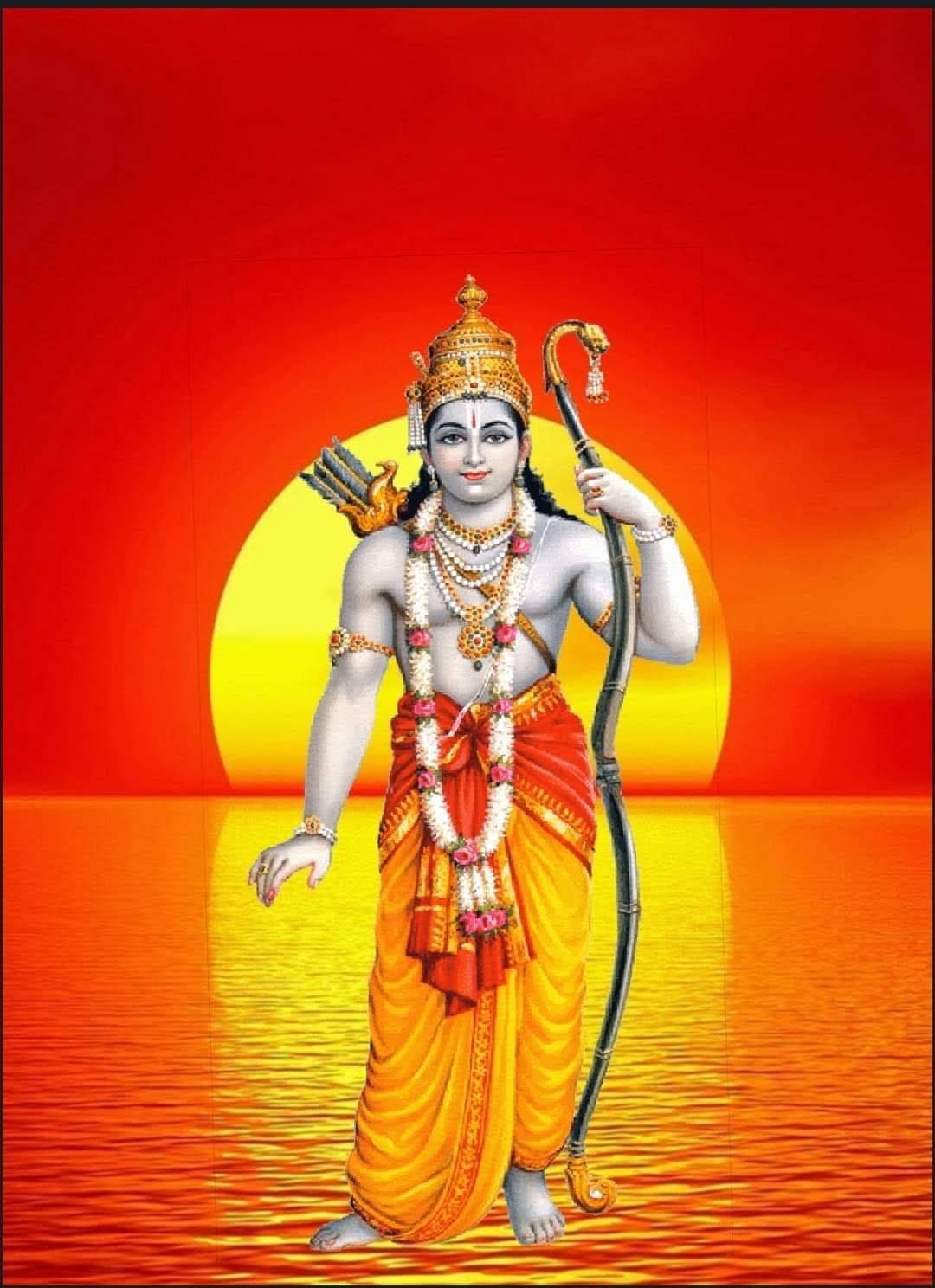
Tag: Rama

  • India is A Muslim Country,Hindu Maha Sabha Made it Hindu !?

    India is A Muslim Country,Hindu Maha Sabha Made it Hindu !?

    Siculars ! Are you happy?

    The Vedas are a Myth.

    Rama and Krishna are legends.

    Ramayana and Mahabharata are the figment of imagination, which have  over  300′ versions.

    ‘Depending on the methods of counting, as many as three hundred[1][2] versions of the Indian epic poem, the Ramayana, are known to exist. The oldest version is generally recognized to be the Sanskrit version attributed to the sage Valmiki.

    The Ramayana has spread to many Asian countries outside of India, including BurmaIndonesiaCambodiaLaosPhilippines, andChina. The original Valmiki version has been adapted or translated into various regional languages, which have often been marked more or less by plot twists and thematic adaptations. Some of the important adaptations of the classic tale include the 12th century Tamil language Ramavataram, the Khmer Reamker, the Old Javanese Kakawin Ramayana, and the Thai Ramakien and the Laos Phra Lak Phra Lam.'(wiki).’

    In fact India is an Islamic country where The Prophet was Born and revealed the Koran .

    Poor Babar innocently built a Mosque in reverence, these Hindu hooligans had Rama’s Statue installed there.

    So was Kasi Viswanath Temple.

    Benares_well.jpg Benares Well.e minarets are 71 meters high and used to dominated the Varanasi skyline till a 1948 flood caused it to collapse.[4][5] Material from the destroyed temple was reused by Aurangzeb while building the Gyanvapi Mosque.[6] The mosque shows evidence of original Hindu temple in its foundation, columns and rear.[3][5] The old temple wall was also incorporated as part of the walls of the mosque. The deliberately retained remnants of the temple are described to be “a warning and an insult to Hindu feelings”.[7] The façade is modeled on the Taj Mahal‘s entrance’

    Gazini's campaign. Sultan Mahmud and his forces attacking the fortress of Zaranj

    Ghazini Raids India

    17 times in 25 years. Following the defeat of the Rajput Confederacy, after deciding to teach them all a lesson for combining against him, discovering that they were rich, and that their temples were great repositories of wealth; Mahmud then set out on regular expeditions against them, leaving the conquered kingdoms in the hands of Hindu vassals annexing only the Punjab region.[2] He is also on record for having vowed to raid Hind every year. Mahmud had already had relationships with the leadership in Balkh through marriage, its local Emir Abu Nasr Mohammad, offered his services to the Sultan and his daughter to Mahmud’s son, Muhammad. After Nasr’s death Mahmud brought Balkh under his leadership. This alliance greatly helped him during his expeditions into Northern India. The Indian kingdoms of Nagarkot, Thanesar, Kannauj, Gwalior, and Ujjain were all conquered and left in the hands of Hindu, Jain and Buddhist Kings as vassal states and he was pragmatic enough not to shirk making alliances and enlisting local peoples into his armies at all ranks. The later invasions of Mahmud were specifically directed to temple towns as Indian temples were depositories of great wealth, in cash, golden idols, diamonds, and jewellery; Nagarkot, Thanesar, Mathura, Kanauj, Kalinjar and Somnath. Mahmud’s armies stripped the temples of their wealth and then destroyed them at Varanasi, Ujjain, Maheshwar, Jwalamukhi, and Dwarka.

    http://sawaal.ibibo.com/food/how-many-times-did-ghajini-mohammad-invaded-india-90446.html

    Poor Muslims and the Tolerant Islam!

    The Times of India Story:

    On the night of December 22-23, 1949, an idol of Ram Lalla “mysteriously” appeared inside Ayodhya’s Babri Masjid, setting in motion a chain of events that was to change the course of Indian politics in later decades. Little is known about what happened on that fateful night. But a new book now reveals how the events unfolded and claims those who pulled the strings of the Ayodhya strategy were also those accused in the Mahatma Gandhi murder case.

    Authors Krishna Jha and Dhirendra K Jha interviewed a number of surviving eyewitnesses and accessed archival material to uncover the buried story of how the mosque turned into a temple overnight — a tale that describes the motivations of local players, the administrative collusion and the grand plan of a nationwide rightwing political mobilization intended to pitchfork Hindu Mahasabha as a major political player in post-independent India.

    Central to the cast of local characters was Baba Abhiram Das, a well-built, 6-foot-tall local sadhu of the Nirvani akhara, who led three others into the mosque with the idol. Abhiram, later known as ‘Ramjanmabhoomi Uddharak’ (liberator) or simply as Uddharak Baba, died in 1981.

    The researchers pieced together events of that night through extensive interviews with Abhiram’s brother and cousins, who were all in Ayodhya in 1949. Two of his cousins —Indushekhar Jha and Yugal Kishore Jha — claim to have followed Abhiram into the mosque.

    http://timesofindia.indiatimes.com/india/A-midnight-raid-that-changed-course-of-history/articleshow/17499763.cms

    # Please read carefully. Many fail to understand the satire. Proof that I am not good at Satire.

    Enhanced by Zemanta
  • Pancharatna Kirtana Tiruvaiyaru Sudha Video.

    The Pancharatna kritis are written in praise of the Hindu deity, Rama. They are set to Adi Tala and each raga represents the mood of the song and the meaning of its lyrics. All the kritis are set in the style of a Ragam Tanam Pallavi (RTP) with the charanas (stanzas) substituting for the kalpana swaras (improvisatory passages) in the pallavi section of the RTP.

    The Pancharatna Kritis are:

    1. Jagadananda Karaka – Ragam Naata
    2. Dudukugala – Ragam Goula
    3. Sadhinchane – Ragam Aarabhi
    4. Kanakana Ruchira – Ragam Varaali
    5. Endaro Mahanubhavulu – Sri Ragam

    The melodic forms of these compositions (Naata, Goula, Aarabhi, Varali, Sri) are the five Ghana ragas of Carnatic music also called the ghanapanchaka. These 5 ragas lend themselves for elaborate improvisations.[2] They are so called because they are suited to playing tanam on the veena. Naata and Varaali are the most ancient of the Carnatic ragas and date back to over a thousand years.

    A particularly difficult musical challenge has been taken up successfully by Tyagaraja in three of these compositions. The raga Naata has a particularly distinctive use of the dhaivatam note orswara (A in the C scale of western classic notes). Tyagaraja has avoided the ‘dhaivatam’ completely in the first pancharatna kriti without losing the swarupa, or tune, of the ragam. Similarlygandharam is an accidental note of some beauty in Goula (E in the C scale). Tyagaraja avoids this too, except in one instance, without losing the character of the ragam. Finally, he avoids the accidental dhaivatam in Sri ragam, again a note that is present in some very characteristic sancharas (phrases) of this ragam.(Wiki)


    Enhanced by Zemanta
  • Case-English Grammar

    The case is used to indicate the relation of the Noun with other words in the Sentence.

    When a Noun / Pronoun is used as the subject of a verb in a sentence, it is said to be in the Nominative Case.

    Ex: The Cow eats grass, Rama killed Ravana.

    When a Noun / Pronoun is used as the object of a verb in a sentence, it is said to be in Accusative or Objective case.

    Ex: He ate a mango, Cancerous cells destroy our health.

    To find the Nomination case, ask – Who or What of the verb.

    To find out Accusative case, ask – Whom or What of the verb and the object.

    A Noun that comes after the Verb is normally in the Accusative Case. Rama killed Ravana

    Who killed Ravana? – RAMA – Nominative case. Rama is the subject.

    The horse kicked the boy. Whom did the horse kick? – Horse

    Horse is the object – Accusative case

    The boys broke the window (object) – Nominative.

    The window was broken by the boys (subject) – Accusative.

    Noun in English have the same form for both the Nominative and Accusative.

    Nominative case normally appears before the verb and the Accusative after the verb.

    POSSESSIVE CASE

    When a Noun is used to denote ownership of the object, authorship, origin, laid etc., it is said to be in the Possessive Case.

    Possessive case indicates ownership or one’s own right over things. So, Possessive case is to be used while expressing one’s ownership.

    Ex: This is Krishnan’s bike. – Krishna – Subject. The bike is owned by Krishna. Ownership is indication. The Noun Krishna has to be added with an ( ‘ ) (apostrophe) by ‘s’

    (To understand Grammar, whatever be the question asked, first, find out subject, predicate, object and proceed further.)

    To arrive at Possessive case, ask whose?

    How to form Possessive Case?

    – When the noun is singular,

    – When the Noun is in Plural and ends up with ‘S’, add (‘) after the last ‘S’.

    Ex: Boys’ School Teachers’ Day

    – When the Noun is in Plural but does not end in ‘S’, add ( ‘ ), Ex: Children’s book

    – When the two nouns are in apposition, then possessive sign is marked on the latter. That is – MGR, the humanitarian’s samadhi.

    NOUNS IN APPOSITION

    Virender Sehwag, Delhi Dare Devilseaptain has been most impressive in the IPL tournament’. We see Virender Sehwag and Delhi Dare Devil’s captain are one and the same.

    When one Noun follows another to describe it, the Noun which follows is said to be in Apposition to the Noun which comes before it.

    A Noun in Apposition is in the same case, as that of the Noun which comes before it. In this case as mentioned above, both are in Nominative case.

    USES OF POSSESSIVE CASE

    Possessive case is used generally with the Name of living things.

    With Non-Living things, we should say

    The roof of the house (not in the house’s roof).

    The wheels of the car (not the car’s wheel).

    But, for the Personified objects, Possessive case is used with the Name of Personified objects – Nature’s law AT DEATHS DOOR.

    Possessive can also be used with Nouns denoting time, space and weight.

    Ex: A week’s holiday. A pound’s weight.

    http://ramanisblog.in/2012/08/26/the-nounnumber-essentials-of-english/

  • Parts Of Speech.

    1. 1.                                                     PARTS OF SPEECH

    As we have seen earlier, a sentence consists of many words. EACH WORD IN a sentence performs a particular duty.

    Example:         RAMA WAS A NOBLE KING.

    In this sentence, ‘RAMA’ refers to a Name. ‘KING’ refers to a position occupied by an individual, ‘a’ refers to a single man, ‘was’ indicates time. Even though there are many words, each one of them performs a particular work. Put together, they enable the sentence to give us a proper meaning. All these words form part of a sentence. These parts together make a sentence. The words that perform different functions are grouped together under different headings. Each group performs a particular duty. These classifications are called parts of speech.

    ‘Words are grouped based on their duties or use into different classes.  They are called ‘Parts of Speech.

    THEY ARE EIGHT IN NUMBER.  They are as follows:

    1.  NOUN

    2.  PRONOUN

    3.  ADJECTIVE

    4.  VERB

    5.  ADVERB

    6.  PREPOSITION

    7.  CONJUNCTION

    8.   INTERJECTION

    1.         NOUN:   NOUN IS A WORD THAT denotes the name of a person, place or thing.

    Example:  CHANDRAGUPTA MAURYA was a great king.

    Sri Rangam is on the Kollidam.

    STARS shine in the night.

    HONESTY is the best policy.

    When we say king, it includes  (a)  Object which we can see / hear / touch / smell and

    (b)       things we can think of but, cannot perceive by our senses  e.g; (goodness, Beauty).

    2.         PRO-NOUN.   PRONOUN is a word that stands in the place of a NOUN.  ‘PRO’ means ‘FOR’.  Therefore, a word that stands in the place of a noun is called a PRONOUN.

    RAMA IS WORSHIPPED because he was righteous.

    If we look carefully, this sentence is actually made up of

    three thoughts. RAMA IS WORSHIPPED.  RAMA

    WAS RIGHTEOUS.

    Therefore, RAMA IS WORSHIPPED.

    If we speak or write as above, it will look odd.  Hence, we combine these thoughts to form a sentence, namely;

    ‘RAMA is worshipped because he was righteous. The word ‘HE’ refers      to RAMA.  Instead of saying or writing ‘RAMA’ repeatedly, we say or write ‘he’.  ‘HE’ here stands for ‘RAMA’ which is a NOUN.  Hence, ‘He’ stands for (PRO)  – NOUN.   RAMA, is called a PRONOUN.

    3.         ‘RAMA WAS A NOBLE KING’.

    In this sentence, Rama and king are NOUNS.  We know RAMA  is the name of a person.  King is a position occupied by him.  Let us now see the meaning ‘RAMA WAS A NOBLE KING’.  In this, we get to know an additional quality of Rama.  i.e. in addition to being a man, we understand that he was also a noble in king.  The noun ‘KING’ gets additional meaning.  That is to say, the word ‘NOBLE’ adds    meaning to KING.  The word ‘NOBLE’ is called adjective, because it adds more meaning to the Noun.

    ‘An ADJECTIVE is a word that adds more meaning to the NOUN.

    Example:  India is a great country

    He is a good student

    GANGES is a holy river.

    4.    VERB –    VERB is a word that indicates ACTION or

    STATUS.

    When we form a sentence, we have to speak or write about an action or status.  E.g.; I write. Beneath the other GOLD IS COSTLIER THAN SILVER.

    In the first sentence, we are describing an action  –  ‘Write’.

    In the second sentence, we indicate the status or position of gold – ‘is’.

    5.   ADVERB is a word that adds meaning to a verb.

    He ran quickly.

    We understand when we say ‘he ran’ that he is running.  We do not know anything more than that. That is whether he is running quickly or slowly.  But, when we say ‘quickly’ – we understand that he runs fast.  In other words, we add more meaning to ‘run’.

    e.g.;  Sun rise is very beautiful.

    One should behave properly in a public place

    6.   Preposition is a word that expresses the relation, how the Noun / Pronoun or Person or thing denoted by Noun / Pronoun is related to something else.  Here in, of, under informs us of the relation between Nouns / Pronouns and the object.

    This is to the appear below,

    e.g;      My house is in T.Nagar

    I am fond of my mother

    It is very hot under the sun

    7.         Conjunction is a word that joins sentences.

    Rama and Seetha are husband and wife.

    8.         Interjection is a word that expresses sudden and strong feeling.

    E.g.; Wow!  What a shot!

    http://ramanisblog.in/2012/07/23/english-grammarthe-phrase-and-the-clause/

    http://ramanisblog.in/2012/07/21/english-grammar-2the-sentence/

  • Attack On Ramayana. Dare You Write on Islam, Holy Koran

    This slideshow requires JavaScript.

    The self-styled Rationalists , who

    offer garlands to dead people’ statues,

    celebrate dead persons’ birth days,

    believe in that Tamil is given by Lord Muruga/Siva’

    in Silappathikaaram, which deals with a  story as verifiable as Ramayana,

    who extol Thiruvalluvar and Thirukkural excluding the first ten Couplets of Thirukkural which praises God,

    believe that Kannagi burned Madurai by throwing one breast at the city of Madurai-ஒரு முலை இழந்த திருமா பத்தினி

    praise Kambar for his rendering of Ramayana in Tamil, sans Rama, and forgetting that Kambar wrote on what was written by Valmiki

    while the whole world is talking highly of the values found in the Ramayana, these people write to state that if Sita had stayed in

    Ravana‘s place for ten months, she should have lost her chastity( Annadurai in ‘Kambarasam’)
    people who formed a party because they could not hope to get a share of an elderly man’s property,

    are mostly people sans personal integrity, are corrupt-remember 2 G Scam,

    earn their livelihood by chanting the name of Tamil,

    admit their children in English Medium,

    pretend to hate Hindi, but falling at the feet of Delhi,

    murder for power and money,

    How does one react to them?

    If you believe in Tamil then it is equally Right in believing Ramayana.

    Do these people deny Nakkerar and his Thirumurukaatruppadai and Aatruppdai Noolkal?

    Do they deny Agathtiyam?

    Do they deny Bhakti Ilakkiyam?

    Do they deny the * Thinai Theivangal quoted by Tholkappiyam? Cheyon(Muruga),Mayon(Vishnu),Kotravai,Varuna?

    Do they at least know that there are Gods assigned by Tamil to each Geographical Entity?

    Do they know that the Mahabharata speaks highly of Tamil Culture and quote Tamil kings who participated in The Mahabharata war?

    Well, the Agenda is to make a fast buck by inciting passions.

    They have ruined the Tamils of Sri Lanka by talking non sense  and ran/are running away  when they face problems.

    These are the charlatans one should be beware.

    There is no necessity for any one else to destroy Tamil.

    These gentlemen will do nicely.

    It is a wonder that Tamil still lives despite these people.

    Noe coming to the issue on hand ,

    There is evidence that Rama destroyed the Bridge in some versions of Ramayana,Adhyatma Ramayanam

    What remains now is the remains.

    For Lord Rama‘s Date of Birth,Route taken by Rama-please read my blogs.

    Lord Rama’s existence is proved as also Tamil’ as  ‘கல்தோன்றி மண்தோன்றாக் காலத்தே முன்தோன்றி மூத்த குடி’

    Evidence abounds for both.

    To conclude read my head line for this Blog.

    ‘சேதுசமுத்திரக் கால்வாய்த் திட் டம் –  நிறைவேற்றப்பட்டு, கப்பல் களின் போக்குவரத்து நடைபெற் று வருவாய் வந்து சேரவேண்டிய நேரத்தில், மக்கள் நலத் திட்டத் தின் குறுக்கே புராணக் கதாப் பாத்திரமான ராமனைக் காரணம் காட்டி, அதன் இறுதிப் பணிகளை தடுத்து நிறுத்திவிட்ட‍ னர்.

    ராமன் என்ற ஒருவன் இருந்தானா? பாலம் கட்டினானா? என்பது ஒரு பக்கம் இருக்கட்டும்.

    ராமன் கடவுள் அவதாரம் என்றால் அவன் எய்த அம்பு யார் யாரை யோ, எதை எதையோ, துளைத்து ச் சென்று, சீதை மீது இராவணன் கொண்ட ஆசையின் அணுக்களை எல்லாம் குத்திக் குதறி, மீண்டும் இராமனிடமே வந்து சேர்ந்தது என்று சொல்வதில் இந்துத்துவா வா திகளுக்கும், சுப்பிரமணிய சாமிக்கும், அதிமுக பொதுச் செ யலாளருக்கும், நம்பிக்கை இருக் குமேயானால், அந்த ராமன் பால த்தைக் காப்பாற்றிக் கொள்ள ராமனால் முடியாதா? ராமன் பாலத் தைக் காப்பாற்ற இந்த அற்பமானிடர்கள் யார் என்ற கேள்வி எழா தா?

    இன்னொரு கேள்வியும் இருக்கிறது. அவர்கள் நம்பும், ஆதாரம் காட்டும் அந்தப் புராண நம்பிக்கையின் அடிப்படையிலேயே கேட் கிறது அந்த இணையம்.

    ராமன் கட்டிய பாலத்தை அந்த ராமனே இடித்து விட்டான் என்று சேது புராணமே கூறுகிறதே. இத ற்கு என்ன பதில்?

    சேது புராணம் என்ன? கம்ப இராமா யணமே கூறுகிறதே. மீட்சிப் படல ம் 17 ஆவது பாடல் என்ன கூறுகி றது? என்பதை சுட்டிக்கா ட்டி,

    “மரக்கால் மியங்க வேண்டி
    வரிசிலைக் குதையாற்
    கூறித் தருக்கிய
    விடத்தினை”

    எனும் பாடலில் போர் முடிந்த பின்னர் ராமன் புஷ்பக விமா னத்தில் பறந்து செல்கையில் கடலில் அவ்விடத்து மரக்கல ங்கள் இனிது செல்லும் பொரு ட்டு தனது வில்லின் நுனியால், சேதுவை ராமனே உடைத்தார் என்று கம்பநாட்டாழ்வாரே சொன்ன பிறகு இந்த இந்துத் துவ வாதிகள் யார்?

    ஒன்றைப் பொதுமக்கள் புரிந்து கொள்ள வேண்டும். கடவுளும், மத மும், சாத்திரங்களும் மக்கள் நலனுக்கும், வளர்ச்சிக்கும் முட்டுக் கட்டையானது என்று தந்தை பெரியார் அவர்களின் கொள்கை களை திராவிடர் கழகம் பிரச்சாரம் செய்து கொண்டு வருகிறதே. அது எவ்வளவு பெரிய உண்மை என்பதற்கு ராமன் பாலத்தைக் கா ட்டி மக்கள் நலத் திட்டமான சேதுக் கால்வாய்த் திட்டத்தை முடக் குகிறார்களே இது ஒன்று போதாதா?

    என்று அந்த இணையத்தில் கட்டுரையை முடித்துள்ளார்.

    http://vidhai2virutcham.wordpress.com/2012/04/27/%E0%AE%B0%E0%AE%BE%E0%AE%AE%E0%AE%B0%E0%AF%8D-%E0%AE%95%E0%AE%9F%E0%AF%8D%E0%AE%9F%E0%AE%BF%E0%AE%AF-%E0%AE%AA%E0%AE%BE%E0%AE%B2%E0%AE%A4%E0%AF%8D%E0%AE%A4%E0%AF%88-%E0%AE%B0%E0%AE%BE%E0%AE%AE/

    *Tholkaappiyam-Tamil Grammar

    தமிழ் இலக்கணத்தில் கருப்பொருள் என்பது சொற்களினால் உணரப்படும் மூன்று பொருள் வகைகளுள் ஒன்றாகும். முதற்பொருள்உரிப்பொருள் என்பன ஏனைய இரண்டு வகைகள். கருப்பொருள்கள் எத்தனை என்பது குறித்துத் தெளிவாகக் குறிப்பிடாத தொல்காப்பியம் தெய்வம், உணா, மா, மரம், புள், பறை, செய்தி, யாழின் பகுதி என்று எட்டு வைகளின் பெயர்களைக் குறிப்பிட்டுள்ளதுடன், அவ்வகை பிறவும் கருப்பொருள் ஆகும் என்கிறது. இது பிற்காலத்தில் பதினான்கு என வரையறுக்கப்பட்டது[1]. இப் பதினான்கு கருப்பொருள் வகைகளும் பின்வருமாறு:

    1. ஆரணங்கு (தெய்வம்)
    2. உயர்ந்தோர்
    3. அல்லோர் (உயர்ந்தோர் அல்லாதவர்)
    4. புள் (பறவை)
    5. விலங்கு
    6. ஊர்
    7. நீர்
    8. பூ
    9. மரம்
    10. உணா (உணவு)
    11. பறை
    12. யாழ்
    13. பண்
    14. தொழில்

    http://ta.wikipedia.org/wiki/%E0%AE%95%E0%AE%B0%E0%AF%81%E0%AE%AA%E0%AF%8D%E0%AE%AA%E0%AF%8A%E0%AE%B0%E0%AF%81%E0%AE%B3%E0%AF%8D_(%E0%AE%87%E0%AE%B2%E0%AE%95%E0%AF%8D%E0%AE%95%E0%AE%A3%E0%AE%AE%E0%AF%8D)