Tag: Pingala

  • Prana Nadis Yoga Link  Explained

    Prana Nadis Yoga Link Explained

    There is a lot of information on Nadis, as used Indian philosophy.There is Nadi associated with Patanjali Yoga,Prana,Hatha Yoga,Vaasi Yoga and Shatkarma. It is also mentioned in connection with Nadi Reading in Future prediction.

    And all this is connected to Self Realisation.And Prana.Let us try to understand the concept on detail.

    Indian philosophy is based on experience and such experiences as are found have led seekers towards Realisation of Brahman,Reality are compiled and presented in the Form of Vedas and also through as systems of philosophy.

    Vedas are called as Sabda pramana, Testimony. It is a tool of knowledge. There are many sources of knowledge,Perception, Inference,Comparison,Testimony, Intuition.Of these, Vedas come under Testimony. In life , one has to depend on Testimony of others as a source of knowledge at some point of time. Vedas are such sources that provide you the Testimonies of seekers of Reality. You can follow them if they suit you.It is your choice.

    Some prefer other sources of knowledge like Perception and other sources listed above. In experience, one finds one single source of knowledge does not seem to help in Self Realisation . More than one source of knowledge is needed.
    All these relate to things that are external. We have our senses through which we come to know, experience. There are five sense organs,Eyes,Ears,Nose,Mouth,Skin. Each of these contribute one aspect of experience.Nose, Smell; Mouth,speech;Taste;Eyes,seeing;Skin, Touch .Ears, hearing.These Five are called Karmendriya, Organs of Action. In addition, we have five Organs of knowledge, corresponding to each Karmendriya.These Five are called Gnanendriyas.I shall devote an article on the difference between Karmendriya and Gnanendriya.

    Knowledge Is out of the interaction between the senses and what we find out of ourselves,out in the world. These are known to us through the tools of knowledge like Perception…

    How correct, incorrect or How Right or Wrong this knowledge is another matter. That forms a separate topic.

    Assume that such knowledge is true. We shall proceed Such knowledge as we gain through the senses and the tools of knowledge we have, of things out there are ‘Is’.

    Such knowledge is received by our Brain- Mind – Intellect – Chitha ( it is on a higher plane than Intellect,which we call Buddhi). Brian received sensory inputs and it does not add any judgement to what has been received.It is just like CPU, receives input without starting to process . Mind connects the dots and forms One full picture of Information.Then Intellect decides whether the information is factual : Right or Wrong. That is, Intellect passes Factual,Value judgements. The particular interpretation of same sensory inputs by each one of us differently is decided by Chitha. Chitha is directed by dispositions of individuals and dispositions are, in turn, influenced by Karmic particles,which are the results of actions performed by us,either physically,mentally, and by words. Or by all the three.

    These three processes are linked though a single factor. It is called Prana,Life Energy.Prana is the life force running through every cell of our body. It is Life. Difficult to separate one from another so much so both are considered to be the same.

    Subtle Boy showing three Nadis A simplified view of the subtle body of Indian philosophy, showing the three major nadis or channels, the Ida (B), Sushumna (C), and Pingala (D), which run vertically in the body.

    This Prana is considered to be the Individual Soil. Some philosophers differ on this, especially Adi Shankaracharya.

    This Prana flows in the body as Nadis.It is also considered as an attribute of Prana.With this background, let us look at Nadis.

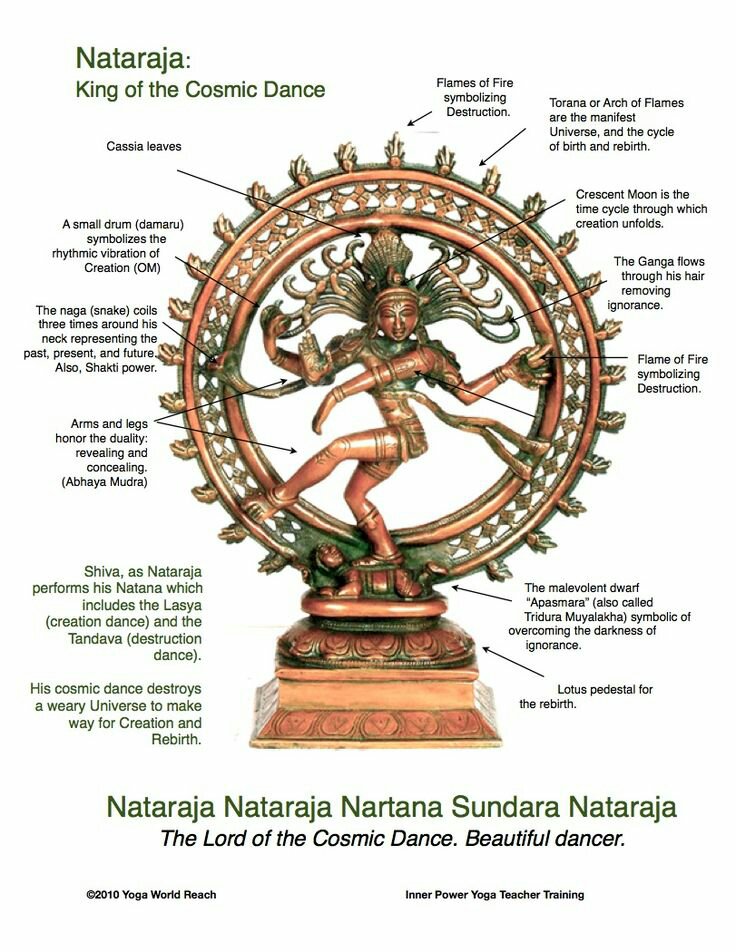
    Nadis are generally quantified at 72,000 in Human body. ( Chidambaram Nataraja temple roof had 72000 ‘

    The sanctum sanctorum housing the Nataraja statue is called the Chit Sabha or Ponnambalam. The five pillars of the Chit Sabha indicates the five senses. The roof of this Sabha contains 9 kalasas depicting the 9 dwaras (gateways) in the human body (namely 2 eyes, 2 nostrils, 2 ears, mouth, rectum, genitals). The roof has 22600 tiles denoting the number of times a person can breathe in a day. The tiles are fixed to the roof using 72000 nails depicting the number of nadis (

    Chidambaram Nataraja temple human body

    ‘Nadi is an important concept in Hindu philosophy, mentioned and described in the sources, some as much as 3,000 years old. Human body is claimed to have up to hundreds-of-thousands and even millions. The Shiva Samhita treatise on yoga states, for example, that out of 350,000 nadis 14 are particularly important, and among them, the three just mentioned are the three most vital.The three principal nadis are idapingala, and sushumnaIda (इडा, iḍā “comfort”) lies to the left of the spine, whereas pingala (पिङ्गल, piṅgala “orange”, “tawny”, “golden”, “solar”) is to the right side of the spine, mirroring the ida. Sushumna (सुषुम्णा, suṣumṇā “very gracious”, “kind”) runs along the spinal cord in the center, through the seven chakras. When the channels are unblocked by the action of yoga, the energy of kundalini uncoils and rises up the sushumna from the base of the spine.

    The nadis play a role in yoga, as many yogic practices, including shatkarmas, mudras and pranayama, are intended to open and unblock the nadis. The ultimate aim of some yogic practices are to direct prana into the sushumna nadi specifically, enabling kundalini to rise, and thus bring about moksha, or liberation.’Source . Wikipedia

    More to follow on Nadis,their attributes and functions.

    Multi Lingual Blog English Tamil Kannada Hindi Indian History Verified Vedic Thoughts Hinduism around The World Tamils History

  • How Breath Moves In Nostrils Timings

    How Breath Moves In Nostrils Timings

    There are different systems of Yoga, nay it will be proper to say that there are variations in Yoga practices. Essential features like the steps to be followed in Yoga, Yama, Niyama, Asana, Pranayama, Prathyaahara,Dhyana, Dharana and Samadhi remain the same in all. The first system of Yoga by Siva is Vaasi Yoga, where Consciousness is directly managed while in Patanjal’ s Yoga, Consciousness is managed through Chitta, a higher level than Mind.

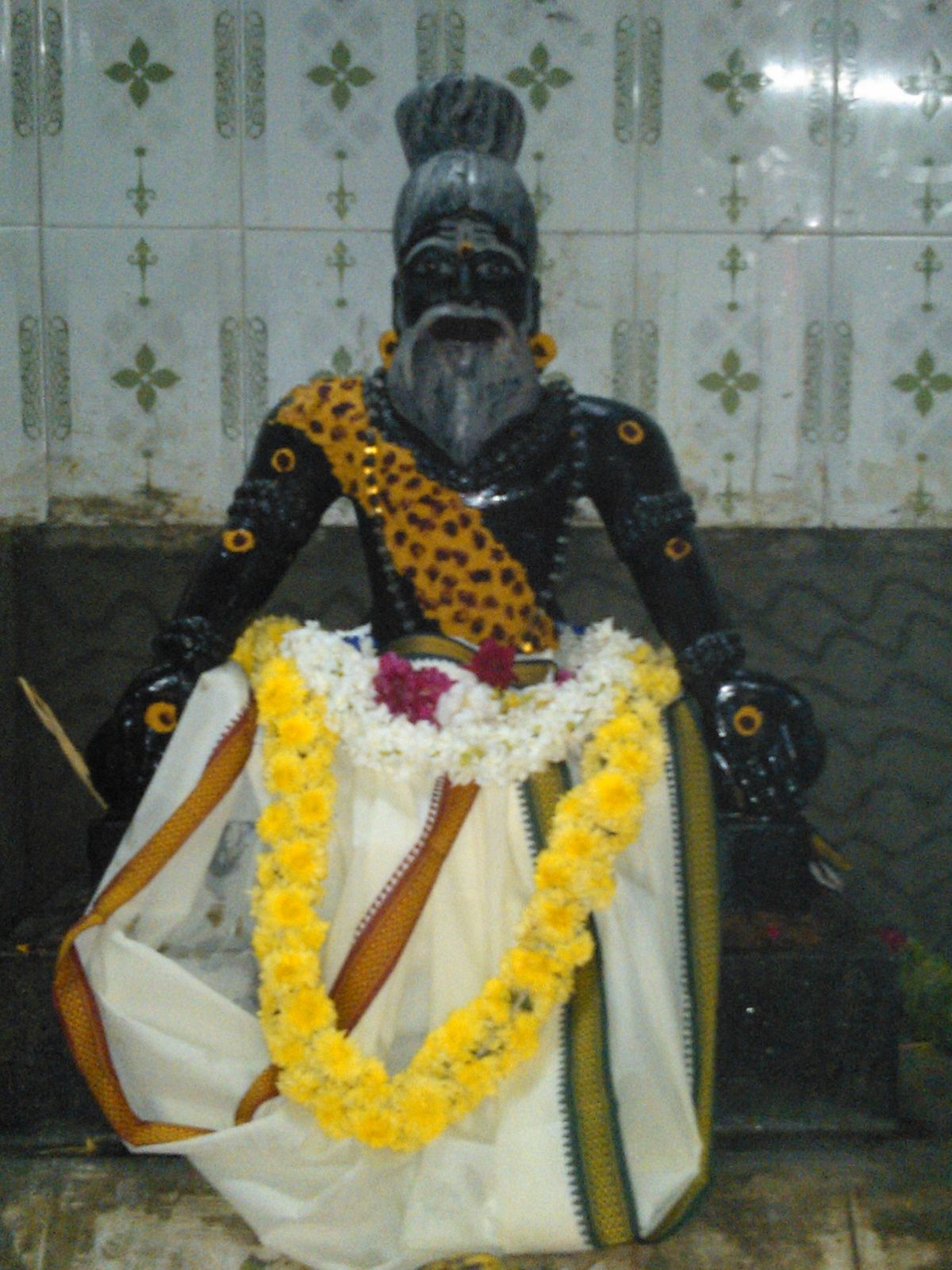
    Siva is the First Yogi, Adhi Yogi and He practiced Vaasi. His discipline was Thirumoolar, A Siddha.He authotred A Treatise on Saiva Siddhantha, Advaitic thoughts and Yoga. He explains in the Text Thirumandhiram in Tamil about Yogic practices. He mentions about the movement of Breath.

    All of us breathe. We breathe through Both nostrils and it is involuntary. Yoga systems of Siddhas, Realized Souls and in Saiva Siddhantha talk about Breath that move through the Nostrils.

    The movement of Breath is called Nadi/ tube, pipe, nerve, blood vessel, pulse’) is a term for the channels through which, in traditional Indian medicine and spiritual knowledge, the energies such as prana of the physical body, the subtle body and the causal body are said to flow. https://en.m.wikipedia.org/wiki/Nadi_(yoga)

    There are over 300,000 Nadis according to SivaYoga Saram , 72,000 according to Thirumoolar , Eighteen Siddhas and Avvaiyaar. Of these 72,000, Thirumoolar marks, 500,10,then to Ten Nadis as primary. Of these ten, three are Ida , Pingala and Sushumna. Inhaling through Left Nostril is called Pooraka, Retention of breath is Kumbaka and exhaling through the Right Nostril is Rechaka.

    Though it appears that we breathe through both nostrils, if we observe our Breath, we will notice that quantity of Air/Breath that pass through is not the same for both nostrils, Left and Right. Sometimes, breath passes more through the left nostril and at other times through the right nostril. The Left nostril belongs to / (called as) Moon and Right to Sun. When one holds the Breath, Sushumna, that holding of Breath belongs to or called as Agni, Fire. We shall see in detail in the forthcoming articles.

    The Thirumoolar system of Yoga has revealed, explained the times when the Breath moves in the Left Nostril and the right nostril. Each has significant information about our health. It also helps us in curing discomforts, illnesses and diseases.

    Movement of Breath.

    • 6-8 am Right Nostril.
    • 8-10 am Left Nostril.
    • 10-12 noon Right Nostril.
    • 12-2 pm Left Nostril
    • 2-4 pm Right Nostril
    • 4-6 pm Left Nostril
    • 6-8 pm Right Nostril.
    • 8-10pm Left Nostril.
    • 10-12 am Right Nostril.
    • 12-2 am Left Nostril.
    • 2 -4 am Right Nostril.
    • 4–6 am Left Nostril.

    Reference. https://vidyaarthini.com/2019/12/18/thirumanthiram-parana-yogam/

  • Binomial Triangle Computer Binary System By Pingala Hinduism

    Recently there was a News item that a Scientist has stated that Mythology is to be differntiated from Science and the attempt of the Government to include ‘Pseudo Science’ into Indian Education System.


    He was speaking on ‘IIsc debunked Vimanas Theory.


    He also observed that ‘the people who say that Hinduism/Vedas have said this before, why do they not say this before the facts are discovered by Science?What they say as facts from the Vedas can not be verified by experiment now”(the  quote is not verbatim, i shall get it shortly).


    I shall be posting a rebuttal to this shortly.


    Be that as it may, let me reproduce something from the Vedic Period on Binomial System and Binary system, that is used for Modern Computing.


    Ancient Indians used Mathematics extensively and relied on it so heavily that Indian Logic, Philosophy,Hindu Rituals and the Sanskrit Language have strong Mathematical base.


    Meters, called Chandas are used in Prayers, literary works have a strict Mathematical base.


    Pingala, younger brother of Panini, the Sanskrit grammarian, has devised Chanda Shastra that deals with these Meters.


    He  is dated to 2 BC, may be earlier.


    Another Legend has it that he is the younger brother of Patanjali, who wrote the Yoga Sutra.


    This assigns Pinagala to 4 BC.


    Each number in the triangle is the sum of the ...
    Each number in the triangle is the sum of the two directly above it. (Photo credit: Wikipedia)


    The Chandaḥśāstra presents the first known description of a binary numeral system in connection with the systematic enumeration of meters with fixed patterns of short and long syllables.The discussion of the combinatorics of meter corresponds to the binomial theorem. Halāyudha’s commentary includes a presentation of the Pascal’s triangle(called meruprastāra). Pingala’s work also contains the Fibonacci numbers, called mātrāmeru.


    Use of zero is sometimes mistakenly ascribed to Pingala due to his discussion of binary numbers, usually represented using 0 and 1 in modern discussion, while Pingala used short and long syllables. As Pingala’s system ranks binary patterns starting at one (four short syllables—binary “0000”—is the first pattern), the nth pattern corresponds to the binary representation of n-1, written backwards. Positional use of zero dates from later centuries and would have been known to Halāyudha but not to Pingala.


    Formation of Binomial Triangle.Pingala Triangle.


    The Importance given to 2 by Pingala: Pingala in his rules to Sanskrit prosody has given undue importance to the number 2. Typically, he lays down that, Any power of two throughout divisible by two is equal to two raised to the power of two representing the number of twos the first power is divisible by two�, i.e, 216 = 224, 232 = 225, 264 = 226 and so on (VIII.407).


    In grouping heavies and lights, Pingala adopts a unique method.


    If we take Heavy = H and Light = L, for two syllables, we get the combination, as follows:


    1. 1H
    2. 1L


    There are two combinations.


    For 3 syllables, we get,


    1. 3 H
    2. 2H, 1L
    3. 1H, 2L.
    4. 3L.


    There are  four combinations.


    For 4 syllables, we get,


    1. 4H
    2. 3H, 1L
    3. 2H, 2L
    4. 1H, 3L
    5. 4L.


    There are eight combinations.


    For 5 syllables, we get,


    1. 5H
    2. 4H, 1L
    3. 3H, 2L.
    4. 2H, 3L
    5. 1H, 4L
    6. 5L


    There are sixteen combinations.


    Thus, this is the formation of Binomial Numbers, Triangle and Series. They are explained as follows:


    (a + b)o = 1

    (a + b)1 = a + b

    (a + b)2 = a2 + 2ab + b2

    (a + b)3 = a3 + 3a2b + 3ab2 + b3

    (a + b)4 = a4 + 4a3b + 6a2b2 + 4ab3 + b4

    (a + b)5 = a5 + 5a4b + 10a3b2 + 10a2b3 + 5ab4 + b5

    (a + b)= a6 + 6a5b + 15a4b2 + 20a3b3 + 15a2b4 + 6ab5 + b6

    ����

                       1

    1  1

    1   2   1

    1  3    3   1

    1   4   6   4   1

    1 10  5   5  10  5  1

    1   6  15  20   15    6   1

    (a + b)n   = an + [n!/1!(n-1)!] a(n-1) b + [n(n-1)/2!(n-2)!] an(n-1) b2 + [n(n-1)(n-2)/3!(n-3)!] an(n-1)(n-2) b3 + [n(n-1)(n-2)(n-3)/4!(n-4)!] an(n-1)(n-2)(n-3) b4 +��+ bn


    This has been explained in the context of prosody and similar exposition has been made in Vedic literature about the chanting of mantras with time scale. However, the mathematical significance has to be noted here. This Binomial triangle can rightly be called Pingala Triangle and the series Pingala series. Indian mathematicians have identified the series and arranged the numbers in the form of a pyramid, which they called asMeruprasthana and depicted as follows:


                                                 1

    1     1

    1     2     1

    1    3     3    1

    1   4    6    4     1

    1    5    10   10  5    1

    1   6    15   20   15    6   1

    1   7    21    35    35   21    7    1

    1   8    28   56    70   56   28   8    1

    1   9    36   84   126   126   84   36   9   1

    1  10   45   120  210  252  210  120  45  10   1

    1  11  55  165  330  462  462  330  165  55   11  1

    1   12   66  220  495  792   924  792   495  220  66  12   1

    20

    21

    22

    23

    24

    25

    26

    27

    28

    29

    210

    211

    212

    1

    2

    4

    8

    16

    32

    64

    128

    256

    512

    1024

    2048

    4096


    The basis of writing numbers can be easily explained:


    1. Write one in the first square. 1
    2. Draw two squares below, write 1 , 1 1 1
    3. Draw three squares, write 1, 1 in the first and last squares. 1 2 1


    Add the adjacent numbers of the above row and write intermediate numbers i.e, 1+1=2.


    4. 1, 1+2=3, 3+1=3, 1 1 3 3 1
     5. 1, 1+3=4, 3+3=6, 3+1+4, 1 1 4 6 4 1


    Like, this, the squares can be continued with added numbers. The following Pingala Triangle is formed for 12 layers and it is mentioned as Meru Prasthana in the literature.


    1


    1


    1


    1


    2


    1


    1


    3


    3


    1


    1


    4


    6


    4


    1


    1


    5


    10


    10


    Binary system explained.


    0 0 0 0 numerical value = 1
    1 0 0 0 numerical value = 2
    0 1 0 0 numerical value = 3
    1 1 0 0 numerical value = 4
    0 0 1 0 numerical value = 5
    1 0 1 0 numerical value = 6
    0 1 1 0 numerical value = 7
    1 1 1 0 numerical value = 8
    0 0 0 1 numerical value = 9
    1 0 0 1 numerical value = 10
    0 1 0 1 numerical value = 11
    1 1 0 1 numerical value = 12
    0 0 1 1 numerical value = 13
    1 0 1 1 numerical value = 14
    0 1 1 1 numerical value = 15
    1 1 1 1 numerical value = 16

    Other numbers have also been assigned zero and one combinations likewise.

    Pingala’s system of binary numbers starts with number one (and not zero). The numerical value is obtained by adding one to the sum of place values. In this system, the place value increases to the right, as against the modern notation in which it increases towards the left.

    The procedure of Pingala system is as follows:

    Divide the number by 2. If divisible write 1, otherwise write 0.
    If first division yields 1 as remainder, add 1 and divide again by 2. If fully divisible, write 1, otherwise write 0 to the right of first 1.
    If first division yields 0 as remainder that is, it is fully divisible, add 1 to the remaining number and divide by 2. If divisible, write 1, otherwise write 0 to the right of first 0.
    This procedure is continued until 0 as final remainder is obtained.
    Example to understand Pingala System of Binary Numbers :

    Find Binary equivalent of 122 in Pingala System :

    Divide 122 by 2. Divisible, so write 1 and remainder is 61. 1
    Divide 61 by 2. Not Divisible and remainder is 30. So write 0 right to 1. 10
    Add 1 to 61 and divide by 2 = 31.
    Divide 31 by 2. Not Divisible and remainder is 16. So write 0 to the right. 100
    Divide 16 by 2. Divisible and remainder is 8. So write 1 to right. 1001
    Divide 8 by 2. Divisible and remainder is 4. So write 1 to right. 10011
    Divide 4 by 2. Divisible and remainder is 2. So write 1 to right. 100111
    Divide 2 by 2. Divisible. So place 1 to right. 1001111
    Now we have 122 equivalent to 1001111.

    Verify this by place value system : 1×1 + 0×2 + 0×4 + 1×8 + 1×16 + 1×32 + 1×64 = 64+32+16+8+1 = 121
    By adding 1(which we added while dividing 61) to 121 = 122, which is our desired number.
    In Pingala system, 122 can be written as 1001111.

    Though this system is not exact equivalent of today’s binary system used, it is very much similar with its place value system having 20, 20, 21, 22, 22, 23, 24, 25, 26 etc used to multiple binary numbers sequence and obtain equivalent decimal number.

    Reference : Chandaḥśāstra (8.24-25) describes above method of obtaining binary equivalent of any decimal number in detail.
    These were used 1600 years before westerners/arabs copied binary system from India through trade and invasion.

    We now use zero and one (0 and 1) in representing binary numbers, but it is not known if the concept of zero was known to Pingala— as a number without value and as a positional location.Pingala’s work also contains the Fibonacci number, called mātrāmeru, and now known as the Gopala–Hemachandra number. Pingala also knew the special case of the binomial theorem for the index 2, i.e. for (a + b) 2, as did his Greek contemporary Euclid..


    This article is based on the research work of Dr.K.V.Ramakrishna Rao and material from the site’s Link provided second at the end of the Post.


    http://www.allempires.com/forum/forum_posts.asp?TID=17915


    http://dwarak82.blogspot.in/2015/01/father-of-binary-system-pingala-genius.html

    https://ramanisblog.in/tag/computer-language/


  • Saneeswara Stotra By Dasaratha and More

    Hindus believe that the Nine Planets foretell the future.

    It is believed that one can appease them by performing Poojas and reciting Mantras,

    Sani or Saturn is called Saneswara.

    The Correct name is Sanaiswara(Sanaischara), one which moves slowly.

    Some other names of Sanaischara) are ,

    Shanaishcharaya, Pingala, Bhabru or Roudra. Pingala means bearer of the Trishul, the trident, Mandhan.

    In Vedic Astrology, Shiva is said to be represented by Saturn.

    <img src="Saneeswara.jpg" alt="Saneeswara" />
    Lord Saneeswara

    Saturn, like Shiva, strips away maya, the veil of illusion and separate self. Saturn takes aim at the imprinting we have experienced around separation

    consciousness.

    Sani is the brother of  Yama , the God of Death and Righteousness.

    Sani’s wives names are Mandhi Devi and Jyeshta Devi.

    His sons are Mandhi and Kuligan.

    It is wrongly believed that Sani indicates troubles.

    He is a Man of Gnana, like Ketu.

    He tests one with adversity and one who has the mental strength emerges stronger.

    I believe that the Navagrahas do not by themselves cause prosperity or Adversity.

    They are like Traffic signals.

    Like a Traffic Signal they indicate the directions your life might take, based on your actions. past and present, Karma Phala.

    As such one has to withstand the pressures exerted by the Planets.

    On this concept, the Vishnu Sahasranama has an excellent sloka.

    It calls Lord Vishnu as,

    ‘Dhukka bhukh, Dhukka Saadhana:’

    Vishnu is the repository of  Dhukka, adversity , but,

    He is also the One who grants you the strength, tools to overcome the trials and tribulations.

    Hinduism is the only Religion which dares to call God as the repository of Adversity!

    As such one can not escape the results of one’s actions .

    What can be done is to pray the Navagrahas and God to grant the strength to overcome the difficulties.

    Here are some Stotras on Saneeswara.

    Rare , effective ‘Dasaratha’s Sanieeswara Stotra.

    Saturn enters the star constellation (or nakshatra) – called Rohini once in every 30 years.

    This is one of the most dreaded transits of the kings and their kingdoms.

    The scriptures say “Kings will die and kingdoms will fall when Shani enters Rohini”.

    It is said that during the reign of King Dasaratha when Shani was about to enter Rohini nakshatra, King Dasaratha worshipped Shani.

    Pleased with the King’s prayers, Saturn did not enter Rohini during the reign of King Dasaratha.

    Hence the Dasaratha Shani Stotras are considered an excellent remedy for Saturn related troubles.

    Om. asya shree shanaishchara stotrasya
    dashratha rishi
    shanaish-charo-devata
    trishtup chandahah
    shanaish-chara preety-arthe jape viniyogah
    dasharatha uvacha

    Om. Sri Shani Stotra, Dasharatha is the Rishi (seer of the mantra). Shanaishchara is god (related to this hymn). Trishtup is metre. Enjoined is repetition (of this hymn) for the appeasement of Shanaishchara (Saturn).

    kono-antaka roudra-yama-tha babhruh
    krishnah shanih pingala manda sourih
    nityam smrito yo harate cha peedam
    tasmai namah shree ravi-nandanaya

    Prostrations to Sri Ravinandana (Saturn), who when regularly remembered as (the ten names listed in the first and second line of this verse) steals away the suffering (misfortune of the devotee).

    sura asurah kim purusha ragendra
    gandharva vidyadhara panna-gash cha
    peedyanti sarve vishama-stitena
    tasmai namah shree ravi-nandanaya

    Prostrations to Sri Ravinandana, by whose unfavourable position, gods, demons, celestial beings, celestial musicians, celestial masters of various wisdom-teachings and even celestial snakes succumb to sufferings.

    nara narendra pashavo mrigendra
    vanyas-cha ye keeta-patanga-bringah
    peedyanti sarve vishama-stitena
    tasmai namah shree ravi-nandanaya

    Prostrations to Sri Ravinandana, whose unfavourable position brings agony to laymen, emperors, common animals, huge animals, forest creatures, insects, flies and humming bees (irrespective of their statu

    desah-cha durgani vanani Yatra
    sena-nivesah pura-pattnani
    peedyanti sarve visham-stitena
    tasmai namah shree ravi-nandanaya

    Prostrations to Sri Ravinandana, whose unfavourable position brings about suffering to countries, citadels, forests, war-camps, houses and cities.

    tilairya-vair-masha gudanna danaih
    iohena neelambara danato va
    preenati mantrair-nijavasare cha
    tasmai namah shree ravi-nandanaya

    Prostrations to Sri Ravinandana, who is appeased by giving in charity things like sesame, paddy, black-gram, molasses, rice pudding, iron, blue cloth etc., and by chanting mantras on his own day (Saturday).

    prayaga-koole Yamuna tate cha
    sarasvati punya-jale guhayam
    yo yoginam dhyana-gatopi sookshmas
    tasmai namah shree ravi-nandanaya

    Prostrations to Sri Ravinandana, who manifests in subtle form before the yogis who meditate on him at any holy bank of prayag (confluence) of two rivers; Yamuna and Saraswati, or in a cave.

    anya-pradeshat swagriham pravishtas
    tadeeya-vare sa narah sukhe syat
    grihad gato yo na punah prayati
    tasmai namah sri ravi-nandanaya

    Prostrations to Sri Ravinandana, who bestows happiness to a person when He enters His own house (constellation); (though) when He leaves the house, does not return for a long time.

    srashta swayam-bhoor bhuvana trayasya
    trata hareesho harate pinakee
    ekas tridhah rig yajuh sama murtis
    tasmai namah sri ravi-nandanaya

    Prostrations to Sri Ravinandana, who is the creator of three worlds, who is the self-manifested being, who is Hari the protector and Pinakin (Siva, bearer of the three pointed spear or pinaka), the destroyer, all in one, as well as the embodiment of the three-fold Vedas; Rig, Yajus and Saman.

    konasthah pingala babruh
    krishno roudroantako yamah
    sourih shanaish-charo manday
    pippalandena sam stutah

    Thus, Pippalada praises Thee (by chanting your ten names as contained in lines 1-3).

    etani dasha-namani
    pratar-uthaya yah pathet
    shanaishchara-krita peeda
    na kadachid bhavishyati
    Harih Om

    He who chants these ten names, getting-up early in the morning, will never suffer from the pain caused by Saturn. Harih Om.

    The following is the Dasaratha Shani Stotra from Padma Purana
    Dhyaathwa Saraswatim Devim Gananatham Vinayakam.
    Raja Dasharathah sthothram Saureridhamathakaroth.
    Namo Neela mayukhaya Neelothpala nibhaya cha,
    Namo Nirmaansa dehaaya Deergha shmashru jataaya cha,
    Namo Vishaala nethraaya Shushkodhara bhayaanaka
    Namah parushagathraya sthularomaaya Vai namah
    Namo nithyam Kshudhaarthaaya Nithyathapthaya Vai namah
    Namah Kaalaagni rupaaya Krthaanthaka namoshthuthe,
    Nameste Kotaraakshaaya Durnireekshyaaya Vai namah
    Namo Ghoraaya Raudraaya Bheeshanaaya Karaaline
    Nameste Sarva bhakshaaya Valeemukha namosthuthe
    Surya putra namestesthu bhaskare bhaya dhayaka
    Adho-drushte namasthubhyam vapuhshyaama namosthuthe
    Namo Manda-gathe thubhyam nisthrinshaaya namo namah
    Thapasa dagdha-dehaya nithyam yogarathaya cha
    Namesthe gyaana nethraya kashyapathmaja sunave
    Thushto dadasi Vai raajyam rushto harasi Thathkshanaath
    Devaasura manushyaashcha pasupakshisareesrpaah
    Thvaya vilokithaah saure dainyamaashu Vrjanti cha
    Brahmaa shakro yamashchaiva rishayah saptha-tharakaah
    Rajya bhrashtaashcha t’e sarve thava drishtyaa vilokithaah
    Deshaa nagara graamaa dweepashechai vaadrayasththaa
    Raudra Dhrushtyaa t’u ye drushtaah kshayam gacchanti thath kshanaath
    Prasaadam Kuru me saure varaartheham thavaashrithah
    Saure kshamasvaaparaadham sarvabhutha hithaayacha

    Saneeswara Gayatri.

    Kaaka Dhwajaaya Vidhmahe
    Kadga Hasthaaya Dheemahi
    Thanno Mandha Pracho Dhayaath

    Neelaanchana Samaabaasam
    Raviputhram Yamaagrajam
    Chaayaa Maarthaanda Sambhootham
    Thannamaami Sanaicharam.

    The one who is blue, one who is like charcoal, one who is the son of Surya and the brother of Yama, one who is born to Chaya and Surya, I prostrate that Saneeswara.

    Shanya-astottara-shata-nama-vali
    (The 108 names of Shani)
    Aum shanaescaraya namah
    Aum shantaya namah
    Aum sarvabhistapradayine namah
    Aum sharanyaya namah
    Aum vagenyaya namah
    Aum sarveshaya namah
    Aum saumyaya namah
    Aum suramvandhaya namah
    Aum suralokaviharine namah
    Aum sukhasonapavishtaya namah
    Aum sundaraya namah
    Aum ghanaya namah
    Aum ghanarupaya namah
    Aum ghanabharanadharine namah
    Aum ghanasaravilepaya namah
    Aum khadyotaya namah
    Aum mandaya namah
    Aum mandaceshtaya namah
    Aum maha-niyaguna-atmane namah
    Aum martyapavanapadaya namah
    Aum maheshaya namah
    Aum dhayaputraya namah
    Aum sharvaya namah
    Aum shatatuniradharine namah
    Aum carasthirasvabhavaya namah
    Aum acamcalaya namah
    Aum nilavarnaya namah
    Aum nityaya namah
    Aum nilanjana-nibhaya namah
    Aum nilambara-vibhushaya namah
    Aum nishcalaya namah
    Aum vedyaya namah
    Aum vidhi-rupaya namah
    Aum virodha-dhara-bhumaye namah
    Aum bhedaspadasvabhavaya namah
    Aum vajradehaya namah
    Aum vairagyadaya namah
    Aum viraya namah
    Aum vitarogabhayaya namah
    Aum vipatparampareshaya namah
    Aum vishva-vandyaya namah
    Aum gridhnavahaya namah
    Aum gudhaya namah
    Aum kurmangaya namah
    Aum kurupine namah
    Aum kutsitaya namah
    Aum gunadhyaya namah
    Aum gocaraya namah
    Aum avidhya-mula-nashaya namah
    Aum vidhya-avidhya-svarupine namah
    Aum ayushyakaranaya namah
    Aum apaduddhartre namah
    Aum vishnu-bhaktaya namah
    Aum vishine namah
    Aum vividhagamavedine namah
    Aum vidhistutyaya namah
    Aum vandhyaya namah
    Aum virupa-akshaya namah
    Aum varishthaya namah
    Aum garishthaya namah
    Aum vajram-kushagharaya namah
    Aum varada bhayahastaya namah
    Aum vamanaya namah
    Aum jyeshthapatni-sametaya namah
    Aum shreshthaya namah
    Aum mitabhashine namah
    Aum kashtaughanashakartre namah
    Aum pushtidaya namah
    Aum stutyaya namah
    Aum stotra-gamyaya namah
    Aum bhakti-vashyaya namah
    Aum bhanave namah
    Aum bhanuputraya namah
    Aum bhavyaya namah
    Aum pavanaya namah
    Aum dhanur-mandala-samsthaya namah
    Aum dhanadaya namah
    Aum dhanushmate namah
    Aum tanu-prakasha-dehaya namah
    Aum tamasaya namah
    Aum asheshajanavandyaya namah
    Aum visheshaphaladayine namah
    Aum vashikritajaneshaya namah
    Aum pashunam pataye namah
    Aum khecaraya namah
    Aum khageshaya namah
    Aum ghana-nilambaraya namah
    Aum kathinyamanasaya namah
    Aum aryaganastutyaya namah
    Aum nilacchatraya namah
    Aum nityaya namah
    Aum nirgunaya namah
    Aum gunatmane namah
    Aum niramayaya namah
    Aum nandyaya namah
    Aum vandaniyaya namah
    Aum dhiraya namah
    Aum divya-dehaya namah
    Aum dinartiharanaya namah
    Aum dainyanashakaraya namah
    Aum aryajanaganyaya namah
    Aum kruraya namah
    Aum kruraceshtaya namah
    Aum kama-krodha-karaya namah
    Aum kalatraputrashatrutvakaranaya pariposhita-bhaktaya namah
    Aum parabhitiharaya namah
    Aum bhakta-sangha-manobhishta-phaladaya namah

    Saneeswara Sththi by Dasaratha pdf

    Enhanced by Zemanta