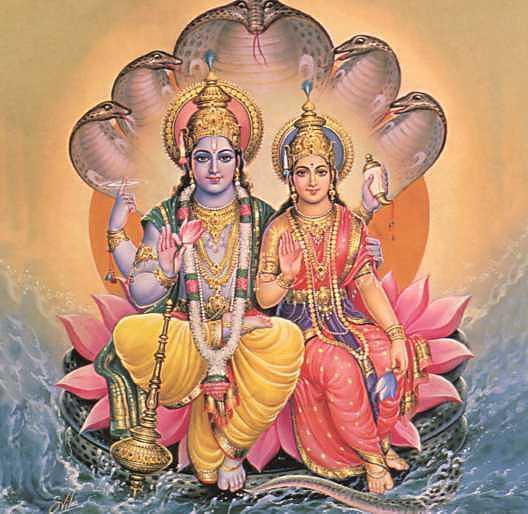
Among the incarnations of Lord Vishnu, many are not aware of the fact that Vaamana and Parashurama do not appear to be married.
So are Matsya and Koorma.
In the case of Koorma, it may be taken as that since Lakshmi came out of the churning of the Ocean, the incident of Samudra Manthan and the marriage of Lakshmi with Vishnu subsequently, it may be concluded that Koorma Avatar had Lakshmi as his consort.
In Varaha Avatar Vishnu has Lakshmi on His Horns.
Narasimha has Lakshmi on His left Lap.
Rama has Sita: Krishna, Radha , Sathabhama, Rukmini:
Balarama. , Revathi.
Matsya being the first probably did not have a consort.
Given the fact, reiterated in all the Puranas that Lakshmi always accompanies Vishnu in His avatars, Parashurama and Vamana should have had Lakshmi as Consort.
Parashurama is the only Avatar of Vishnu that is present in both Avatars of Vishnu, in Rama and Krishna.
This could be because of the fact Parashurama is classified as Immortal, Chiranjivi.
Reference to Parashurama having been married is hard to come by.
So is about Vamana.
However there is a reference in Vishnu Purana that Parashurama was married to Dharani, an Avatar of Vishnu.
‘Parashurama, the destroyer of the warrior class, she was his wifeDharani; – from Vishnu Purana.
I am deliberately quoting Brittanica as the source, though it quotes Vishnu Purana, A Hindu text, as we, Indians have a penchant for trusting western sources than Indian texts, even if these western sources rely on Indian texts!
The three forms of the female principles embodied in Durga, Lakshmi and Sarasvati are the expressions of Valour,Wealth and Knowledge needed for the Humans.
All the three have to stay together if one were to lead a successful Life.
Hindu festivals represent these principles and they remind one of these Life’s Truths.
Durga represents Valor, Lakshmi wealth and Sarasvati Knowledge.
The Nine days’ festival, Navaratri represents this.
I have written articles on the procedure Mantras and dates assigned to each Goddess.
There is a sacred text, called Devi Mahatmiyam in Markandeya Purana which delivers the results equivalent to accruing by reciting all the mantras of the three Devis.
Durga, Lakshmi, Sarasvathi.
The Devi (mother Goddess) killed Madhu and Kaidabha as Vishnu Maya (Thamasic-base), killed Mahishasura as Lakshmi (Rajashic form-materialistic) and killed Shumbha and Nishumbha in the form of Goddess Saraswathi (Sathvic-spiritual).
All the three are combined in this Stotra.
It consists of Chapters 74 to 86 (13 chapters) of the Markandeya Purana and has 700 stanzas.
This is known as Devi Mahatmya in South India, Chandi in West Bengal and as Durga Sapthasathi in the northern parts of the country including Varanasi.
How to do Devi Mahatmiya Parayan
There are two methods.
Trayangam is a method in which we need to chant three prayers – Devi Kavacham, Argala Stotram and Devi Keelakam followed by Navakshari Mantram.
Navangam is a method for which nine prayers are recited prior of starting reading the book. Navangam stotrams are: Devi Nyasa, Devi Avahana, Devi Namani, Argala Stotram, Keelaka Stotram, Devi Hrudaya, Dhala, Devi Dhyana and Devi Kavacha.
As per the prescribed methods in ancient scriptures, Devi Mahatmya should be read in one sitting. After finishing the recital of Devi Mahatmya, one should chant the Devi Suktam (slokas 7 to 36 of Chapter 8).
Devi Saptashati Parayana in 3 days & 7 days
Apart from one sitting recital, devotees read Devi mahatmya for three consecutive days: Prathama Charitra or 1st Chapter on first day, Madhyama Charitra (2, 3, 4 chapters) on 2nd day, and Uttama Charitra (5-13 chapters) on third day.
Some devotees also read Devi Mahatmya in 7 days. They chant 1st Chapter on first day, 2-3 chapters on 2nd day, 4th chapter on 3rd day, 5-8 chapters on 4th day, 9-10 chapters on 5th day, 11thchapter on 6th day and 12-13 chapters on 7th day.
Each chapter should be read in single sitting. Due to any reason, Parayana is stopped in between a chapter; the whole chapter should be read again.
The order of reciting Durga Saptashati Parayana daily is: Trayanga Mantra, Devi Mahatmya text followed by Devi Suktam.
Many devotees read Durga Saptashati during Navratri Durga Puja 9/10 days.. Here is the procedure to read Devi Mahatmyam during Navratri
How to read Durga Saptashati (Devi Mahatmyam) during Navratri festival
1st day: Chapter 1 (Madhu kaitabha samhaaram)
2nd day: Chapter 2, 3 and 4 (Mahishhasura samhaara)
3rd day: Chapter 5 and 6 (Dhuumralochana vadha)
4th day: Chapter 7 (Chanda Munda vadha)
5th day: Chapter 8 (Rakta biija samhaara)
6th day: Chapter 9 and 10 (Shumbha Nishumbha vadha)
7th day: Chapter 11 (Praise of Narayani)
8th day: Chapter 12 (Phalastuti – reciting merits or benefits)
9th day: Chapter 13 (Blessings to Suratha and the Merchant)
10th day: Chapter 14 (Aparadha Kshamaprarthana) on 10th day
You can also complete the recital on 9th day by chanting Devi Aparadha Kshama Prarthana Stotram on 9th day itself.
You should read Siddha Kunjika Stotram after completing the recital of every chapter.
This manthra is of very great power and should not be chanted unless, it is taught by a Guru.
The other is Navangam, where nine prayers are recited before starting reading of the book. They are chanting of 1. Nyasa, 2. Avahana, 3. Namani, 4. Argala, 5. Keelaga, 6. Hrudhaya, 7. Dhala, 8. Dhyana and 9. Kavacha.
It is recommended that the entire Devi Mahatmya should be read in one sitting. After completion of the reading it is necessary to chant the Devi Suktham consisting of the slokas seven to 36 of chapter 8, is to be chanted. If the Guru has taught the navakshari manthra, then it should also be meditated up on.
I have written on the presence of Sanatana Dharma throughout the world.
Either they have been a part of Sanatana Dharma directly or having been there after being inhabited by the Tamils who have been, contrary to what the fraudulent Tamil Historians say on this, a part of Sanatana Dharma.
Sanatana Dharma had been there in Sumeria, Mesopotamia , apart from being present in other Cultures.
The Hindu Gods are present in the Sumerian and Mesopotamian Culture
Rama and Dasaratha’s names are found in the King’s List of Sumeria.
‘
In the Kings List, one finds the Dynasties of the Kings of Sumeria with their official locations.
It includes the names of Kings of adjoining countries, then called city states
The Kingship was believed to be from the Gods and was transferable from one city to another.
If Ram-Sin is identified as Rama his greatest Amorite enemy Hammurabi must be Ravana or Ravi-anna. This presents some difficulties although Valmiki’s version of the abduction of Sita probably has more to do with poetic imagination than history. However, that she was the chief priestess of the moon-temple at Ur may have been at the root of some events of the politically turbulent era. There is a possibility that at some stage Ur was captured by Hammurabi. The chief-priestess of Ur was inviolable under Sumerian law and the fact that Ravana did not dishonour Sita may show his regard for law. The Battle between Khammu-ravi and Ram-Sin who led a group of Ten-Kings was one of the most famous events of Sumerian history.
There is also a similarity between the war of Ten Kings during the Vedic period and battle of Ten kings in Sumeria,
Now I have come across references to Goddess Durga and Lakshmi in the Sumerian Culture.
Look at the following Image of Inanna.
Inanna, Sumerian Goddess.
You find the Lion as one would find in Durga Temples and Trishul as well.
Goddess Durga.
Inanna, the goddess of love and war, with a lion. No other image of Inanna better illustrates her dual nature. She is depicted as a goddess of love, “showing some leg”; while the lion and the weapons of battle (maces) seen rising up behind her shows that she is also the goddess of war. In all of ancient mythology, no other deity is the goddess of love and war combined. The eight-pointed star (Venus) is another symbol associated with Inanna. This image is in photographic reverse. See the complete seal impression. Also see a line-drawing of the seal by S. Beaulieu.
Although she is called the goddess of love, Inanna is really the goddess of lust. She is not associated with romance, marriage, fertility or child-bearing. She is so extreme in her emotions, so psychotic in her desires, and so relentless in getting what she wants, she thus symbolizes the violence of human passion. This is why she is also represents the destruction and carnage of war.’
Durga is a Goddess of Power .
As Mahalakshmi.
I have not found the legend of Lakshmi as the daughter of Moon in any other culture excepting in Hinduism.
Inanna’s Akkadian counterpart is Ishtar. In different traditions Inanna is the daughter of Anu or she is the daughter of the moon-god Sin.
And like Lakshmi, Inanna has a sister,
‘Additionally, the myth may be described as a union of Inanna with her own “dark side”, her twin sister-self, Ereshkigal, as when she ascends it is with Ereshkigal’s powers, while Inanna is in the underworld it is Ereshkigal who apparently takes on fertility powers, and the poem ends with a line in praise, not of Inanna, but of Ereshkigal. It is in many ways a praise-poem dedicated to the more negative aspects of Inanna’s domain, symbolic of an acceptance of the necessity of death to the continuance of life.
Lakshmi’s Elder sister is Jyesta Devi, personification of things inauspicious.
Devadasi system in Sumeria.
The Devadasi system, I have been thinking, was unique to India.
But,
‘Along the Tigris and Euphrates rivers were many shrines and temples dedicated to Inanna. The House of Heaven (Sumerian: e2-anna; Cuneiform: 𒂍𒀭 E2.AN) temple[6] in Uruk[7] was the greatest of these, where sacred prostitution was a common practice. In addition, according to Leick 1994 persons of asexual or hermaphroditic bodies and feminine men were particularly involved in the worship and ritual practices of Inanna’s temples (see gala)’
Varalakshmi Vratam falls during Shukla Paksha of Hindu month Shravan and it is observed on first Friday before Shravan Purnima. Shravan Purnima is observed as Raksha Bandhan in most Indian states. Varalakshmi Vratam also happens to be second Friday in Shravan month. Currently it falls in month of July or August in English calendar.
Varalakshmi Puja is performed by married women for the well-being of husband and the other family members. It is believed that worshipping Goddess Vara-Lakshmi on this day is equivalent to worshipping Ashta-Lakshmi – the eight Goddesses of Wealth (Sri), Earth (Bhu), Learning (Saraswati), Love (Priti), Fame (Kirti), Peace (Shanti), Pleasure (Tushti) and Strength (Pushti).
While the term Sri itself denotes wealth and every thing that is auspicious,there are some more attributes associated with Goddess Mahalakshmi, consort of Lord Vishnu.
They are ,
In abstract Philosophical terms, Sri,Prosperity is
In in Varalashmi Vrata women , iddition, pray for the Longevity of their Husbands.
One may note that this Vrata Procedure was initiated by Shiva, for worshipng the wife of Vishnu, thereby signifying the unity of Siva and Vishnu.
Procedure.
Start the Pooja at the appointed Muhurtha .
The Mantras. slokas order is as follows.
Ganapathi Pooja,
Ganapathi Pranaprathshta,
Ganapathi mantras in short,
Ganapathi Aarthi,
Varalakshmi Vrata Sankalpa,
Ganesha Dhyana,
Kalasa Pooja,
Varalakshmi Avahanam.
Angannyasa, Karannyasa,
Pooja,
1.Durga,( one may recite Durga Suktham also as it is very effective along eith the raditional Durga Ashtotra)
2.Sarsvati Astotra,
3.Lakshmi Ashtotra( Recite Sri Suktha as well)
Deeparadhana,
Naivedyam.
Punar Pooja either in the same evening or the next day,.depends on family Traditions.
Durga Ashtotra.
Om Drugayai Namaha
Om Shivayai Namaha
Om Maha Lakshmyai Namaha
Om Maha Gouryai Namaha
Om Chandikaye Namaha
Om Sarva Gynayai Namaha
Om Sarva Lokeshayai Namaha
Om Sarva Karma Phala Pradayai Namaha
Om Sarva Teerdha Mayai Namaha
Om Pun Yayai Namaha
Om Deva Yonaye Namaha
Om Ayoni Jaayai Namaha
Om Bhume Jaayai Namaha
Om Nirgu Nayai Namaha
Om Aadhara Shaktyai Namaha
Om Aanee Shvaryai Namaha
Om Nirgu Nayai Namaha
Om Niramham Karayai Namaha
Om Sarva Garva Vimar Dhinyai Namaha
Om Sarva Loka Priyayai Namaha
Om Vaanyai Namaha
Om Sarva Vidyadhi Devataayai Namaha
Om Parvatyai Namaha
Om Devamatre Namaha
Om Vanee Shayai Namaha
Om Vindya Vasinyai Namaha
Om Tejo Vatyai Namaha
Om Maha Matre Namaha
Om Koti Surya Sama Prabhayai Namaha
Om Deva Tayai Namaha
Om Vahni Rupayai Namaha
Om Sate Jase Namaha
Om Varna Rupinyai Namaha
Om Guna Shayayai Namaha
Om Guna Madhyayai Namaha
Om Guna Traya Vivarji Tayai Namaha
Om Karma Gynana Pradayai Namaha
Om Kantayai Namaha
Om Sarva Samhara Karinyai Namaha
Om Dharma Gynanayai Namaha
Om Dharma Nistayai Namaha
Om Sarva Karma Vivardhi Tayai Namaha
Om Kamakshmai Namaha
Om Kama Samhartyai Namaha
Om Kama Krodha Vivarji Tayai Namaha
Om Shan Karyai Namaha
Om Sham Bhavyai Namaha
Om Shan Tayai Namaha
Om Chandra Suryagni Lochanayai Namaha
Om Suja Yayai Namaha
Om Jaya Bhumi Shtayai Namaha
Om Jaahnavyai Namaha
Om Jana Puji Tayai Namaha
Om Shastrasyai Namaha
Om Shastra Mayyai Namaha
Om Nityayai Namaha
Om Shubhayai Namaha
Om Chandhrardha Mastakayai Namaha
Om Bharatyai Namaha
Om Bramaryai Namaha
Om Kalpayai Namaha
Om Karalyai Namaha
Om Krushana Pingalayai Namaha
Om Bramhai Namaha
Om Narayanyai Namaha
Om Roudryai Namaha
Om Chandra Mruta Pari Srutayai Namaha
Om Jyeshtayai Namaha
Om Indirayai Namaha
Om Maha Mayayai Namaha
Om Jagat Grushtya Dhika Rinyai Namaha
Om Bramhanda Koti Samsdha Nayai Namaha
Om Kaminyai Namaha
Om Kamalaa Layayai Namaha
Om Katya Yanyai Namaha
Om Kalaa Teetayai Namaha
Om Kala Samhara Karinyai Namaha
Om Yoga Nishtayai Namaha
Om Yogi Gamyayai Namaha
Om Yogi Dyeyayai Namaha
Om Tapa Svinyai Namaha
Om Gynana Pupayai Namaha
Om Niraka Rayai Namaha
Om Bhakta Bhishta Phala Pradayai Namaha
Om Bhutatme Kayai Namaha
Om Bhuta Matre Namaha
Om Bhute Shyai Namaha
Om Bhuta Darinyai Namaha
Om Svadhayai Namaha
Om Naree Madhya Gatayai Namaha
Om Shada Dharadi Vardhinyai Namaha
Om Mohitam Shubha Dayai Namaha
Om Shubhrayai Namaha
Om Sukshmayai Namaha
Om Matrayai Namaha
Om Nirala Sayai Namaha
Om Nimna Gayai Namaha
Om Neela Samka Shayai Namaha
Om Nitya Nandayai Namaha
Om Harayai Namaha
Om Paraayai Namaha
Om Sarva Gynana Pradayai Namaha
Om Anamtayai Namaha
Om Satyayai Namaha
Om Durlabha Rupinyai Namaha
Om Sarasvatyai Namaha
Om Sarva Gatayai Namaha
Om Sarva Bheeshta Prada Inyai Namaha.
Lakshmi Ashtotra.
Om prakrutyi namaha
Om Vikrutyi namaha
Om Vidyayai namaha
Om Sarwabhoota hita pradai namaha
Om Sraddayai namaha
Om Vibootai namaha
Om Surabhai namaha
Om Paramatmikamai namaha
Om Vache namaha
Om Padmalai namaha
Om Padmai namaha
Om Suchai namaha
Om Swahai namaha
Om Swathatai namaha
Om Dhanyai namaha
Om Hiranmai namaha
Om Lakshmai namaha
Om Nityapushatai namaha
Om Vibhaavarayai namaha
Om Adityai namaha
Om Deeptai namaha
Om Vasudaai namaha
Om Kamalayai namaha
Om Kantayai namaha
Om Kamakshai namaha
Om Rakrodasambhavai namaha
Om Anugrahapradayai namaha
Om Buddai namaha
Om Anughooai namaha
Om Harivallabhai namaha
Om Asokhai namaha
Om Amrutai namaha
Om Deeptai namaha
Om Lokasokavinasinai namaha
Om Dharmanilayai namaha
Om Karunai namaha
Om Lokamatrai namaha
Om Padmapriyai namaha
Om Padmahastai namaha
Om Padmashai namaha
Om Padmasundrai namaha
Om Padmodbhavai namaha
Om Padmamukhai namaha
Om Padmamaladharai namaha
Om Ramaaai namaha
Om Daivai namaha
Om Padminai namaha
Om Padmagandhinai namaha
Om Punyagandhayai namaha
Om Suprasannai namaha
Om Prasadabhimukhai namaha
Om Prabhai namaha
Om Chandravadanai namaha
Om Chandrai namaha
Om Chandrasahodarai namaha
Om Chaturbhujai namaha
Om Chandraroopai namaha
Om Indirai namaha
Om Induseetalai namaha
Om Ahladajannai namaha
Om Pushtai namaha
Om Sivai namaha
Om Sivakartai namaha
Om Satai namaha
Om Vimalai namaha
Om Viswajannai namaha
Om Pushtai namaha
Om Daridraynasinai namaha
Om Preetipushkaranai namaha
Om Santai namaha
Om Sukla malyambarai namaha
Om Srivai namaha
Om Bhaskarai namaha
Om Bilwanilayai namaha
Om Vararohai namaha
Om Yasiswai namaha
Om Vasunadharai namaha
Om Vudaaragai namaha
Om Harinyai namaha
Om Hemamalinai namaha
Om Dhanadhayakartai namaha
Om Siddiai namaha
Om Shtanasowmayai namaha
Om Subhapradai namaha
Om Nrumavesmagataa nandanai namaha
Om Varalakshmai namaha
Om Vasupradaai namaha
Om Hiranyaprakrai namaha
Om Samudratanai namaha
Om Jayai namaha
Om Mangaladevai namaha
Om Mangalai namaha
Om Devayai namaha
Om Vishnuvakshastalastitai namaha
Om Vishnupatnai namaha
Om Prasannshai namaha
Om Nnarayana samasritrai namaha
Om Daridradamsai namaha
Om Daivai namaha
Om Sarvopradavarinai namaha
Om Navadurgai namaha
Om Mahakalai namaha
Om Brahamavishnusivatmikai namaha
Om Trikalagyana sampanai namaha
Om Bhuvaneswarai namaha
Om Varalakshmai namaha: –
OM Sarasvatyai Namaha
OM Mahaabhadraayai Namaha
OM Mahaamaayaayai Namaha
OM Varapradaayai Namaha
OM Shriipradaayai Namaha
OM Padmanilayaayai Namaha
OM Padmaaxyai Namaha
OM Padmavaktrakaayai Namaha
OM Shivaanujaayai Namaha
OM PustakabhRite Namaha
OM GYaanamudraayai Namaha
OM Ramaayai Namaha
OM Paraayai Namaha
OM Kaamaruupaayai Namaha
OM Mahaavidyaayai Namaha
OM Mahaapaataka naashinyai Namaha
OM Mahaashrayaayai Namaha
OM Maalinyai Namaha
OM Mahaabhogaayai Namaha
OM Mahaabhujaayai Namaha
OM Mahaabhaagaayai Namaha
OM Mahotsaahaayai Namaha
OM DivyaaNgaayai Namaha
OM Suravanditaayai Namaha
OM Mahaakaalyai Namaha
OM Mahaapaashaayai Namaha
OM Mahaakaaraayai Namaha
OM Mahaa.nkushaayai Namaha
OM Piitaayai Namaha
OM Vimalaayai Namaha
OM Vishvaayai Namaha
OM Vidyunmaalaayai Namaha
OM VaishhNavyai Namaha
OM Chandrikaayai Namaha
OM Chandravadanaayai Namaha
OM Chandralekhaavibhuushhitaayai Namaha
OM Saavityai Namaha
OM Surasaayai Namaha
OM Devyai Namaha
OM Divyaala.nkaarabhuushhitaayai Namaha
OM Vaagdevyai Namaha
OM Vasudaayai Namaha
OM Tiivraayai Namaha
OM Mahaabhadraayai Namaha
OM Mahaabalaayai Namaha
OM Bhogadaayai Namaha
OM Bhaaratyai Namaha
OM Bhaamaayai Namaha
OM Govindaayai Namaha
OM GOMatyai Namaha
OM Shivaayai Namaha
OM JaTilaayai Namaha
OM Vindhyaavaasaayai Namaha
OM Vindhyaachalaviraajitaayai Namaha
OM ChaNDikaayai Namaha
OM VaishhNavyai Namaha
OM Braahmayai Namaha
OM BrahmaGYaanaikasaadhanaayai Namaha
OM Saudaamanyai Namaha
OM Sudhaamuurtyai Namaha
OM Subhadraayai Namaha
OM Surapuujitaayai Namaha
OM Suvaasinyai Namaha
OM Sunaasaayai Namaha
OM Vinidraayai Namaha
OM Padmalochanaayai Namaha
OM Vidyaaruupaayai Namaha
OM Vishaalaaxyai Namaha
OM Brahmajaayaayai Namaha
OM Mahaaphalaayai Namaha
OM Trayiimuurtaye Namaha
OM TrikaalaGYaayai Namaha
OM TriguNaayai Namaha
OM ShaastraruupiNyai Namaha
OM ShaMbhaasurapramathinyai Namaha
OM Shubhadaayai Namaha
OM Svaraatmikaayai Namaha
OM Raktabiijanihantryai Namaha
OM ChaamuNDaayai Namaha
OM Ambikaayai Namaha
OM MuNDakaayapraharaNaayai Namaha
OM Dhuumralochanamadanaayai Namaha
OM Sarvadevastutaayai Namaha
OM Saumyaayai Namaha
OM Suraasura namaskRitaayai Namaha
OM Kaalaraatryai Namaha
OM Kalaadharaayai Namaha
OM Ruupasaubhaagyadaayinyai Namaha
OM Vaagdevyai Namaha
OM Varaarohaayai Namaha
OM Vaaraahyai Namaha
OM Vaarijaasanaayai Namaha
OM ChitraaMbaraayai Namaha
OM Chitragandhaayai Namaha
OM Chitramaalyavibhuushhitaayai Namaha
OM Kaantaayai Namaha
OM Kaamapradaayai Namaha
OM Vandyaayai Namaha
OM Vidyaadharasupuujitaayai Namaha
OM Shvetaananaayai Namaha
OM Niilabhujaayai Namaha
OM Chaturvargaphalapradaayai Namaha
OM Chaturaanana saamraajyaayai Namaha
OM Raktamadhyaayai Namaha
OM Nira.njanaayai Namaha
OM Ha.nsaasanaayai Namaha
OM NiilajaNghaayai Namaha
OM BrahmavishhNushivaatmikaayai Namaha.
‘
People wake up early in the morning on Friday and take a bath. Traditionally speaking the waking up time for the puja is the brahma muhurtham. Then the designated puja area and house is cleaned well and a beautiful ‘kolam’ or rangoli is drawn on the intended place of puja.
Next is the preparation of the ‘kalasham or kalash.’ A bronze or silver pot is selected and is cleaned thoroughly and a swastika symbol is drawn and is smeared with sandalwood paste. The kalasham pot is filled with raw rice or water, coins, a single whole lime, five different kinds of leaves, and beetle nut. The items used to fill the kalasham vary from region to region and includes turmeric, comb, mirror, small black bangles and black beads.
The kalasham up to the neck is sometimes covered with a cloth and mango leaves are placed on the mouth of the kalasham. Finally, a coconut smeared with turmeric is used to close the mouth of the kalasham. To this coconut, an image of Goddess Lakshmi is fixed or the image of Lakshmi is drawn using turmeric powder. Now the kalasham symbolically represents Goddess Lakshmi.
In some areas, women place a mirror behind the kalasham. Today, there are also specially made Varalakshmi pots available in the market.
The kalasham is usually placed on a bed of rice. First Lord Ganesha is worshipped. Then begins the Varalakshmi Puja. The puja consists of singing slokas dedicated to Goddess Lakshmi like the Lakshmi Sahasranamam. Arati is performed on the kalasham. Different types of sweets are offered. Some people offer pongal. In some areas women tie yellow thread on their hands.
The woman who is observing the Varalakshmi Puja abstains from eating certain kind of food and this varies from region to region. In some regions, women fast till the puja period.
Thamboolam – betel leaf, areca nut and slaked lime – is offered to women in the locality and in the evening an arati is offered.
The next day, that is on Saturday, after taking a bath the kalasham is dismantled and the water in the kalasham is sprinkled in the house. If rice is used then it is mixed with rice in the house.
There are no hard and fast rules in performing the Varalakshmi Puja and you can be flexible on the puja items. Even a simple prayer will please Goddess Lakshmi.
The legend.
On one occasion, Parvati and Parameswara were playing a game of paramapatham. Parvati was winning game after game by the rules, but Parameswara is said to have claimed the victory at each game, wantonly, to Parvati’s intense chagrin. So Parvati demanded to have an umpire and one Chitranemi, a creation of Parameswara, was chosen. As an underling of Parameswara, he sided with his master most unjustly. This provoked Parvati’s anger and she cursed Chitranemi that he should become a leper for discharging his duty in this most unfair manner.
When Chitranemi begged Parvati’s forgiveness and Parameswara added his entreaties to it, she is said to have relented and modified the curse by adding that he would be cured of his leprosy by observing the Vara Lakshmi Vrata. By doing this, Chitranemi was, it is said, rid of the loathsome disease.
The history of the origin Of the Vara Lakshmi Vrata is rather interesting. Lakshmi is said to have visited a pious woman by name Sarmadi, living in the city of Kuntinapura in Magadha (Bihar), in one of her dreams and expressed her satisfaction at her devotion to her children. When she woke up from her sleep, she took a bath and worshiped Lakshmi to ensure her blessings. When the other ladies heard of her dream and her worship of Lakshmi, they too began to worship her, and the custom is then said to have spread everywhere throughout the land in course of time….
This is a pooja that was pronounced by no other than Lord Parameswara to be performed by his consort Parvathi to seek prosperity and happiness for the family. Thus it came to be emulated by married women who sought boons (varam) for the health, wealth and knowledge for the entire family. In some cases, women prayed for being blessed with children.
You must be logged in to post a comment.