Tag: Bhogar

  • Siddhas Of North India Guru Parampara List

    Siddhas Of North India Guru Parampara List

    The title of this Post is a Misnomer in the sense that the Siddhas do not belong to any particular Region or Language.

    I had provided the title to denote the Siddhas of the north of the Vindhyas(even here there are some from the South)

    Generally the name Siddha is associated with the South, more specifically Tamil.

    Sidhhas from the North seem to be following Patanjali, while in the south Agastya and Bhogar.

    Agastya seems to have been the first after Lord Shiva.

    One fact I have noticed is that Goraknath is found as a mentor of many a Siddhas from the North.

    There is a Gorakka Nathar among the Siddhas in the South.

    It is referred in Tamil texts that  there are 1008 Siddhas.

    Many in the North are not aware of the Siddhas of the South and the South of the North.

    This Post is to point out that all Siddhas belong to the Group of Realized Souls and we are not aware of it.

    Following is a List of Siddhas from the North.

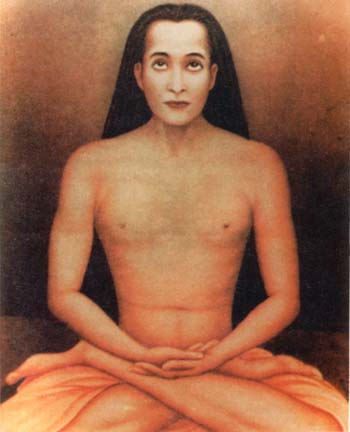
    Route Map of Mahavtar Babaji's Cave.jpg Route Map of Mahavtar Babaji’s Cave.Babaji was among the first batch of disciples of Agastya with Bhogar.

    Shri Adabanga nathji
    Guru: Shri Shambhujati Guru Gorakshanathji

    Panth: Pagal
    Place: Maharashtra, Gujarat.
    Tapasya: north-eastern highland.
    Sadhana: hatha-yoga kriya siddhi, tadasana siddhi.
    Deeds: spread of hatha yoga, activities for the sake of human beings.

    Shri Allama nathji
    Guru: Shri Shambhujati Guru Gorakshanathji

    Panth: Sufi panth
    Place: Pakistan, Kaikai district.
    Sadhana: perfection of pavan-muktasana, vajrasana, virasana, dhyana and gyana yoga siddhi.
    Tapasya: Highland, Sindhu (Penjab), Pakistan. Nothern areas.
    Deeds: preachment of one bhava for hindu and muslims, activities for the sake of human beings.

    Shri Aughar nathji
    Guru: Shri Shambhujati Guru Gorakshanathji

    Panth: Goraksha-panth (Aughar)
    Place.: Girnarnath, Gujarat.
    Sadhana: padmasana siddhi (sitting on the asana can materialize the things (from dhyana)), parvat-utkatasana siddhi.
    Tapasya: 12 years of tapas on Girnar mountain.
    Deeds: own siddhis usage for the sake of soсiety, Natha dharma propagation.

    Shri Balagundai nathji

    Guru: Shri Shambhujati Guru Gorakshanathji
    Panth: Aai.
    Place: Karnal kshetra, Gorakh Tilla, Pakistan.
    Sadhana: Gorakshasana siddhi, Shunya samadhi, Kundalini sadhana, all Yoga siddhis.
    Tapasya: Gorakh Tilla, Pakistan Himalayan Gadval, Badrinath, Kedarnath, Karnal, Haryana, Rajastan, Punjab
    Deeds: Guru-seva, tapasya, perfect example of Bhakty yoga, hatha yoga siddhis (miracles), holy life.

    Shri Balak nathji
    Guru: Shri Shambhujati Guru Gorakshanathji

    Panth: Bhartrihari Vairag
    Place: Hamirpur, Shahatalai, Himachal pradesh.
    Sadhana: dvipada-vakrasana siddhi, padmasana, gyana-mudra, avadhut tapasvi, Yoga siddhis.
    Tapasya: Kailasa, Manasarovar, Bhadrinath, Kedarnath, Himachal pradesh, Jammu Kashmir, Penjab, Sindu and other places.
    Deeds: human society service with yoga siddhis, parikram and pilgrimage through India, Dharma propagation.

    Shri Bhadra nathji
    Guru: Shri Siddha Yogi Lankanath ji.

    Panth: Raval yogi.
    Place: Bhadra-kshetra, Andhra pradesh (southern part).
    Sadhana: vajrasana, padmasana, tadasana siddhis, kappar-chimta siddhi, avadhut sadhana.
    Tapasya: Bhadra area (avadhut sadhana), Shri Shaila mountain, Andhra pradesh, Kadaki-kshetra, Karnataka.
    Deeds: tantra siddhi manifestation, service to society, pilgrimage.

    Shri Bhagai nathji
    Guru: Shri Siddha Yogi Shritainathji

    Panth: Aai
    Place: Kurukshetra (Haryana).
    Sadhana: yoga mudrasana, tadasana, garudasana, ashva sanchalanasana, hamsasana, pada pranamasana siddhis
    Tapasya: dhyana, shunya samadhi.
    Deeds: service to humans with yoga siddhis, Natha dharma propagation.

    Shri Bhartrihari (Vichar) nathji
    Guru: Shri Shambhujati Guru Gorakshanathji

    Panth: Bhartrihari Vairag (founder).
    Place: Uijain (Malva), Madhya pradesh.
    Sadhana: siddhasana, kundalini yoga siddhi, avadhut sadhana.
    Tapasya: Madhya pradesh, Penjab, Haryana, Himalayas, Uttarakhand, Bengalia, Uttar pradesh, Pacistan, Sindh.
    Deeds: helping others with own yoga siddhis, founding of Vairag panth, Natha dharma propagation.

    Shri Bhuchar nathji
    Guru: Shri Siddha Yogi Bhartrihari nathji

    Panth: Bhartrihari Vairag.
    Place: Hajara (Punjab).
    Sadhana: virasana, siddhasana siddhi, practice of dhyana at snakes area of habitat.
    Tapasya: practice under the earth ground, own power over the nature of creation, over the spirit of yogi.
    Deeds: defence of all living beings, defence of Dharma.

    Shri Bhusakai nathji
    Guru: Shri Shambhujati Guru Gorakshanathji.

    Panth: Aai
    Place: Bengal (Vimala-gufa).
    Sadhana: padmasana, brahmacharyasana, yoga mudrasana siddhis.
    Tapasya: Bengal, Bihar, Orissa, Haryana, forests.
    Deeds: dharma propagation, yoga miracles for the sake of society.

    Shri Bileshaya nathji
    Guru: Shri Siddha Yogi Charpat nathji.

    Panth: Charpati nathi.
    Place: Highland, lake Manimahesh (Himachal pradesh).
    Sadhana: dvipada-grivasana and padmasana siddhis, rasa-siddhi.
    Tapasya: nothern mountains.
    Deeds: service to humans through the Yoga, herbal healing.

    Shri Birabank nathji
    Guru: Shri Shambhujati Guru Gorakshnathji.

    Panth: Dhvaj panth (founder).
    Place: Rishimukh (Mouth of Rishi).
    Sadhana: urdhva pada shirshasana siddhi; pavan-hari, Rama bhakta, gyana yoga, brahmacharya, endowed with all qualities.
    Deeds: defence/safety of all beings, gyana vidya transmission.

    Shri Brahmanai (Brahmai) nathji
    Guru: Shri Siddha Yoga Bhagai nathji.

    Panth: Aai
    Place: Haryana (Djind), Hastinapur, Uttar pradesh.
    Sadhana: gomukhasana, matsiendrasana, badha padmasana, pavan muktasana siddhis.
    Tapasya: jata wearing (Jatadhara), hatha yoga tapasya, Haryana, Uttar pradesh, Penjab, Himalayas.
    Deeds: hatha yoga, karma kanda (dhuna yoga), service to humans through yoga siddhis.

    Shri Chakra nathji
    Guru: Shri Shambhujati Guru Gorakshanathji.

    Panth: Nateshvari.
    Place: northwest area.
    Sadhana: svastikasana, chakrasana siddhis, chakri-tantra sadhana, linga-vakrasana siddhi.
    Tapasya: Gorakhtilla in Pakistan, Kaikea area, northen mountains.
    Deeds: propagated dharma, service to the human well-being, wandering.

    Shri Chandra nathji
    Guru: Shri Siddha Yogi Kapilnathji.

    Panth: Kaplani.
    Place: Bengal, Ganga-sagar, Kolayat (Rajasthan).
    Sadhana: kapilasana, vajrasana siddhis.
    Tapasya: guruseva, tapasya in Kolayat, Shiva-bhakta.

    Shri Charpat nathji
    Guru: Shri Shambhujati Guru Gorakshanathji.

    Panth: Charpati nathas.
    Place: Chamba in Himachal Pradesh.
    Sadhana: padmasana-siddhi, purna-matsyendrasana siddhi, rasa-siddhi, teaching for Ayurveda (acharya).
    Tapasya: Himachal Pradesh, Badrinath, Kedarnath, Gangotri, Jammu Kashmir.
    Deeds: service to the people by his knowledge in Ayurveda (healing) and showing of yoga-siddhis.

    Shri Dariya nathji
    Guru: Shri Siddha Yogi Guru Gorakshanathji.

    Panth: Nateshwari (Dariya nathi).
    Place: Atak Dariya (Pakistan).
    Sadhana: gupta-garbhasana siddhi, long being in the water, padmasana-siddhi.
    Tapasya: Pakistan, Sind Hingalaja, Kabul, Kandhar, Himalayas.
    Deeds: yogic miracles for human well-being, wandering around India.

    Shri Daya nathji
    Guru: Shri Shambhujati Guru Gorakshanathji 

    Panth: Bhartrihari Vairag
    Place: Mountain Girnar, Gujarat.
    Sadhana: gorakshasana siddhi, padmasana, abhaya mudra siddhi.
    Tapasya: dhyana yoga tapasya at Vindhya mountain, Girnar, Himalayas.
    Deeds: helping others while pilgrimage all over India.

    Shri Deva nathji
    Guru: Shri Siddha Yogi Govindanathji

    Panth: Varkari (Bhagavat Dharma)
    Place: Oiyapur (Andjan village), Amaravati (Maharashtra)
    Sadhana: hasta-pavan muktasana siddhi, knowledge of Bhagavat Gita (one of Puranas), bhakti sadhana, poetry, and others.
    Tapasya: Andjan area, Oliyapur at Maharashtra, Karnataka, Andhra pradesh.
    Deeds: bhakti, Bhagavata Dharma propagation, service to the people.

    Shri Dharma nathji
    Guru: Shri Shambhujati Guru Gorakshanathji

    Panth: Pav
    Place: north east of India.
    Sadhana: siddhasana, gyan-mudra siddhi, padmasana siddhi, Veda shastra prashna and other
    Tapasya: mountain Kailas, Manasarovar, Patal Bhuneshvar.
    Deeds:dharma propagation.

    Shri Dhir nathji
    Guru: Shri Siddha Yogi Allamanathji

    Panth: Sufi
    Place: Southern East part of Bengal.
    Tapasya: Bengal, Orissa, sea-coast districts.
    Deeds: dharma and Natha Siddha knowledge propagation, wandering around all India.

    Shri Dhundhakar nathji
    Guru: Shri Shambhujati Guru Gorakshanathji

    Panth: Aai
    Place: southeast Assam, Nepal, Nagalend.
    Sadhana: padmasana siddhi, atma anubhava, sadhana in a fog, shankha mudra, pavan muktasana.
    Deeds: propagation of gyana-yoga and samadhi-yoga in Uttarahand, Southern East India; impact on people with yogic miracles.

    Shri Eka nathji
    Guru: Shri Siddha Yogi Jarnadhan nathji

    Panth: Varkari
    Place: Paithan, Maharashtra.
    Sadhana: siddhasana, padmasana bhakti-rasadhara siddhi.
    Tapasya: moutain Shulabhandjan, Trayambakeshvar, Maharashtra, Gangapur, Karnataka, moutain Shri Shaila, Andhra, Malikarjuna, Uttar pradesh and other places.
    Deeds: extraordinary bhakti-yoga, and through this pure bhakti he showed yogic miracles for the human well-being.

    Shri Gahini nathji
    Guru: Shri Shambhujati Guru Gorakshanathji

    Panth: Varkari
    Place: Trayambakeshvara (Kanaka village) – Maharashtra
    Sadhana: Unmani, Bhakta rasamrita sadhana, hasta kachhavasana perfection.
    Tapasya: Trayambakeshvar (Maharashtra), Bengal, Gujarat, Karnataka, Andhra and other
    Deeds: founder of Vaishnavi Varkari Sampradaya, bhakti yoga propagation.

    Shri Gariba nathji
    Guru: Shri Siddha Yogi Balak nathji

    Panth: Bhartrihari Vairag
    Place: Kangada (Himachal pradesh), Palampur
    Sadhana: padmasana, utkatasana siddhi, avadhut sadhana, gyana yoga.
    Tapasya: tapasya in jungle and gufa at Unna, Kangada (Himachal pradesh), Sadhora (Penjab), Dafarpur (Haryana), Haidrabad (Andhra), Tuladjapur (Maharashtra), Dhinodhar (Kachha), Hingaladja (Pakistan) and other places.
    Deeds: All over India Yoga propagation and service to people with yoga siddhis.

    Shri Gaurav nathji
    Guru: Shri Siddha Yogi Matsyendranathji

    Panth: Kapalika (Aghor)
    Place: Bihar
    Tapasya: Himalayas, Assam, Manipuram, Nagalend.
    Sadhana: gyana-dhyana yoga, samadhi sadhana, kandharasana siddhi.
    Deeds: siddhi manifestation, dharma propagation.

    Shri Gehalla raval nathji
    Guru: Shri Shambhujati Guru Gorakshanathji

    Panth: Raval panth (Kapalika)
    Place: Western district of Hangalaj, Sindhu Kshetra
    Sadhana: pavan muktasana, shmashan sadhana.
    Tapasya: Hingalaja Parvatia kshetra, Badtinath, Kedarnath.
    Deeds: founder of Raval Panth, Dharma propagation, perfections in knowledge connected to Dharma, Artha, Kama and Moksha.

    Shri Ghora cholipa nathji
    Guru: Shri Shambhujati Guru Gorakshanathji

    Panth: Aai.
    Place: North Eastern India.
    Tapasya: Bengal, Gohati (Gauhati), Assam and mountain areas.
    Sadhana: siddhasana, virasana siddhi, dhuna karma sadhana, mudrasana siddhi.
    Deeds: Natha dharma propagation.

    Shri Gopal nathji
    Guru: Shri Siddha Yogi Ekanathji

    Panth: Varkari
    Place: Tripura kshetra, Kore village.
    Sadhana: siddhasana and padmasana siddhi, dhuna karma, bhakti yoga, divine nectar (amrita) drinking, Nada Brahman realization, gomukhasana siddhi.
    Tapasya: Maharashtra, Karnataka, Andhra pradesh, Uttar pradesh and other places of tapasya.
    Deeds: practice of bhakti yoga, Amrita usage pleasure, Dharma propagation, blessing people.

    Shri Gorknathji
    Guru: Shri Shambhujati Guru Gorakshanathji

    Panth: Dharmanathi
    Place: Kashmir and Sindh areas.
    Sadhana: kandharasana siddhi, padmasana siddhi, long living in water siddhi, gyana yoga.
    Tapasya: in water in padmasana.
    Deeds: sadhana, gyana, siddhi manifestation, Dharma propagation and care for children.

    Shri Havai nathji
    Guru: Shri Shambhujati Guru Gorakshanathji

    Panth: Aai
    Place: western area.
    Sadhana: moving on the air, perfection in control of pranas, hastapada and padmasana siddhis.
    Tapasya: Badrinath, Kedarnath.
    Deeds: spreading of nath-dharma.

    Shri Jambha nathji
    Guru: Shri Shambhujati Guru Gorakshanathji.

    Panth: Mannathi.
    Place: Djalapur, Rajastan.
    Sadhana: Vaishnavi bhakta sadhana, dhyana yoga from hatha yoga, gyana yoga, urdhva dhanurasana siddhi.
    Tapasya: mind and feels control, asketism.
    Deeds: bhakti yoga, pravachana.

    Shri Jnyaneshvar nathji
    Guru: Shri Siddha Yogi Nivritti nathji.

    Panth: Varkari.
    Place: Alandi (Maharashtra).
    Sadhana: Kundalini yoga, padmasana, nitambasana siddhi, Nada Brahman yoga, bhakri yoga and other.
    Tapasya: Bhakti yoga (in Maharashtra, Uttar pradesh, Gujarat, Karnataka, Andhra pradesh).
    Deeds: Brahman knowledge propagation, blessing people with Yoga siddhi.

    Shri Jvalendra nathji
    Guru: Omkar Adinathji

    Panth: Pav (founder)
    Place: Kalashachala (Djalor).
    Sadhana: Kapalika and Vajrayana siddhi.
    Tapasya: kukuttasana and djalandhara bandha perfections.
    Deeds: Natha samprdaya propagation across India, yoga siddhis, Mantra yoga.

    Shri Kakachandi nathji
    Guru: Shri Siddha Yogi Chauranginathji

    Panth: Palak (Pagal).
    Place: Kashmir, Kak- bhubhundi tirtha.
    Sadhana: kaka-mudra, siddhasana, padmasana perfection, pavan-mukta-mukhasana, linga-bhedasana, linga-bhedi-vakrasana.
    Tapasya: Jammu, Kashmir, Badrinath, Himalayas, Kakbhubhundi tirtha, Nepal, near Krishna and Kandaki rivers, mountain Sumek, Kailasa, Ujjain and other places of tapasya.
    Deeds: bhakti-yoga sadhana and propagation of Dharma.

    Shri Kala nathji
    Guru: Shri Siddha Yogi Matsyenrdanathji

    Panth: Aghora, Kapalika, Kaplani
    Place: Kullu, Himachal pradesh
    Tapasya: Kulu, Himachal, Penjab, Eastern India, Assam, Nagalend and other places where he did aghor-tapasya.
    Sadhana: utkatasana, pavan-mukta-karnasana siddhi.
    Deeds: service to humans, writing of books.

    Shri Kanakai nathji
    Guru: Shri Shambhujati Guru Gorakshanathji

    Panth: Aai
    Place: Bengal
    Sadhana: padmasana siddhi, samadhi-sadhana, yoga mudrasana siddhi.
    Tapasya: West Bengal, seacost areas, Haryana, Kuru kshetra, Penjab, Gorakh-tilla and other places.
    Deeds: yoga miracles for the sake of human beings, pilgrimage across India.

    Shri Kanipa nathji
    Guru: Shri Siddha Yogi Jalandhar nathji

    Panth: Pav (Kapalika, hevajra).
    Place: Pahadpur (Bihar).
    Sadhana: urdhva-dhanurasana siddhi, baddha-padmasana.
    Tapasya: Rajastan, Bihar, Maharashtra, Karnataka, and other places where he practiced shmashan-vairagya.
    Deeds: dharma propagation around all India.

    Shri Kapil nathji (Kapila Muni)
    Guru: Shri Shambhujati Guru Gorakshanathji

    Panth: Kaplani.
    Place: Gangasagar, Bengal.
    Tapasya: East of Nilakantha Kunda, hot water of sunny Ganga, hot rivers, tapasya at Pashupatinath (Rajastan), Kolayat (Bengalia), Kailas, Badrinath.
    Sadhana: kapilasana-siddhi.
    Deeds: development of Sankhya shastra, Gyana-yoga pravachana all across India.

    Shri Kaya nathji
    Guru: Shri Siddha Yogi Bhartrihari nathji

    Panth: Bhartrihari Vairag.
    Place: Penjab kshetra, and Nepal.
    Sadhana: svastikasana, Kundalini Yoga siddhi, avadgut tapasya, pavan muktasana siddhi.
    Tapasya: Nepal, Penjab, Rajastan, Pakistan and others place of tapasya.
    Deeds: yoga miracles by power of knowledge and imagination, Gyana yoga and Dharma propagation.

    Shri Khechar nathji
    Guru: Shri Shambhujati Guru Gorakshanathji

    Panth: Aai.
    Place: Punchh, Kashmir district.
    Sadhana: padmasana and virasana, khechari mudra siddhi.
    Tapasya: powered by prana (pavan hari), levitation.
    Deeds: various miracles by shakti and yogic siddhis, spreading of Nath-dharma.

    Shri Korant nathji
    Guru: Shri Siddha Yogi Pir Patannathji

    Panth: Satnathi.
    Place: Taksha shila (capital of ancient Gandharvas), Bihar.
    Tapasya: mountain areas, Tibet, Nepal (Dang).
    Sadhana: shreshtha-utkatasana, padmasana siddha, dhyana-yoga, samadhi-yoga.

    Shri Ladhai nathji
    Guru: Shri Siddha Yogi Bhusakainathji

    Panth: Aai.
    Place: Western and Nothern Punjab, Haryana, Kuru Kshetra, Indraprastha.
    Sadhana: gomukhasana-siddhi.
    Tapasya: Punjab, Haryana, Himalayas.
    Deeds: Ishvara-bhaktI propagation which is acquired through the sadhana.

    Shri Lanka nathji
    Guru: Shri Shambhujati Guru Gorakshanathji

    Panth: Raval panth.
    Place: Shri lanka (southern part).
    Sadhana: shakti tantra sadhana, pavan-muktasana, virasana, siddhasana, padmasana, tadasana, vajrasana siddhis.
    Tapasya: mountain Kailas, (Rakshas Till lake), Maharashtra (Trayambakeshvar), mountain Shri Shaila, Andhra pradesh, Mallikarjuna in Karnataka, Tamilnadu, Bengal and other places.
    Deeds: the throne, knowledge of raja yoga, dhyana yoga.

    Shri Madra nathji
    Guru: Shri Siddha Yogi Lankanathji

    Panth: Raval yogi.
    Place: Madra-desha (South of Madhya Pradesh)
    Sadhana: siddhi of long-term being in water, siddhasana, raja-yoga, dhuna siddhi, dhyana-gyana yoga, hasta-mukta-utatasana siddhi.
    Tapasya: Madra-desha, Karnataka, Orissa, Shri Shaila Mountain, Mallikarjuna, Shri Lanka, seeacost areas.
    Deeds: care for human well-being through the mantra and tantra, wandering around all India, dharma propagation.

    Shri Mallik nathji
    Guru: Shri Shambhujati Guru Gorakshanathji

    Panth: Het nathi (Aghor).
    Place: Orissa (Nivar district).
    Sadhana: ardha-virasana, siddhasana siddhis. Vajrayana-siddhi, shmashan-siddhi.
    Tapasya: in shmashan of Bengal, Orissa.
    Deeds: Vajrayana, shmashan siddhi through the yoga, service for human well-being.

    Shri Manasai nathji
    Guru: Shri Siddha Yogi Bhagai nathji

    Panth: Aai
    Place: Mathura, Agra (Uttar Pradesh).
    Sadhana: gomukhasana, matsyendrasana, vajrasana siddhi.
    Tapasya: avadhoot-tapasvi (jata-sadhana) in Haryana, Uttar Pradesh, Panjab etc.
    Deeds: hatha-yoga sadhana, propagated and spreaded dharma through jnyana-yoga tapasya.

    Shri Manik nathji
    Guru: Shri Shambhujati Guru Gorakshanathji

    Panth: varkari
    Place: Ahmedabad, Gujarat.
    Sadhana: padmasana (jnyana-mudra) siddhi, bhakti-yoga, hatha-yoga.
    Tapasya: asceticism
    Deeds: spreading of bhakti-sadhana.

    Shri Manju nathji
    Guru: Shri Siddha Yogi Matsyendranathji

    Panth: Mannathi
    Place: Kadali, Simhala island (Ceylon)
    Tapasya: West Bengal, Karnataka, Orissa.
    Sadhana: continuous travelling, ardha-virasana siddhi, tapasthali, tantra-mantra yoga, gyana-yoga siddhi.
    Deeds: spreading of dharma around all India.

    Shri Markandeya nathji
    Guru: Shri Omkar Adinathji

    Panth: Shiv-yogi.
    Place: northeast side of Kaylas mountain.
    Sadhana: siddhasana, urdhva kachhavasana siddhis, shankha-mudra.
    Tapasya: Brahmacharya, service for Guru Adinathji, Agni Brahman; obtained food by begging (bhiksha anna); perfection in strong tapasya to achieve the grace of the gods and goddesses, and the visions of past, present and future.

    Shri Masta nathji
    According to natha-yogis and in particular to yogis of Aai-panth, Siddha Baba Mastanath is recognized by one of last avatars of Guru Gorakshanath in the human form that could be approximately in the end of a XVIII-th century. Read more…

    Shri Meru nathji
    Guru: Shri Siddha Yogi Gauravnathji

    Panth: Kaplani (kapalika)
    Place: Bihar
    Sadhana: virasana and parvat-utkatasana (meru-asana) siddhi.
    Deeds: tapasya-sadhana in mountain area, spreading of dharma around all India.

    Shri Mina nathji
    Guru: Shri Omkar Adinathji

    Panth: Pav
    Place: Kashmir kshetra, Assam
    Sadhana: vajrasana siddhi.
    Tapasya: yoga, dhyana, samadhi-marga, gyana-marga.

    Shri Nagarjuna nathji
    Guru: Shri Shambhujati Guru Gorakshanathji

    Panth: Parasnathi, Raval-panth
    Place: Shri Shaila Mountain (south)
    Sadhana: knowledge of Rasayana-shastra, Tantra-shastra, worship of Nagadevi, mantra-yoga, gyan-yoga, writing of books, tapasya on Shaila mountain and in Jvalaji, hastapada utkatasana siddhi.
    Deeds: spreading doctrine in Malvar, Orissa, Bengal, Tibet, Himalayas, Andhra Pradesh, Shri Shaila Mountain.

    Shri Narada Deva nathji
    Guru: Shri Siddha Yogi Matsyendranathji.

    Panth: Satnath
    Place: Maharashtra (south).
    Sadhana: bhakti-yoga siddhi.
    Deeds: propagated way of bhakti in Maharashtra, Gujarat, Andhra Pradesh.

    Shri Naramai nathji
    Guru: Shri Siddha Yogi Brahmainathji

    Panth: Aai
    Place: Jinda (Haryana).
    Sadhana: avadhoot-tapasya (in naga condition – without clothes), hatha-yoga, padmasana, siddhasana siddhis.
    Tapasya: hatha-yoga (in the nude form) in Haryana, Panjab, Rajasthan, Uttar Pradesh.
    Deeds: propagated doctrine of Nath and dharma in Haryana, Jammu-Kashmir, Rajasthan, Panjab, Himachal Pradesh and all India.

    Shri Nivritti nathji
    Guru: Shri Siddha Yogi Gahininathji

    Panth: Vaishnavi(Varkari)
    Place: Triambakeshvar (Maharashtra)
    Sadhana: pavan-muktasana siddhi, bhakti-yoga sadhana, svastikasana, siddhasana siddhis, kundalini sadhana.
    Tapasya: reached all possible siddhis by bhakti-yoga.
    Deeds: propagated of bhakti-yoga, care for people.

    Shri Pippal nathji
    Guru: Shri Siddha Yogi Ramnathji

    Panth: Ramik (Ramnathi)
    Place: Prayag (Uttar Pradesh)
    Tapasya: Uttar Pradesh, Uttarakhand, mountains of Nepal.
    Sadhana: padmasana, siddhasana, parvat-utkatasana siddhis; courage, mahamudra-siddhi.
    Deeds: spreading of nath-yoga, care for human well-being, showing of yoga-siddhis.

    Shri Prabhudeva nathji
    Guru: Shri Siddha Yogi Matsyendranathji

    Panth: Aai
    Place: Sikkim
    Sadhana: tapasya in dandasana.
    Tapasya: stay naked in full dispassion.
    Deeds: yoga-sadhana, spreading of knowledge.

    Shri Prakash nathji
    Guru: Shri Shambhujati Guru Gorakshanathji

    Panth: Bhartrihari Vairag
    Place: West Bengal, Gujarat.
    Tapasya: mountain area.
    Sadhana: pada-bhujangasana, siddhasana siddhi, gyan-mudra siddhi, gyan-yoga siddhi, appearance of light volume from body.
    Deeds: spreading of dhyan-yoga, gyan-yoga, laya-yoga.

    Shri Praudha nathji
    Guru: Shri Siddha Yogi Bhartrihari nathji

    Panth: Bhartrihari Vairag
    Place: Ujjain (Madhya Pradesh).
    Sadhana: hasta-padangushtha-shirshasana siddhi, siddhasana, avadhoot-sadhana.
    Tapasya: avadhoot-tapasya in Madhya Pradesh, Gujarat, Panjab, Rajasthan etc.
    Deeds: spreading of dharma of Gorakshanath and Nath-Sampradaya.

    Shri Ratan nathji
    Guru: Shri Shambhujati Guru Gorakshanathji

    Panth: Satnath
    Place: Bhatinda (Panjab)
    Sadhana: raja-yoga, laya-yoga, pavanahari-yoga, khanjanasana.
    Deeds: working wonders around all India, Kabul, Kandhar, Mecca, Medina.

    Shri Sahajai nathji
    Guru: Shri Siddha Yogi Kanakainathji

    Panth: Aai
    Place: East Bengal.
    Sadhana: being in avadhoot state, sadhana in the sea (near the sea or ocean), parvat-utkatasana siddhi.
    Tapasya: East Bengal, tapasya in eastern seaside areas (avadhoot state).
    Deeds: propagated vairadya, gyana, absence of desires.

    Shri Sahiroba nathji
    Guru: Shri Siddha Yogi Gahininathji.

    Panth: Varkari.
    Place: Gova-kshetra.
    Sadhana: Bhakti-yoga, kundalini chakra sadhana, bhunamunasana siddhi.
    Tapasya: Bhakti-yoga – Maharashtra, Gova, Andhra, Bengal and other places of tapasya.
    Deeds: writing of books, spreading of bhakti-yoga.

    Shri Sanak nathji
    Guru: Shri Omkar Adinathji

    Panth: Satnath
    Place: Badrinath in Kashmir, Vaikuntha.
    Tapasya: dhyana-gyana yoga, karma-kanda upasana (on the riverbank of Gandaki).
    Sadhana: gomukhasana, padmasana siddhis.
    Deeds: spreading of dharma and knowledge.

    Shri Sananda nathji
    Guru: Shri Shambhujati Guru Gorakshanathji.

    Panth: Satnathi
    Place: southeast of Kaylas Mountain.
    Tapasya: Badrinath, Kedarnath, Gangotri, Yamuna.
    Sadhana: dhyana, samadhi, commentation of Vedas, knowledge of Vedas.
    Deeds: spreading of Brahma-vidya, svastikasana and hastapada-vakrasana siddhis.

    Shri Sanatan nathji
    Guru: Shri Omkar Adinathji

    Panth: Satnath.
    Tapasya: Badrinath, Kedarnath, Gangotri, yoga-sadhana and gyana-sadhana near Yamuna river, karma-kanda upasana.
    Sadhana: padmasana, siddhasana siddhi.
    Deeds: spreading of dharma and knowledge.

    Shri Sanatkumar nathji
    Guru: Shri Omkar Adinathji

    Panth: Satnath.
    Place: Southwest direction (nairitya)
    Sadhana: dharana-dhyana-samadhi yoga, dvipada vatayanasana siddhi.
    Tapasya: Kaylas, Badrinath, Gangotri are the places of tapasya; Brahma-jnyana, Brahma-darshan, commentation of Vedas.

    Shri Sarasvatai nathji
    Guru: Shri Shambhujati Guru Gorakshanathji

    Panth: Aai
    Place: Kaikai (northwest part of India)
    Sadhana: pashchimottanasana, siddhasana, virasana siddhis.  Spontaneous experience of Shabda-Brahman, also perfect knowledge of music, bhakti-siddhi.
    Deeds: spreading of bhakti-yoga.

    Shri Shabar nathji
    Guru: Shri Siddha Yogi Matsyendranathji

    Panth: Kapalika.
    Place: Gauda area in Bengal.
    Sadhana: mahamudra, shunya-samadhi, antar-mukha sadhana, shmashan-sadhana.
    Tapasya: Vikram Shila, Magadha (the territory of Bihar and Jarkhand), West Bengal, tapasya on the Shri Shaila Mountain.
    Deeds: spreading of dharma and care for human well-being.

    Shri Shringeri nathji (Gopichand nath)
    Guru: Shri Siddha Yogi Jvalendra nathji.

    Panth: Pav.
    Place: Gauda area in Bengal, West Bengal (Rangapur).
    Sadhana: mulabandha-siddhi in siddhasana, garudasana-siddhi.
    Tapasya: West Bengal, Rajasthan, Himalayas.
    Deeds: wandered around all India and propagated nath-dharma.

    Shri Shritai nathji
    Guru: Shri Shambhujati Guru Gorakshanathji

    Panth: Aai
    Place: Kuru-kshetra (Haryana).
    Sadhana: ardhva-pada-hastasana, svastikasana, garudasana siddhis, kundalini-yoga.
    Tapasya: Haryana, Panjab, Bengal, Uttar Pradesh, Himalayas etc.
    Deeds: spreading of natha-yoga.

    Shri Siddhabuddha nathji
    Guru: Shri Siddha Yogi Dariyanathji

    Panth: Nateshvari (Dariya nathi)
    Place: Kaikai area, Pakistan.
    Tapasya: Jammu Kashmir (Amarnath).
    Sadhana: padmasana siddhi, gyan-mudra, chandra-rasamrita, kurmasana siddhi.
    Deeds: service for human well-being.

    Shri Siddhapad nathji
    Guru: Shri Siddha Yogi Niranjan nathji

    Panth: Aai
    Place: Himachal Pradesh.
    Tapasya: Uttarakhand, Himachal Pradesh, stood on one foot of 12 years in woods of Badrinath.
    Sadhana: padangushtasana siddhi.
    Deeds: spreading of nath-dharma around of India.

    Shri Siddhasan nathji
    Guru: Shri Siddha Yogi Matsyendranathji

    Panth: Aai
    Place: southwestern area, Orissa.
    Sadhana: tapasya in siddhasana.
    Deeds: spreading of yoga around of India and out of it.

    Shri Sukadeva nathji
    Guru: Shri Shambhujati Guru Gorakshanathji

    Panth: Ramke
    Place: on the islands and mountains.
    Tapasya: unknown tapasya.
    Sadhana: dhruvasana, padmasana siddhis.
    Deeds: spreading of Shrimad Bhagavatam, propagating of moksha and mukti.

    Shri Surananda nathji
    Guru: Shri Siddha Yogi Balaknathji

    Panth: Bhartrihari Vairag
    Place: Dungarpur, Rajastan.
    Sadhana: gorakshasana siddhi, jnyana-dhyana yoga.
    Tapasya: Rajasthan, Panjab, Gujarat, Madhya Pradesh.
    Deeds: spreading of knowledge and bhakti in Madhya Pradesh, Panjab, Rajasthan.

    Shri Surat nathji
    Guru: Shri Shambhujati Guru Gorakshanathji

    Panth: Aai.
    Place: Panjab, Uttar Pradesh (Shamali).
    Sadhana: pavan-muktasana siddhi.
    Tapasya: dhuna-karma sadhana (tapasya near dhuna).
    Deeds: spreading of yoga siddhanta, showing of the yoga-siddhas in Uttar Pradesh, Panjab, Haryana, Bihar, Rajastan.

    Shri Tara nathji
    Guru: Shri Siddha Yogi Matsyendranathji

    Panth: Pagal
    Place: Pancha-janya kshetra (southwestern area).
    Tapasya: West Bengal, Gauhati (Kamakhya), Himachal, Tibbatia.
    Sadhana: padmasana, dvipada-dhruvasana siddhis.
    Deeds: kapalika aghora siddhi, care for human well-being.

    Shri Tintini nathji
    Guru: Shri Siddha Yogi Jalandhar nathji

    Panth: Pav
    Place: Southern part of India.
    Sadhana: tolasana, lolasana, kukutasana, tripada-ashvasana siddhis.
    Deeds: wandered around India, propogated gyan-yoga.

    Shri Vakra nathji
    Guru: Shri Siddha Yogi Chakra nathji

    Panth: Nateshvari
    Place: Kaikei and Jammu district.
    Tapasya: Himalayas mountains.
    Sadhana: svastikasana, vakrasana siddhis, full adherence to Brahman (Brahmacharana).
    Deeds: yoga sadhana propagation, yoga miracles, service to people, pilgrimage.

    Shri Vira nathji
    Guru: Shri Shambhujati Guru Gorakshanathji

    Panth: Dariya nathi.
    Place: Punjab.
    Sadhana: padvirasana siddhi, Shri Hauman upasana.
    Tapasya: Punjab, Sindh pradesh, Himachal pradesh, Himalayas.
    Deeds: propagation of Dharma all over the India.

    Shri Virupaksha nathji
    Guru: Shri Omkar Adinathji.

    Panth: Sahacharyo (sahajani yog).
    Place:  Shri Parvat Devikot, Orissa.
    Sadhana: siddhasana, svastikasana, padmasana, dvipada mastakasana siddhis.
    Deeds: support and propagation of Yamari tantra.

    Shri Yajnavalkya nathji
    Guru: Shri Siddha Yogi Satyanathji

    Panth: Satnath
    Place: Himachal Pradesh, Kanva-kshetra (Kotadvar)
    Tapasya: realized siddhis of living on the sun.
    Sadhana: dharana-dhyana-samadhi, accent on shunya-samadhi, pavan-muktasana siddhi.
    Deeds: propagated gyana-yoga.
    Reference and Citation.
  • Where Palani Andavar Moolavar Was Made By Bhogar.Thannasiappan Koil

    Where Palani Andavar Moolavar Was Made By Bhogar.Thannasiappan Koil

    The history of Bhogar tells us that he made the Palani Dhandauthapani Idol in the Garbha Graha at a place called Thannasi

    Appan Temple.

    Bhogar is reported to have used Nine Minerals/Herbs/poisons to prepare the raw material for the Idol.

    The term Paashaana means, Minerals, herbs, Poison.

    He is reported to have made three Idols.

    One has been installed at Palani garbha Gruha.

    Bhogar in Nirvikalpa Samadhi .jpg Bhogar in Nirvikalpa Samadhi .

    Two Idols are reported to have been hidden by Bhogar in the Eastern Ghats and it is believed that they would surface at an appropriate moment.

    The idol at Palani Garbha Gruha was found to be weak below the Neck and therefore the Abhishekams were stopped.

    Now Abhishekams are performed for the Utsavar only.

    The committee formed by the Government of Tamil Nadu to find out the status of the Idol found , by Atomic Test, that the material used for the construction of the Idol of Murugan is neither Granite, Nor Minerals.

    Please read my Post on this, where I have provided the excerpt of the Report.

    Thannasiappan Temple entrance.jpg Thannasiappan Temple entrance.

    ‘Bogar is a Siddhar, he is considered as one of the 18 siddhars born in the world. According to epigraphical sources and his book Bogar Seven thousand his period is around 3000 B.C. Bogar born at India and visited China in search of truth of life, he gained knowledge in medicine, astrology, spritiuality, yoga etc.

    Bogar anticipating that in due course of period, human beings will suffer from large number of disease. As an expert in medicine he used 4448 rare herbs and made 9 poisonous medicine, mixing these 9 poisons into one needs great knowledege and skill, to make a Master Medicine ( One medicine to cure all disease ). Thirumoolar also discuss one such Master Medicine in his book Thiru Mandiram. With the consultation of Agasthiar ( Father of Ayurvedic Medicine) and other siddhars Bogar mixed the 9 poisons ( Nava Bashanam ) and made the Master Medicine in the form of Lord Murugan which is currently worshiped at Palani Murugan temple. There is a place near Palani Hill called Thanasiappan Temple which is the place were Bogar mixed the Nava Bashanam and made  the Murugan idol.’

    http://palani_murugan.tripod.com/bogar.htm

    http://wikimapia.org/

  • Mysterious Cave Atop Palani Bhogar Worshiped Devi

    Mysterious Cave Atop Palani Bhogar Worshiped Devi

    Palani Dhandayuthapani is our Family Deity.

    Some years back, when I went to Palani, I was asked by a stranger in the Temple the directions to visit Bhogar Shrine in the complex.

    Though I have been visiting the Palani Temple ,I never knew that there was a Shrine for Bhogar.

    I asked the Priests for directions and went to the Shrine.

    I was reciting,if I recall correctly the Durga Suktha,when the the priest at the Bhogar Shrine asked me to have a look at an Idol of  Bhuvanewari worshiped by Bhogar.

    Maragatha(Emerald) Shiva Linga, Bhuvaneswari and Dhandayuthapani.jpg
    Maragatha(Emerald) Shiva Linga, Bhuvaneswari and Dhandayuthapani worshiped by Bhogar,Palani

    He gave me the Idol in a Velvet cloth and it was very beautiful.

    I had darshan and left with no further thought on the subject.

    This was about 30 years ago.

    Though I know anything  about the Siddhas, I did not know much till recently.

    I have been, for the past few days, trying to find information on the Devi and Bhogar worship.

    Only today I have been able to get some information on this.

    It seems that there is an opening at the top of the Sivagiri(Palani), with a cavern underneath it and Bhogar is reported to have worshiped Devi there, with Pulipani as his Guard.

    Read on.

    At the top of Palani Hill, near the holy Murugan which Bhogar had crafted from nine poisonous substances, there is an opening in the Earth; it is a hole in the ground; the mouth of a cave which lies below. Bhogar often lowered himself into the Earth, sat in the cave, accessing Life’s hidden secrets. He performed great austerities there, the magnitude of which very few in this modern age can fathom.

    There at the opening Bhogar erected a humble shrine to the Great Mother: a few yantras, a couple of five-metal icons baring the form of the Mother and her son Murugan. He worshipped a small emerald lingam there, about ten inches in height. His one and only disciple, Pulipani (perhaps the only one who truly understood the sage), kept him company at the entrance to the underground cavern on the top of Palani Hill.

    When Bhogar felt that his outer work was done, he entered the gateway of earth and stone and sat down in the darkness of the cave. Faithful Pulipani heaved a stone slab over the entrance, sealing Bhogar forever in the blackness of his earthen womb.

    For thirteen generations Pulipani’s descendants have watched over that stone slab that marks the gateway to the underground chamber. Long ago, Bhogar’s little shrine was set atop that hallowed spot, and even today, is still worshipped by the vigilant sons of the faithful Pulipani. They say that Bhogar is seated quietly in meditation even now; alone in the darkness; watching the slow passage of time.

    His breath is still. His mind is quiet, his heart unwavering; but through the dense dark matter of his earthly form stabs the vibrant & relentless flame of the Kundalini Shakti. There he waits…

    ‘At the top of Palani Hill, near the holy Murugan which Bhogar had crafted from nine poisonous substances, there is an opening in the Earth; it is a hole in the ground; the mouth of a cave which lies below. Bhogar often lowered himself into the Earth, sat in the cave, accessing Life’s hidden secrets. He performed great austerities there, the magnitude of which very few in this modern age can fathom.

    There at the opening Bhogar erected a humble shrine to the Great Mother: a few yantras, a couple of five-metal icons baring the form of the Mother and her son Murugan. He worshipped a small emerald lingam there, about ten inches in height. His one and only disciple, Pulipani (perhaps the only one who truly understood the sage), kept him company at the entrance to the underground cavern on the top of Palani Hill.

    When Bhogar felt that his outer work was done, he entered the gateway of earth and stone and sat down in the darkness of the cave. Faithful Pulipani heaved a stone slab over the entrance, sealing Bhogar forever in the blackness of his earthen womb.

    For thirteen generations Pulipani’s descendants have watched over that stone slab that marks the gateway to the underground chamber. Long ago, Bhogar’s little shrine was set atop that hallowed spot, and even today, is still worshipped by the vigilant sons of the faithful Pulipani. They say that Bhogar is seated quietly in meditation even now; alone in the darkness; watching the slow passage of time.

    His breath is still. His mind is quiet, his heart unwavering; but through the dense dark matter of his earthly form stabs the vibrant & relentless flame of the Kundalini Shakti. There he waits…

    Courtesy: Forward to Shaking the Tree: Kundalini Yoga, Spiritual Alchemy, & the Mysteries of the Breath in Bhogar’s 7000 English rendering by Layne Little

    http://www.alchemywebsite.com/bhogar1.html

  • Atomic Analysis Report Of Palani Dhandayuthapani Subrahmanya

    When the self-styled rationalists call every thing Hinduism stands for and Hindu sages as non sense and irrational , it is befitting to recall the words of Sir Isaac Newton, considered to be one of the Giants of Physics.

    Palani Dhandayuthapani.gif Palani Dhandayuthapani , Moolavar,Palani.

    ‘ Sir Isaac Newton modestly remarked. “All that I have done to the human community is to make a common man understand His observable laws”. He added further by saying. “God created the forces of gravity. I connect this by a mathematical equation in an understandable way”.

    How true these words are!

    Palani Subrahmanaya, called as Palani Andavar, Palani Dhandayuthapani, Idol is believed to have been made and installed by Bhogar a senior Siddha.

    He prepared the Idol, according to some traditions with a strange mixture called Nava Paashana.(Nine Poisonous Minerals)

    This , the traditions say,was prepared by mixing minerals in a specific  proportion/combination.

    Bhogar was also an Alchemist.

    Paashaana also means Poison.

    This mixture could have been prepared by mixing Nine rare herbs of poisonous nature .

    The resultant mixture was used by Bhogar to make the Idol.

    ( It is believed that Bhogar made three idols, one is now at Palani, the other two have been hidden by Bhogar somewhere in the Eastern Ghats in South India: they are expected to surface at an appropriate time).

    The other option for the Idol’s raw material is granite.

    It has been observed that the Dhandayudhapani Idol at Palani became weak below the neck and the lower portions looked as if they would fall at any time.

    A suggestion was mooted to repair or change the Idol.

    This was not agreeable to the devotees as it would be against the Shastras.

    So the Government of Tamil Nadu appointed a committee to study the issue and submit its recommendations.

    I am providing the report afer a few sentences about the findings of the committee.

    1.The Idol’s face was fresh as though it was installed recently.

    2.The lower portions were damaged.

    3.On testing with an Atomic Analyser, it was found that the Idol was made of neither Granite, nor minerals.

    4.The Scienists were unable to determine what it is made of.

    Now an abstract of the report; the web site Link is provided towards the close of the Post.

    Dhandayuthapani Temple.jpg Dhandayuthapani Temple,Palani.

    Though the preliminary visual examination of the idol revealed the possibility of the material being of granitic origin. It could not be confirmed, as neither a microscopic examination nor a chemical analysis could be done in the absence of loose material from the idol being available for such detailed investigation. But we were aware that the abhishekam materials flowing over the idol could possibly absorb some of the ingredients from the idol to acquire the medicinal property, curative qualities and offer relief to many devotees from their ailments.

    Guided by this knowledge and taking a clue from this, we applied sandalwood paste to the idol and let it remain overnight. The next day the sandalwood paste was collected and a solution was prepared for further chemical examination, using
    As the next step, the sandal wood paste solution from the paste left on the idol overnight was subjected to the experiment. The instrument showed no apparent reading. The experiment was repeated several times and the instrument showed a zero absorption. When other samples were tested, the instrument showed positive results but for the sandal wood paste left overnight on the idol of the lord, the result was zero absorption. It was revealed to us as a stupendous moral – that even modern scientific analysis cannot penetrate the Divine Structure.a sophisticated instrument, the Perkin-Elmer 707 atomic absorption spectrophotometer to identify the trace elements. A standard solution required for the experiment was made to calibrate the instrument.’

    The Study was by Dr. Prof. M.S. Saravanan, M.Sc., Ph.D., F.M.S., F.G.S. is an an earth scientist and mineralogist and former Director of the Tamil Nadu Department of Geology & Mines and Chairman of Tamilnadu Minerals Limited and a one-time close associate of Kripananda Variar.

    He was also a sub-committe member constituted by the Government of Tamil Nadu to Study and Test the Idol.

    Citation.

    http://palani.org/saravanan.htm

  • Siddha Bhogar Designed Aircraft Tamils In South America

    The world of Siddhars is unique and their thought run parallel to Sanatana Dharma, if one were to go by their works.

    Many thoughts found in their works are reflected in the Sanatana Dharma.

    This could be because of the fact that we were fed the concocted History of India, where Tamil is portrayed as anti Sanatana Dharma,inimical to North.

    Hence with this background one tends to think Tamil System of Tought is different from the Sanatana Dharma.

    But my researches for the past six years show that  this is not so.

    One finds the echo in the other.

    The problem is which preceded.

    This seems difficult to fathom as the time frames are quite vast, running into thousands of years,

    This BC, AD business has no relevance in Indian Thoughts because of its antiquity.

    The Siddhas are realized souls who transcend Time and Space and they are believed and in many cased have been sen in Physical frame.

    To cite a few, Babaji of Himalayas.Trilinga Swamigal, Kuzhandaianada Swamigal and many more from both he south and north of Vindhyas.

    While the worship of Shiva has not been  mentioned in the Vedas, the Tamils swear by it  from their fist Grammar book, Tholkaappiyam.

    Shiva is credited with the Creation of the Tamil language, with His son Lord Subrahmanya as his successor.

    And Sage Agstya was entrusted with the job of nurturing Tamil.

    Agastya is considered to be one of the early co-founders of Tamil, if the term could be used.

    Agastya composed the first Tamil Grammar work called Agathiyam.

    Agastya is a Siddha.

    Bhogar, is the disciple of Agastya.

    Bhogar installed the Idol of Lord Subrahmanya at Palani,Tamil Nadu with Nine poisonous herbs and this Idol is being worshiped even now and it is expected to last this Kaliyga, the prest aeon.

    Bhogar was also a Yogin as the other other Siddhars..

    He indulged in Astral Traveling, can use Transmigration at Will.

    He is recorded to have been to Chile in South America.

    This has been cited in their legends.(?)

    Bhogar was also reported to have designed Aircraft for Traveling and used it.

    I had written articles on the connection between the Tamil and the Aztecs,Mayas .

    Kindly refer these Posts to have more information.

    Bhogar a Senior Siddha surveying far away places.jpg Bhogar, traversing the sky, observes faraway places like Arabia, Rome, and China.Bhogar a Senior Siddha surveying far away places.

    In one of his songs Bhoganāthar claims to have flown to China at one point in a sort of airplane which he built: he held discussions with Chinese Siddhas before returning to India (Kailasapathy, 1969, p. 197-211). His visit to South America has been confirmed by accounts left by the Muycas of Chile:

    “Bocha, who gave laws to Muycas, was a white, bearded man, wearing long robes, who regulated the calendar, established festivals, and vanished in time like others (other remarkable teachers who had come across the Pacific according to numerous legends of Incas, Aztecs and Mayans).” (Lal 1965, p. 20)Citaitons.Material in this chapter is based upon the life story of the Siddha Bhoganāthar narrated by Yogi S.A.A. Ramaiah in his introduction to the third volume of the collected works of Bhoganathar, Bogar Kandam Yogam: Babaji’s Yoga of Boganathar, and notes in lectures.

    Authorities quoted by Bancroft in the Pacific States, Vol. V., 23-24.

    See ‘The Wandering Taoist’, by Deng Ming-Dao. 1983 for a contemporary account of Taoist immortals and their practices in China, and ‘The Tao and Chinese Culture’ by Da Liu. 1979 for a description of the highest goal of Taoist practices, ‘golden” immortality.

    It is here that Macchamuni (Macchendranātha), one of his disciples, later composed the first great treatise on the scientific art of Kriya Tantra Yoga, from which arose the Kalpia and Kapalika tantric traditions.

    Babaji and the 18 Siddha Kriya Yoga Tradition, by M. Govindan (Kriya Yoga Publications, 1991), pp. 113-118.

    More on Bhogar and Siddhars to follow.


    Citations.

    http://palani.org/bhogar-biography.htm

    From Google scholar.

    http://www.energyenhancement.org/Tamil-Siddar-BHOGAR-Kundalini-Yoga-and-Spiritual-Alchemy.htm

    Related.

    The Incas celebrated the Makara Sanakrathi.

    The Ayar-Incas that primitive Aryan words and people came to America especially from Indo-Arya by the island chains ofPolynesia. The very name of the boat in Mexico is a South Indian (Tamil) word: Catamaran.”-

    The Ayar-Incas (2 Volume Set): 1. Monuments, Culture, and American Relationship; 2. Asiatic Origins-Miles Poindexter,Former US Ambassador-

    The Incas celebrated the Makara Sankaranti in the South Indian Style.

    https://ramanisblog.in/2015/02/01/incas-of-peru-ancestors-tamils-celebrate-makara-sankaranti/


    ‘Most of you in India are familiar with the Charak Puja ceremonial observed in Bengal and several States in South India. This Hindu Ceremonial also observed in Mexicohistorian call it the mexicon and peru. The Spanish Valador ritual. A relief of Bayon central temple of Angkor Thom inCambodia represents a rite similar to the Mexico Valador. The use of parasol (Chhatra) is an age-old sign of royalty and rank in India, Burma, China and Japan. The Maya Astec and the Incas also used it as a sign of royalty. Frescoes of Chak Multum in Yucatan show two types of parasols both of which correspond to types still in use in South-East Asia.’

    Incas celebrated it as “Inti Raymi”

    https://ramanisblog.in/2015/06/09/indra-in-incas-peru-viracocha-ramayana-upanishad/