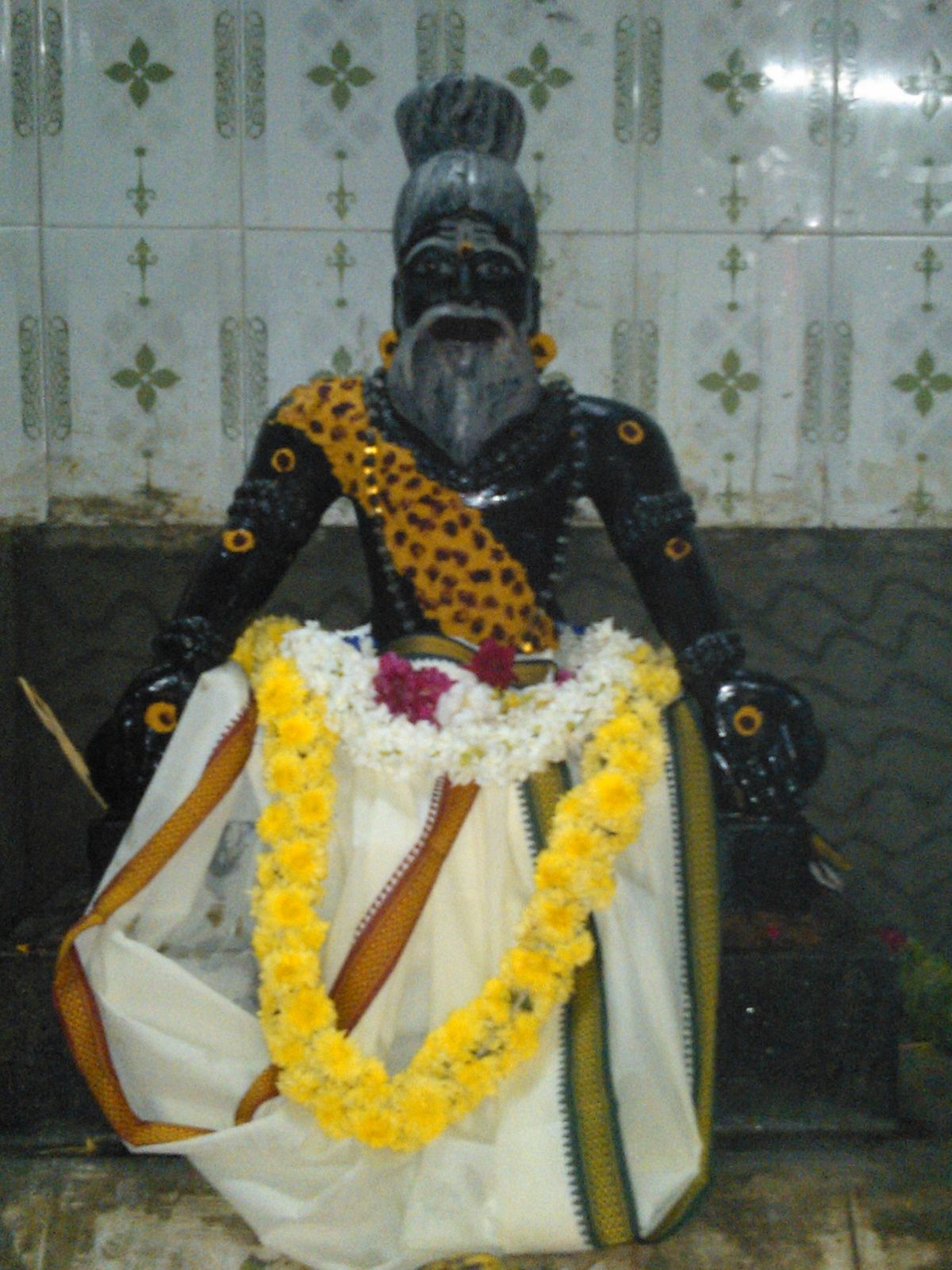
Tag: Thirumoolar Pranayama

  • How Breath Moves In Nostrils Timings

    How Breath Moves In Nostrils Timings

    There are different systems of Yoga, nay it will be proper to say that there are variations in Yoga practices. Essential features like the steps to be followed in Yoga, Yama, Niyama, Asana, Pranayama, Prathyaahara,Dhyana, Dharana and Samadhi remain the same in all. The first system of Yoga by Siva is Vaasi Yoga, where Consciousness is directly managed while in Patanjal’ s Yoga, Consciousness is managed through Chitta, a higher level than Mind.

    Siva is the First Yogi, Adhi Yogi and He practiced Vaasi. His discipline was Thirumoolar, A Siddha.He authotred A Treatise on Saiva Siddhantha, Advaitic thoughts and Yoga. He explains in the Text Thirumandhiram in Tamil about Yogic practices. He mentions about the movement of Breath.

    All of us breathe. We breathe through Both nostrils and it is involuntary. Yoga systems of Siddhas, Realized Souls and in Saiva Siddhantha talk about Breath that move through the Nostrils.

    The movement of Breath is called Nadi/ tube, pipe, nerve, blood vessel, pulse’) is a term for the channels through which, in traditional Indian medicine and spiritual knowledge, the energies such as prana of the physical body, the subtle body and the causal body are said to flow. https://en.m.wikipedia.org/wiki/Nadi_(yoga)

    There are over 300,000 Nadis according to SivaYoga Saram , 72,000 according to Thirumoolar , Eighteen Siddhas and Avvaiyaar. Of these 72,000, Thirumoolar marks, 500,10,then to Ten Nadis as primary. Of these ten, three are Ida , Pingala and Sushumna. Inhaling through Left Nostril is called Pooraka, Retention of breath is Kumbaka and exhaling through the Right Nostril is Rechaka.

    Though it appears that we breathe through both nostrils, if we observe our Breath, we will notice that quantity of Air/Breath that pass through is not the same for both nostrils, Left and Right. Sometimes, breath passes more through the left nostril and at other times through the right nostril. The Left nostril belongs to / (called as) Moon and Right to Sun. When one holds the Breath, Sushumna, that holding of Breath belongs to or called as Agni, Fire. We shall see in detail in the forthcoming articles.

    The Thirumoolar system of Yoga has revealed, explained the times when the Breath moves in the Left Nostril and the right nostril. Each has significant information about our health. It also helps us in curing discomforts, illnesses and diseases.

    Movement of Breath.

    • 6-8 am Right Nostril.
    • 8-10 am Left Nostril.
    • 10-12 noon Right Nostril.
    • 12-2 pm Left Nostril
    • 2-4 pm Right Nostril
    • 4-6 pm Left Nostril
    • 6-8 pm Right Nostril.
    • 8-10pm Left Nostril.
    • 10-12 am Right Nostril.
    • 12-2 am Left Nostril.
    • 2 -4 am Right Nostril.
    • 4–6 am Left Nostril.

    Reference. https://vidyaarthini.com/2019/12/18/thirumanthiram-parana-yogam/

  • Thirumoolar Pranayama Ratio Explanation

    Thirumoolar Pranayama Ratio Explanation

    There are two ways in terms of performing Breath control to achieve Self Realisation. One is regulating Consciousness through Breath Control.Direct Control/ Regulating,Communion with Consciousness through Breath Control is Vaasi Yoga. Regulating the Mind through Breath Control, Pranayama, and thus reaching out to Consciousness is the process of Ashtanga Yoga of Patanjali. Both have the same Objective, that of Self Realisation. In one, we deal with Consciousness direct and in the other through Mind. The Preceptor of both systems is Siva. First Yogi,Adhi Yogi is Siva. He practiced Vaasi Yoga.
    Please read my articles on Vassi Yoga. As practising Vassi Yoga is difficult , Siva ordered Patanjali to devise a simpler ,yet effective way of Self realisation through Yoga by controlling the Mind, through it Consciousness.

    Thus was born Asthanga Yoga by Patanjali.

    Though Vaasi and Asthanga Yoga address the issue of Realisation through, among others, Breath Control,there are subtle differences.In this article we shall see about the exact Time,Ratio of Breath Control , Pranayama.

    Thirumoolar is Yogi,A Siddha. He is a disciple of Siva. He has written a treatise , of 3047 verses ,Thirumandhiram in Tamil.It is an authentic text on Shaivism and on Yoga system that outlines Vaasi Yoga and also refers to Ashtanga Yoga. Thirumandhiram deals with all the aspects of Yoga,Life,it’s location in Human body,number of breaths per Human and much more. I shall write on them shortly.

    Thirumoolar in Thirumandhiram verse number 568 talks about the ratio of Breath Control , Pranayama.

    ஏறுதல் பூரகம் ஈரெட்டு வாமத்தால் ஆறுதல் . கும்பம் அறுபத்து நாலதில் ஊறுதல் முப்பத் திரண்டதி ரேசகம் மாறுதல் ஒன்றின் கண் வஞ்சக மாமே .

    The breath that we draw is Puraka. Retention of Breath by closing both nostrils is Kumbaka.Exhalation is Rechaka. The Nadi, the flow of breath on the left nostril is Ida,while on the right is Pingala.In the verse quoted above Thirumoolar says the process is Sixteen Matras for Puraka,Sixty four Matras for Kumbaka and Thirty two Matras for Rechaka. (Matra is the time for taken for one involuntary wink.Tamil language is designed on Matra. Each letter of Tamil is assigned the time, Matra. For Instance A,அ is one Matra, Kuril,குறில்.) Aa ஆ has two Matras.The pronounciation of Siva Siva is assigned Four Matras. So for Puraka one has to chant mentally Siva Siva four times: Kumbhaka Siva Siva sixteen times,and for Rechaka Siva Siva Eight times.Please note Matra is not Seconds.Correct way to do Thirumoolar Pranayama is to follow exactly what is mentioned by him. However, as it may be difficult for the beginner to do achieve this, the ratio 16:64:32 or 4:16:8 is practiced in the beginning.

    வளிநிலையில் உயிர்ப்பு வளியினை அடக்கும் முறையினையும் திருமூலர் குறிப்பிடுகின்றார். வளிநிலை என்பது மூன்று நிலையினை உடையது என்கின்றார். நாம் உயிர்ப்பு வளியை உள்ளே இழுக்கின்ற செயலை ஏறுதல்(பூரகம்) என்று சொல்கின்றார். அதற்கு அளவு பதினாறு மாத்திரை. ‘சிவசிவ’ என்று ஒருமுறை கூறும் காலம் நான்கு மாத்திரை அளவு என்று கழகப் புலவர், சித்தாந்தப் பண்டிதர் ப.இராமநாதன் அவர்கள் குறிப்பிடுவார். இதனை இடது மூக்குத் துளையின் வழி இழுத்து இடப்பால் நாடி வழியாகக் கொண்டு செல்ல வேண்டும் என்கின்றார். இரண்டாவது வளிநிலையானது இடப்பால் நாடி வழியாகக் கொண்டு சென்ற உயிர்ப்பு வளியை உடலுக்கு உள்ளேயே அடக்கி நிறுத்துதலுக்கு உரிய ஆறுதல்(கும்பகம்) என்ற செயலைக் குறிப்பது என்கின்றார். குறித்த இடத்தில் நில்லாது ஓடுகின்ற உயிர்ப்பு வளியை அவ்வாறு ஓட விடாது தடுத்து நிறுத்துதலை இது குறிக்கும் என்கிறார். இதற்கு உயர்ந்த அளவு அறுபத்து நான்கு மாத்திரை என்கின்றார். இது பதினாறு முறை ‘சிவசிவ’ என்று கூறும் கால அளவை ஆகும். மூன்றாவது வளிநிலையானது உள்ளே நிறுத்திய உயிர்ப்பு வளியை வலப்பால் நாடி வழி வலமூக்கின் துளையின் வழி வெளியிடுதல்(இரேசகம்) எனும் செயல் என்கின்றார். இதற்கு உயர்ந்த அளவு முப்பதிரண்டு மாத்திரை அல்லது எட்டு முறை “சிவசிவ” என்று கூறும் கால அளவு என்கின்றார்.

    http://saivanarpani.org/home/index.php/2018/04/14/thirumanthiram-akatavam-ettil-valinilai/
  • Thirumoolar Pranayama Improves Immune System Suppresses Malignant Tumour Growth

    Thirumoolar Pranayama Improves Immune System Suppresses Malignant Tumour Growth

    Yoga,meaning union, is a spiritual practice that originated in India. Though Vedas are one of the sources of Sanatan Dharma, one finds scant reference to Yoga.However, Yoga in the sense used by Patanjali I refer to here.

    Realising Brahman, the underlying Supreme Reality, is the Goal of Life, declare Vedas.The Reality Brahman is beyond Attributes and Mind. It is in the Nature of Being, Consciousness and Bliss. Brahman is beyond Space and Time. It is to be experienced.

    When it is said that Brahman is beyond Attributes, it means that we can not comprehend these as our Mind is limited in Perception.It can not Perceive what All can be Perceived. Perception of a specific thing requires specific tools.

    Now, having given a very brief note on Brahman,let me add that Brahman is a Principle to be meditated upon through the imperfect tool we are endowed with.That is Mind.Mind can be trained.As the Brahman is a Principle, Mind finds it difficult focus on The Brahman which is beyond Attributes.Concentrating on this Brahman beyond Attributes is Nirguna Aradhana.As it is difficult for the Mind to perform Nirguna Aradhana, Sanatana Dharma suggests the worship of Personal God, Iswara,as a beginning. This is Saguna Aradhana.Here the Iswara is concentrated upon to attain Realisation.

    There are four methods used by Rishis of Sanatan Dharma. They are Gnana Yoga,Path of Knowledge, Karma Yoga, Path of Action,Bhakti Yoga, Path of Devotion and Raja Yoga, Path of Physical conditioning as aaa means to regulate consciousness to Realize Brahman.

    To understand this at the individual level, one has to look at the Concept of Nadi , Consciousness and Life
    And of course what we try to understand as Soul. Consciousness is an Attribute of the Soul and it is inseparable from It.Nadi, a Concept by Siddhas, Yogins ,is the flow of Life through the human body. It is the Life Force. It is Consciousness itself yet appears different and It is also the expression of Soul in human body.The Nadis are 72,000 in human body.By regulating the flow of Nadi, through Pranayama, one can manage Consciousness and it paves the way for Realisation.

    The flow of breath is controlled by a process called Nadi Suddhi, Cleaning of the pathways of Nadi. This is a part of Pranayama. After Nadi Suddhi , Pranayama is performed. I shall detail about the process of Nadi Suddhi and Pranayama in a separate article.

    There are different types of Yoga as I mentioned earlier. The Ashtanga yoga of Patanjali and Vaasi Yoga of Siva,Thirumoolar and Bhogar come under Raja Yoga..Vaasi Yoga regulates Consciousness directly and Ashtanga Yoga controls the consciousness indirectly through Mind.

    However the process of Pranayama is essential for both. It is to be performed after three earlier steps, Yama,Niyama and Asana.

    Pranayama , a spiritual practice delivers physical benefits as a side effect of the spiritual endeavour.The benefits can be measured quantitatively by Analysing brain waves. Now a study has been carried out and Saliva has been analysed to understand the impact of Pranayama.

    Changes in gene expression following 2 hours of comprehensive Yoga practice involving postures, breathing, and meditation indicated significant change in gene expression in immune response genes in peripheral blood mononuclear cells . Bower et al. have demonstrated a significant reduction in interferon-related transcription factors and NF-κB targets following 12-week Yoga intervention in breast cancer survivors…..5 |Article ID 376029 | https://doi.org/10.1155/2015/376029

    Show citation

    Alterations in Salivary Proteome following Single Twenty-Minute Session of Yogic Breathing

    Sundaravadivel Balasubramanian,1 Michael G. Janech,2 and Graham W. Warren1,3

    Show more

    Academic Editor: Senthamil R. Selvan

    Published19 Mar 2015

    Abstract

    Yogic breathing (YB) has been suggested to reduce stress and blood pressure and increase cognitive processes. However, alterations after YB at the molecular level are not well established. Twenty healthy volunteers were randomized into two groups (

     per group): YB or attention controls (AC). The YB group performed two YB exercises, each for ten minutes, for a total of twenty minutes in a single session. AC group read a text of their choice for 20 minutes. Saliva was collected at baseline and at 5, 10, 15, and 20 minutes. Using Mass Spectrometry (MS), we initially found that 22 proteins were differentially expressed and then validated deleted in malignant brain tumor-1 (DMBT1) and Ig lambda-2 chain C region (IGLC2) using Western Blotting. DMBT1 was elevated in 7 of YB group by 10-fold and 11-fold at 10 and 15 minutes, respectively, whereas it was undetectable in the time-matched AC group (

    ). There was a significant interaction between groups and time assessed by two-way ANOVA (

    ). IGLC2 also showed a significant increase in YB group as measured by Western Blotting. These data are the first to demonstrate the feasibility of stimulating and detecting salivary protein biomarkers in response to an acute Yoga exercise. This trial is registered with ClincalTrials.gov NCT02108769.

    1. Introduction

    Cultural practices have long played an important role in human health. Incorporated into daily routines, food habits, ethics, sports, social activities, religious ceremonies, and festivities, these practices are considered to promote the overall well-being of individuals belonging to that cultural group [1]. Yoga is the collection of numerous mind-body techniques from the ancient Eastern cultural practices with the main theme of unification (the Tamil word “okka” or the Sanskrit word “yok” means to unite or equalize). Although practiced for its claimed benefits of healthy living and stress relief, the molecular mechanisms underlying how Yoga could improve health are only beginning to emerge. Yogic breathing (YB, also called Pranayamam or Pranayama) is one of the Yoga practices and is an active way of regulating breathing. Thirumoolar, a saint from ancient times, wrote Thirumanthiram, a Tamil literary work containing several Yogic and Tantric methods [23]. There are 14 songs in Thirumanthiram specifically on Yogic breathing (verses 564–577). Although Yoga practitioners widely practice Pranayama techniques, the techniques of Thirumoolar have not yet been studied for their biological effects or molecular changes in biomarkers. Earlier physiological studies with other breathing regulation methods suggest that reducing the breathing frequency (around 15/min in normal adults [4]) could reduce blood pressure among heart failure patients [5]. As Pranayama leads to predominance in abdominal/diaphragmatic breathing [57], it increases vagal tone and parasympathetic dominance and decreases sympathetic discharges [89].

    Chanting Om is another type of YB, also called Pranava Pranayama. Chanting Om is an ancient cultural practice believed to improve physical and mental health. Early stage investigations on Pranava Pranayama suggest that it could (a) reduce heart rate and blood pressure in hypertensive patients [10], (b) promote physical and emotional well-being [1112], (c) increase cutaneous peripheral vascular resistance [12], (e) induce vagal nerve stimulation (VNS) [1314], and (f) deactivate the limbic brain regions, amygdala, hippocampus, parahippocampal gyrus, insula, and orbitofrontal and anterior cingulate cortices and thalamus [12]. However, most if not all these studies are pilot in nature and therefore the results have to be validated for elucidating biological mechanism.

    In this line recent studies have begun to unravel the molecular mechanisms of Yoga and other similar practices. For instance, in response to meditation, Black et al. reported the possible involvement of transcriptional regulation in peripheral blood lymphocytes indicative of overall reduction of stress response [15]. Similarly, Bhasin et al. have shown that Relaxation Response including Yoga, meditation, and repetitive prayer seems to improve mitochondrial resiliency by increasing the gene expression of ATPase and insulin function, while decreasing the gene expression of NF-κB associated stress response genes among practitioners [16]. Changes in gene expression following 2 hours of comprehensive Yoga practice involving postures, breathing, and meditation indicated significant change in gene expression in immune response genes in peripheral blood mononuclear cells [17]. Bower et al. have demonstrated a significant reduction in interferon-related transcription factors and NF-κB targets following 12-week Yoga intervention in breast cancer survivors [18]. These studies suggest that Yoga practices could potentially alter the expression of genes associated with inflammation and stress response. However, these studies have relied upon blood as the major source of biomarkers to study gene expression, and proteome level changes were not measured following Yoga practice. Moreover, the molecular mechanisms of Pranayama in isolation have not yet been studied in detail. Currently there are no established protein biomarkers to help measure the effects of YB on clinical outcomes or well-being. Identification of useful biomarkers would significantly increase the ability of differentiating objective from subjective responses reported by patients or participants in a study. Saliva is an easily accessed biological sample that contains numerous biomarkers including proteins, peptides, metabolites, mRNA, DNA, and miRNA of both human and oral microbial origin. Due to the noninvasive nature and relative ease of sample collection, saliva has been increasingly recognized as a rich source of biomarkers useful in many diseases. For instance, salivary proteomic and mRNA profiling have identified significant differences between control and oral cancer subjects [23].

    As salivation is one of the parasympathetic activation responses [24], we hypothesized that Pranayama might activate salivation and that the proteomic profile of saliva thus produced will be different from the basal saliva. Thirumoolar Pranayama.

    Evidence-Based Complementary and Alternative Medicine+Journal Menu

    PDF

    Article Sections

    Special IssueComplementary and Alternative Medicine in Cancer Prevention and Therapy

    View this Special Issue

    Research Article | Open Access

    Volume 2015 |Article ID 376029 | https://doi.org/10.1155/2015/376029

    Show citation

    Alterations in Salivary Proteome following Single Twenty-Minute Session of Yogic Breathing

    Sundaravadivel Balasubramanian,1 Michael G. Janech,2 and Graham W. Warren1,3

    Show more

    Academic Editor: Senthamil R. Selvan

    Published19 Mar 2015

    Abstract

    Yogic breathing (YB) has been suggested to reduce stress and blood pressure and increase cognitive processes. However, alterations after YB at the molecular level are not well established. Twenty healthy volunteers were randomized into two groups (

     per group): YB or attention controls (AC). The YB group performed two YB exercises, each for ten minutes, for a total of twenty minutes in a single session. AC group read a text of their choice for 20 minutes. Saliva was collected at baseline and at 5, 10, 15, and 20 minutes. Using Mass Spectrometry (MS), we initially found that 22 proteins were differentially expressed and then validated deleted in malignant brain tumor-1 (DMBT1) and Ig lambda-2 chain C region (IGLC2) using Western Blotting. DMBT1 was elevated in 7 of YB group by 10-fold and 11-fold at 10 and 15 minutes, respectively, whereas it was undetectable in the time-matched AC group (

    ). There was a significant interaction between groups and time assessed by two-way ANOVA (

    ). IGLC2 also showed a significant increase in YB group as measured by Western Blotting. These data are the first to demonstrate the feasibility of stimulating and detecting salivary protein biomarkers in response to an acute Yoga exercise. This trial is registered with ClincalTrials.gov NCT02108769.

    1. Introduction

    Cultural practices have long played an important role in human health. Incorporated into daily routines, food habits, ethics, sports, social activities, religious ceremonies, and festivities, these practices are considered to promote the overall well-being of individuals belonging to that cultural group [1]. Yoga is the collection of numerous mind-body techniques from the ancient Eastern cultural practices with the main theme of unification (the Tamil word “okka” or the Sanskrit word “yok” means to unite or equalize). Although practiced for its claimed benefits of healthy living and stress relief, the molecular mechanisms underlying how Yoga could improve health are only beginning to emerge. Yogic breathing (YB, also called Pranayamam or Pranayama) is one of the Yoga practices and is an active way of regulating breathing. Thirumoolar, a saint from ancient times, wrote Thirumanthiram, a Tamil literary work containing several Yogic and Tantric methods [23]. There are 14 songs in Thirumanthiram specifically on Yogic breathing (verses 564–577). Although Yoga practitioners widely practice Pranayama techniques, the techniques of Thirumoolar have not yet been studied for their biological effects or molecular changes in biomarkers. Earlier physiological studies with other breathing regulation methods suggest that reducing the breathing frequency (around 15/min in normal adults [4]) could reduce blood pressure among heart failure patients [5]. As Pranayama leads to predominance in abdominal/diaphragmatic breathing [57], it increases vagal tone and parasympathetic dominance and decreases sympathetic discharges [89].

    Chanting Om is another type of YB, also called Pranava Pranayama. Chanting Om is an ancient cultural practice believed to improve physical and mental health. Early stage investigations on Pranava Pranayama suggest that it could (a) reduce heart rate and blood pressure in hypertensive patients [10], (b) promote physical and emotional well-being [1112], (c) increase cutaneous peripheral vascular resistance [12], (e) induce vagal nerve stimulation (VNS) [1314], and (f) deactivate the limbic brain regions, amygdala, hippocampus, parahippocampal gyrus, insula, and orbitofrontal and anterior cingulate cortices and thalamus [12]. However, most if not all these studies are pilot in nature and therefore the results have to be validated for elucidating biological mechanism.

    In this line recent studies have begun to unravel the molecular mechanisms of Yoga and other similar practices. For instance, in response to meditation, Black et al. reported the possible involvement of transcriptional regulation in peripheral blood lymphocytes indicative of overall reduction of stress response [15]. Similarly, Bhasin et al. have shown that Relaxation Response including Yoga, meditation, and repetitive prayer seems to improve mitochondrial resiliency by increasing the gene expression of ATPase and insulin function, while decreasing the gene expression of NF-κB associated stress response genes among practitioners [16]. Changes in gene expression following 2 hours of comprehensive Yoga practice involving postures, breathing, and meditation indicated significant change in gene expression in immune response genes in peripheral blood mononuclear cells [17]. Bower et al. have demonstrated a significant reduction in interferon-related transcription factors and NF-κB targets following 12-week Yoga intervention in breast cancer survivors [18]. These studies suggest that Yoga practices could potentially alter the expression of genes associated with inflammation and stress response. However, these studies have relied upon blood as the major source of biomarkers to study gene expression, and proteome level changes were not measured following Yoga practice. Moreover, the molecular mechanisms of Pranayama in isolation have not yet been studied in detail. Currently there are no established protein biomarkers to help measure the effects of YB on clinical outcomes or well-being. Identification of useful biomarkers would significantly increase the ability of differentiating objective from subjective responses reported by patients or participants in a study. Saliva is an easily accessed biological sample that contains numerous biomarkers including proteins, peptides, metabolites, mRNA, DNA, and miRNA of both human and oral microbial origin [1922]. Due to the noninvasive nature and relative ease of sample collection, saliva has been increasingly recognized as a rich source of biomarkers useful in many diseases. For instance, salivary proteomic and mRNA profiling have identified significant differences between control and oral cancer subjects [23].

    As salivation is one of the parasympathetic activation responses [24], we hypothesized that Pranayama might activate salivation and that the proteomic profile of saliva thus produced will be different from the basal saliva. Our initial mass spectrometry (MS) analysis revealed changes in the levels of 22 proteins following YB. To validate our MS data by Western Blotting, we chose the protein candidates deleted in malignant brain tumor 1 (DMBT1) and Ig lambda-2 chain C region (IGLC2) based on their abundance in saliva, spectral counts and level of statistical significance in MS data, and the roles of these proteins in immune regulation, epithelial differentiation, tumor suppression, and stress response [2526].

    2. Methods

    2.1. Human Subjects

    A total of twenty healthy volunteers (male or female), aged 18 and above, were included in the study. The exclusion criteria were as follows: breathing problems (inability to breathe through nostrils, chronic bronchitis, emphysema, and asthma), speech problems that would prevent chanting, inability to listen and follow study exercise, sinus congestion, Sjogren’s syndrome, chronic dry mouth due to medication or other conditions, and use of anticholinergic medications. Informed consent was obtained from each subject after initial interview. The study protocol was approved by the Institutional Review Board for Human Research, Medical University of South Carolina. Participants were enrolled after informed written consent. Recruitment of participants was carried out in Charleston Metro area from August 15, 2013, to October 31, 2013. The protocol requires the participant to attend only one 20-minute session with no follow-up. This study is registered at the ClinicalTrials.gov. This study was not registered prior to enrollment of participants owing to the small number of participants required for the protocol. The authors confirm that all ongoing and related trials for this drug/intervention are registered.

    Enrolled participants were randomized to one of 2 conditions: Yogic breathing (YB) arm versus the Attention Control (AC) arm (see Figure 1 for CONSORT flowchart). Randomization was conducted in collaboration with a biostatistician to ensure equal gender distribution in the 2 experimental groups (YB versus AC). All the participants were tested one-on-one with a trained Yoga instructor. Prior to exercise and sample collection, the Yoga instructor taught each subject how to perform YB.

    Figure 1 

    CONSORT flowchart. Details of the overall trial design.

    3. Treatment Conditions

    3.1. Yogic Breathing

    The YB exercise design is depicted in Figure 2. The study Yoga instructor taught the subjects how to perform the YB exercises, which consist of Om Chanting and Thirumoolar Pranayamam as detailed below.

    Figure 2 

    Yogic breathing intervention. Yogic breathing exercise contains two phases, namely, Chanting Om and Thirumoolar Pranayamam, each for 10 minutes. Saliva sample is collected starting from 0 min and every five minutes as shown.

    3.1.1. Chanting Om

    The subjects were seated in a chair with eyes closed while chanting. The subjects performed Chanting Om as follows: (a) long deep inhalation through both nostrils at the same time and (b) slow exhalation while chanting “Om.” These two steps were repeated continuously for 10 min with a brief interruption at 5 minutes to collect saliva. Saliva was immediately placed on ice after collection.

    3.1.2. Thirumoolar Pranayamam (TP)

    Following the chanting, the subjects performed TP as follows, as instructed by the Yoga instructor based on Thirumanthiram (verse 568) [2, 3]: During TP, the inhalation/holding/exhalation cycles each lasting in seconds were counted as follows using the combination of chanting and counting with fingers. Repeatedly chant a phrase within mind (e.g., “I’m beautiful,” “I’m relaxed,” “Om Namasivaya,” etc.) for two times (inhalation), eight times (holding), and four times (exhalation). (a) Close right nostril and inhale through left nostril for two chants and then close both nostrils so that no inhaled air escapes. (b) Hold breath in this position for eight chants mentally. (c) Open right nostril and exhale for four chants. Complete exhalation is required. (d) Go to step (a) and repeat. The subjects performed TP for 10 min. Salivary samples were collected at 5 and 10 minutes of TP (see below). Thus each individual provided the following five saliva samples: basal (0 min), Chanting Om (5, 10 min), and TP (15, 20 min). Stimulating salivary DMBT1 by a nonpharmacologic, noninvasive, behavioral intervention such as YB could hold several health benefits including maintenance of an effective innate immune system and production of tumor suppressors de novo. Although we have shown an increase of DMBT1 in saliva following YB, the possible mechanisms through which this happens are unknown

    http://downloads.hindawi.com/journals/ecam/2015/376029.pdf

    https://www.hindawi.com/journals/ecam/2015/376029/#results