In Tamil Nadu, Self styled Tamil Scholars and historians seem to have OCD Syndrome. The whole purpose of their existence is to predate Christianity and Islam to even sangam period. We have jokers who, without laughing and without blinking declare that Thiruvalluvar wrote Thirukkural at the instance of St. Thomas .Another obsession is to deny the intricate relationship between Tamil , Sanskrit and Sanatan Dharma.I wouldn’t like to insult the intelligence of my readers by sharing all the nonsense that is doing the rounds in Tamil web portals.And it has seeped into print media in English!
The title of the Article.
Ponniyin Selvan’s Chola king didn’t see Islam as foreign, made a Muslim a temple superintendent.
The following is an excerpt from The Print.It very casually says that the Superintendent of Royal Edicts in the Employ of Rajaraja Chola was A Muslim. The writer who has provided this information is very astute in inserting Sri. Naganathan’ s (who is no more), an expert and the Bhishma Pitamaha of Tamil Epigraphy , in the same article where he talks about the involvement of Rajaraja Chola with fine arts.What a manipulative piece of writing.The article goes on to add the term Yavana,which is used to denote Ionians in Sangam literature indicates Muslims as Yavana meant not only Greeks but Turks too! Another Guy states that the term Yavana is from Yemen Muslims!( note the name of the said Muslim who is under discussion hete’ பரஞ்சோதி ‘ Pure Shiavism term to denote Shiva as The Ultimate Reality, the term meaning The Reality that shine forth from the transcendental level.

It is true Islam made inroads into India around 7th century AD. But there is no evidence whatsoever of Islam being present in Rajaraja Chola Era.(10 Century AD) Jainism, Buddhism,Carvakas Ajeevaka systems were present and the Nayanmars fought with them by logic
Saint Thirunaavukkarasar,who has the distinction of being addressed by Siva as ‘ Father( Appar, அப்பா)'( hence Thirunaavukkarasar was called later as Appar, the term in Tamil for Father fought against Jainism. He was responsible for reconversion of Pandya King to Hinduism.
Now to Facts.I am providing information with authentic sources. I pray that the OCD of a section of Fraud Tamil historians do not become Bipolar.
‘
Pahlavas etc.
Others
other Indian records describe the Yavana attacks on Saketa, Panchala, Mathura and Pataliputra, probably against the Sunga empire, and possibly in defense of Buddhism. The main mentions of the invasion are those by Patanjali around 150 BCE, and of the Yuga Purana, which, like the Mahabharata, also describes Indian historical events in the form of a prophecy.
https://ramanisblog.in/2016/09/24/krishna-enemy-greek-king-kalayavana-killed-by-tamil-king/https://ramanisblog.in/2016/09/24/krishna-enemy-greek-king-kalayavana-killed-by-tamil-king/
‘The Greeks participated in the Kurikshetra War along with Duryodhana on the advice of Karna.
:
‘In the inscription, Chavur Paranjoti is mentioned as donating a total of 96 ewes (female sheep) to three shepherds so that they could supply ghee to the temple for the lamps. In the Thanjavur temple, there is also a significantly damaged inscription, which seems to refer to another of Paranjoti’s donations. “The inscription records a deposit of money, the interest of which was to be used for feeding ten Siva-yogins on each of twenty-four festival days,” according to Rai Bahadur V. Venkayya, the editor of this inscription. That a Muslim made these donations to the temple points to a situation of real religious amity.
Far more significant than his charitable donations was Paranjoti’s important role in facilitating ritual activities in the temple. To appreciate its significance, one has to first look into Rajaraja I’s deep interest in dance. https://www.google.com/amp/s/theprint.in/opinion/ponniyin-selvans-chola-king-didnt-see-islam-as-foreign-even-made-a-muslim-the-temple-manager/1225480/%3famp
‘Mapillas-The Malayalam-speaking people of Malabar were known as Sonaka Mapillas in Tamil Nadu. The word Sonaka was also the early name of the Tamil Muslims. The word was used to identify Muslims of Indo-Arab descent and the Arab part of their ancestry was Yemen. The word Sonaka got corrupted as “Yavana” that finds mentioned in the ‘Sangam’ literature of the 2nd century AD.’
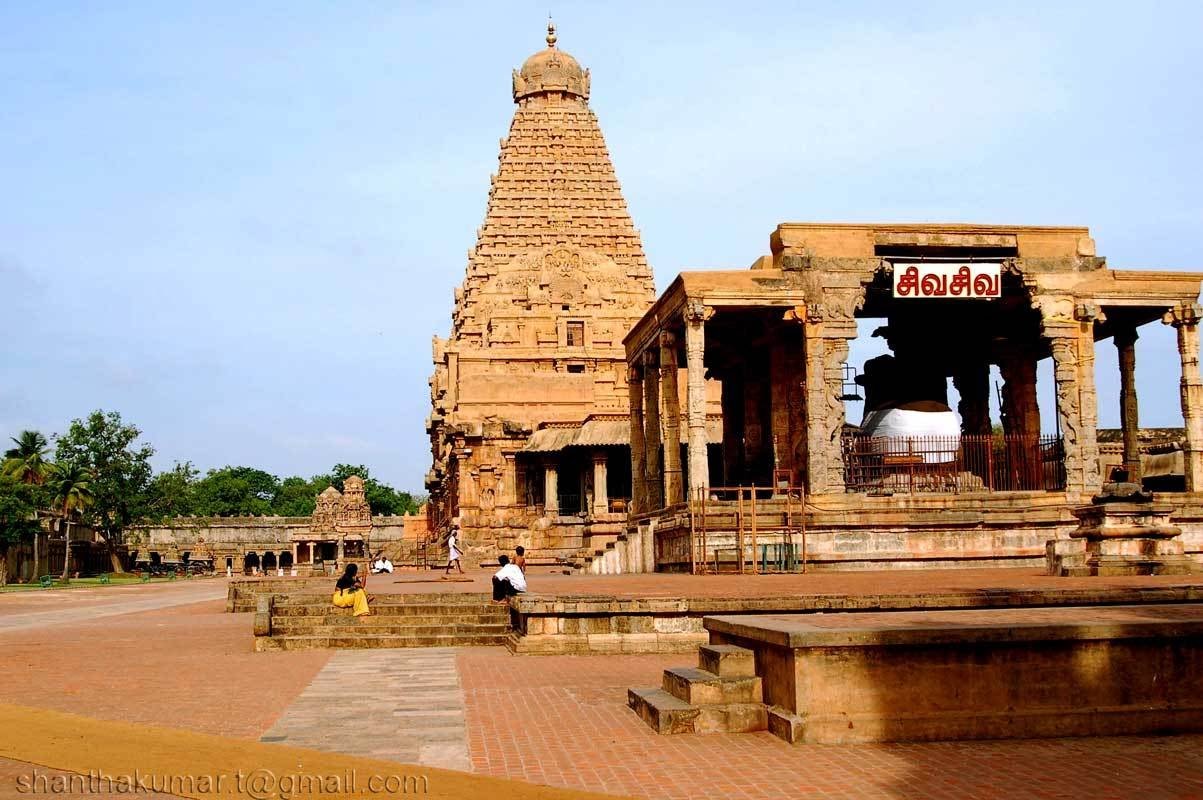
‘Religious Principle: Rajaraja was a great devotee of Lord Shiva. The large temple built by him is sufficient evidence of this. However, he, like the Indian Empire, treated all the religions of his great country equally. The sculptures of the big temples, the Vishnu temples he built in Mysore and his donations to vishnu temples illustrate his compromised attitude. Uthaman, who helped in the construction of the Buddhist Vihara at Nagapattinam, is also evident from the fact that some of the chieftains of his rule had done charity to the Jaina temples, and that this emperor had given his princes and subjects the right to follow the religion of their choice. During his reign, many temples which received songs became kallis and many new Shiva temples were built. Many temples were supported by many. The work at the temple increased dramatically. All their details can be found in the section entitled ‘Chola Temple Works… https://ta.m.wikisource.org/wiki/%E0%AE%9A%E0%AF%8B%E0%AE%B4%E0%AE%B0%E0%AF%8D_%E0%AE%B5%E0%AE%B0%E0%AE%B2%E0%AE%BE%E0%AE%B1%E0%AF%81/%E0%AE%AE%E0%AF%81%E0%AE%A4%E0%AE%B2%E0%AE%BE%E0%AE%AE%E0%AF%8D_%E0%AE%87%E0%AE%B0%E0%AE%BE%E0%AE%9A%E0%AE%B0%E0%AE%BE%E0%AE%9A%E0%AE%A9%E0%AF%8D
Surprising isn’t it,there is no word about Islam while Religions are mentioned. No wonder we have people in Tamil Nadu who raised a query whether Rajaraja Chola was a Hindu, despite his having built the Thanjavur Brahadeeswara Temple. At this rate ,Benares was built by Aurangazeb!?
(சமயக்கொள்கை : இராசராசன் சிறந்த சிவ பக்தன். இவன் கட்டிய பெரிய கோவிலே இதற்குப் போதிய சான்றாகும். எனினும், இவன், இந்தியப் பேரரசைப் போலவே தன்பெருநாட்டில் இருந்த எல்லாச் சமயங்களையும் சமமாகவே மதித்து நடந்தவன். பெரிய கோவிற்கவர்களில் உள்ள சிற்பங்கள், மைசூரில் இவன் கட்டிய விஷ்ணு கோவில்களும், விஷ்ணு கோவில்கட்கு இவன் செய்துள்ள தானங்களும் இவனது சமரசப்பட்ட மனப்போக்கை விளக்குவதாகும். நாகப்பட்டினத்தில் புத்த விகாரம் கட்டப் பொருள் உதவி புரிந்த உத்தமன் இவன் இவனது ஆட்சியில் இருந்த சிற்றரசர் சிலர், சமணர் கோவில்கட்குத் தருமம் செய்துள்ளனர் என்பதையும் நோக்க, இப்பேரரசன், தன் சிற்றரசரையும் குடிகளையும் தத்தமது விருப்பத்துக்கியைந்த சமயத்தைப் பின்பற்ற உரிமை அளித்திருந்தனன் என்பது நன்கு புலனாகின்றது. இவனது ஆட்சிக் காலத்திற்றான் பாடல் பெற்ற பல கோவில்கள் கற்றளிகளாக மாறின, புதிய பல சிவன் கோவில்கள் கட்டப்பட்டன. பல கோவில்கள் பலரால் ஆதரிக்கப்பெற்றன. கோவிற் பணிகள் வியத்தகு முறையிற் பெருகின. அவற்றின் விவரமெல்லாம் ‘சோழர் கோவிற் பணிகள்’ என்னும் பகுதியிற் பரக்கக் காண்க)
‘
யவனர் என்போர் ரோமர்கள் அல்ல. அவர்கள் கிரக்கர்களின் 4 பெரும்பிரிவுகளில் ஒன்றான Ionians. அவர்கள் மத்திதரைக்கடற் தீவுகளிலும் ஆசியா மைனர் வரையிலும் பரந்து வாழ்ந்தவர்கள்.
உண்மையான சரித்திரத் தேடல்களின் போது இந்தச் சங்க இலக்கியங்களை ஒரு பெட்டிக்குள் வைத்துப் பூட்டப் பழகுங்கள்.
கேள்விகளையும் உண்மையான தேடல்களுக்கான கேள்விகளாக ஆரம்பிக்கப்பழகுங்கள். இப்போது நீங்கள்கேட்பது “வலுவான ஆதாரங்கள் சங்க இலக்கியத்திலுள்ளன என்பதற்கான ஆதாரங்கள்” ! அப்படியா? ( https://ta.quora.com/romarkalai-yavanar-ena-canka-ilakkiyankal-kurippituvataip-pola-arepiyarkal-evvaru-kurikkappattirukinranahttps://ta.quora.com/romarkalai-yavanar-ena-canka-ilakkiyankal-kurippituvataip-pola-arepiyarkal-evvaru-kurikkappattirukinranarr
Yavanas are not Romans. They are the Ionians, one of the 4 major divisions of the Crackers. They lived on the Mediterranean Islands and as far as Asia Minor.
Practice locking these Sangam literatures in a box during real historical searches.
Learn to start with questions as questions for real searches. What you are now hearing is “evidence that strong evidence exists in the Sangam literature”! Is that so.. ( translation of the Tamil portion found above) Translation by Microsoft translator.


You must be logged in to post a comment.